5 Best Things to Do in Scotland This Summer: An Insider’s Guide

The call to prayer wasn’t what woke me that August morning in Edinburgh—it was bagpipes. Not the polished, ceremonial kind you’d expect at a wedding, but raw, haunting notes drifting through my hostel window from somewhere on the Royal Mile. I stumbled outside at 7 AM to find a street performer in full Highland dress practicing for the day’s crowds, mist still clinging to the cobblestones, Edinburgh Castle looming overhead like something out of a fever dream. That’s when Scotland grabbed me by the throat and didn’t let go.
Here’s the brutal truth about planning a Scottish summer: you have maybe 7-10 days of vacation, the country offers approximately 847 things worth doing, and every blog post you read promises “hidden gems” that turn out to be photographed by 10,000 Instagram influencers daily. You’re overwhelmed. You’re worried about blowing your budget on tourist traps. And you’re terrified of missing the one perfect experience that would’ve made your entire trip.
I’ve spent the better part of three summers criss-crossing Scotland—from whisky-soaked evenings in Speyside to white-sand beaches in the Hebrides that genuinely rival anything the Caribbean offers. I’ve made the mistakes so you don’t have to: I’ve overpaid for mediocre accommodation, missed crucial ferry bookings, and learned the hard way that “waterproof” means something very different in the Scottish Highlands than it does in California.
This isn’t another generic bucket list. These are the five summer experiences that deliver maximum impact whether you’ve got £50 or £500 per day to spend, whether you’re chasing culture, nature, whisky, or all three. Let’s dive in.
Experience Edinburgh’s August Festivals: The World’s Largest Arts Celebration

Why This Makes the List
Every August, Edinburgh transforms from Scotland’s elegant capital into a gloriously chaotic cultural circus. Three major festivals run simultaneously—the Fringe, the International Festival, and the Military Tattoo—turning the entire city into one massive performance venue. We’re talking 3,000+ shows, 220,000 spectators at the Tattoo alone (30% from abroad), and street performers so talented they make you question every career choice you’ve ever made.
The first time I experienced Fringe, I saw seven shows in one day. A one-woman performance about grief in a converted bathroom. Stand-up comedy in a venue that seated exactly 23 people. A dance piece that started on the street and ended in someone’s living room. None of these shows existed in traditional theatres. That’s the magic—and the madness—of Edinburgh in August.
The Edinburgh Festival Fringe: Where Creativity Runs Wild
The Fringe is the world’s largest arts festival, and “largest” doesn’t begin to capture it. Picture the Royal Mile—Edinburgh’s historic main street—transformed into an open-air carnival. Every doorway conceals a venue. Every corner hosts a performer desperately trying to convince you their show is the one you can’t miss. It’s overwhelming in the best possible way.
Here’s what most guides won’t tell you: The best Fringe shows aren’t the ones with massive marketing budgets or celebrity names. They’re the weird, experimental productions in 40-seat venues where you can smell the actors’ sweat. I stumbled into a show called “Shit-Faced Shakespeare” (exactly what it sounds like—one actor performs drunk) in a basement venue that held 60 people. Cost me £12. I’ve paid £150 for West End shows that didn’t come close.
Practical survival tips for the Fringe:
Book your accommodation 6-8 months ahead, or prepare for sticker shock. August prices in Edinburgh are brutal—that £60/night hostel bed becomes £120. I once paid £180 for a literal closet with a window.
Don’t pre-book every show. The Half Price Hut on the Mound sells unsold tickets for half-price on the day of performance. Some of my best discoveries came from buying whatever was available at 2 PM for that evening’s shows.
Free shows exist everywhere. They pass a hat at the end, so bring cash and tip generously if you enjoyed it—these performers are working for pennies.
The Fringe runs throughout August, but exact dates shift annually. Check well ahead and note that the first weekend is slightly less insane than the middle weeks.
The Royal Edinburgh Military Tattoo: A Breathtaking Spectacle
I’m not a military person. I’m not particularly into pageantry. But watching 1,200 performers from around the world execute precision choreography against the floodlit backdrop of Edinburgh Castle, bagpipes wailing, drums thundering, while sitting on temporary bleachers in the crisp Scottish night air? That did something to me.
The word “tattoo” comes from a 17th-century Dutch phrase “doe den tap toe”—literally “turn off the tap”—which was the signal for tavern owners to stop serving soldiers for the night. This “last call” evolved into the military drumming tradition you see today.
What you need to know:
Tickets sell out 6-12 months in advance. This isn’t an exaggeration. The Tattoo runs for about three weeks in August with performances almost nightly, and it still sells out. Book early or prepare to pay scalpers’ prices.
Premium seats (£65-95) face the castle dead-on and are absolutely worth the splurge if you can swing it. Standard seats (£25-50) still offer great views but at an angle. There are no bad seats, but there are spectacular ones.
Bring layers. Edinburgh in August means temperatures around 15-18°C (59-64°F), and you’re sitting outside for two hours after sunset. I watched tourists in shorts and t-shirts literally shivering through the performance.
Beyond the Festivals: Authentic Edinburgh Experiences
Here’s the trap everyone falls into: you get so consumed by festival-hopping that you miss Edinburgh itself. The Georgian New Town is one of Europe’s finest examples of neoclassical urban planning—and it’s free to explore. Just walk. Get lost in the grid of elegant streets and crescents.
The National Gallery of Scotland offers world-class art without the crowds of London’s museums. Perfect for a quiet hour between shows.
Local secret most visitors miss: Skip the overpriced, tourist-trap restaurants on the Royal Mile. Walk 15 minutes north to Stockbridge, a neighbourhood where actual Edinburgh residents eat. Try The Scran & Scallie for elevated Scottish pub food or Hectors for unfussy, delicious local fare. You’ll pay £15-20 for a main instead of £25-30, and the quality is miles better.
Discover the Spirit of Speyside: Scotland’s Ultimate Whisky Journey

Scotland produces whisky like France produces wine—it’s woven into the landscape, the economy, and the culture. But while everyone knows about Scottish whisky, most visitors never actually visit a distillery. That’s a mistake bordering on tragedy.
Speyside, a river valley in northeastern Scotland, produces over 50% of Scotland’s single malt whisky despite being relatively small. The Spirit of Speyside Whisky Festival in May offers exclusive access to distilleries normally closed to the public, but honestly? Summer visits work beautifully too, with longer daylight hours and the stunning Speyside countryside in full bloom.
The Complete Speyside Experience
I’ll be honest: I arrived in Speyside thinking whisky tourism was overhyped. I left having spent £200 on bottles to ship home and genuinely understanding why people dedicate their lives to this amber liquid.
What you’ll actually experience:
Tours at world-famous distilleries like Glenfiddich, Macallan, and Glenlivet, where you’ll learn the absurdly specific craft of whisky-making. The difference between good and exceptional whisky comes down to things like the shape of the copper still, the source of the water, and how long the spirit rests in oak barrels that previously held sherry, bourbon, or port.
The landscape itself is part of the appeal. The River Spey winds through rolling hills dotted with distillery buildings, their pagoda-shaped roofs unmistakable against the skyline. It’s beautiful countryside that happens to smell faintly of malted barley.
Practical planning:
Speyside sits about 3 hours north of Edinburgh, 2.5 hours from Glasgow. You absolutely need a car or a tour—public transport is limited. If you’re driving, designate a non-drinking driver or book a guided tour from Edinburgh (£80-120/day including transport).
Base yourself in Dufftown, which bills itself as “Malt Whisky Capital of the World” and isn’t exaggerating. Seven distilleries operate within walking distance of this small town.
Tours range wildly in price. Basic distillery tours start around £10-15 and include a dram or two. Premium experiences—private tastings with master distillers, warehouse tours, blending your own bottle—run £100+. The Macallan Estate tour costs £200 and is genuinely worth it if whisky is your thing.
Money-saving insider tip: Many distilleries offer free basic tours with paid premium tastings. The free Glenfiddich tour is excellent. You can also buy multi-distillery passes during festival season that offer significant savings.
Beyond the Distilleries: Hidden Speyside Gems
The Speyside Way is a 65-mile walking and cycling trail that winds through distillery country. You don’t need to do the whole thing—even a few hours cycling between Craigellachie and Aberlour offers stunning scenery and works up an appetite for lunch.
If you venture to nearby Inverness (about an hour north), Leakey’s Bookshop occupies a converted church and is Scotland’s largest second-hand bookshop. It’s the kind of place where you intend to browse for 20 minutes and emerge three hours later with six books you didn’t know you needed.
Stay in local B&Bs (£60-90/night) rather than hotels. Your hosts will give you better recommendations than any guidebook, and breakfast usually includes proper Scottish black pudding, tattie scones, and enough food to skip lunch.
This experience is perfect for couples seeking something romantic and authentic, foodies and drink enthusiasts who appreciate craft, and anyone wanting to escape Edinburgh’s August crowds without sacrificing quality experiences.
Journey Through the Scottish Highlands: Breathtaking Landscapes & Local Legends

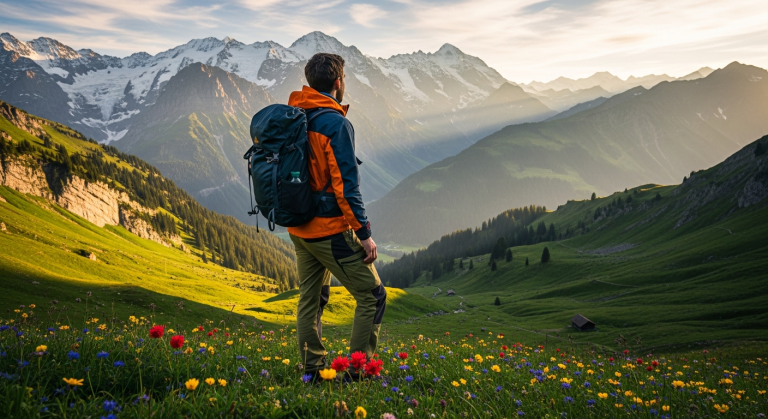
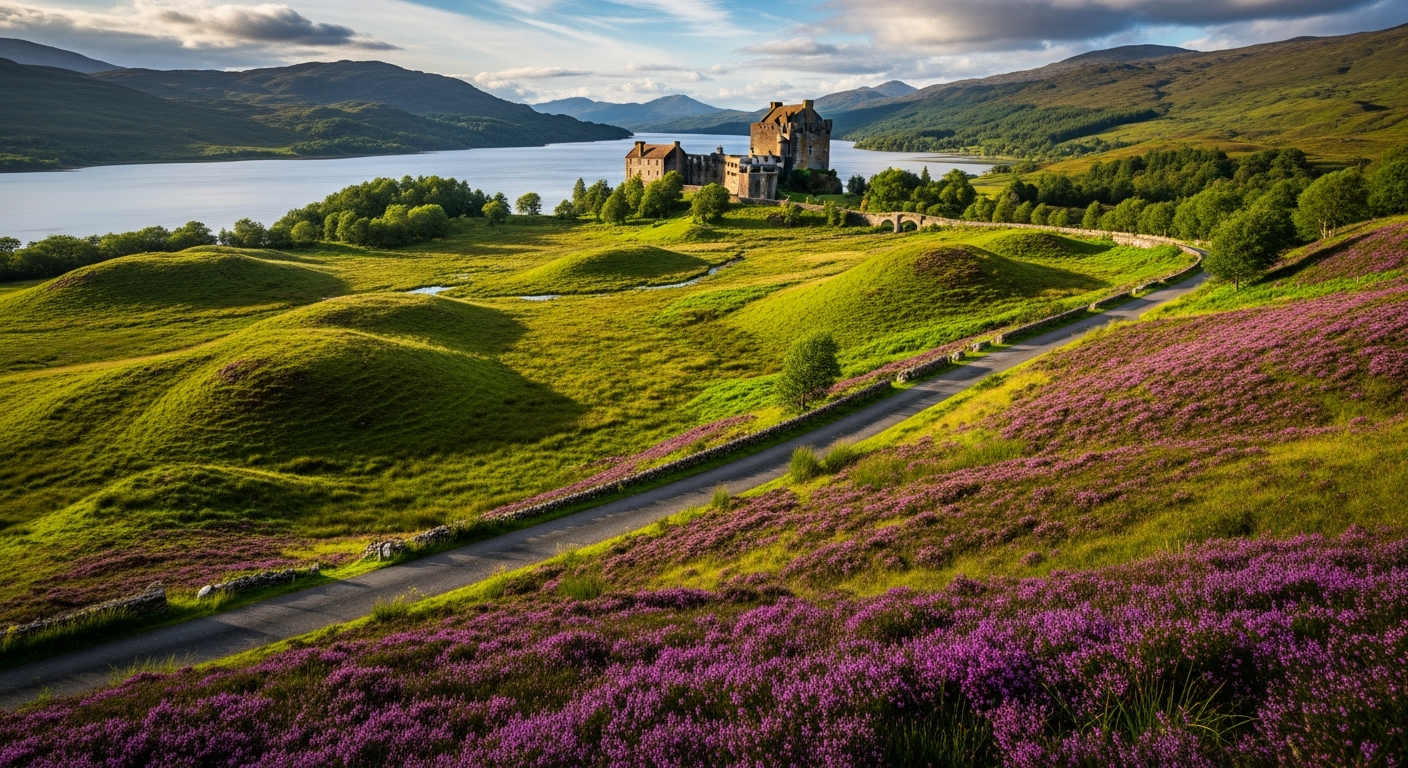
The Highlands are why most people come to Scotland. Dramatic glens, mysterious lochs, ancient castles perched on impossible cliffs, and landscapes so cinematic they’ve starred in everything from Outlander to Skyfall. Summer offers long daylight hours—sunset after 10 PM in June—meaning you can pack more into each day.
But here’s what nobody tells you: the Highlands are massive, distances are deceptive, and Highland roads make you earn every mile. That scenic 50-mile drive? Plan 90 minutes minimum, more if you stop for photos (and you will).
The Jacobite Steam Train: Your Harry Potter Moment
The Jacobite Steam Train from Fort William to Mallaig crosses the Glenfinnan Viaduct—yes, THE Harry Potter viaduct. I’m not even a massive Potter fan, but watching that steam train cross the curved viaduct with mountains rising behind it? Pure magic.
This 84-mile round trip showcases Scotland’s most stunning Highland scenery: mountains, lochs, remote glens, and coastline. The train runs April through October, and you need to book 2-3 months ahead because it sells out.
Essential logistics:
First Class (£69) gets you reserved seats, coffee and tea service, and slightly cushier chairs. Standard Class (£45) offers the exact same views from slightly more cramped seats. Both are worth it.
The insider secret everyone misses: Sit on the LEFT side heading to Mallaig for the best viaduct views. The train crosses the viaduct heading west, and you want to be on the outside of the curve.
Budget alternative: Regular ScotRail trains run the same route for about £15. No steam engine, no vintage carriages, but identical scenery. If you’re watching pennies, this works beautifully.
Castle Stalker & Glen Coe: Photography Paradise
Castle Stalker is that impossibly photogenic castle sitting on its own tiny island in Loch Laich. Monty Python fans will recognize it from “Monty Python and the Holy Grail.” You can view it for free from the A828 roadside viewpoint, and honestly, that’s enough for most people. Limited tours are available if you book well ahead, but the exterior is the real star.
Glen Coe is Scotland’s most dramatic glen—and the site of the 1692 Massacre of Glencoe, where 38 members of Clan MacDonald were murdered by government forces. The landscape matches the history: brooding, dramatic, and slightly ominous even on sunny days.
What to actually do in Glen Coe:
Stop at the Glencoe Visitor Centre for historical context. Understanding what happened here adds weight to the landscape.
Hike to the Lost Valley (Coire Gabhail), a hidden glen where the MacDonalds once hid stolen cattle. It’s a 2-3 hour hike, moderate difficulty, and the valley itself feels like stepping into another world. Free, spectacular, and genuinely off most tourists’ radar despite being “well-known.”
The glen itself is free to explore. Pull over at viewpoints, take photos, and just absorb the scale of it.
Authentic Highland Wildlife Encounters
The Cairngorm reindeer herd near Aviemore is Britain’s only free-ranging herd of reindeer. Daily hill visits (£17.50 adults) let you meet and hand-feed these surprisingly gentle creatures. It’s perfect for families, and even childless adults (like me) find it utterly charming.
The Highland Wildlife Park, also near Aviemore, houses endangered Scottish wildcats—genuinely rarer than pandas. These aren’t domestic cats gone feral; they’re a distinct species, and seeing them in naturalistic enclosures beats any zoo experience. Entry costs £19.50 for adults; book online for small discounts.
You can combine both in a full day for excellent value, especially if you’re traveling with kids or wildlife enthusiasts.
Planning Your Highland Adventure
Logistics reality check:
Rent a car for ultimate flexibility. Expect to pay from £35/day for a small manual car, more for automatic or larger vehicles. Fuel is expensive (£1.40-1.60 per liter), and Highland roads are narrow, winding, and occasionally single-track with passing places.
Alternative: Join small-group tours from Edinburgh (£50-80/day). You lose flexibility but gain local knowledge and no driving stress.
Best base towns: Fort William (central, good facilities), Inverness (largest town, good transport links), or Aviemore (outdoorsy vibe, great for hiking/wildlife).
Allow minimum 2-3 days for the Highlands; 5-7 days is ideal for a proper exploration without constant rushing.
Insider secrets most guides skip:
Pack layers and waterproofs. Highland weather changes hourly. I’ve experienced sunshine, rain, wind, and hail in a single afternoon. “Waterproof” in Scotland means properly waterproof—not water-resistant.
Fill your gas tank in towns. Stations are sparse in remote areas, and running out of fuel in the Highlands is not an adventure you want.
Download offline maps. Cell service is unreliable at best, non-existent at worst. Google Maps offline mode saved me multiple times.
Stay in B&Bs rather than hotels. Your hosts are fountains of local knowledge and insider tips worth far more than the slightly cheaper hostel bed.
Island-Hop the Hebrides: Scotland’s Secret Summer Paradise

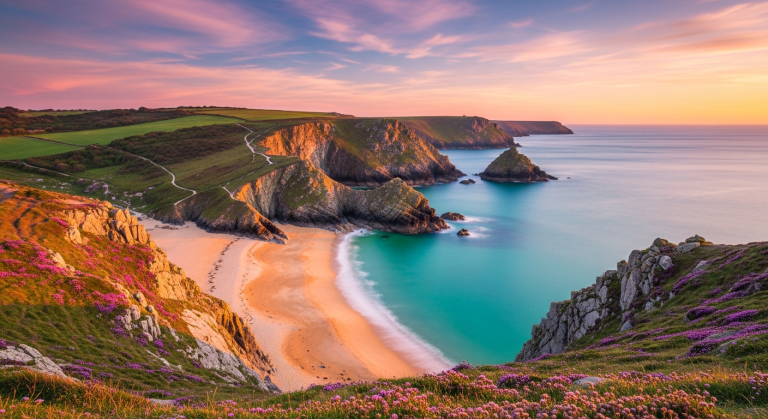
Most visitors never make it to Scotland’s islands. That’s partly logistics—ferries require planning—and partly ignorance. People simply don’t know that the Hebrides offer white-sand beaches with water clearer than the Caribbean (yes, really), authentic Gaelic culture, and dramatically fewer tourists than mainland hotspots.
I’ll confess: the Hebrides weren’t on my original Scotland itinerary. I added them reluctantly, worried about ferry schedules and remote accommodation. They ended up being the highlight of three months traveling Scotland.
Hebridean Celtic Festival: Local Culture Comes Alive
The Hebridean Celtic Festival in Stornoway, Isle of Lewis, happens every July and celebrates Celtic music, dance, and Gaelic culture in a way that feels genuinely local rather than tourist-oriented. You’re not watching culture performed for visitors—you’re joining a celebration that would happen with or without you.
Beach concerts take advantage of the midnight sun (it doesn’t get truly dark in July), creating surreal experiences like watching traditional musicians perform on white sand at 11 PM in broad daylight. The intimate festival atmosphere means you’ll find yourself chatting with performers between sets and meeting locals who are genuinely proud to share their culture.
Getting there and practical details:
Ferry from Ullapool to Stornoway takes 2.5 hours and runs twice daily in summer. Book ahead, especially if you’re bringing a car. Alternative: fly from Edinburgh or Glasgow (1 hour), though flights are pricier.
Book accommodation early. Stornoway isn’t huge, and festival time fills up fast. Expect to pay £80-120/night for basic B&B accommodation during the festival.
The 3-day festival pass costs £180-250 depending on ticket type. It’s not cheap, but for authentic cultural immersion unavailable elsewhere, it’s worth every penny.
What makes it special: This isn’t Edinburgh Festival scale. It’s smaller, more intimate, and infinitely more authentic. You’re experiencing Hebridean culture as it actually exists, not a sanitized tourist version.
Isle of Skye: The Perfect Island Introduction
If the Hebrides sound too remote, start with Skye. It’s connected to the mainland by bridge (no ferry stress), offers spectacular scenery, and has infrastructure for tourists while retaining authentic island character.
The Fairy Pools are Scotland’s worst-kept secret—crystal-clear natural swimming pools at the base of the Black Cuillin mountains.
They’re free, stunning, and yes, absolutely freezing even in summer. The water temperature hovers around 10-12°C (50-54°F). Bring a wetsuit if you actually want to swim rather than just dip your toes.
Practical Skye advice:
Base yourself in Portree, Skye’s main town, for accommodation and dining options. Book ahead in summer—Skye is no longer undiscovered.
The drive from mainland Scotland to Skye via the Skye Bridge is spectacular but takes longer than maps suggest. From Edinburgh, plan 5-6 hours minimum.
Midges (tiny biting insects) are brutal in summer, especially in still, damp conditions. Bring proper midge repellent (Smidge and Avon Skin So Soft are local favorites). This isn’t a joke—clouds of midges can genuinely ruin outdoor experiences.
The Hebrides demand more time and planning than mainland Scotland, but they reward that investment with experiences you simply cannot have anywhere else. If you have 10+ days in Scotland and want to escape tourist crowds, make the ferry journey. You won’t regret it.
Scotland Summer: Your Ultimate Experience Awaits
That August morning in Edinburgh feels like years ago now, but Scotland hasn’t left me. I still dream about the light on Glen Coe at sunset, the burn of Speyside whisky in my throat, the surreal experience of watching traditional music on a Hebridean beach at midnight in full daylight.
Here’s what I wish someone had told me before my first Scottish summer: you cannot do everything. Scotland is too big, too varied, too packed with unmissable experiences. You will miss things.