What to Wear in Japan: The Complete Tourist Outfit Guide

You’ve booked your flights to Japan, mapped out temples and cherry blossom spots, but there’s one question keeping you up at night: what on earth should I wear?
Here’s what most packing guides won’t tell you: the classic tourist-in-Japan aesthetic isn’t about buying a whole new wardrobe or trying to look “perfectly Japanese.”
It’s about understanding three key principles that make the difference between feeling awkward and out of place versus confident and camera-ready.
The reality? You’ll walk 15,000+ steps daily through humid train stations, air-conditioned museums, shoe-removal temples, and Instagram-worthy streets.
Your outfit needs to work for all of it. The good news is that with eight strategic pieces, you can create 12+ polished looks that photograph beautifully and feel comfortable from dawn temple visits to evening ramen runs.
This guide breaks down exactly what works, what doesn’t, and why. You’ll get specific outfit formulas for every activity, seasonal timing strategies, and cultural context to help you dress respectfully without overthinking it.
Understanding the Japan Dress Code

The Japan dress code isn’t strict, but it rewards thoughtfulness. Walk through Shibuya or Harajuku and you’ll see everything from avant-garde street style to minimalist neutrals.
The unifying thread? Intentionality. Japanese fashion culture values a put-together appearance over flashy logos or obvious luxury.
Cultural Considerations That Actually Matter
Modesty matters at temples and traditional sites, but it’s not as rigid as you might fear. Keep shoulders covered and avoid shorts that hit above mid-thigh. The real surprise?
Your socks will be on display constantly. Japan’s remove-your-shoes culture means you’ll slip off footwear at temples, traditional restaurants, some museums, and many accommodations. Invest in nice socks without holes or worn elastic.
Cleanliness signals respect here. A simple outfit in good condition beats designer pieces that look wrinkled or worn. This doesn’t mean you need to pack an iron (most hotels have them), but choose wrinkle-resistant fabrics and check for loose threads or missing buttons before you pack.
Tattoo coverage becomes relevant at onsens (hot springs) and some public baths. Many facilities still maintain traditional policies. If you have visible tattoos and want the onsen experience, research tattoo-friendly locations ahead of time or bring waterproof bandages for small tattoos.
The Unspoken Rules Japanese Locals Follow
Neutral, coordinated color palettes dominate street style. You’ll see endless variations of beige, white, navy, and black with occasional pastels. Bold, clashing patterns are rare outside specific fashion districts. This doesn’t mean boring. It means thoughtful combinations where each piece complements the others.
Quality over quantity shows up everywhere. A well-maintained cotton tee and clean sneakers read better than a designer bag paired with scuffed shoes.
The attention to detail extends to accessories. Minimalist jewelry, clean sunglasses, and understated bags create that effortlessly polished look Japanese fashion is known for.
Footwear matters more than you’d expect. Comfortable yet polished shoes signal that you understand the walking culture. Tokyo locals somehow make sneakers look chic. The secret? They’re pristine white or neutral, not neon running shoes with visible wear.
Tourist-Friendly Flexibility
Here’s the relief: Japanese fashion culture is more forgiving to tourists than you think. Big cities like Tokyo embrace diverse, trendy styles. Harajuku celebrates experimental looks. Shibuya showcases global trends. You’re not expected to blend in perfectly.
Focus on being comfortable, clean, and respectful rather than achieving some imagined “Japanese” aesthetic. Your outfit should work for both Instagram-worthy moments and practical sightseeing.
That means breathable fabrics, comfortable shoes, and layers for temperature changes between outdoor heat and aggressive air conditioning.
The classic tourist outfit Japan approach succeeds when it balances cultural awareness with personal style. You can absolutely wear your favorite jeans and a nice top. Just make sure they’re clean, in good repair, and appropriate for the activities you’ve planned.
Building Your Capsule Wardrobe: Outfit Ideas For Japan Trip
The smartest approach to outfit ideas for Japan trip planning starts with a capsule wardrobe. Eight carefully chosen pieces create more outfit combinations than 15 random items thrown in a suitcase. This strategy keeps your luggage light while maximizing your style options.
The Essential Base Pieces
Start with 2-3 elevated basics in neutral tones. Think high-quality cotton tees in white, beige, or soft pastels. These aren’t your workout shirts. They’re the slightly nicer versions with better fabric and a flattering fit. A simple crew neck or subtle V-neck works with everything from jeans to midi skirts.
For versatile bottoms, pack one pair of comfortable jeans (dark wash photographs better), linen trousers for warmer days, or a midi skirt that moves well. The key word is comfortable. If your jeans require a “breaking in” period, leave them home. You’ll be walking miles daily and sitting on trains. Your bottoms need to work hard without pinching or restricting movement.
The layering hero is non-negotiable. A lightweight cardigan or denim jacket handles temperature fluctuations between scorching streets and arctic train cars. Choose something that looks intentional, not like an afterthought. A well-fitted denim jacket elevates any outfit and photographs beautifully at temples and gardens.
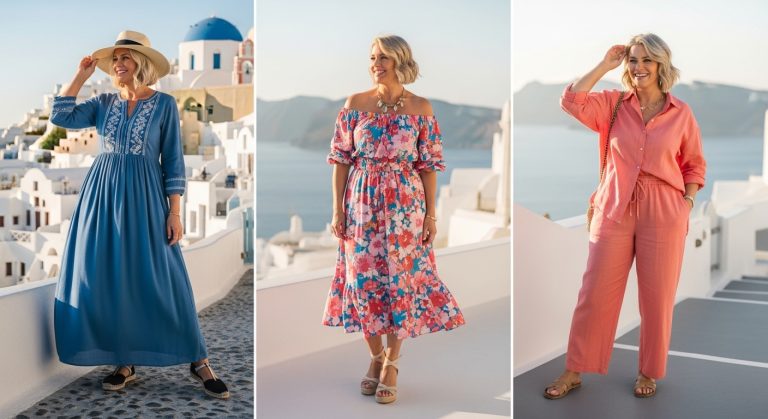
Include one effortless dress as your wildcard. A midi or maxi dress in a neutral color or subtle print gives you an instant put-together look. Choose a style that works for both daytime sightseeing and casual dinners. Bonus points if it has pockets for your phone and transit card.
Mix-and-Match Formula for Maximum Outfits
Choose a cohesive color palette before you pack. Neutrals plus one or two accent colors create endless combinations. If your base is white, beige, and navy, add soft pink or sage green as accents. Every top should pair with every bottom. This formula turns eight pieces into 12+ distinct outfit ideas for Japan trip planning.
Prioritize wrinkle-resistant fabrics. Linen blends, quality cotton, and certain synthetics hold up better than 100% linen or silk. You won’t have time (or energy) for extensive outfit maintenance between exploring Kyoto temples and Tokyo shopping districts.
Include one statement piece for special photos. A flowy tier skirt, a bow-detail top, or a vintage-inspired blouse adds visual interest without requiring extra packing space. This is the piece you’ll reach for when you want your photos to feel special, not just functional.
Shoes That Won’t Destroy Your Feet
Footwear makes or breaks your trip. Broken-in white sneakers or minimalist trainers earn their place in your luggage. You’ll wear these 80% of the time. They need to be comfortable for 20,000+ steps, look good in photos, and slip on and off easily for temple visits. Break them in completely before your trip.
Your second pair should be comfortable slip-on loafers or ballet flats. These work for temple visits where you’re constantly removing shoes and for evenings when you want something slightly dressier than sneakers. Choose a neutral color that works with everything in your capsule.
Pack a third option based on season: strappy sandals for spring and summer, or ankle boots for fall and winter. These elevate your dinner outfits and give your feet a break from sneakers. Avoid new shoes, high heels, and flip-flops. Flip-flops read as too casual in most Japanese contexts outside the beach.
Japan Outfits End Of May: Seasonal Styling Strategies

Planning Japan outfits end of May requires understanding the unique weather patterns of late spring. This timing sits in the sweet spot between cherry blossom season and the summer humidity wave, but it comes with its own challenges.
Late Spring Weather Reality Check
Temperatures range from 65-75°F (18-24°C) with increasing humidity as June approaches. The rainy season (tsuyu) begins in early June, which means late May can deliver surprise showers. Pack accordingly. You’ll experience warm afternoons perfect for short sleeves, cool mornings that need a light layer, and air-conditioned spaces that feel like refrigerators.
Layers become essential. That temperature range sounds manageable until you’re sweating on a crowded train platform, then shivering in a museum, then comfortable walking through a garden. Your outfit needs to adapt quickly without requiring a complete change.
UV protection starts mattering in late May. The sun intensity increases significantly. A packable sun hat and lightweight long sleeves protect your skin during long outdoor days. Japanese sun protection culture is strong. You’ll see locals carrying UV-blocking umbrellas and wearing arm covers, especially in Kyoto and Osaka.
The Perfect Late May Outfit Formula
For Japan outfits end of May, start with breathable cotton or linen blend tees and short-sleeve blouses. These handle the warming temperatures while looking polished. Choose light colors that reflect heat rather than absorb it. A simple white tee with subtle details (a nice neckline, quality fabric) photographs beautifully against temple backgrounds.
Midi skirts, cropped wide-leg pants, or light denim work perfectly for bottoms. Midi skirts in particular create that effortless, romantic aesthetic that suits Japan’s aesthetic. They’re comfortable for walking, appropriate for temples, and they photograph gorgeously. Choose flowy fabrics that allow air circulation.
Layer with a lightweight cardigan or chambray shirt tied at your waist. This gives you instant coverage for air-conditioned spaces or modest shoulders at temples. A chambray shirt works particularly well because it looks intentional even when not worn, adding visual interest to your outfit.
Essential accessories include a crossbody bag (hands-free for photos and crowded trains), sunglasses, and a packable sun hat that won’t get crushed in your day bag. Your crossbody should fit your phone, wallet, water bottle, and a compact umbrella.
Transitional Pieces That Work
Tier skirts in neutral tones dominate the outfit ideas for Japan aesthetic right now. They photograph beautifully, stay cool in rising temperatures, and create movement in photos. Choose one in beige, white, or soft pink. Pair it with a simple tucked-in tee for daytime or a bow-detail top for special occasions.
Mesh or sheer overlay tops over camisoles solve multiple problems. They’re trendy, provide modest coverage, and allow air circulation. A sheer black mesh top over a white cami creates visual interest while staying cool. This combination works for both sightseeing and casual dinners.
Loose, flowy silhouettes in natural fabrics handle humidity better than structured pieces. Oversized linen shirts, wide-leg cropped pants, and relaxed-fit dresses allow air movement while maintaining a polished appearance. The Japanese aesthetic embraces these proportions.
A compact rain jacket or stylish umbrella completes your late May packing. Japanese convenience stores sell adorable umbrellas if you forget, but a packable rain jacket serves double duty as a light layer and rain protection.
Japan Travel Outfits: Practical Looks for Every Activity

Creating Japan travel outfits that work for specific activities eliminates the “I have nothing to wear” panic when you’re jet-lagged and facing a full day of exploration. These formulas handle the most common tourist activities with style and practicality.
Temple & Shrine Visit Outfit
The temple outfit requires modest coverage and easy shoe removal. Start with a midi skirt or cropped pants paired with a simple blouse. This combination keeps shoulders covered (bring a light scarf or cardigan if your top is sleeveless) and maintains appropriate coverage at sacred sites.
Slip-on shoes are essential. You’ll remove footwear multiple times at temple complexes. Loafers, ballet flats, or slip-on sneakers save you from wrestling with laces while other visitors wait. Make sure your socks are presentable. This is where those nice socks earn their place.
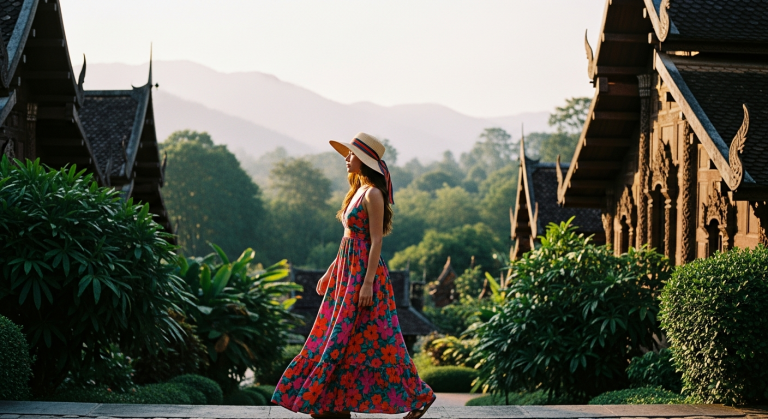
Avoid short shorts, spaghetti straps, and overly casual athleisure. While temples don’t enforce strict dress codes for tourists, showing respect through thoughtful clothing choices matters. Your outfit can still be stylish. This is actually where your flowy, vintage-inspired pieces shine. Think romantic, timeless silhouettes that photograph beautifully against traditional architecture.
A Japan temple outfit formula: flowy midi skirt + tucked-in cotton tee + lightweight cardigan + slip-on loafers + crossbody bag. This combination looks intentional, feels comfortable, and shows cultural awareness.
Tokyo Street Style Exploration Outfit
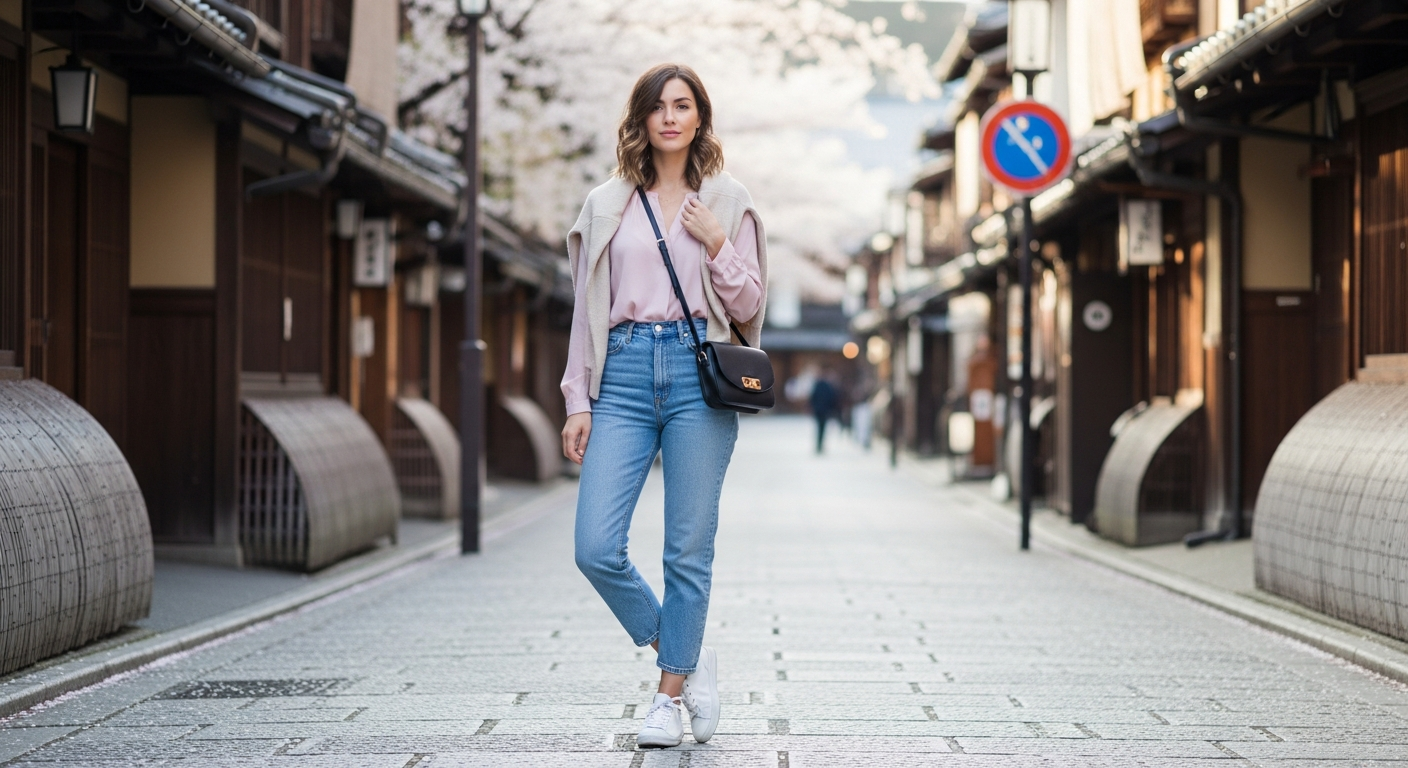
Tokyo’s fashion districts embrace bold, trendy styles. Harajuku and Shibuya celebrate experimental looks. Your street exploration outfit can be more adventurous than your temple attire. High-waisted jeans paired with a graphic tee or bow-detail top create that effortless cool-girl aesthetic.
White sneakers remain non-negotiable. You’ll walk everywhere in Tokyo. The subway system is extensive, but you’ll still cover miles on foot. Your sneakers should be broken in, clean, and comfortable enough for 20,000+ daily steps.
This is your chance to experiment with Japanese-inspired pieces. Oversized silhouettes, unique accessories, and statement bags all work in Tokyo’s urban landscape. A crossbody bag that fits your phone, wallet, and water bottle keeps your hands free for photos and shopping bags.
The Tokyo street outfit formula: high-waisted jeans + graphic or bow-detail top + pristine white sneakers + statement crossbody bag. Add a denim jacket tied at your waist for temperature flexibility and extra style points.
Cherry Blossom Viewing Outfit (Hanami)
Hanami (cherry blossom viewing) calls for feminine, photo-ready outfits. A midi dress or skirt in soft pastels photographs gorgeously with sakura. Blush pink, lavender, cream, and soft yellow complement the delicate pink blooms without competing with them.
Layer with a denim jacket for temperature control. Hanami often involves sitting on the ground for picnics under the trees. Your outfit needs to handle both standing for photos and sitting comfortably. A midi dress or skirt works better than anything too short or restrictive.
Ballet flats or comfortable sandals complete the look. You’ll walk through parks and gardens, often on uneven paths. Save your most delicate shoes for another occasion. Choose footwear that looks polished but handles actual walking.
The hanami outfit formula: feminine midi dress or tier skirt + denim jacket + ballet flats + small crossbody bag. This is Instagram-moment dressing at its finest. Go for that effortless, romantic aesthetic that makes every photo look editorial.
Casual Dinner & Evening Outfit
Japanese restaurants, even casual ones, appreciate a put-together appearance. Elevate your daytime look by swapping sneakers for sleeker footwear. Nice trousers or a midi skirt paired with a polished top create an instantly more refined appearance.
Loafers or ankle boots transform your outfit from daytime casual to evening appropriate. The rest of your outfit can stay the same. This is the beauty of a well-planned capsule wardrobe. One footwear change elevates everything.
Avoid overly casual gym wear or beachwear for dinner, even at casual restaurants. The cultural norm leans toward dressier rather than more casual. You don’t need formal attire, just clean, coordinated pieces that show you made an effort.
The dinner outfit formula: elevated trousers or midi skirt + polished blouse or nice tee + loafers or ankle boots + minimal jewelry. This combination respects local norms while maintaining your personal style.
Seasonal Variations: Outfit Ideas For Japan Throughout the Year
Understanding outfit ideas for Japan across different seasons prevents packing mistakes and ensures comfort. Each season brings distinct weather patterns and style opportunities.
Spring (March-May): Cherry Blossoms & Layers
Spring temperatures range from 50-70°F (10-21°C), with significant variation between early and late season. Early spring (March) still needs warmer layers. Late spring (May) transitions toward summer pieces. This is prime cherry blossom season, which means crowds and photo opportunities.
Pack light sweaters, midi skirts, a classic trench coat or lightweight jacket, and closed-toe shoes. The weather remains unpredictable. You might experience a warm, sunny afternoon followed by a chilly evening. Layers solve this problem.
Color inspiration leans toward pastels, soft neutrals, and whites. These tones complement cherry blossoms and create that dreamy, romantic aesthetic spring in Japan is famous for. A classic trench coat becomes your hero piece, working over dresses and casual outfits while protecting against spring showers.
The spring packing list: 2-3 lightweight sweaters, midi skirts, dark jeans, trench coat, closed-toe comfortable shoes, pastel-colored tops, one dress for special photos.
Summer (June-August): Beat the Heat Stylishly
Summer brings 75-90°F (24-32°C) temperatures with oppressive humidity. This is Japan’s most challenging season for tourists. Your outfit strategy needs to prioritize breathability and moisture management while maintaining style.
Pack breathable linens, loose silhouettes, sun protection, and moisture-wicking fabrics. Tight, synthetic fabrics become unbearable. Natural fibers like cotton and linen allow air circulation. Loose fits prevent fabric from clinging to sweaty skin.
Color inspiration shifts to whites, light blues, and natural tones. These reflect heat rather than absorb it. A white linen shirt over a light cami creates a polished look while maximizing comfort. Wide-leg linen pants or a breezy maxi dress handle humidity better than fitted options.
Sun protection becomes critical. A wide-brimmed hat, lightweight long sleeves, and quality sunglasses protect against intense UV rays. Japanese summers are no joke. Many tourists underestimate the heat and humidity combination.
The summer packing list: breathable linen pieces, loose maxi dresses, wide-leg pants, sun hat, comfortable sandals, moisture-wicking undergarments, portable fan (locals carry them).
Fall (September-November): Peak Comfort Season
Fall delivers the best weather for exploring Japan. Temperatures range from 55-75°F (13-24°C) with lower humidity than summer. This is when Japan travel outfits can be both stylish and comfortable without compromise.
Pack light layers, long-sleeve tops, comfortable jeans, ankle boots, and a medium-weight jacket. Early fall (September) still carries summer warmth. Late fall (November) trends cooler, especially in northern regions like Tokyo and Kyoto.
Color inspiration embraces earth tones, burgundy, forest green, and warm neutrals. These complement Japan’s famous autumn foliage. A rust-colored sweater or olive green jacket photographs beautifully against red maple leaves.
The fall outfit formula focuses on versatile layering. A long-sleeve tee under a cardigan, paired with comfortable jeans and ankle boots, works for most fall days. Add a scarf for cooler mornings and evenings.
The fall packing list: long-sleeve tops, comfortable jeans, midi skirts with tights, ankle boots, medium-weight jacket, scarves, earth-toned sweaters.
Winter (December-February): Stylish Cold Weather Strategies
Winter temperatures range from 30-50°F (-1 to 10°C), varying significantly by region. Tokyo rarely sees snow, but northern areas get substantial winter weather. Your Japan in May outfits won’t work here. You need legitimate cold-weather gear.
Pack a warm coat (wool or down), thermal layers, boots suitable for potential snow, thick tights, and warm accessories. Japanese heating can be inconsistent. Buildings aren’t always as warm as you’d expect. Layer strategically.
Color inspiration includes rich jewel tones, classic black, charcoal, and cream. Winter is when darker, more dramatic colors dominate Japanese street style. A long wool coat in camel or black becomes your signature piece.
The winter outfit formula: thermal underlayer + sweater + warm coat + thick tights or lined pants + boots + scarf and gloves. Indoor spaces can be quite warm, so layers you can remove matter.
The winter packing list: warm coat, thermal underlayers, thick sweaters, lined pants, winter boots, warm socks, gloves, scarf, beanie.
Your Next Move: Pack Smart, Travel Confident
The classic tourist outfit Japan aesthetic comes down to this: thoughtful pieces that work together, respect cultural context, and photograph beautifully while handling the practical demands of serious walking and temperature fluctuations.
Start with your travel dates. Check the seasonal weather patterns for your specific timing. Late May requires different pieces than early March or August. Build your capsule around those conditions, choosing eight core pieces that create 12+ outfit combinations.
Prioritize comfort without sacrificing style. Your feet will thank you for those broken-in sneakers. Your Instagram feed will thank you for that flowy midi skirt. Your shoulders will appreciate the lightweight layers when air conditioning hits.
Remember that Japanese fashion culture rewards intentionality over flash. Clean, coordinated outfits in good condition beat designer logos on wrinkled clothes every time. Quality basics styled thoughtfully create that effortlessly polished look you’re after.
Your action step today: pull out your suitcase and lay out your planned outfits. Does every top pair with every bottom? Can you create distinct looks for temples, street exploration, and dinners? If not, swap pieces until you’ve got true versatility. Take photos of your favorite combinations so you’re not reinventing outfits while jet-lagged in your hotel room.
The difference between tourists who struggle with their wardrobe and those who feel confident in every photo comes down to this planning phase. Do it now, and you’ll spend your trip focused on experiences, not outfit anxiety.