5 best things to do on Skomer Island- Wales this Summer

Standing on a windswept clifftop, surrounded by thousands of puffins waddling just inches from your feet, while the Celtic Sea crashes against ancient rocks below.
No, this isn’t Iceland or Norway—it’s Skomer Island, Wales’ hidden wildlife paradise just a 15-minute boat ride from the Pembrokeshire coast.
If you’re tired of overcrowded tourist attractions and Instagram-famous spots that never live up to the hype, Skomer offers something refreshingly different.
This tiny island (just 1.8 square miles) packs more authentic wildlife encounters into a single day than most week-long vacations.
Better yet? It’s surprisingly accessible and budget-friendly, making it the perfect day trip for travelers who want maximum impact without the luxury price tag.
Here’s the truth most travel guides won’t tell you: Skomer requires planning. Boat tickets sell out weeks in advance during peak puffin season (May through July), and you’ll need to commit to an early start—the first boat typically leaves at 10am, which means arriving at Martins Haven by 9:30 am.
But this planning barrier actually works in your favor. It filters out the casual tourists, ensuring you’ll share this magical island with fellow wildlife enthusiasts rather than selfie-stick crowds.
In this complete guide, I’ll walk you through the five best things to do on Skomer Island this summer, plus all the practical planning details you need to make your visit seamless. Whether you have limited vacation days or you’re planning a longer Welsh adventure, this experience deserves a spot on your itinerary. I’ve distilled countless visitor experiences and expert recommendations into this actionable guide that cuts through the overwhelm and gets straight to the good stuff—no fluff, just the experiences that truly make Skomer unforgettable.
1. Get Up Close with Puffins at The Wick (The Ultimate Wildlife Encounter)

Why Skomer’s Puffins Are Different
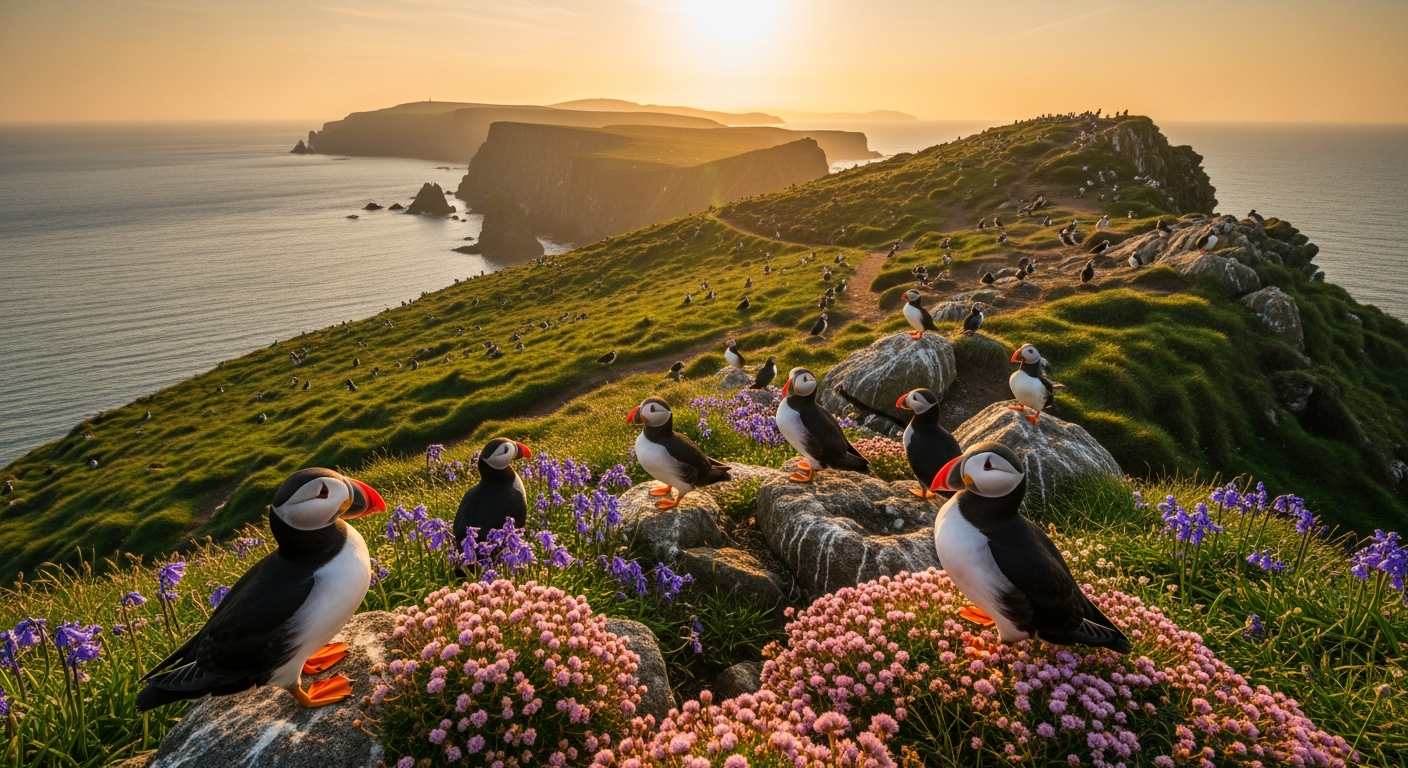
Let me be clear: Skomer’s puffin experience is nothing like viewing wildlife through glass at a zoo or squinting through binoculars from a distant viewing platform. Skomer hosts one of the largest Atlantic puffin colonies in the UK—over 10,000 breeding pairs—and these charismatic seabirds walk RIGHT alongside the footpaths. I’m talking within arm’s reach, though of course you won’t touch them.
The Wick viewpoint offers the most spectacular concentration of nesting burrows, where puffins emerge from underground homes they’ve excavated themselves. Visit between May and July for guaranteed sightings—they arrive in April and depart by early August, so timing matters. What most guides don’t mention is that puffins are most active in the morning and late afternoon when they’re bringing fish back to their burrows. The midday lull sees many birds resting on the water offshore, so plan your visit to The Wick accordingly.
Photography Tips for Stunning Puffin Shots
Here’s where Skomer outshines every other puffin destination: you genuinely don’t need expensive camera equipment. While a camera with decent zoom (even a basic 200mm lens) helps capture close-up detail, I’ve seen visitors capture breathtaking shots on modern smartphones. The key is patience, not gear.
Try this technique that works every time: sit quietly on the designated path and let the puffins approach you. They’re naturally curious birds, and if you remain still, they’ll waddle remarkably close while investigating their surroundings. Golden hour—early morning or late afternoon—provides the best lighting, casting a warm glow on their distinctive orange beaks and feet. The ultimate shot? Capture them with beaks full of sand eels, their favorite fish. They hold multiple fish crossways in their beaks, creating a comical appearance that makes for unforgettable photos.
Beyond Puffins: The Complete Seabird Experience
While puffins steal the spotlight, Skomer’s seabird diversity rivals anywhere in Europe. Guillemots and razorbills create a constant “chattering” soundtrack along the cliffs—their colony noise is genuinely overwhelming in the best possible way. Listen for the difference: guillemots sound like they’re arguing in a crowded pub, while razorbills emit deeper, growling calls.
Watch for short-eared owls hunting in broad daylight, a rare sight that happens because the island’s dense rabbit population provides abundant prey. And if you’re lucky enough to stay overnight (more on that later), you’ll witness 30,000+ Manx shearwaters returning at dusk in what can only be described as nature’s most spectacular aerial show.
Critical practical tip: Stay on marked paths at all times. This isn’t just about your safety—puffins nest in burrows directly beneath the turf, and stepping off the path can collapse their homes. The birds trust humans who respect their space, which is precisely why they approach so closely. Break that trust, and you ruin the experience for everyone who follows.
2. Walk Through Britain’s Most Breathtaking Wildflower Display

The Famous Bluebell Carpet (Late April to May)
If you can only visit Skomer once, the late April to mid-May window presents an agonizing choice: peak bluebell season or peak puffin activity? The truth is, you’ll see both, but the bluebells create something truly magical during this narrow window.
The entire island transforms into a violet-blue sea of bluebells, but unlike woodland bluebell walks on the mainland, Skomer’s open landscape creates 360-degree views. Imagine standing atop a cliff with bluebells stretching to the horizon in every direction, interrupted only by puffins popping out of burrows and the azure Celtic Sea beyond. Pink sea thrift and white sea campion bloom simultaneously, creating a natural color palette that seems almost too perfect to be real.
Here’s what makes this special: no trees means unobstructed photography and wildlife spotting simultaneously. You can photograph bluebells in the foreground with puffins in the middle ground and dramatic coastal cliffs in the background—all in a single frame. Mainland bluebell woods, while beautiful, can’t compete with this layered visual experience.
Summer Wildflower Succession (June to August)
Don’t assume the show ends when bluebells fade. Red campion, bird’s-foot trefoil, and kidney vetch take over from June through August, maintaining Skomer’s reputation as one of Britain’s premier wildflower destinations. The contrast of these colorful blooms against dramatic coastal cliffs creates an unforgettable backdrop for your wildlife photography.
Rabbits—Skomer supports a massive population—graze among the flowers, adding to the storybook scenery. These aren’t shy, skittish rabbits either. They’ve learned that humans stick to paths, so they graze unconcerned just meters away, creating foreground interest for your landscape shots.
The best photo spots run along the coastal path between North Haven (where you’ll land) and The Wick. This section offers elevated viewpoints where wildflowers cascade down slopes toward the sea, creating natural leading lines that pull the eye through your composition.
Why This Beats Mainland Wildflower Spots
Skomer’s wildflower displays aren’t just abundant—they’re authentic. No pesticides or intensive farming means genuinely wild displays that bloom according to nature’s schedule, not human intervention. The nutrient-rich soil, enhanced by decades of seabird guano, creates exceptionally vibrant blooms with deeper colors than you’ll find in managed gardens or even nature reserves on the mainland.
Critical planning tip: Book your boat ticket the moment bookings open (typically January for the summer season) if you want to catch peak bluebell season in late April or early May. These dates sell out within days, sometimes hours. The Wildlife Trust of South and West Wales manages bookings through their website, and they operate a strict no-refund policy, so check weather forecasts before committing to specific dates.
3. Spot Grey Seals in Their Natural Habitat

Where and When to Find Skomer’s Seals
While puffins dominate Skomer’s reputation, the island’s grey seal population offers equally rewarding wildlife encounters with far less fanfare. North Haven (where your boat arrives) and Pigstone Bay on the island’s western side provide the best seal-watching locations, particularly during low tide when seals haul out onto rocks to rest and digest their meals.
Listen for their distinctive “moaning” calls echoing from the shoreline—once you’ve heard it, you’ll understand why sailors once mistook seal songs for mermaids. These aren’t the playful, acrobatic seals of aquarium shows. Grey seals are Britain’s largest carnivore, with males reaching 2.5 meters and 300kg. Watching them navigate rocky shores with surprising agility despite their bulk makes you appreciate their evolutionary adaptation to this harsh coastal environment.
While seal pups are born in autumn (September through November), adults remain visible year-round, making them a reliable wildlife encounter regardless of when you visit. Summer months often see seals “bottling”—floating vertically in the water with just their heads visible—which looks comical but serves the serious purpose of thermoregulation.
The Complete Coastal Walk Experience
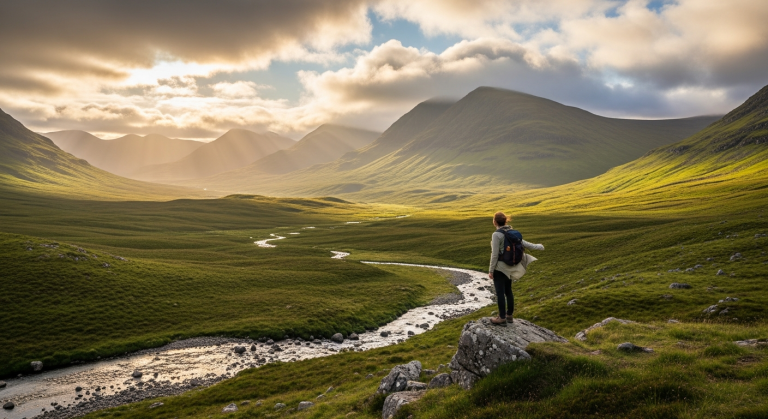
The circular island trail measures approximately 4 miles and takes 3-4 hours at a leisurely pace, though I’d budget a full 5 hours to account for photography stops and wildlife watching pauses. This isn’t a challenging hike—the terrain is mostly flat with some gentle undulations—but it’s spectacular in ways that rival Ireland’s Cliffs of Moher or Scotland’s Isle of Skye, without the crowds.
The coastal path offers multiple viewpoints for scanning offshore waters where dolphins and porpoises frequently appear. Harbor porpoises, Britain’s smallest cetacean, are particularly common in summer months. Their small size (1.5 meters) and subtle surfacing behavior means many visitors miss them, but watch for small, dark fins breaking the surface in groups of 2-4 animals.
Local secret: Bring binoculars for scanning offshore. While you’ll see plenty of wildlife along the path, the real magic happens when you spot a pod of dolphins bow-riding a fishing boat in the distance, or watch a grey seal hunting in the kelp beds below the cliffs. These moments require patience and attention, but they’re what separate a good Skomer visit from an unforgettable one.
Respectful Wildlife Watching
Here’s what most visitors don’t realize until they’re confronted by an angry seal: these animals can be aggressive if approached. Maintain safe distances—at least 10 meters—and never position yourself between a seal and the water. That’s their escape route, and blocking it triggers defensive behavior that can include charging, biting, or simply panicking into the sea with such force they can injure themselves on rocks.
Photography etiquette matters enormously. Use your camera’s zoom rather than approaching wildlife. The best wildlife photographs come from patient observation, not aggressive pursuit. Why does this matter beyond personal safety? Skomer’s wildlife is legally protected under various conservation designations, and your responsible behavior ensures future visitors get the same authentic experience. The Wildlife Trust wardens will intervene if they observe inappropriate behavior, and in extreme cases, visitors can be removed from the island.
4. Stay Overnight at Britain’s Most Remote Eco-Hostel

The Authentic Island Experience After Day-Trippers Leave
Here’s the experience most Skomer visitors never discover: staying overnight in the island’s sustainably-run hostel. The accommodation is basic—dormitory-style rooms sleeping 16 guests maximum—but what you gain is access to Skomer after the last boat departs at around 3pm.
The evening transformation is spectacular. As dusk approaches, 30,000+ Manx shearwaters return from their day feeding at sea, creating an aerial spectacle that defies description. These seabirds spend daylight hours far offshore to avoid predatory gulls, returning only in darkness when they’re safer. The sound alone—thousands of birds calling from burrows in an eerie, wailing chorus—is worth the overnight stay.
For serious wildlife photographers, the overnight stay unlocks golden hour and blue hour opportunities impossible on a day trip. Sunrise over the Celtic Sea with only seabirds for company, the warm light illuminating puffins as they emerge from burrows for their first fishing trip of the day—these moments justify the additional cost and planning.
What to Expect from the Accommodation
Let’s be honest about what “eco-hostel” means in practice. Facilities are basic: dormitory-style bunks, composting toilets, solar power, and a self-catering kitchen. There’s no phone signal, no WiFi, no electricity for charging devices beyond limited solar capacity. If you’re expecting boutique glamping, you’ll be disappointed.
But if you appreciate the concept of digital detox and genuine immersion in nature, this limitation becomes a feature. Without screens to distract you, you’ll actually watch the sunset. You’ll have conversations with fellow guests about the day’s sightings. You’ll read a book by headlamp. You’ll remember what it feels like to be genuinely disconnected from the modern world’s constant demands.
You must bring all your food and supplies—the island has no shop, no restaurant, nothing. Pack more than you think you’ll need, because there’s no backup plan if you forget something. The kitchen provides basic cooking equipment and a gas stove, but assume you’re camping in terms of provisions.
Is the Overnight Stay Worth It?
Budget consideration: Overnight stays cost significantly more than day trips (currently around £60-80 per person versus £15 for a day trip boat ticket), and that’s before factoring in the cost of food you’ll need to bring. For budget-conscious travelers, this represents a substantial premium.
The overnight experience is best for serious wildlife enthusiasts, photographers chasing specific shots, and those seeking genuine solitude in nature. It’s absolutely not ideal if you have limited vacation days and want to see more of Pembrokeshire—you’ll lose an entire day to a single location.
Practical planning reality: Bookings open in January for the summer season and sell out within hours for peak months. You’ll need to set calendar reminders and be ready to book the moment the system opens. The Wildlife Trust prioritizes educational groups and researchers, so individual bookings face limited availability.
Here’s the hidden value calculation most people miss: overnight guests don’t pay separately for boat transport, and you get two days of island access (arrival day and departure day). If you were planning two separate day visits anyway, the overnight stay becomes more financially reasonable.
5. Combine Your Visit with Nearby Pembrokeshire Gems

Perfect Pre or Post-Island Meals in Nearby Villages
Skomer has zero food facilities—not even a vending machine—so strategic meal planning matters. The villages surrounding Martins Haven offer options across budget ranges, and knowing where to eat transforms your day from merely good to genuinely excellent.
The Boathouse Dale sits just 5 minutes from Martins Haven and offers budget-friendly breakfast and lunch with waterfront seating. This is where locals eat, which tells you everything you need to know. Expect classic British breakfast fare (£6-9), generous sandwiches (£5-7), and the kind of strong tea that powers early-morning boat trips. You can sit outside on benches right by the kayaks drying in the sun, watching the harbor activity while planning your island adventure.
COCO’s Brasserie in Broad Haven offers a different vibe entirely—rooftop terrace cocktails and tapas with beach views. This is your post-island celebration spot, where you can process the day’s experiences over sharing boards (£15-20) and perfectly mixed drinks (£8-10). The sunset views from the terrace rival anything you saw on Skomer, just with a cocktail in hand.
The Griffin Inn in Dale has nationwide recognition for its seafood, earned over decades in this 300-year-old pub and restaurant. This is where you splurge on fresh local catch—expect to pay £18-25 for mains, but the quality justifies the price. Book ahead during summer months; their reputation means tables fill quickly.
Marloes Sands: The Hidden Beach You’ll Have to Yourself
Here’s a gem most Skomer visitors miss entirely: Marloes Sands, a stunning sandy beach just 45 minutes’ walk from Martins Haven along the coastal path. While Pembrokeshire’s famous Barafundle Bay attracts crowds, Marloes remains surprisingly quiet even in peak summer.
The beach stretches for nearly a mile, backed by dramatic cliffs with distinctive geological layers that tell millions of years of Earth’s history. Low tide reveals rock pools teeming with marine life—crabs, anemones, small fish—creating a completely different wildlife experience from Skomer’s birds and seals.
This beach serves a practical purpose too: alternative parking if Martins Haven is full. The Marloes Sands car park costs the same £7 daily fee, and the coastal path walk to Martins Haven boat departure adds exercise to your day while offering spectacular views.
Local tip: Visit Marloes Sands for sunset after your Skomer trip. The westward-facing beach catches the evening light beautifully, and after a day of early starts and island hiking, watching the sun sink into the Celtic Sea while sitting on empty sand feels like the perfect conclusion.
Maximize Your Limited Vacation Time
The Perfect Day Itinerary: Arrive Martins Haven by 9:30am for the 10am boat → 4-5 hours exploring Skomer → Return boat around 3pm → Late lunch at The Boathouse → Sunset at Marloes Sands. This itinerary maximizes your Skomer experience while incorporating Pembrokeshire’s coastal beauty, all achievable in a single day without feeling rushed.
Multi-day option: Combine Skomer with St. Davids (Britain’s smallest city, 30 minutes north), Pembroke Castle (medieval fortress, 45 minutes east), or extended coastal path hiking. Pembrokeshire offers enough attractions for a week-long holiday, with Skomer as the wildlife centerpiece.
For accommodation bases, stay in St. Davids for maximum dining and activity options, Broad Haven for beach access and family-friendly facilities, or Dale for closest proximity to Martins Haven (though with fewer amenities). Budget travelers should investigate Pembrokeshire YHA hostels, which offer excellent value and strategic locations along the coastal path.
Budget tip: Parking at Martins Haven costs £7 daily (free for National Trust members). If you’re planning multiple days in Pembrokeshire, National Trust membership (£72 annually for individuals) pays for itself quickly while supporting conservation work. The PayByPhone app (car park no. 803527) handles payment, but bring coins as backup—phone signal in this area is genuinely poor, and you don’t want parking issues ruining your Skomer experience.
What3Words and Practical Navigation
Modern navigation apps struggle with Pembrokeshire’s rural roads and limited phone signal. Use What3Words: ///blogging.panoramic.takers for precise Martins Haven boat embarkation location. The official postcode (SA62 3BJ) gets you close but not exact.
Download offline maps before leaving your accommodation—Google Maps, OS Maps, and Maps.me all offer offline functionality. Trust me on this: you don’t want to navigate narrow Welsh lanes while arguing with a buffering navigation app.