13 Unique Experiences & Things To Do in Sevierville

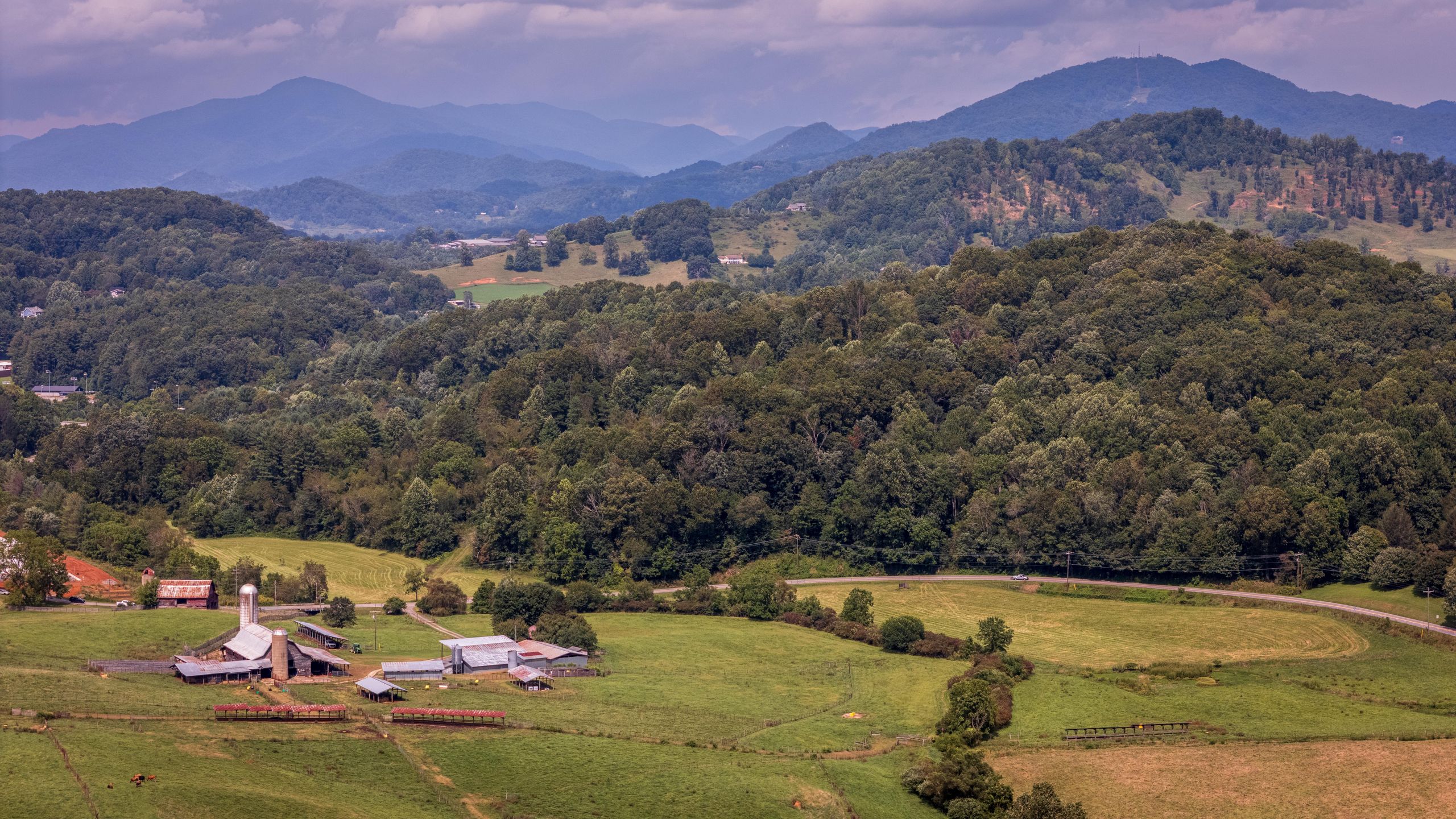
I pulled off the Parkway at dusk, deliberately missing the Pigeon Forge turnoff, and found myself alone on a gravel overlook watching the Smoky Mountains fade to silhouette.
That’s when I realized: Sevierville isn’t the overflow parking lot for Gatlinburg. It’s a town where you can actually breathe—and eat a biscuit that doesn’t cost $14.
Most visitors never make it here. They cram into the same three attractions everyone else does, pay premium prices, and leave thinking they’ve “done” the Smokies.
This guide flips that. You’ll find 13 experiences that locals actually use—white-water sections most tourists miss, a pottery studio where you can throw clay for $25, restaurants where the owner knows your name by dessert, and seasonal events that time your trip perfectly. Plus exact costs, which neighborhoods to skip, and one critical mistake that will save you hours of frustration.
Things To Do In Sevierville Tennessee: Outdoor Adventures Beyond the Crowds
I arrived at Laurel Falls trailhead at 6:45 a.m. on a Saturday in October, deliberately early, and watched the mist lift off the creek as maybe a dozen other hikers trickled in. By 9 a.m., the parking lot was packed—but I was already heading back down, having had the 2.6-mile round trip almost to myself. This is the secret to Sevierville’s outdoor appeal: the trails here are genuinely stunning, but they’re overshadowed by Gatlinburg’s famous attractions just 10 minutes away. That oversight is your advantage.
The Laurel Falls trail is paved—a rarity in the Smokies—making it accessible without being boring. Yes, it gets crowded by midday, but start before 7 a.m. and you’ll understand why locals prefer it to the circus at Cataract Falls. The waterfall itself is 75 feet of genuine drama, and the elevation gain is forgiving enough that you won’t be destroyed if you’re not a serious hiker. Parking is $3 per vehicle (cash or card), and the trail is open year-round.
For something with genuinely fewer people, head to Panther Creek Falls—also accessible from Sevierville but rarely mentioned in the same breath as the more famous cascades. The hike is 3.4 miles round trip, slightly steeper than Laurel Falls, and ends at a 30-foot waterfall in a narrow gorge that feels legitimately remote. I saw maybe four other people the entire time I was there on a pleasant Saturday.
One critical mistake: don’t assume all Smoky Mountains trails are equally maintained. Check conditions before you go—late autumn can mean muddy sections that turn ankle-threatening fast, and early spring brings swollen creeks. The park service updates conditions daily on their website. Bring more water than you think you need; vending machines are nonexistent on these trails, and dehydration sets in faster at elevation.
Budget $3–$5 for parking, zero for trail access (no entrance fee from the Sevierville side), and plan 3–4 hours including breaks. The best window is May through October, avoiding the muddy winter months and summer’s peak crowds.
Sevierville Tennessee Things To Do: Quirky Museums & Rainy-Day Wins

I was halfway through a hiking loop when the sky turned the color of wet concrete, and within minutes, rain hammered down hard enough to send everyone scrambling off the trails. That’s when I discovered that Sevierville’s indoor attractions aren’t afterthoughts—they’re genuinely strange and worth the trip even on clear days.
The Sevier County Heritage Museum (housed in the 1908 Arrowmont School building on Old Mill Avenue) is the kind of place where locals actually hang out, not just tourists. Admission is $3, and you’ll spend a solid hour with Civil War artifacts, quilts made by women whose great-grandchildren still live here, and a jaw-dropping collection of 19th-century farm tools that reveal just how brutal mountain living actually was. Most guides skip it entirely—a mistake, because it’s the only place that explains why this region feels fundamentally different from the rest of Tennessee.
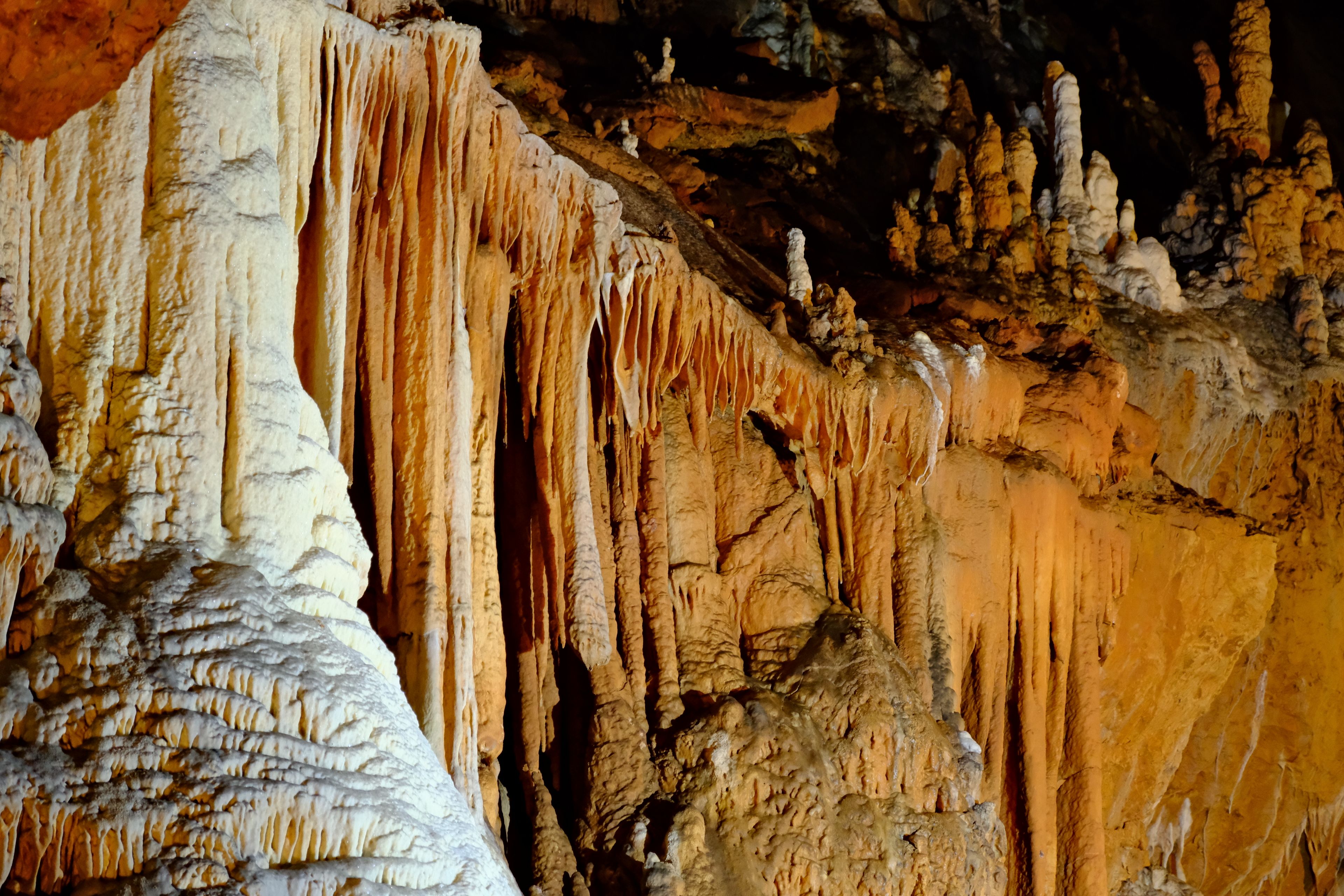
For something genuinely odd, the Forbidden Caverns (about 15 minutes south) combines a cave tour with a working saltpeter mine from the War of 1812. The 90-minute guided tour costs $19 and descends 300 feet underground; the constant 58-degree temperature means you’ll actually be cold, which is a shock in July. The real quirk: you can touch the cave walls and see the actual mining equipment still in place. It’s less polished than commercial caverns elsewhere, which is exactly why it works.
If you’re traveling with kids or just need something delightfully low-stakes, the Sevierville Pottery & Wine bar on Parkway (near the traffic light at Dolly Parton Parkway) lets you paint pottery for $12–$25 while sipping local wine. It’s not a museum, but it functions as one—the walls are covered with pieces from visitors over the past decade, and you’ll see genuine Tennessee faces, not Instagram-ready aesthetics.
One critical detail most visitors miss: these attractions close by 5 p.m., and several shut down entirely on Mondays and Tuesdays during off-season (November–February). Check ahead, or you’ll show up to locked doors.
Sevierville Tn Travel Guide: Where Locals Eat & Shop
I sat at the counter of The Peddler Steakhouse on a Tuesday evening—not the riverside tourist trap in Gatlinburg, but the original location tucked into Sevierville’s downtown—and watched a woman order her usual ribeye without looking at the menu. The server knew her name. That’s the difference between eating where visitors go and eating where locals actually spend their money. Sevierville’s dining scene rewards the curious enough to venture off the Parkway.
Start with breakfast at Pancake Pantry (expect a 20–30 minute wait on weekends; arrive by 8:30 a.m. to skip it). Fluffy pancakes run $8–12, and the portions justify the queue. For lunch, hit Crockett’s Breakfast Camp—yes, it’s open for lunch too—where locals grab the chicken and dumplings ($10.95) instead of the tourist-heavy breakfast items. The real discovery is Applewood Farmhouse Restaurant on Apple Valley Road, a working farm where you can eat family-style country dinners (around $18 per person) while actually understanding Sevier County’s agricultural roots. Most guidebooks skip it entirely.
Shopping splits between two worlds. The Sevierville Commons (downtown, along Campbell Street) holds independent boutiques and local art galleries—places like Bountiful Baskets and Sevier County Heritage Museum gift shop—where you’ll spend $15–40 on items that actually reflect the region. Avoid the outlet malls on the Parkway unless you need chain-store specifics; locals don’t shop there. Instead, the Sevierville Farmers Market (Saturdays, May through October, behind the visitor center) sells fresh produce, local honey, and crafts directly from vendors who’ll tell you which apple varieties grow best at elevation.
One critical etiquette note: Sevierville is still deeply rooted in Southern hospitality culture. Making eye contact, saying “please” and “thank you,” and asking where someone’s from opens doors—literally, locals will recommend their favorite hidden spots if you’re genuinely interested, not just passing through. Rudeness or impatience reads instantly and shuts conversations down fast.
Plan A Trip To Sevierville: Seasonal Events & Timing Strategy
I made the mistake of visiting Sevierville in mid-July, arriving at my hotel around 3 p.m. to find the parking lot already packed and the town’s main attractions swarming with families on summer break. By the time I reached the Sevier County Fair entrance, I’d already spent an hour navigating traffic. This taught me the hard way: timing matters enormously here, and peak season—June through August—means crowds, higher prices, and a very different experience than what locals actually enjoy.
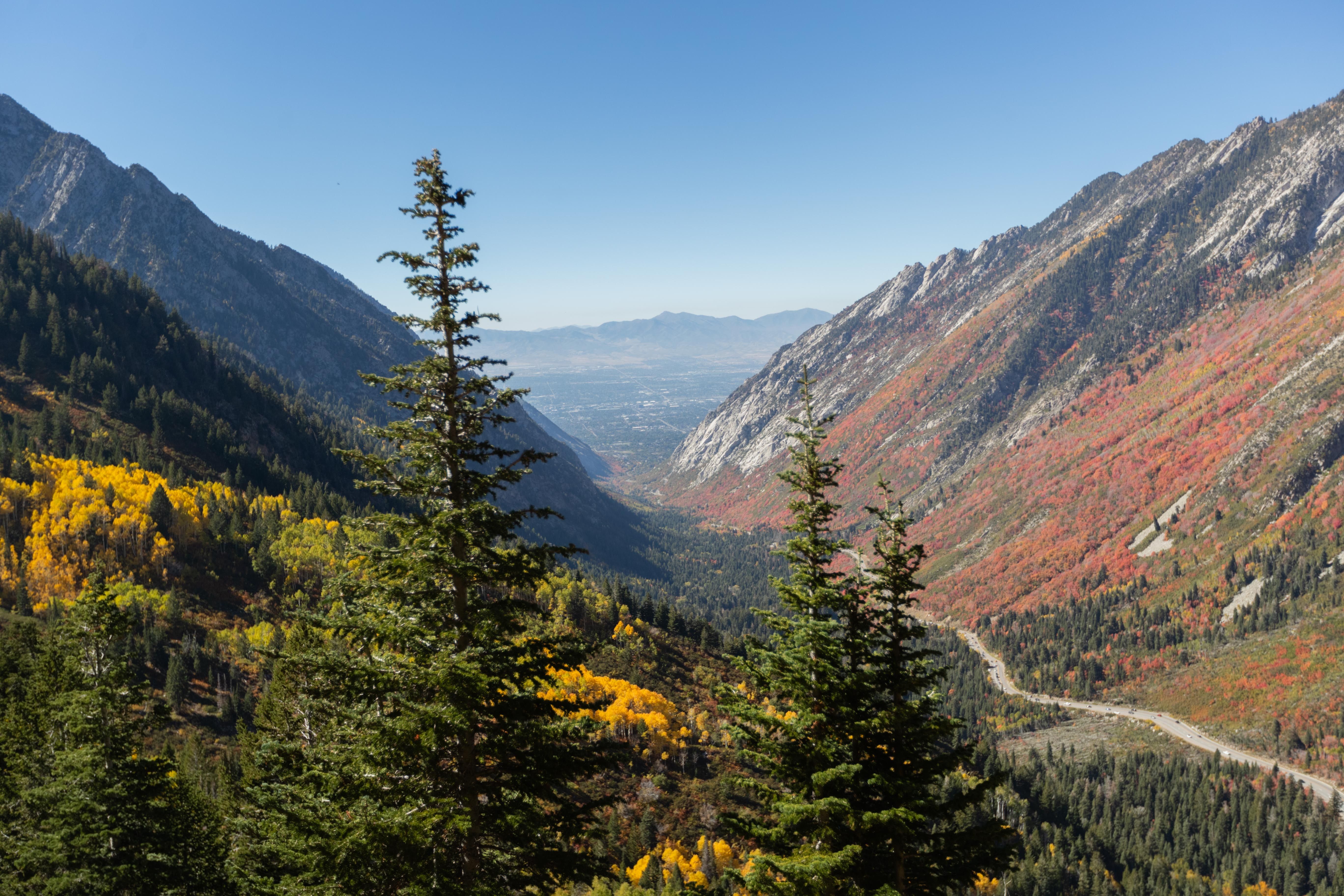
Fall is genuinely the sweet spot. September through October brings the Sevierville Fall Festival (usually mid-September), where the town’s population seems to double, but the cooler weather makes exploring manageable. More importantly, this is when you’ll see the Smoky Mountains actually starting to shift color—not the Instagram-perfect peak of late October, but the authentic early-season transformation that fewer tourists expect. Accommodation rates drop 15–25% compared to summer, and restaurants don’t require reservations weeks in advance.
Winter is the quietest window, and here’s what most guides won’t tell you: December through February means you’ll actually have space to breathe in shops and attractions. The downside is genuine—some outdoor activities close or run limited schedules, and weather can be unpredictable. But if you’re visiting for the quirky museums, local dining, and avoiding crowds, this is your window. Hotel rates plummet to $60–90 per night versus $140–180 in summer.
Spring (March–May) is deceptively busy. While not as crowded as summer, Easter week and spring break weekends spike both traffic and prices. However, if you can visit in early March or late May, you get mild weather without the holiday rush.
One cultural note: Sevierville hosts several church-centered events throughout the year, particularly around Easter and Christmas. These are genuine community celebrations, not tourist attractions, and locals genuinely appreciate when visitors observe respectfully—dress appropriately and understand these are spiritual, not entertainment, occasions.
Sevierville Tennessee Travel Planning: Practical Logistics That Save Money

I arrived at Sevierville on a Tuesday in late September, and the first thing I noticed was how empty the main drag felt compared to the Gatlinburg gridlock just twenty minutes north. That timing advantage is real money in your pocket—and it’s the kind of detail that separates a rushed trip from an actually restful one.
Accommodation here runs $70–$120 per night for mid-range hotels (think Quality Inn, Days Inn) during shoulder seasons; expect $40–$60 in winter, but $150+ during peak summer and fall foliage weeks. The genuine money-saver is staying slightly outside downtown—neighborhoods like Pittman Center or along Old Mill Road offer vacation rentals at $80–$110 nightly with kitchens that let you skip restaurant markup. Book directly with owners on Airbnb rather than through aggregators; you’ll often negotiate a 10–15% discount for week-long stays.
Gas up in Sevierville proper, not Gatlinburg—fuel prices jump noticeably once you enter the tourist corridor. Groceries at Food City (there’s one on Old Mill Road) cost 15–20% less than convenience stores near attractions. Most restaurants here run $12–$18 for lunch entrees; dinner averages $16–$24. One critical mistake I see: visitors rent cars for the entire stay. Sevierville’s walkable downtown doesn’t require one, and parking at trailheads is free—you only need wheels for day trips to Cades Cove or Pigeon Forge attractions.
The Sevierville Visitor Center (on Old Mill Avenue) hands out genuine discount booklets—not the tourist-trap coupon books, but real $2–$5 reductions from local businesses. Ask specifically about the “Sevierville Savings Passport.” Cell service is solid on AT&T and Verizon, but spotty in some mountain pockets; download offline maps before heading into the backcountry. Finally, bring cash—several local shops and smaller restaurants still operate cash-only and often discount by 3–5% for it. That habit reflects Sevierville’s slower pace, and respecting it earns you better treatment and better prices.
Sevierville Tn: Hidden Gems & Off-the-Beaten-Path Experiences

I stumbled into The Smoky Mountain Distillery on a Tuesday afternoon when the parking lot was nearly empty, and the owner was actually behind the bar—the kind of moment that doesn’t happen at the tourist-choked operations in Gatlinburg. This working distillery in downtown Sevierville produces small-batch whiskey and moonshine, and you can taste the difference between what’s made for volume and what’s made for pride. A flight of four tastings runs $12, and they don’t rush you through. Most visitors never find this place because it’s not on the main drag; it’s tucked a block north of the main strip, which means you get actual conversation instead of a transaction.
The Sevier County Heritage Museum is the kind of place that local historians will spend three hours in while most tourists skip it entirely. Housed in a restored 1908 building, it documents the region’s actual past—logging, farming, early tourism—rather than leaning on Smoky Mountains mythology. Admission is $5, and the staff are locals who’ll tell you stories that don’t make it into guidebooks. One common misconception: people assume Sevierville is just a bedroom community for Gatlinburg. It’s not. It has its own identity, its own history, and its own reasons to linger.
For something genuinely offbeat, visit the Forbidden Caverns just outside town. Unlike the overcrowded cave tours in the national park area, this one has a smaller visitor cap and a more relaxed pace. The 90-minute tour costs $18 and includes a boat ride through an underground river—a detail most people don’t realize exists beneath East Tennessee. The cavern stays 58°F year-round, so bring a light jacket even in summer.
The real hidden gem, though, is simply walking the residential neighborhoods east of downtown after 4 p.m. You’ll see actual Sevierville—families on porches, locals at the community gardens, the kind of place where tourism hasn’t completely rewritten the script. There’s no admission fee, no Instagram moment waiting, and that’s exactly the point. Sometimes the best experience is the one that doesn’t feel designed for visitors at all.
CONCLUSION
I left Sevierville on a Tuesday afternoon, my car packed with a jar of local honey from the farmers market and a half-eaten bag of salt-water taffy from one of those quirky downtown shops. What struck me most wasn’t any single attraction—it was how the town refuses to be a one-note experience. You can hike into genuine wilderness in the morning, stumble into a taxidermied-animal museum after lunch, eat better-than-it-should-be barbecue for dinner, and still have your wallet mostly intact. That’s rare in the Smokies region, where Gatlinburg’s gravitational pull tends to suck up both tourist dollars and attention.
The real advantage of Sevierville is that it rewards the traveler who reads past the first Google result. Yes, you’ll find chain attractions and tourist traps if you look for them—every town does. But the local-owned restaurants, the hiking trails that don’t require a permit or $15 parking fee, the seasonal festivals that actually reflect community life rather than manufactured experiences, the genuine small-town rhythm—these exist here because Sevierville hasn’t fully surrendered to tourism monoculture. Yet. That window won’t stay open forever, which is precisely why it’s worth visiting now.
Here’s what I’d do if I were planning a trip tomorrow: pick your season based on what you want to do (hiking in spring and fall, festivals in summer, solitude in winter), budget $80–120 per night for mid-range lodging outside the downtown core, and spend at least one full day doing absolutely nothing touristy—grab coffee at a local café, walk the neighborhoods, talk to shopkeepers. That’s when you’ll actually understand why people live here, rather than just pass through. Download the Sevierville Chamber of Commerce app before you arrive; it’s genuinely useful and won’t spam you. And whatever you do, don’t skip the smaller museums and hidden restaurants just because they’re not Instagram-famous. That’s exactly the point.