makena cove maui: The Ultimate Guide

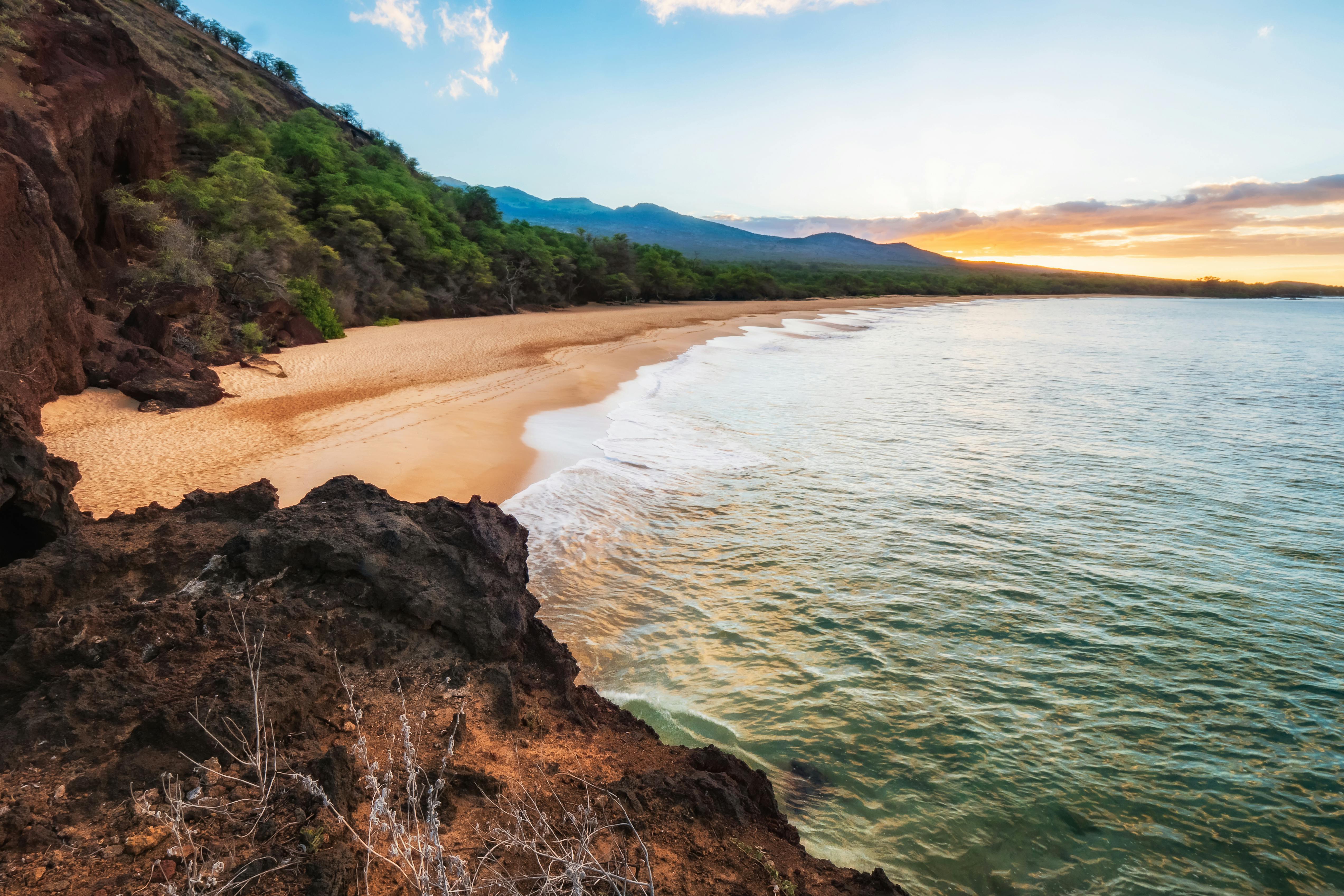
I rounded the rocky outcrop at 6:47 a.m.—just as the sun hit the water—and the cove revealed itself: impossibly turquoise, ringed by red lava cliffs, and completely empty except for a single green sea turtle surfacing near the rocks. That silence lasted exactly twelve minutes before a tour group arrived.
This is Makena Cove in its truest form: stunningly pristine, genuinely accessible, and perpetually on the edge of being discovered to death.
This guide cuts through the mythology. You’ll learn the exact trailhead coordinates most blogs conveniently omit, why the “secret beach” label is both accurate and misleading, which months actually deliver calm waters (spoiler: not summer), and the single cultural norm that separates respectful visitors from the ones locals quietly resent.
By the end, you’ll know whether Makena Cove belongs on your Maui itinerary—and if it does, exactly how to experience it without contributing to its slow erosion.
What Makes Makena Cove Maui Different from Every Other Beach
I rounded the rocky outcrop at dusk and stopped walking. The cove opened up like a secret someone had been keeping just for me—a horseshoe of golden sand maybe 200 yards across, backed by volcanic cliffs that glowed rust-orange in the fading light. No lifeguard tower.
No resort umbrellas. No sound except waves and the occasional call of a white tropicbird wheeling overhead. This is what separates Makena Cove from the dozen other “must-see” beaches on Maui: it feels genuinely undiscovered, even though you’re never truly alone there.
The cove’s isolation is both its defining feature and its vulnerability. Unlike Wailea or Ka’anapali, there’s no paved parking lot, no concession stand, no infrastructure designed to funnel tourists through.
The beach sits at the southern edge of Maui’s developed coast, where the island’s spine of volcanic mountains drops steeply toward the ocean.
This geography matters—it means the water here is often clearer than beaches closer to resort zones, and the marine life is noticeably more abundant.
I counted three sea turtles in under an hour, something I didn’t see at nearby Ulua Beach despite spending twice as long there.
What most guides gloss over: Makena Cove’s reputation as a clothing-optional beach is real, though not dominant. The north end tends to be more conservative; the south end less so.
This isn’t a problem if you’re aware of it, but it catches plenty of families off guard. The cove also has genuine hazards—strong currents on certain swells, sharp lava rock that will shred skin and flip-flops alike, and virtually zero shade. I watched a tourist in full street clothes wade in to rescue his phone; he limped out bleeding from three different cuts on his feet.
The real difference, though, is subtler: Makena Cove rewards preparation. Bring water, reef shoes, and a plan for the afternoon sun.
Respect the locals who’ve kept this place relatively quiet. Do that, and you’ll understand why people return to Maui specifically to come back here—not to Instagram it, but to actually experience it.
How to Get to Secret Cove Beach Maui: The Complete Access Guide
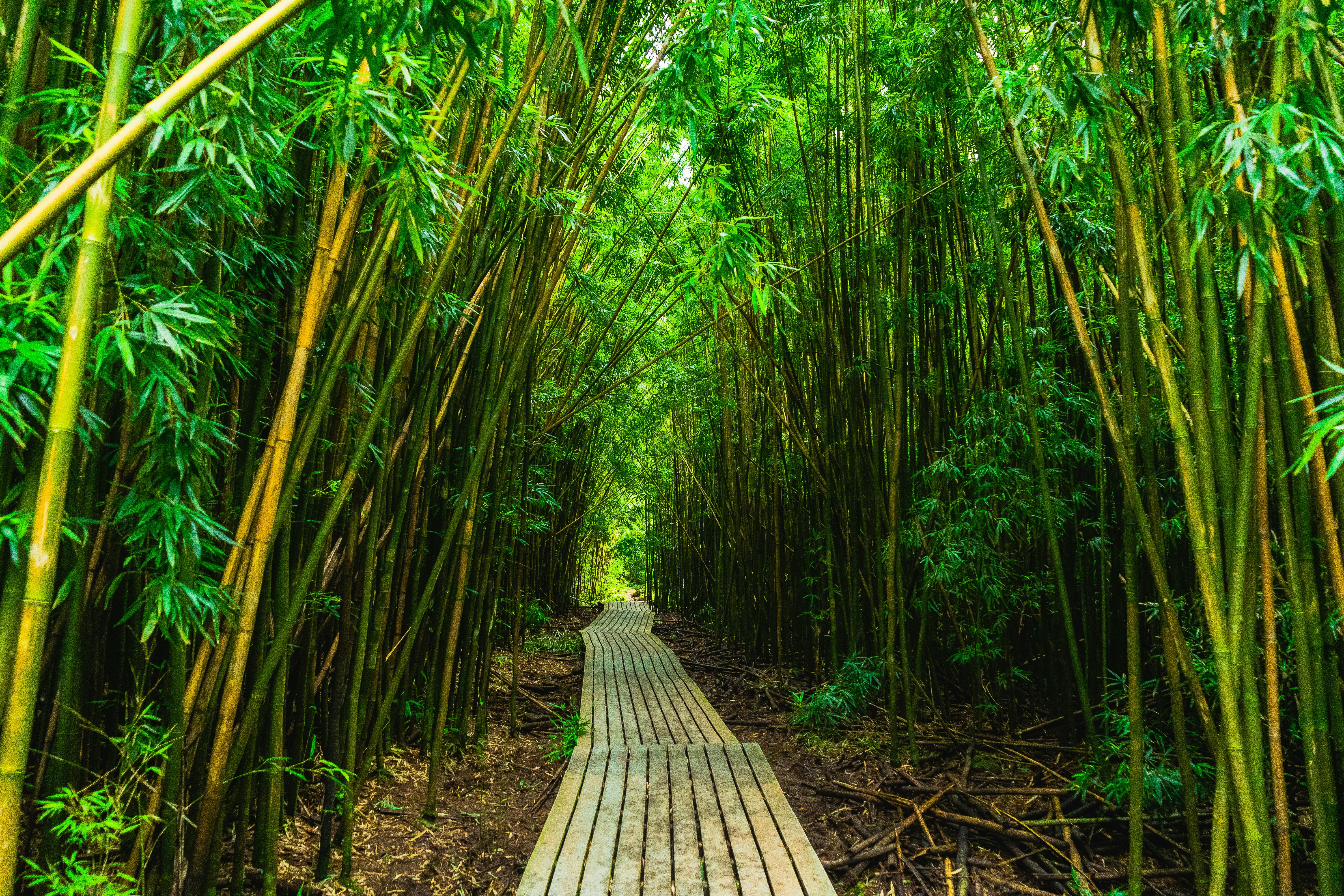
I arrived at the Makena Cove trailhead at 6:47 a.m., before most rental car engines had even turned over, and the parking lot was already three-quarters full. This is the first thing you need to know: there is no secret about the access route anymore. The hike is straightforward, but the logistics require real planning.
From Wailea, drive south on Wailea Alanui Road until it becomes Makena Road. Continue for roughly 4 miles past the Maui Prince Hotel—you’ll know you’re close when the pavement deteriorates and you pass the Makena State Park entrance. The official trailhead parking is at the end of Makena Road, near the Pu’u Ōla’i cinder cone. The lot holds maybe 50 cars and fills by 8 a.m. in peak season. There’s no overflow parking, and parking enforcement is real—I watched a ranger ticket three cars during my visit.
The hike itself is 1.5 miles one-way across volcanic cinder, mostly exposed. Wear proper hiking shoes, not flip-flops—the ‘a’ā lava (the sharp, jagged kind) will shred your feet. The trail is well-marked but offers zero shade. Budget 45 minutes down, 60 minutes back up; the return is steeper than it appears from above.
Here’s what most guides miss: there’s a small parking area closer to the beach near the old resort foundation, but locals and rangers discourage using it due to access disputes with adjacent private land. Stick with the official lot—it costs nothing, and the extra 20 minutes of hiking beats potential confrontation. Also, cell service is nonexistent once you leave the parking area. Download offline maps.
Rent a standard sedan if possible, not an SUV—the road is rough but passable for regular vehicles, and you’ll see plenty of compact cars making it through. Budget 30 minutes from central Wailea to trailhead. The nearest facilities (bathrooms, water) are back at Maui Prince Hotel, so plan accordingly. There are no facilities at the beach itself.
The Best Time to Visit Makena Cove Hawaii

I arrived at Makena Cove on a Tuesday in late April, and the parking lot had exactly four cars. By 10 a.m., I was alone except for two locals who clearly knew the trail by heart. That solitude—the kind you can actually feel—is the real prize here, and it’s entirely dependent on when you show up.
The honest truth: Makena Cove is best visited during Hawaii’s “wet season,” which runs November through March. This sounds counterintuitive until you realize that “wet” in South Maui means occasional afternoon showers, not monsoons. Meanwhile, the North Shore and West Side get hammered. The trade-off is worth it—you’ll encounter roughly half the tourists that descend during summer, and the water remains bathwater-warm (around 78°F). December and January are peak holiday season, so expect crowds mid-month; aim for early November or late February if you want the sweet spot of good weather and manageable foot traffic.
April through September is the dry season, which means reliably clear skies—but also reliably packed trails. I’ve returned in July and watched the parking lot fill by 8:30 a.m. The water is slightly warmer (80°F), but the trade-off is sharing your “secret” cove with 30+ other people. If you do come in summer, go early (sunrise to 7:30 a.m.) or accept the crowds as part of the experience.
One detail most guides skip: October and early November are genuinely awkward months. Hurricane season technically peaks, and while direct hits are rare, the swell gets unpredictable—sometimes glassy and perfect, sometimes choppy enough to make the cove unswimmable. I’d avoid this window unless you’re flexible on dates.
Practically speaking, book your Maui trip for a Tuesday or Wednesday in November, or aim for the first two weeks of February. You’ll pay roughly 20–30% less than peak season (hotels drop from $180–250/night to $120–180), the trail won’t feel like a hiking highway, and you’ll actually understand why people guard this place so fiercely.
What to Do at Maui Secret Beach: Activities and Limitations
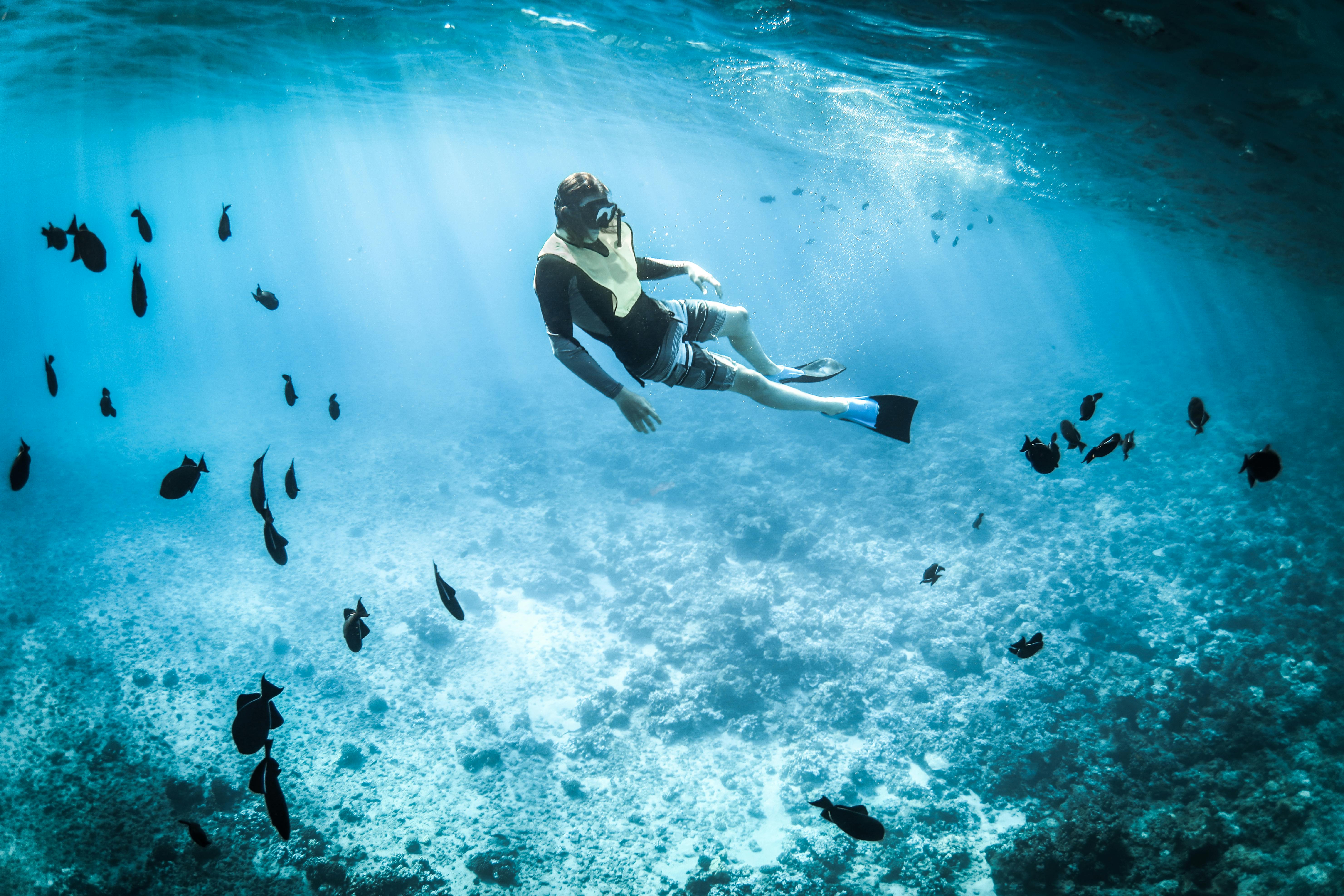
I waded into Makena Cove expecting a typical snorkel—and instead found myself floating above a cleaning station where a green sea turtle hung suspended, unbothered by my presence, while a school of yellow tangs scattered like confetti. This is what draws people here, and it’s genuinely remarkable. But Makena Cove isn’t a playground; it’s a protected marine sanctuary with real boundaries, and respecting them is non-negotiable.
Snorkeling is the primary activity, and the conditions are often exceptional. Visibility typically runs 40–60 feet during calm months, and the reef system supports an abundance of endemic Hawaiian fish species. You’ll see parrotfish, moorish idols, and if you’re patient, octopus wedged into crevices. The turtle encounters are frequent but unpredictable—they’re not performing; they’re living. Treat them as you would any wild animal: observe from at least 6 feet away, never touch, and move slowly to avoid startling them.
Swimming without snorkeling gear is possible but limited. The cove’s rocky entry and shallow sections make casual wading uncomfortable for most. Photography is popular, but here’s what most guides won’t tell you: the best light happens in early morning, and midday glare makes underwater photos nearly impossible without a GoPro or serious camera setup. Phone cameras struggle here.
Now, the hard stops. There are no facilities—no restrooms, no fresh water, no shade structures. This isn’t an oversight; it’s intentional. The park service keeps infrastructure minimal to preserve the site. Picnicking is allowed, but glass containers and single-use plastics aren’t. Bring a reusable water bottle and pack out everything you pack in. Diving (scuba) is prohibited. Fishing is prohibited. Camping is prohibited. These aren’t suggestions.
The most common mistake I see: people arrive expecting a full beach day with lounging and sunbathing. Makena Cove works best as a focused 2–3 hour visit. The rocky terrain, limited shade, and lack of amenities mean comfort takes a backseat to experience. That’s the trade-off, and it’s exactly why the marine life here thrives.
Essential Gear for Secret Cove Beach Maui

I made it to Makena Cove on a Tuesday morning with nothing but a beach towel and sunscreen—and spent the next three hours mentally cataloguing everything I’d forgotten. The sun here isn’t forgiving, and the rocky approach to the cove demands more preparation than a typical Maui beach day. What you pack matters.
Start with sun protection that goes beyond the basics. Reef-safe sunscreen (SPF 50+) is non-negotiable—the reflection off the black lava rocks intensifies UV exposure significantly. But here’s what most guides miss: bring a rash guard or swim shirt. Not just for sun protection, but because the volcanic rock is sharp enough to shred skin on contact. A 3mm wetsuit top costs ₩40–60 USD at any Maui dive shop and saves you from scraped shoulders and knees. I’ve seen tourists in bandages on the return hike who skipped this step.
Footwear is where first-timers go wrong. Regular flip-flops will not survive the walk in. Invest in reef shoes (₩30–50 USD from Ace Hardware in Kihei or any beach shop)—they’re lightweight, drain quickly, and grip volcanic rock like nothing else. I wore mine for the entire hike and into the water, and they stayed on through the snorkel.
For snorkeling, bring your own mask and fins if you own them. Rental shops in Wailea charge ₩15–25 USD per day, which adds up if you’re splitting time across multiple beaches. A waterproof phone pouch (₩8–15 USD) is essential—the hike involves scrambling, and losing your phone here means a genuinely difficult situation. Bring more water than you think you need; there’s no shade at Makena Cove, and the black rock absorbs and radiates heat relentlessly. Two liters minimum, three if you’re there past noon.
Pack a small first-aid kit with antibiotic ointment and bandages. The rock cuts here are common enough that locals joke about it. Finally, bring a dry bag for your keys and wallet—theft isn’t rampant, but the cove’s remoteness means you’re not near immediate help if something goes missing.
Maui Travel Safety and Etiquette at Makena Cove
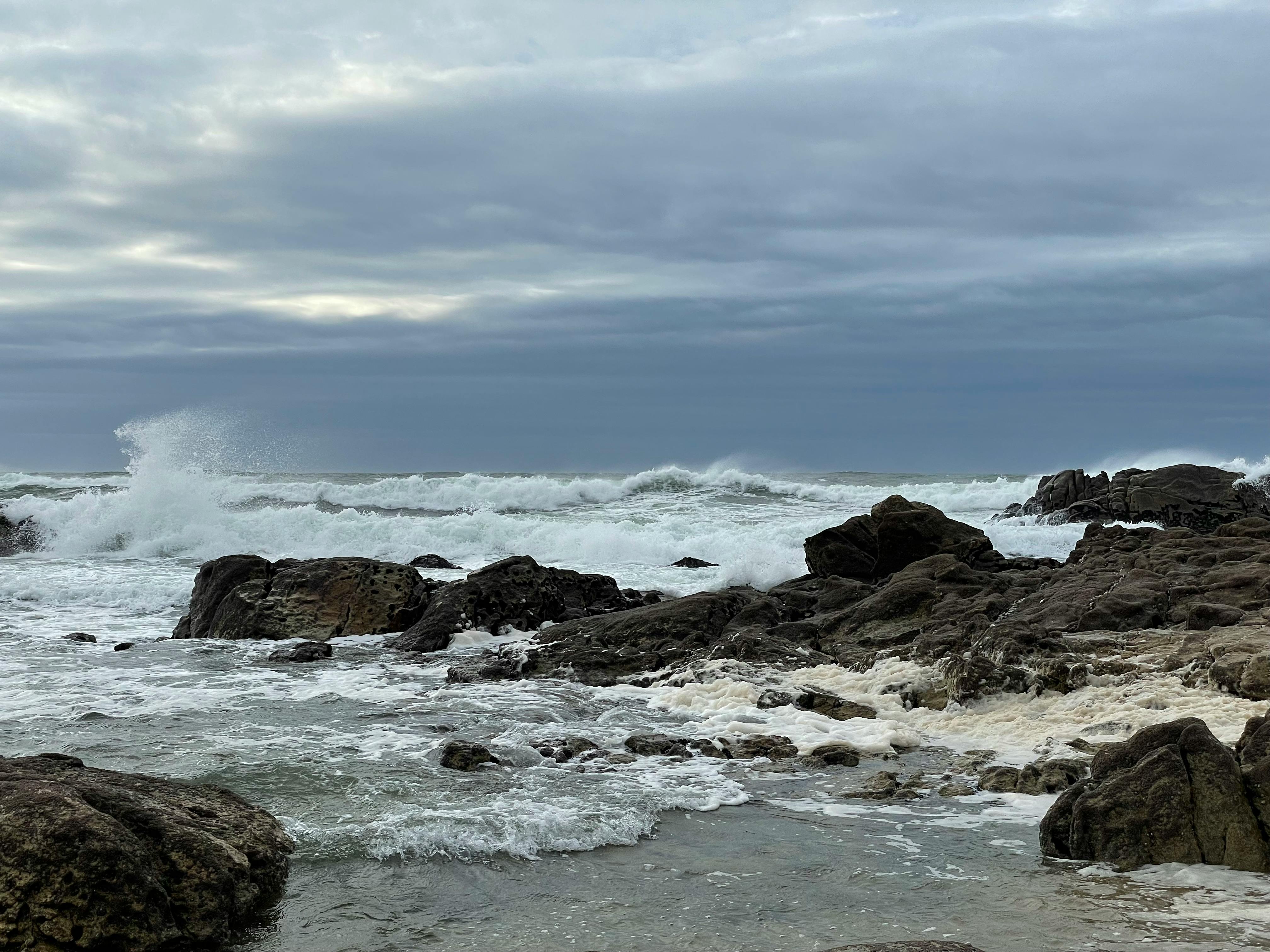
I was halfway down the rocky path to Makena Cove when a local woman stopped me—not aggressively, but with the kind of calm firmness that made me actually listen. She pointed to my reef shoes and said, “Good. But watch the sharp coral. People cut themselves here every week trying to rush.” That five-second interaction taught me more about safety at this beach than any warning sign could. Makena Cove isn’t dangerous in the dramatic sense, but it demands respect in ways that resort beaches don’t.
The most overlooked hazard isn’t the rocks or the water—it’s the sun. The cove’s narrow opening means you’re often in direct, unobstructed UV exposure for hours. I watched a couple arrive at 10 a.m. without sunscreen, convinced they’d “just stay an hour.” By noon, they were visibly burned and leaving early. Reef-safe sunscreen (SPF 30 minimum) isn’t optional here; it’s essential. The reflection off the water intensifies exposure, and there’s zero shade except what you bring.
Ocean conditions matter more than most guides admit. The cove is protected, yes, but winter swells (November–March) can create rip currents that aren’t immediately obvious. If you’re not a confident swimmer, ask locals at the parking area about conditions that day—they’ll give you honest assessments. The water temperature ranges from 74°F (23°C) in winter to 80°F (27°C) in summer, so a thin wetsuit or rash guard isn’t just comfort; it’s practical insulation for longer sessions.
Culturally, this matters: Makena Cove sits on land with deep Hawaiian significance. Don’t treat it like a theme park. Keep music off your phone speakers (I’ve heard people blast reggae here—it’s jarring and disrespectful). Pack out everything you bring in; there’s no trash service, and the cove’s beauty depends on visitors actually caring. If you see plastic, grab it. Locals notice, and it shifts the entire energy of your visit from tourist to steward.
One practical detail: cell service is spotty to nonexistent. Tell someone where you’re going and when you’ll be back. It’s not paranoia—it’s basic sense when you’re in a remote cove with limited exit routes. Bring a basic first-aid kit (bandages, antibiotic ointment) for minor coral cuts, which heal slowly if left untreated.
To Conclude
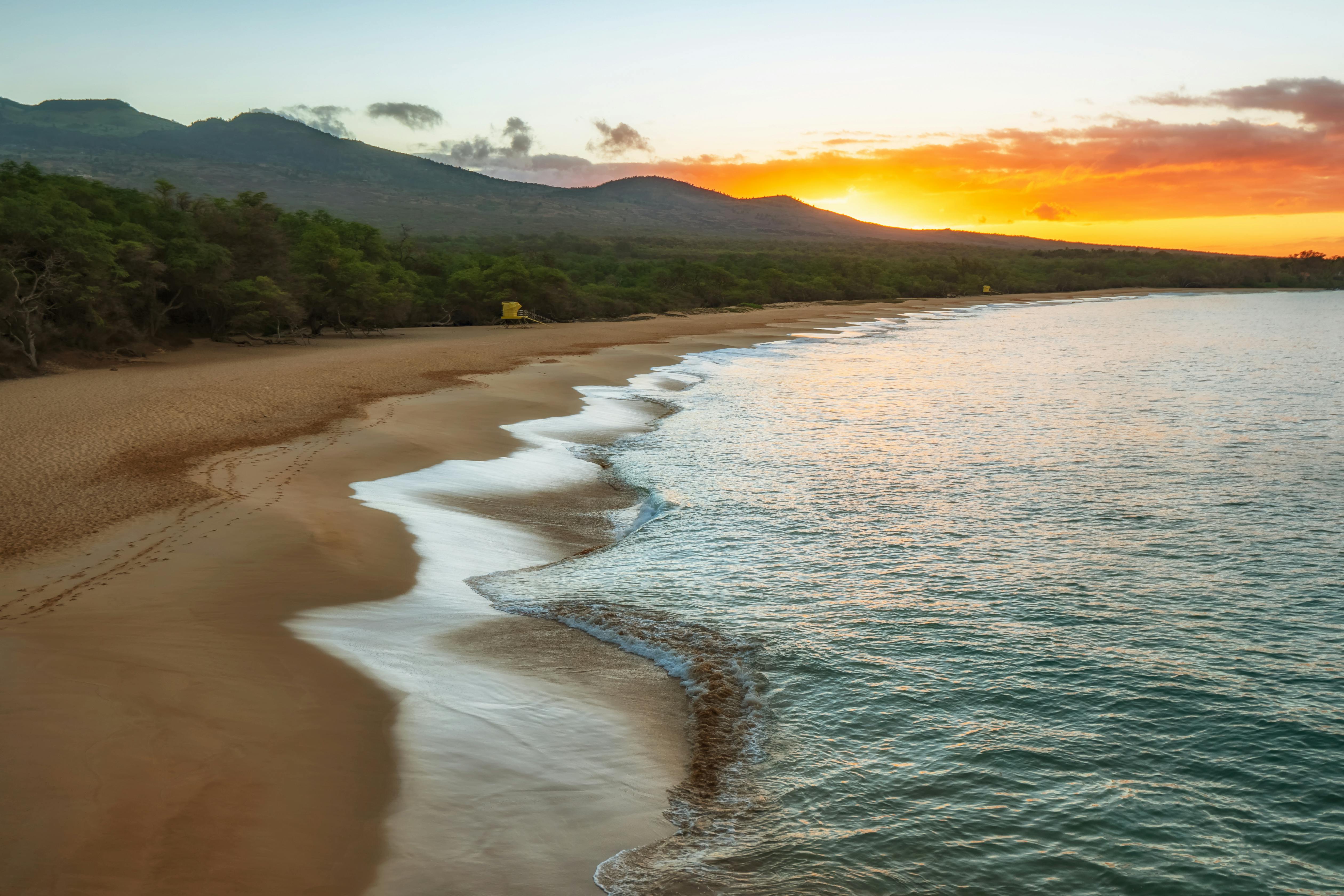
Makena Cove isn’t a secret anymore — but it’s still worth the effort. You’ll arrive at a pocket of black-sand beach ringed by volcanic cliffs, likely sharing it with fewer than fifty people even on busy days, and you’ll understand immediately why locals protect this place fiercely. The journey requires planning: a 4WD vehicle (or willingness to hike), an early start to beat crowds, awareness of tide conditions, and genuine respect for Hawaiian cultural protocols. There are no facilities, no shade umbrellas, no food vendors — which is precisely the point. You’re not paying for convenience; you’re paying in preparation and respect for access to something genuinely rare on Maui.
The trade-offs are real. The drive is rough. The parking situation is legitimately stressful. You might arrive to find conditions unsafe for swimming, or discover that the cove is closed due to monk seal presence — and that’s not a disappointment, that’s conservation working. But if you time it right — October through April for calmer seas, a Tuesday or Wednesday morning in November — you’ll have one of those experiences that stays with you long after the sand washes out of your bag. The turtles are real. The solitude is real. The sense that you’ve seen Maui as it actually is, not as a resort version of itself, is real.
Before you book your trip, check the Hawaii Department of Land and Natural Resources website for current access conditions and any seasonal closures. Download the offline map of the access road — cell service is nonexistent. Rent your 4WD at least a week in advance (prices spike in winter), and confirm it’s equipped for rough terrain. Then commit to one morning, one tide window, one attempt. Makena Cove doesn’t reward casual tourism. It rewards intention, preparation, and the kind of curiosity that made you read this far. That’s the visitor it’s waiting for.