7 best things to do in Monument Valley

I watched the Mittens turn from rust to molten gold as my rental kicked up dust on the 17-mile loop—and realized I’d almost missed this moment by arriving at 2 p.m. like every other tour bus.
Monument Valley straddles the Arizona-Utah border with a brutality that photographs can’t capture: the heat hits different when you’re standing at 5,500 feet under a sky so wide it makes you feel small.
This guide cuts through the tourist noise to show you what actually matters: the backcountry trails that require a Navajo guide (and are worth every penny), the exact sunrise spots where light hits the buttes like a stage light, and the one critical mistake that costs most visitors their best photos.
You’ll also learn why the main valley drive is just the appetizer, and how a three-day loop through the Southwest transforms a day trip into something unforgettable.
Things to Do in Monument Valley: Drive the 17-Mile Valley Drive

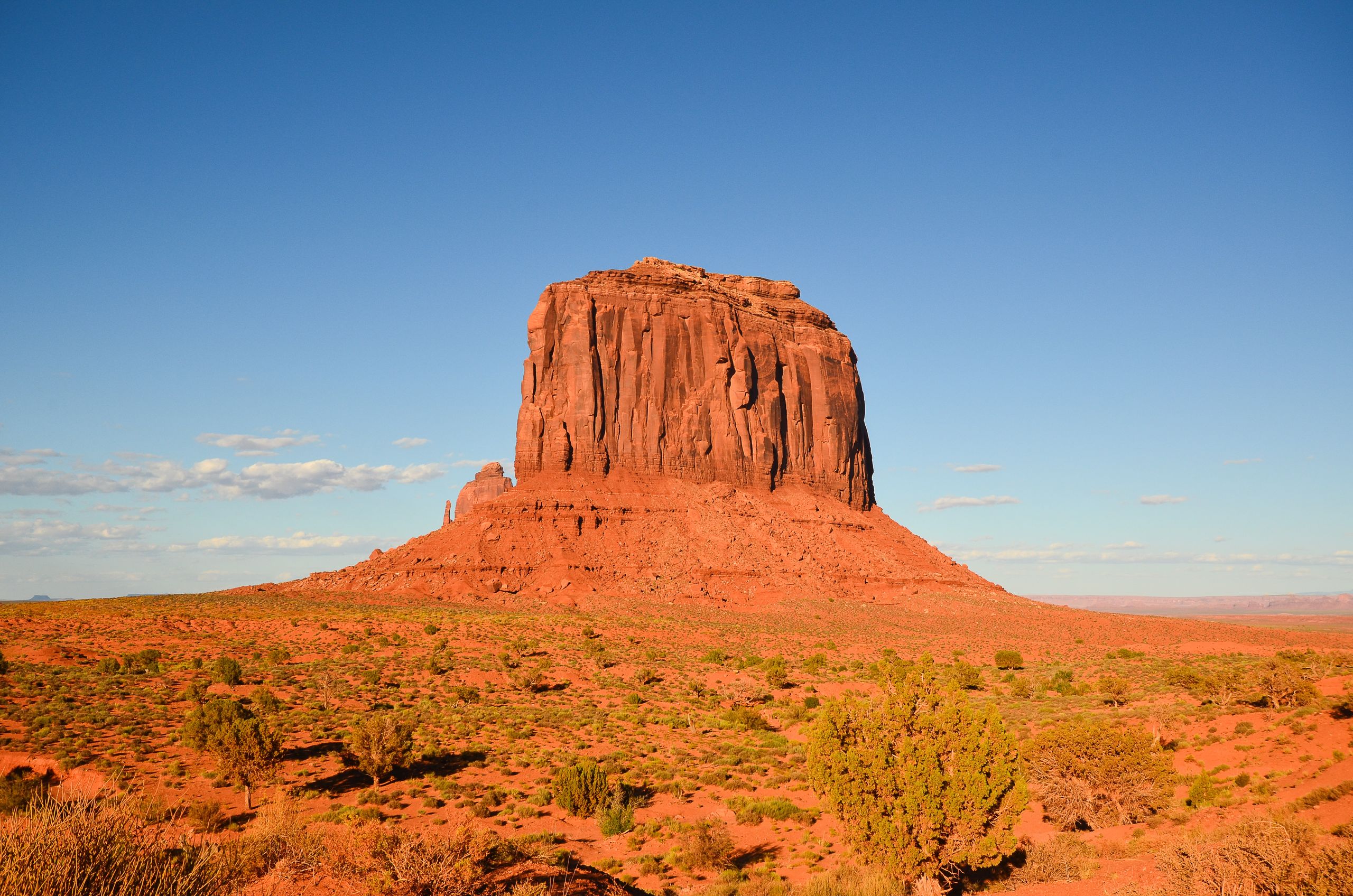
I rounded the bend near Goulding’s Lodge just after 7 a.m., and the West Mitten Butte rose out of the rust-red earth so suddenly that I had to grip the steering wheel. The monument hadn’t moved, obviously — but the light had transformed it from a postcard into something that demanded my full attention. This is what the 17-mile Valley Drive does. It’s not a highway dash; it’s a slow, deliberate loop through Navajo Nation land that forces you to reckon with scale.
The drive itself costs $25 USD per vehicle (paid at the entrance gate, cash or card accepted), and takes roughly two to three hours if you’re stopping for photos — which you will. The road is a mixture of paved sections and unpaved dirt, and here’s what most guides don’t mention: the unpaved portions are legitimately washboard-rough in places. A regular sedan can do it, but an SUV or truck will save your suspension and give you better clearance if there’s been recent rain. I drove it in a Subaru Outback and regretted not renting something higher-clearance.
The loop passes eleven official scenic pullouts, each one a distinct vantage point. Left Mitten, Right Mitten, and Merrick Butte are the iconic trio, but Elephant Butte and Camel Butte reward you for actually reading the signage. Pro tip that I learned the hard way: start the drive early — before 8 a.m. — because the parking areas at the most photographed spots fill up by mid-morning, and the light gets harsh and flat by 10 a.m. anyway.
One cultural note: this is Navajo Nation land, and the monuments themselves hold deep spiritual significance to the Diné people. It’s not a national park where you can roam freely. You stay in your vehicle or at designated pullouts, and you respect that boundary — not as a frustration, but as acknowledgment that you’re a visitor in someone else’s sacred space. That constraint, honestly, is part of what makes the drive work. It forces you to slow down and look rather than collect.
Monument Valley Tour Ideas: Guided Navajo Tours for Backcountry Access

I was halfway through the paved loop when my Navajo guide, Raymond, pointed to a ridge I’d completely missed—a narrow track climbing between two buttes where the afternoon light had turned the sandstone the color of burnt copper. “Most people never see this,” he said simply. That’s the difference between the 17-mile drive and a guided backcountry tour: access to the places where Monument Valley actually lives, not just where it’s been paved for you.
Guided Navajo-led tours are essential here, and not just for the views. The land is Navajo Nation territory, and backcountry access requires a permit and, practically speaking, a guide who knows where the soft sand will trap you and which arroyos flood without warning. Most operators offer half-day (around $150–$200 USD per person) or full-day tours ($250–$350), with 4×4 vehicles navigating terrain that ranges from packed desert floor to genuine rock scrambling. I’d recommend booking through Navajo-owned outfitters like Goulding’s Lodge or local operators in Kayenta rather than third-party booking sites—you’ll pay the same or less, and the money stays in the community.
One thing most guides won’t advertise: the backcountry tours often include Navajo hogans and archaeological sites that aren’t on the main loop. Raymond showed me a petroglyph panel that couldn’t have been more than 700 years old, then explained the protocol—we didn’t touch it, didn’t photograph it close-up for social media, and he explained why that restraint mattered. It’s a small gesture, but it’s the difference between tourism and genuine respect for the land you’re crossing.
Book tours between March and May or September to November; summer heat (often 100°F+) makes full-day backcountry tours genuinely punishing, and winter roads can be impassable. Bring 3 liters of water per person minimum, wear sturdy hiking boots even if you’re mostly driving, and be honest about fitness level with your guide—they’ll adjust the itinerary, not judge you.
Valley Drive Monument Valley: The Wildcat Trail Hike
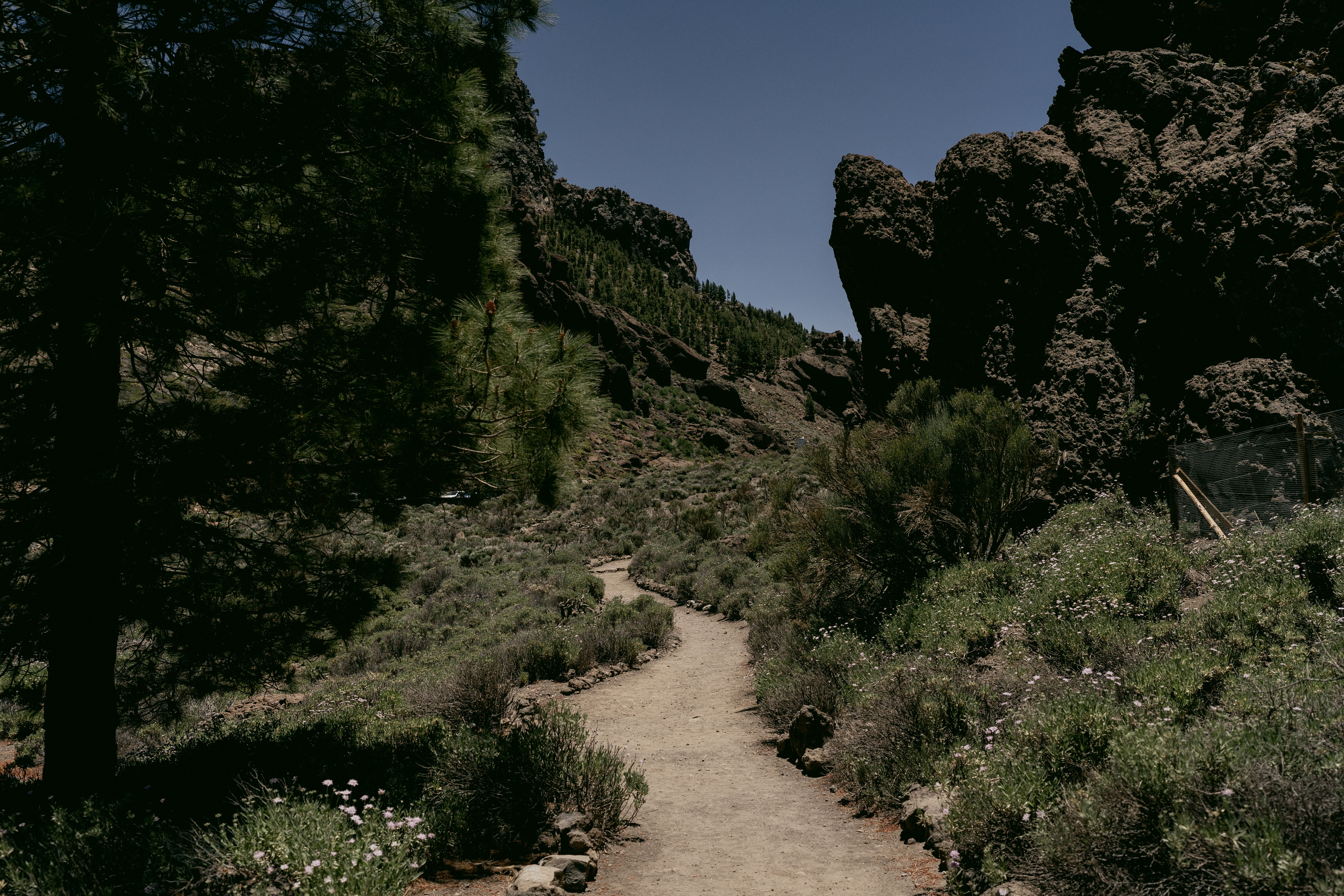
I rounded the bend at Mile 5 of the Valley Drive and saw the trailhead marker half-buried in rust-colored sand—easy to miss if you’re not watching the odometer. The Wildcat Trail is the one hike you can do independently without a Navajo guide, and it’s the closest most visitors get to walking directly beneath those impossible rock towers. The trail itself is deceptively modest: 3.2 miles round-trip, mostly flat, but the payoff is standing in the shadow of Mitten Butte with nothing but your footprints and the wind.
Start early—I mean 6:30 a.m. early, not tourist-early. By 9 a.m. the parking area fills, and the trail becomes a procession of selfie sticks. The hike takes roughly 90 minutes at a comfortable pace, and there’s almost no shade. Bring at least 2 liters of water per person, even in winter; the desert reflects heat like a convection oven. The trail is sandy and occasionally rocky, with a few minor elevation changes, but it’s genuinely accessible for most fitness levels. What catches people off-guard is the wind—it can shift from gentle to aggressive in minutes, kicking up dust that gets into everything.
The real secret most guides skip: the best light for photography on this trail is actually late afternoon (3–5 p.m.), not dawn. The Mittens face west, so morning sun backlights them harshly. By afternoon, the rock faces glow amber and the shadows deepen dramatically. You’ll have fewer crowds too.
One critical etiquette note: this is sacred Navajo land. Don’t stray from the marked trail, don’t take rocks as souvenirs, and don’t make offerings of your own. I watched a visitor leave a cairn of stacked stones—a common hiking tradition elsewhere—and a Navajo ranger quietly dismantled it within minutes. It’s well-intentioned but culturally inappropriate here.
Entry to the Monument Valley Navajo Tribal Park is $20 USD per vehicle (as of 2024), and that includes access to the Valley Drive and all trailheads. The Wildcat Trail parking area is at Mile 6.5 on the loop road.
Monument Valley Location: Sunrise & Sunset Photography Spots
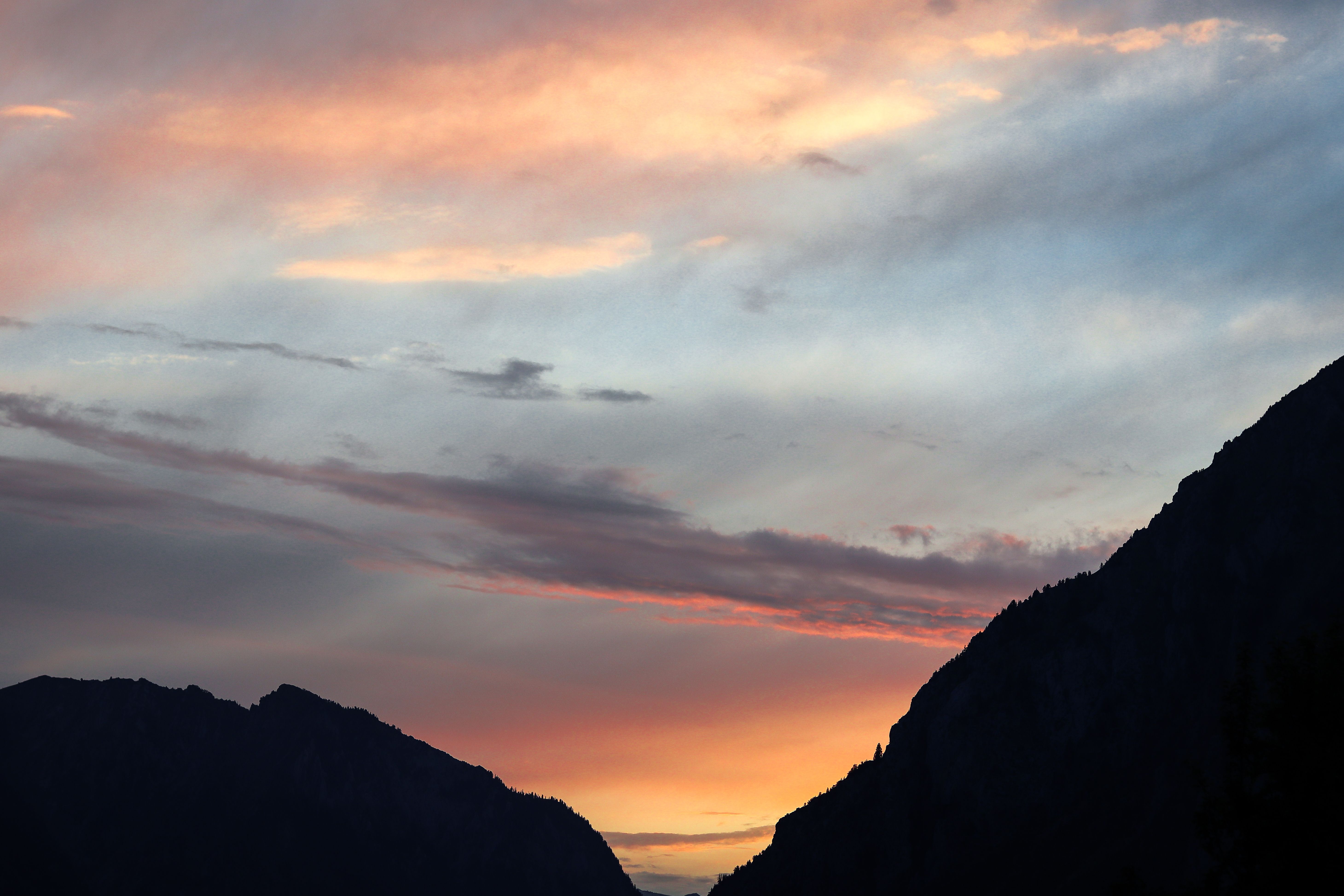
I set my alarm for 4:47 a.m. — not 5:00, because I’d learned that the light hits the East Mitten exactly 13 minutes before official sunrise, and I wasn’t about to miss it. The cold bit hard as I stood alone at the parking area near Goulding’s Lodge, camera trembling slightly (partly from cold, partly from anticipation), watching the sky shift from deep purple to amber to rose. This is what Monument Valley does best: it doesn’t just photograph well. It humbles you into silence.
The two most photographed locations are Sunrise Point and Sunset Point, both accessible from the main Valley Drive loop without requiring a backcountry permit. Sunrise Point sits near the north entrance; arrive by 5:15 a.m. in winter, 4:45 a.m. in summer. The sun emerges behind the Mittens and Merrick Butte, casting the formations in deep shadow first, then gradually illuminating them in layers of red and orange. Sunset Point is on the western side of the loop — park near the road’s end and walk the short path to the overlook. Sunset here lasts roughly 30 minutes from first golden light to full darkness, and the sky turns colors you’ll struggle to name: burnt sienna, dusty mauve, deep indigo.
Here’s what most guides won’t tell you: the best light isn’t always at the exact moment of sunrise or sunset. The 15 minutes *before* sunrise — called the “blue hour” — produces moody, contrasty images. Similarly, shoot for 20 minutes *after* sunset for deep color saturation. Bring a tripod; the light is low enough that you’ll need it, and wind can be fierce. Entry to Monument Valley Navajo Tribal Park costs $25 per vehicle (valid for three days), and you’ll need to arrive early — parking fills by 6:00 a.m. during peak season (March–October).
One cultural note: if Navajo people are present at these spots, ask before photographing them. It’s both respectful and often leads to genuine conversation rather than extractive tourism. The light will wait; human connection won’t.
Monument Valley Travel Guide: Multi-Day Southwest Road Trip Planning
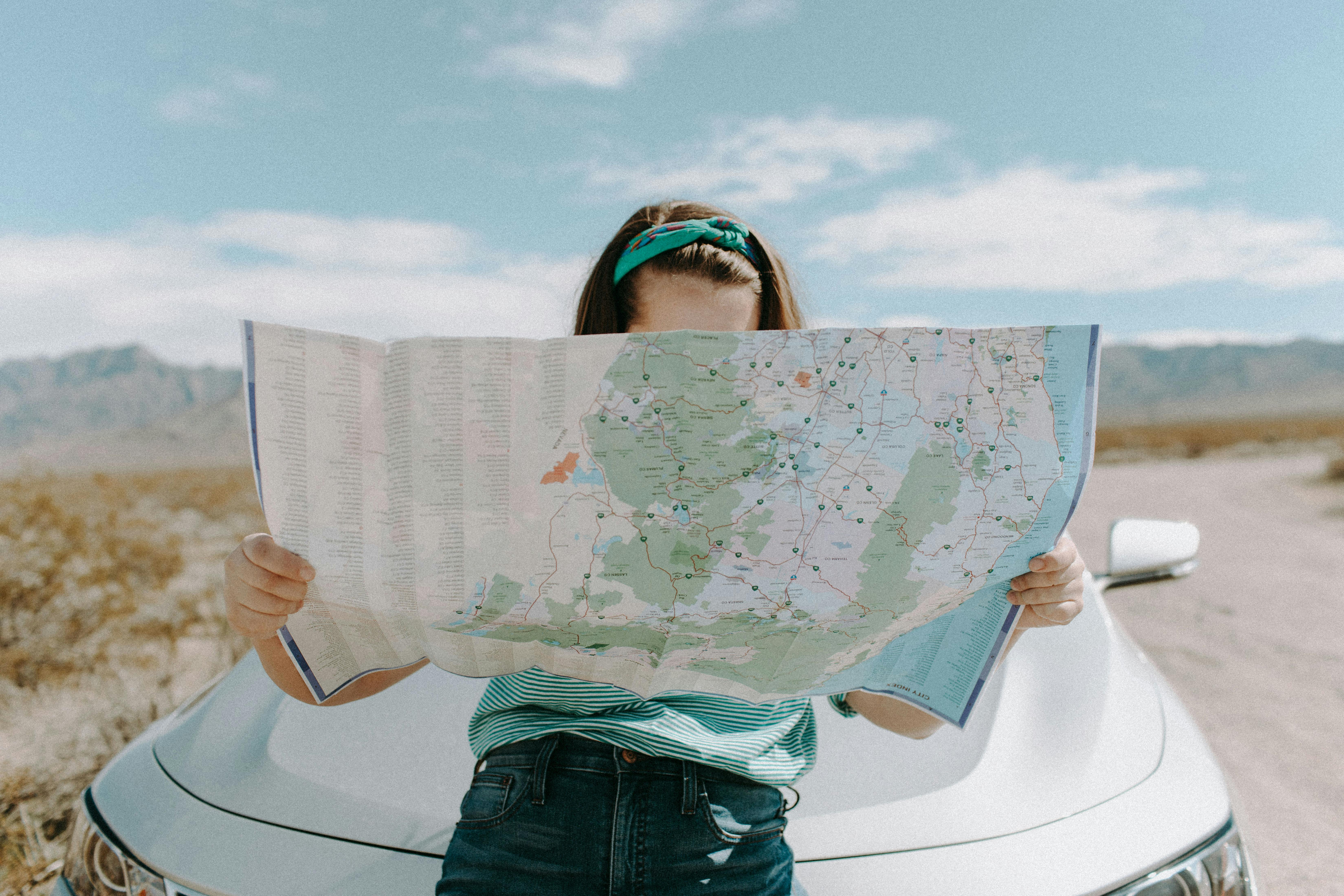
I realized halfway through my second day at Monument Valley that I’d made a rookie mistake: I’d planned only 36 hours when the landscape demanded at least four. The buttes don’t reveal themselves in a rush. You need time to loop back, to catch different light, to sit with the scale of it. If you’re threading Monument Valley into a Southwest road trip, block out a minimum of three days — ideally four if you’re coming from the north (Utah) or south (Arizona).
The classic route chains Monument Valley with Arches National Park (5.5 hours north via US-191), Dead Horse Point, and the San Juan River area — a circuit that works beautifully over 6-8 days. Alternatively, heading south connects you to Canyon de Chelly (1.5 hours), Walnut Canyon, and Flagstaff (3 hours from the Valley). Most visitors underestimate drive times; that scenic highway isn’t the fastest route, and you’ll want to stop constantly. Budget 2.5-3 hours for the 100 miles between Monument Valley and Kayenta, even on the direct US-163.
Accommodation costs vary sharply by location. Inside the Monument Valley Navajo Tribal Park, the Goulding’s Lodge runs $180-280 per night (October-April is peak season). In Kayenta, 30 minutes south, you’ll find budget chains at $80-140. Mexican Hat, Utah (45 minutes north) has cheaper motels ($60-100) but fewer amenities. I stayed in Kayenta twice and drove in at dawn each time — the extra sleep was worth the commute, and I saved roughly $400 over three nights.
Fuel up in Kayenta or Mexican Hat before heading to the Valley; the tribal park has no gas station. A full tank will handle the Valley Drive plus a 100-mile radius. Plan your multi-day itinerary around weather windows — spring (March-May) and fall (September-October) offer stable conditions and moderate crowds. Summer heat can exceed 105°F, and winter roads occasionally close after snow. One detail most guides skip: the Valley Drive opens at sunrise (roughly 6 a.m. year-round) and closes at sunset, so you can’t do the full loop after dark, even with a headlamp.
Monument Valley Travel: Know Before You Go (Practical Tips)

I arrived at Monument Valley in mid-June expecting the iconic red-rock silence I’d seen in a hundred photographs. Instead, I found myself in a dust storm so thick I could barely see the buttes from the visitor center parking lot. The wind had turned the sky the colour of rust, and my rental car’s air filter would pay the price for days afterward. That afternoon taught me the first real lesson: Monument Valley is a Navajo Nation park, not a standard national park, and it operates by different rules—and weather patterns matter more than you’d think.
Entry costs 20 USD per vehicle (or 10 USD per motorcycle), and your pass is good for three consecutive days—worth planning around if you’re doing the drive and hiking. Most guides skip this: there’s no cell service inside the park boundaries, and it’s genuinely dead. Download offline maps beforehand, fill your tank in Kayenta (35 miles south), and carry water. A lot of water. The elevation sits around 5,500 feet, and the sun reflects off red rock with no mercy. I’ve seen tourists turn back from the Wildcat Trail after 20 minutes, dehydrated and unprepared.
Best months are April–May and September–October. Summer temperatures exceed 100°F, winter roads can close without warning, and the monsoon season (July–August) creates flash-flood risks in canyon areas. I made the mistake of visiting in July once—the afternoon storms were spectacular but made the backcountry roads impassable for hours.
A critical cultural note: Monument Valley is sovereign Navajo land. Respect posted boundaries, ask permission before photographing people, and know that the Navajo people have lived here for centuries—you’re a visitor to their home, not a tourist attraction destination. Many locals work as guides for good reason; hiring them directly (rather than through outside tour operators) keeps money in the community and gives you authentic insight.
Lodging inside the park is limited to Monument Valley View Hotel (run by the Navajo Nation). Book months ahead or stay in nearby Kayenta or Mexican Hat, Utah. Budget 120–180 USD for mid-range accommodation, 15–25 USD for meals at the visitor center café. The park itself has no gas station—your last chance is Kayenta.
CONCLUSION
Monument Valley isn’t a quick drive-by destination—it’s a place that demands time, respect, and a willingness to sit with silence. You’ll leave with red dust in your hair, probably a sunburn you didn’t anticipate, and the kind of photographs that never quite capture what your eyes actually saw. That’s not a flaw; it’s the point. The valley’s power lies partly in what can’t be easily shared, which is why returning visitors keep coming back.
The six experiences outlined here—the Valley Drive loop, backcountry Navajo-led tours, the Wildcat Trail, sunrise and sunset shoots, multi-day road trip integration, and the practical logistics—form a realistic framework for visiting responsibly. But here’s what matters most: Monument Valley is Navajo land, and your presence there is a privilege, not a right. Every dollar you spend at the gate (currently $20 per vehicle for the Navajo Nation Parks pass) goes directly to the Navajo Nation. Hiring a Navajo guide isn’t just better access; it’s direct support. Respecting photography restrictions and staying on marked trails isn’t bureaucracy—it’s basic stewardship.
The common mistake is treating Monument Valley as a single afternoon stop between Las Vegas and Santa Fe. That’s like tasting wine and calling yourself a sommelier. Budget at least two full days, ideally three. Visit in April, May, September, or October—the shoulder seasons when temperatures hover between 65–85°F and the light is forgiving. Bring twice as much water as you think you’ll need. Download offline maps; cell service is genuinely spotty. And arrive at your sunrise spot the evening before—you’ll thank yourself when you’re not rushing in the dark.
Your next step: Book a sunrise Navajo-led tour first, then build the rest of your itinerary around it. This single decision—outsourcing your first morning to someone who knows the land—will reshape everything that follows. You’ll see places most visitors never reach, hear stories that matter, and understand why Monument Valley has held human attention for centuries. That’s worth the early alarm and the $150 guide fee.