5 Best things to do in Arches National Park Utah

I watched the sun hit Delicate Arch at 7:15 a.m.—before the crowds arrived—and understood why people drive six hours across the desert for three hours of hiking.
The arch glowed burnt orange against a sky so blue it hurt, and I was alone except for a mule deer that barely looked up. That’s the real Arches experience: not the postcard moment at peak heat with 300 other visitors, but the deliberate, early-morning choice that changes how you see red rock.
This guide cuts past the generic “visit these five arches” advice and gives you what actually matters—which hikes match your fitness level, where to go when crowds peak (and how to avoid them), exact entry fees and reservation strategies, and the one ranger-led experience that locals still keep quiet about.
You’ll learn which arch takes 20 minutes and which demands a full day, why the park charges $30 per vehicle, and which months let you hike in shorts without dying of heat. The payoff: a Arches itinerary that fits your time, your knees, and your tolerance for crowds.
The Complete Guide to Best Hikes in Arches National Park

I watched the sun hit Delicate Arch at 7:15 a.m.—before the crowds arrived—and the entire formation glowed burnt orange, so vivid it looked photoshopped.
That’s the real reason to hike here: not the Instagram moment, but the geological theatre that changes every hour. Arches has over 2,000 natural stone arches, and while you won’t see them all, the park’s 76,518 acres compress the best ones into remarkably accessible trails.
The Delicate Arch Trail (3 miles round-trip, 480 feet elevation gain) is the obvious choice—and yes, it’s crowded—but it’s crowded for a reason.
The final approach crosses bare slickrock with zero shade, and in July, the surface temperature can hit 140°F. Go early or late; a mid-afternoon attempt in summer is a genuine safety risk, not a minor inconvenience. The payoff is standing beneath Utah’s most iconic arch with no crowds, if you time it right.
Devil’s Garden Loop (7.2 miles, moderate difficulty) is where I spent my best afternoon. Most people hike the first 3 miles to Landscape Arch and turn back—which means the second half, looping through Partition Arch and Navajo Arch, feels almost private.
This trail reveals the park’s real personality: you’re not just viewing arches, you’re navigating through them, ducking under stone, feeling the scale shift as you move through the landscape. Bring 2 liters of water per person; there’s no shade and no water sources.
Windows Trail (1 mile loop) and Arches Trail (3.2 miles) offer middle ground—less crowded than Delicate Arch, more rewarding than the roadside pullouts. Windows gives you double and triple arches in quick succession. One local tip most guides miss: hike Windows at sunset instead of sunrise. The afternoon light hits the rock faces differently, and you’ll have the trail nearly to yourself.
Common mistake: assuming you can “do Arches” in an afternoon. The park demands early starts and realistic distances. Even experienced hikers underestimate the heat and exposed terrain. Bring sunscreen rated for extreme UV, a hat that covers your neck, and electrolyte tablets—plain water alone isn’t enough in this climate.
Arches National Park Road Trip Essentials—Logistics, Fees & Reservation Strategy
I arrived at the park entrance on a March morning expecting a quiet weekday visit—and found the parking lot already full by 9 AM.
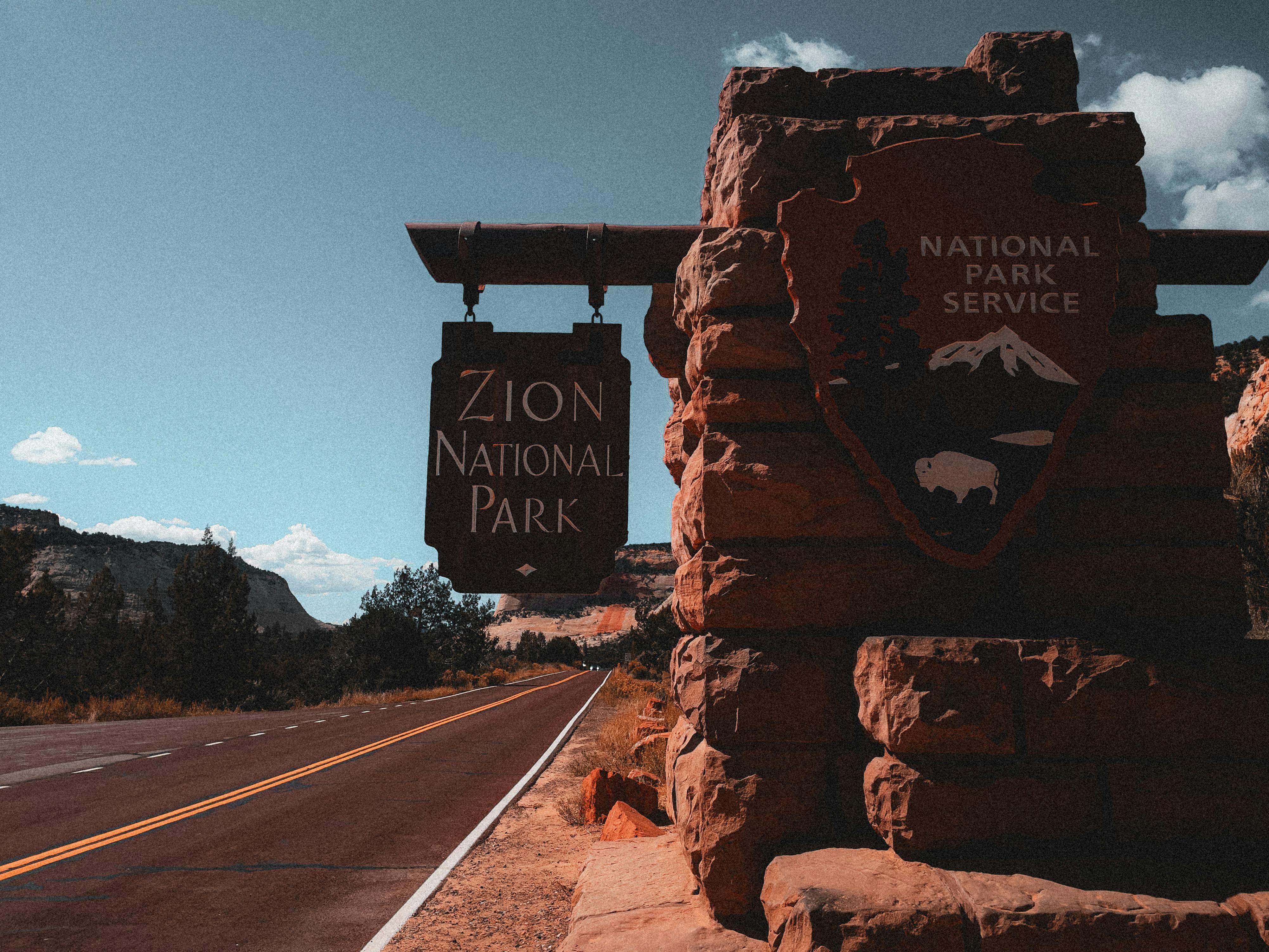
That’s the first thing you need to know: Arches is no longer a secret, and the National Park Service has quietly implemented timed-entry reservations during peak season (March through October). Entry costs $30 per vehicle (valid for seven days), but the real logistics win is booking your reservation online at recreation.gov at least 60 days ahead.
Without it, you’ll spend an hour circling the entrance station or be turned away entirely. Off-season visits (November through February) don’t require reservations, though weather can be unpredictable—I’ve seen snow in early April.
The park sits just north of Moab, Utah, a 40-minute drive from the nearest commercial airport (Grand Junction, Colorado). Most visitors rent cars in Moab itself, where you’ll find the usual chains plus local outfitters. Gas up before entering the park; the nearest fuel is in Moab, and the scenic drive loop is 52 miles. Parking at individual trailheads fills quickly—aim for arrival by 7:30 AM in peak season, or use the park’s shuttle system (free with entry) that runs from the visitor center to Wolfe Ranch and Sand Dune Arch during busy periods. This detail saves most people 20–30 minutes of circling.
Budget $15–25 for meals in Moab; the park has no food services beyond vending machines at the visitor center. Accommodation ranges wildly: camping at Dead Horse Point State Park (adjacent to Arches) runs $25–35 per night, mid-range hotels in Moab average $120–180, and luxury options exceed $250. Book lodging early if visiting March through October. One overlooked detail: the visitor center closes at 4 PM year-round, so if you’re planning to pick up permits or ask rangers questions, arrive with time to spare. Lastly, bring more water than you think you’ll need—at least three liters per person, even on short hikes. The desert is deceptive about thirst.
Arch Experiences Ranked by Fitness Level & Time Budget
I made the mistake on my first Arches visit of assuming all arches required the same commitment. I’d scheduled three hours and picked Delicate Arch—the iconic one—only to find myself limping back to the car in 90 minutes, soaked through, wondering if I’d underestimated the desert heat. The truth is far more forgiving: Arches rewards both the 15-minute visitor and the all-day hiker, but you need to match the arch to your actual fitness level and time, not to Instagram fame.
For 15–30 minutes (minimal fitness required): Park Avenue Trail (2.6 miles round-trip, mostly flat) and Balanced Rock (0.3 miles) are your friends. Park Avenue delivers that classic red-rock canyon feel without technical scrambling. Balanced Rock is genuinely short—you can do it between gas station stops. The misconception: people skip these thinking they’re “too easy.” They’re not; they’re proportional. Expect $15 USD park entry (good for 7 days).
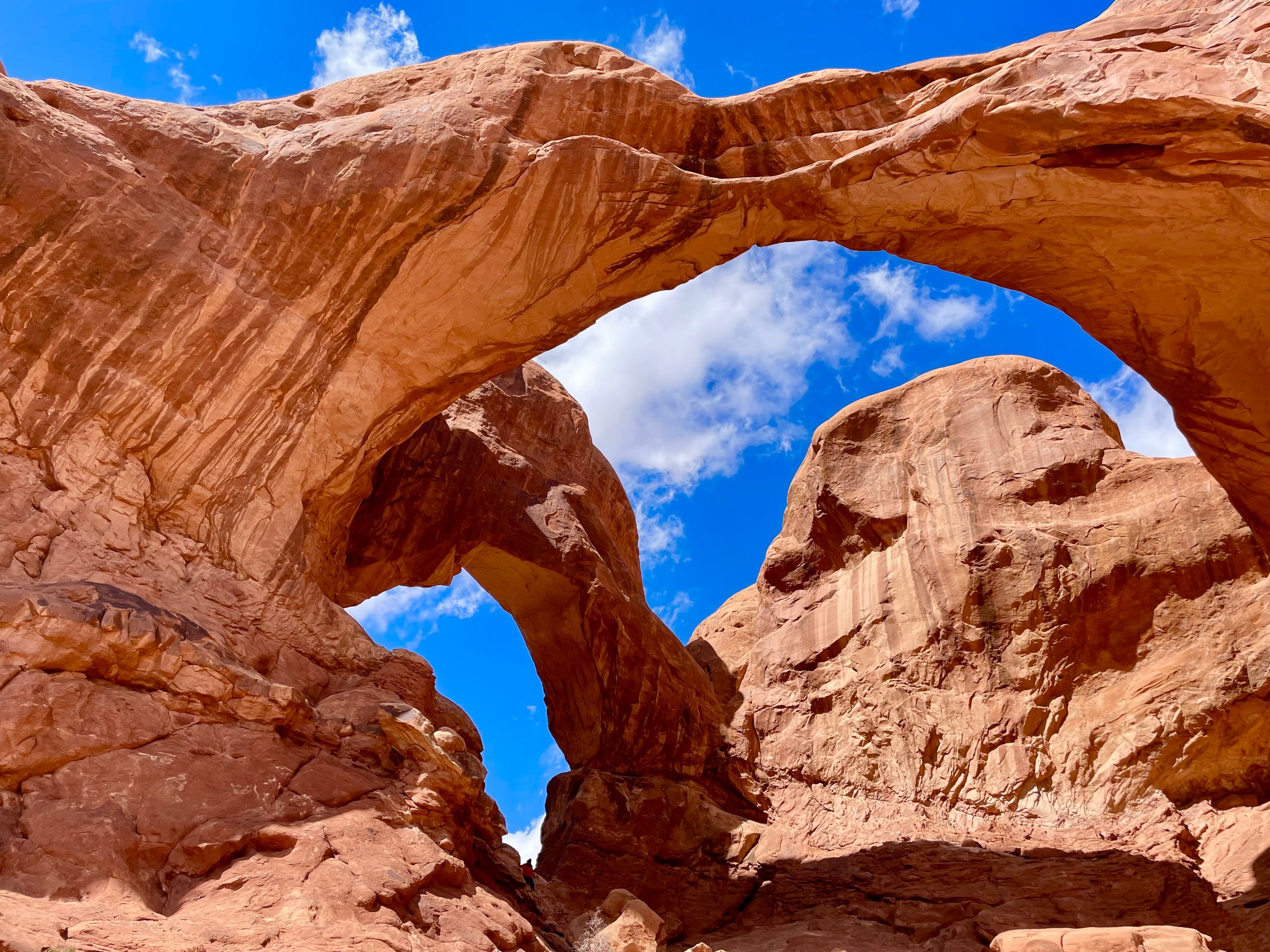
For 1–2 hours (moderate fitness): Double Arch (0.5 miles, but with some rock hopping) and Landscape Arch (1.6 miles, mostly flat trail) sit here. Double Arch is genuinely fun—you’ll walk *under* the arches, not just look at them from a distance. Landscape Arch has a hidden advantage: it’s less crowded than Delicate Arch, and the approach is gentler. Go early (before 9 a.m.) to avoid afternoon heat that can push temperatures to 95°F+ even in spring.
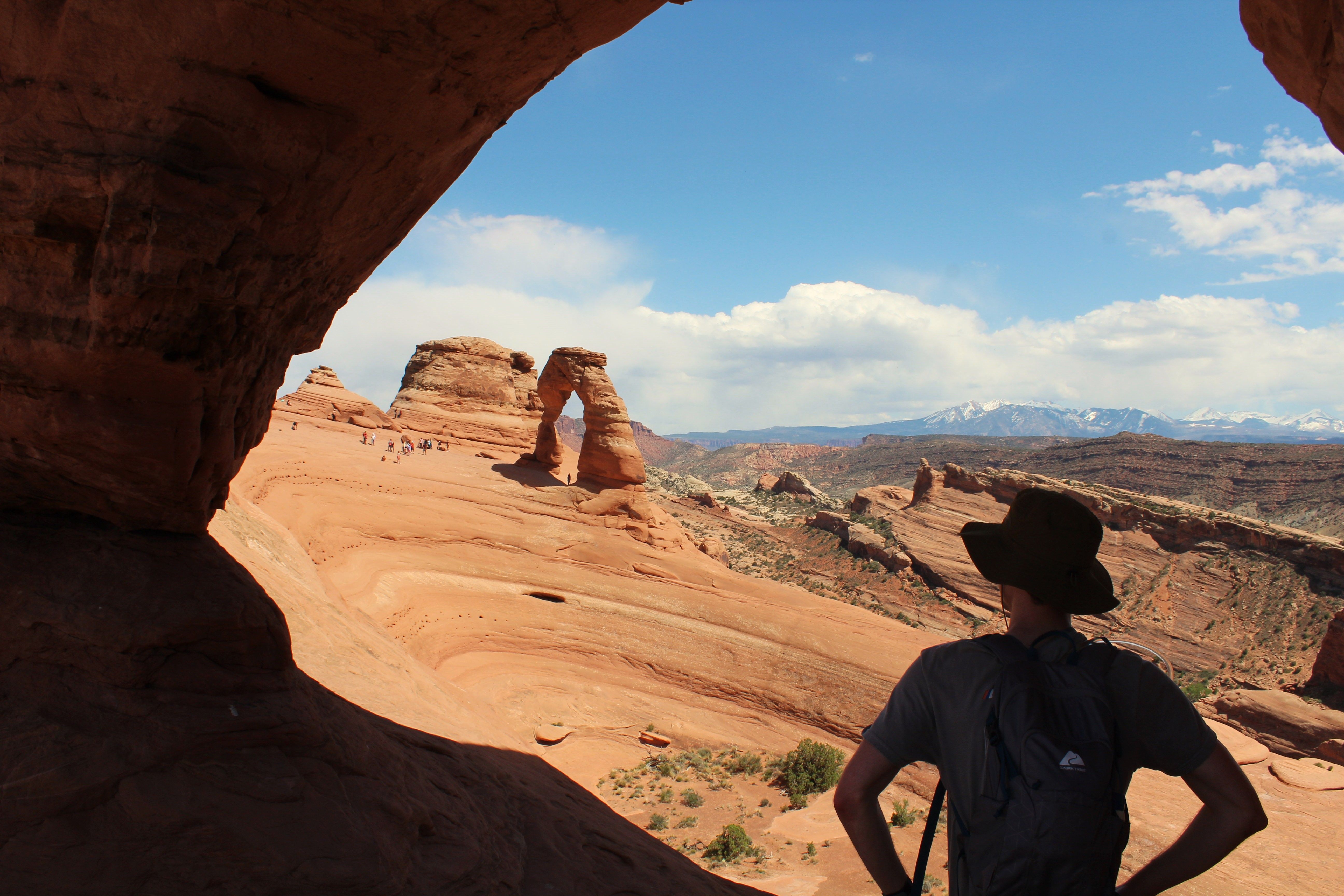
For 2–4 hours (good fitness required): Delicate Arch (3 miles round-trip, 480 feet elevation gain) and Devil’s Garden Loop (7.2 miles, with options to shorten) demand real effort. Delicate Arch has no shade—carry at least 2 liters of water per person. The payoff is the arch itself, which genuinely justifies the hype. Devil’s Garden lets you pick your distance; even 2 miles gets you to Broken Arch, which feels less crowded.
One honest reality: Arches is not forgiving on poor planning. Bring more water than you think you need, start before 8 a.m. in warm months, and wear sunscreen religiously. The rock reflects heat like a convection oven. A single bad decision here—like attempting Delicate Arch in midday July—can turn a memorable experience into a miserable one.
The Exclusive Experience—Fiery Furnace & Ranger-Led Secrets
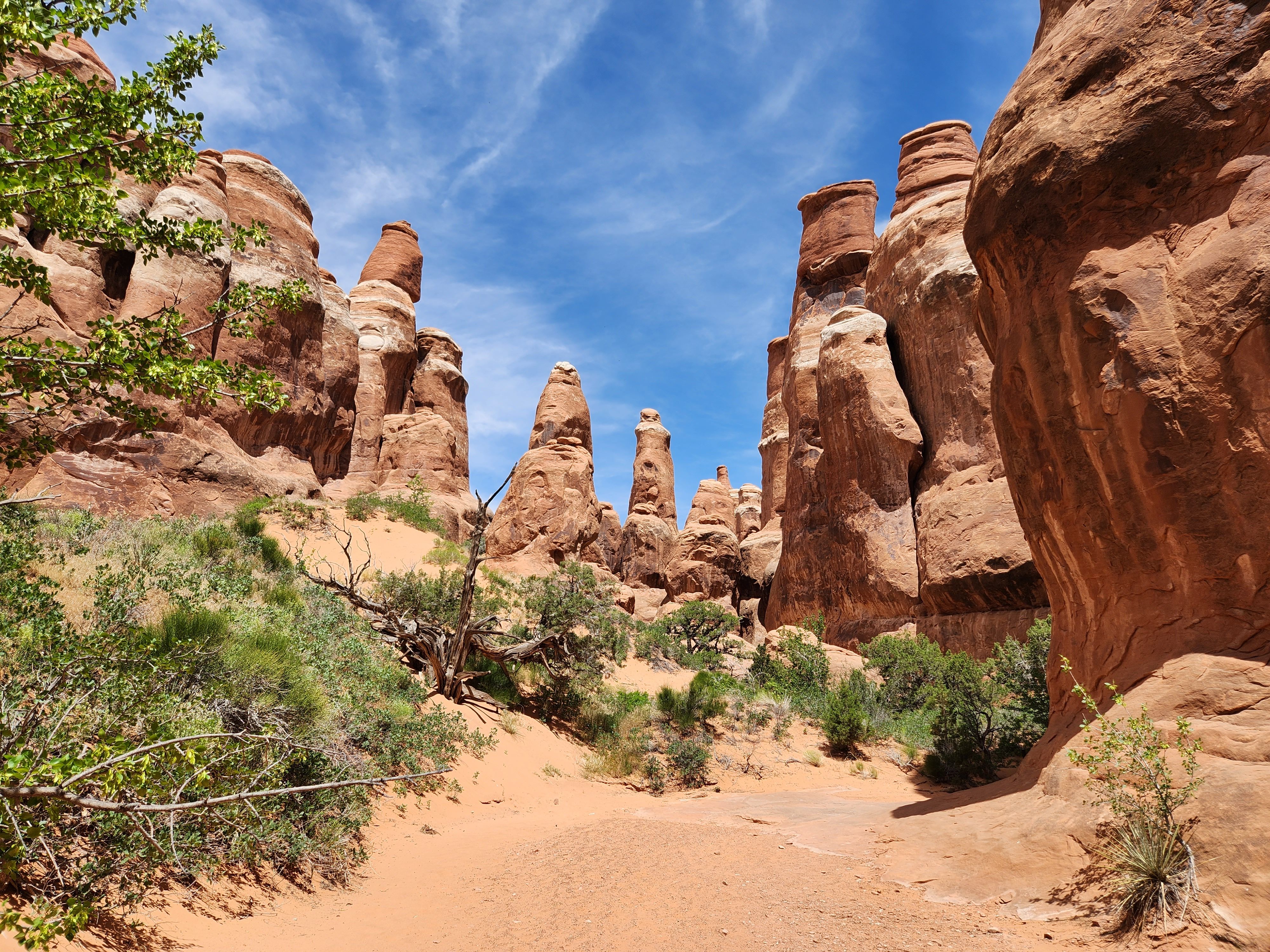
I stood at the entrance to Fiery Furnace on a June afternoon, squinting at the maze of rust-red fins and narrow slots stretching ahead. The ranger checking my permit looked at me with a mix of amusement and concern. “Most people turn back within twenty minutes,” she said. She wasn’t wrong—but the ones who push through find something the postcard crowd never sees: a labyrinth of stone so dense and disorienting that GPS becomes useless, and the only way forward is intuition, scrambling, and occasionally doubling back.
Fiery Furnace is the park’s only area requiring a ranger-led permit or a paid guided tour (around $16–$20 USD for the permit; $80–$120 for a ranger-led group tour). This isn’t bureaucratic gatekeeping—it’s genuine protection. The maze has no marked trail; people get lost regularly. But here’s what most guides won’t tell you: the permit system is actually your advantage. Book early (they fill up by mid-morning in peak season), and you’ll navigate with maybe five other people instead of the crowds at Delicate Arch. The 3-mile loop takes 2–3 hours and involves real scrambling—handholds, chimney moves through narrow slots, and one section where you’ll genuinely wonder if you’re going the right way. Wear shoes with grip, bring 2+ liters of water, and don’t attempt this in heat above 95°F.
Beyond Fiery Furnace, the park’s ranger programs are where most visitors miss the real story. Evening programs (free with park admission, typically 7–8 PM at the amphitheater near Devil’s Garden) cover geology, human history, and astronomy with a depth that transforms your understanding of what you’ve seen. Ranger-led walks to lesser-known arches—like Tapestry Arch or Broken Bow Arch—run seasonally and cost nothing extra. These aren’t the iconic Instagram shots, but they’re where you’ll hear about the Ute people’s connection to the land, the geology of how arches actually form, and why some formations collapse while others endure centuries.
One honest trade-off: ranger availability drops sharply outside April–October. Winter visits mean fewer programs, but also solitude. If you’re visiting November through March, call ahead (435-719-2299) to confirm what’s running. The payoff is empty trails and that rare feeling of having a landscape mostly to yourself.
Utah Road Trip Planning—Seasonal Timing, What to Pack & Accessibility

I arrived in Moab in late October and watched the temperature drop 30 degrees between sunrise and sunset—the kind of swing that catches you off guard if you’ve packed only for the midday heat. This is the critical lesson about timing Arches: the season you choose determines not just comfort, but whether you’ll actually enjoy the park or spend your time managing discomfort.
Spring (March–May) and fall (September–November) are genuinely the sweet spots, with daytime temps between 60–80°F and far fewer crowds than summer. If you go March–April, wildflowers bloom sporadically across the slickrock, though don’t expect the show you’d see in other Utah parks. Summer (June–August) is brutal—regularly 95–105°F by noon—and the park fills to capacity by 8 a.m. Winter (December–February) is underrated if you don’t mind occasional snow; the rock glows differently in low-angle light, and you’ll have entire trails to yourself. One thing most guides skip: the park closes the Scenic Drive periodically for flash-flood risk during monsoon season (July–September), so check road conditions before driving.
Pack layers obsessively. Bring a lightweight jacket, a windbreaker (the slickrock offers zero shelter), sunscreen rated 50+, and a wide-brimmed hat. Sunglasses are non-negotiable—the red rock reflects UV like a mirror. Carry at least 3 liters of water per person; I’ve watched dehydrated hikers turn back a mile from Delicate Arch in October. Wear proper hiking boots with grip—slickrock is slippery when wet and ankle-turning when dry.
Accessibility is better than you’d expect. The park has paved viewpoints accessible by car, and the Lower Delicate Arch Trail is steep but negotiable for many with mobility aids (though the final 0.5 miles is uneven slickrock). The Windows Trail is mostly flat and accessible. Contact the visitor center ahead of time (435-719-2299) to ask about current conditions on specific trails; rangers will give you honest assessments about what’s feasible. The park charges $30 per vehicle (valid 7 days) or $25 per motorcycle—no entrance fee for cyclists, though the Scenic Drive has narrow shoulders in places.
Complete 1-Day, 2-Day & 3-Day Arches National Park Itineraries

I arrived at the park entrance at 6:47 a.m.—deliberately before the 7 a.m. opening—and watched the red rock shift from grey to burnt orange as the sun cleared the La Sal Mountains. This timing matters more than you’d think, especially if you’re squeezing Arches into a single day. The difference between arriving at Delicate Arch at 8 a.m. versus 10 a.m. is the difference between solitude and a human traffic jam.
The One-Day Sprint (6–8 hours): Enter early, skip the visitor center queue, and head straight to Delicate Arch trailhead (3-mile round trip, moderate). Allocate 90 minutes here—the hike itself takes 60–75 minutes, but you’ll want buffer time for crowds and photos. Drive to Windows Section next (15 minutes from entrance); hit Arches Trail loop (1 mile, easy) and North Window (30 minutes total). Grab lunch in Moab (10 minutes south; expect $14–$18 for a decent sandwich). Return for Landscape Arch (1.6 miles, easy) or Devil’s Garden if energy permits. Park closes at dusk; aim to leave by 5 p.m. Cost: $30 vehicle pass (valid 7 days).
The Two-Day Experience (12–14 hours total): Day One follows the one-day itinerary but skip lunch in Moab—eat at your accommodation instead. Day Two tackles the full Devil’s Garden Trail (7.2 miles if you push to Landscape Arch; 3 miles if you stop at Tunnel Arch). Start at sunrise. The second day reveals what most day-trippers miss: the quieter arches, the way light changes mid-morning, and why locals say Devil’s Garden is the park’s best-kept secret after 10 a.m. when crowds thin.
The Three-Day Deep Dive (20+ hours): Add the ranger-led Fiery Furnace tour (mandatory reservation; $10, 2–3 hours, moderately strenuous scrambling). Book this for mid-day on Day Two to break up hiking monotony. Day Three allows exploration of lesser-visited trailheads: Broken Arch (2.4 miles), Sand Dune Arch (0.5 miles), and the short walk to Tapestry Arch. This schedule also builds in buffer time for photography, rest, and the reality that Arches demands more water and sunscreen than you think. Bring at least 3 liters per person daily; I underestimated this on my first visit and regretted it by hour five.
In Closing

I left Arches at sunset on my third day, sitting in the parking lot at Delicate Arch as the stone turned from red to deep orange to purple. A family next to me was packing up their rental car, and the father said to his kids, “We could’ve done this in one day.” He wasn’t wrong—technically. But they would’ve missed the quiet 6 a.m. moment at Landscape Arch when the light hits differently, the ranger-led secrets of Fiery Furnace that only make sense when you’ve already walked the easier trails, and the realization that Arches isn’t about checking boxes. It’s about matching the park to your actual fitness level, your real schedule, and your honest tolerance for crowds.
Here’s what matters: Book your Fiery Furnace permit the moment they open (online, 60 days ahead). Arrive at popular trailheads by 7 a.m., or genuinely consider the afternoon slot—fewer people, better light, same arches. Pack more water than feels necessary; the park’s dryness is not theoretical. Check the accessibility notes before you plan; some trails listed as “easy” involve slickrock scrambles that aren’t wheelchair-friendly, and that information saves frustration. And pick your season deliberately: spring and fall offer the best balance of temperature and crowds, but if you’re visiting in summer, start your hikes at dawn and spend midday in Moab’s air-conditioned museums or cafés (no shame in that).
Your next step is specific: Before you book your accommodation, decide whether you want one full day, two days, or three. If it’s one day, commit to either the main road arches or Fiery Furnace—not both. If it’s two days, do the itinerary that matches your fitness level, then add one surprise (a ranger talk, a sunset sit, a conversation with someone who lives in Moab). If it’s three days, you’ve earned the luxury of slowness. Then—and only then—book your lodging and plan your permit applications. The park will still be there. But your specific moment in it won’t be.