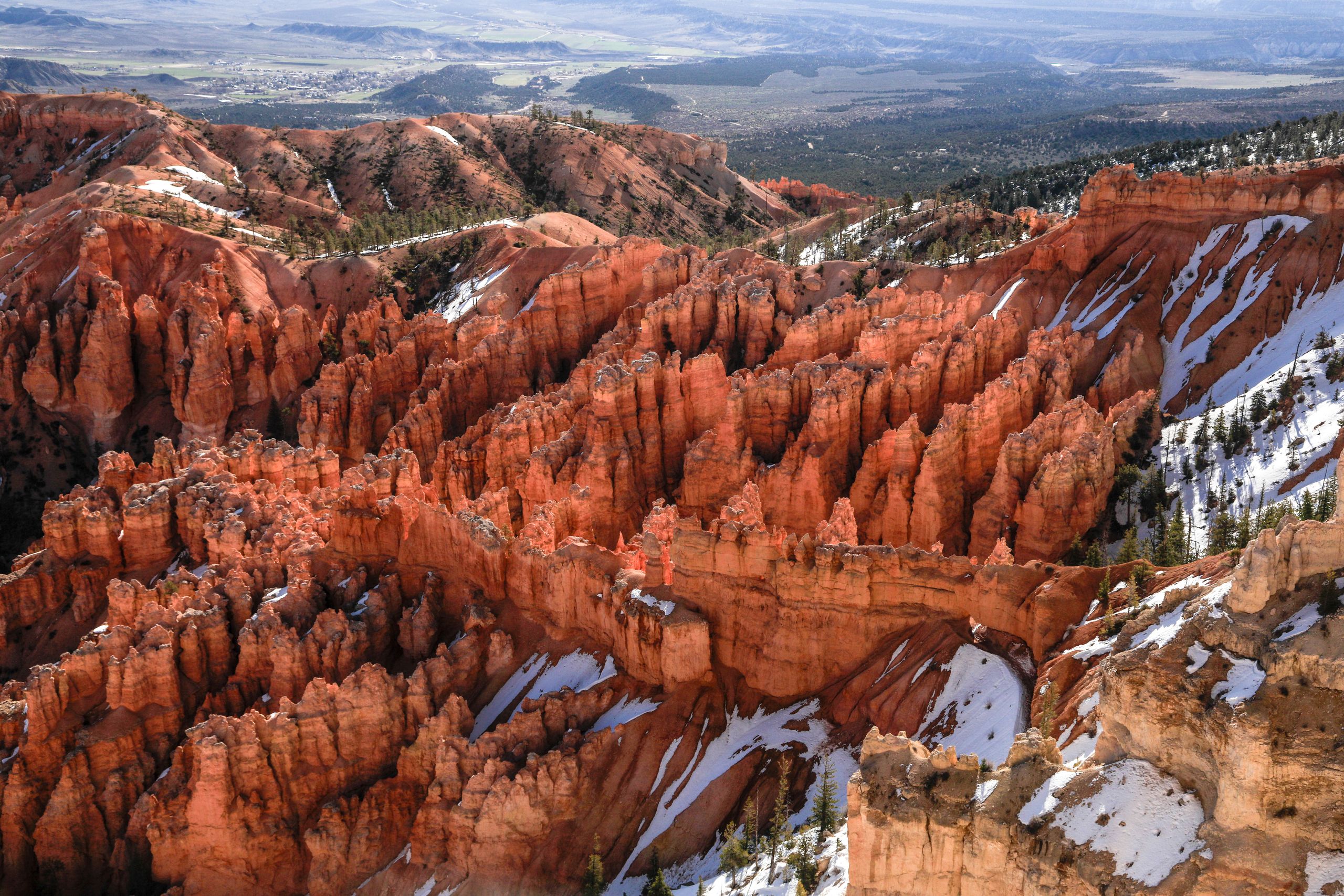
Best National Parks for First-Time Visitors This Year

Discover America’s best national parks with insider tips on where to go, when to visit, and what to actually pack. From Utah’s red rocks to hidden gems.Edit
I watched the sun rise over the Grand Canyon from Mather Point, and the moment the light hit the North Rim, I understood why people wake up at 4 a.m. for this.
But here’s what surprised me: the canyon doesn’t feel crowded at that hour—it feels like you’ve discovered something the daytime tourists haven’t yet.
National parks are America’s best-kept secret, except they’re not secret anymore. Millions visit them each year, which means the difference between a transcendent experience and standing in line for three hours comes down to one thing: knowing where to go and when.
This guide cuts through the generic “must-see” lists and gives you the exact parks that match your style—whether you’re a first-timer who wants iconic views without the permit lottery, a hardcore backpacker chasing solitude, or a parent trying to keep kids engaged on a budget.
You’ll find real costs, which parks are actually worth the drive versus the Instagram hype, and the one mistake almost every visitor makes that ruins their visit before it starts.
I was halfway through my third national park visit when I realized I’d been doing it wrong. Standing at the overlook in Great Smoky Mountains at 6 a.m.—before the parking lot filled and the air turned hazy with exhaust—I understood that national parks aren’t one-size-fits-all experiences.
The same destination that leaves one traveler breathless can frustrate another who arrived at noon expecting solitude. After visiting more than a dozen US national parks and several international ones, I’ve learned that the “best” park depends entirely on what you actually want: a challenging week-long backpacking expedition, a family day trip with young kids, or a quiet landscape to photograph at dawn.
National parks are America’s most accessible wilderness laboratories. They range from the sculpted red rock formations of the Southwest to temperate rainforests in the Pacific Northwest, from subtropical wetlands to alpine tundra.
What unites them is a promise: these places are protected for you to experience, not to be conquered or checked off a list. Yet most visitors spend 2–4 hours at a park, follow the same crowded main trails, and leave thinking they’ve “done” it. The reality is far richer.
This guide cuts through the mythology. You’ll find honest assessments of what each park actually delivers—not Instagram captions. I’ll tell you which parks genuinely suit first-time visitors versus which ones demand preparation.
You’ll learn which parks work for toddlers and which require serious fitness. I’ll flag the underrated gems that deliver the experience of famous parks without the crowds, and the logistical details that most guides skip: exact entrance fees, which months the crowds thin, and which neighborhoods to base yourself in for the best access.
The goal isn’t to visit every national park. It’s to visit the right one for you, at the right time, prepared to actually see it—not just pass through it.
How to Choose the Perfect National Park for Your Trip
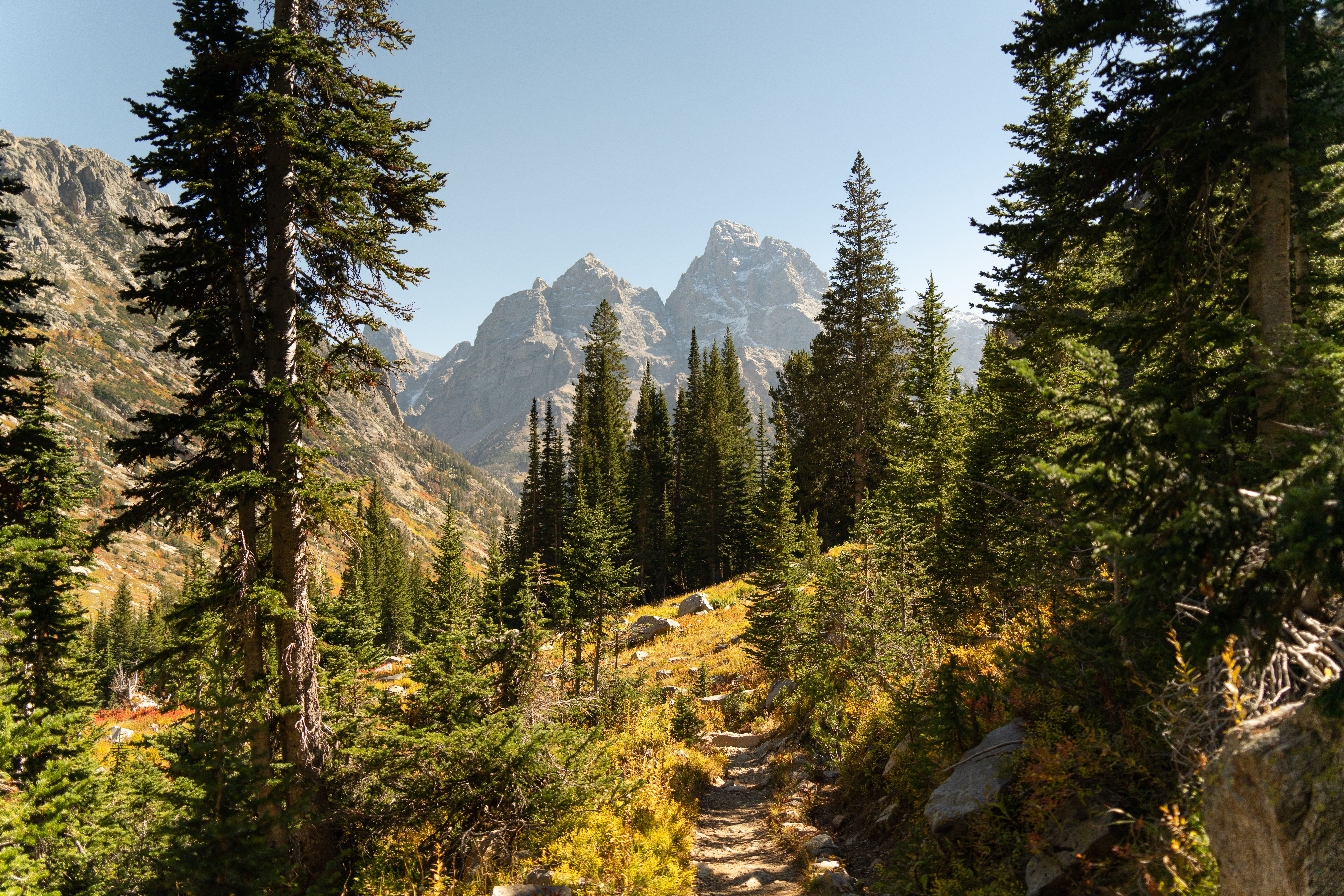
I once spent three hours driving to a national park only to arrive at sunset with exactly two hours before closing time. I’d chosen based on a single stunning photo online, without considering what I actually wanted to do there. That mistake taught me that the perfect park isn’t the most famous one—it’s the one that matches your specific trip.
Start by asking yourself three practical questions: How many days do you have? What’s your fitness level? And what draws you—dramatic geology, wildlife watching, solitude, or Instagram moments? A week-long backpacking trip requires a completely different park than a weekend family getaway with young kids. Yellowstone demands at least three full days to feel less rushed; the Badlands can be genuinely rewarding in one long day. Time matters more than size.
Second, check the actual season. Most parks have a “peak season” that’s crowded and a “shoulder season” that’s genuinely better. Spring wildflowers in Death Valley (March–April) beat the scorching summer crowds. Fall colors in the Smokies (mid-October) mean lines at every overlook. Winter transforms many parks into something entirely different—and often cheaper. A common mistake: assuming “best time to visit” means July or August. It usually doesn’t.
Third, be honest about accessibility. Not every trail is suitable for every body. Some parks offer wheelchair-friendly viewpoints and short paved walks; others are genuinely difficult. Check the National Park Service website for specific trail conditions and elevation gains—not the vague descriptions on tourism sites. Altitude affects people differently; if you’re flying in, give yourself a day to acclimate before attempting high-elevation hikes.
Finally, consider what you’re willing to compromise on. Every park has trade-offs: stunning views often mean crowds, remote parks mean long drives, and the cheapest lodging is usually far outside the park boundary. Decide your priorities beforehand, and you’ll spend less time frustrated and more time actually experiencing something remarkable.
Best US National Parks for First-Time Visitors
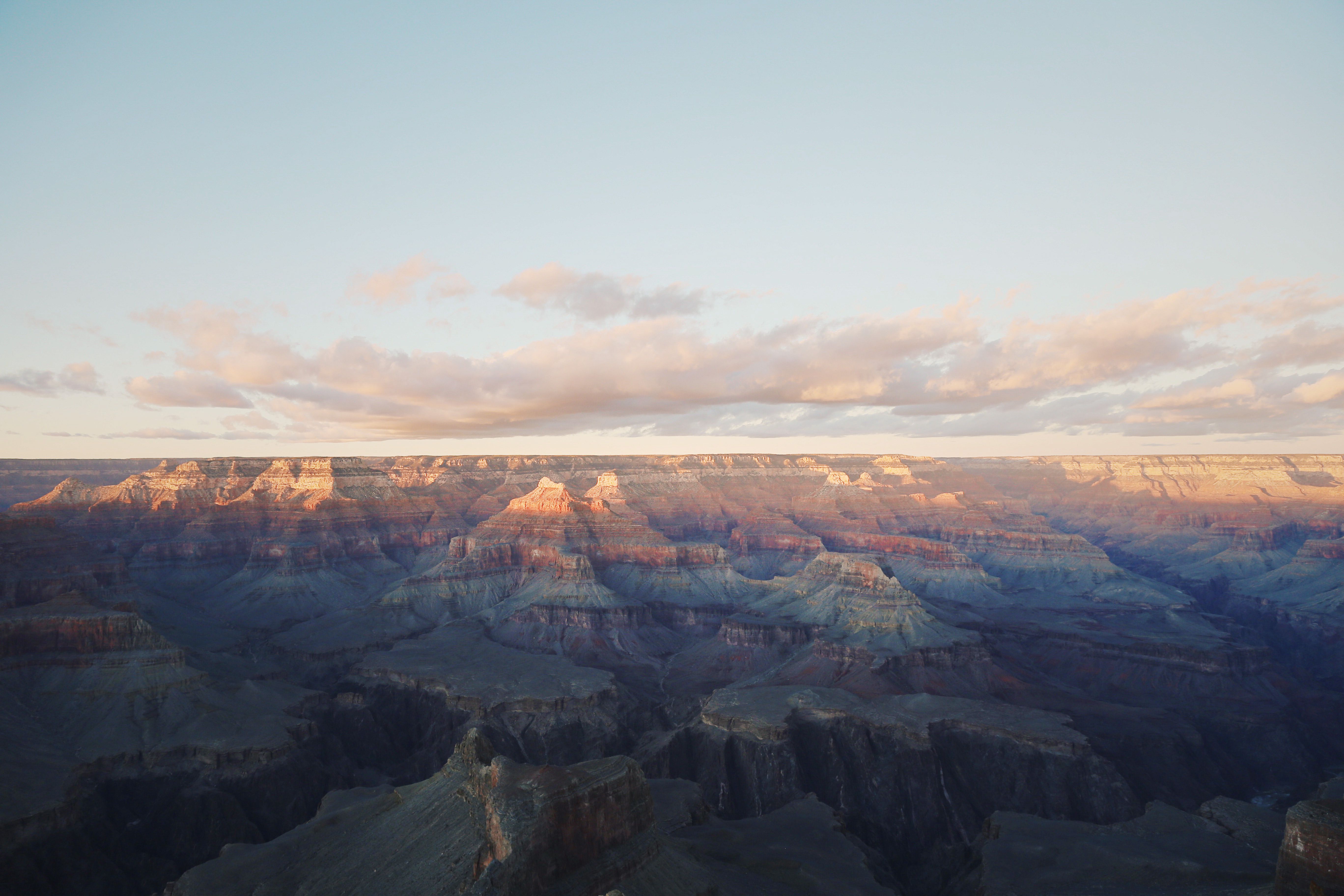
I remember stepping out of my car at the Grand Canyon’s South Rim just after sunrise, and the moment the canyon revealed itself—layer by layer, shadow by shadow—I understood why 6 million people visit annually. But here’s what surprised me: the crowds thin dramatically if you walk just 20 minutes from the main overlook. Grand Canyon works for first-timers because the payoff is immediate and undeniable. You don’t need hiking boots or a permit. A 2-hour loop on the rim costs nothing beyond the $35 per-vehicle entrance fee, and that single view justifies the trip.
Yellowstone demands more time but rewards it generously. Budget 3–4 days minimum. Yes, it’s famous for geysers, but the real magic is the wildlife corridor: I watched a bison herd move across the Lamar Valley at dusk while thermal pools steamed in the background. Book lodging inside the park if possible (around $150–250/night for basic cabins; book 6+ months ahead), or stay in Gardiner, Montana (30 minutes away, cheaper, $80–120/night). The $35 entrance fee covers seven days. A common mistake: driving only the main loop. Venture north to Mammoth Hot Springs and the Gardner River for solitude.
Great Smoky Mountains is free—no entrance fee at all—and straddles Tennessee and North Carolina. This works against it for first-timers: the sheer accessibility means parking lots fill by 9 a.m. in summer. Go in October when the maples turn and crowds drop 40%. Cades Cove loop (11 miles, mostly flat) is the classic move, but arrive before 8 a.m. or after 4 p.m. Nearby Gatlinburg offers budget lodging ($60–100/night) but feels aggressively touristy; Asheville (45 minutes away) is a better base for food and culture.
Acadia (Maine) rounds out the beginner set. It’s compact—you can drive the Park Loop Road in 3 hours—and offers coastal scenery that feels genuinely different from western parks. Jordan Pond Path (3.3 miles, easy) is iconic. Stay in Bar Harbor ($90–150/night) and eat lobster rolls (around $15–18) without guilt. The $30 entrance fee feels like a steal.
Stunning Utah National Parks: The Mighty Five
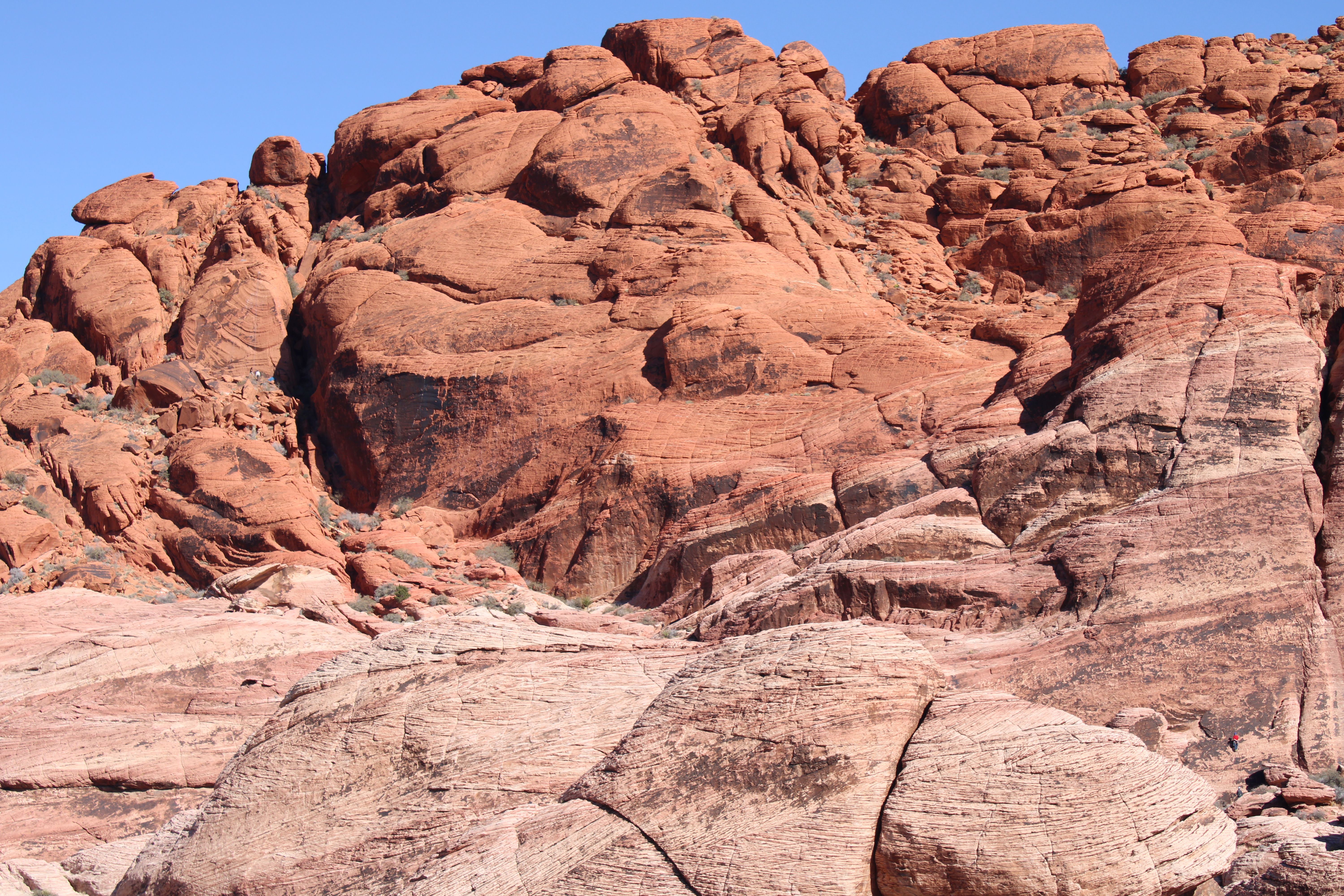
I was standing on the edge of the Observation Point trail at Zion National Park, legs trembling after 8 miles of switchbacks, when a stranger pointed across the canyon and said, “You’re looking at five national parks from here.” He wasn’t exaggerating. Utah’s “Mighty Five”—Zion, Bryce Canyon, Arches, Canyonlands, and Capitol Reef—cluster within a few hours of each other, creating the densest concentration of geological drama in North America. But here’s what most guides won’t tell you: visiting all five in one trip is possible, though it requires serious planning and realistic expectations about what you’ll actually enjoy.
Each park has a distinct character. Zion ($35 per vehicle, valid 7 days) is the crowded showstopper—iconic red cliffs and the famous Narrows hike. Bryce Canyon ($35) offers something opposite: a quieter, higher-altitude experience with those surreal hoodoo formations that photograph better at sunrise than any Instagram filter could achieve. Arches ($30) is compact and drivable; you can see the famous Delicate Arch in a few hours, though the parking lot fills by 7:30 a.m. in peak season. Canyonlands sprawls across 337,000 acres—the kind of place where you realize how small you actually are. Capitol Reef, the least visited of the five, rewards slow travel with empty trails and genuinely stunning desert solitude.
The biggest mistake I see: trying to “do” all five in 4 days. You’ll spend more time driving between parks and sitting in traffic than actually exploring. A realistic itinerary picks 2–3 parks and lingers. Base yourself in Moab (closest to Arches and Canyonlands) or Springdale (Zion’s gateway town), where mid-range hotels run $120–180 per night. March to April and September to October are ideal—summer heat is brutal, winter roads can close. One local custom: respect the Navajo Nation lands bordering these parks. These aren’t empty wilderness; they’re someone’s home. A simple acknowledgment of that changes how you move through the landscape.
Best National Parks for Hiking and Backcountry Adventures
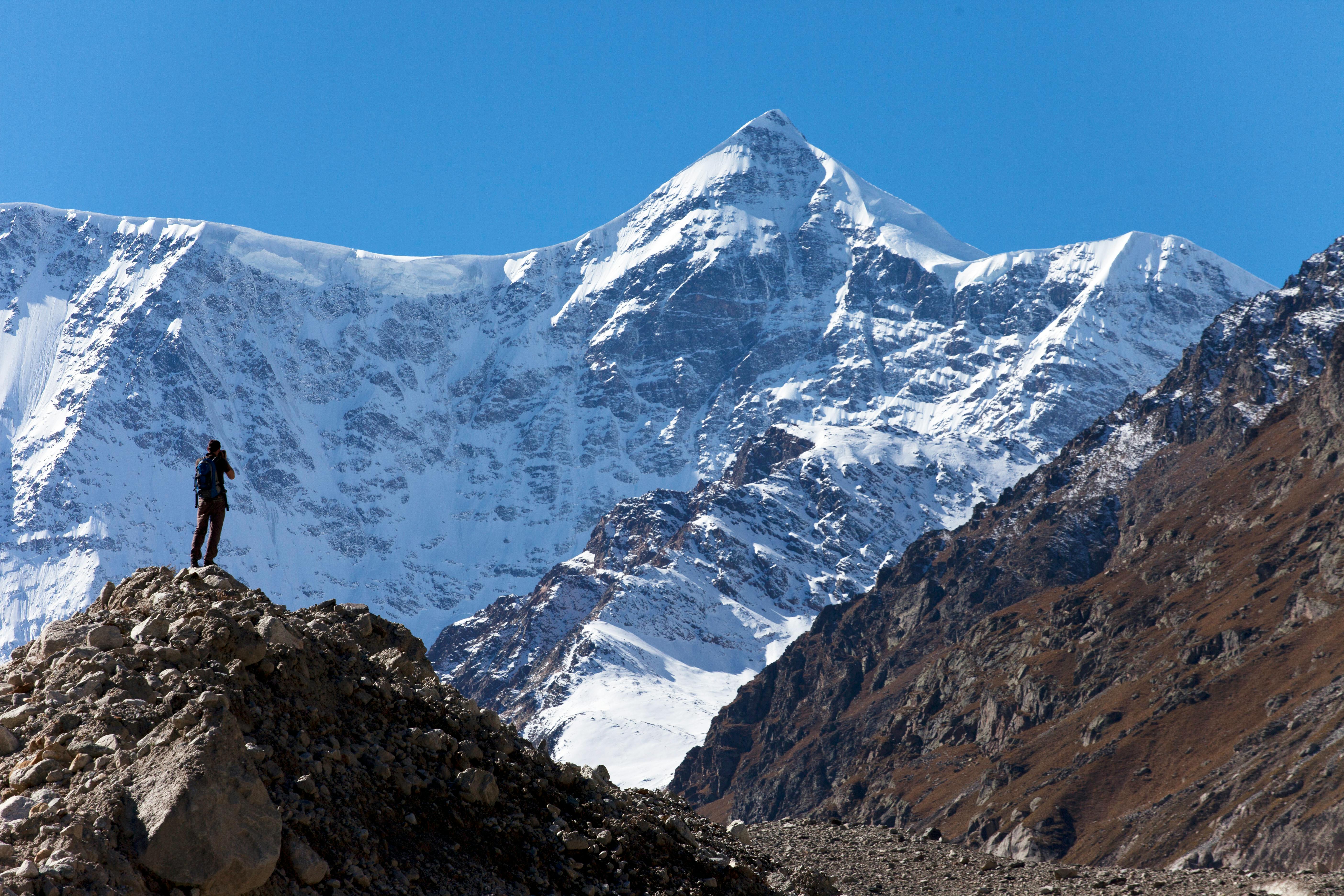
I was three miles into the Wonderland Trail at Mount Rainier when the trail switchbacked above the clouds—literally. The forest disappeared beneath a white blanket, and I was walking through sky. That’s when I understood why serious hikers save their vacation days for parks that demand real commitment, not just a scenic loop from the parking lot.
If you’re planning a multi-day backcountry trip, the North Cascades in Washington and the Beartooth Highway corridor (straddling Montana and Wyoming) offer alpine terrain that rivals anything in the lower 48 without the Utah crowds. North Cascades permits cost $5 per person per night—wildly underpriced for what you get. The Cascade Pass trail is deceptively brutal; most guidebooks quote 3,600 feet of elevation gain casually, but don’t mention the final mile is essentially a scramble. Start early, or turn back by 2 p.m. I watched two groups get caught in afternoon lightning storms because they ignored this.
For genuine wilderness solitude, Rocky Mountain National Park in Colorado is overshadowed by its glitzier neighbors, but the high country is staggering. Sky Pond requires a 10-mile round trip with 2,000 feet of elevation gain—accessible enough that you’ll share the trail, but rugged enough that most tourists quit at Emerald Lake. Go in September when the crowds thin and the aspen turn gold.
One critical detail most guides skip: backcountry permits in popular parks book months ahead. North Cascades and Rocky Mountain both use lotteries (apply 3–4 months early). If you’re flexible on dates, off-season trips (late August through September) dramatically improve your odds. Expect to pay $25–40 per night for backcountry camping permits across these parks. Water treatment is essential—Giardia is real, and the nearest clinic might be 20 miles away.
The honest trade-off: these parks demand fitness, navigation skills, and weather awareness. Weather windows in the high country close fast. But if you’re willing to earn it, the solitude and raw beauty are worth every blister.
Family-Friendly National Parks with Easy Hiking Trails
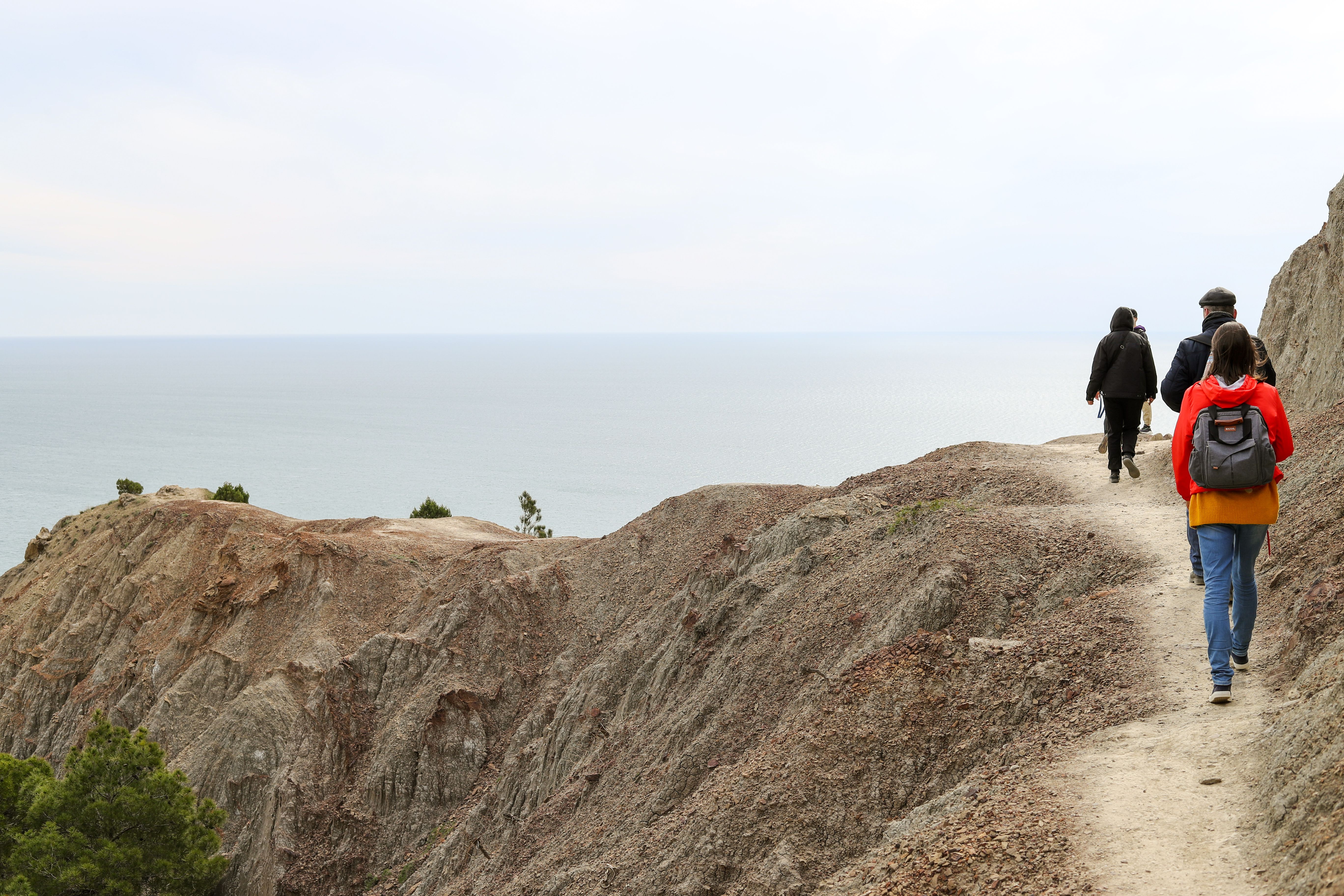
My daughter was three when we tackled the Laurel Falls trail in Great Smoky Mountains, and I remember the exact moment she stopped complaining—when she spotted a salamander crossing the path. That’s what separates a family park visit from a disaster: trails short enough that small legs don’t mutiny, but interesting enough that everyone stays engaged. The Laurel Falls loop is 2.6 miles round-trip on a paved path, gaining just 440 feet, and it delivers a genuine waterfall payoff without requiring a dawn start or emergency snacks at mile two.
Great Smoky Mountains National Park is the obvious choice—it’s the most visited park in America partly because it works for actual families. Beyond Laurel Falls, Cataract Falls (0.8 miles) is genuinely effortless, and Alum Cave Trail (5 miles round-trip) offers just enough challenge for older kids without becoming a forced march. The park is free to enter, though parking fills by 9 a.m. in summer. Arrive by 7:30 a.m. or visit in May or September when crowds thin but weather stays mild. A family of four can eat decently for $50–70 per day at park-adjacent towns like Gatlinburg, though prices spike 40% during peak season.
Zion National Park’s riverside Emerald Pools trail (3 miles) works beautifully for kids who can handle slight elevation gain—it ends at a swimming hole, which reframes the whole experience from “hiking” to “adventure.” The Narrows walk (where you wade through the Virgin River itself) is genuinely magical and requires zero technical skill, though water shoes are essential ($30–50). Acadia in Maine offers Jordan Pond Loop (3.3 miles, flat, coastal views) and the Jordan Cliffs trail (easier than it sounds, 3.2 miles). Both parks charge $35 per vehicle for a week-long pass.
One critical detail most guides skip: bring a headlamp or headtorch for kids on any trail over an hour. Unexpected delays happen—a child wants to examine every rock—and hiking out in dusk light creates genuine anxiety. Also, local ranger programs (free or $5–10) are underrated entertainment. Your kids might actually retain information about geology or wildlife instead of just complaining about their feet.
Underrated National Parks Worth the Detour
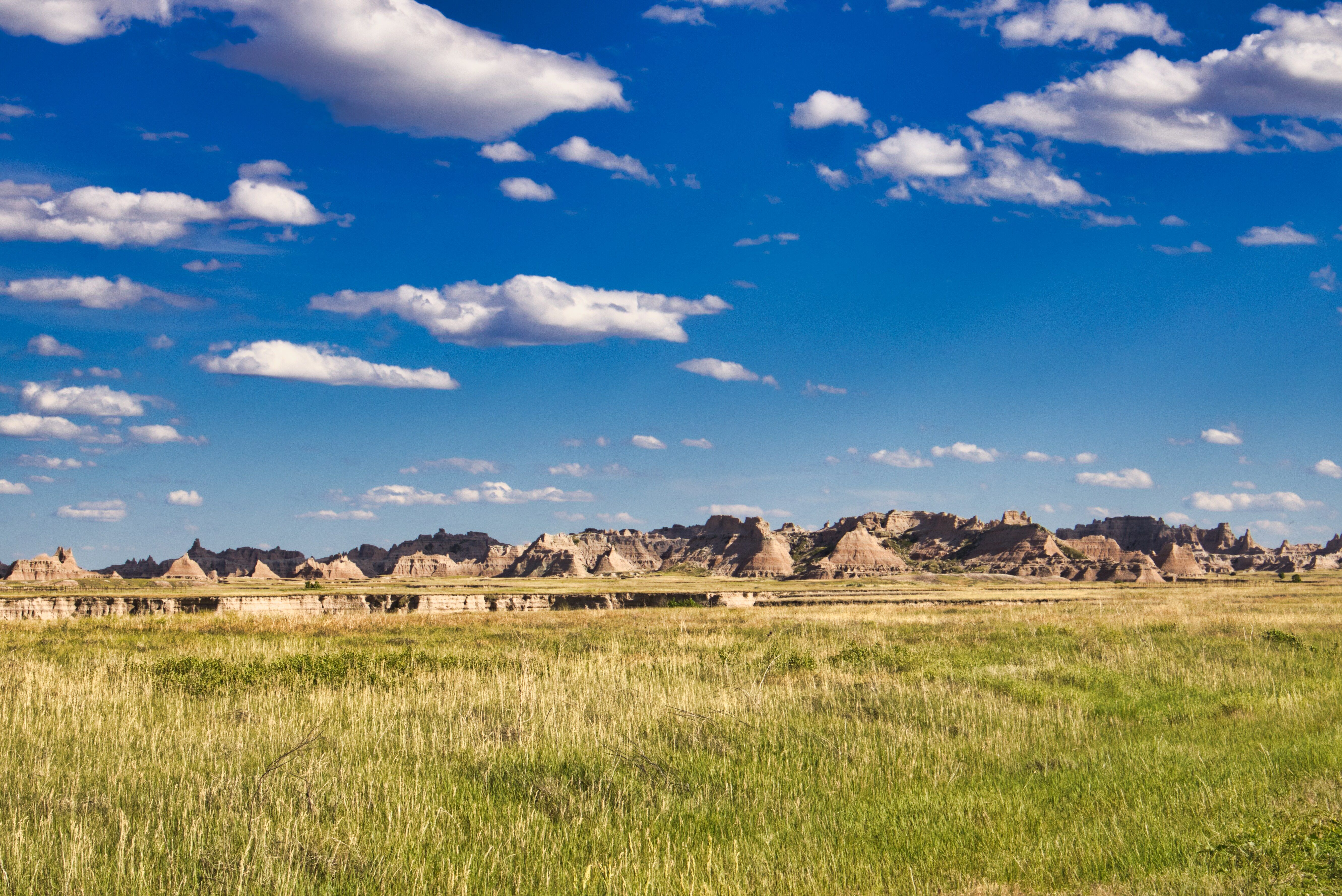
I nearly turned back at the entrance to Great Basin National Park. The road from the nearest town—Baker, Nevada, population 60—stretched through absolute darkness, and my GPS kept glitching. But I kept driving, and when I stepped out at the Lehman Caves visitor center at sunrise, I had the entire park to myself. Most visitors never make it here, which is precisely why you should.
Great Basin sits 13,000 feet up in eastern Nevada, a 5-hour drive from Las Vegas but invisible to most itineraries. The payoff: Wheeler Peak’s bristlecone pines (some over 4,000 years old), pristine alpine lakes, and nights so dark the Milky Way casts shadows. Camping runs $15 per night; the nearest motel in Baker charges $80–$120. Bring your own food—there’s nowhere to eat within 60 miles. The common mistake: assuming you need a full day here. Three hours of hiking gives you the essential experience.
North Cascades National Park in Washington deserves far more attention than its Pacific Northwest neighbors. I hiked Cascade Pass in mid-July when wildflowers were still blooming—lupine, paintbrush, columbine—and crossed paths with maybe a dozen other people on a 7-mile round trip that rivals anything in the Rockies. Entrance is free (no entrance fee system yet). Lodging in nearby Marblemount runs $90–$160 for a basic motel; camping at the park’s sites costs $20–$32.
Then there’s Black Canyon of the Gunnison in Colorado, where the cliffs drop 2,000 feet in just 1,300 feet horizontally—steeper than the Grand Canyon. The South Rim Road is a 7-mile scenic drive with pullouts; most people spend 90 minutes here and leave. Stay longer. Rim Trail hikes offer vertigo-inducing views without requiring backcountry permits. Entrance costs $25 per vehicle; Montrose (30 minutes away) has budget motels at $70–$100.
The unspoken truth: these parks are underrated because they lack the Instagram-famous landmarks. But that’s their greatest asset. You’ll experience wilderness the way it should be—quiet, unhurried, and entirely yours.
Final Thoughts
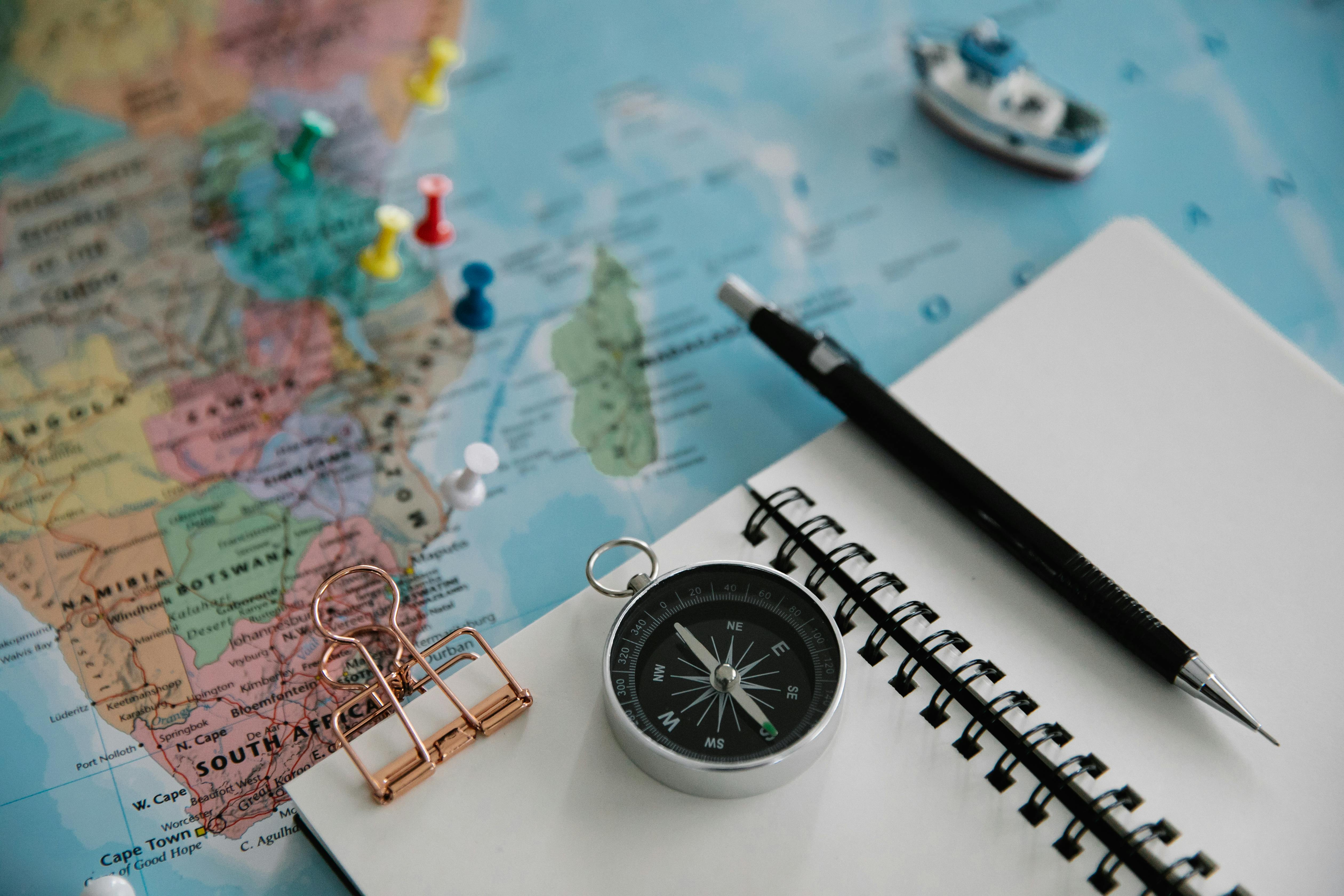
The hardest part of planning a national park trip isn’t choosing a destination—it’s choosing just one. Whether you’re a first-timer drawn to the iconic drama of the Grand Canyon, a Utah devotee collecting all five mighty parks in a single road trip, a backcountry purist hunting for solitude on a remote trail, or a parent calculating how many miles your kids can realistically hike before the complaints start, there’s a park that fits. The common thread isn’t the landscape—it’s knowing yourself well enough to pick the right one. A park that’s objectively stunning means nothing if you spend the entire visit frustrated by crowds, unprepared for the terrain, or overwhelmed by logistics. The parks that stick with you decades later aren’t always the most famous ones; they’re the ones that matched what you actually needed at that moment.
Before you book anything, be brutally honest about three things: your fitness level (not your aspirations—your actual current fitness), how much time you have (a rushed weekend at Zion teaches you nothing except that you should have stayed longer), and what “vacation” means to you. If relaxation means sitting with a view and a book, some parks will feel like a job. If it means movement and discovery, others will bore you senseless. Check visa requirements if you’re international, confirm the park’s open status for your travel dates, and read recent trip reports—not the Instagram highlights, but the actual visitor reviews mentioning weather, crowds, and trail conditions.
Your next step: pick one park that genuinely excites you (not the one you think you should visit), block out your travel dates right now while you’re thinking about it, and commit to at least three full days there. One day teaches you the park exists. Three days let you actually know it. Then go. The parks have been waiting.