Things to do in Pigeon Forge , East Tennessee

Insider guide to Pigeon Forge attractions, dinner shows, Smoky Mountains access, and money-saving tips for families and couples.
I watched a family of four sprint past the Dollywood entrance at 9:47 a.m.—three minutes before park opening—and I realized they’d already made their first mistake.
They had no idea that the real magic of Pigeon Forge happens outside the theme parks, in the valleys where the Smoky Mountains actually begin, and in the dinner theaters where local performers still know how to hold a room.
Pigeon Forge gets stereotyped as a one-trick tourist town, but that misses the point entirely. Yes, Dollywood dominates the skyline.
But the town sits as a genuine gateway to some of East Tennessee’s most underrated experiences—from hiking trails that cost nothing to explore, to dinner shows where a full meal and Broadway-level production runs $35–$60 per person, to mountain cabins where you can actually hear yourself think.
This guide cuts through the noise. You’ll learn exactly what’s worth your time and money, which attractions most visitors skip (and why they shouldn’t), how to navigate peak season without losing your mind, and the specific neighborhoods where locals actually eat.
Whether you’re here for three days or a week, with kids or without, you’ll leave knowing Pigeon Forge as something more than a theme park suburb.
Pigeon Forge Tennessee: What Makes It Different (And Who It’s Perfect For)
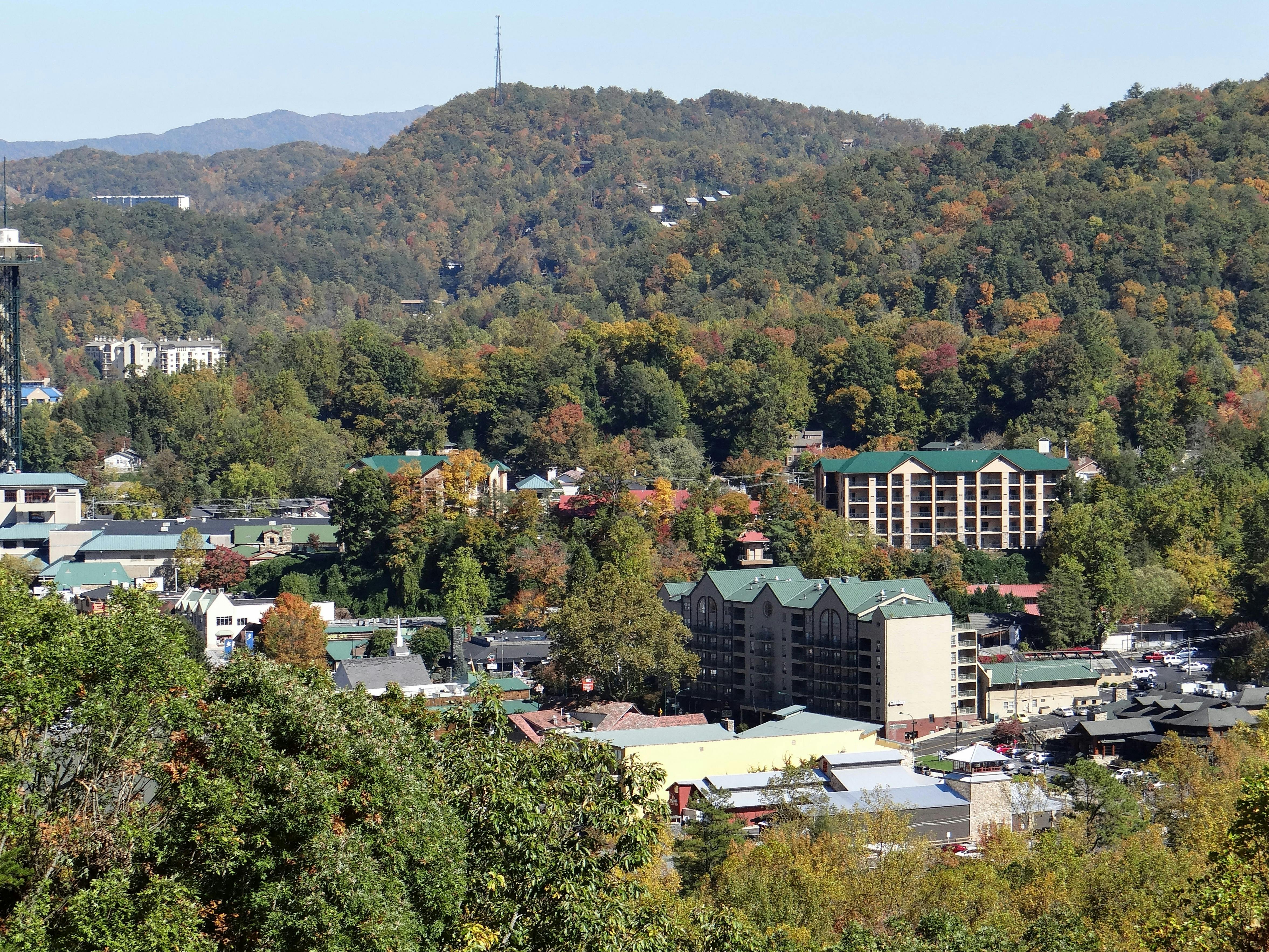
I arrived on a Thursday in early June, stepping out of my rental car into air that felt simultaneously humid and somehow *electric*—the kind of afternoon where the Smoky Mountains loom blue-grey in the distance while the strip in front of you blares with neon and calliope music.
Pigeon Forge isn’t subtle, and that’s precisely why it works for certain travelers. This isn’t Asheville’s artsy cool or Gatlinburg’s rustic charm.
This is unapologetic, family-first tourism, built around one woman’s vision (Dolly Parton’s) and refined into a machine that moves roughly 11 million visitors annually through its 27-mile corridor.
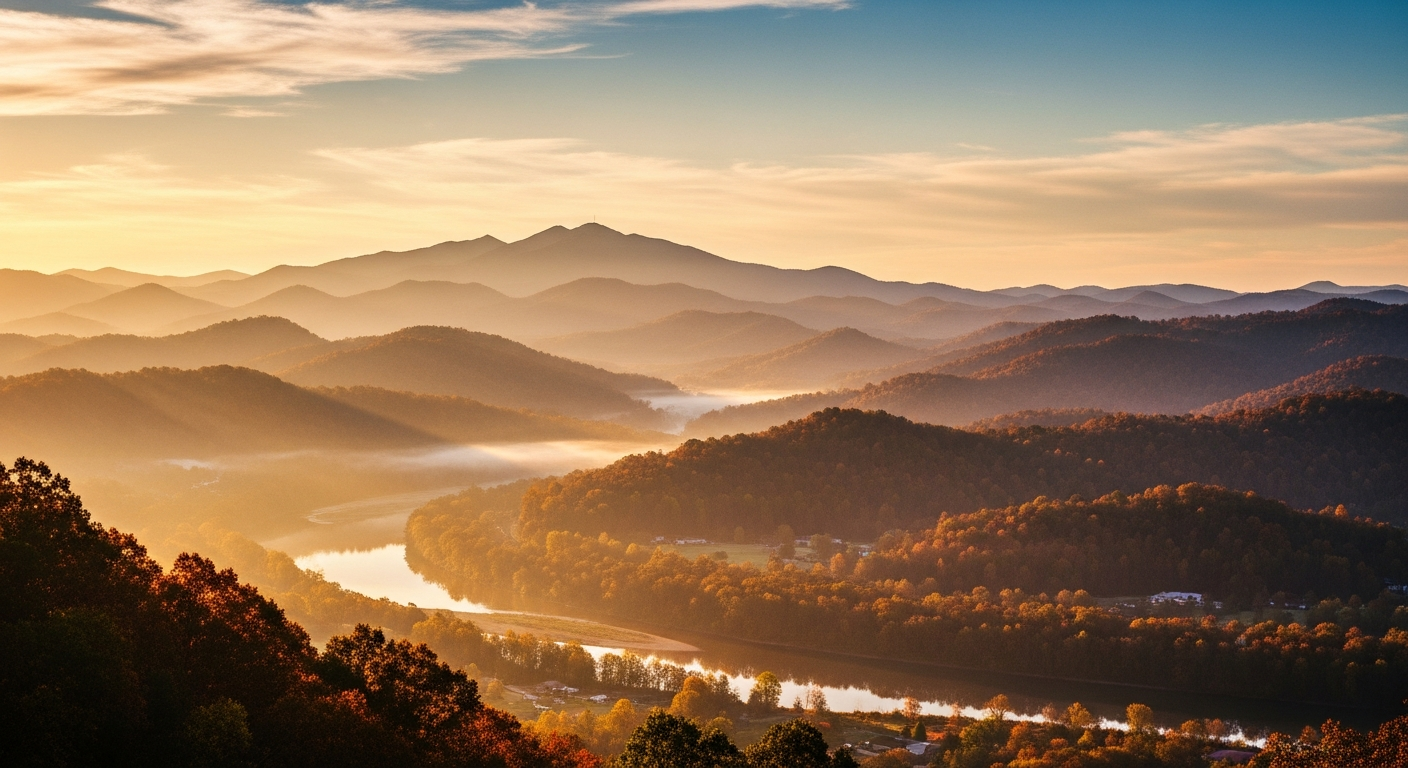
The town sits at the northern gateway to Great Smoky Mountains National Park, which means you get mountain access without the crowds of Gatlinburg—a trade-off most guides won’t tell you.
Yes, you’re trading some scenery for more attractions, but that separation matters if you have kids under eight or elderly relatives who want theme park thrills over hiking boots.
The elevation here is around 1,100 feet, so summers are hot (90–93°F typical), winters are mild but can surprise you with ice, and spring (April–May) is genuinely lovely if you can dodge the Easter holiday crush.
Pigeon Forge is perfect for: multigenerational trips where everyone needs different things, families with young children, budget-conscious visitors (competition keeps prices honest), and anyone who wants Southern entertainment without pretense. It’s *not* ideal if you’re seeking solitude, fine dining, or Instagram-worthy mountain vistas without crowds.
One critical cultural note: this is the heart of Appalachia, and locals take pride in that heritage—you’ll notice it in the music, the food, and the values. Respect that. Pigeon Forge residents work in tourism, but they’re not performing for you; they’re building livelihoods. Tipping 18–20% at restaurants and dinner shows is standard and expected, not optional.
The best time to visit is May or September—warm enough for water parks, cool enough that you’re not melting, and the crowds thin slightly after Labor Day. Avoid spring break (mid-March), Easter week, and the entire July Fourth period unless you enjoy gridlock.
Pigeon Forge Things to Do: Dollywood & Splash Country Deep Dive

I walked through Dollywood’s gates on a Tuesday in late September, and the first thing that struck me wasn’t the rides—it was how *empty* the park felt compared to the videos I’d watched. That’s the real secret: timing matters more than most guides admit. The park opens at 10 a.m., but if you arrive by 9:15 a.m., you’ll catch the opening-day crowd surge before the midday crush. A single-day ticket costs $109–$159 depending on the date (peak summer is pricier), but if you’re visiting between late August and early November, you’ll pay the lower end and experience far fewer waits.
Dollywood isn’t just a theme park—it’s Dolly Parton’s actual business, which means the place runs with a different philosophy than Six Flags or Cedar Point. The rides are solid but not extreme; the real draw is the Smoky Mountain setting, the craftsmanship (watch glassblowers and woodcarvers throughout the park), and food that doesn’t taste like it was microwaved in 2003. Grab lunch at Crockett’s Breakfast Camp or The Peddler Steakhouse; expect $14–$22 per plate. The one mistake I see repeatedly: people skip the Smoky Mountain charm and just chase coasters. Slow down. Ride the chairlift to the top of the park for the view alone.
Splash Country, Dollywood’s water park, sits just down the road (about 2 miles) and operates seasonally—typically late May through Labor Day, plus select dates in spring and fall. A single-day ticket runs $59–$89. Here’s what most visitors don’t know: if you buy a Dollywood ticket on the same day, your Splash Country admission drops to $39. The park is genuinely well-maintained, with shaded areas that actually exist (crucial in Tennessee heat), and the wave pool is legitimately fun. Arrive at opening (10 a.m.) to avoid the 2–4 p.m. chaos when local families finish school and work.
One cultural note: Dollywood is deeply tied to Appalachian heritage and Dolly’s personal story. Staff are trained to discuss this respectfully, and you’ll notice the park celebrates local artisans and musicians. It’s not a cynical cash grab—it genuinely reflects the region. Spend time talking to the craftspeople; they’re generous with their knowledge and their stories beat any ride.
Pigeon Forge Tennessee Things to Do In: Beyond Dollywood Attractions

I stepped into the Titanic Museum on a gray Tuesday afternoon expecting a standard wax-figure experience. Instead, I found myself standing in a full-scale replica of the ship’s grand staircase, holding a boarding pass with a real passenger’s name—and learning at the end whether “my” character survived. It’s the kind of immersive detail that separates Pigeon Forge’s lesser-known attractions from the forgettable ones.
The Titanic Museum (admission $32–$38) is genuinely worth three hours, especially if you skip the peak summer crowds and visit in May or September. The ship’s bridge, engine room, and first-class cabins are meticulously reconstructed, and you’ll touch actual ice from the North Atlantic in the “freezing water” exhibit. Most guides bury this in a list; what they miss is that the museum is quieter on weekday mornings and the audio guide (included) is exceptionally well-written.
For something completely different, the Anakeesta adventure park ($60–$75 for all-day access) offers ziplines, a ropes course, and a scenic chairlift over the Smoky foothills—no theme park crowds required. I rode the chairlift solo on a clear afternoon and saw into three states. The trade-off: it’s weather-dependent, and summer heat makes the ropes course brutal by noon.
The Pigeon Forge Arts & Crafts Community (free to explore) is eight miles of local studios and galleries along Old Mill Avenue—genuinely quirky, not corporate. I bought handmade pottery from an artist who was actively throwing clay, and prices ranged from $15 to $300. Avoid weekends; go Wednesday or Thursday mornings when you’ll actually talk to makers instead of fighting crowds.
One crucial local custom: most independent shops and galleries close by 5 p.m. or don’t open until 10 a.m. Plan accordingly. The common mistake is treating Pigeon Forge like a single-attraction town—it’s not. These side attractions let you pace your visit and actually breathe between the major draws.
What to Do in Pigeon Forge TN: Dinner Shows & Evening Entertainment

I watched a server in a pirate costume pour me a second bourbon while a man on stage threw a fake knife inches from my plate. The Pigeon Forge dinner show isn’t subtle—and that’s precisely why locals and visitors pack these theaters night after night. This is where the town’s entertainment DNA really shows: unapologetically theatrical, family-friendly in theory, and absolutely committed to the bit.
The Dolly Parton-owned Dixie Stampede dominates the conversation (and the Parkway), but it’s worth knowing the landscape. Dixie Stampede runs $65–$85 per adult depending on season and show time, includes a full four-course meal (fried chicken, ribs, biscuits), and stages a rodeo-meets-Civil War narrative with live horses, acrobatics, and audience participation that ranges from charming to cringey depending on your tolerance. Arrive 45 minutes early; parking is free but fills fast after 6 p.m. The matinee shows (typically 2 p.m.) are noticeably less crowded and cost $10–$15 less.
The Smoky Mountain Opry ($50–$65) skews more traditional country-music revue—live bands, comedy, no food included but a full concession menu. It’s smaller, less overwhelming, and genuinely good if you actually want to hear the music rather than shout over sword-fighting sound effects. Hatfield & McCoy Dinner Feud ($60–$75) leans hard into comedy and audience roasting; locals will tell you the humor can be dated, but it works if your group appreciates that style.
Here’s what most guides miss: these shows run year-round, but November through early December sees the lowest crowds and cheapest rates—often 20–30% off peak pricing. Book directly through the theater websites rather than Ticketmaster; you’ll save $5–$8 per ticket. One cultural note that matters: these shows are deeply rooted in a particular version of Appalachian entertainment, heavy on stereotypes. If that’s a dealbreaker, skip it. If you’re going in with eyes open and ready to laugh at the absurdity, you’ll have a genuinely fun evening. Just don’t expect subtlety.
Pigeon Forge TN Things to Do: Outdoor & Smoky Mountains Access

I made the mistake on my first visit of staying glued to the Parkway attractions, only venturing into Great Smoky Mountains National Park on the final afternoon. By then, I’d already spent four days navigating crowds and neon. The mountains were waiting the entire time—free to enter, genuinely transforming, and only fifteen minutes from downtown Pigeon Forge.
The park entrance at Sugarlands Valley is the closest gateway, accessible via Tennessee Highway 441. There’s no entrance fee (the park is federally funded), but parking fills by 9:30 a.m. on weekends—arrive by 8 a.m. or plan a weekday visit. The Laurel Falls trail is the most popular: 2.6 miles round-trip, paved, moderately steep, and genuinely rewarding. But everyone knows this. Instead, try Cataract Falls (0.8 miles, less crowded, waterfall views in fifteen minutes) or the Abrams Falls trail if you have three to four hours and want solitude with elevation gain. Bring water—the park’s streams aren’t potable despite their clarity.
Beyond hiking, Cades Cove loop road (11 miles, one-way traffic) offers mountain scenery without technical trails. Stop at Abrams Falls trailhead or simply drive it for wildlife spotting—I saw a black bear from the car on a Tuesday morning, something I’d never have caught on the crowded Parkway. The loop takes ninety minutes to two hours depending on stops.
A crucial detail most guides omit: the park has strict rules about staying on marked trails and maintaining 50 yards from bears, 25 yards from everything else. Selfie violations here result in actual citations. Respect the distance.
For non-hiking outdoor access, the Little Pigeon River runs parallel to town—kayaking and tubing outfitters charge $25–$45 per person for 2–3 hour trips. It’s gentle, scenic, and offers perspective on the valley that roads don’t provide. October through November offers the clearest water and best light; summer brings higher water levels but also crowds.
Pigeon Forge Travel Planning: Budget Strategies & Money-Saving Secrets

I walked into a Pigeon Forge gift shop on a Saturday afternoon in July and watched a family of four spend $180 on souvenirs they’d forget about by August. That moment crystallized what I’d learned over multiple visits: this town will drain your wallet if you’re not intentional. But it doesn’t have to.
The single biggest money-saver most guides gloss over is visiting in shoulder season—late August through September or April through early May. Hotel rates drop 30–40% compared to summer and spring break. Dollywood’s crowds thin noticeably, wait times shrink to 20–30 minutes for major rides, and you’ll actually enjoy the experience. I paid $89 per night for a solid mid-range hotel in late August when the same room costs $149 in June. Admission prices don’t change, but your per-dollar value skyrockets.
Accommodation strategy matters enormously. The Parkway (the main tourist drag) is expensive and loud—expect $120–180 nightly for chain hotels. Instead, stay in nearby Sevier County towns like Seymour (10 minutes south) or Wears Valley (15 minutes east). You’ll find independent motels and Airbnbs at $65–95 per night with actual quiet. The trade-off is a short drive, but gas costs less than the nightly savings.
Food is where casual tourists hemorrhage cash. Skip the Parkway restaurants entirely—a mediocre burger runs $16–20. Grab groceries at Food City (on the south side, off the main tourist zone) and pack lunches. For dinner, head to Crockett’s Breakfast Camp or The Peddler Steakhouse in nearby Gatlinburg—better food, lower prices, no tourist markup. Budget $8–12 per person for lunch, $18–28 for dinner if you’re eating out.
One overlooked detail: buy attraction tickets online. Dollywood tickets purchased in advance run 10–15% cheaper than gate prices. Many smaller attractions (mini golf, ziplines, museums) offer bundle deals on third-party sites like Viator. I saved $67 on a family of four by booking a zipline tour online instead of at the venue.
Expect to spend $200–300 per person daily if you’re hitting paid attractions plus meals. With these strategies, you can cut that to $150–200 without sacrificing quality.
CONCLUSION
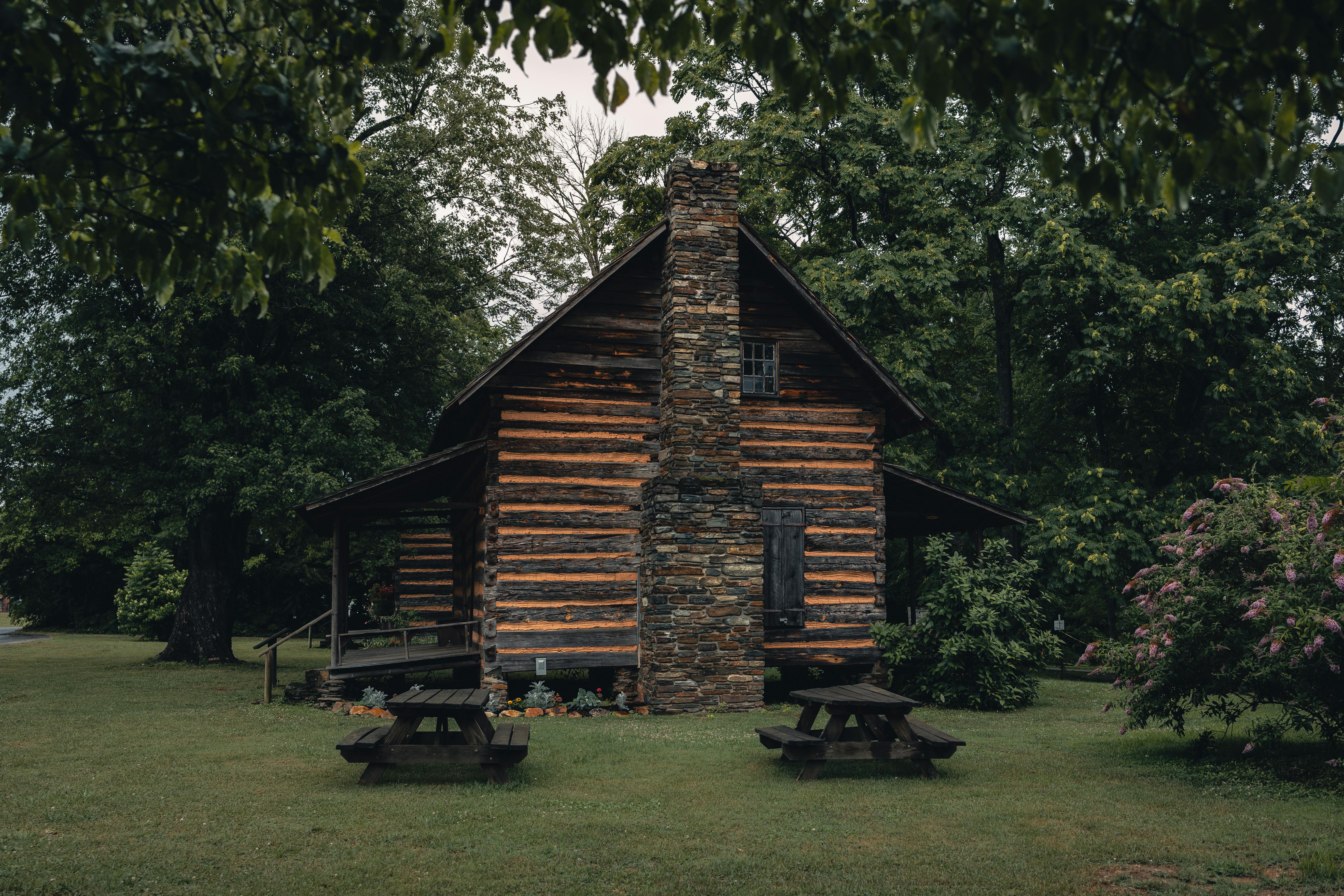
I left Pigeon Forge on a Tuesday afternoon, still humming the melody from the dinner show I’d caught the night before, my legs sore from Dollywood but my camera full of unplanned discoveries—a hidden waterfall trail, a conversation with a local artist, a meal that cost half what I’d budgeted. That’s the real lesson: Pigeon Forge isn’t a destination that tricks you into overspending or bores you into regret. It’s a place where you can spend $200 or $2,000 and have an equally genuine experience, where theme parks coexist with actual wilderness, where kitsch and authenticity somehow occupy the same space without canceling each other out. You came for Dollywood or the Smoky Mountains or the novelty attractions, but you’ll leave having discovered something more honest than the brochures promised.
The real Pigeon Forge move isn’t trying to cram everything in. It’s choosing your lane: Are you here for the rides and shows? Build three days around Dollywood and an evening attraction. Outdoor person? Skip the attractions entirely and use Pigeon Forge as your Smoky Mountains base camp—it’s cheaper than staying in Gatlinburg and closer to better trailheads. Family with young kids? Lean into Splash Country and the gentler attractions, not the harder hikes. Budget traveler? The math works: stay on the Parkway’s north end, eat breakfast at a diner, buy your Dollywood ticket in advance, and you’re under $150 per person per day including lodging.
Here’s what to do next: Pick one thing you actually want to do—not what you think you’re supposed to do. Check the current prices on that attraction’s official website (not a third-party reseller). Look up the specific Parkway section where you want to stay, read the recent reviews, and book directly with the property if you can. Then, leave at least one afternoon or evening completely unscheduled. That’s where the real Pigeon Forge reveals itself—in the gaps between the planned stops, in the conversations with locals, in the detours that weren’t on the itinerary. The attractions will be there whether you optimize or not. The magic is in the permission to wander.