Monk’s Trail Chiang Mai: Hidden Hike Guide

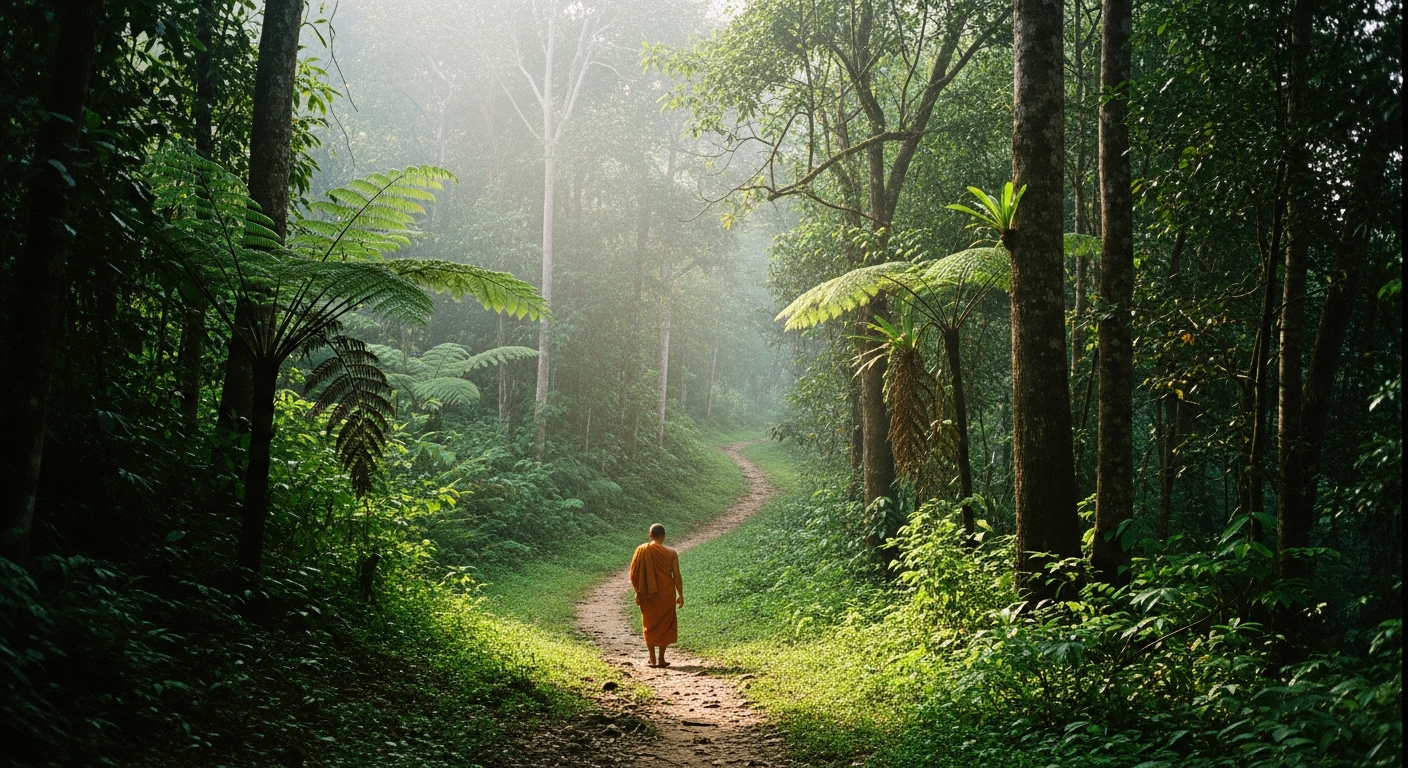
I nearly turned back at the first stream crossing. The morning mist hadn’t lifted, the wooden handrails were slick, and I’d already passed exactly three other hikers in twenty minutes—a stark contrast to the packed temple steps just below. That’s when I realized why locals call this the Monk’s Trail: it’s how Buddhist monks have walked between Doi Suthep temple and Chiang Mai’s old city for centuries, and most tourists never find it.
This isn’t a difficult hike—it’s roughly two hours downhill through forest, rice paddies, and village outskirts—but it requires knowing the actual trailhead location, the best season to avoid both rain and crushing heat, and a few logistics most blog posts gloss over. By the end of this guide, you’ll have exact directions, real pricing in Thai baht, the single biggest mistake I see hikers make, and why hiking *down* from the temple (not up) is the move that changes everything.
What Is the Monk’s Trail? (Your Secret Alternative to the Tourist Route)

I found out about the Monk’s Trail the way most travellers do: by overhearing it mentioned at a guesthouse breakfast, then spending three hours trying to find accurate information online. What I discovered was a 6.5-kilometre uphill walk from the base of Doi Suthep mountain into the old meditation forest that Buddhist monks have used for centuries — a route that bypasses the paved road and cable car entirely, and deposits you at Wat Phra That Doi Suthep through the back entrance, sweating and utterly alive.
Here’s what makes it genuinely different from the standard tourist route: you’re not walking to a temple as a monument. You’re walking through the forest as pilgrims do. The trail winds through dense canopy, past small meditation caves where monks actually retreat, and crosses streams that shift seasonally. The temple itself appears gradually — first the sound of bells, then glimpses of gold through the trees — rather than materializing suddenly at a carpark. It’s the difference between visiting a place and experiencing how people actually use it.
The trail is moderately difficult, not extreme. You’ll gain about 300 metres in elevation over roughly two hours of steady climbing. The path is well-worn — thousands of feet have walked it — but it’s uneven, muddy in places, and root-tangled. This isn’t a groomed hiking trail; it’s an actual pilgrimage route that happens to be open to foreigners. That’s the honest trade-off: fewer facilities, more authenticity.
Most guidebooks barely mention it, which is precisely why it matters. The cable car brings 3,000+ visitors daily to Doi Suthep. The Monk’s Trail sees maybe 200. You’ll encounter other hikers — it’s not a secret in the absolute sense — but you won’t encounter tour groups, selfie sticks, or the particular exhaustion that comes from being shoulder-to-shoulder with 50 other people trying to photograph the same golden chedi.
One crucial cultural note: this is an active pilgrimage route. Monks use it regularly, especially early morning. If you encounter robed monks on the trail, step aside respectfully and let them pass. A simple “Sawasdee krap/ka” (hello) with a slight wai (hands pressed together at chest) costs nothing and means everything.
Planning a Thailand Hike: When to Go & What to Expect
I arrived at the trailhead in late November, when the air finally felt breathable again—and I watched a German couple turn back within twenty minutes because they’d shown up in August, sweat-drenched and gasping, wondering why anyone would voluntarily hike in Thailand’s hot season. The timing of your hike matters more than almost any other decision you’ll make.
November through February is the sweet spot. Temperatures hover between 15–25°C (59–77°F) at elevation, the humidity drops to something almost European, and the trails dry out completely. March onwards becomes progressively brutal; by May, daytime heat regularly exceeds 35°C (95°F), and the monsoon rains (May–October) turn the trail into a mudslide obstacle course. I’ve heard from hikers who attempted it in June and spent three hours on what should have been a ninety-minute section, slipping on clay, watching their boots disappear into the earth. December and January are peak season—expect company on the trail, especially weekends—but February remains relatively quiet and still perfectly comfortable.
The hike itself takes four to six hours depending on your pace and how often you stop to photograph the views. Most people complete it in five. Don’t expect a manicured trail; this is a working pilgrimage route maintained by monks, not a tourist attraction. You’ll navigate rocky sections, scramble over tree roots, and occasionally lose the path entirely for thirty seconds before it reappears. Elevation gain totals roughly 1,200 meters (3,900 feet), and while it’s not extreme, the constant uphill means cardiovascular fitness matters more than technical skill. The trail is steep but straightforward—there’s no scrambling or exposure.
One critical detail most guides gloss over: there’s almost zero shade. Bring double the water you think you’ll need—I saw hikers rationing water by mid-morning because they’d underestimated. A sun hat isn’t optional; it’s essential. The reward, though, is that the trail feels genuinely remote. You’ll likely encounter only a handful of other hikers and perhaps a monk or two heading down the mountain. That solitude is why you’re really here.
Chiang Mai Hiking: Getting to the Trailhead
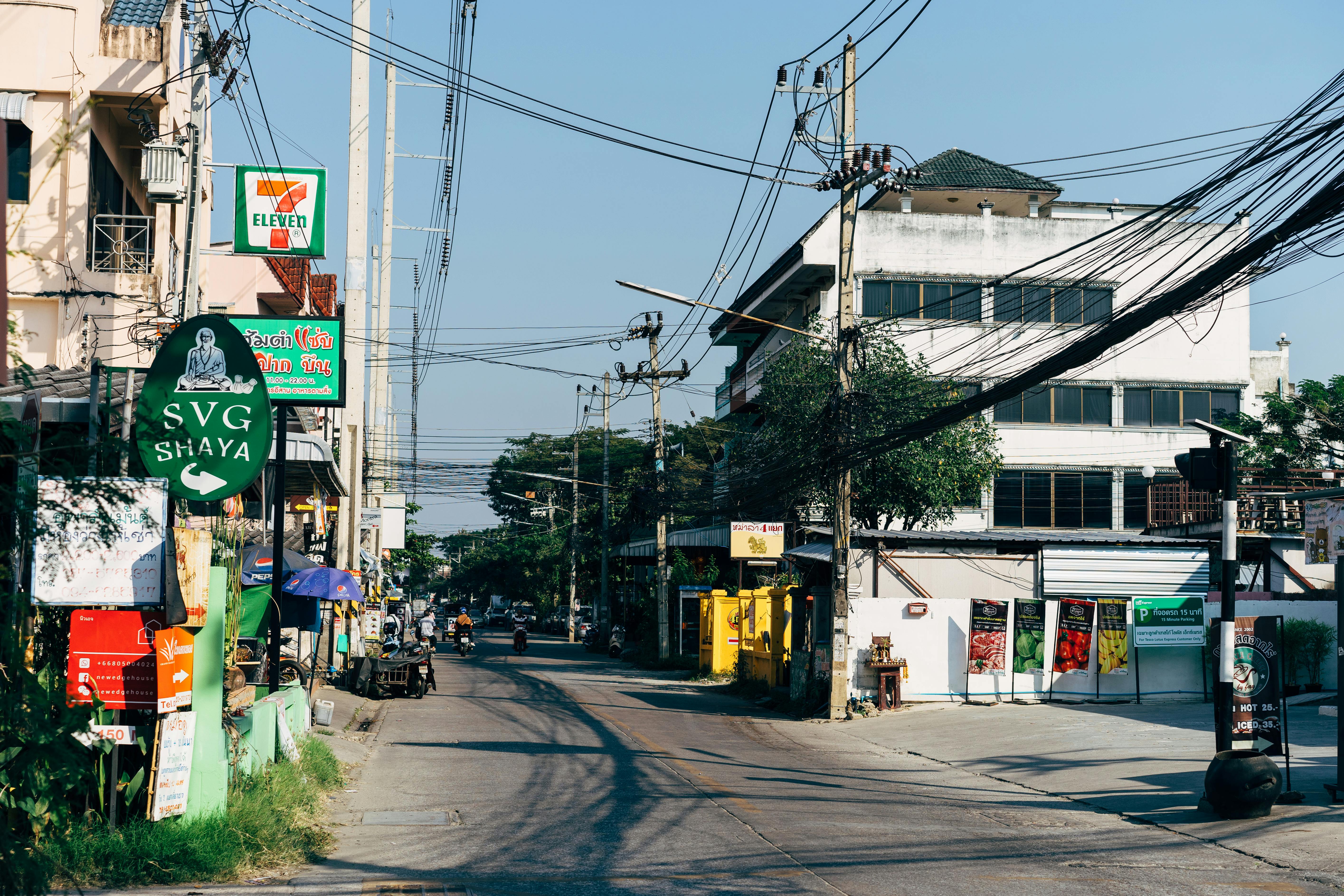
I made the mistake most visitors make: I assumed I could just show up at the base of Doi Suthep and find the Monk’s Trail. I couldn’t. What I found instead was a confusing intersection of dirt roads, a few Thai teenagers on motorbikes, and absolutely no signage in English. The real trailhead sits about 500 meters uphill from the main Doi Suthep temple parking area, hidden behind a small monastery gate that most tour groups never see.
Getting there requires either a 45-minute songthaew ride from Chiang Mai’s Old City (around 20 baht, or 60 cents, if you’re sharing with locals) or a motorcycle taxi (150–200 baht). The songthaew departs from Chiang Phueak Gate on the north side of the moat—ask any tuk-tuk driver to point you toward “Doi Suthep songthaew,” and they’ll know exactly where to send you. The ride winds through residential neighborhoods before climbing into the forest; sit on the right side for the best views of the valley spreading below. The songthaew drops you at the main temple parking lot, where you’ll need to walk uphill past several small shrines and a few guesthouses until you spot a small wooden sign (in Thai) pointing left toward the monastery gate.
Here’s what guides won’t tell you: the gate sometimes closes between 11 a.m. and 2 p.m. when monks are resting. I arrived at 1:15 p.m. and waited 40 minutes in the shade. Start early—ideally 6:30 or 7 a.m.—and you’ll avoid both the heat and the closure window. There’s a small donation box (20–50 baht suggested) at the gate; locals always contribute, and it’s genuinely appreciated.
If you’re staying in the Old City and want to skip the songthaew logistics entirely, hire a motorcycle driver the evening before to pick you up at 6 a.m. Expect to pay 300–400 baht round-trip. It’s worth it for the peace of mind, and your driver can usually wait at the base to collect you in the afternoon.
Thailand Hiking Essentials: What to Bring & Wear

I made it three kilometres up the Monk’s Trail before realising I’d worn cotton socks. By kilometre five, my feet felt like they were being slowly roasted. This is the kind of mistake that turns a meditative forest walk into an exercise in regret—so let’s start with footwear. Merino wool hiking socks (not cotton, ever) cost 250–400 baht at any outdoor shop in Chiang Mai’s Nimmanhaemin area. Pair them with trail runners or lightweight hiking boots that have already been broken in. The path is rocky and root-tangled; flip-flops and new shoes are both recipes for blisters or twisted ankles.
Clothing should be lightweight and quick-drying. The trail climbs through dense jungle where humidity sits at 70–80% even in the cooler months, and the canopy keeps things shadier than you’d expect—but exposed sections will punish bare shoulders. A long-sleeved UV shirt (Uniqlo’s Airism range, around 500 baht, is genuinely excellent here) beats sunscreen alone. Bring a lightweight rain jacket; afternoon showers in Chiang Mai don’t care about your schedule, and wet cotton takes forever to dry. Avoid anything baggy—branches snag fabric constantly.
Water is non-negotiable. A 2-litre capacity hydration pack costs 800–1,500 baht and leaves your hands free on technical sections. Fill up at your guesthouse before you leave; the trail has no reliable water sources until you reach Doi Suthep. Electrolyte tablets (40–60 baht per packet at 7-Eleven) matter more than you’d think at altitude. Pack a small first-aid kit: blister treatment, antihistamine (the mosquitoes are relentless), and pain relief. Thai pharmacies sell these cheaply without prescription.
One thing most guides skip: bring a headlamp or phone torch with a red-light setting. The trail gets genuinely dark under the canopy, and the monks who use this path sometimes hike before dawn. A headlamp (200–600 baht) prevents both twisted ankles and accidental disrespect if you encounter anyone on an early morning alms round. Finally, a small towel and dry shirt in a waterproof bag mean you won’t arrive at Doi Suthep temple looking like you’ve been dunked in a river—which matters if you’re planning to spend time there afterward.
The Monks Trail Experience: What You’ll Actually See & Feel
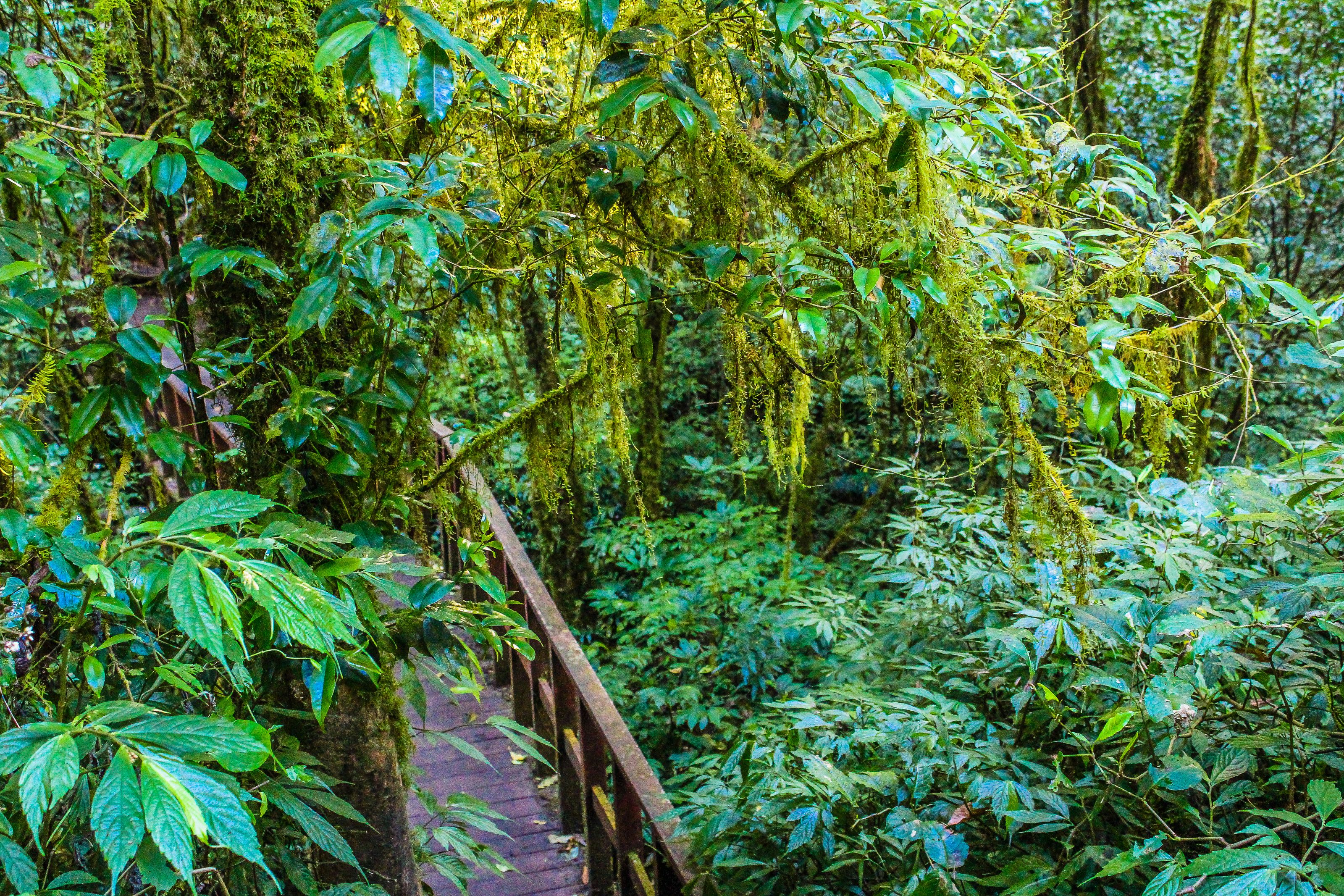
I rounded a bend at kilometre two and nearly walked straight into a monk in full robes, sitting cross-legged on a flat rock with a thermos of tea. He didn’t acknowledge me—not rudely, just peacefully indifferent—and I realised this wasn’t a tourist attraction. This was his commute, his meditation, his trail. That moment crystallised what makes the Monk’s Trail genuinely different: you’re not hiking *through* a destination. You’re briefly sharing a working spiritual path with the people who actually use it.
The trail itself climbs roughly 500 metres over five kilometres, starting in scrubby forest that smells like wet earth and woodsmoke. For the first hour, you’ll hear motorbikes from the road below and see prayer flags strung between trees—some fresh, some bleached to near-white. The forest canopy thickens as you climb. Around kilometre three, you’ll pass a small shrine with offerings of fruit and incense sticks. Don’t touch anything. Respect the space by walking quietly and moving on.
What you won’t see: manicured switchbacks, trail markers, or other Western hikers (usually). What you will see: roots that’ll trip you if you’re not watching, sections where the path narrows to a single-file scramble, and views of Chiang Mai’s sprawl below that shift from grey-brown to almost purple as the haze lifts. The final push to Doi Suthep temple takes 45 minutes of steep, uneven climbing. Your quads will burn. Your lungs will remind you why you skipped the gym last month.
The summit isn’t a triumphant vista—it’s the back entrance to one of Thailand’s most sacred temples. You’ll emerge onto a paved courtyard where locals are lighting incense and chanting. The contrast between the raw, sweaty climb and the serene, golden temple is jarring and perfect. Most hikers arrive before 9 a.m., when the temple is quieter and the light hits the golden chedi at its best. Expect to feel genuinely exhausted and oddly humbled, not Instagram-victorious. That’s the whole point.
Chiang Mai Trail Safety & Common Mistakes to Avoid
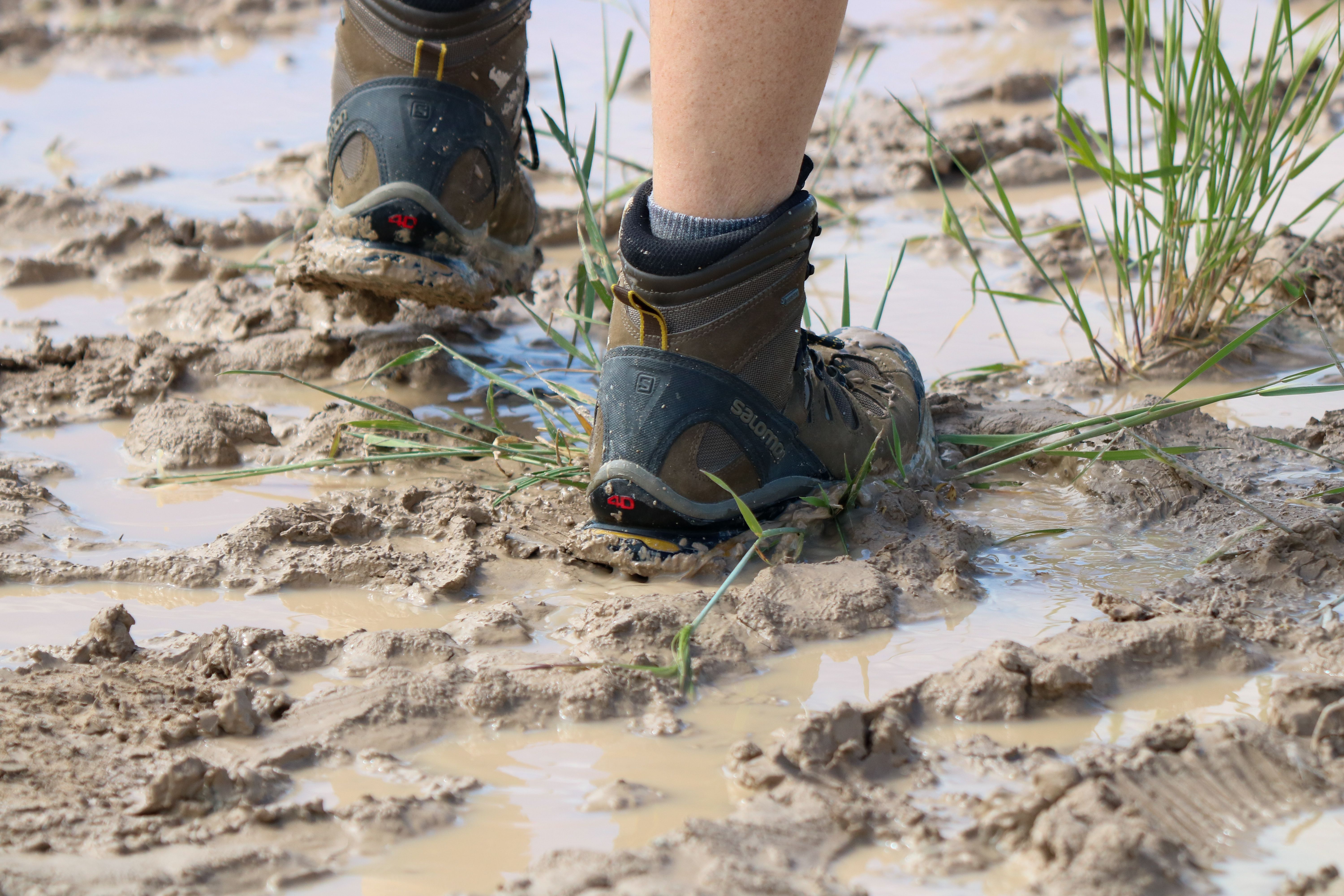
I turned my ankle on a root exactly 3.2 kilometres in—I counted because I was cursing myself for ignoring the obvious: this trail is not maintained like the paved tourist routes. The mud was slick enough that my hiking boots (which I’d bought specifically for this trip) nearly betrayed me twice more before the monastery. This is the mistake most hikers make: assuming a “cultural pilgrimage trail” means a civilised path. It doesn’t.
The biggest safety issue isn’t wildlife—you’re unlikely to encounter anything dangerous—it’s dehydration and overestimation of fitness. The trail gains roughly 600 metres in elevation over 6 kilometres, which doesn’t sound steep until you’re doing it in 28°C heat on uneven terrain. I met a woman from London who’d trained for marathons but turned back after 90 minutes, dizzy and depleted. Carry at least 2.5 litres of water. One litre is genuinely not enough, no matter what online forums claim. Refill at the monastery if you’re continuing beyond—the monks expect this and have a tap.
Second mistake: going alone without telling anyone. A twisted ankle becomes a real problem when you’re solo in a remote area with patchy mobile signal. I hiked with a local guide (around 600–800 baht for a group of up to five people) specifically because I wanted someone who knew the trail’s condition that day. After heavy rain, sections become genuinely treacherous. Check weather forecasts before dawn.
The third mistake is cultural: treating the monastery as a photo stop rather than a sacred space. Monks here are not used to Western tourists arriving sweaty and demanding selfies. Cover your shoulders and knees, stay quiet, and ask permission before photographing. I watched a group ignore a monk’s polite gesture to remove their hats—the tension was uncomfortable for everyone.
Finally: start early. Very early. I left my guesthouse at 5:45 a.m., which felt absurd until I met hikers starting at 10 a.m. who had to rush the descent in fading light. The trail has no markers—you need daylight to navigate safely. Headlamps are essential if you’re hiking in dry season when the light fades by 6:30 p.m.
CONCLUSION
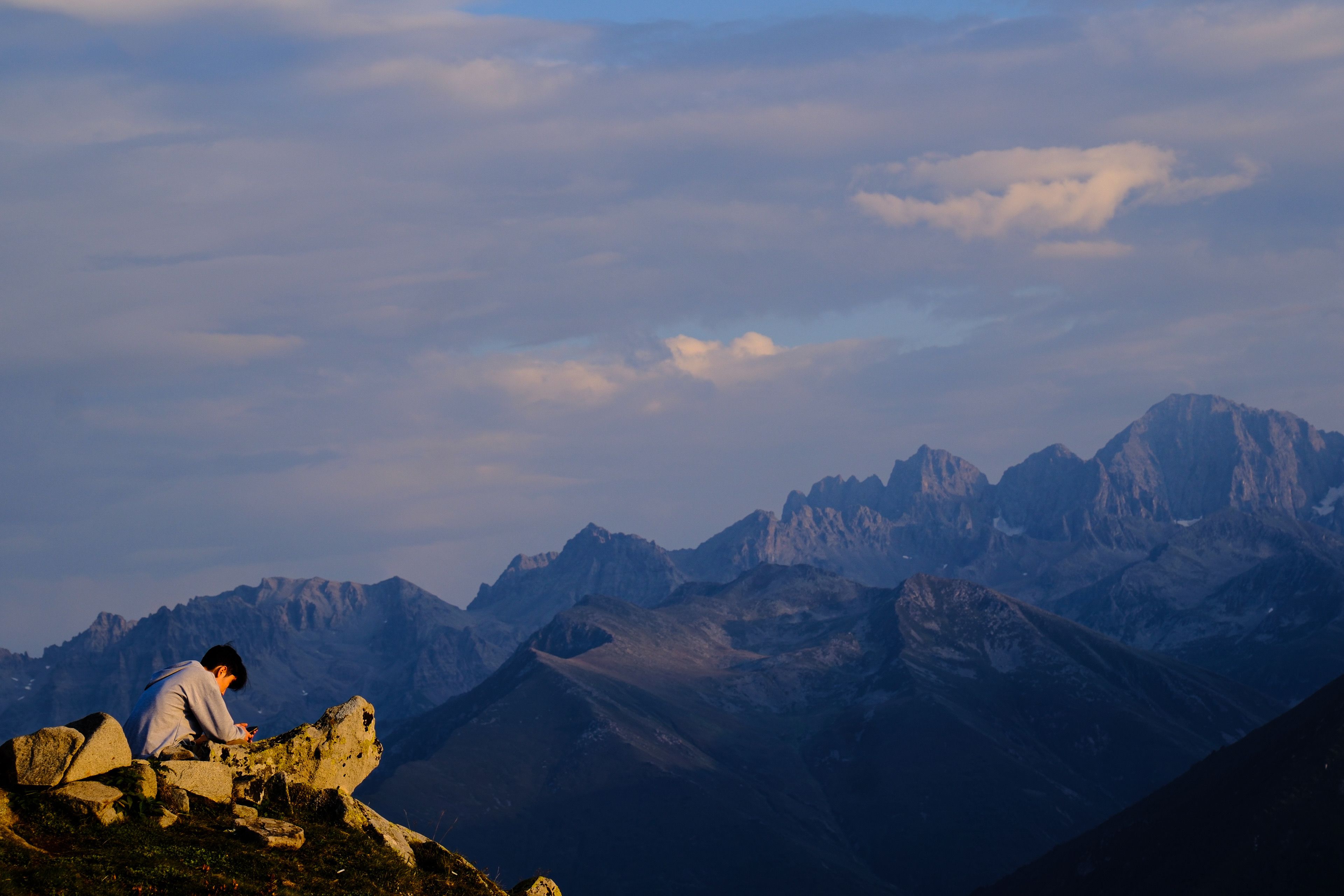
The Monk’s Trail isn’t a difficult hike—it’s a *different* hike, which is precisely why it matters. You’re trading the crowded queues and temple tourism of Doi Suthep for something quieter: a forest path where you might hear nothing but your own breathing and the occasional call of a hornbill, where you’ll climb beside actual monks in the early morning mist, and where the reward isn’t a photo op but a genuine sense of having earned your arrival. The logistics are straightforward—get there in dry season (November to February), bring water and proper shoes, respect the pace of the monks, and don’t underestimate the humidity even when the temperature feels mild. The real risk isn’t the trail itself; it’s arriving unprepared or at the wrong time of year, or worse, treating it as just another checkbox on a Thailand itinerary. This path deserves more than that.
What makes this hike memorable isn’t the difficulty level or the Instagram potential—it’s the *slowness* of it. You’ll pass through villages where people are actually living their lives, not performing them for tourists. You’ll understand why monks walk this route every dawn. You’ll feel the particular silence of a forest that’s been walked the same way for centuries. And when you reach the temple at the top, you won’t be breathless from exertion alone; you’ll be struck by the fact that you got there the way pilgrims have for generations, not via a cable car or a minivan.
Here’s what to do next: Check the weather forecast for Chiang Mai’s dry season right now. Pick a specific date—ideally a weekday, ideally between mid-November and early February. Book your accommodation in the Old City within walking distance of Chiang Mai Gate (the Nimmanhaemin area works, but it’s touristy; stick to the quieter sois near the moat). Then, the night before your hike, set your alarm for 5:30 a.m., fill your water bottles, and lace your hiking boots. Don’t overthink it. The Monk’s Trail is waiting, and it’s been waiting for a very long time.