Chiang Mai Temples Guide: Sacred Sites & Hidden Gems

The bronze bell at Wat Chedi Luang tolled at 6 a.m., and I realized I’d been standing in the wrong courtyard for twenty minutes—watching monks sweep around a chedi I’d assumed was the main attraction, when the actual temple sprawled across three separate compounds behind me.
That’s when it hit: Chiang Mai’s temples aren’t monuments you tick off a list. They’re living, layered spaces where a single site can swallow hours if you know where to look, and where a wrong turn leads to courtyards most visitors never see.
This guide cuts through the generic “top 5 temples” advice. You’ll get exact costs (entry fees range from free to 50 THB), which neighborhoods actually reward exploration, and the one etiquette mistake that locals notice immediately.
Whether you have one day or two, I’ve mapped routes that skip the worst crowds and include three temples you won’t find in every guidebook—plus the truth about temple-elephant encounters and why some of the most sacred sites charge nothing at all.
What Is The First Temple In Chiang Mai: Uncovering the City’s Ancient Origins

I was standing in the courtyard of Wat Chiang Man on a Tuesday morning, watching a monk sweep fallen leaves with methodical precision, when my guide casually mentioned: this temple predates the city itself. That stopped me.
Wat Chiang Man, built in 1296, is the oldest temple in Chiang Mai—older than the city walls, older than the official founding of the kingdom.
It’s easy to miss because it sits quietly in the old city’s northeast corner, without the gilded drama of temples that came later. No tour buses were parked outside. Just the sound of a bronze bell being polished and the smell of incense drifting across the compound.
The temple’s significance lies not in size but in historical weight. King Mengrai, the city’s founder, established Wat Chiang Man as his royal temple, and it became the spiritual anchor for Chiang Mai’s development.
Inside, you’ll find two particularly revered Buddha images: the Phra Singh (the “Lion Buddha”) and the Phra Chao Thong Tip, said to bring prosperity. The marble courtyard, the wooden ordination hall with its intricate carvings, and the two distinctive chedi—one ancient, one restored—tell the story of seven centuries of devotion and repair.
Here’s what most visitors miss: the temple’s museum (admission 50 baht, roughly $1.40 USD) contains artifacts that actually contextualize why this place matters historically, not just spiritually.
You’ll see restoration photos, manuscripts, and explanations of the architectural evolution. Without it, Wat Chiang Man can feel like just another temple. With it, you understand you’re standing in the birthplace of modern Chiang Mai.
One practical note: arrive before 9 AM if you want solitude. The temple opens at dawn, and by mid-morning, small groups begin filtering through. The monks are generally welcoming to respectful visitors—remove your shoes before entering any building, and avoid pointing your feet toward Buddha images. If you’re visiting during the cool season (November to February), the early morning temperature makes the experience genuinely pleasant rather than a sweat-soaked endurance test.
Chiang Mai Temples You Can’t Miss: The Essential 5
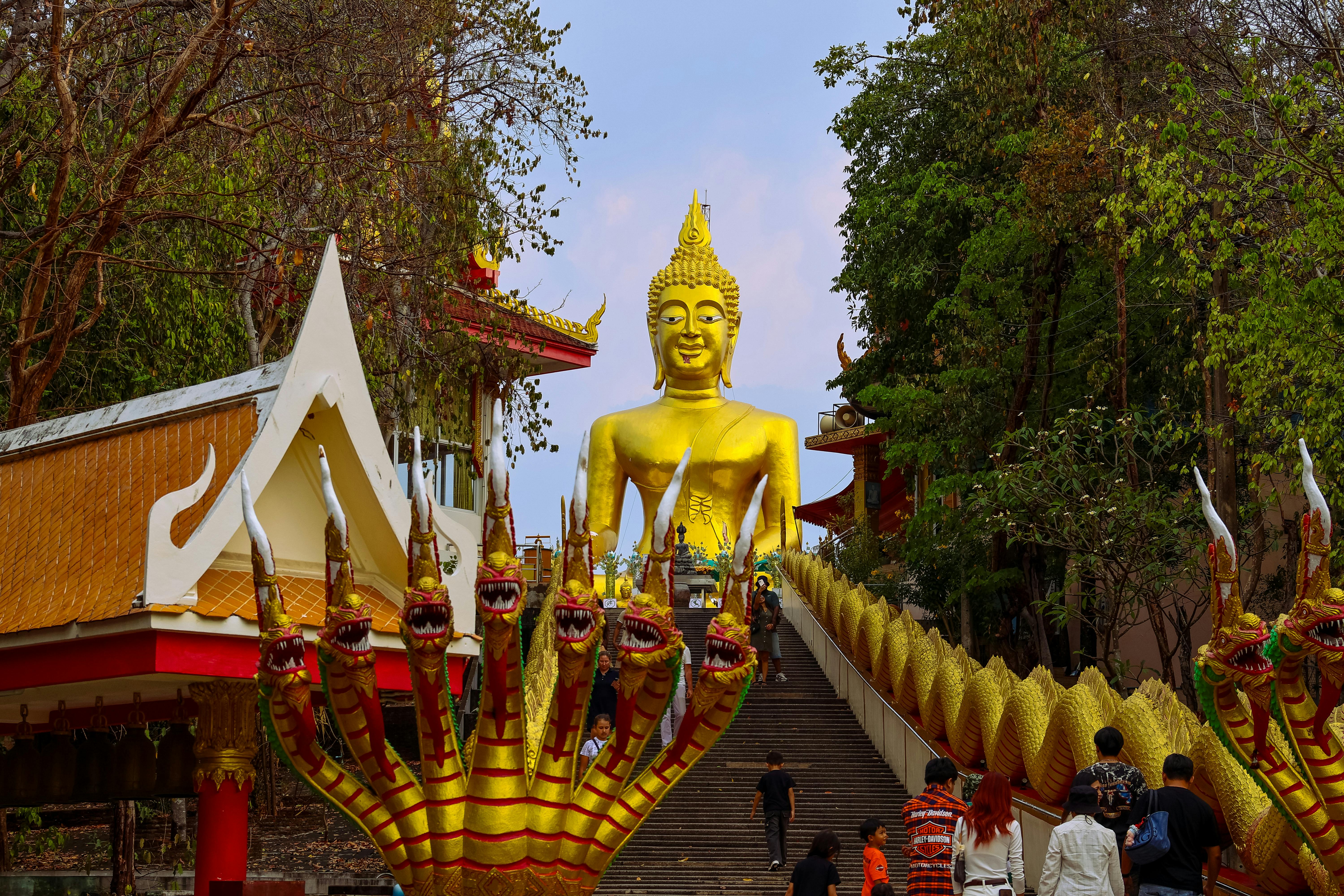
I arrived at Wat Chedi Luang just after 7 a.m., before the tour buses, and found myself alone in a courtyard where a 80-meter crumbling chedi rose like a broken tooth against the pale sky. The silence was almost unsettling—this is the temple that once dominated Chiang Mai’s skyline, and standing beneath its fractured grandeur, you feel the weight of six centuries. Entry is free, though donations are appreciated (typically 20–50 baht). This should be your first stop, not because it’s the most photogenic, but because it’s the most honest about time’s passage.
Wat Phra Singh comes next—and here’s what most guides won’t tell you: the main chapel (housing the revered Phra Singh Buddha image) is often closed to casual visitors between 11:30 a.m. and 1:30 p.m. for prayers. Go early or late afternoon. The temple itself costs nothing to enter, but the intricate wood carvings and the genuine spiritual atmosphere (not staged for tourists) make it worth the timing puzzle. Locals actually worship here, which changes everything about how the space feels.
Wat Chiang Man, the city’s oldest temple, sits in the quieter northern reaches and rewards the 15-minute songthaew ride (roughly 20 baht per person). The two Lanna-style chedis are exquisite, and crucially, you’ll encounter far fewer selfie sticks than at the central temples. Admission is free; a small donation to the monks (50–100 baht) is customary if you’re offered water or blessings.
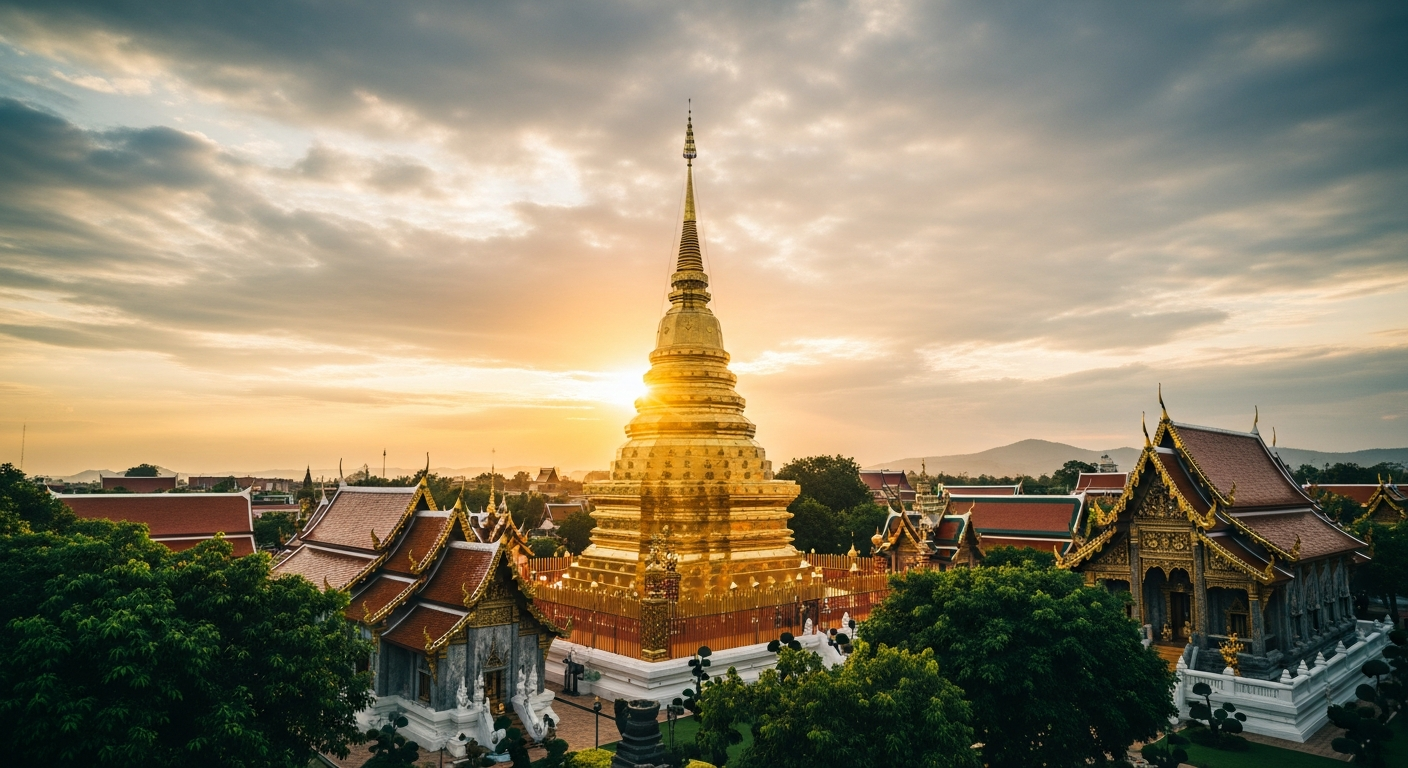
Wat Phra That Doi Suthep demands a half-day commitment—either a 30-minute songthaew ride (40 baht) or a scooter rental (200–300 baht/day). The entrance fee is 30 baht. Yes, it’s touristy. Yes, the views of Chiang Mai from 1,000 meters up are genuinely breathtaking. The golden chedi is undeniably stunning, but arrive by 6:30 a.m. if you want to experience it without crowds, or come at sunset when the light turns everything amber.
Finally, Wat Phra That Doi Kham (Golden Mountain Temple) on the east side offers a gentler climb and fewer visitors than Doi Suthep. Entry is 20 baht, and the panoramic views are comparable. This is the temple locals actually visit, not Instagram tourists—a crucial distinction that shapes your entire experience.
Temple With Elephants Chiang Mai: Where to Find Sacred Elephant Art
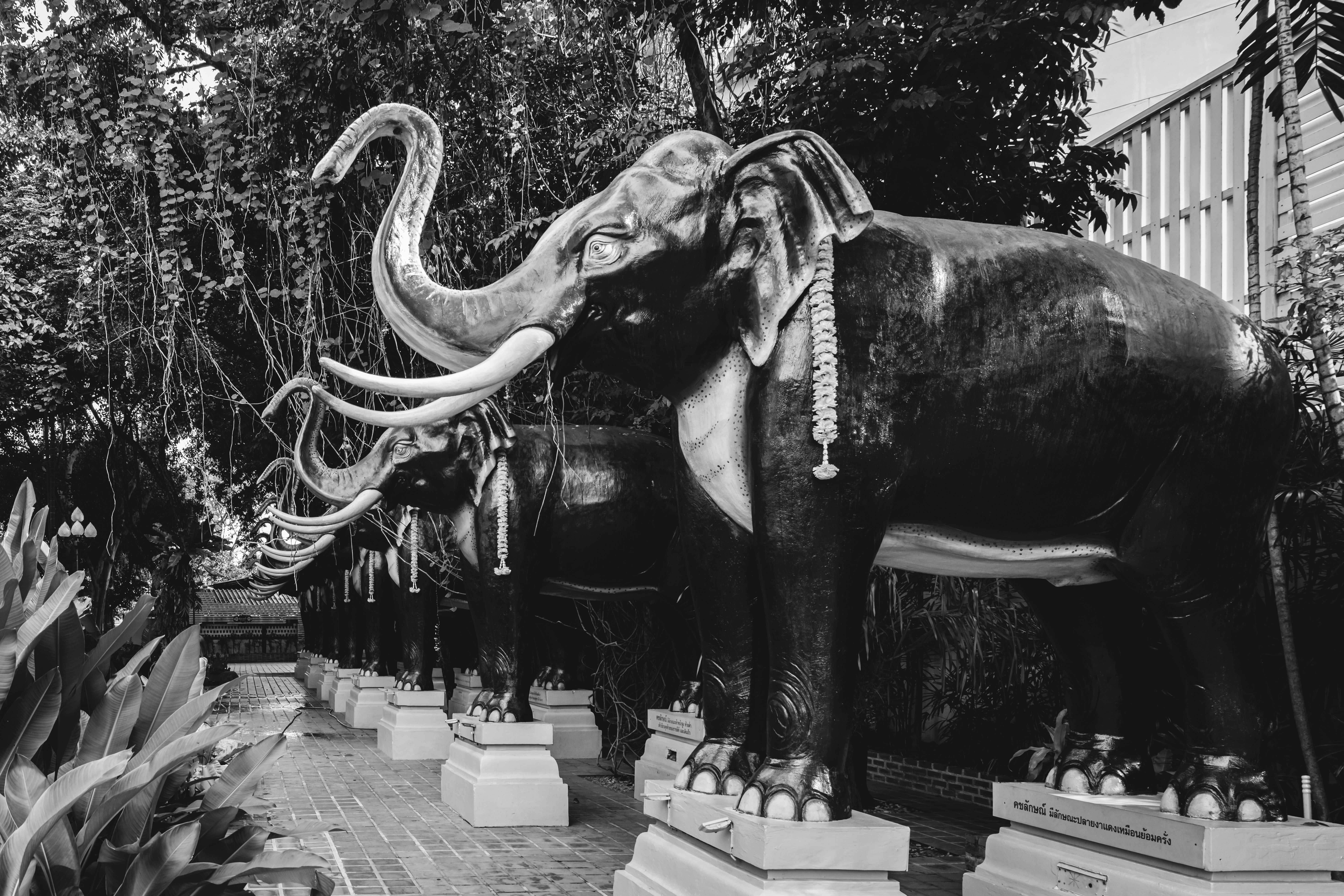
I was standing in front of Wat Chiang Man’s elephant-pillared shrine when a monk gently corrected my camera angle—not out of rudeness, but because I’d been framing the carved tusks all wrong. That small interaction taught me something crucial: the elephants in Chiang Mai’s temples aren’t decorative afterthoughts. They’re theological statements, representing the Buddha’s mother’s dream of a white elephant before his birth. Once you understand that, the temples stop being photo ops and start being stories.
Wat Chiang Man, the city’s oldest temple (founded 1296), is the obvious place to start. Its Chedi Luang contains two elephant-shaped pillars carved from teak, weathered but unmistakable. The admission is free, but arrive before 9 a.m.—after that, tour groups turn the courtyard into a scrum. The real gem here is the Lanna-style ubosot (ordination hall) with its elephant-leg columns; most visitors miss it entirely because they’re fixated on the main chedi.
Wat Phra Singh also features prominent elephant imagery, though subtler than Wat Chiang Man. Here, elephants appear in the temple’s decorative panels and as support figures in the wooden architecture. Entry is free; expect to spend 45 minutes without rushing. The temple sits on Samlan Road, a 15-minute songthaew ride (20 baht) from the Old City center.
One mistake I see constantly: assuming all elephant temple art is ancient. Much of what you’ll see was restored or repainted in the 1980s-2000s. This isn’t dishonest—it’s how Thai temples function, as living spaces requiring maintenance. The spiritual significance doesn’t diminish because the carving is 30 years old rather than 300.
If you’re hoping to see actual elephants at temples, manage expectations. Ethical elephant sanctuaries exist outside the city (Elephant Nature Park, roughly 1,500 baht per person), but temple elephant tourism is largely a relic. The art—the carved tusks, the painted murals, the architectural symbolism—tells the deeper story anyway. That’s where the real encounter happens.
Planning Your Chiang Mai Temples Route: 1-Day vs. 2-Day Itineraries

I made the mistake of trying to cram eight temples into a single afternoon, moving so fast between locations that I barely registered the intricate wood carvings or sat long enough to hear the monks chanting. By temple number five, I was checking my watch instead of absorbing anything. If you have only one day, ruthlessly prioritize—and build in actual breathing room.
The 1-Day Route (Best for: tight schedules, first-timers)
Start at Wat Chedi Luang in the old city center around 7:30 a.m., before crowds arrive and while the air is still cool. Spend 90 minutes here. Take a songthaew (red shared taxi) north to Wat Phra Singh—15 minutes, roughly 20 baht per person. Grab lunch at one of the simple noodle shops on Ratchadamnoen Road (pad thai or khao soi, 40–60 baht). Afternoon: head to Wat Chiang Man, the oldest temple in Chiang Mai proper, another 20-minute songthaew ride. This gives you three major temples without the exhaustion. Skip the outlying mountain temples on a one-day trip; the travel time alone eats 45 minutes each way.
The 2-Day Route (Best for: deeper immersion, photography)
Day one follows the same path but at half speed—linger for 2+ hours at each temple, sit in courtyards, watch monks’ routines. Day two ventures north to Wat Phra That Doi Suthep (the cable car costs 50 baht up, 40 baht down; arrive by 8 a.m. or face tour-group gridlock). Spend your morning there, then loop back via Wat Phra That Doi Pui on the same mountain. Return to the city by early afternoon. Budget 300–400 baht total for songthaews if you’re alone; split costs with other travelers and it drops to 150–200 baht.
The logistics nobody mentions: Songthaews run unpredictably after 5 p.m., so plan your last temple visit to finish by 4 p.m. Many temples close their main halls between noon and 2 p.m. for cleaning. October through November offers the coolest weather for walking; April is brutal (40°C+). Rent a scooter only if you’re confident navigating chaotic intersections—honestly, songthaews are cheaper and less stressful.
Essential Temple Etiquette & Visitor Information for Chiang Mai
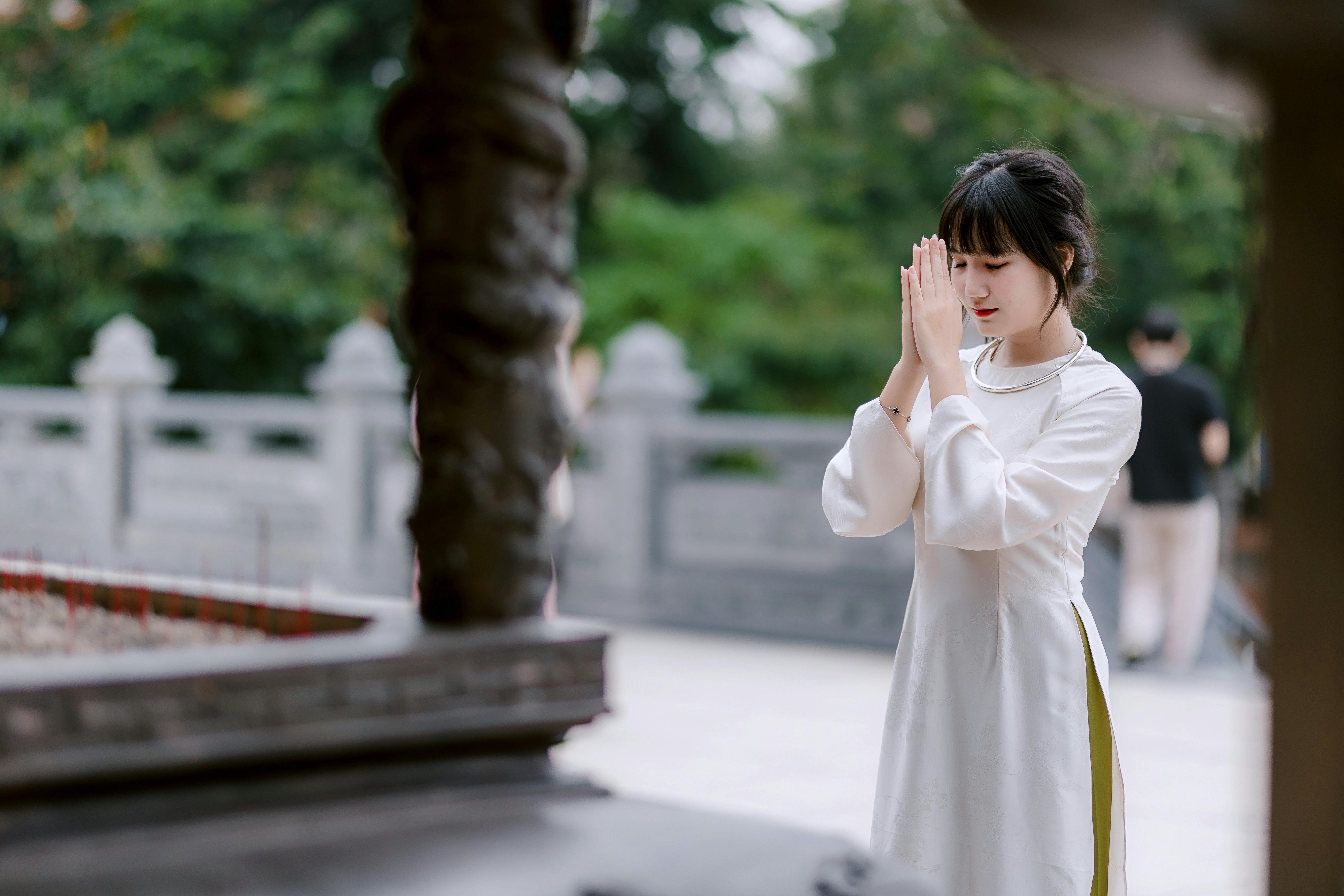
I learned the hard way at Wat Chedi Luang: a monk gently touched my shoulder and pointed to my knees. I’d forgotten to cover them. What felt like a minor oversight to me was a genuine sign of disrespect in his space. This is the reality of temple visits in Chiang Mai—small oversights carry real weight, and locals notice.
Dress code is non-negotiable. Shoulders and knees must be covered; sarongs are available at most major temples (200–300 baht rental), but bringing your own lightweight scarf or loose trousers saves time and money. Remove shoes before entering any building with a Buddha image. Women should never touch monks or hand anything directly to them—place items on a nearby surface instead. This isn’t prudishness; it’s rooted in monastic discipline that’s been observed for centuries. If a monk initiates contact, that’s fine, but don’t initiate.
Most temples are free to enter, though donations (20–100 baht) are expected and genuinely support maintenance. Opening hours vary wildly—some close by 5 p.m., others stay open until dusk. The tourist mistake I see constantly: arriving at 4:45 p.m. expecting an hour of exploration. Plan for temples to close earlier than you think, especially during the hot season (March–May) when monks often rest during afternoon hours.
Never point your feet at Buddha images or sit with your soles facing any religious object. Don’t climb on structures for photos. Photography is usually permitted, but ask before shooting monks or during active prayer sessions. One detail most guides skip: the best light for temple photography is 6–7 a.m., before crowds arrive and when the golden hour hits the stupas perfectly. You’ll also avoid the afternoon heat entirely.
Bring water and cash (many temples don’t accept cards). Hire a local guide for 400–600 baht per half-day if you want genuine context—the difference between seeing a temple and understanding why it matters is worth every baht.
Hidden Chiang Mai Temples Beyond the Tourist Trail
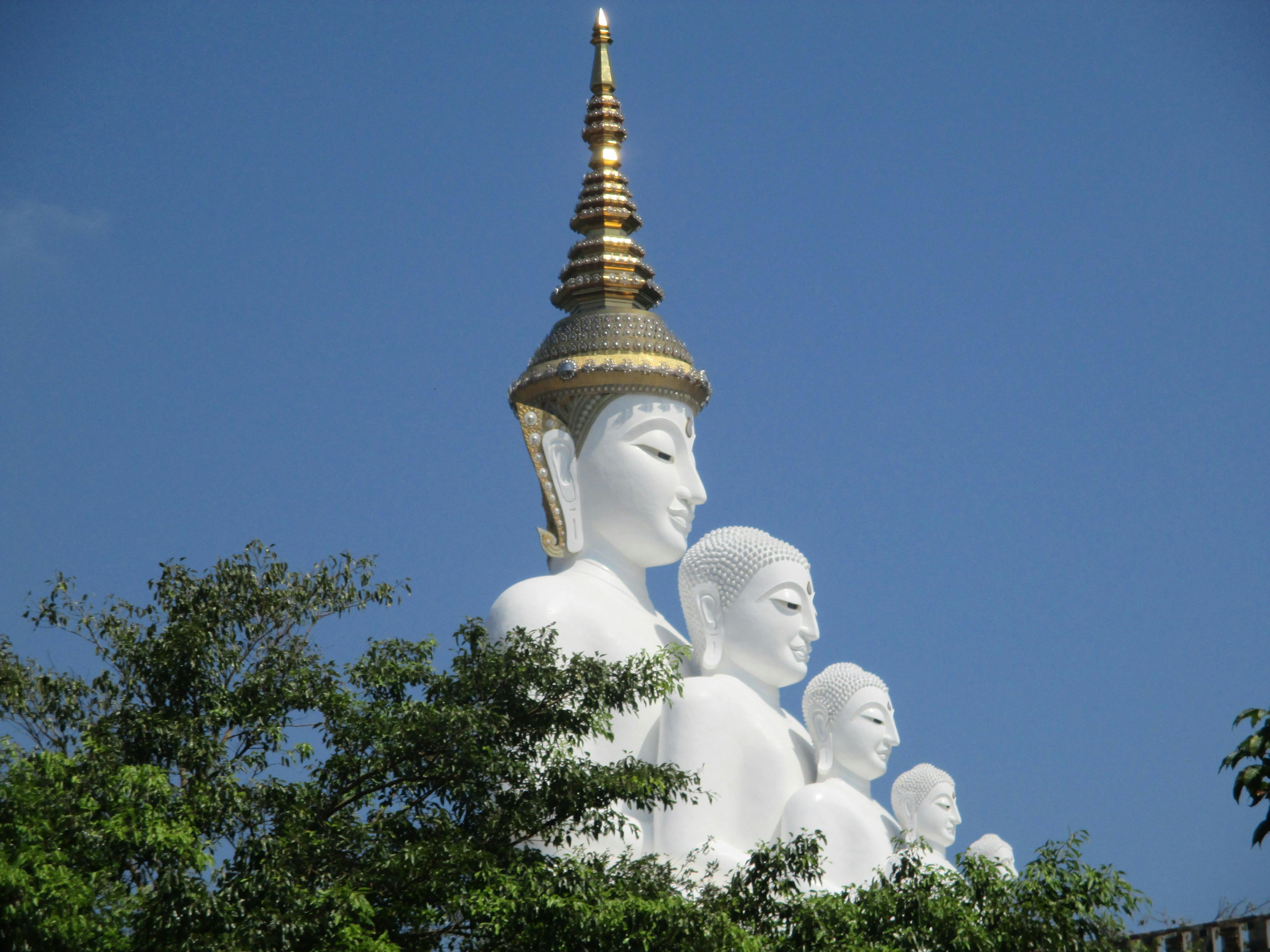
I stumbled into Wat Chedi Luang’s side courtyard at 6:15 a.m., before the tour groups arrived, and found myself alone with a monk sweeping fallen leaves in deliberate, meditative strokes. The moment felt stolen—not because I’d trespassed, but because I’d wandered five minutes off the main temple grounds into a space that barely registers on Google Maps. This is where the real Chiang Mai temple experience lives: in the quieter corners that require curiosity and a willingness to get slightly lost.
Start with Wat Umong, tucked into the forested hills west of the city center (take Suthep Road, then follow signs toward Doi Suthep but veer left—ask a tuk-tuk driver; it costs about 80–120 baht). The temple is built into a mountainside with tunnels carved through the rock, and you’ll encounter more local monks and meditation practitioners than foreign visitors. Admission is free, and the peaceful energy is genuinely unrushed. Most guides skip it because it lacks the dramatic golden spires that photograph well.
Wat Phra Singh’s rear gardens are another overlooked gem. Everyone photographs the main hall, but slip around the back and you’ll find quiet courtyards where locals actually pray—not pose. The same applies to Wat Chiang Man’s lesser-known northern side, where you can sit with virtually no interruption.
The honest trade-off: these temples are less visually dramatic than Doi Suthep or Wat Phra That Hariphunchai. They reward patience and stillness over spectacle. You won’t leave with the “wow” moment of a sunset over golden spires, but you’ll leave with something rarer—the sense that you’ve witnessed actual temple life, not a performance of it.
Pro tip: visit between 5:30–7:00 a.m. when monks chant and locals bring alms. You’ll see the temple’s real rhythm. Bring 20–50 baht in small coins if you want to make an offering, and always ask permission before photographing monks or prayer spaces. A simple “Khrap?” (with a wai gesture) works universally and opens doors—literally and metaphorically.
CONCLUSION
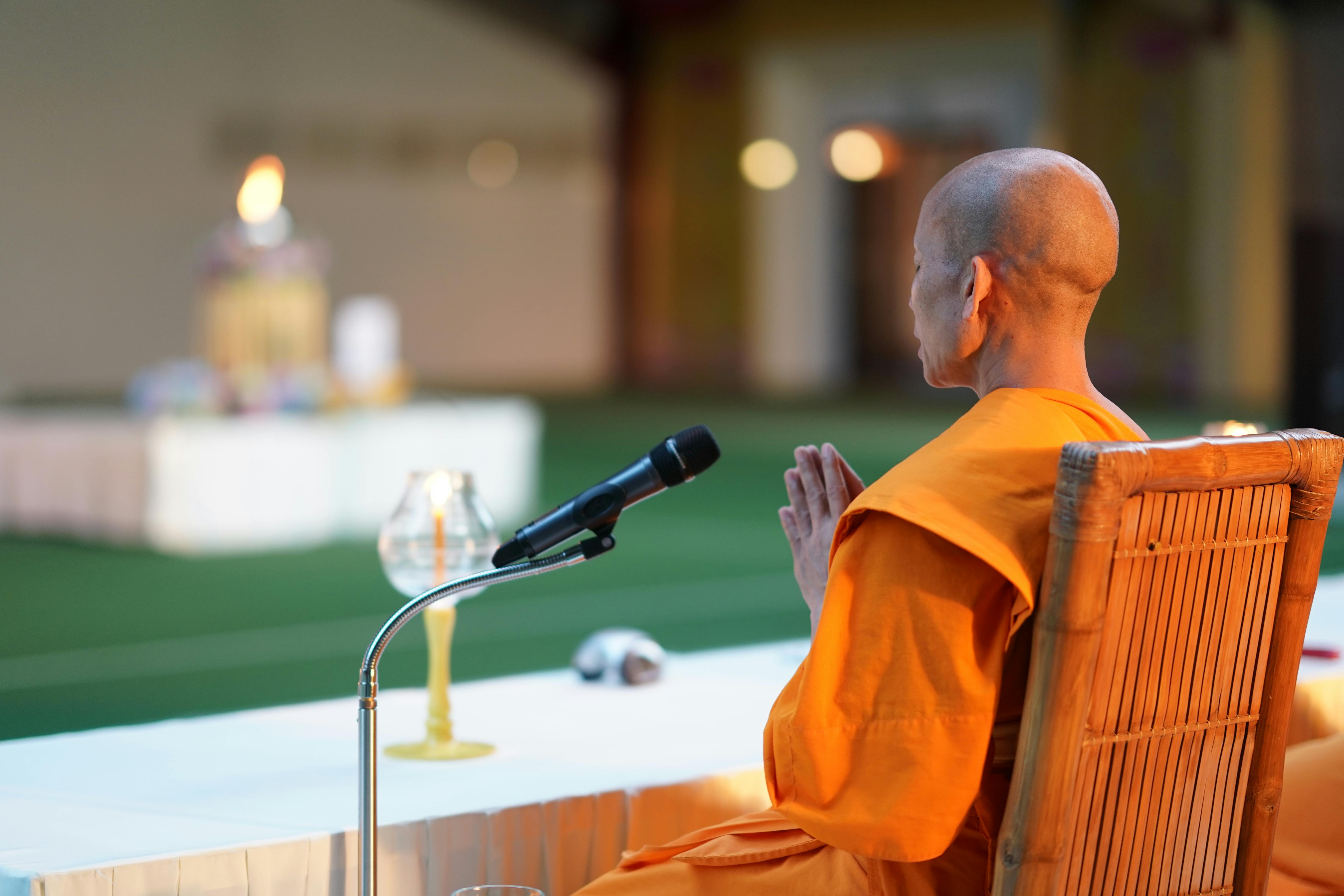
I left Chiang Mai on a Tuesday morning, my phone full of temple photos I’d never quite do justice to, and my knees still aching from climbing the 300 steps to Doi Suthep. But here’s what stuck with me more than any Instagram moment: the quiet ritual of watching a monk sweep the courtyard at Wat Chedi Luang while tour groups rushed past, the elderly woman who silently guided me to remove my shoes at a tucked-away temple I’d stumbled into by accident, the specific angle of light through the wooden lattice at Wat Phra Singh that made me understand why these spaces have endured for centuries. Chiang Mai’s temples aren’t a checklist to complete—they’re a slow conversation with a city that has learned to hold both reverence and tourism in the same breath, not always gracefully, but genuinely.
The essentials matter: you now know the difference between the major temples worth your time and the hidden ones that reward patience. You understand the logistics—how to navigate the songthaew routes, what to wear, how to behave respectfully. You’ve learned that January and February will be crowded but clear; that July and August bring rain but also far fewer visitors; that hiring a guide costs 400–600 baht and often reveals details you’d miss alone. You know the common mistake: rushing. Most visitors sprint through five temples in one day and retain nothing. The better move is choosing three, staying longer in each, and actually sitting in the courtyards instead of just photographing them.
Here’s your next move: pick one temple from the essential five that genuinely calls to you—not the most famous, but the one whose description resonated. Plan to spend at least two hours there. Arrive early, before 9 a.m. if possible. Bring water, wear loose long pants or a skirt, and leave your phone in your bag for the first thirty minutes. Talk to a monk if one approaches you; they’re often eager to practice English and will tell you stories the guidebooks miss. That single, unhurried morning will teach you more about Chiang Mai than a week of rushing ever could.