7 Best things to do in wye valley wales

I nearly turned back at the car park. The October drizzle had turned the Wye Valley’s limestone cliffs into a grey smudge, and I’d already spent forty minutes navigating the narrow lanes from Monmouth.
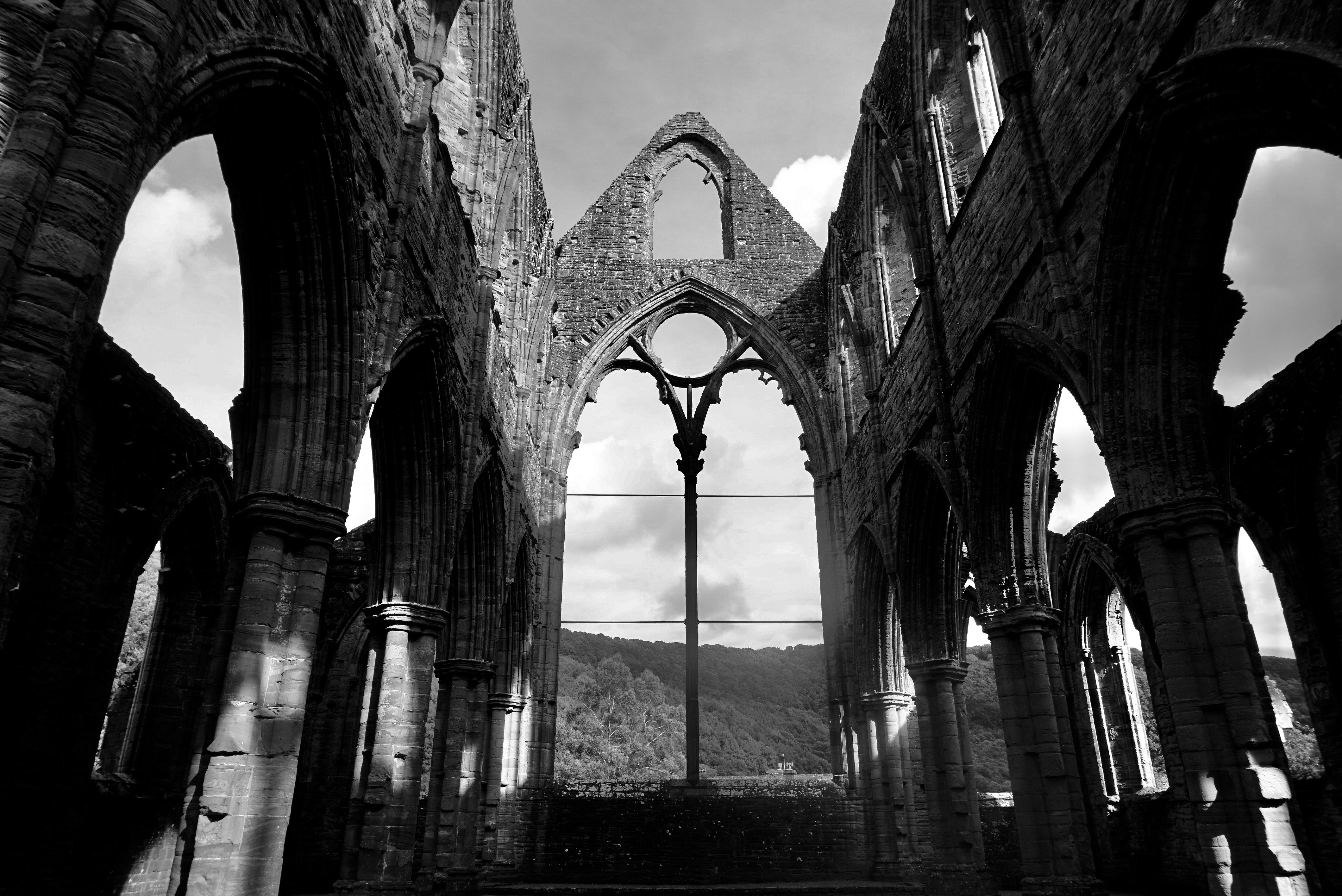
Then the mist lifted just enough to reveal Tintern Abbey’s Gothic arches—suddenly luminous against the hillside—and I understood why people have been making this pilgrimage for centuries.
The Wye Valley sits in that borderland between Wales and England where the landscape feels almost too perfect: a river that actually rewards paddling, forest paths where you can walk for hours without seeing another soul, and ruins that don’t feel like museum pieces.
This guide cuts through the tourist trails to show you what locals actually do here—the viewpoints with views that justify the climb, the canoe routes that don’t require a death wish, and the food that made me stay three days longer than planned.
You’ll find exact costs, which months genuinely work best, and the one mistake that wastes most visitors’ time. Whether you’ve got a weekend or a week, this is how to actually experience the Wye Valley.
Explore Tintern Abbey: The Wye Valley’s Most Iconic Ruin
I arrived at Tintern Abbey on a grey November morning, mist clinging to the Wye Valley like a damp blanket, and immediately understood why Wordsworth couldn’t stop writing about it.
The moment you round the bend in the road and see those Gothic arches rising from the riverbank—still impossibly elegant despite 500 years of weathering—something shifts. It’s not just the scale of the ruin; it’s the way the river seems to cradle it, as if the landscape itself refuses to let it disappear.
Founded in 1131 and dissolved in 1536, Tintern was once one of Wales’s wealthiest monasteries. Today, Cadw (Wales’s heritage organization) manages the site, and admission costs £5.50 for adults—genuinely affordable compared to English Heritage properties.
The ruins are genuinely open-access; you can walk right up to the stone, touch the walls, photograph from angles most tourists miss by arriving at 9 a.m. instead of noon.
Here’s what most guides skip: the best light for photography hits the abbey’s west face between 2 and 4 p.m., when the sun catches the stonework from the south. Also, the visitor centre’s café serves decent coffee and Welsh cakes for £2–3, but the real find is the small shop’s free map showing the lesser-known riverside walk that loops back toward Tintern village—it takes 45 minutes and has almost no crowds. The A466 runs directly alongside the abbey, so expect road noise; sit on the river side of the ruins if you want relative quiet.
One cultural note: Tintern remains sacred to many Welsh people as a symbol of pre-Reformation Welsh heritage. Treat it with the reverence you’d give an active church, even though it’s a ruin. Don’t leave litter, and avoid climbing on the most fragile sections—not just for preservation, but because locals notice and judge.
Budget 90 minutes here if you’re unhurried; the abbey itself demands at least an hour, and the riverside setting deserves sitting time.
Paddle the River Wye: Canoeing from Symonds Yat
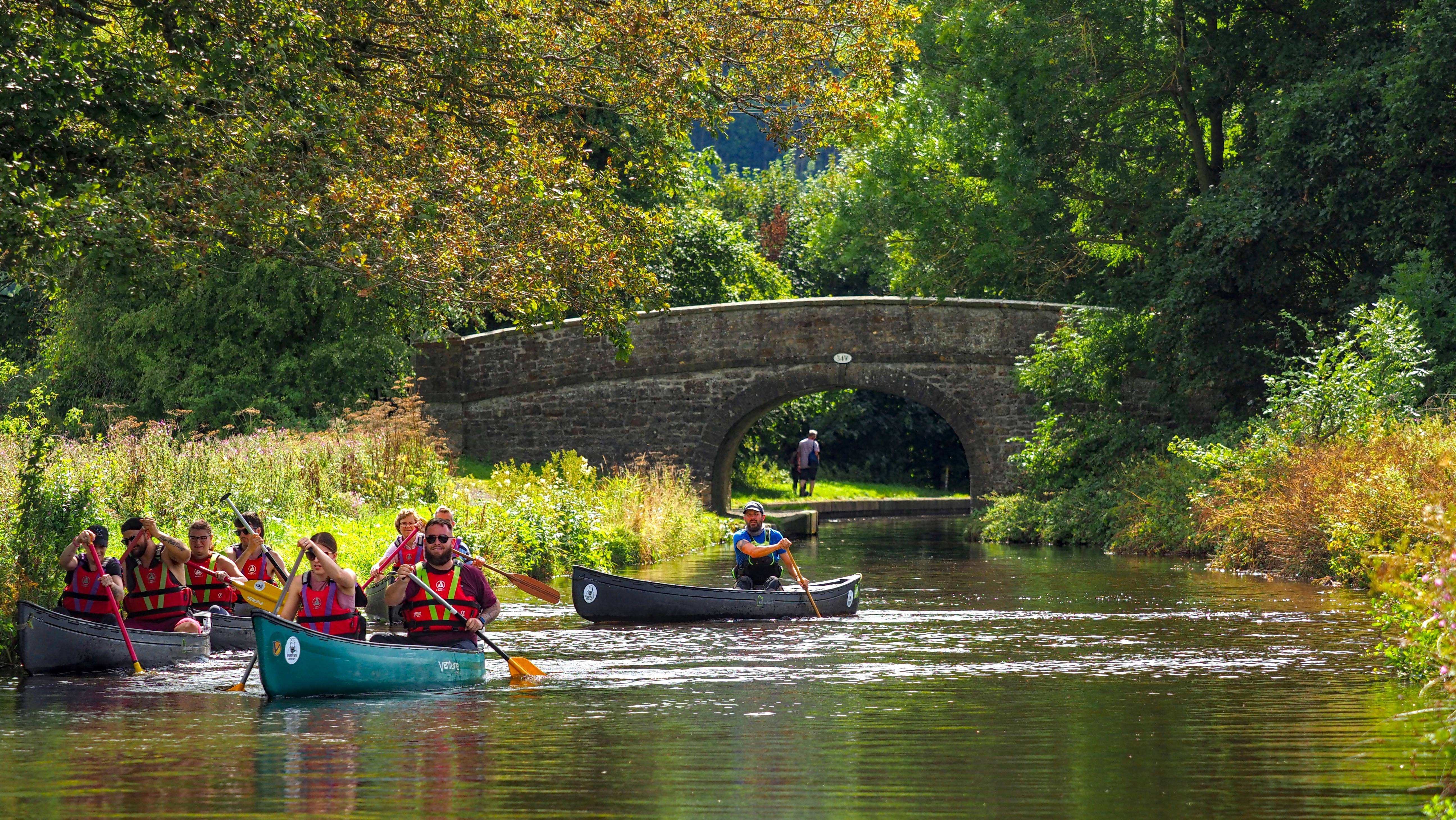
The moment my paddle hit the water at Symonds Yat, a red kite wheeled overhead and the entire river seemed to exhale. This is the Wye at its most alive — a 5-mile stretch of meanders so tight that the landscape folds back on itself, creating an almost disorienting sense of being lost in a primeval forest despite being 20 minutes from a car park. Most visitors hike to the viewpoint and leave; paddlers get the river’s secret.
Book with Symonds Yat Canoe Hire (the only licensed operator on this stretch, £35–45 per person for a 2–3 hour trip, or £25 if you’re renting a solo kayak and going independently). The guided trips are worth it if you’re nervous — the river is gentle, Grade I at worst, but navigating the bends without local knowledge means you’ll paddle twice the distance. Independent paddlers should know that the current does most of the work on the way down; the return upstream is slow but manageable. Rent from mid-March through October; winter water levels are unpredictable and dangerous.
The real reward isn’t the paddling itself — it’s what you see from water level. Limestone cliffs rise sheer on both banks, their faces striped ochre and grey. You’ll pass under three road bridges (each one a moment of disorientation as you duck beneath) and spot herons fishing in the shallows. The entire valley feels untouched, which is precisely because the river is so difficult to build alongside. This is why it’s survived when other British waterways have been industrialised.
Common mistake: Don’t assume you can paddle this in winter. The Wye swells unpredictably from November to February, and the hire operators close for good reason — people have drowned here. Spring and early autumn offer the best balance of water level and weather.
Climb to Symonds Yat Rock for the Ultimate Wye Valley Viewpoint

I arrived at Symonds Yat East car park on a Tuesday morning expecting solitude, only to find a coach full of school groups already claiming the best spots along the railings. By 10 a.m., the viewing platform was shoulder-to-shoulder with tourists. Come back at 6 p.m., though, and you’ll have the 370-degree panorama almost entirely to yourself—the river snaking below in a dramatic horseshoe bend, the Forest of Dean rolling endlessly toward the horizon, and the light turning everything amber and purple. That’s when Symonds Yat Rock reveals why it genuinely deserves its reputation as the Wye Valley’s most spectacular viewpoint.
The climb itself is deceptively straightforward: a 15-minute walk from the car park (£3.50 all day in summer, £2 in winter) along a well-maintained path with only modest elevation gain. The real surprise is what you’ll see if you look down rather than out. Peregrine falcons nest on the cliff face—the RSPB monitors them closely, and between April and August, you’ve got a genuine chance of spotting one diving at speeds over 200 mph. Bring binoculars; the viewing platform has information boards identifying what you’re looking at, but they don’t capture the thrill of actually watching a bird hunt.
One critical detail most guides skip: there are actually two car parks here. East (where most people go) has the direct route to the viewpoint. West is smaller, quieter, and only a 10-minute walk away—useful if you arrive during peak times. Also, the path becomes slippery after rain despite the railings; I nearly lost my footing in wet conditions, so wear proper hiking boots, not trainers.
Budget 90 minutes total if you’re combining this with the canoe launch at Symonds Yat South (which sits just below, accessible via a separate entrance). A packed lunch from the nearby village shop costs £6–9 and beats the overpriced café at the viewpoint by miles. Visit in autumn for the clearest air and smallest crowds; summer heat creates haze that obscures distant views.
Wander Puzzlewood: The Forest of Dean’s Secret Fairy-Tale Landscape
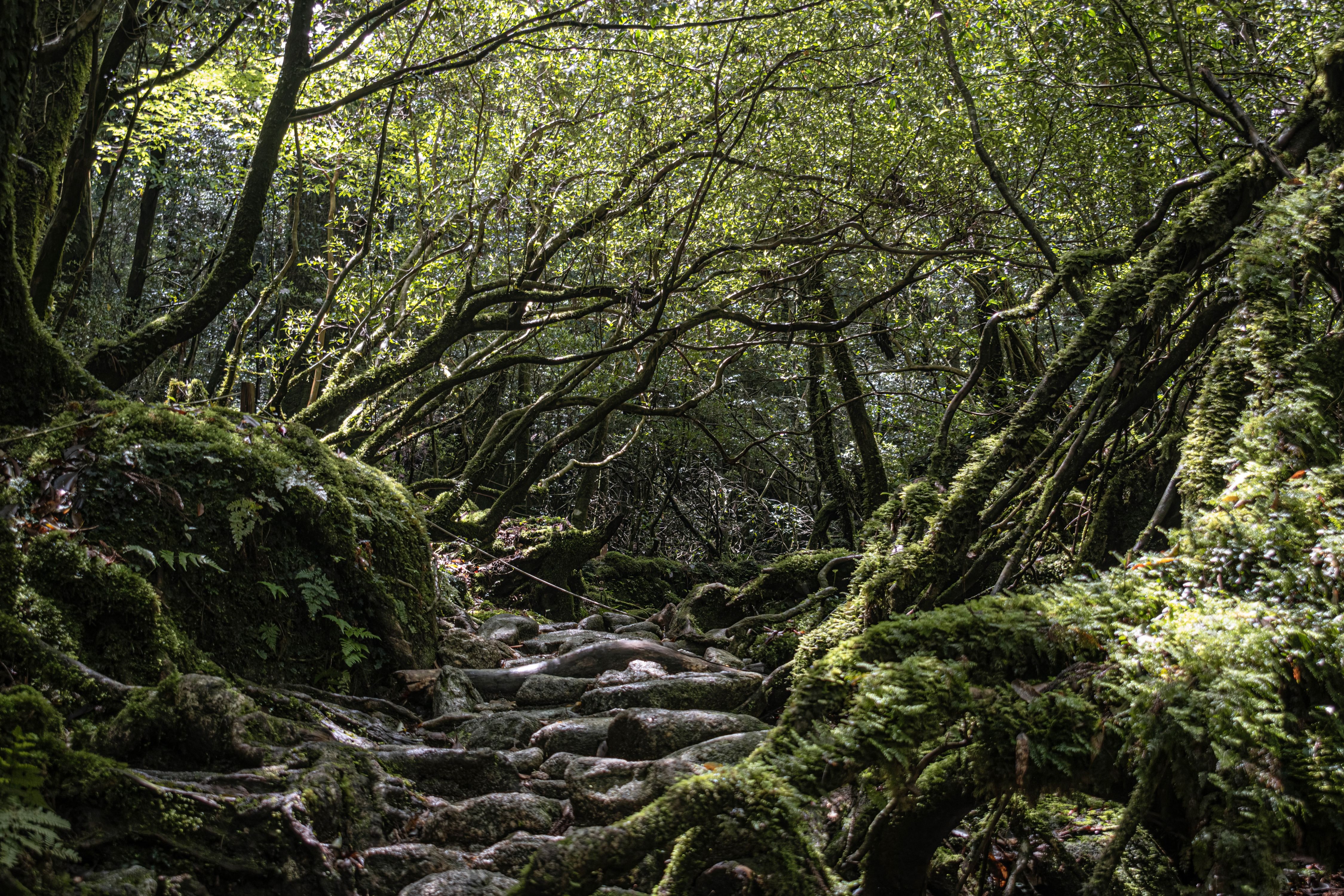
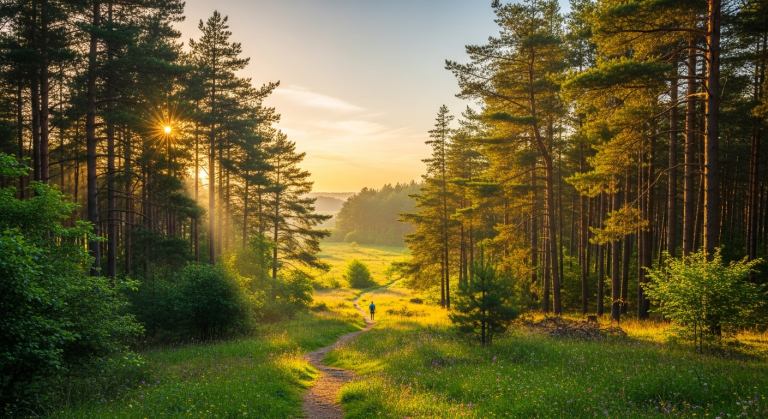
I stepped into Puzzlewood on a grey afternoon and immediately understood why the Harry Potter films used it as a location. Gnarled oaks twisted overhead, their roots buckled across the path like sleeping dragons, and the light filtered through the canopy in dusty shafts. Unlike Symonds Yat—which demands effort and rewards you with a panorama—Puzzlewood rewards you with atmosphere. You don’t need fitness; you need time and a willingness to get slightly lost.
The woodland covers 14 acres and is genuinely maze-like. There’s no single “correct” route; instead, you meander through moss-covered stone formations, past a small lake, and along paths that feel older than they probably are. Most visitors spend 90 minutes to two hours here. The admission is £8 per adult (children £5.50), which is reasonable given the upkeep and the fact you can stay as long as you like. Parking is free but limited—arrive before 11 a.m. if you want a guaranteed spot without circling.
Here’s what most guides miss: Puzzlewood is genuinely slippery when wet. I’ve seen people in trainers struggle badly on the moss-covered rocks. Proper walking boots with good grip are essential, not optional. Also, the site has no café or facilities beyond toilets—bring water and snacks. The woodland is open year-round, but late autumn (October–November) offers the best light and fewest crowds; summer weekends can feel like a theme park queue.
One cultural note: this is private land, and the owner has maintained it as a public attraction for decades. Respect the “stay on paths” signs—not because they’re draconian, but because the forest is fragile. The common tourist mistake is treating it like a free-roaming adventure park. It’s not; it’s a curated experience that works precisely because boundaries are respected. That’s what keeps it magical.
Hike Offa’s Dyke Path: Wye Valley’s Authentic Walking Challenge
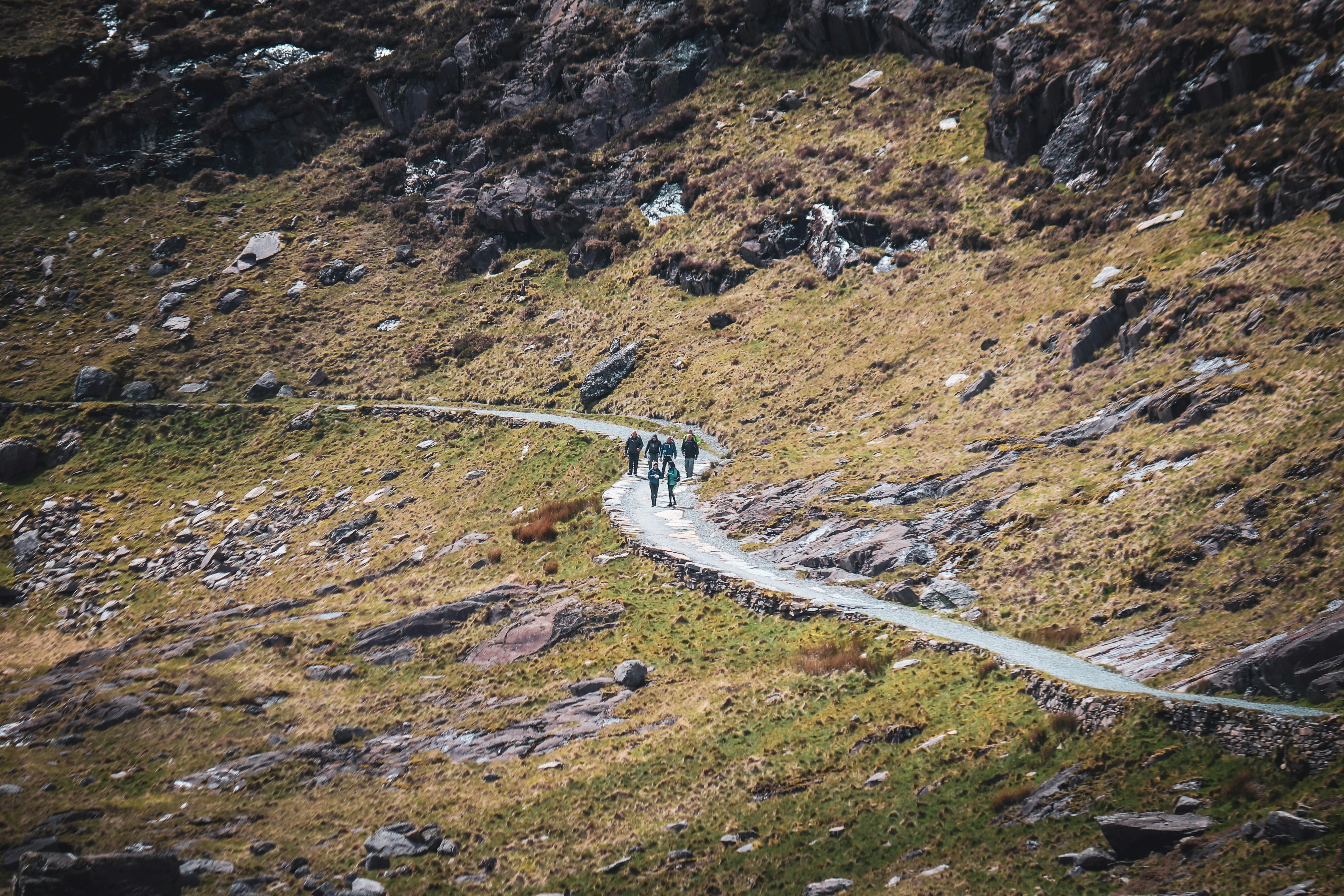
I was three hours into the Offa’s Dyke Path when my legs reminded me why I’d skipped the gym for six months, and a Welsh farmer’s dog decided I was the most interesting thing to happen all week. This 177-mile national trail runs the entire length of the Wales-England border, and the Wye Valley section—roughly the southern 40 miles between Chepstow and Monmouth—is where the walk shifts from gentle riverside strolls into genuine hill country. The dyke itself, built in the 8th century by King Offa of Mercia, is sometimes a dramatic earthwork, sometimes barely visible, but always a tangible thread connecting you to over a thousand years of border politics.
The full path takes 8–10 days if you’re doing the entire route, but the Wye Valley section works brilliantly as a 3–4 day standalone walk. Most people miss this: you don’t need to commit to the whole thing. The Chepstow-to-Tintern leg (about 7 miles) is moderate and crosses the Wye twice, offering river views that justify the scrambles. The real challenge comes north of Tintern, where the path climbs steeply through Tidenham Chase—my calves still remember the 800-foot elevation gain—but the reward is solitude. I passed maybe six other walkers in two days, compared to the crowds at Symonds Yat.
Accommodation along the route ranges from £25–35 per night in village B&Bs (Tintern, Monmouth, Redbrook) to £60+ for hotels. Pack an Ordnance Survey map (essential—phone signal is patchy); the official Offa’s Dyke Path guidebook costs £15 but includes detailed maps and accommodation lists. Water is scarce on higher sections, so fill up at villages. Best months are May–September; October can be muddy and February is genuinely bleak. One critical etiquette note: this is working farmland. Close every gate behind you without exception—farmers here take it seriously, and rightfully so.
Discover Local Flavors: Wye Valley’s Food and Drink Scene

I sat in the beer garden of the Wye Dean in Monmouth on a grey afternoon, nursing a pint of their house bitter, when a local slid onto the bench next to me and started talking about the valley’s cider heritage like it was family gossip. That’s when I realized the Wye Valley’s food story isn’t about Michelin stars or Instagram-ready plating—it’s about ingredients that have been here for centuries and people who actually care about them.
Start with cider. The valley sits in one of England and Wales’s oldest cider-producing regions, and you’ll find small producers tucked into villages most tourists never reach. Perry’s Cider, near Newent (just across the border in Gloucestershire), offers tastings for £5–£8 and their dry ciders taste nothing like the supermarket stuff. Most guides skip this entirely, but it’s genuinely worth the detour. Meanwhile, Three Choirs Vineyard near Newent produces excellent Welsh wine—their Bacchus is crisp and clean—and the views across the valley cost nothing.
For eating, avoid the tourist traps clustered around Tintern. Instead, head to Monmouth for The Wye Dean (mains £12–£16) or The King’s Head in Symonds Yat East (£11–£14), where the food is honest—proper Welsh lamb, local fish—and the owners actually live here. One thing I didn’t expect: how seriously the valley takes vegetarian food. The Nag’s Head in Symonds Yat West has an unexpectedly strong plant-based menu (mains £10–£13), and it’s never crowded because most guides don’t mention it.
A cultural note: in smaller pubs, the bar staff are often locals who’ve worked there for years. Strike up a conversation—genuinely—and they’ll tell you where the real food is. Don’t ask for “authentic Welsh cuisine” as a category; ask what they eat. The answer is usually simpler and better than you’d expect.
Planning Your Wye Valley Wales Visit: Maps, Timing, and Logistics
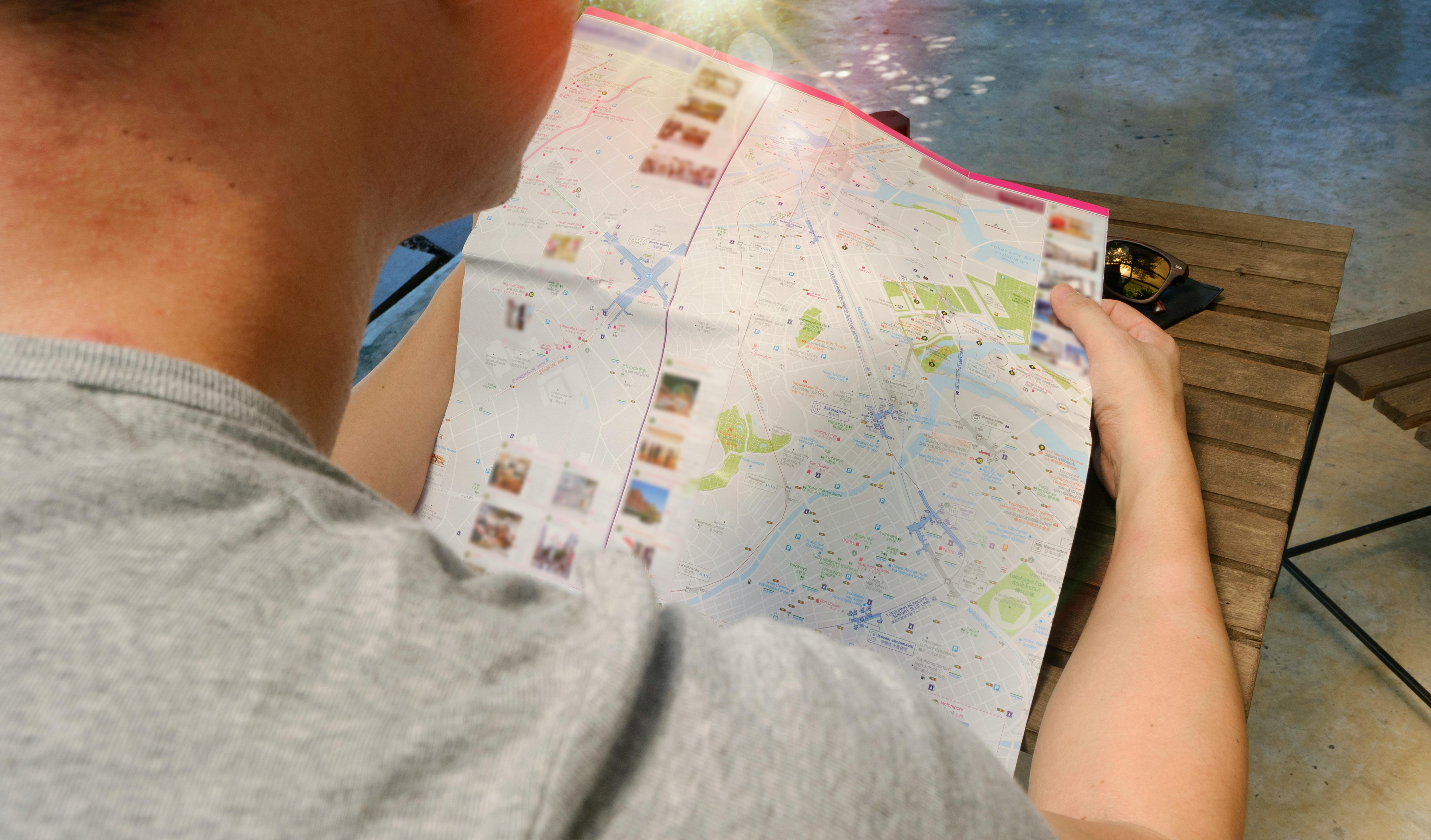
I arrived at Monmouth station on a grey October morning and immediately understood why timing matters here. The Wye Valley is stunning year-round, but May through September brings reliable weather and packed car parks at Symonds Yat—arrive by 10 a.m. or resign yourself to a half-mile walk. October to April offers solitude and moody light perfect for photography, though several minor roads flood after heavy rain, and some canoe operators reduce schedules. Winter is genuinely quiet; expect 3–4 hours of useful daylight.
Getting around requires honesty: public transport exists but is sparse. Monmouth is the valley’s de facto hub, served by regular buses from Hereford (50 minutes, £4–6) and Chepstow (30 minutes, £3–4). From there, local buses connect to Tintern Abbey and Symonds Yat, though timetables are built for locals, not tourists—check Traveline Cymru before planning your day. A car gives you freedom but parking fills fast at popular spots. I’d recommend basing yourself in Monmouth (30 minutes to most attractions) or Tintern village (quieter, walkable to the Abbey) rather than trying to stay further out.
Budget roughly £80–120 per night for mid-range accommodation; budget guesthouses start at £50, but book ahead in summer. Meals range from £6 pub lunches to £25–35 for dinner at proper restaurants. Canoe hire costs £25–35 per person. Ordnance Survey maps (1:25,000 Explorer OL14) are essential if you’re hiking Offa’s Dyke—phone signal drops in the forest.
One critical detail: the Wye Valley straddles England and Wales, with the border running through the river itself. This means some attractions (Tintern Abbey, Symonds Yat) are technically in Wales, while others sit just across the border. It’s seamless in practice, but worth knowing if you’re planning a Wales-specific trip. Bring waterproof layers regardless of forecast—the valley’s microclimate produces sudden showers, and you’ll be grateful on the river or at exposed viewpoints.
CONCLUSION
The Wye Valley doesn’t demand much of you—just a willingness to slow down and notice the small things. Whether you’re standing in the roofless nave of Tintern Abbey watching light pour through empty windows, or gripping a paddle as the river current pulls you toward Symonds Yat, you’re experiencing a landscape that’s been quietly humbling visitors for centuries. The valley rewards both the ambitious (Offa’s Dyke walkers, rock climbers) and the wanderers (Puzzlewood explorers, food-trail followers), which is precisely why it works as a destination. There’s no single “best” way to experience it—only your way.
What matters most is this: the Wye Valley is best visited between May and September, when the weather cooperates and everything’s actually open. Accommodation fills quickly in July and August, so book early if those months suit you; spring and autumn offer fewer crowds and equally stunning light. Budget £80–150 per night for mid-range accommodation, £12–18 for a solid pub meal, and around £25–40 for guided activities like canoeing. If you’re coming from London, the drive is roughly two and a half hours; from Birmingham, ninety minutes. The valley spans the Wales-England border, so you’ll cross back and forth without ceremony—no passport needed, just a willingness to follow the river.
Before you book, be honest about your fitness level. Symonds Yat Rock is steep but manageable for most people; Offa’s Dyke is genuinely demanding and not a casual stroll. Neither is a mistake—just know what you’re signing up for. And here’s the thing most guides won’t tell you: the valley’s magic isn’t concentrated in the famous spots. Some of my clearest memories are from a random footpath near Monmouth, or a hidden riverside pub where the landlord knew every regular by name.
Your next step is simple: pick one activity that genuinely appeals to you—not what you think you “should” do—and build your trip around that. Book accommodation within 20 minutes of it. Everything else will unfold from there. The Wye Valley has been waiting; it’s patient.