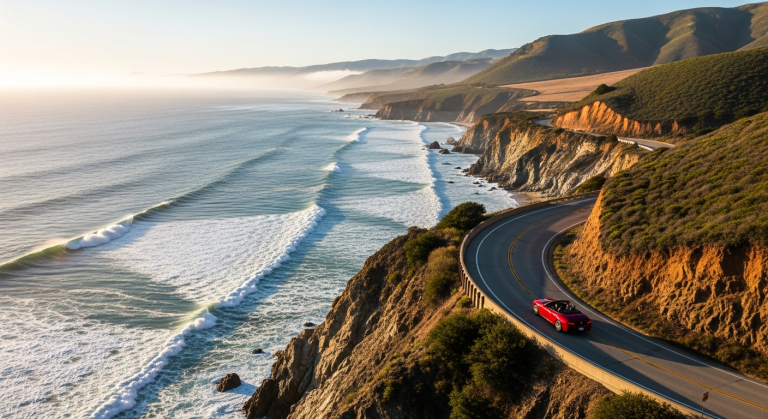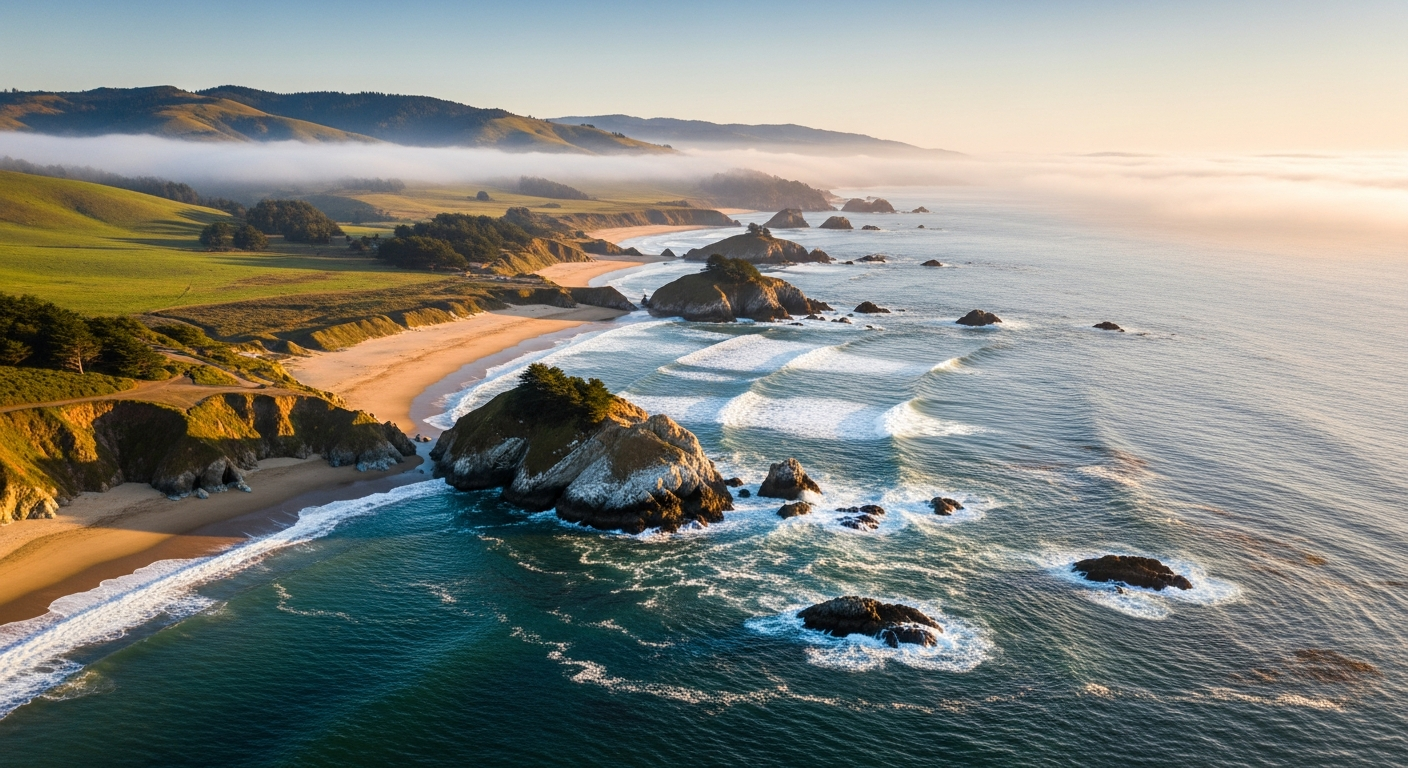
best time to visit Northern California beaches

Discover the perfect season for Northern California beaches. From hidden coves to stunning coastal trails, plan your ultimate beach escape with our complete month-by-month guide.
I learned this lesson the hard way during my first visit to Stinson Beach in July. Armed with beach towels and sunscreen, I drove two hours from Sacramento, expecting classic California sunshine.
Instead, I spent the day shivering in 58-degree temperatures while locals in fleece jackets walked past, clearly amused by yet another unprepared visitor.
Here’s what nobody tells you: Northern California beaches operate on a completely different seasonal calendar than the rest of the world. The warmest beach weather happens in September and October, not in summer.
The foggiest months are June and July, when everyone assumes it’s perfect beach season. And if you’re dreaming of swimming in warm ocean water, I need to be honest—that’s never happening here without a wetsuit.
But once you understand this upside-down coastal climate, you can plan the perfect trip. Whether you’re chasing dramatic storm-watching opportunities, wildflower-covered cliffs, or those rare sunny beach days, there’s an ideal time to visit. This guide will save you from my mistakes and help you experience Northern California’s coastline exactly as you imagine it.
Understanding Northern California’s Unique Coastal Climate

Why NorCal Beaches Aren’t Your Typical Beach Destination
The California Current is the villain in every unprepared tourist’s beach story. This cold ocean current flows south from Alaska, keeping Northern California’s water temperatures between 52-60°F year-round. For context, that’s about the same temperature as the Atlantic Ocean off Maine. I’ve watched countless visitors test the water with their toes, then quickly retreat with shocked expressions.
The microclimates here are equally bewildering. You can drive from 85-degree sunshine in Napa Valley and arrive at Bodega Bay thirty minutes later to find it’s 55 degrees with dense fog. This happens because the cold ocean air meets warm inland air, creating that signature fog bank. The coastal mountain ranges trap this fog along the shore, which is why you can literally drive through a tunnel and emerge from fog into blazing sunshine.
June Gloom isn’t just a catchy phrase—it’s a meteorological reality that ruins thousands of beach vacations annually. From late May through mid-July, a marine layer settles over the coast, often not burning off until afternoon, if at all. During my June visit to Mendocino, the fog was so thick at 11 AM that I couldn’t photograph the iconic headlands from more than fifty feet away.
Mark Twain probably never said that famous quote about San Francisco summers being the coldest winter he experienced, but whoever did say it understood Northern California’s coastal paradox perfectly. While Southern California beaches heat up in summer, our northern coast actually gets colder and foggier.
What “Beach Weather” Really Means Here
Redefine your expectations before you arrive. Northern California beaches aren’t about lounging in bikinis—they’re about dramatic scenery, coastal hikes with breathtaking views, and experiencing nature in its rawest form. The authentic experience here means layering a fleece jacket over your t-shirt, not stripping down to swimwear.
I’ve had some of my most unforgettable beach days wearing jeans and a windbreaker, watching massive waves crash against sea stacks at sunset. The beaches here reward those who come prepared for wind, temperature swings of 20 degrees in a single afternoon, and the possibility of sudden fog rolling in.
Water activities that actually work include surfing (always in full wetsuits—I see experienced surfers in 4/3mm thickness even in September), tide pooling during low tide (the cold water creates incredible marine ecosystems), beachcombing after winter storms, and whale watching from November through May. Swimming is possible but brief unless you’re genuinely comfortable in cold water.
Regional Variations You Need to Know
Marin County beaches, closest to San Francisco, tend to be the foggiest and coolest. Stinson Beach and Muir Beach regularly sit 10-15 degrees cooler than inland areas just five miles away. However, protected spots like Tomales Bay can be surprisingly pleasant since they’re sheltered from coastal winds.
Mendocino County, about three hours north, experiences slightly less fog but more dramatic weather patterns. The coastal cliffs here create stunning photography opportunities, especially during storm season. Temperatures rarely exceed 70°F even in the warmest months.
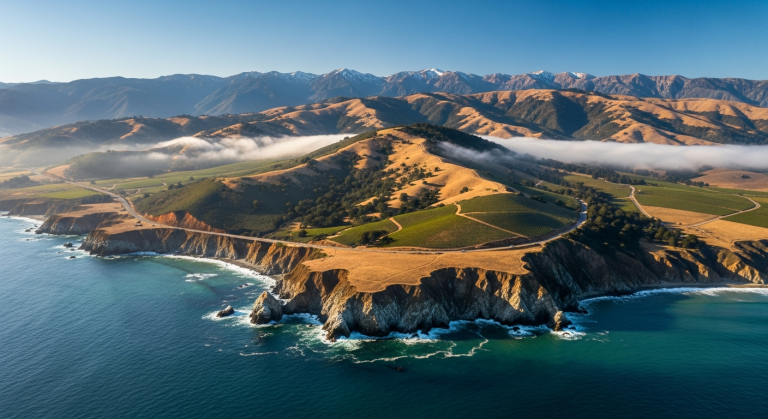
Humboldt County and the Lost Coast represent Northern California’s wildest coastline. This region is often actually warmer than areas farther south because you’re above the fog layer. Shelter Cove can be sunny and 75 degrees while Stinson Beach sits under gray skies at 58 degrees.
Protected coves consistently offer better conditions than exposed beaches. Bodega Bay, Drakes Beach at Point Reyes, and the beaches along Tomales Bay all benefit from geographic protection that blocks wind and sometimes keeps fog at bay. When planning your trip, understanding these microclimates means the difference between a magical day and a disappointing one.
The Ultimate Month-by-Month Guide

Winter (December-February): For Storm Watchers & Solitude Seekers
Best For: Dramatic wave watching, whale migration, scoring deals, avoiding crowds
Winter transforms Northern California’s coastline into a raw spectacle of nature’s power. I’ve stood at Mendocino Headlands watching 30-foot swells crash against the cliffs, sending spray fifty feet into the air. It’s genuinely breathtaking—and sometimes genuinely terrifying.
What to Expect: Average temperatures hover between 50-60°F, with water temperatures at their coldest: 52-54°F. Frequent Pacific storms create powerful surf conditions that draw photographers and storm enthusiasts from around the world. The gray whale migration peaks in December and January, with mothers and calves passing close to shore on their journey from Alaska to Baja California.
Accommodation prices drop 30-50% compared to peak season. I’ve booked oceanfront rooms in Mendocino for $120 per night in January that cost $280 in September. Hotels that normally require two-night minimums often accept single-night stays.
Hidden Advantages: The secret local tip that changed my winter beach visits: post-storm beach glass and treasure hunting at Glass Beach in Fort Bragg. Winter storms churn up the ocean floor, depositing smooth glass pieces and interesting finds along the shore. I’ve collected more sea glass in one January morning than during entire summer weekends.
The moody photography opportunities are unmatched. Dramatic clouds, powerful waves, and the stark beauty of empty beaches create images that sunny beach photos can’t compete with. Point Reyes Lighthouse and the Mendocino Headlands become especially photogenic.
Coastal towns take on an authentic, cozy character without summer crowds. You’ll actually get to know locals at coffee shops, restaurants serve you with genuine attention rather than rushed efficiency, and you can explore without fighting for parking.
Drawbacks: Pack serious rain gear—I mean waterproof jacket, pants, and boots. Storms are unpredictable, and you might experience three weather patterns in one day. Daylight hours are limited (sunset around 5 PM in December), restricting your exploration time. Some coastal roads, particularly along Highway 1 in Big Sur, may close temporarily due to mudslides or flooding. Many outdoor restaurant patios close for the season.
Spring (March-May): The Sweet Spot Window
Best For: Wildflower blooms, mild weather, whale watching, value pricing
Spring is when I finally understood Northern California’s coastal magic. The hills explode with wildflowers while crowds remain manageable and prices stay reasonable.
What to Expect: Temperatures range from 55-65°F, with water temperatures slowly climbing from 52-56°F. Late March through April brings peak wildflower season along coastal bluffs—lupine, California poppies, and wild iris create stunning purple, orange, and yellow carpets across the headlands.
Blue whale migration happens April through May, offering chances to spot the largest animals ever to exist on Earth from coastal viewpoints. Sunshine increases and rain decreases, though you’ll still need layers. Pricing remains moderate, typically 20-30% below summer rates.
Why This Is Often Perfect: You’ll experience the authentic local vibe before tourist season overwhelms coastal towns. During my April visit to Point Reyes, I had entire coastal trails to myself mid-week. The wildflower-covered cliffs at Tomales Point were so spectacular I stopped every few minutes just to take it in.
Restaurant availability improves dramatically compared to winter, but you won’t face summer wait times. Service quality is excellent because staff aren’t overwhelmed. You can make dinner reservations the day-of rather than weeks in advance.
Watch Out For: Weather remains unpredictable—I’ve experienced 75-degree sunshine and 50-degree fog on consecutive days in April. Always pack layers including a warm jacket. Some lingering fog persists, especially in mornings before 11 AM. Spring break (late March through early April) brings temporary crowd surges to popular beaches like Stinson Beach and Bodega Bay.
Summer (June-August): The Fog Season Surprise
Best For: Inland heat escapees, surfers, dramatic fog photography
Summer is when Northern California’s beaches reveal their greatest paradox. This is peak fog season, not peak beach weather.
What to Expect: Temperatures vary wildly from 55-70°F depending on location and time of day, with water temperatures at 54-58°F. June and July represent peak fog season—yes, the foggiest months of the entire year. August and September typically offer better conditions as fog patterns shift.
Accommodation prices peak, often 50-80% higher than winter rates. Popular spots like Stinson Beach become genuinely crowded on weekends, with parking lots filling by 10 AM.
The Local Secret: While tourists arrive expecting sunny beach weather, locals know better. Many head inland to rivers and lakes, or time their beach visits for late afternoon when fog sometimes burns off. The real secret? September is consistently sunnier and warmer than July.
I learned to check coastal webcams before making the drive. Watching live footage of current conditions saves disappointment and wasted travel time. Websites like the National Weather Service and individual beach webcams provide real-time views.
Strategic Planning: Book accommodations 2-3 months ahead for summer weekends—popular spots sell out completely. Visit midweek (Tuesday-Thursday) to avoid weekend crowds and sometimes find 20-30% better rates. Focus on protected beaches like Bodega Bay or beaches along Tomales Bay, which often escape the worst fog.
During a July visit to Bodega Bay, I enjoyed 70-degree sunshine while friends at Stinson Beach, just 40 miles south, texted me photos of impenetrable fog. Geographic protection matters enormously.
Fall (September-November): The Hidden Gem Season
Best For: Sunshine, warmest water temps, fewer crowds, wine country combo trips
Fall is objectively the best time to visit Northern California beaches, and I’ll defend that statement to anyone. September and October deliver the weather everyone imagines when they dream of California.
What to Expect: Temperatures range from 60-75°F, with water temperatures reaching their annual peak of 56-60°F. September through October consistently offers the best weather of the entire year. Indian summer conditions are common, bringing multiple consecutive days of sunshine and warmth.
Crowds decrease dramatically after Labor Day. Pricing returns to shoulder season rates, typically 30-40% below summer peaks. I’ve booked the same Mendocino hotel room for $160 in October that cost $270 in July.
Why Locals Love This Season: This is the ultimate time for the authentic Northern California coastal experience. The weather finally matches what visitors expect, trails are accessible without mud, and the quality of light for photography is spectacular. During my September visits, I’ve hiked the Lost Coast Trail in perfect 70-degree weather, explored tide pools without shivering, and watched sunsets that seemed to last forever.
The combination possibilities are perfect. You can spend mornings at the beach, then drive inland for afternoon wine tasting in Sonoma or Anderson Valley. The weather works for both activities.
Insider Advantages: Restaurant reservations are available with just a day or two notice rather than requiring weeks of advance planning. Service quality improves because staff aren’t overwhelmed and exhausted from summer crowds. You’ll actually have conversations with locals rather than being processed as another tourist.
The photography conditions are exceptional. Clear skies, golden afternoon light, and dramatic sunsets create images that capture Northern California’s beauty at its finest. I’ve taken some of my favorite coastal photographs during October visits when the light turns everything magical.
Best Beaches by Season (What to Visit When)

Winter Storm-Watching Destinations
Mavericks (Half Moon Bay): This is world-famous big wave surfing territory. When winter swells hit, waves can reach 60 feet. Even if you’re not a surfer, watching the massive sets roll in from the coastal trail is unforgettable. I watched from Pillar Point Harbor during a January swell and felt the ground shake with each wave impact.
Mendocino Headlands State Park: The dramatic cliffs here provide perfect storm-watching platforms. Multiple viewing areas let you safely observe powerful waves crashing against sea stacks and rocky outcrops. The town’s Victorian architecture adds to the moody winter atmosphere.
Point Reyes Lighthouse: This is whale watching headquarters during winter migration. The lighthouse sits 300 steps below the parking area, and on clear winter days you can spot dozens of gray whales passing by. Dress warmly—the wind here is relentless.
Local tip: Always observe from designated viewing areas. Rogue waves can appear suddenly and have swept people off rocks. Stay behind barriers and never turn your back to the ocean.
Spring Wildflower Beaches
Tomales Bay State Park: Protected coves here combine with wildflower-lined trails creating perfect spring conditions. Hearts Desire Beach offers calm water and hillsides covered in lupine and poppies. I’ve picnicked here in April surrounded by purple and orange blooms.
Point Reyes National Seashore: The coastal prairie here explodes with wildflowers March through May. Chimney Rock Trail and Tomales Point Trail both offer stunning displays. The contrast between blue ocean, green hills, and colorful flowers is spectacular.
MacKerricher State Park: Purple lupine covers the dunes here in April and May. The accessible boardwalk through the dunes makes photography easy, and you can combine beach walking with wildflower viewing.
Photography tip: Early morning light (7-9 AM) combined with wildflowers creates the best images. The soft light brings out colors without harsh shadows, and morning fog sometimes adds ethereal quality.
Summer Fog-Free Options
Bodega Bay: The geography here often provides protection from the worst fog. While not guaranteed sunny, Bodega Bay consistently outperforms more exposed beaches. The harbor area, Doran Beach, and Salmon Creek Beach all benefit from this microclimate advantage.
Shelter Cove (Lost Coast): Remote and often sitting above the fog layer, Shelter Cove can be genuinely warm and sunny when coastal areas farther south are socked in. The drive is challenging (steep, winding roads), but the reward is worth it. I’ve experienced 80-degree sunshine here while Stinson Beach reported 58 degrees and fog.
Stinson Beach: When the fog clears—usually afternoon if it happens at all—this becomes the quintessential California beach. Wide sandy beach, views of Marin Headlands, and actual warmth make it worth the gamble. Check webcams before driving out.
Secret strategy: Coastal webcams are your best friend. I check Point Reyes webcams, Stinson Beach cams, and Bodega Bay harbor cams before leaving home. If it’s foggy at 11 AM, it’ll probably stay foggy all day.
Fall’s Perfect Beach Weather Picks
Muir Beach: This intimate cove becomes absolutely perfect in fall. The small beach, dramatic cliffs, and protected location create ideal conditions. September and October afternoons here regularly hit 70 degrees with sunshine. The nearby Pelican Inn offers excellent post-beach dining.
Black Sands Beach: Located at the southern end of the Lost Coast, this dramatic beach features dark sand from erosion of coastal mountains. Fall weather makes the steep trail down more pleasant, and the scenery is breathtaking. I’ve had this entire beach to myself on October weekdays.
Montara State Beach: Excellent tide pooling during fall low tides, and the sunset walks here are spectacular. The beach sits below Highway 1, providing some wind protection. October visits have given me warm afternoons and stunning golden-hour light.
Goat Rock Beach: The harbor seal colony here is most active and visible during fall pupping season. You can observe from designated viewing areas while enjoying typically excellent September-October weather. The dramatic rock formations and river mouth create unique scenery.
Planning Your Trip: Practical Timing Strategies

How to Maximize Limited Vacation Days
The 3-Day Weekend Formula: Arrive Friday afternoon to avoid the worst traffic (leave by 2 PM if possible), and plan to leave Monday morning. Focus on one coastal region rather than trying to cover everything—this is crucial for actually relaxing rather than spending your vacation driving.
Book accommodations in a central hub town that provides access to multiple beaches. Mendocino works perfectly for exploring the Mendocino County coast, while Point Reyes Station provides access to the entire Point Reyes National Seashore.
Complete Fall Weekend in Mendocino Itinerary: Friday: Arrive by 5 PM, check into town accommodations ($180-240/night in fall), dinner at one of Mendocino’s excellent restaurants ($80-120 for two with wine).
Saturday: Morning hike at Mendocino Headlands State Park (free), lunch in town, afternoon drive to Jug Handle State Natural Reserve for the ecological staircase trail, sunset at Big River Beach. Total cost: $60-80 for meals.
Sunday: Morning visit to Glass Beach in Fort Bragg, afternoon at MacKerricher State Park, early dinner before driving home. Total cost: $50-70 for meals.
Total weekend cost per couple: $370-510 depending on accommodation choice and dining preferences.
The Week-Long Ultimate Experience: The best months are late September or early October when weather is most reliable. Plan a Highway 1 road trip from San Francisco to Eureka, covering about 350 miles of coastline over 6-7 days.
Where to stop: San Francisco (1 night), Point Reyes area (2 nights), Mendocino (2 nights), Eureka/Arcata (1 night). This pacing allows for beach exploration, hiking, and relaxation without feeling rushed.
What to skip: Don’t try to see every single beach. Focus on 2-3 beaches per day maximum, spending quality time at each rather than checking boxes. Skip beaches that require significant detours unless they’re specifically on your must-see list.