3 Perfect days in the Cotswolds England

I nearly missed the last bus back to Bourton-on-the-Water because I’d lingered too long in the churchyard at Bibury, photographing the same honey-coloured cottages everyone else was shooting—and somehow still finding something new in the afternoon light.
That’s the Cotswolds in a nutshell: a place where three days somehow feels both rushed and perfectly sufficient, where you can see the most photographed villages in England without feeling like you’ve ticked boxes on a list.
This guide gives you the exact route I’ve tested twice, the neighbourhoods where locals actually eat (not just tourists), real accommodation costs from £45 to £180 per night, and the one mistake almost everyone makes when planning their timing.
You’ll learn how to get from London without a car, which villages deserve a full afternoon versus a quick stop, and why visiting in November changes everything about your experience.
London To Cotswolds: Your Complete Transport Guide

I watched my train pull away from Paddington Station at 8:47 a.m. on a Tuesday, and I realised I’d made the rookie mistake of booking a peak-time service. The carriage was rammed with commuters until Oxford, where suddenly everyone got off and I had a window seat to myself for the final stretch into the Cotswolds. This matters more than you’d think—the journey itself is half the appeal, and you want to actually see the Oxfordshire countryside rolling past.
Your best option from London is the train. National Rail services run regularly from Paddington to either Moreton-in-Marsh (90 minutes, £15–28 off-peak, £35–45 peak) or Kingham (85 minutes, similar pricing). Both stations sit on the edge of the Cotswolds, though Moreton-in-Marsh is the more practical hub—it’s larger, has better onward bus connections, and sits closer to the southern villages. Book off-peak (after 10 a.m. on weekdays, anytime weekends) for genuinely cheap fares; the Advance tickets are even cheaper if you’re flexible. Avoid the 7–9 a.m. and 5–7 p.m. windows unless you enjoy elbows in your ribs.
Driving from London takes 2–2.5 hours via the M40, and here’s the honest bit: it’s tempting, but it’s a trap. Cotswolds villages have virtually no parking, and you’ll spend your first hour circling Bourton-on-the-Water looking for a space. If you must drive, hire a car at your destination instead—you’ll use it for days two and three, not the arrival day.
Once you’ve arrived at Moreton-in-Marsh station, grab a coffee at the small café inside (decent, £2.50) and assess your next move. Taxis to nearby villages run £8–15. The local bus network (Pulham Coaches, Johnsons) is cheap (£1.50–3 per journey) but infrequent—check timetables before you arrive, not when you’re standing in the rain. Most visitors rent a car here for days two and three; expect £35–55 daily for a small hatchback through Enterprise or Hertz. One local custom worth noting: if you’re using any village car park, pay at the machine before you leave your car—traffic wardens are surprisingly diligent, and a £70 fine ruins the afternoon vibe.
Travel Planning Cotswolds: Why 3 Days Is the Sweet Spot

I arrived in Bourton-on-the-Water on a Thursday afternoon with two days to spare, convinced it would be enough. By Friday evening, I was already mentally rearranging my schedule. The Cotswolds doesn’t reward rushing—it punishes it. Three days, I’ve learned, is the exact duration that lets you actually *breathe* here rather than just tick boxes.
Here’s the math: one day gives you a single village and a mild sense of regret. Two days lets you see the south (Bibury, Castle Combe) or the north (Stow, Bourton), but forces you to choose. Three days is the minimum threshold where you can experience both regions without feeling like you’re perpetually checking your watch, and—crucially—you have time for the unplanned detours that actually make the Cotswolds memorable. That afternoon I stumbled into a village fête in a small churchyard near Painswick? That only happened because I had a free afternoon.
Four or more days starts hitting diminishing returns. You’ll run out of genuinely distinct villages and start repeating the same experience—honey-coloured stone, gastropub, gift shop, repeat. The Cotswolds is roughly 800 square miles, but the tourist-friendly villages cluster densely in a much smaller core. Beyond three days, you’re either staying put (which is lovely, but defeats the purpose of this itinerary) or driving to the periphery where the charm noticeably thins.
One practical note most guides gloss over: three days assumes you’re not driving yourself around. If you’re using buses and the occasional taxi—which most visitors do—you’ll lose 90 minutes daily to logistics alone. That’s factored into this timeline. If you’re renting a car, you could technically see more, but you’ll also spend more time navigating narrow lanes and hunting for parking in village centres (a genuine headache). Three days on public transport or hired cars is genuinely more relaxing than four days spent fighting the roads.
The sweet spot also accounts for fatigue. The Cotswolds is *beautiful*, but it’s also relentlessly quaint. By day three, you’ll be ready to leave. Day four is when resentment creeps in.
Best Time To Visit Cotswolds (And When to Avoid)

I arrived in Bourton-on-the-Water on a May afternoon when the river was low enough to wade through, the honey-stone cottages glowed amber in the slanting light, and I had the high street almost entirely to myself. That’s the Cotswolds sweet spot—and it’s narrower than you’d think. Late April through early June, and again September through October, are genuinely the best windows. The weather is mild (expect 14–18°C), gardens are either in full spring bloom or autumn colour, and you’ll avoid both the summer crush and winter’s unpredictable closures.
July and August are when the Cotswolds stops being a retreat and becomes a pilgrimage site. Bibury—already Instagram-famous—becomes genuinely difficult to photograph without 40 people in your shot. Accommodation prices spike 30–50% above shoulder season rates. A mid-range hotel room that costs £95 in May will run you £140+ in August. Car parks in Bourton-on-the-Water and Stow-on-the-Wold fill by 11 a.m. If you must come in summer, arrive very early (before 9 a.m.) or on a weekday; weekends are brutal.
Winter (November–February) has its own appeal—crisp mornings, fewer tourists, pubs with actual fires—but comes with real friction. Many smaller attractions close or operate reduced hours. Several country house gardens shut entirely. The villages feel melancholic rather than charming, and grey drizzle is the default. Roads can ice over quickly; if you’re driving, factor in extra time and caution.
One detail most guides skip: the Cotswolds’ peak visitor season doesn’t align perfectly with school holidays. Easter week and half-terms (mid-May, late October) bring families, but the absolute peak is mid-July through mid-August when international tourists converge. If you’re flexible, avoiding those six weeks makes an enormous difference to your experience.
Local etiquette note: in quieter months, shopkeepers and pub staff are noticeably warmer and have more time to chat. It’s worth remembering that seasonal tourism keeps these villages alive—your off-season visit still matters economically, and locals genuinely appreciate visitors who come when it’s less convenient.
Day 1: Southern Cotswolds Itinerary (Bibury to Castle Combe)

I arrived at Bibury on a Thursday morning when the tour coaches hadn’t yet descended, and the honey-coloured stone cottages along Arlington Row were still just waking up. This is the trap most visitors fall into: they arrive mid-morning and spend two hours fighting crowds, then leave convinced Bibury is overcrowded. The real move is to get there by 8:30 a.m., walk the village in silence, grab a coffee at The Swan (around £3.50), and be back in your car before 10 a.m. The River Coln is genuinely lovely here, and the trout farm just beyond the main street costs £4 to visit if you want something quieter than the postcard-famous cottages.
From Bibury, drive west to Bourton-on-the-Water—it’s only 10 minutes but feels like stepping into a different postcard. This village straddles a shallow river that you can actually wade through (locals do, tourists photograph). Park on the high street rather than the main car park (£1.50/hour vs. £2/hour, and you’re closer to the good pubs). The Cotswold Motoring Museum is worth an hour if you’re into vintage cars; £6.95 entry, genuinely quirky. Lunch here is essential—The Horse and Groom does an excellent fish pie for £14.95, and the ales are local.
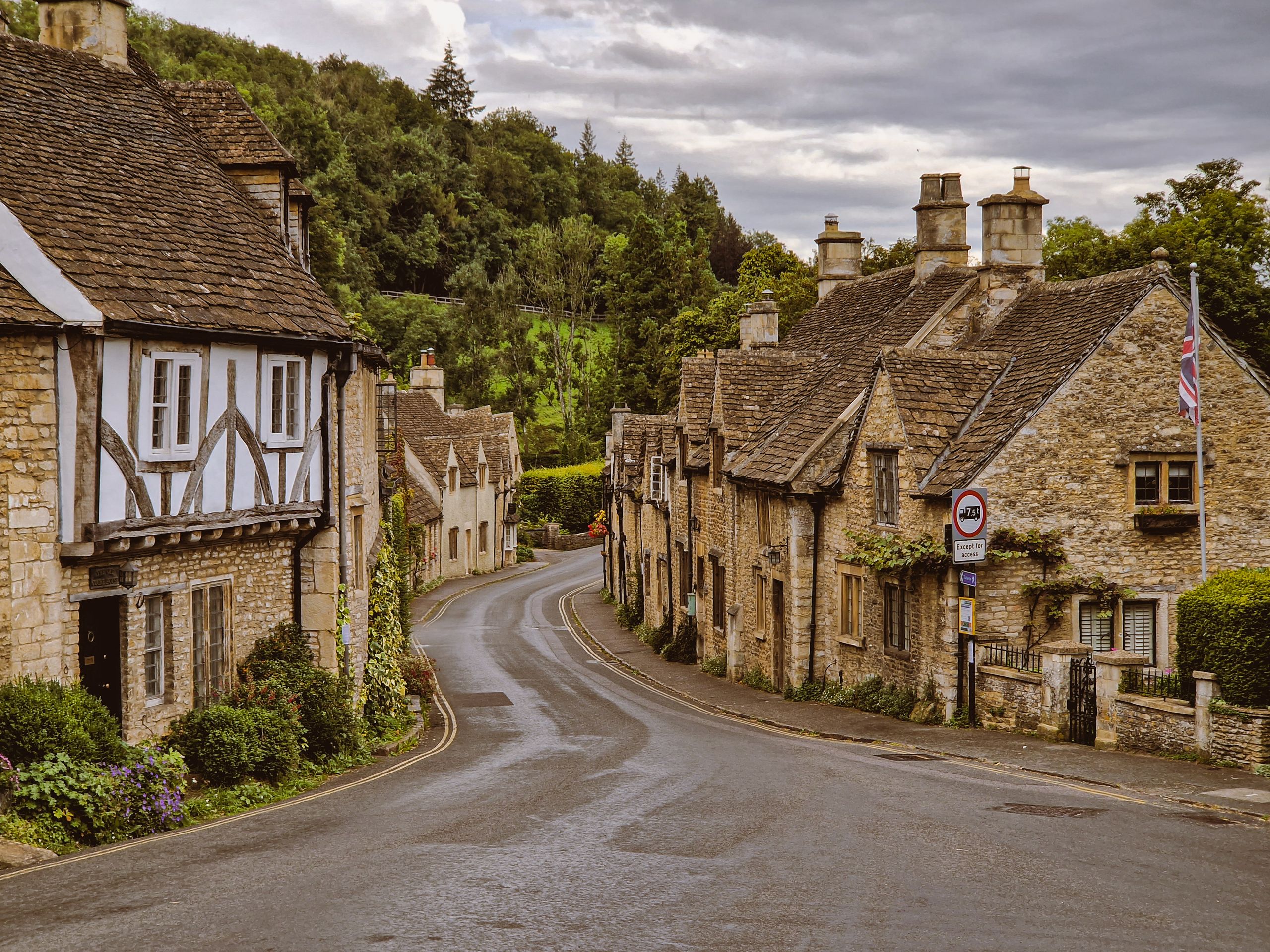
The afternoon belongs to Castle Combe, which sits about 20 minutes north. Fair warning: this village is *aggressively* picturesque—it’s been used as a film set repeatedly (Doctor Dolittle, War Horse). That beauty comes with a cost: it’s tiny, parking is tight (£2 for 2 hours at the main car park), and it gets rammed between noon and 4 p.m. Go after 4 p.m., when day-trippers are heading back to Bath. The village itself is free to wander; the castle ruins are private property (you can see them from the lane). The Manor House Hotel’s afternoon tea costs £25 per person and is genuinely good if you want to sit down—otherwise, grab something from the deli and eat it on the bridge overlooking the stream.
Budget roughly £50–70 for Day 1 (fuel, parking, meals if you skip the hotel tea). You’ll cover three villages and understand why people are obsessed with this corner of England—but you’ll also see them without the Instagram crowds.
Day 2 & 3: Northern Cotswolds Route + Stow-on-the-Wold
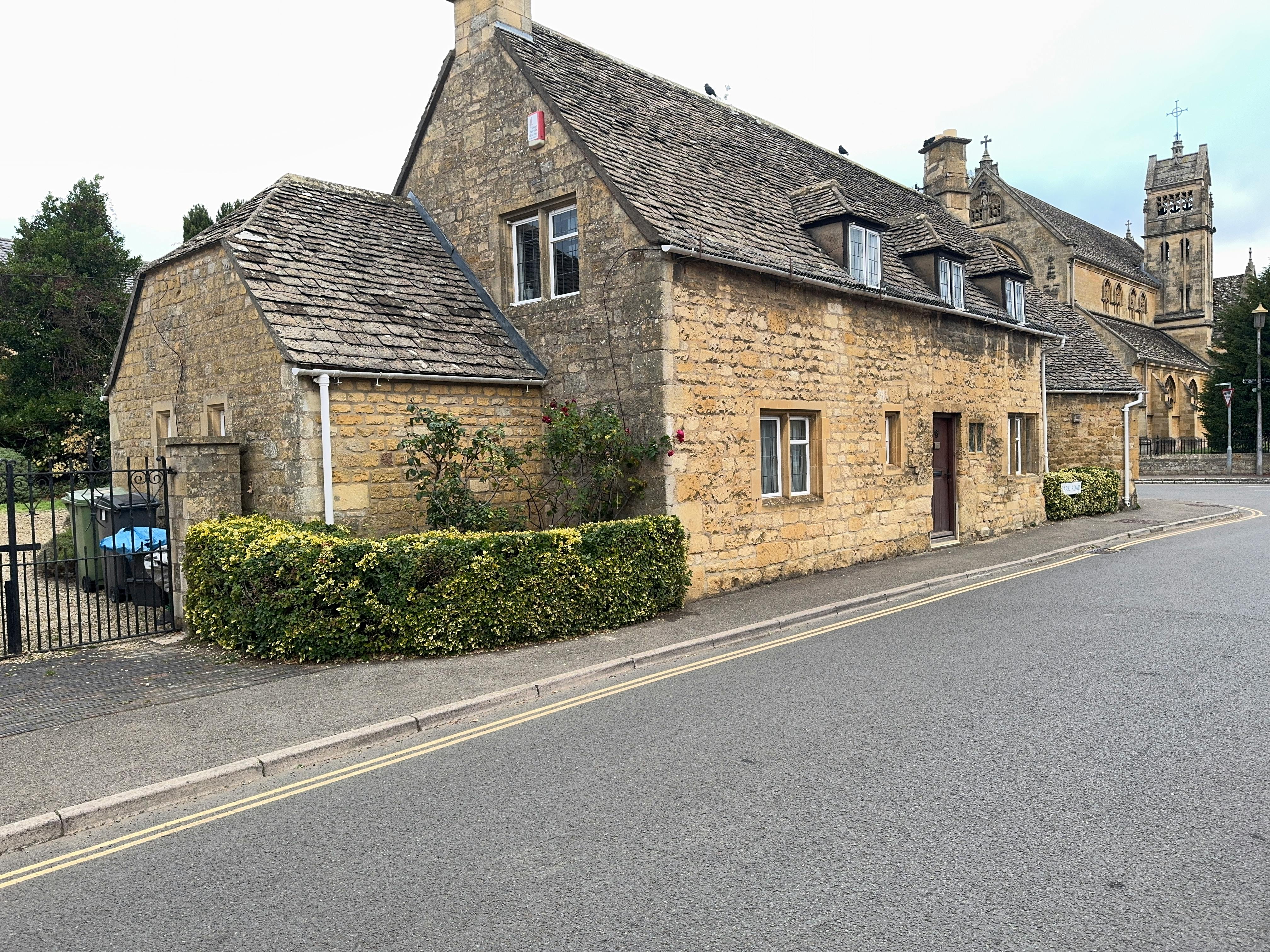
I arrived in Bourton-on-the-Water on a Thursday morning when the River Windrush was running high enough to actually flow rather than trickle, and I watched a family of ducks navigate the shallow ford that runs through the village high street. This is where Day 2 should begin — not because it’s the most famous (it isn’t), but because it’s the logical northern entry point and it gives you two full days to explore without the suffocating crowds that descend on Stow-on-the-Wold by mid-morning.
Spend your morning in Bourton wandering the honey-stone terraces and stopping at The Mousetrap (a genuinely excellent independent bookshop, not a tourist trap despite the name). Have lunch at The Kingham Plough — book ahead; a main course runs £16–22 — then drive 15 minutes northwest to Stow-on-the-Wold. The critical mistake most visitors make is arriving mid-afternoon and assuming the town is unbearably crowded. It isn’t. The tour buses leave by 4 p.m. If you time it right, you’ll have the Market Square almost to yourself by 5 p.m., when the light hits the stone perfectly and you can actually photograph the 15th-century coaching inns without 40 people in frame.
Spend your evening exploring the eight streets radiating from the square — Church Street has the best independent shops, and Digbeth Street is where locals actually eat. Book dinner at The Old Stocks Inn (mains £14–18) or The Porch House if you want something less touristy; it’s the oldest inn in England and serves proper pub food without the Instagram aesthetic.
On Day 3, use Stow as your base for a slow loop through Moreton-in-Marsh (8 miles south, excellent Tuesday market), Chipping Campden (7 miles north, the most architecturally pristine village but also the most crowded), and Symonds Yat if you have time. The drive between each is 20–30 minutes maximum. Petrol costs roughly £1.50 per litre. If you’re not driving, hop on the Cotswold Wanderer bus (day ticket £9.50) — it’s genuinely reliable and the driver will tell you which villages have decent tea rooms.
One local custom worth respecting: these villages are living communities, not theme parks. Don’t photograph people’s homes or gardens without asking, and avoid peak lunch hours (12:30–1:30 p.m.) when you’re genuinely in the way of locals trying to grab a quick pint.
Where to Stay: Hotels for Every Budget & Vibe
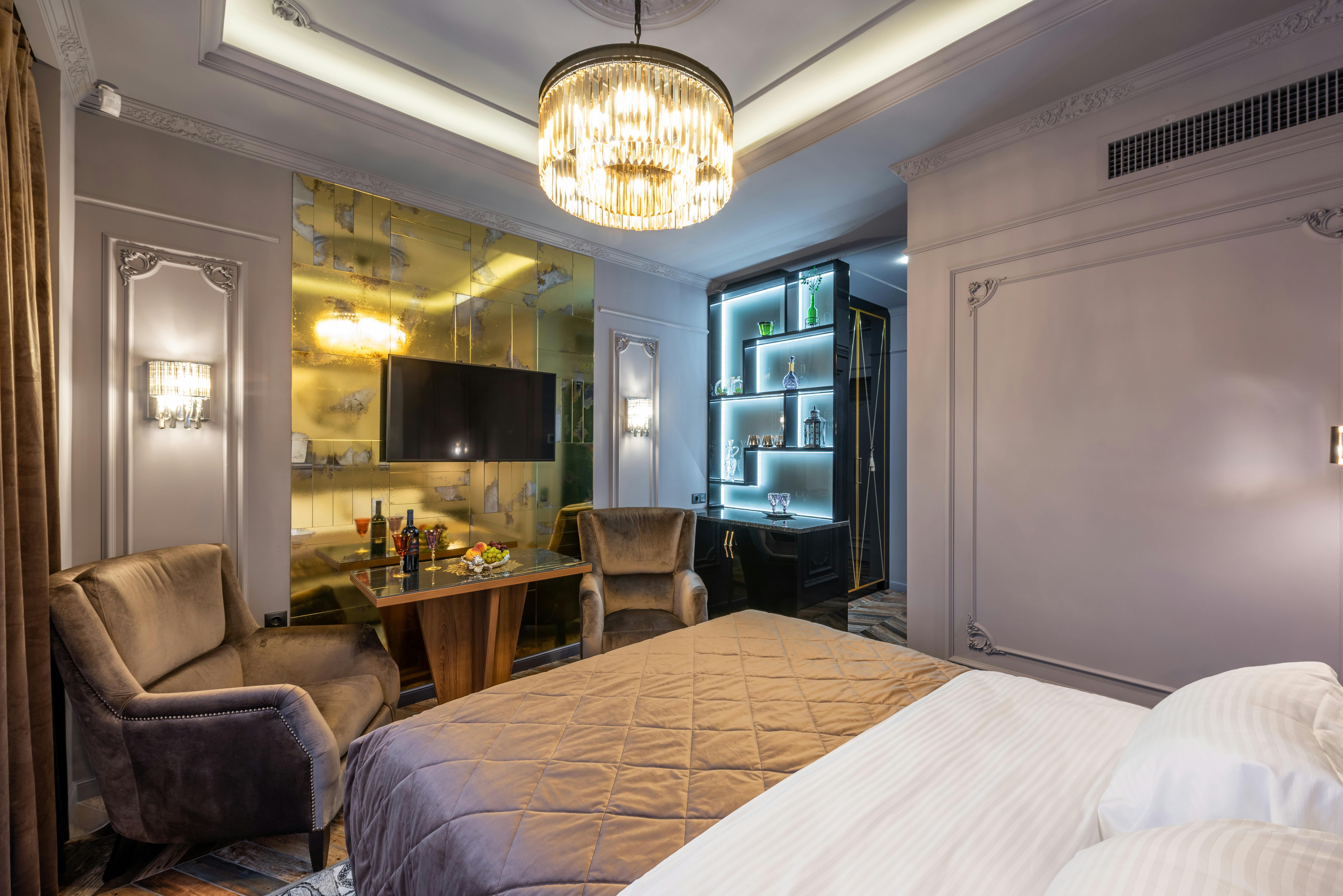
I made the mistake on my first Cotswolds trip of staying in Cheltenham—a larger town on the edge—and spent 40 minutes each morning driving to Bourton-on-the-Water. By night two, I’d moved to Stow-on-the-Wold itself. The difference was immediate: I caught the village at golden hour without tourists, found a proper local pub, and actually felt like I was staying somewhere rather than commuting through it. Location matters more than amenities here.
Budget tier (£60–90/night): The Cotswold House Hotel in Chipping Campden is genuinely excellent value—stone-built, period features, but without the fussy overpricing of nearby competitors. Rooms are small (this is a 16th-century building; expect it) but immaculate. Alternatively, The Swan Inn in Bibury sits right on the river for £75–85 and includes a decent breakfast. Both fill quickly in summer; book six weeks ahead if you’re visiting June–August.
Mid-range (£120–180/night): The Lygon Arms in Broadway is the safe choice—proper country-house hotel with a spa, but it feels corporate once you’re inside. I preferred The Slaughters Manor House in Lower Slaughter (£145–165): smaller, actually in a village rather than a tourist hub, with a restaurant that sources from local farms. The breakfast alone justifies the price. Book direct for a 10% discount.
Splurge tier (£200+/night): Calcot Manor near Tetbury is the one everyone mentions, and yes, it’s worth it—spa, Michelin-adjacent restaurant, genuinely warm staff. But the real secret is Whatley Manor (£280–350), also near Tetbury: smaller, less Instagram-famous, with an exceptional restaurant and far more personal service. Both require two-night minimums on weekends.
One critical thing most guides skip: Parking. If you’re driving, confirm your hotel has free parking before booking—many village hotels charge £8–15 per night extra, and street parking in popular villages is nightmarish in summer. Also, check whether breakfast is included; some hotels quote a lower room rate then add £15–20 per person for breakfast. The real cost matters.
CONCLUSION
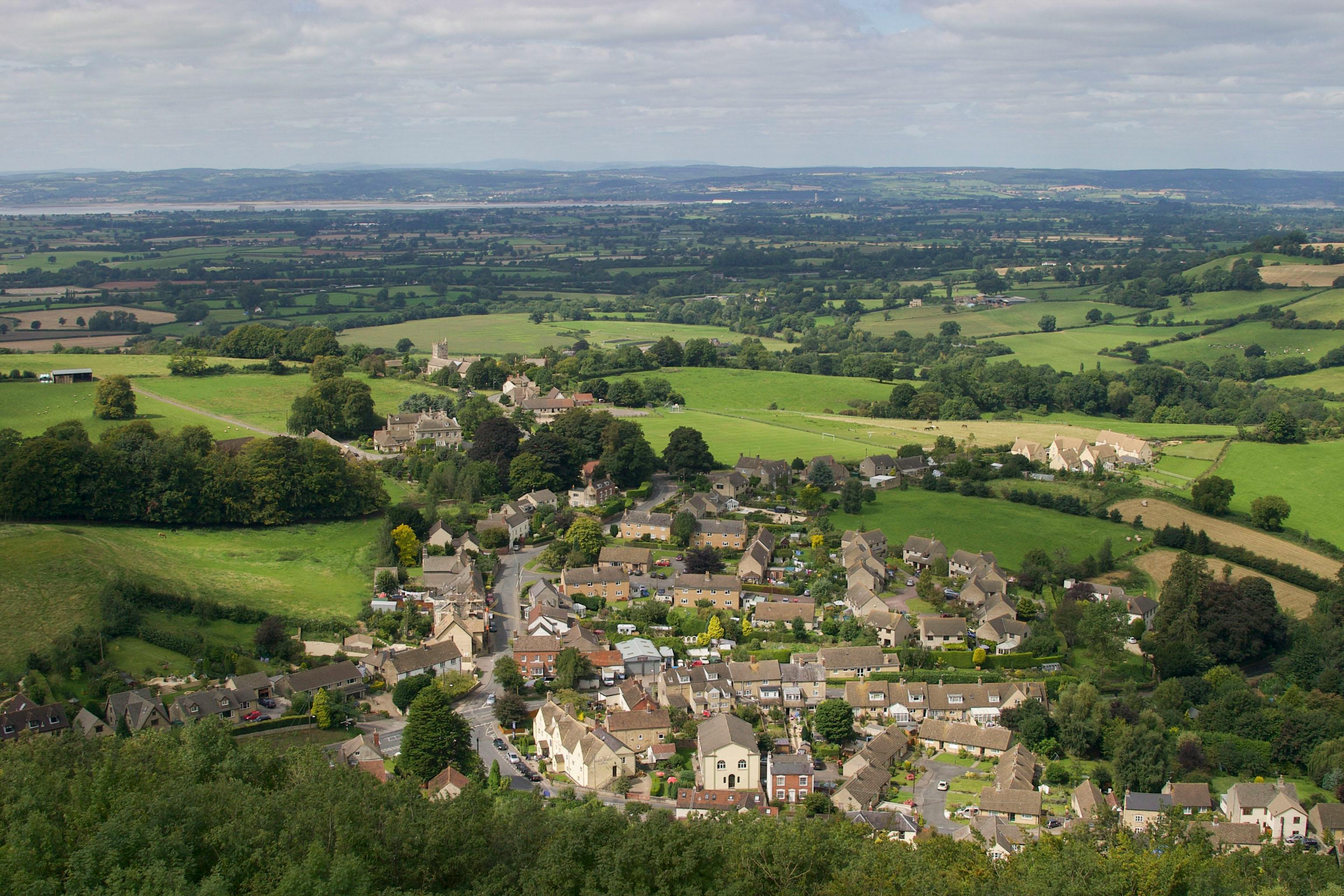
I left the Cotswolds on a grey Wednesday morning, and the last thing I did was buy a £4.50 coffee from a village café whose owner had spent twenty minutes the day before telling me about the exact footpath that would take me past a 12th-century church most tourists never find. That’s the real magic here—not the Instagram-perfect stone cottages (though yes, they’re stunning), but the fact that three days gives you just enough time to stop rushing and actually talk to people. You’ll see Bibury’s crowds on Day 1, yes, but by Day 3 in Stow-on-the-Wold or wandering the quieter northern villages, you’ll understand why this region has held its shape and character for centuries. The Cotswolds doesn’t demand much of you—it rewards slowness.
The practical reality: three days is genuinely the sweet spot. Two days feels like you’re perpetually packing; four days and you’re either repeating villages or padding out time that could be better spent elsewhere in England. You’ll spend roughly £200–350 on accommodation (depending on your chosen tier), another £80–120 on meals if you’re eating well but not extravagantly, and transport costs are minimal if you’ve sorted a car rental (£25–40 per day) or committed to the bus network (£15–20 for a three-day rover ticket). The biggest mistake I see visitors make isn’t overambition—it’s underestimating how much time you’ll want to spend simply sitting in a pub garden or walking without a destination. Budget for that. It’s not wasted time; it’s the entire point.
Before you book, check the UK government’s visa requirements for your nationality—most EU, US, Australian, and Canadian citizens get 6 months visa-free, but it’s worth five minutes of verification. Then pick your month: May or September offer the best weather-to-crowds ratio.
Avoid August bank holidays and half-terms unless you actively enjoy queuing. Once you’ve locked in your dates and accommodation, your only remaining job is to download offline maps of the villages you’re visiting (signal can be patchy) and decide whether you’re driving or leaning on buses and trains. Everything else will unfold naturally. The Cotswolds has a way of making that happen.