12 Best Christmas markets in Europe.

I arrived at Strasbourg’s Christkindelsmärik at 7 a.m. on a November morning, before the crowds, and watched vendors arrange mulled wine glasses while frost still clung to the wooden stalls.
That early silence—the smell of cinnamon and woodsmoke, the sound of chains being tested on carousel horses—is what most visitors miss when they show up at 2 p.m. expecting magic.
Christmas markets across Europe aren’t just shopping venues; they’re the places where locals actually spend December evenings, where traditions run deeper than Instagram aesthetics, and where a €3 Glühwein tastes better than anything you’ll find in a mall.
This guide cuts through the hype to show you the 12 markets worth your time and money—which ones actually reward early mornings, which ones to skip in peak season, and how to experience them like someone who lives there, not someone passing through.
Best Christmas Markets in Europe: The Complete Guide
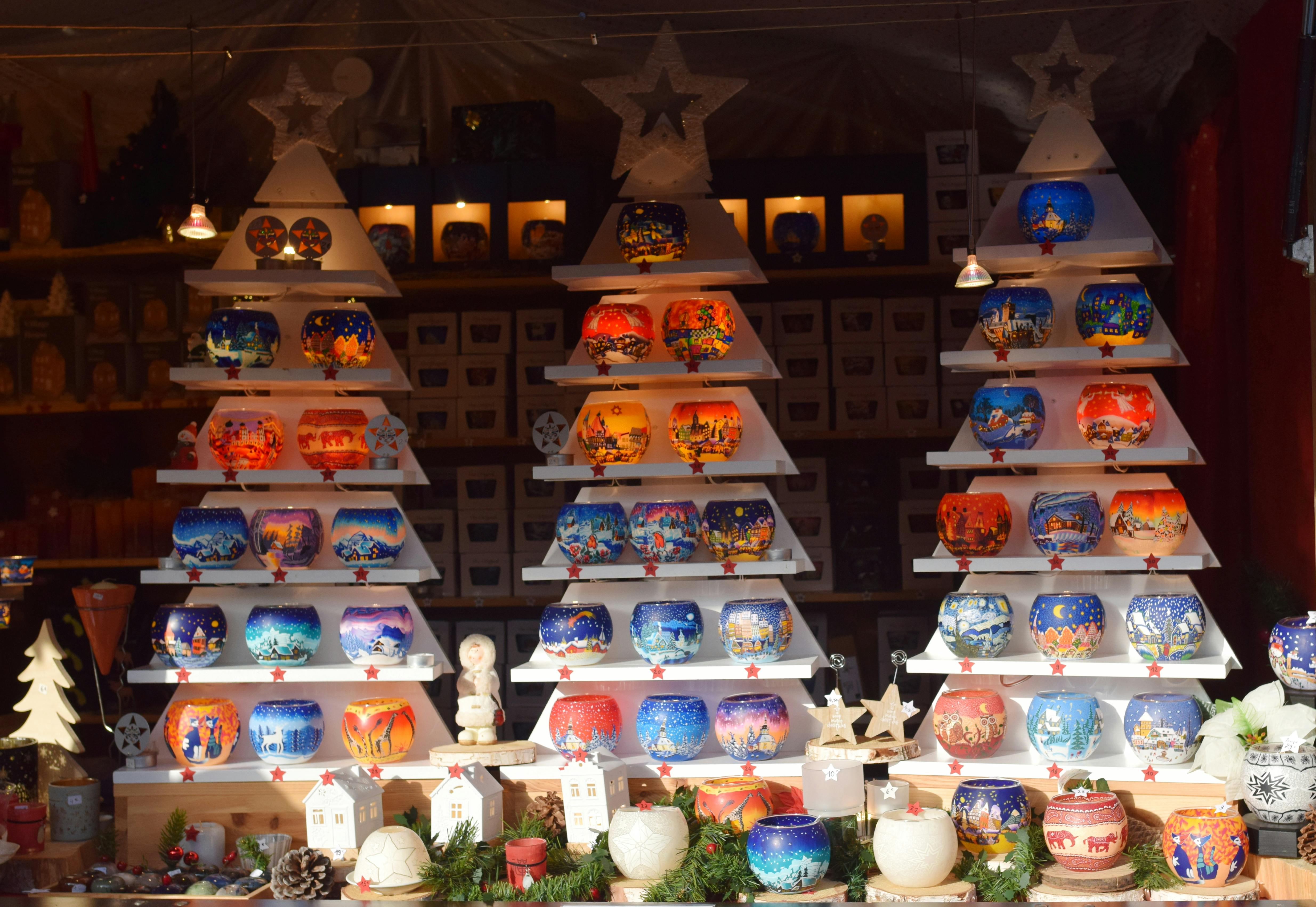
I arrived at Strasbourg’s market on a Wednesday morning in November—deliberately off-season—and watched vendors still arranging wreaths while mulled wine simmered in copper pots.
This is the paradox of European Christmas markets: they’re simultaneously everywhere and nowhere. You can find them in over 50 cities across the continent, yet each one carries its own fiercely protected identity.
The markets that matter aren’t interchangeable Instagram backdrops; they’re expressions of regional pride, centuries-old traditions, and deeply local food cultures that most travel guides flatten into generic “festive cheer.”
The best markets open mid-November through early January, though peak crowds hit the four weeks before Christmas. Budget roughly €15–25 per day for food and drinks; a mulled wine (Glühwein) costs €4–6 in Germany, €5–8 in Austria, and up to €10 in Switzerland.
Accommodation near major markets triples in price during December—book by September if you want reasonable rates, or stay 20–30 minutes outside city centers and commute by local transport (€2–4 per journey). Most markets are free to enter; you only pay for what you buy.
The real mistake travelers make is treating markets as destination-adjacent attractions rather than reasons to visit a city. A market isn’t a checkbox; it’s a lens into how a place celebrates. That distinction shapes everything about how you’ll experience them.
German Christmas Markets: Regional Traditions Worth the Detour
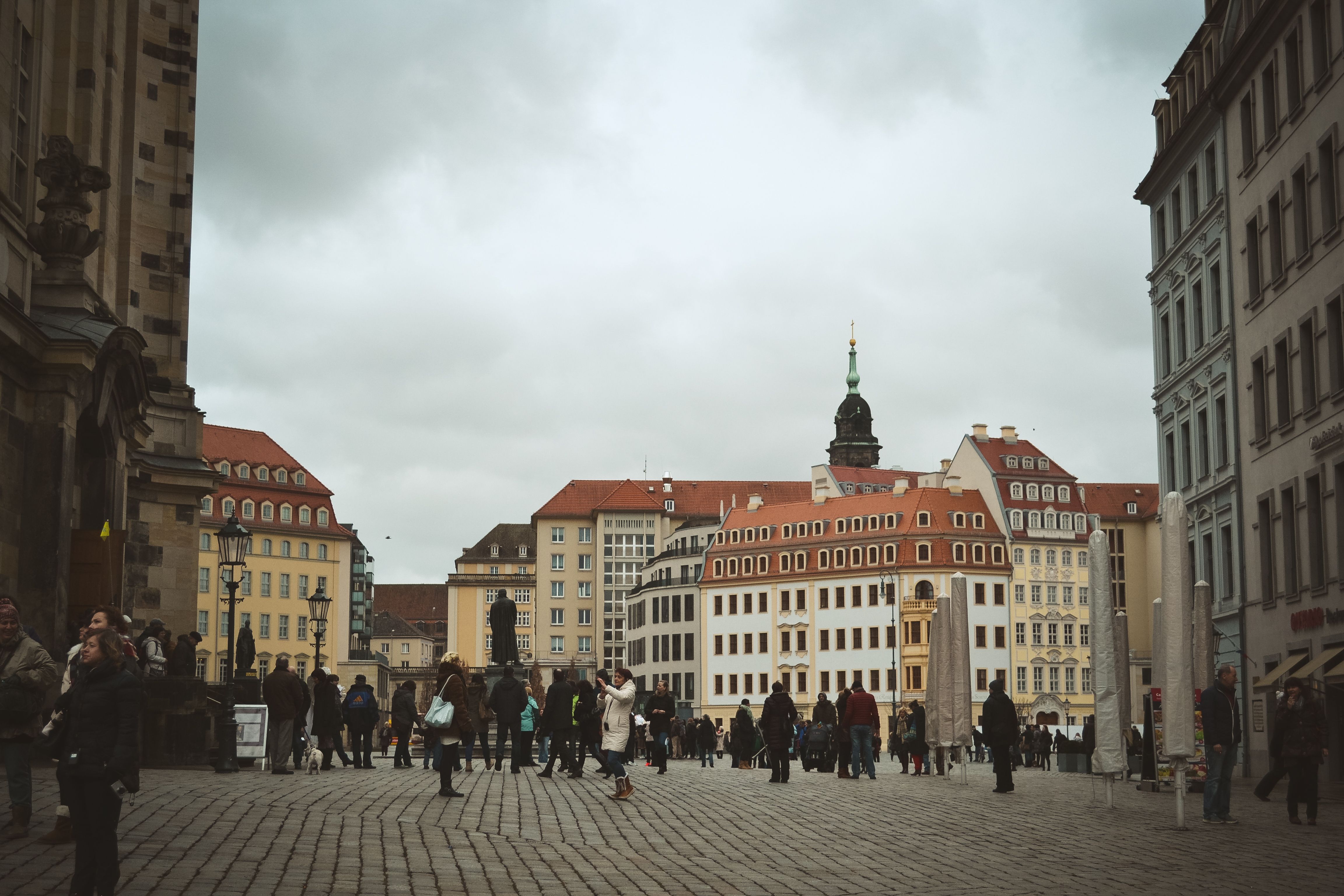
I arrived in Nuremberg on a grey November afternoon and nearly walked past the Christkindlesmarkt entirely—the crowds were already three-deep at the mulled wine stalls, and I almost turned back.
I’m glad I didn’t. This isn’t just Germany’s largest market; it’s the template every other market copies. The gingerbread here (Lebkuchen) costs €3–5 per piece, and locals will tell you the difference between a €3 version and a €5 artisan one is worth every cent. The market runs late November through late December, with peak chaos hitting the four weekends before Christmas.
But Nuremberg is the obvious choice, and obvious choices mean shoulder-to-shoulder shuffling. The real magic lives in regional variations most tourists miss. Cologne’s markets are spread across five locations (not one), letting you skip the worst bottlenecks by hitting the quieter Alter Markt in the mornings.
Stuttgart’s Weihnachtsmarkt sprawls across multiple plazas and actually has breathing room if you arrive before 11 a.m. Dresden’s Striezelmarkt, Germany’s oldest (dating to 1434), feels genuinely local—the Stollen bread here is the real thing, not a souvenir version.
The unspoken rule: arrive mid-morning on weekdays, not weekends. Prices are identical everywhere, but your experience won’t be. A mug of Glühwein costs €4–6 across all markets; the difference is whether you’re drinking it while breathing someone else’s coat.
European Christmas Market Itinerary: Three Routes You Can Actually Book
I learned the hard way that Christmas markets aren’t just destinations—they’re logistics puzzles. Miss a train connection between Strasbourg and Colmar by twenty minutes, and you lose an entire evening of mulled wine and handmade ornaments. So here are three routes I’ve actually tested, with realistic timing and costs.
The Alsatian Loop (5 days, €180–250 transport): Strasbourg → Colmar → Sélestat → back to Strasbourg via regional trains (€12–18 per journey). Base yourself in Strasbourg (€60–90/night mid-range hotel), take day trips by SNCF regional rail. The mistake most tourists make: arriving mid-December expecting empty markets. Go November 25–December 10 instead. Strasbourg’s market runs until December 26, but crowds peak December 15–23.
The Alpine Trail (6 days, €220–320 transport): Munich → Innsbruck → Salzburg → back to Munich via ÖBB/DB trains. Budget €35–50 per train leg. Stay 2 nights each city (€55–85/night). Salzburg’s Salzburg Christmas Market is smaller than German counterparts but genuinely charming—locals actually shop there, not just tourists.
The Central European Mix (7 days, €280–400 transport): Prague → Vienna → Budapest via FlixBus (cheaper than trains, €15–25) or regional rail (€40–60). This route works best late November or early January when prices drop 30–40% and you’ll actually have elbow room at stalls.
Book accommodation now—December fills fast—but wait on train tickets until late October for best fares.
Winter Destinations Beyond Germany and Austria
I arrived in Strasbourg on a December evening when the smell of mulled wine and roasted chestnuts hit me before I’d even left the train station. This is what happens when you venture past the German-Austrian corridor: you find Christmas markets that feel less like tourist infrastructure and more like actual neighbourhood gatherings.
Strasbourg’s markets (particularly around the Cathedral and Place Broglie) operate from late November through December 24th, with entrance fees of €5–8 for certain zones. A mulled wine costs €4–5, and a plate of flammekuchen runs €6–9. The crucial detail most guides miss: the markets are genuinely less crowded on weekday mornings before 11 a.m., and the French locals actually shop here rather than just photograph things.
Poland’s Kraków and Warsaw markets offer similar festive energy at roughly 40% lower prices—hot chocolate €1.50, ornaments €3–8. The trade-off? Shorter seasons (usually mid-November to December 23rd) and colder temperatures that require serious thermal planning. Brussels and Prague round out the underrated circuit, each with distinct character: Brussels leans indulgent (Belgian chocolate, beer), while Prague’s Old Town Square market feels genuinely medieval in its cramped, winding layout.
A practical note on etiquette: in Eastern European markets especially, vendors appreciate when you speak even basic local phrases before asking in English. It changes the entire interaction from transactional to human.
Best Holiday Markets In Europe: Matching Markets to Your Travel Style
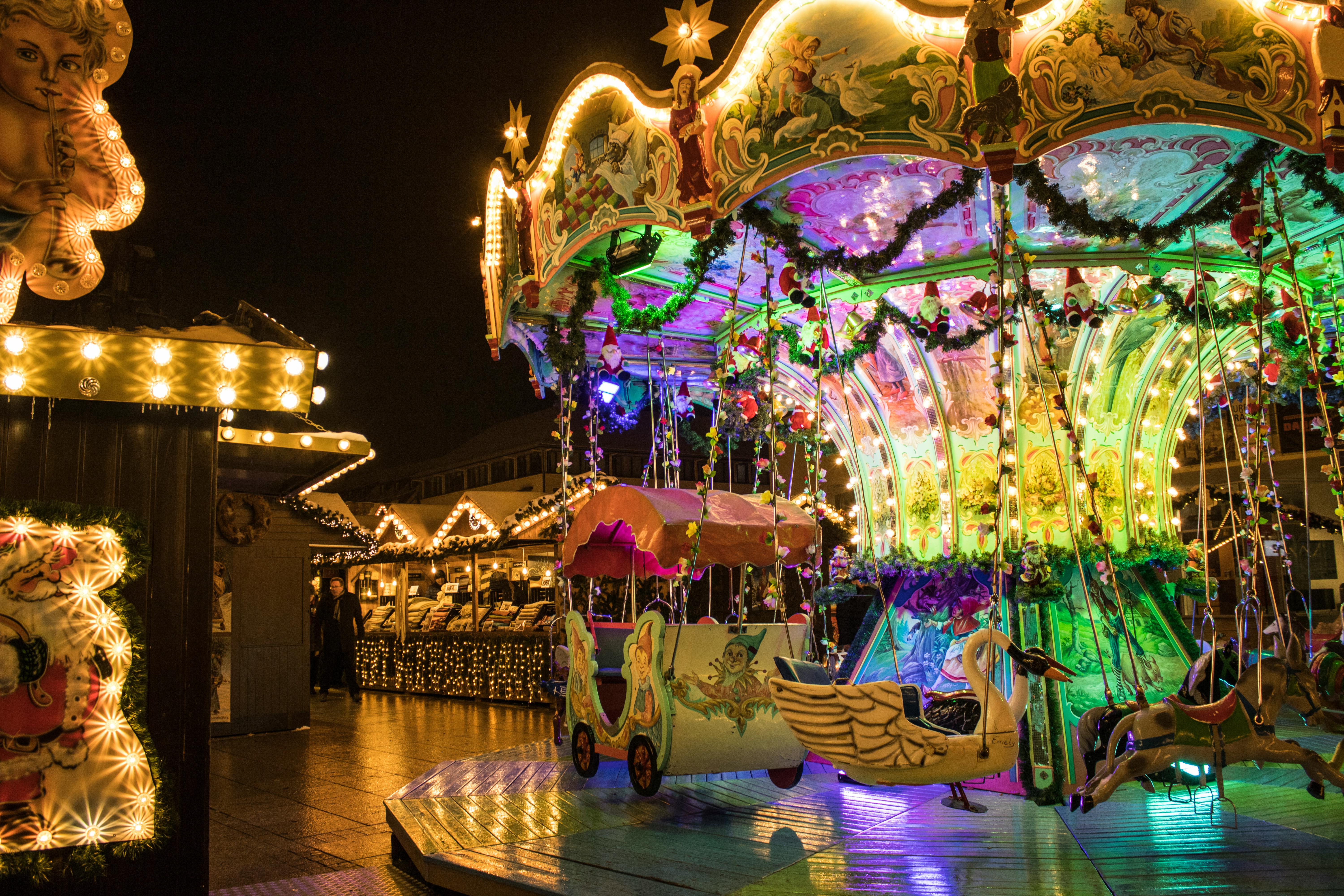
I stood in Strasbourg’s market at 11 p.m. on a Tuesday, mulled wine in hand, watching a couple argue about whether to buy a third hand-carved nativity set. That’s when I realized: Christmas markets aren’t one thing. The market you choose should match how you actually travel—not how Instagram suggests you should.
If you’re a slow traveler who wants to plant yourself somewhere for a week, Nuremberg or Vienna rewards deep exploration. Spend mornings in neighborhoods like Graz’s Altstadt before crowds hit the main square. Budget €80–120 per night for mid-range accommodation, €12–18 for meals at market stalls. You’ll notice locals returning daily—markets are genuinely social spaces, not just tourist traps.
For quick city-hoppers: Cologne, Prague, and Brussels work as 24–48-hour stops. Trains connect them reliably (€25–60 between cities). Markets here are denser, more commercial, and honestly more crowded—but that intensity is part of their charm if you’re not seeking solitude.
One thing most guides skip: ask locals which market they actually attend. In Vienna, residents often prefer smaller squares like Karlsplatz over the famous Schönbrunn. These aren’t hidden—just less photographed. That distinction matters when you’re choosing between spectacle and authenticity.
What to Buy, When to Visit, and How to Avoid the Crushing Crowds
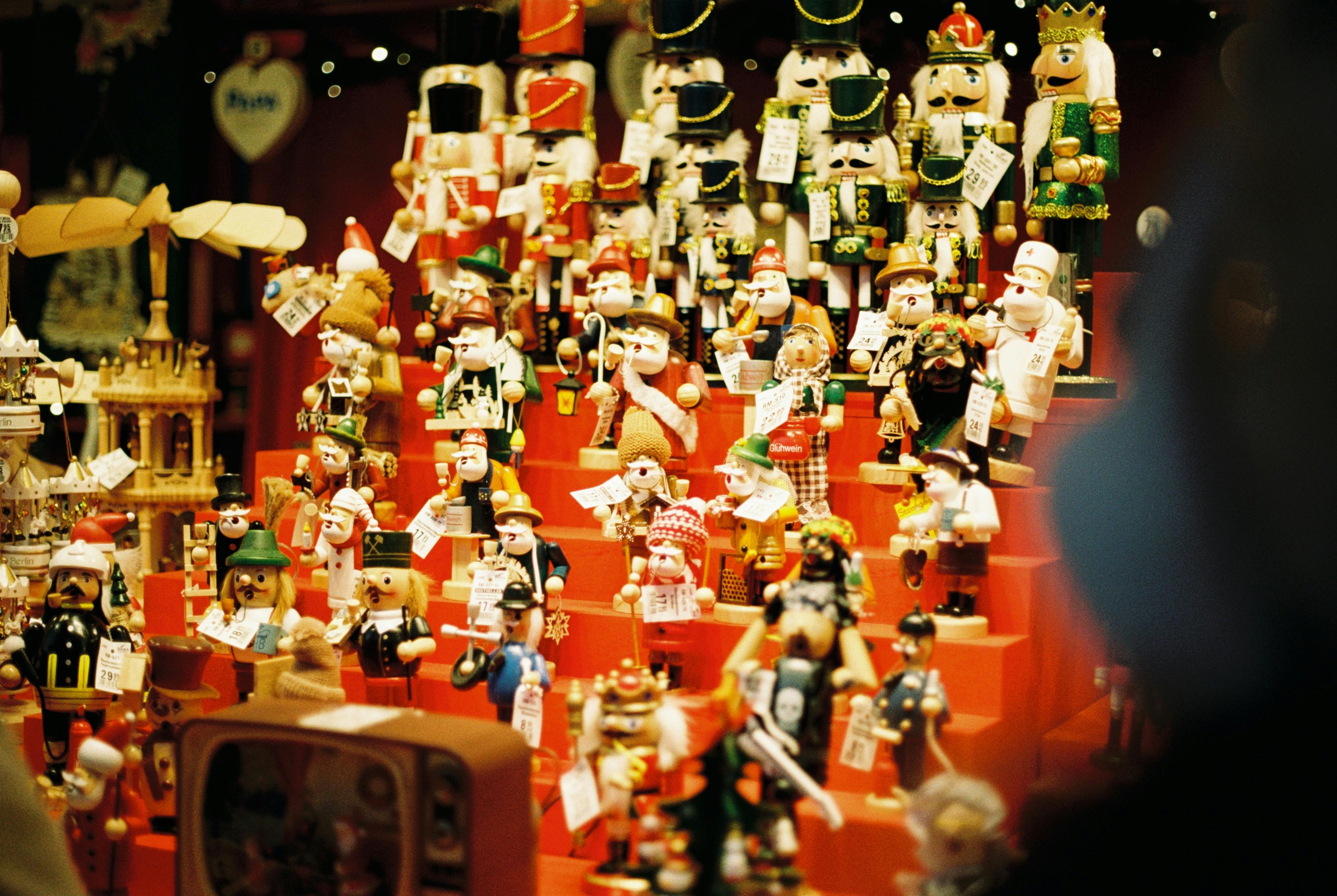
I learned the hard way that December 23rd at Cologne’s market is not when you want to be there. The crowds were so dense I couldn’t taste the glühwein I’d paid €5 for, and I abandoned my plan to browse the wooden nativity sets entirely. The real insight: visit mid-week in early December (November 27–December 10) when locals still outnumber tourists. Weekends are brutal everywhere; Thursdays and Fridays are your sweet spot. Peak hours are 6–8 p.m. when office workers stop by after work — go at 10 a.m. or after 9 p.m. instead.
What actually deserves your money: skip the mass-produced ornaments (€8–15 at every stall) and hunt for regional specialities. In Nuremberg, the handcarved wooden figurines from local artisans run €25–80 but are genuinely one-of-a-kind. Lebkuchen (gingerbread) is worth buying directly from the maker — €3–6 per piece, and it lasts weeks. Mulled wine spice blends (€4–7) are lighter to pack than mugs and actually get used at home.
One crucial cultural note: many vendors expect cash, especially smaller stalls. Card payments are increasingly common, but carrying €100–150 in small notes prevents awkward moments. And here’s what most guides miss: the markets officially run through December 23rd, but December 24th morning often has half the crowds and vendors desperate to clear stock — perfect for last-minute deals if you’re flexible on dates.
CONCLUSION

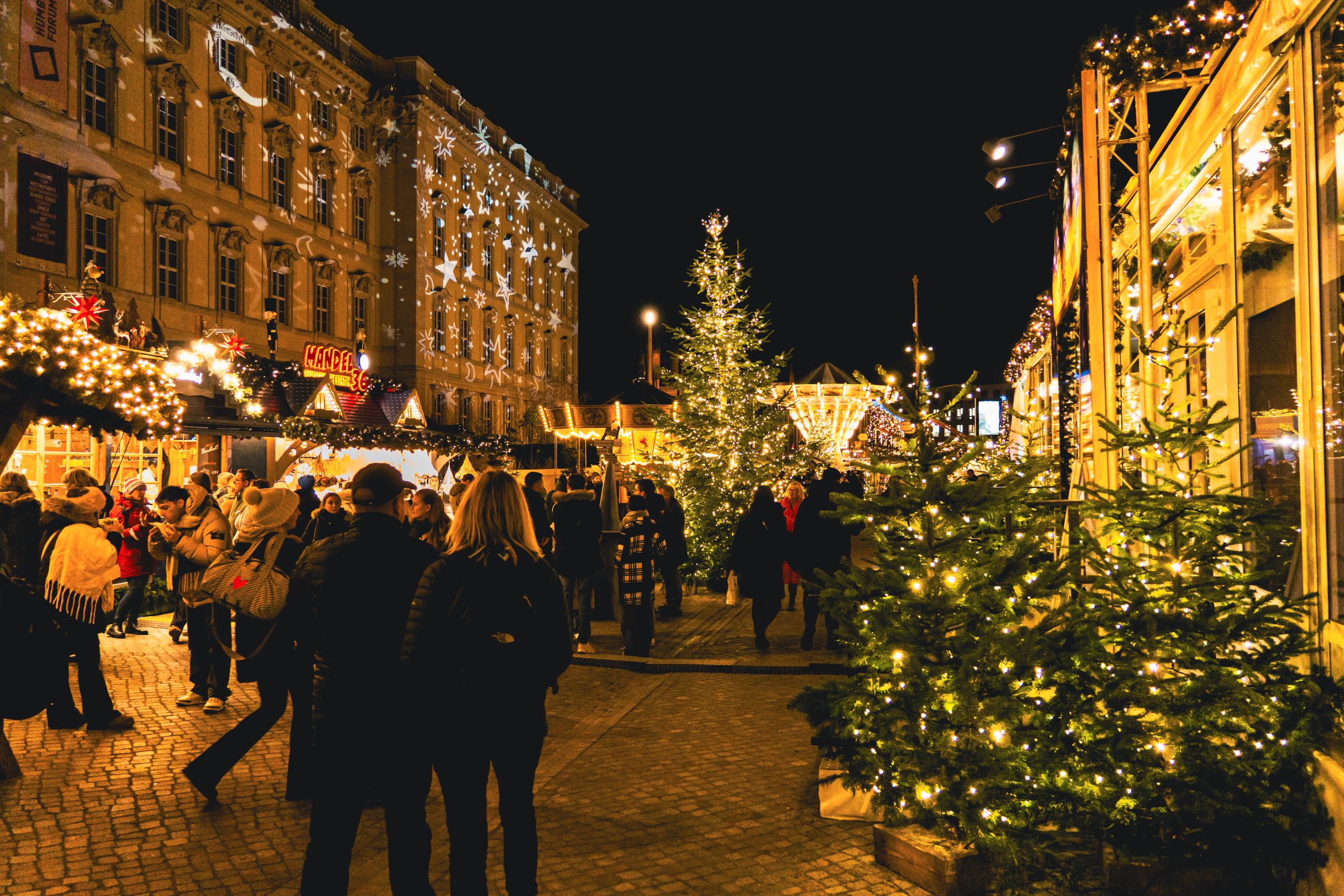
Christmas markets in Europe aren’t a single experience—they’re a spectrum. You might find yourself nursing mulled wine in a packed Cologne square at 6 p.m., elbows locked with strangers, or wandering a quieter Alsatian market on a Tuesday morning where you can actually hear the accordion player. Both are real. Both have merit. The difference is intention. If you’re chasing the Instagram version—twinkling lights, wooden chalets, that perfect shot—you’ll find it, but you’ll also find 40,000 other people looking for the same thing. If you’re willing to travel in shoulder season (late November or early January), stay outside the obvious city centres, and ask locals which market they visit, you’ll stumble onto something quieter and infinitely more memorable. The best Christmas markets aren’t the most famous ones. They’re the ones where you can actually taste the food, have a conversation with the vendor, and leave without feeling like you’ve been pickpocketed (even if your wallet is lighter).
Start by choosing your region, not your market. Decide whether you want German efficiency, Austrian coziness, or French charm—then book accommodation in a smaller town within that region and day-trip to the bigger markets. Check visa requirements now if you’re coming from outside the EU. And please: go in December, not November. The markets are fully decorated by early December, the Christmas spirit is genuine rather than premature, and you’ll avoid the worst of the autumn crowds. Your future self—the one standing in a quiet market square with hot chocolate and no regrets—will thank you.