Must See Places in North Devon England

just Atlantic waves hitting Woolacombe’s three-mile stretch of golden sand, and you’ve got the beach entirely to yourself. This is North Devon at its quietest, before day-trippers arrive, before you remember why you chose this corner of England over the Instagram-saturated chaos of South Devon and Cornwall.
While tourists queue for parking in Padstow and fight for space on Fistral Beach, North Devon remains the coast that savvy travelers keep quietly to themselves: dramatic, accessible, and refreshingly uncrowded.
This complete guide reveals exactly why North Devon deserves your precious vacation time, with specific beaches, authentic villages, and practical planning advice that’ll help you maximize every moment.
Why North Devon England Should Be Your Next UK Escape
North Devon delivers the dramatic coastal scenery you’d travel to Cornwall for, with fewer crowds and often better value—particularly if you visit during shoulder seasons (May, early June, September) when weather remains good but schools are still in session.
The landscape is genuinely spectacular: rugged Atlantic coastline meeting Exmoor moorland, with golden sandy beaches and hidden coves all within minutes of each other.
Unlike South Devon’s mellower beaches, North Devon faces the Atlantic directly, which means consistent swells for surfers, more dramatic cliff formations, and that edge of wildness that makes a coastal escape feel genuinely adventurous.
The practical advantages matter just as much as the scenery. Woolacombe and Croyde are accessible from Bristol (90 minutes), Exeter (45 minutes to Barnstaple), and London (4.5 hours by train to Barnstaple, then 30 minutes by car). That proximity means you’re not burning precious vacation days on travel.
More importantly, North Devon functions for residents first and tourists second. You’ll find independent cafés that serve actual locals, villages where you can still buy a newspaper from a proper newsagent, and restaurants that don’t exist solely for Instagram.
Here’s what most guides miss: North Devon’s accommodation fills more slowly than South Devon and Cornwall, which means you can often book 8 weeks out instead of 6 months out, and prices remain 15-25% lower even in peak August. The beaches genuinely rival anywhere in Britain for drama and beauty.
This isn’t a resort destination—it’s authentic coastal England where you’ll need to plan restaurants ahead and won’t find a Starbucks on every corner. Plan accordingly, and you’ll discover something increasingly rare: a British seaside escape that feels genuinely special.
North Devon Beaches: Where to Spread Your Towel
Woolacombe: The Three-Mile Showstopper
Woolacombe’s golden sand stretches from Putsborough to Morte Point, backed by dunes that rise dramatically behind the beach.
This is the most famous North Devon beach for good reason: it’s genuinely spectacular, with lifeguards in summer, multiple surf schools, and facilities that work.
The insider tip most guides skip: park at Putsborough end rather than central Woolacombe village. You’ll find easier parking, access to the quieter northern stretch, and avoid midday congestion.
Alternatively, visit after 4 PM when day-trippers leave and you’ll have significantly more space. High tide eliminates most usable sand, so check tide times before heading down—low tide doubles the beach width and reveals rock pools on the northern end.
Croyde: The Authentic Surf Village
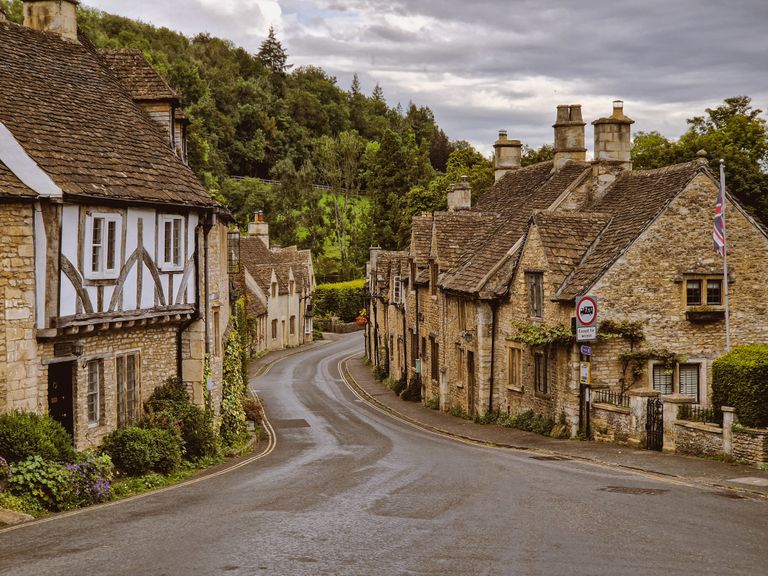
Croyde is England’s surf heartland, with consistent Atlantic swells year-round. What makes it different isn’t just the waves—it’s that the village has retained genuine character. Thatched cottages line narrow streets, independent cafés serve coffee to locals and visitors alike, and the surf culture feels organic rather than commodified.
The beach itself is smaller than Woolacombe but perfectly formed, with excellent rock pooling on the northern end at low tide.
Arrive early June through August, or you’ll struggle to find parking in peak summer. A 10-minute walk north along the coastal path delivers significantly quieter beach access. Croyde is perfect if you want to combine beach time with village atmosphere.
Saunton Sands and Quieter Alternatives
Saunton Sands is vast—three miles of beach backed by Braunton Burrows, a UNESCO Biosphere Reserve of rare plants and dunes. Even in peak summer, you can walk ten minutes and find your own patch of sand.
The beach is dramatic and slightly wilder than Woolacombe, with stronger currents that make it better for confident swimmers than small children.
For genuinely secret alternatives, seek out Barricane Beach (tiny shell-sand cove near Woolacombe, perfect for small children), Grunta Beach at Clovelly (pebble beach requiring a steep walk down—you’ll likely have it to yourself), or Combesgate Beach (accessed via footpath, no facilities but no crowds).
Beach access can change seasonally due to erosion, so verify current access before planning your day around a specific smaller beach.
Devon Villages That Capture the Authentic Spirit
Clovelly: Picturesque with Honest Trade-Offs
Clovelly tumbles down a cobbled street to a working harbor in a way that feels almost impossibly picturesque—whitewashed cottages, 400 years of maritime history, and zero vehicles allowed.
This authenticity comes with a cost: entrance fees apply (around £8-9 for adults), and the village gets overwhelmed with day-trippers between 11 AM and 3 PM during summer.
The local secret is visiting after 4 PM when day-trippers leave, or staying overnight in one of the village’s guesthouses. At dawn or dusk, Clovelly transforms back into the quiet fishing village it actually is.
The harbor is genuinely working—fishermen still land boats here—and the cobbled street has a magic that justifies the hype once the crowds clear.
Appledore: Maritime Heritage Without Tourist Tat
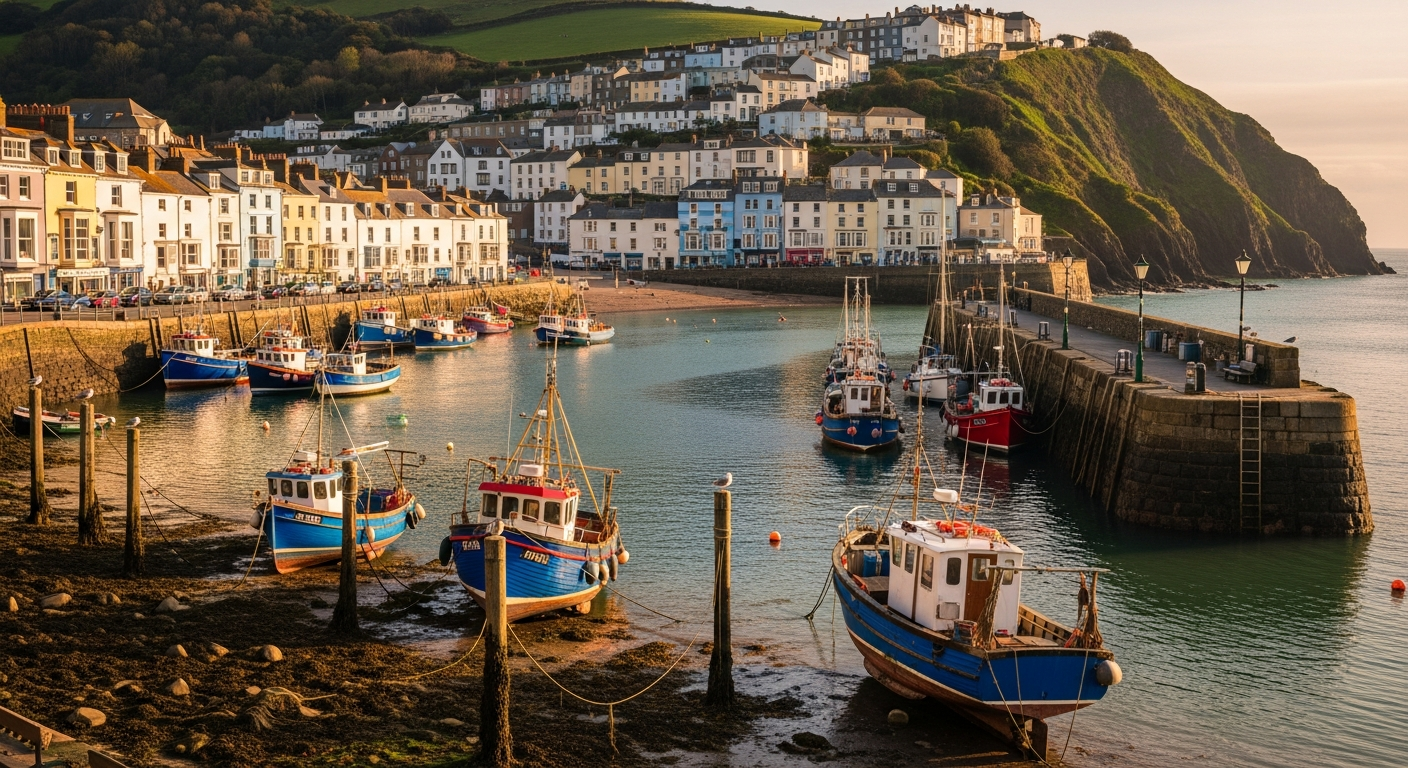
Appledore is what Clovelly might be if it belonged to the locals rather than visitors. Pastel Georgian cottages line narrow streets overlooking a working shipyard. The harbor actually functions—fishing boats, pleasure craft, and the genuine maritime economy that built these towns.
Independent galleries, antique shops, and cafés serve locals primarily, which means they’re genuinely good rather than optimized for Instagram. Appledore works beautifully as a base for exploring North Devon.
Accommodation often costs less than Woolacombe or Croyde, you’re minutes from beaches, and the town has actual infrastructure—proper supermarkets, restaurants, pubs where locals drink.
Wander down to the waterfront at dusk when fishing boats return, grab dinner at an independent restaurant, and you’ll understand why people who know North Devon choose to stay here.
Braunton: Your Practical Hub
Braunton is England’s largest village and your practical anchor for exploring North Devon. It’s less picturesque than Clovelly or Appledore, but infinitely more useful: proper supermarkets, surf shops, restaurants, and services that actually serve residents.
The Museum of British Surfing is worth 45 minutes on a rainy afternoon and reveals why this region became England’s surf capital.
Base yourself in Braunton if you want better accommodation value and flexibility. You’re 10 minutes by car to Woolacombe and Croyde beaches, 20 minutes to Appledore, and 30 minutes to Ilfracombe.
Accommodation here books later than coastal villages and costs 20-30% less. You sacrifice the immediate beach atmosphere but gain practical convenience and authentic village life where tourism is secondary to actual living.
Devon Travel Guide: Coastal Walks and Outdoor Adventures
South West Coast Path: The Ultimate Sections
The South West Coast Path runs 630 miles from Minehead to Poole, but the North Devon sections deliver some of England’s most dramatic coastal walking without the Cornish crowds.
The Mortehoe to Woolacombe section (3 miles, moderate) offers dramatic cliff-top views and Morte Point’s seal colony. Baggy Point circular (4 miles from Croyde, moderate) is a headland loop delivering 360-degree views: moorland behind, cliffs ahead, sea in all directions.
Combe Martin to Ilfracombe (5 miles, challenging) includes serious climbs and breathtaking Atlantic panoramas that justify every steep step.
Essential kit: proper walking boots with ankle support (muddy even in summer), an OS map or downloaded offline route (mobile signal is patchy on cliff paths), and layers for wind.
The Atlantic coast generates its own weather system—you can start in sunshine and encounter fog or rain within 20 minutes.
Check tide times if your route includes beach sections. Coastal path conditions change seasonally due to erosion, so verify current conditions before planning a specific route.
Beyond Walking: Active Adventures
Surf lessons are available in Croyde and Woolacombe—2-hour taster sessions cost approximately £40-60 and work for absolute beginners.
Coasteering (guided scrambling, swimming, and cliff-jumping around Ilfracombe) delivers genuine adventure if you’re comfortable with exposure and cold water. Mountain biking trails exist at Braunton Burrows and throughout Exmoor (30 minutes inland).
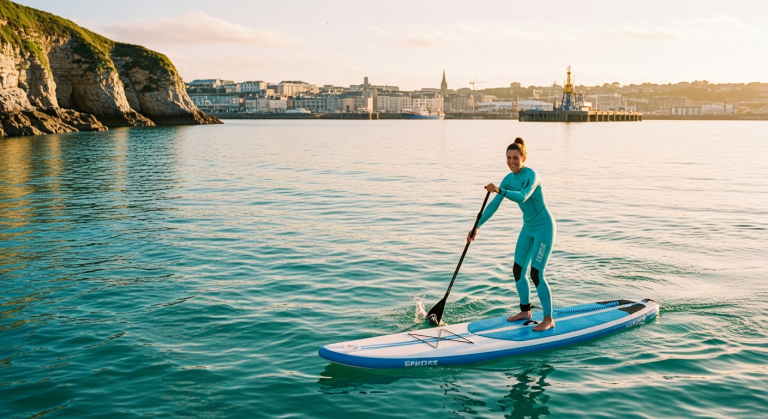
Wild swimming at Watersmeet (Exmoor’s wooded valley) or designated beach spots offers genuine immersion, though the Atlantic stays cold year-round—wetsuits are essential even in July. Book activity providers in advance during summer, as availability changes seasonally.
Places to Visit in Devon When the Weather Turns
National Trust Properties and Indoor Alternatives
British weather is inevitable. Arlington Court (National Trust property near Barnstaple) is a Regency house with an extensive carriage collection and grounds—genuinely entertaining for 2-3 hours even in rain.
Watersmeet House on Exmoor is a Victorian fishing lodge in a stunning wooded valley with an excellent café and short walks that work even in drizzle.
Marwood Hill Gardens spans 20 acres of rare plants and three lakes—underrated and uncrowded compared to famous gardens elsewhere in Devon.
Market towns provide proper browsing when beaches aren’t viable. Barnstaple’s Pannier Market (covered Victorian market) operates Tuesday through Saturday with genuine local goods.
South Molton’s Thursday market and independent butchers/bakers feel authentically local. Great Torrington has a Dartington Crystal factory shop and RHS Rosemoor Gardens 10 minutes away.
These indoor and covered options let you experience authentic North Devon England even when the Atlantic is throwing sideways rain.
The Quirky and Unmissable
Damien Hirst’s Verity statue dominates Ilfracombe’s harbor—a 20-meter bronze pregnant woman with a sword, controversial and impossible to miss.
Clovelly Court Gardens (separate from the village) preserves walled gardens dating to 1740, peaceful even when the village itself is mobbed. Lynton and Lynmouth’s Cliff Railway is a Victorian water-powered funicular connecting twin towns 500 feet apart—a genuine engineering marvel and unexpectedly entertaining.
These quirky attractions reveal North Devon’s personality beyond beaches and are experienced with genuine locals rather than in queues.
Devon Travel Destination Ideas: Where to Base Yourself
Your base location determines everything about your North Devon experience. Choose Woolacombe or Croyde if you want to wake up steps from sand and fall asleep to ocean sounds.
You’ll sacrifice value and flexibility—accommodation books 6+ months ahead for summer weeks, costs run premium (£120-200 per night for mid-range options), and restaurants often require advance booking. These villages work perfectly for beach-focused families or serious surfers willing to pay for immediate access.
Choose Barnstaple or Braunton if you want better value and flexibility. Accommodation remains available even in peak summer when coastal spots are fully booked, costs 20-30% less, and you have access to proper supermarkets and restaurants.
You sacrifice the immediate beach atmosphere but gain practical convenience. You’re 10-15 minutes by car to beaches, so the trade-off is genuinely worth considering if you’re staying longer than a long weekend.
Ilfracombe offers a middle ground: a proper Victorian seaside town with harbor atmosphere, restaurants and pubs, and coastal access without being as beach-focused as Woolacombe. The beaches here are smaller and rockier, but the town infrastructure is superior.
Tunnels Beaches (hand-carved Victorian tunnels leading to sheltered tidal pools) are genuinely unique—you won’t find this anywhere else on the English coast.
CONCLUSION: Planning Your Perfect North Devon Escape
The single most important takeaway: North Devon delivers dramatic coastal scenery rivaling anywhere in Britain, with fewer crowds and better value than South Devon and Cornwall—but only if you plan strategically.
Book accommodation 6-8 weeks minimum for summer (8-12 weeks for peak July-August weeks), download offline OS maps for coastal walking, and check tide times before each beach day.
Verify beach access and activity operator availability before committing, as these change seasonally. Pack for variable weather even in summer—layers, waterproofs, and wetsuits if you’re swimming.
Allow 50% more driving time than Google Maps suggests on North Devon’s narrow lanes; a 10-mile journey can take 30 minutes behind tractors and holiday traffic.
Your next move: decide whether you want beach-immediate convenience (book Woolacombe or Croyde now for summer dates) or practical flexibility (search Barnstaple and Braunton for better availability and value).
Then download the South West Coast Path Association’s route guides, check current tide tables for your chosen beaches, and verify opening hours for any indoor attractions you’re planning.
North Devon England isn’t a resort destination—it requires slightly more planning than arriving somewhere and expecting everything to be available.
Plan accordingly, and you’ll discover a coastal escape that genuinely feels special rather than like a compromise for not flying to Europe.