Lake Faaker See, Austria Guide

Discover Lake Faaker See in Carinthia—Austria’s most beautiful lake alternative to Hallstatt. Swimming, cycling, hiking & practical travel guide for 2024.Edit
You’re standing at Drobollach beach on Lake Faaker See, and there are exactly four other people here. No tour buses. No Instagram influencers repositioning themselves for the hundredth shot.
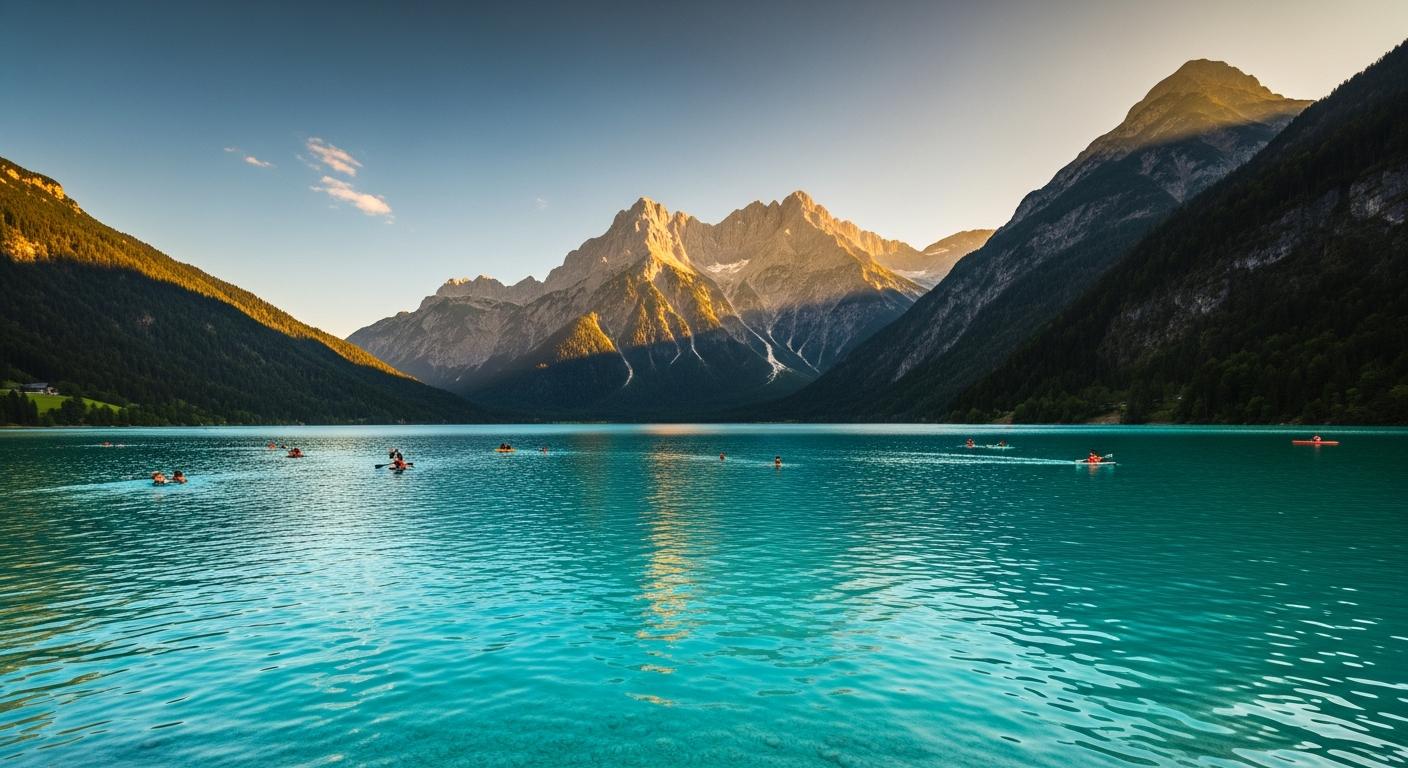
Just the Karawanken Mountains rising sharp and grey behind the water, and the realization that you’ve found what everyone else is searching for while standing in Hallstatt’s suffocating crowds.
This is the Austrian lakes experience that actually delivers on the promise. Not a photo op masquerading as a destination. Lake Faaker See sits in southern Carinthia, 30 minutes from the Slovenia border, and it’s been quietly absorbing Austrian and German families for decades while international tourists barrel past toward the same five Instagram-famous lakes everyone else visits.
You’re overwhelmed choosing between Austria’s lakes. You want authentic experiences, not selfie-stick crowds. You need practical logistics—where to park, what to actually do, how long to stay—not just pretty pictures. And you’re terrified of missing hidden gems while following the same tired itinerary as everyone else.
This guide solves that. Here’s why Lake Faaker See deserves your limited vacation time, exactly how to get there, what to do when you arrive, and how to build it into a two-lake Austria-Slovenia road trip that will redefine what you thought an alpine lake experience could be.
Why Lake Faaker See Is One of Austria’s Most Beautiful Austrian Lakes (Without the Crowds)

The turquoise color isn’t a filter or a camera trick. Lake Faaker See’s water gets its signature mineral-infused brilliance from glacial sediment suspended in the lake bed—the same geological process that creates that impossible blue you see in Lake Bled. Except here, you can actually swim in it without elbowing past 2,000 other visitors.
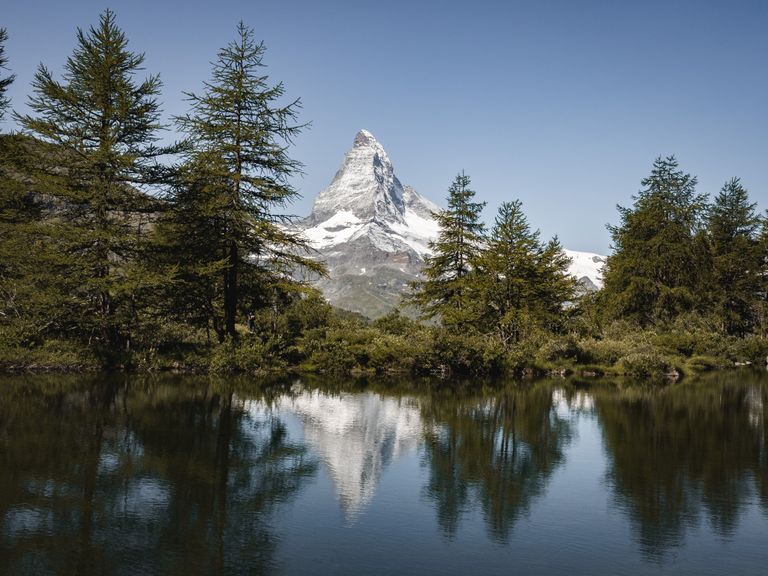
The Karawanken Mountains form a dramatic natural amphitheater behind the water. Unlike flatter Austrian lakes that spread wide and unremarkable, Faaker See is framed by sharp limestone peaks that turn pink at dusk and provide genuine alpine backdrop for every photograph. This is one of Austria’s most beautiful lakes precisely because the geography does the heavy lifting.
What separates Lake Faaker See from Hallstatt or Wolfgangsee is positioning. It sits 20 kilometers from the Slovenian border—close enough to make a day trip to Lake Bled logical, far enough from Salzburg that casual tourists don’t stumble into it by accident. Peak season brings Austrian and German families who actually use the lake for recreation, not performance. The water temperature peaks at 24-26°C (75-79°F) in July-August, making it one of the warmest Austrian lakes for actual swimming, not just wading.
Lake Faaker See answers the question that pure scenic lakes can’t: “What do I actually do here?” The complete loop cycling path circles the lake in 45 minutes. Multiple public swimming beaches have facilities. Water sports rentals operate at three separate points around the shoreline. Paragliding launches from the Dreiländereck viewpoint above the lake. The Mittagskogel hiking trail starts 10 minutes from the water and reaches a summit with 360-degree alpine views in 2.5 hours. This is a lake designed for people who want activity, not just contemplation.
How to Reach This Hidden Gem in the Austrian Lakes Region

Klagenfurt Airport (35 kilometers, 30 minutes by car) is your closest major arrival point. If you’re flying into Ljubljana, Slovenia instead, Lake Faaker See is only 75 kilometers (75 minutes) north—making it a logical first stop if you’re building an Austria-Slovenia road trip.
From Villach (15 minutes away), Lake Faaker See becomes a straightforward side trip or overnight stop. The drive from Salzburg takes about 3.5 hours, which positions Faaker See perfectly as a halfway point between Salzburg’s famous lakes region and Slovenia. You’re not driving significantly out of the way; you’re optimizing your route.
Parking Strategy for Peak Season
This is where most guides fail travelers. Public parking at Strandbad Faak am See (the main beach area) costs €5-8 per day in July-August. The lot fills by 10:30 AM on sunny weekends. Here’s the local move: arrive before 9 AM, or use the free street parking in Egg am See or Drobollach villages, which still have availability until 10 AM even in peak season. You’ll walk 10-15 minutes to the water, but you’ll save the parking fee and skip the lot stress.
Camping guests get dedicated lakeside parking included with their pitch. If you’re staying overnight, this shifts the economics entirely in favor of camping.
Building Faaker See Into Your Itinerary
As a day trip: 4-6 hours is sufficient for swimming, a beach lunch, and the cycling loop. As an overnight stop: one full day plus a morning before driving south. The lake works as a bridge between Salzburg’s lakes (Wolfgangsee, Hallstatt) and Slovenia’s turquoise water (Lake Bled is 60 minutes south). You’re not backtracking; you’re flowing through the region logically.
Best Things to Do at Lake Faaker See (Beyond Just Swimming)

Strandbad Faak am See is the main public beach with lifeguards, changing facilities, and beach volleyball courts. Entry costs €4-6. Drobollach beach, on the eastern shore, is the local favorite—quieter, with free grass areas and shallower water for children. Both are legitimately swimmable from June through September, with peak comfort July-August.
The Flat 8-Kilometer Lakeside Cycling Loop
This is the easiest scenic bike ride in Austria. The paved path circles the entire lake, flat throughout, and takes 45-60 minutes at a leisure pace with photo stops. Bike rentals are available at multiple points around the lake for €15-20 per day. This isn’t a fitness challenge; it’s a way to see the entire lake from water level and understand why locals love this place. The loop connects to longer Drau River cycling routes if you want to extend the ride.
Water Sports, Hiking Access, and Alpine Views
SUP and kayak rentals operate at Strandbad and Drobollach for €15-25 per hour. The on-water perspective changes how you see the mountain backdrop. The Mittagskogel trail starts 10 minutes from the lake (parking at Egg am See trailhead) and reaches the summit in 2.5 hours with views across three countries. Paragliding tandem flights launch from Dreiländereck viewpoint above the lake—book through local operators; expect €150-200 for a 20-minute flight.
Where to Stay Near Lake Faaker See (From Camping to Lakeside Hotels)

Arneitz Camping sits directly on the lake with private beach access and is the gold standard for families. Rates run €30-45 per night for a pitch plus two people in July-August. Book 2-3 months ahead; it fills with German and Austrian families who return year after year. Camping Seehof is quieter, still lakeside, and slightly cheaper at €25-40 per night. Both have modern facilities and some offer glamping pods if tent camping feels too rustic.
Hotel Karnerhof is a traditional Carinthian hotel with lake views and half-board options at €90-140 per night double occupancy. Pension Seerose is a budget guesthouse in Faak am See village at €60-80 per night. Neither is luxury, but both are solid, clean, and locally owned.
Villach (15 minutes away) offers more accommodation variety and better restaurant density if you want more choices. But staying lakeside—even at a campsite—changes the experience entirely. You get the dusk light on the water, the ability to swim before breakfast, and the genuine feeling of being in a place, not just passing through.
Budget math: a half-day visit with swimming and picnic supplies costs €15 (parking plus groceries from Villach). A full day with bike rental and lunch runs €40-60 per person. An overnight camping stay with activities totals €80-150 depending on how many rentals you use. This is significantly cheaper than Hallstatt or Zell Am See, where even basic accommodation runs €120+ and crowds push prices higher.
Exploring Lakes in Austria: Day Trips from Lake Faaker See

Lake Ossiach (Ossiacher See) sits 20 minutes west and is Carinthia’s second-largest lake. It’s larger, more developed, with boat cruises and a medieval abbey town on its shores. If you’re building a beautiful Austrian lakes circuit, Faaker See plus Ossiach gives you two distinct experiences in one day—the intimate turquoise alpine lake plus the bigger, more social resort atmosphere.
Lake Bled, Slovenia, is 60 minutes south. The drive takes you through the Karawanken tunnel and drops you into Slovenia’s most famous lake—the one with the island church and the cliff-top castle. It’s more crowded than Faaker See but remains genuinely worth the detour. Combine both lakes in a two-day Austria-Slovenia road trip: overnight at Faaker See, day trip to Bled, return via Lake Bohinj (90 minutes from Faaker See) for a three-lake loop that hits both countries.
Villach, 15 minutes away, is a charming medieval old town with a restored city center, good restaurants, and the Warmbad Villach thermal spa (€18-25 entry). It’s perfect as a rainy-day backup or for an evening after a full day at the lake. Stock your groceries there before heading to the lake—the small villages around Faaker See have limited shops.
When to Visit Lake Faaker See (Seasons, Weather, and Crowd Levels)

July and August are peak season. Water is warmest (24-26°C), all facilities and rentals are fully operational, and the weather is most reliable. Crowds are present but nothing like Hallstatt—you’re sharing the lake with Austrian and German families, not international tour groups. Book accommodation 2-3 months ahead for these months.
June and September are the secret window. Water is still swimmable (20-22°C in June, 20-23°C in September), wildflowers bloom in the mountains in June, and September offers golden afternoon light that makes every photograph luminous. Crowds drop dramatically; accommodation rates fall 20-30%. Some facilities reduce hours, but the main beaches and bike rentals stay open. This is when locals actually enjoy the lake.
Summer afternoon thunderstorms are common July-August. Plan water activities for morning, and have a Villach backup plan (restaurants, thermal spa, shopping) for afternoon weather. Pack layers even in summer—mountain evenings cool quickly, and boat rides on the lake require a fleece even in August. Alpine sun is intense; sunscreen is non-negotiable.
CONCLUSION

Lake Faaker See solves the central problem of Austrian lake tourism: how to experience authentic alpine water and mountain scenery without fighting crowds or sacrificing activities for aesthetics. It’s accessible (35 minutes from Klagenfurt), affordable (camping €30-40/night, day visits under €60 per person), and genuinely delivers on the “what do I do here?” question that pure scenic lakes can’t answer.
For day-trippers: arrive before 9 AM, park in Drobollach or Egg am See, swim at the quieter beach, rent a bike for the lake loop, and pack a picnic with supplies from Villach. You’ll experience the lake the way locals do, not the way Instagram suggests.
For overnight stays: book lakeside camping 2-3 months ahead for July-August, or choose June/September for better rates and genuine peace. One full day is enough to swim, hike Mittagskogel, and cycle the perimeter. Two nights lets you explore Lake Ossiach or make the Slovenia day trip to Lake Bled.
For road-trippers: position Faaker See between Salzburg’s lakes and Slovenia, combine it with Lake Bled (60 minutes south) for an unforgettable two-lake itinerary, and use Villach as your supply base for groceries and rainy-day backup activities.
Download a map of the lake loop before you go—cell service can be spotty in the villages. Check the Carinthia tourism website for current water temperature before booking. And build in time for a boat ride or lakeside dinner at dusk when the Karawanken Mountains turn pink and the day-trippers have gone home. That’s the moment you’ll understand why people who know about Lake Faaker See keep coming back, and why they rarely tell anyone else about it.