Portugal Secret Beaches: Guide to Hidden Coastal Gems

Portugal’s coastline stretches for 1,800 glorious kilometers, but here’s what most travelers don’t know: the beaches featured in every guidebook and Instagram feed represent just a fraction of what this stunning country offers.
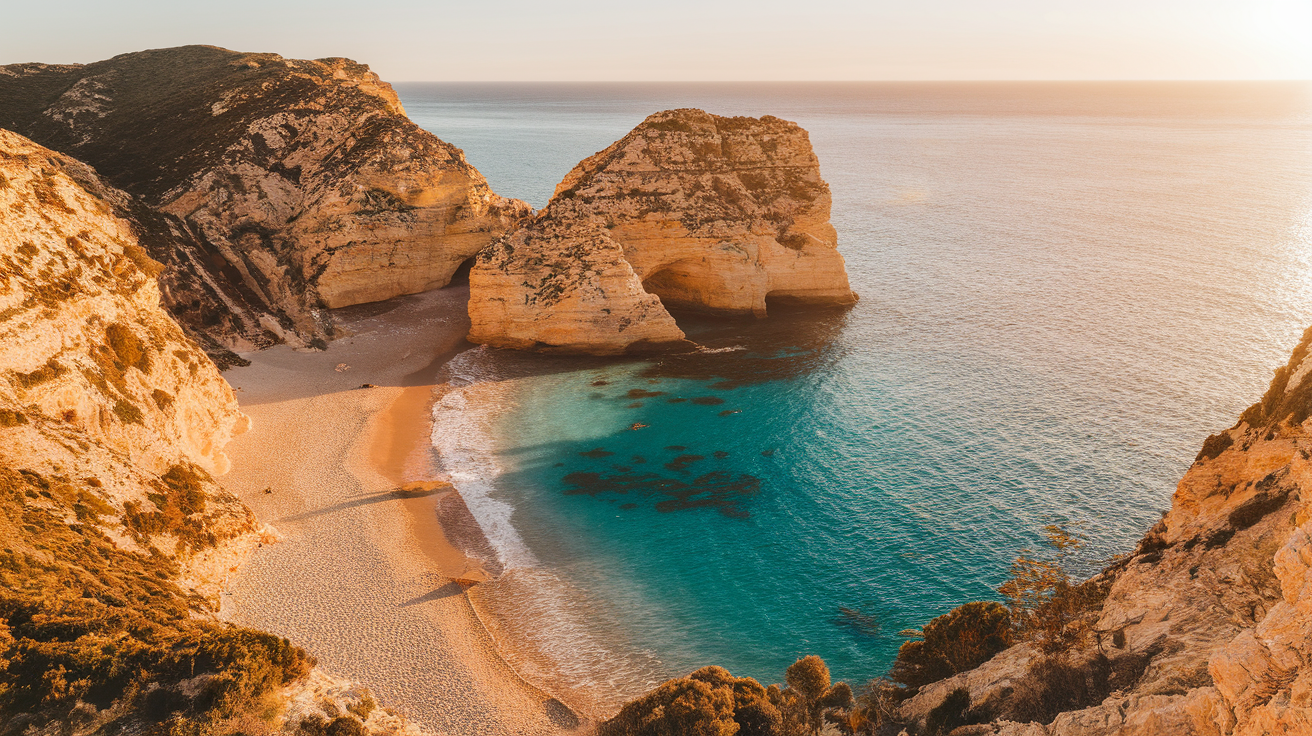
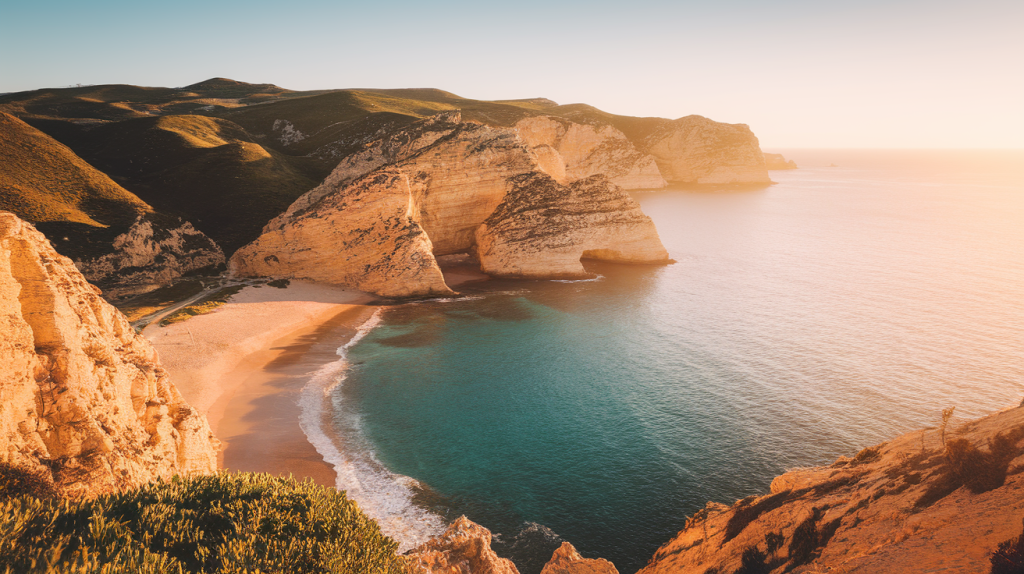
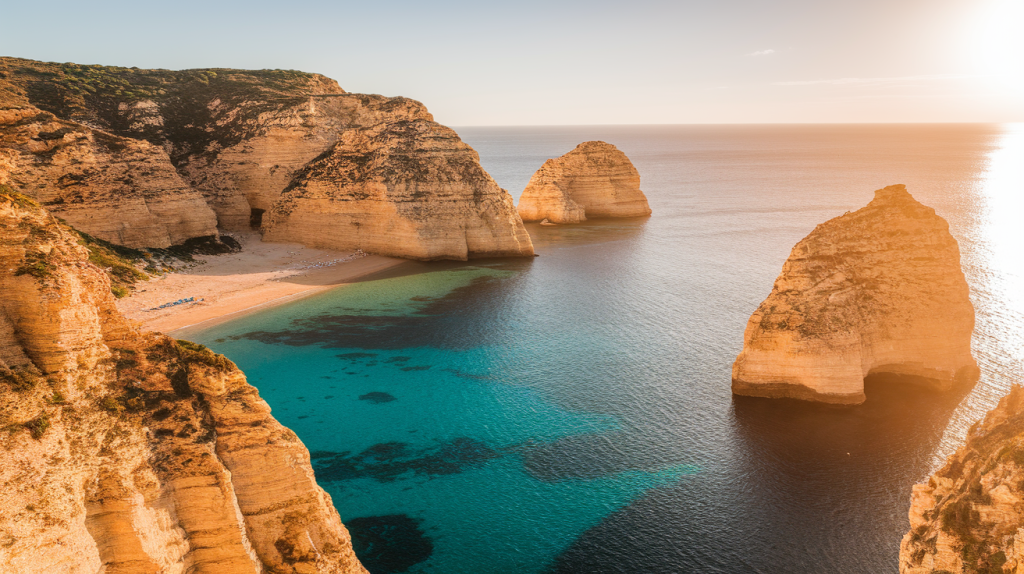
While tourists crowd into the same famous Algarve spots, locals escape to secluded coves where golden cliffs meet turquoise waters, and you might be the only person on the sand.
I’m talking about beaches where fishermen still mend nets in the morning sun, where you can park for free, and where the seafood restaurant nearby serves portions so generous you’ll need a nap afterward.
These aren’t just “less crowded alternatives”—they’re authentic Portuguese coastal experiences that deliver everything the popular beaches promise, minus the chaos and inflated prices.
In this guide, you’ll discover specific hidden beaches along Portugal’s Silver Coast and Algarve, complete with exact locations, access instructions, and insider tips that even some Portuguese travelers don’t know.
I’ll show you when to visit for maximum privacy, what to pack for beaches without facilities, and how to navigate like a local. By the end, you’ll have a complete roadmap to Portugal’s most breathtaking secret spots.
Why Portugal’s Secret Beaches Are Worth the Detour
Skip the Crowds, Find Your Perfect Spot
Let’s talk numbers. During peak summer months, popular Algarve beaches like Praia da Marinha see over 3,000 visitors daily. Meanwhile, equally stunning hidden beaches twenty minutes away host fewer than 50 people. That’s not a typo—we’re talking about a 98% reduction in crowds for comparable (often superior) natural beauty.
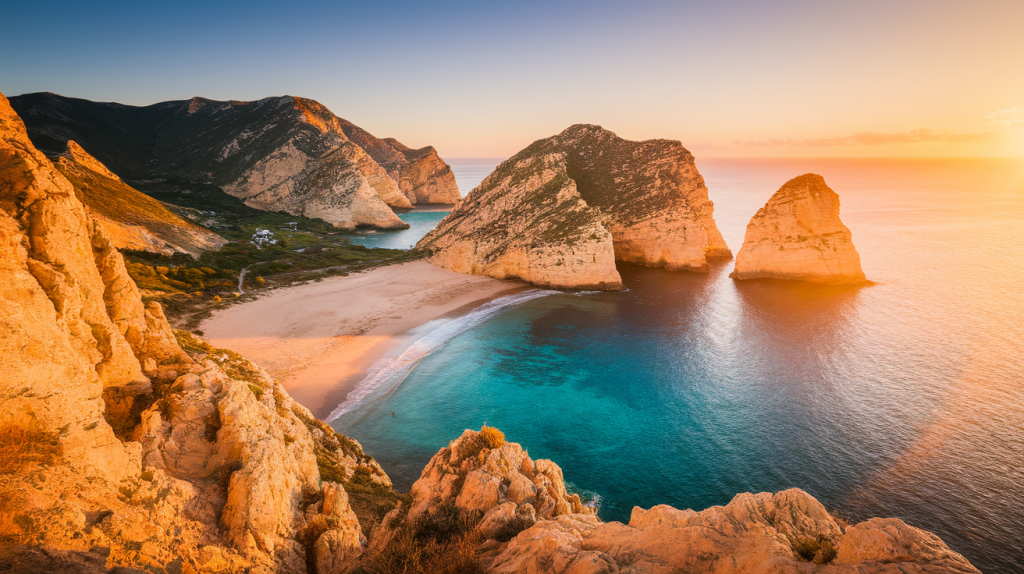
The magic happens when you arrive at a secluded cove and realize you’re sharing it with just a handful of Portuguese families. No beach vendors shouting prices, no rows of rental umbrellas, no fighting for parking. Just the sound of waves, the smell of salt air, and space to actually relax.
Shoulder season transforms these beaches into something even more special. Visit in May, June, September, or October, and you’ll find stunning, nearly empty coastlines with perfect weather. Water temperatures stay comfortable, sunshine remains abundant, and you’ll experience Portugal’s beaches the way they existed before mass tourism discovered them.
Authentic Local Culture Awaits
Secret beaches aren’t isolated from civilization—they’re connected to traditional fishing villages that tourism hasn’t transformed into resort towns. These communities maintain their Portuguese character because they haven’t been overrun by souvenir shops and international chain restaurants.
When you visit hidden beaches, you’ll discover family-run restaurants where the menu features whatever the boats brought in that morning. No English translations, no tourist pricing, just authentic Portuguese cooking. The grilled sardines taste different when they were swimming a few hours ago, and the octopus rice (arroz de polvo) becomes a revelation rather than a menu item.
The difference between tourist-trap experiences and genuine coastal life becomes immediately obvious. At popular beaches, you’re surrounded by other travelers taking the same photos. At secret spots, you’re watching actual Portuguese life unfold—kids learning to swim, grandparents reading newspapers under umbrellas, teenagers playing beach football with genuine skill.
Breathtaking Scenery Without the Price Tag
Here’s the budget breakdown that makes secret beaches irresistible: while popular beaches charge €5-10 for parking, hidden spots offer free parking or minimal fees. Resort beach restaurants charge €18-25 for seafood dishes; authentic local spots near secret beaches serve comparable meals for €10-14. Nearby accommodations cost 30-50% less than beachfront hotels in tourist zones.
The value comparison gets even better when you factor in the experience quality. You’re not paying premium prices for overcrowded conditions. Instead, you’re getting pristine beaches, dramatic natural scenery, and authentic Portuguese atmosphere—all while spending less money. That’s the ultimate travel win: better experiences at lower costs.
The Silver Coast’s Hidden Treasures (Central Portugal)
Praia de São Julião: The Local’s Secret Near Ericeira
Located just 4 kilometers south of the famous surf town Ericeira, Praia de São Julião remains mysteriously overlooked by most tourists. GPS coordinates: 38.9333° N, 9.4167° W. This positioning gives you easy access to Ericeira’s restaurants and accommodations while escaping the crowds that pack the town’s main beaches.
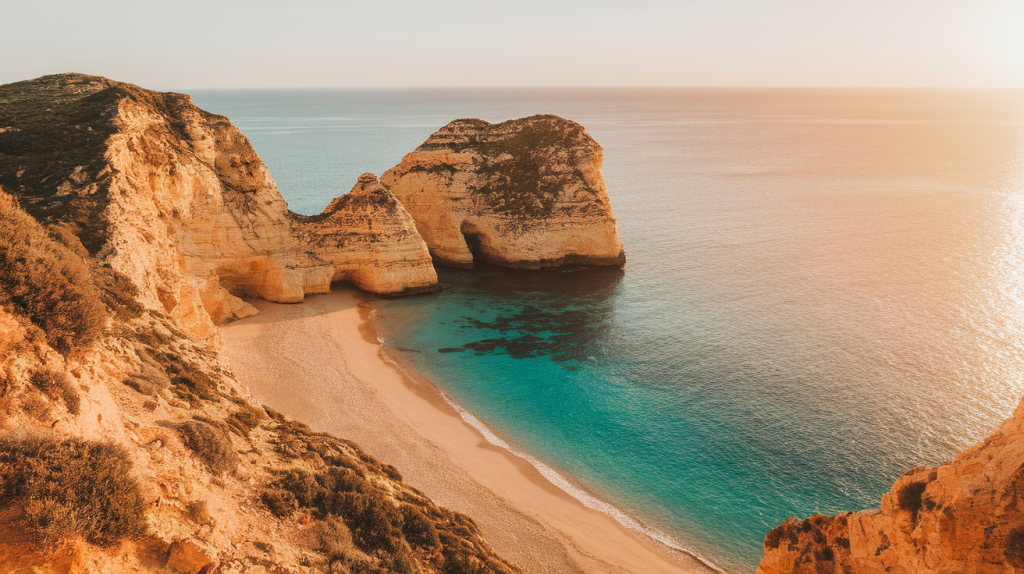
The approach down dramatic cliffs reveals why locals guard this secret—golden sand stretches between towering rock formations, creating natural windbreaks and private pockets. The western exposure delivers sunset views that photographers dream about: the sun sinking into the Atlantic, painting the sky in oranges and purples while silhouetting the jagged coastline.
Access requires a short walk down well-maintained stairs (about 5 minutes, moderate difficulty). Free parking sits at the top of the cliff with space for approximately 30 cars. Arrive before 11 AM during summer weekends to secure a spot. The beach offers basic facilities including restrooms and a seasonal beach bar, but bring your own food for better value.
Surfers appreciate the consistent waves here, though conditions suit intermediate to advanced levels. For photographers, golden hour (the hour before sunset) transforms this beach into pure magic. The rock formations create natural frames, and the western light illuminates the cliffs beautifully. For romantic sunsets, claim a spot on the southern rocks where you can watch the sun drop while waves crash below.
The nearby restaurant O Gafanhoto serves incredible seafood at local prices—the grilled dourada (sea bream) costs €12 and feeds two people. Locals eat here, which tells you everything you need to know.
Praia da Polvoeira: An Unforgettable Sheltered Cove
This sheltered cove stays off tourist radars because it requires local knowledge to find. Located between Peniche and Ericeira, Praia da Polvoeira hides behind residential areas without obvious signage. Follow signs toward “Praia da Polvoeira” from the main coastal road, but expect to navigate by instinct for the final kilometer.
The reward justifies the search. Crystal-clear rock pools form during low tide, creating natural aquariums perfect for families with young children. These pools trap small fish, crabs, and sea anemones—living tide pools that fascinate kids for hours. The sheltered position means calmer waters than exposed beaches, making this spot ideal for nervous swimmers.
Timing matters significantly here. Visit during low tide to access the rock pools and explore the full beach. High tide reduces the beach area considerably and covers the pools. Check tide tables before your visit—spring tides create the best conditions for pool exploration. The Portuguese Hydrographic Institute website provides accurate tide information.
Hidden caves dot the northern end of the beach, accessible during low tide. These aren’t massive caverns, but intimate spaces where waves echo and light filters through cracks in the rock. Bring a waterproof phone case for photos—the caves create dramatic backdrops with natural lighting effects.
Pack everything you need because facilities don’t exist here. Bring water, snacks, sun protection, and beach gear. The nearest restaurants sit 2 kilometers away in the village. This lack of development preserves the beach’s pristine condition and ensures you’ll share it with only a dozen other people even on summer weekends.
Praia do Porto Dinheiro: The Complete Escape
The name “Money Port” comes from centuries ago when ships supposedly anchored here to transfer valuable cargo. Today, the only treasure is the pristine beach itself—a wide stretch of golden sand backed by dunes and accessed via a wooden walkway that protects the fragile ecosystem.
Located north of Lourinhã, this beach delivers ultimate privacy because it requires a 15-minute walk from the parking area. That modest barrier eliminates casual beachgoers, leaving the sand to dedicated visitors. The walk follows a scenic path through coastal vegetation, offering ocean views that build anticipation.
No facilities exist at the beach—bring everything. The complete lack of development means pristine conditions and zero crowds. On weekdays outside July and August, you might have the entire beach to yourself. That level of solitude has become rare along European coastlines.
For photography, this beach shines during morning hours when eastern light illuminates the dunes and creates long shadows across the sand. The wooden walkway makes an excellent foreground element for compositions. During sunset, position yourself facing north to capture the coastline stretching into the distance with warm light.
The nearest town, Lourinhã, sits 6 kilometers inland and offers several excellent restaurants. Casa da Praia serves traditional Portuguese dishes with generous portions—the arroz de marisco (seafood rice) costs €13 per person and arrives in a pot big enough for two.
Algarve’s Secret Spots Beyond the Tourist Trail
Praia da Figueira: The Hidden Beach Near Salema
Finding Praia da Figueira requires determination and local knowledge, which explains why it remains relatively unknown despite its proximity to the tourist village of Salema. From Salema, drive west toward the village of Figueira. Park near the village church and look for a small dirt path leading toward the coast—there’s no official signage.
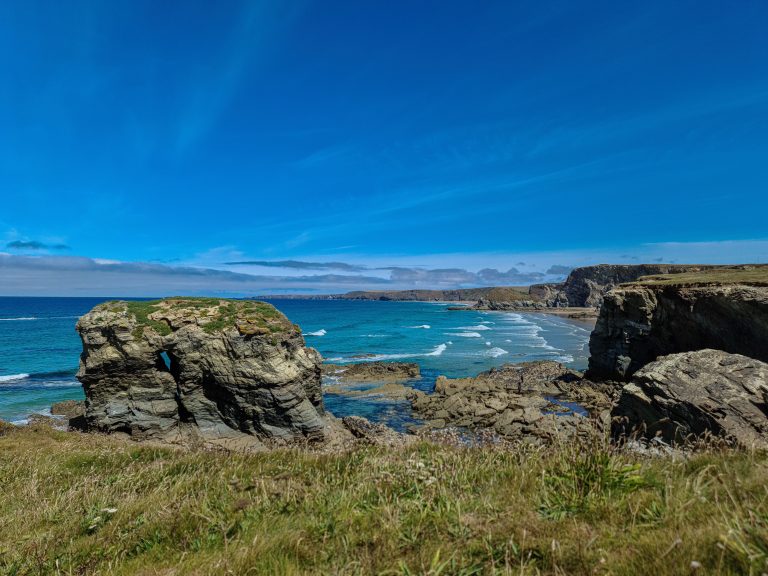
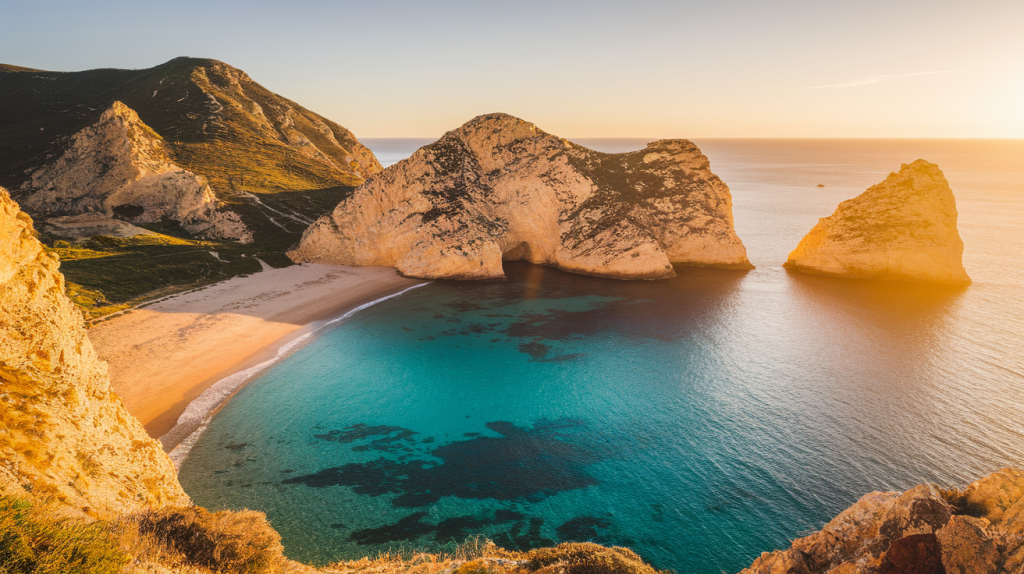
The 10-minute walk descends through Mediterranean vegetation before revealing a small cove with stunning rock formations. These ancient limestone structures, sculpted by millennia of waves, create a dramatic backdrop unlike anything at the popular beaches. The turquoise water appears almost tropical in bright sunlight, contrasting beautifully with the golden rocks.
Access requires scrambling over rocks for the final section—wear proper footwear, not flip-flops. This minor challenge keeps crowds away while remaining accessible for anyone with reasonable mobility. The beach itself is small, accommodating maybe 30 people comfortably, which naturally limits crowds.
Tide timing proves essential here. High tide reduces the beach to a narrow strip, while low tide reveals tide pools and additional sand. Spring low tides (during new and full moons) create the best conditions. The Portuguese Hydrographic Institute’s website shows tide predictions months in advance—plan accordingly.
Photography enthusiasts should visit during afternoon hours when the sun illuminates the rock formations from the west. The limestone glows golden, and the water becomes impossibly blue. For Instagram-worthy shots, position yourself on the southern rocks facing north to capture the full cove with its dramatic geology.
Praia do Barranco: The Ultimate Cliffside Sanctuary
Tucked between Burgau and Salema, Praia do Barranco escapes mention in most guidebooks despite offering everything travelers seek: dramatic scenery, excellent swimming, and near-total privacy. The beach sits at the base of towering golden cliffs that create natural shelter from wind and provide stunning visual drama.
Access involves descending a steep but well-maintained path (about 8 minutes). The descent means most tourists drive past without investigating, leaving this beach to locals and informed travelers. Free parking sits at the top with space for roughly 20 cars—arrive before noon during summer weekends.
The golden cliffs create a natural amphitheater that traps warmth and blocks wind, making this beach comfortable even during cooler months. The sheltered position also means calmer waters perfect for swimming and snorkeling. Bring snorkeling gear—the rocky areas on both ends host diverse marine life including colorful fish, octopus, and sea urchins.
For the best snorkeling, visit the northern rocks during high tide when water depth increases. The southern end works better during low tide. Water clarity peaks during morning hours before afternoon winds potentially stir up sediment.
Photography reaches its peak during the golden hour before sunset. Position yourself on the beach facing the cliffs to capture how the setting sun illuminates the golden rock. The warm light creates a glow that makes the cliffs appear to radiate their own light. This beach delivers some of the Algarve’s most spectacular sunset photography opportunities.
The nearby village of Salema offers numerous restaurants, but locals recommend Boia Bar for post-beach drinks and Restaurante Atlântico for fresh seafood. The grilled fish at Atlântico comes whole, simply prepared, and costs €14-16—exactly how Portuguese coastal cuisine should taste.
Praia dos Estudantes: Lagos’ Best-Kept Secret
Lagos attracts thousands of tourists who visit the famous Ponta da Piedade rock formations, but most miss Praia dos Estudantes—a hidden beach accessible through an ancient tunnel carved through the rocks. This unique access point creates a sense of adventure that begins before you reach the sand.
The tunnel entrance sits near the center of Lagos, making this beach remarkably accessible for being so secret. Walk along the waterfront promenade past Praia da Batata, and look for a small tunnel opening in the rock wall. The tunnel extends about 20 meters, opening onto a small, intimate beach surrounded by dramatic rock formations.
This beach delivers perfect conditions for couples seeking romantic, intimate settings. The small size and unique access create an exclusive feeling, while the surrounding rocks provide natural privacy. The beach accommodates maybe 40 people maximum, so it never feels crowded even when “busy.”
Despite the secluded atmosphere, facilities exist nearby—restrooms, cafes, and restaurants sit just minutes away along the Lagos waterfront. This combination of intimacy and convenience makes Praia dos Estudantes ideal for travelers who want hidden beach experiences without sacrificing all amenities.
Combine this beach with other Lagos hidden spots for a complete day of exploration. Praia do Pinhão (accessible via another tunnel) and Praia da Batata offer similar intimate settings. You can easily visit three or four small beaches in one afternoon, experiencing different perspectives on Lagos’ stunning coastline.
Photography works best during mid-morning when the sun illuminates the beach through the tunnel opening, creating dramatic light effects. The rock formations surrounding the beach provide endless composition opportunities—experiment with different angles to capture the unique geology.
Planning Your Secret Beach Adventure: Practical Tips
Getting There Without Getting Lost
Navigation apps work reliably for major beaches but struggle with hidden spots that lack official addresses. Google Maps provides reasonable guidance for the beaches mentioned here, but don’t expect perfect directions to the exact parking areas. Download offline maps before leaving WiFi—cell service can be spotty along remote coastal areas.
Local directions often work better than GPS for final navigation. Look for landmarks mentioned in directions: churches, specific restaurants, or distinctive buildings. Portuguese locals give excellent directions if you ask politely—learn the phrase “Onde fica a praia?” (Where is the beach?).
Car rental proves essential for serious beach exploration. Public transportation reaches some coastal areas but rarely services hidden beaches. Rental costs run €25-40 daily for basic cars—book in advance for better rates. Choose cars with good clearance if you plan to navigate unpaved roads leading to remote beaches.
Some hidden beaches require driving on dirt roads. These roads are typically well-maintained but can be rough after rain. Drive slowly, watch for potholes, and don’t attempt these roads in low-clearance sports cars. Standard sedans handle most beach access roads without problems.
Parking strategies vary by beach. Free parking exists at many secret spots, but spaces fill quickly during summer weekends. Arrive before 10 AM for guaranteed spots. Never park in areas marked “Propriedade Privada” (Private Property) or blocking gates—Portuguese tow trucks work efficiently.
What to Pack for Off-the-Beaten-Path Beaches
Essential items many travelers forget: sufficient water (bring 2 liters per person), substantial snacks or lunch, extra sunscreen (you’ll use more than expected), and a first-aid kit. Hidden beaches lack facilities, shops, and beach vendors. You can’t buy forgotten items, so pack thoroughly.
Facilities may be completely absent at secret beaches. Bring toilet paper, hand sanitizer, and plastic bags for trash. Leave-no-trace principles matter—carry out everything you bring in. The pristine condition of these beaches depends on visitors taking responsibility.
Beach gear varies by location. Rocky secret spots require water shoes for comfortable walking and swimming. Sandy beaches need standard flip-flops. Bring snorkeling equipment for beaches with good marine life—rental shops don’t exist at hidden locations. A beach umbrella or tent provides crucial shade since natural shade may be limited.
Safety equipment matters for tide-affected beaches. Download tide tables before your visit and set phone alarms for when tides change. Some beaches become dangerous or inaccessible during high tide. Bring a fully charged phone, inform someone of your plans, and don’t take unnecessary risks exploring caves or climbing rocks.
Additional useful items: waterproof phone case for photos, portable phone charger, beach blanket or mat, cooler with ice for drinks and food, and a good book. Hidden beaches invite extended stays—bring entertainment for lazy afternoons.
Best Times to Visit for Maximum Privacy
Seasonal breakdown reveals significant differences in beach experiences. July and August bring Portuguese families on vacation—even secret beaches see increased visitors, though nothing compared to tourist hotspots. June and September deliver ideal conditions: warm weather, comfortable water temperatures, and significantly fewer people.
May and October represent shoulder season perfection. Weather remains pleasant (though water feels cooler), and beaches stay nearly empty. These months suit travelers who prioritize privacy over guaranteed hot weather. October particularly shines—summer crowds disappear while temperatures stay comfortable for beach activities.
Daily timing strategies maximize privacy and comfort. Arrive before 10 AM to claim the best spots and enjoy morning light. Most beachgoers arrive between 11 AM and 2 PM, so early birds get the beach to themselves. Alternatively, visit after 4 PM when families with young children depart—late afternoon and evening offer beautiful light and renewed privacy.
Weather patterns differ along Portugal’s coastlines. The Algarve enjoys more consistent sunshine and warmer temperatures than the Silver Coast. The Atlantic coast faces stronger winds and cooler water than the southern Algarve. Check specific forecasts for your target area rather than general Portugal weather.
Reliable weather websites include the Portuguese Institute for Sea and Atmosphere (IPMA) and Windguru for detailed wind forecasts. Water temperatures range from 15°C (59°F) in winter to 20°C (68°F) in summer—cooler than Mediterranean destinations but refreshing rather than cold.
Respecting Local Communities and Nature
Leave-no-trace principles preserve these beaches for future visitors. Carry out all trash, including cigarette butts and food scraps. Don’t disturb rock formations, remove shells or stones, or damage vegetation. These beaches remain beautiful because visitors respect their natural state.
Support local businesses near secret spots rather than bringing everything from tourist areas. Buy lunch at village restaurants, purchase drinks from local cafes, and stay in locally-owned accommodations. This economic support gives communities incentive to preserve their natural assets rather than developing them into tourist traps.
Photography etiquette matters, especially at beaches where locals relax. Don’t photograph people without permission, respect privacy, and avoid drone flying that disturbs others. The goal is capturing beautiful landscapes, not invading personal space.
Environmental protection extends beyond trash removal. Use reef-safe sunscreen to protect marine ecosystems—traditional sunscreens contain chemicals that damage coral and marine life. Respect wildlife by observing from distance rather than touching or chasing animals. Stay on marked paths to prevent erosion and vegetation damage.
These beaches stay pristine because visitors care about preservation. Join that tradition by treating these places with respect and teaching others to do the same.
Conclusion
Portugal’s secret beaches deliver everything travelers dream about: stunning natural beauty, authentic local culture, and the space to actually relax without fighting crowds. From the Silver Coast’s dramatic cliffs to the Algarve’s hidden coves, these beaches offer experiences that popular destinations simply can’t match—and they do it while saving you money.
The perfect balance exists here. You get authentic Portuguese coastal life without sacrificing beauty or comfort. You discover places where tourism hasn’t erased local character, where fishermen still work the waters, and where restaurants serve real Portuguese food at real Portuguese prices. You find beaches where golden cliffs meet turquoise water, where you might be the only person on the sand, and where sunset views rival anything in the world.
Venture beyond the guidebook recommendations. The beaches everyone knows about are beautiful, but they’re not the whole story. Portugal’s real coastal magic lives in these secret spots, waiting for travelers willing to drive a few extra kilometers and walk a few extra minutes.
Start planning your Portuguese beach adventure today. Save this guide for your trip planning, mark your favorite beaches on a map, and prepare for coastal experiences that exceed every expectation. When you’re sitting on golden sand with turquoise waves in front of you and dramatic cliffs behind you, sharing the beach with just a handful of locals, you’ll understand why these secret spots are worth every bit of effort to find them.
Your perfect Portuguese beach is out there, hidden from the crowds, waiting for you to discover it.