7 best things to do in El Calafate Argentina

The ice beneath my boots cracked like gunfire as I stepped onto Perito Moreno Glacier, and I realized why El Calafate has become Patagonia’s obsession.
This small town in southern Argentina isn’t just a gateway to one of the world’s most dramatic glaciers—it’s a launchpad for experiences that will reshape how you think about wilderness travel.
Over the next seven sections, you’ll get exact costs, insider logistics, and honest trade-offs so you can skip the tourist traps and spend your time (and money) where it actually matters.
Whether you’re deciding between a glacier walk or a boat tour, planning a day trip to El Chaltén, or figuring out which estancia won’t drain your budget, this guide has the specific details most travel sites gloss over.
Things to Do in El Calafate: The Ultimate Perito Moreno Glacier Experience
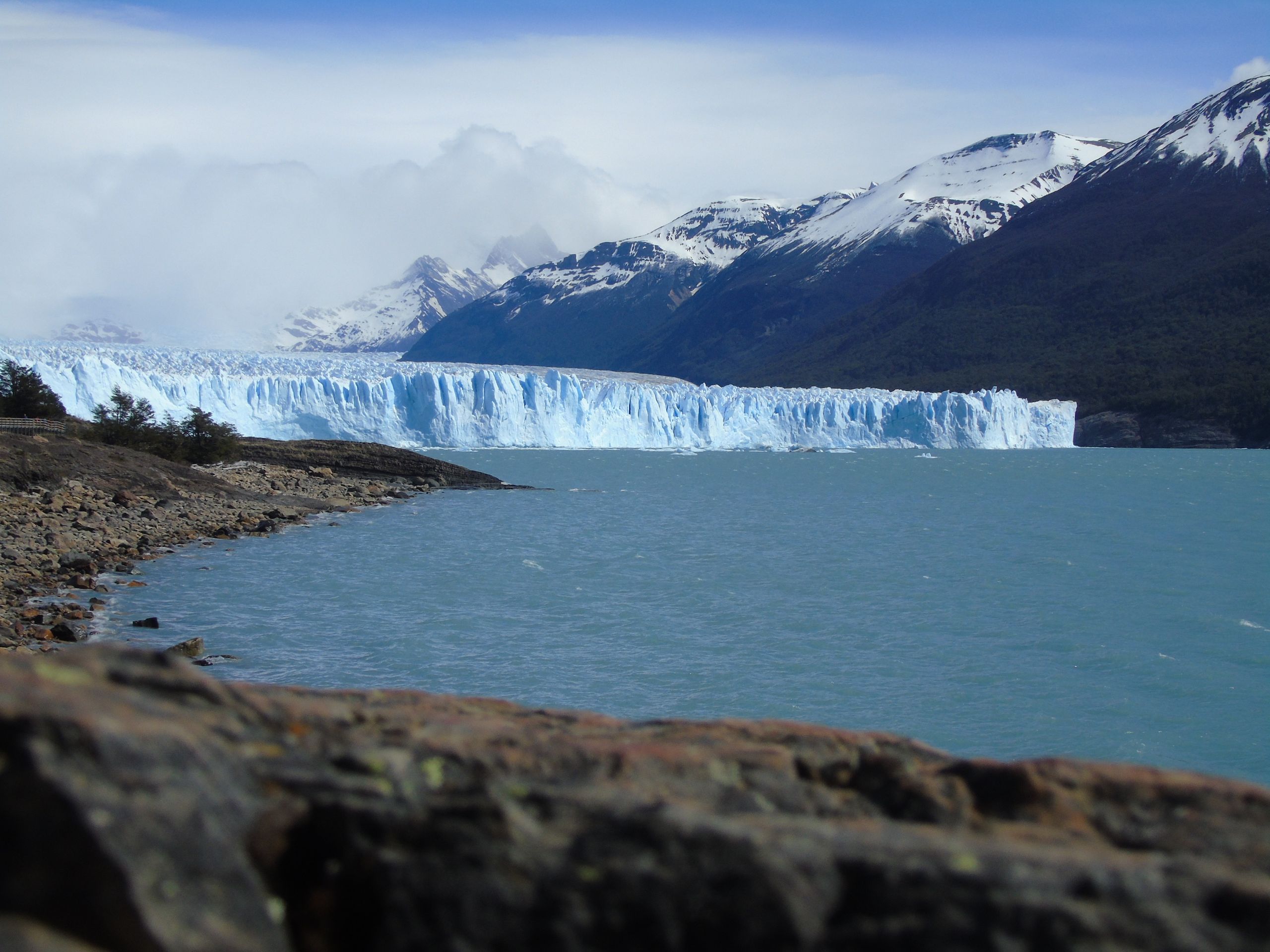
I watched the glacier calve at 2:47 p.m. on a Wednesday in March—a chunk of ice the size of a city block detached with a sound like distant thunder, hung suspended for one impossible second, then crashed into Lago Argentino with a spray that reached the observation platform 5 kilometres away.
That moment, the reason nearly everyone comes to El Calafate, is worth the hype. Perito Moreno isn’t just a glacier; it’s one of the few on Earth still advancing, and it’s the only one most travellers will ever see up close without technical climbing gear.
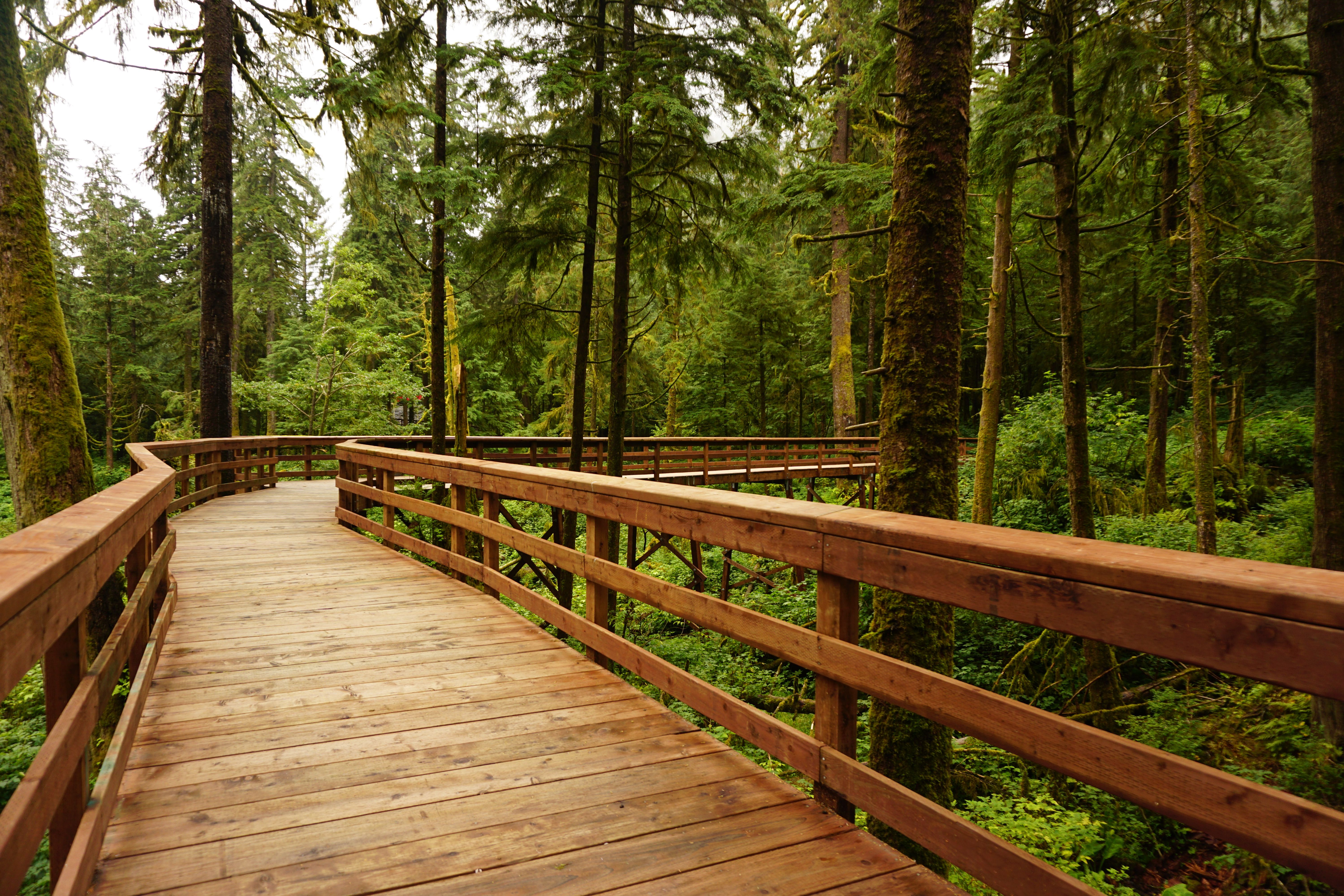
The standard experience is the Pasarelas walk—a series of boardwalks at the glacier’s face in Los Glaciares National Park. Entry costs 1,050 ARS (roughly $12 USD) for Argentine residents, 6,300 ARS for foreigners, and you’ll spend 2–3 hours here. Go early (gates open at 8 a.m.) to beat the tour groups.
The light is better, the crowds thinner, and you’ll actually hear the ice cracking instead of fifty other people’s conversations. Most visitors miss this: the best calving typically happens between 2 and 4 p.m., so if you arrive at 9 a.m. and leave by noon, you’re gambling. I’ve seen travellers leave after an hour and miss the show entirely.
The common misconception is that you need a boat tour to experience Perito Moreno properly. You don’t—the Pasarelas are genuinely sufficient and far less seasickness-prone.
That said, if you have the budget (boat tours run 3,500–5,500 ARS), a 60-minute excursion gets you to the glacier’s base, where the scale becomes almost incomprehensible. The ice towers 60 metres above the water. From the boardwalk, you see it; from the boat, you feel it.
Practical note: bring layers. The wind off the glacier is relentless, and the park has minimal shelter. A windproof jacket is non-negotiable.
The park is 80 kilometres from El Calafate town; most hotels arrange transport (usually 1,500–2,000 ARS return), or rent a car if you want flexibility. March to April and September to October offer the best balance of weather and manageable crowds.
Calafate Argentina Travel Guide: Navigating Lago Argentino Boat Tours
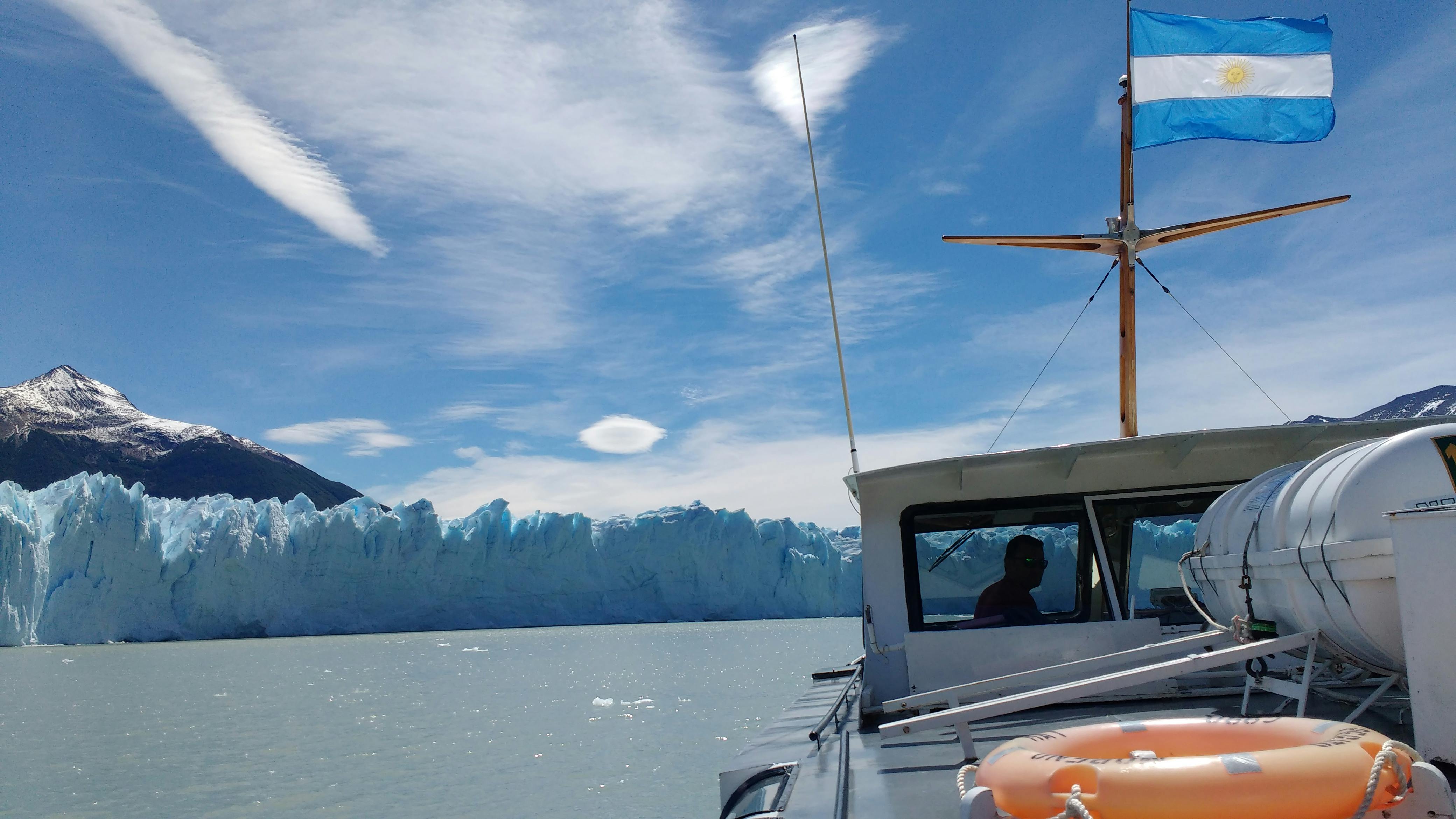
I was standing on the dock at Puerto de las Glaciares at 7:45 a.m., coffee still warming my hands, when our boat captain casually mentioned that the afternoon tour had been cancelled due to wind. That’s the first thing most guides won’t tell you: Lago Argentino is temperamental.
The lake that looks serene from town can turn choppy enough to cancel sailings within hours, which is why timing your boat tour requires more strategy than simply showing up with a ticket.
There are three main boat operators running Lago Argentino tours, and the differences matter. Hielo y Aventura and Upsala Travel both offer full-day excursions that combine Perito Moreno with either Upsala Glacier or Spegazzini Glacier—these run 3,800–4,200 ARS (roughly $22–25 USD) and include hotel pickup.
The catch: they’re crowded, departing around 8 a.m. with 200+ passengers. If you want the lake mostly to yourself, book a private tour through a local operator like Glaciares Patagonia; expect 8,000–10,000 ARS for four people, but you’ll navigate channels most tourists never see and have genuine flexibility if conditions shift.
I learned this the hard way after booking a group tour and spending three hours watching a German tour group’s selfie stick instead of the glacier.
Book tours the afternoon before, not weeks ahead. Weather in Patagonia changes dramatically overnight, and captains make final calls at dawn.
If your tour gets cancelled (it happens roughly 15–20% of days in winter), you’ll want flexibility to reschedule immediately rather than lose your booking entirely.
Bring seasickness medication even if you’ve never needed it—the crossing to Upsala is genuinely rough, and I watched more than one confident traveller turn green.
One cultural note: boat crews here are proud of their knowledge. Ask your captain questions rather than just snapping photos.
They’ll show you where glaciers calved decades ago, explain why some ice is blue and some white, and occasionally point out Magellanic woodpeckers. Respect that engagement—it transforms a tour from a checkbox into an actual experience.
Planning a Trip to El Chaltén: Day Trip vs Overnight Strategy
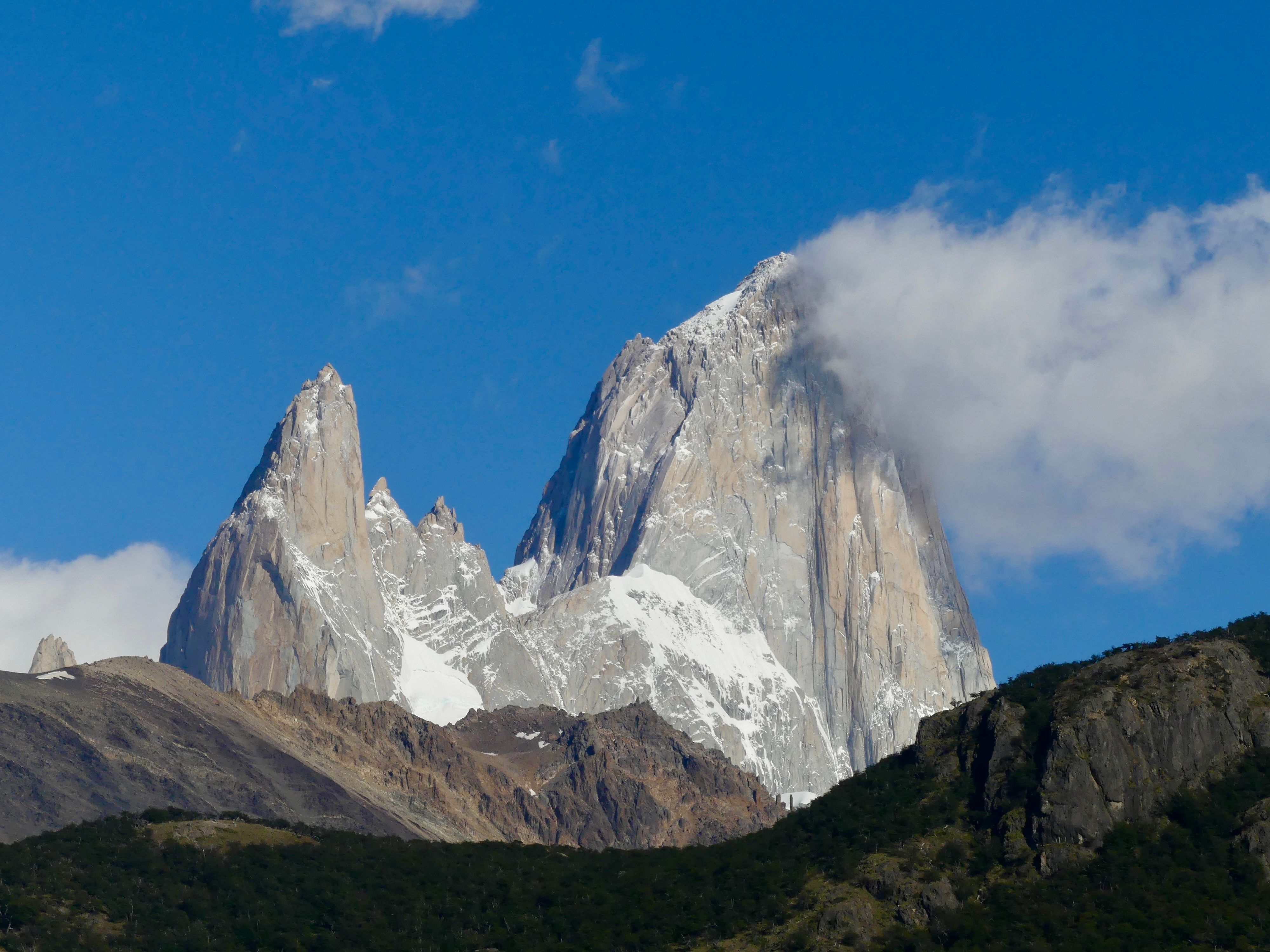
I made the mistake of leaving El Chaltén at 4 p.m. on my first visit, thinking I’d squeeze in a quick hike and return to Calafate for dinner.
By the time I reached the trailhead for Laguna de los Tres Picos, the light was already turning golden and I was genuinely furious with myself—not because the hike was bad, but because I’d booked a hotel room I didn’t use and missed the town entirely. El Chaltén, 215 kilometres north of Calafate, demands more respect than a day trip allows.
The logistics are straightforward but time-consuming. A minibus from Calafate takes 3 to 3.5 hours each way (around 500–650 ARS per person, roughly $6–8 USD). If you day-trip, you’re spending 7 hours in transit for maybe 4 hours on the ground.
That math doesn’t work unless you’re genuinely just passing through. An overnight stay—or better, two nights—costs 800–1,500 ARS for a mid-range hostel (roughly $10–18 USD), but you’ll actually hike Laguna Torre or Laguna de los Tres Picos without rushing, eat a proper meal in town, and maybe catch sunrise over Mount Fitz Roy from your accommodation.
Here’s what most guides don’t mention: the weather window matters more than the date. El Chaltén is windy and unpredictable year-round, but December through February offer the longest daylight (sunset around 9:30 p.m.). If you’re visiting May through August, trails close or become dangerous by mid-afternoon. A day trip in winter is genuinely pointless.
Book accommodation before you arrive—El Chaltén has only about 3,000 residents and fills quickly, especially January through March. Hostels like Albergue Laguna Torre are reliable and social; private rooms run 1,500–2,500 ARS.
The minibus companies (Chaltén Travel and Cal Tur are the main operators) run departures at 7 a.m. and 8 a.m., with returns at 4 p.m. and 5 p.m. Book the return journey once you’re there—you might want to stay longer.
One cultural note: El Chaltén is genuinely a hiking town. Locals expect you to carry proper gear, check conditions, and respect trail closures. Don’t show up in flip-flops, and don’t underestimate the Patagonian wind.
Calafate Argentina Scenery: Estancia Experiences and Local Culture
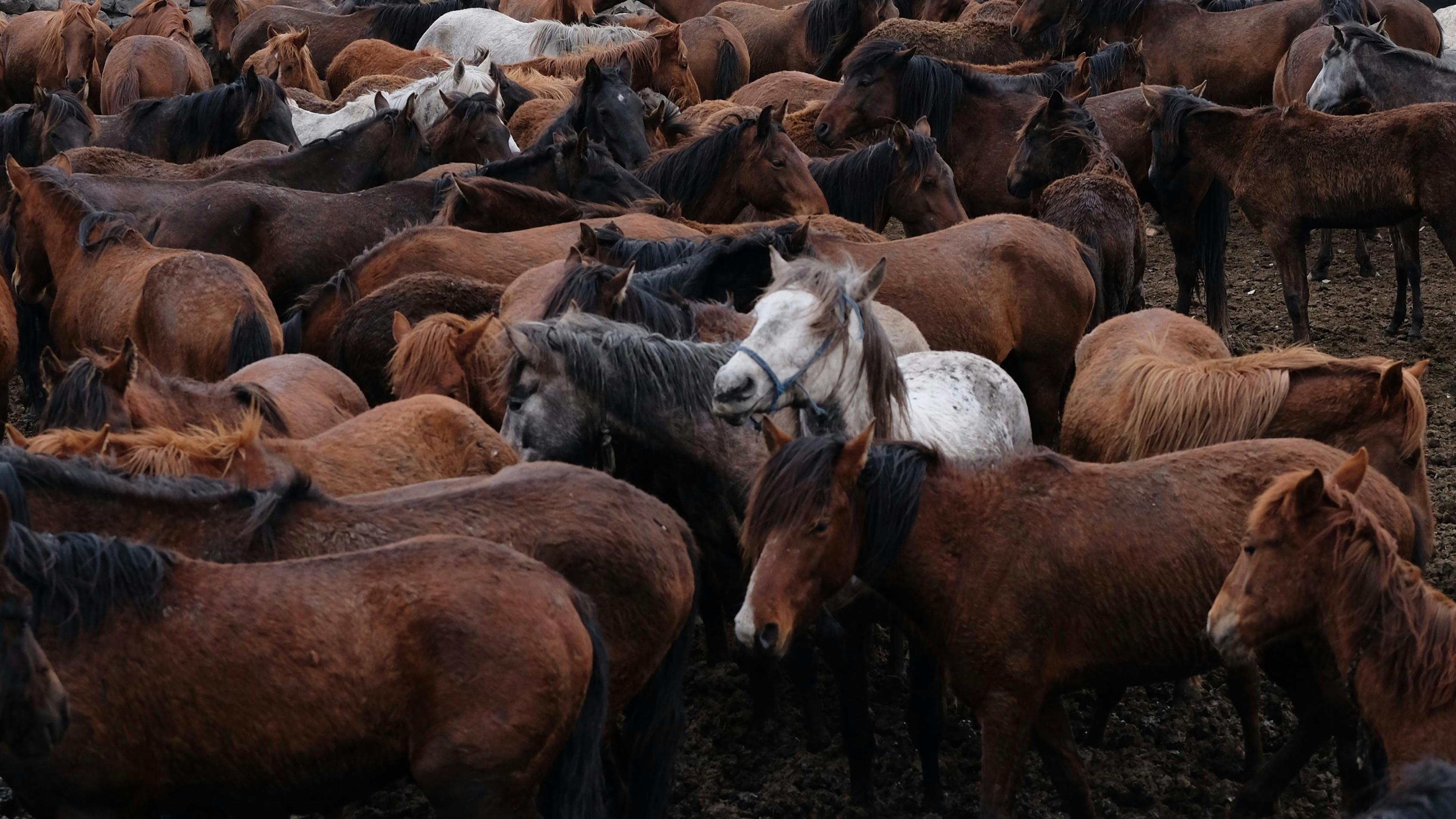
I arrived at Estancia Helsingfors on horseback just as a Patagonian wind kicked up dust across the scrubland, and suddenly the glacier-obsessed tourist trail felt very far away.
An estancia is a working ranch—sometimes called a “station” in English—and staying or visiting one is where you actually meet Patagonia rather than photograph it. Most tourists skip this entirely, which is their loss and your advantage.
The estancias around El Calafate operate on a spectrum. Day visits (typically 9am–5pm) run 1,200–1,500 ARS ($7–9 USD) and include a gaucho demonstration, horseback riding through grassland, and an asado—an Argentine barbecue—lunch.
Overnight stays at mid-range estancias cost 3,500–5,500 ARS per person ($21–33 USD), usually all-inclusive with meals and activities.
Estancia Helsingfors, Estancia Nibepo Aike, and Estancia La Anita all have solid reputations and can be booked through the tourist office on Avenida del Libertador or directly online. Book at least two days ahead in high season (December–February).
One detail most guides omit: ask specifically whether your estancia raises sheep, cattle, or both. It changes the entire experience.
Sheep stations are quieter and more intimate; cattle operations are more active and chaotic—neither is better, but the difference matters.
Also, bring layers. Patagonian wind doesn’t care how sunny it looks; I watched someone in a t-shirt genuinely suffer at 2pm on what appeared to be a perfect day.
Local culture here revolves around self-reliance and respect for the land. Gauchos will expect you to mount and ride with basic competence—they’re not babysitters—so mention any riding experience beforehand.
Tipping isn’t obligatory but 200–300 ARS ($1.20–1.80 USD) per guide is standard and genuinely appreciated. The estancia experience reveals why Patagonia shaped the Argentine national identity: it’s isolating, demanding, and absolutely beautiful in a way that doesn’t photograph well. You have to be there.
El Calafate Complete Planning: Glaciarium Museum and Rainy Day Options
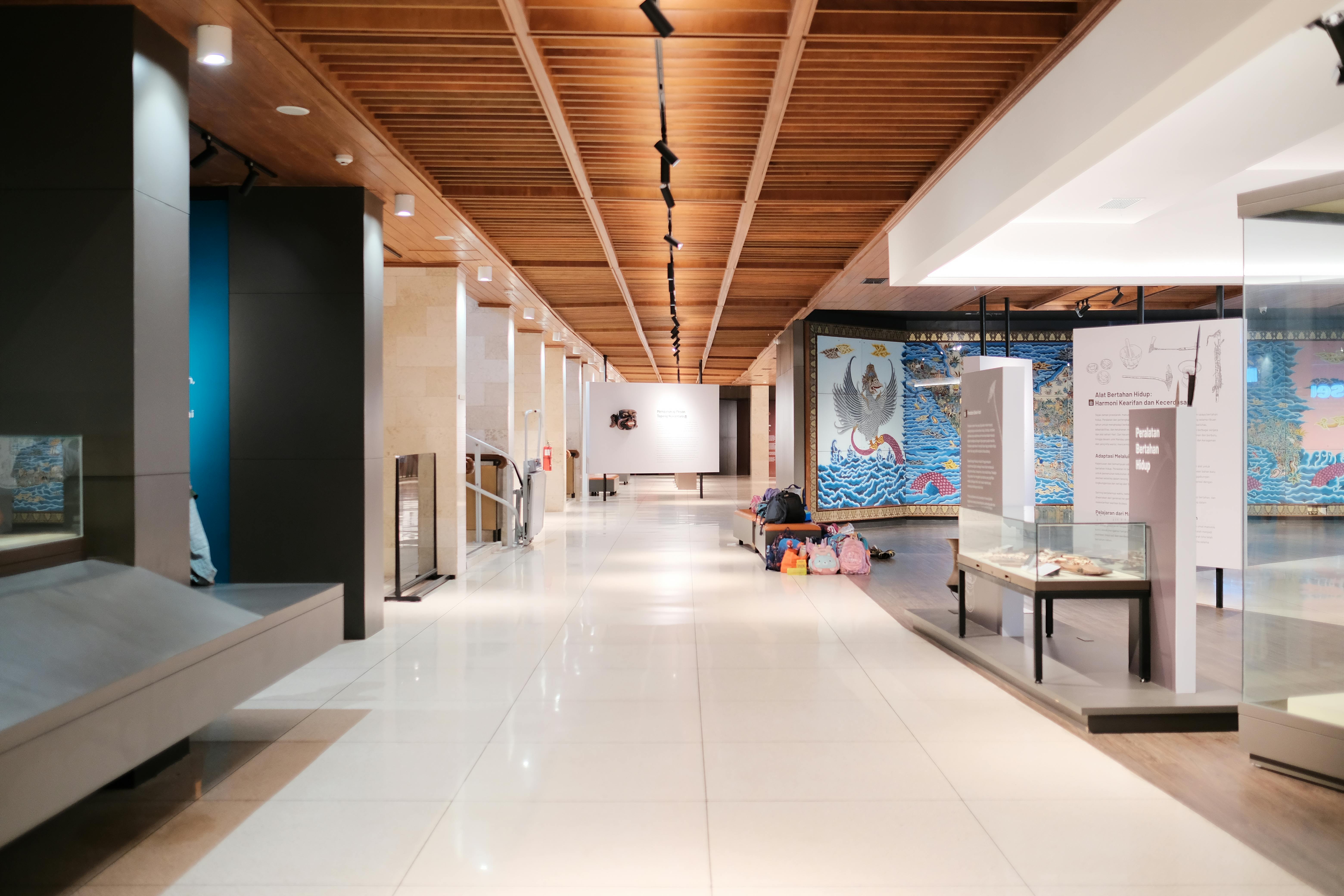
I walked into the Glaciarium on a day when the wind had pinned El Calafate to the ground—gusts hitting 60 km/h, the kind that makes you lean into them just to walk straight.
It’s the moment most visitors curse their timing. But stepping into that museum’s ice tunnel, kept at minus 15 degrees Celsius, I realized Patagonia’s worst weather days are often when you discover what you actually came for.
The Glaciarium isn’t a rainy-day consolation prize; it’s essential context for understanding what you’re seeing at Perito Moreno. The museum walks you through glacial mechanics, climate data, and the region’s ice history with genuine scientific rigor—not dumbed-down tourist fare.
The highlight is the walk-in ice tunnel where you see actual glacier samples and can touch 600-year-old ice. Entry costs 7,500 ARS (roughly USD $9 at current rates), and the audio guide in English is worth the extra 1,500 ARS. Budget 90 minutes; most people rush through in 45 and miss the interactive sections upstairs.
Here’s what most guides don’t mention: Patagonia’s rainy season (April–September) isn’t actually a dealbreaker. Yes, visibility suffers on glacier days, but the rain often clears by afternoon, and fewer tourists means shorter queues at Perito Moreno. If you’re stuck indoors, the Biblioteca del Fin del Mundo (End of the World Library) in town is genuinely atmospheric—wood-paneled, quiet, with books on Patagonian history and Argentine literature. It’s free, and locals actually use it.
The critical mistake: assuming one rainy day ruins your trip. El Calafate’s weather shifts violently; I’ve seen full sun by 3 p.m. after a morning downpour.
If weather forces you off the glacier trail, shift your Lago Argentino boat tour to the next day, visit Glaciarium, and grab an early dinner at Pura Vida (excellent empanadas, 2,500–4,000 ARS per plate).
The town itself—shops, cafés, decent restaurants—is walkable and compact. You won’t be stranded; you’ll just be reminded that Patagonia doesn’t wait for perfect conditions.
Calafate Argentina Map: Practical Logistics and Booking Strategy
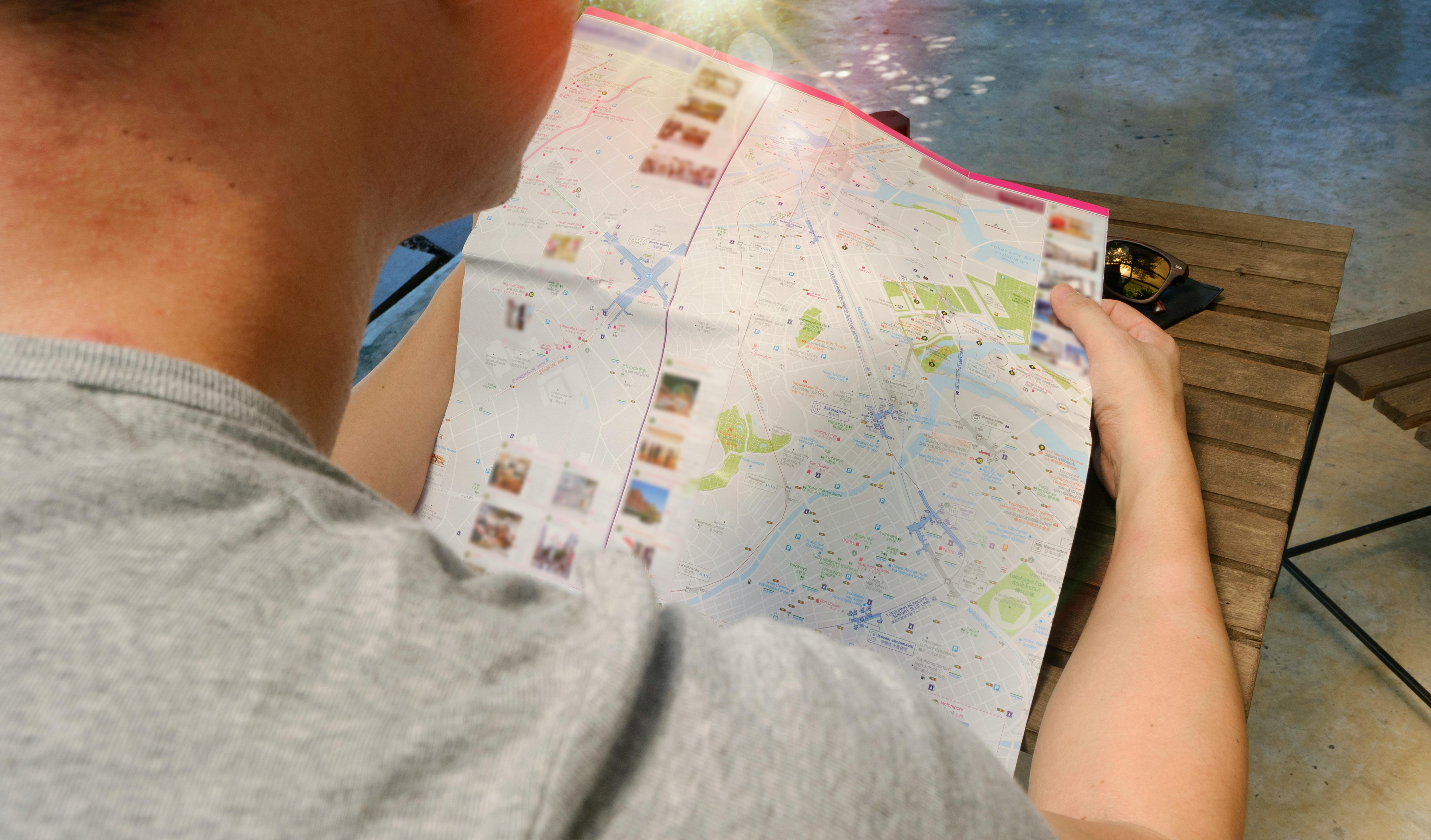
I stepped off the plane at Gobernador Gregores Airport and immediately realized I’d made a rookie mistake: I hadn’t booked my glacier tour in advance, and it was mid-December—peak season.
The taxi driver’s sympathetic smile told me everything. El Calafate’s town centre is compact—roughly 2 km long—but the real action spreads across a much larger geography, and logistics matter far more than most guides admit.
Start by understanding the layout. The town itself clusters around Avenida del Libertador, where you’ll find restaurants, shops, and most mid-range hotels.
Perito Moreno Glacier sits 80 km west; Lago Argentino’s boat tours depart from Puerto Bandera, another 50 km in the same direction.
El Chaltén is 220 km north—a three-hour drive that feels longer on unpaved sections. This isn’t a walk-around-town destination; you’ll need transport for nearly everything worthwhile.
Rent a car (ARS 1,500–2,500 per day) if you’re confident driving gravel roads in wind. Otherwise, book tours through your hotel or Rumbo Sur (the reliable local operator)—expect ARS 3,500–5,000 per person for a full-day glacier excursion, including transport and park entry.
Book Perito Moreno tours at least two days ahead during peak season; I learned this the hard way. The Pasarela (boardwalk) circuit fills fast, and the Hielo y Aventura ice-trekking add-on (ARS 2,800 extra) books out even faster. For Lago Argentino boat tours, book the day before at minimum—these run rain or shine, and cancellations are rare.
One critical detail: the town has decent mobile coverage (Claro and Movistar), but it drops completely once you head toward the glaciers. Download offline maps beforehand. ATMs cluster near the bus terminal and main plaza; many accept international cards, but bring backup cash—not everywhere takes cards, and exchange rates at tourist shops are brutal.
Visit between November and March for reliable weather and longer daylight. September and October are cheaper but windier and less stable. Book accommodation three weeks ahead in December–January; otherwise, you’ll pay inflated rates or end up 40 km outside town.
In Closing
I left El Calafate on a morning when the wind was finally still—a rare gift in Patagonia—and I realized I’d spent six days doing far more than ticking boxes on a glacier checklist.
Yes, watching Perito Moreno calve into Lago Argentino remains the non-negotiable centerpiece: that moment when a chunk the size of a building crashes into the water never gets old, and no photo quite captures it.
But the real magic happened in the margins: the gaucho at Estancia Cristina who taught me the difference between a working ranch and a tourist performance, the Glaciarium’s ice-core cross-section that made 900 years of climate history suddenly tangible, the unexpected kindness of locals in Calafate town who switched to English when they saw me struggling with directions.
El Chaltén’s granite peaks demand respect and early starts, but they reward you with solitude if you time it right. The rainy afternoons—and there will be rainy afternoons—are actually when you meet other travelers with stories worth hearing, not just Instagram captions.
Here’s what matters before you book: El Calafate is expensive by Argentine standards (expect 800–1,200 ARS for a decent dinner, 150+ ARS for a coffee), October and March offer the sweet spot of weather and fewer crowds, and you genuinely need at least four days to do this properly—two for Perito Moreno and the lake, one for El Chaltén, one for buffer or an estancia.
Bring layers you can shed in minutes; the wind isn’t a rumor. Respect that this is a working landscape, not a theme park: the estancias are real farms, the glaciers are retreating (it’s sobering and worth witnessing), and the town itself is small enough that you’ll see the same faces twice.
Your next step: lock in your Perito Moreno booking now—not tomorrow, not when you arrive. The Pasarela walk-up tickets sell out in peak season, and the boat tours fill fast.
Check the official SESA website (sesa.com.ar) for current prices and availability, then work backward from there to plan your El Chaltén timing and estancia day. One week in El Calafate isn’t too much. One week in Patagonia is barely enough.