Top Things to Do in Pinheiros São Paulo

Most São Paulo visitors cluster around Avenida Paulista’s corporate towers or chase Vila Madalena’s bars, but locals spend their weekends in Pinheiros—a walkable neighborhood where chef-driven restaurants outnumber chains, Sunday markets feel authentic, and you can spend an afternoon on foot without needing a car or metro map.
The problem is real: you want to experience where paulistanos actually live, not where tour buses stop. You need specifics—which streets, which restaurants, how much time, how to get there.
This guide gives you exactly that: specific venue names and metro stops you can plug directly into your itinerary, honest guidance on how Pinheiros fits into a larger São Paulo trip, and a walking route that maximizes the neighborhood without overwhelm.
Why Pinheiros Is São Paulo’s Most Underrated Neighborhood

Pinheiros occupies a specific cultural position most visitors miss. It’s not the corporate spine of Avenida Paulista. It’s not the bohemian party scene of Vila Madalena. Instead, Pinheiros is where creative professionals—designers, journalists, chefs—actually live and work. The neighborhood evolved from quiet residential area into a culinary hub over 15 years, earning the “Brooklyn of São Paulo” comparison, though it has deeper roots and less hype-chasing.
What makes Pinheiros genuinely different is walkability. São Paulo is car-dependent; most neighborhoods require ride-share to move between attractions. Pinheiros is rare: you can arrive at Faria Lima or Pinheiros metro station and spend 4-6 hours exploring on foot. The main commercial zone stretches roughly from Largo da Batata westward along Rua dos Pinheiros and Rua Teodoro Sampaio, with side streets branching into residential blocks featuring galleries, vintage shops, and quieter cafés.
Perfect for: food-focused travelers, digital nomads scouting neighborhoods, visitors who’ve already “done” main São Paulo sites. Less ideal for: first-timers with only 48 hours (Paulista and Centro deserve priority), party-seekers (Vila Madalena has better nightlife), or museum completists. If you have 3+ days in São Paulo, Pinheiros deserves consideration. A half-day minimum covers market plus lunch plus coffee. A full day lets you breathe and wander.
Getting to Pinheiros and Getting Around

Pinheiros sits on São Paulo’s Line 4 (Yellow), with two stations serving the neighborhood: Faria Lima (the eastern entry point, closer to corporate Jardins) and Pinheiros station (the western entry point, closer to the neighborhood’s heart). If coming from Paulista or the city center, take the Yellow Line westbound. Pinheiros station puts you closest to Largo da Batata and main restaurant and shopping streets. Most visitors should exit at Pinheiros station.
The walkable zone spans roughly 1.5 kilometers east to west, centered on Largo da Batata. From Pinheiros metro station, you can walk to most attractions in 10-20 minutes. Key streets: Rua dos Pinheiros (main commercial drag with restaurants and shops), Rua Teodoro Sampaio (parallel street with cafés and galleries), Rua Fradique Coutinho (quieter, residential, hidden spots).
Timing matters more than most guides admit. Sunday mornings (arrive by 10 AM) bring market energy and foot traffic. Weekday afternoons feel dead—many restaurants don’t open for dinner until 7 PM, shops close at 6 PM. Thursday through Saturday evenings come alive. Avoid Mondays; it’s a traditional restaurant closing day across São Paulo. Evening safety requires standard urban awareness: stick to main streets after dark, use ride-share if uncomfortable, but daytime walking is straightforward. A metro ride costs 4.40 reais ($0.90 USD). Have a contactless card or download the SPTrans app.
Where to Eat and Drink in Pinheiros: The Ultimate Food Crawl
Coffee and Breakfast: Where Locals Actually Start Their Day
Specialty coffee culture is serious in Pinheiros. Most cafés don’t open until 8 or 9 AM. Look for places serving third-wave coffee (single-origin, pour-over, espresso pulled with precision) rather than traditional padaria breakfast. A good cappuccino runs 12-16 reais ($2.40-3.20 USD). Pair it with pão de queijo (cheese bread) from the counter. Dozens of options exist; pick whichever is closest to your walking route.
Lunch and Dinner: From Casual to Splurge-Worthy
Pinheiros punches above its weight for contemporary Brazilian cuisine. Chef-driven restaurants serve refined takes on regional Brazilian dishes—not fusion, but refined technique applied to traditional ingredients. Lunch mains typically run 45-75 reais ($9-15 USD) at mid-range spots; dinner at higher-end restaurants (requiring reservations) runs 120-200 reais ($24-40 USD) per person before drinks. International options reflect the neighborhood’s diversity: Japanese-Brazilian fusion (reflecting São Paulo’s large Japanese-immigrant population), Italian trattorias, Middle Eastern spots.
A common visitor mistake: assuming all restaurants are expensive. Many are casual, walk-in friendly, and reasonably priced. The real mistake is visiting on a weekday afternoon when most places are closed. Thursday through Sunday evenings, the neighborhood hums.
Bars and Evening Drinking Scene
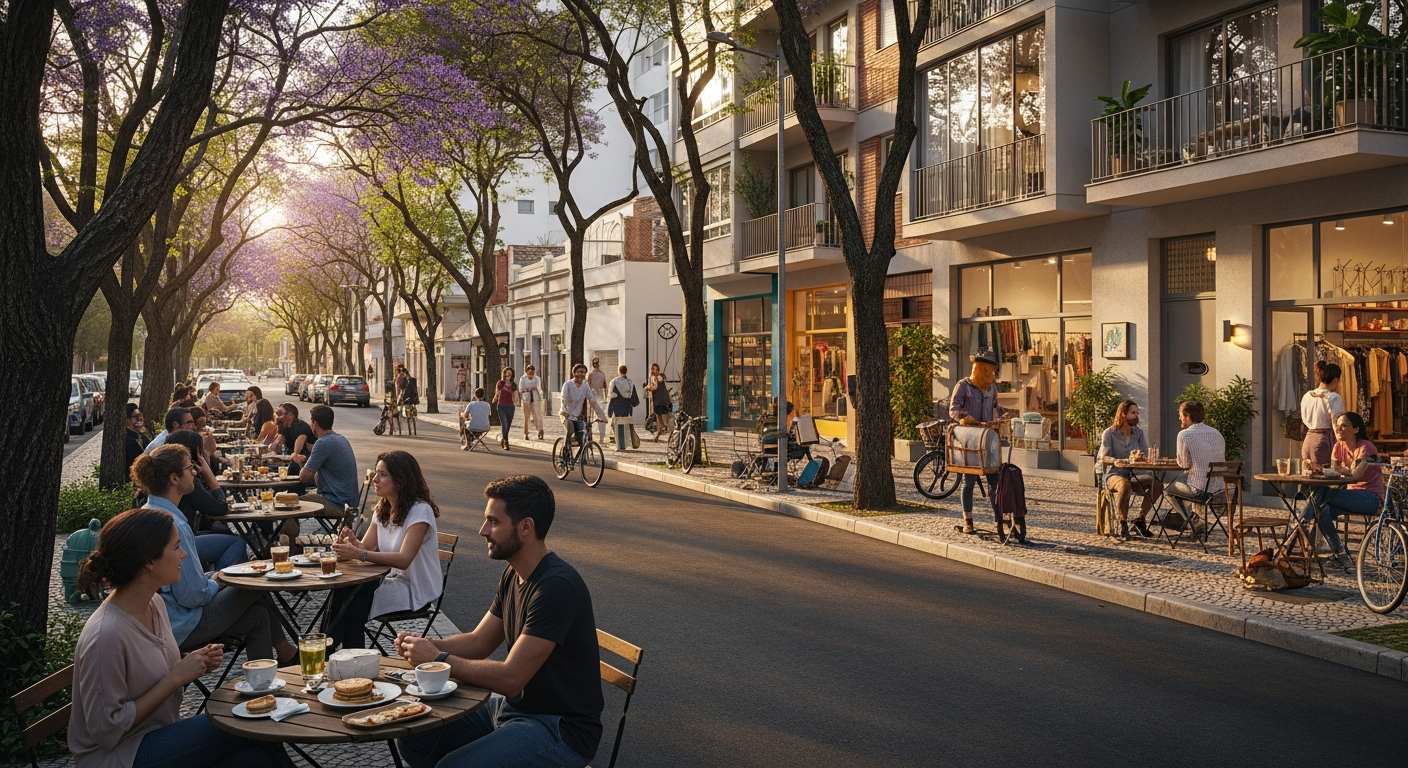
Boteco culture dominates: traditional Brazilian bars serving cold beer, cachaça, and simple snacks. These are neighborhood gathering spots, not party venues. Happy hour typically runs 6-9 PM with discounted drinks and free snacks. Craft cocktail spots exist but are fewer than in Vila Madalena. If Pinheiros nightlife feels subdued, Vila Madalena (a 15-minute walk or one metro stop) has more aggressive party energy. Pinheiros is for grown-up drinking: conversation, slow consumption, people-watching. A beer costs 8-12 reais ($1.60-2.40 USD) at a boteco.
Shopping, Markets, and Local Discoveries
Largo da Batata hosts the neighborhood’s main market on Sunday mornings, roughly 9 AM to 2 PM. Vendors sell produce, crafts, prepared foods, and plants. The market is genuinely used by locals—not staged for tourists—though it’s become more organized after an urban renewal project transformed the plaza from a congested bus terminal into a public space. Arrive early (before 11 AM) for best selection; stay for lunch from market vendors selling grilled cheese, pastéis, and fresh juice. The market is free to browse; budget 50-100 reais ($10-20 USD) if buying.
Independent bookstores cater to a reading-focused crowd, with Portuguese-language books, English-language sections, and used vinyl records. Design shops and home goods stores cluster along Rua Teodoro Sampaio—expect Brazilian ceramics, furniture, and artisan products. Street art exists but is less concentrated than in Vila Madalena; don’t expect a “muralist district.”
A common misconception: that Pinheiros is a serious shopping destination. It’s not. The appeal is browsing between meals and experiencing how locals shop—not buying sprees. Realistic expectation: 2-3 hours maximum of shopping before you’ll want coffee or food. Prices for local design and crafts are mid-range to upscale; this isn’t a bargain neighborhood.
Cultural Attractions and What Passes for “Sights” in Pinheiros
Largo da Batata is the neighborhood’s cultural center, though not in the traditional sense. The plaza itself isn’t architecturally stunning; it’s the activity that matters. On weekends, it hosts markets, protests, skateboarding, live music, and people-watching. The recent urban renewal (completed around 2015) transformed it from a chaotic transit hub into a usable public space—rare in São Paulo, a city designed for cars. Spend 30 minutes here on a Sunday morning to understand neighborhood culture.
Independent art galleries exist but are small and modest—not the scale of São Paulo’s major gallery districts. An arthouse cinema operates in the neighborhood; check Time Out São Paulo for current programming. Live music venues are scattered throughout, not concentrated in one zone. Theater spaces host small productions, but this isn’t a theater district.
Here’s the honest redirect: Pinheiros doesn’t have major museums or conventional tourist sights. That’s intentional. The neighborhood’s appeal is atmosphere, food, and how locals live—not checklist tourism. If you need museums, Paulista has several excellent ones (MASP, Pinacoteca). If you want architectural landmarks, Centro has them. Pinheiros is about experience and slowness. Set that expectation before visiting, and you’ll enjoy it.
Practical Tips for Making the Most of Pinheiros
Safety during the day: straightforward urban awareness applies. Stick to main streets, don’t flash expensive jewelry or phones, use normal city smarts. Pinheiros is safer than Centro and comparable to Paulista. Evening and night: the neighborhood empties after 11 PM. Most restaurants close by 10-11 PM on weeknights. If out late, use ride-share rather than walking alone. ATMs are available throughout; Brazilian banks charge foreign card fees, so withdraw cash in larger amounts. Have small reais for markets and street food vendors who may not accept cards.
Common mistakes to avoid: Don’t walk from Paulista to Pinheiros—it’s 3+ kilometers through unpleasant urban stretches. Use the metro. Don’t confuse Pinheiros with Vila Madalena; they’re adjacent but distinct. Vila Madalena is younger, louder, more party-focused; Pinheiros is more refined and food-centric. Don’t visit on a Monday or weekday afternoon expecting open restaurants and active streets. Thursday through Sunday is when Pinheiros functions as a destination. Don’t over-plan: this is a neighborhood for wandering. Bring a comfortable walking pace and let yourself get lost on side streets.
A sample half-day itinerary: Arrive at Pinheiros metro station around 10 AM. Grab coffee at a nearby café. Browse Largo da Batata market (if Sunday) or a nearby bookstore (if weekday). Lunch at a mid-range restaurant along Rua dos Pinheiros. Afternoon coffee and browsing. Late-afternoon drinks at a boteco. Done by 6 PM. A full-day version: same morning, but extend lunch, add an afternoon walk through residential side streets, and stay for dinner with a reservation at a nicer restaurant. Combine with Vila Madalena by visiting Pinheiros first (lunch and afternoon), then walking or taking one metro stop to Vila Madalena for evening drinks and dinner.
CONCLUSION
Pinheiros offers the authentic local São Paulo experience visitors claim they want—but only if you arrive with the right expectations. You’re not coming for monuments or checklist sights. You’re coming for food, atmosphere, and the rhythm of how paulistanos actually live. Geographic specifics matter enormously: know which metro stop, which streets, which day of the week you’re visiting. A Monday afternoon visit will feel dead and disappointing. A Sunday morning visit will feel alive.
Budget at least a half-day, ideally a full day. This neighborhood rewards slow exploration over rushed checklist tourism. If you’ve already spent time in Paulista and Centro, Pinheiros is a perfect complement—it shows you a different layer of São Paulo’s culture. If you’re a first-timer with only 48 hours, prioritize Paulista and Centro first, then add Pinheiros if you have time. The single most important takeaway: Pinheiros is about eating your way through a neighborhood, not sightseeing through it.
Your next move: check what day of the week you’ll be in São Paulo. If it’s a weekend, block out a half-day for Pinheiros and arrive by 10 AM to catch the market energy. If it’s a weekday, skip it or plan an evening visit instead. Grab a metro card, exit at Pinheiros station, and walk. You’ll figure out where to eat once you’re there—the neighborhood does that work for youMost São Paulo visitors cluster around Avenida Paulista’s corporate towers or chase Vila Madalena’s bars, but locals spend their weekends in Pinheiros—a walkable neighborhood where chef-driven restaurants outnumber chains, Sunday markets feel authentic, and you can spend an afternoon on foot without needing a car or metro map.
The problem is real: you want to experience where paulistanos actually live, not where tour buses stop. You need specifics—which streets, which restaurants, how much time, how to get there. This guide gives you exactly that: specific venue names and metro stops you can plug directly into your itinerary, honest guidance on how Pinheiros fits into a larger São Paulo trip, and a walking route that maximizes the neighborhood without overwhelm.
Why Pinheiros Is São Paulo’s Most Underrated Neighborhood
Pinheiros occupies a specific cultural position most visitors miss. It’s not the corporate spine of Avenida Paulista. It’s not the bohemian party scene of Vila Madalena. Instead, Pinheiros is where creative professionals—designers, journalists, chefs—actually live and work. The neighborhood evolved from quiet residential area into a culinary hub over 15 years, earning the “Brooklyn of São Paulo” comparison, though it has deeper roots and less hype-chasing.
What makes Pinheiros genuinely different is walkability. São Paulo is car-dependent; most neighborhoods require ride-share to move between attractions. Pinheiros is rare: you can arrive at Faria Lima or Pinheiros metro station and spend 4-6 hours exploring on foot. The main commercial zone stretches roughly from Largo da Batata westward along Rua dos Pinheiros and Rua Teodoro Sampaio, with side streets branching into residential blocks featuring galleries, vintage shops, and quieter cafés.
Perfect for: food-focused travelers, digital nomads scouting neighborhoods, visitors who’ve already “done” main São Paulo sites. Less ideal for: first-timers with only 48 hours (Paulista and Centro deserve priority), party-seekers (Vila Madalena has better nightlife), or museum completists. If you have 3+ days in São Paulo, Pinheiros deserves consideration. A half-day minimum covers market plus lunch plus coffee. A full day lets you breathe and wander.
Getting to Pinheiros and Getting Around
Pinheiros sits on São Paulo’s Line 4 (Yellow), with two stations serving the neighborhood: Faria Lima (the eastern entry point, closer to corporate Jardins) and Pinheiros station (the western entry point, closer to the neighborhood’s heart). If coming from Paulista or the city center, take the Yellow Line westbound. Pinheiros station puts you closest to Largo da Batata and main restaurant and shopping streets. Most visitors should exit at Pinheiros station.
The walkable zone spans roughly 1.5 kilometers east to west, centered on Largo da Batata. From Pinheiros metro station, you can walk to most attractions in 10-20 minutes. Key streets: Rua dos Pinheiros (main commercial drag with restaurants and shops), Rua Teodoro Sampaio (parallel street with cafés and galleries), Rua Fradique Coutinho (quieter, residential, hidden spots).
Timing matters more than most guides admit. Sunday mornings (arrive by 10 AM) bring market energy and foot traffic. Weekday afternoons feel dead—many restaurants don’t open for dinner until 7 PM, shops close at 6 PM. Thursday through Saturday evenings come alive. Avoid Mondays; it’s a traditional restaurant closing day across São Paulo. Evening safety requires standard urban awareness: stick to main streets after dark, use ride-share if uncomfortable, but daytime walking is straightforward. A metro ride costs 4.40 reais ($0.90 USD). Have a contactless card or download the SPTrans app.
Where to Eat and Drink in Pinheiros: The Ultimate Food Crawl
Coffee and Breakfast: Where Locals Actually Start Their Day
Specialty coffee culture is serious in Pinheiros. Most cafés don’t open until 8 or 9 AM. Look for places serving third-wave coffee (single-origin, pour-over, espresso pulled with precision) rather than traditional padaria breakfast. A good cappuccino runs 12-16 reais ($2.40-3.20 USD). Pair it with pão de queijo (cheese bread) from the counter. Dozens of options exist; pick whichever is closest to your walking route.
Lunch and Dinner: From Casual to Splurge-Worthy
Pinheiros punches above its weight for contemporary Brazilian cuisine. Chef-driven restaurants serve refined takes on regional Brazilian dishes—not fusion, but refined technique applied to traditional ingredients. Lunch mains typically run 45-75 reais ($9-15 USD) at mid-range spots; dinner at higher-end restaurants (requiring reservations) runs 120-200 reais ($24-40 USD) per person before drinks. International options reflect the neighborhood’s diversity: Japanese-Brazilian fusion (reflecting São Paulo’s large Japanese-immigrant population), Italian trattorias, Middle Eastern spots.
A common visitor mistake: assuming all restaurants are expensive. Many are casual, walk-in friendly, and reasonably priced. The real mistake is visiting on a weekday afternoon when most places are closed. Thursday through Sunday evenings, the neighborhood hums.
Bars and Evening Drinking Scene
Boteco culture dominates: traditional Brazilian bars serving cold beer, cachaça, and simple snacks. These are neighborhood gathering spots, not party venues. Happy hour typically runs 6-9 PM with discounted drinks and free snacks. Craft cocktail spots exist but are fewer than in Vila Madalena. If Pinheiros nightlife feels subdued, Vila Madalena (a 15-minute walk or one metro stop) has more aggressive party energy. Pinheiros is for grown-up drinking: conversation, slow consumption, people-watching. A beer costs 8-12 reais ($1.60-2.40 USD) at a boteco.
Shopping, Markets, and Local Discoveries
Largo da Batata hosts the neighborhood’s main market on Sunday mornings, roughly 9 AM to 2 PM. Vendors sell produce, crafts, prepared foods, and plants. The market is genuinely used by locals—not staged for tourists—though it’s become more organized after an urban renewal project transformed the plaza from a congested bus terminal into a public space. Arrive early (before 11 AM) for best selection; stay for lunch from market vendors selling grilled cheese, pastéis, and fresh juice. The market is free to browse; budget 50-100 reais ($10-20 USD) if buying.
Independent bookstores cater to a reading-focused crowd, with Portuguese-language books, English-language sections, and used vinyl records. Design shops and home goods stores cluster along Rua Teodoro Sampaio—expect Brazilian ceramics, furniture, and artisan products. Street art exists but is less concentrated than in Vila Madalena; don’t expect a “muralist district.”
A common misconception: that Pinheiros is a serious shopping destination. It’s not. The appeal is browsing between meals and experiencing how locals shop—not buying sprees. Realistic expectation: 2-3 hours maximum of shopping before you’ll want coffee or food. Prices for local design and crafts are mid-range to upscale; this isn’t a bargain neighborhood.
Cultural Attractions and What Passes for “Sights” in Pinheiros
Largo da Batata is the neighborhood’s cultural center, though not in the traditional sense. The plaza itself isn’t architecturally stunning; it’s the activity that matters. On weekends, it hosts markets, protests, skateboarding, live music, and people-watching. The recent urban renewal (completed around 2015) transformed it from a chaotic transit hub into a usable public space—rare in São Paulo, a city designed for cars. Spend 30 minutes here on a Sunday morning to understand neighborhood culture.
Independent art galleries exist but are small and modest—not the scale of São Paulo’s major gallery districts. An arthouse cinema operates in the neighborhood; check Time Out São Paulo for current programming. Live music venues are scattered throughout, not concentrated in one zone. Theater spaces host small productions, but this isn’t a theater district.
Here’s the honest redirect: Pinheiros doesn’t have major museums or conventional tourist sights. That’s intentional. The neighborhood’s appeal is atmosphere, food, and how locals live—not checklist tourism. If you need museums, Paulista has several excellent ones (MASP, Pinacoteca). If you want architectural landmarks, Centro has them. Pinheiros is about experience and slowness. Set that expectation before visiting, and you’ll enjoy it.
Practical Tips for Making the Most of Pinheiros
Safety during the day: straightforward urban awareness applies. Stick to main streets, don’t flash expensive jewelry or phones, use normal city smarts. Pinheiros is safer than Centro and comparable to Paulista. Evening and night: the neighborhood empties after 11 PM. Most restaurants close by 10-11 PM on weeknights. If out late, use ride-share rather than walking alone. ATMs are available throughout; Brazilian banks charge foreign card fees, so withdraw cash in larger amounts. Have small reais for markets and street food vendors who may not accept cards.
Common mistakes to avoid: Don’t walk from Paulista to Pinheiros—it’s 3+ kilometers through unpleasant urban stretches. Use the metro. Don’t confuse Pinheiros with Vila Madalena; they’re adjacent but distinct. Vila Madalena is younger, louder, more party-focused; Pinheiros is more refined and food-centric. Don’t visit on a Monday or weekday afternoon expecting open restaurants and active streets. Thursday through Sunday is when Pinheiros functions as a destination. Don’t over-plan: this is a neighborhood for wandering. Bring a comfortable walking pace and let yourself get lost on side streets.
A sample half-day itinerary: Arrive at Pinheiros metro station around 10 AM. Grab coffee at a nearby café. Browse Largo da Batata market (if Sunday) or a nearby bookstore (if weekday). Lunch at a mid-range restaurant along Rua dos Pinheiros. Afternoon coffee and browsing. Late-afternoon drinks at a boteco. Done by 6 PM. A full-day version: same morning, but extend lunch, add an afternoon walk through residential side streets, and stay for dinner with a reservation at a nicer restaurant. Combine with Vila Madalena by visiting Pinheiros first (lunch and afternoon), then walking or taking one metro stop to Vila Madalena for evening drinks and dinner.
CONCLUSION
Pinheiros offers the authentic local São Paulo experience visitors claim they want—but only if you arrive with the right expectations. You’re not coming for monuments or checklist sights. You’re coming for food, atmosphere, and the rhythm of how paulistanos actually live. Geographic specifics matter enormously: know which metro stop, which streets, which day of the week you’re visiting. A Monday afternoon visit will feel dead and disappointing. A Sunday morning visit will feel alive.
Budget at least a half-day, ideally a full day. This neighborhood rewards slow exploration over rushed checklist tourism. If you’ve already spent time in Paulista and Centro, Pinheiros is a perfect complement—it shows you a different layer of São Paulo’s culture. If you’re a first-timer with only 48 hours, prioritize Paulista and Centro first, then add Pinheiros if you have time. The single most important takeaway: Pinheiros is about eating your way through a neighborhood, not sightseeing through it.
Your next move: check what day of the week you’ll be in São Paulo. If it’s a weekend, block out a half-day for Pinheiros and arrive by 10 AM to catch the market energy. If it’s a weekday, skip it or plan an evening visit instead. Grab a metro card, exit at Pinheiros station, and walk. You’ll figure out where to eat once you’re there—the neighborhood does that work for you