5 Day Faroe Islands Itinerary (2026)

The ferry from Denmark pulled away from the dock at 3 a.m., and I spent the next 15 hours watching the North Sea turn from grey to slate to something almost purple.
When the Faroes finally appeared—not gradually, but suddenly, like the landscape had been hiding behind a curtain—I understood why so few tourists make it here. This isn’t a destination you stumble into. It’s a place you commit to.
Five days is the exact sweet spot. Long enough to island-hop without feeling rushed, short enough that you won’t exhaust yourself on the hiking trails that dominate every conversation here.
In this guide, you’ll get the itinerary I wish I’d had before arriving—including which ferry routes actually run in winter 2026, how much you’ll actually spend (spoiler: more than Iceland, less than Switzerland), and the one cultural misstep most visitors make within their first hour.
This isn’t a generic “top 10 things to see” list. It’s a working blueprint built on what’s logistically possible, where locals actually spend their time, and which hikes won’t leave you stranded in fog at sunset.
Why 5 Days Is the Perfect Amount of Time for the Faroe Islands
I arrived in Tórshavn on a Wednesday afternoon with exactly five days ahead of me, and by Friday I was already wrestling with the question every visitor faces: why didn’t I book longer?
The answer surprised me. Five days isn’t a compromise—it’s the sweet spot where you stop feeling rushed but before the islands start repeating themselves in ways that blur together.
Here’s the honest math: you need one full day just to acclimate to the ferry schedule, the light (which in summer barely dims), and the fact that roads here are genuinely narrow.
A second day gets eaten by travel between islands or a major hike that leaves you properly tired. That leaves you three solid days to actually *be* somewhere—to sit in a turf-roofed village café, to hike without rushing, to catch a sunset that lasts until 11 p.m. in June. Longer than that, and you’ll find yourself repeating hikes or sitting in the same café out of habit rather than discovery.
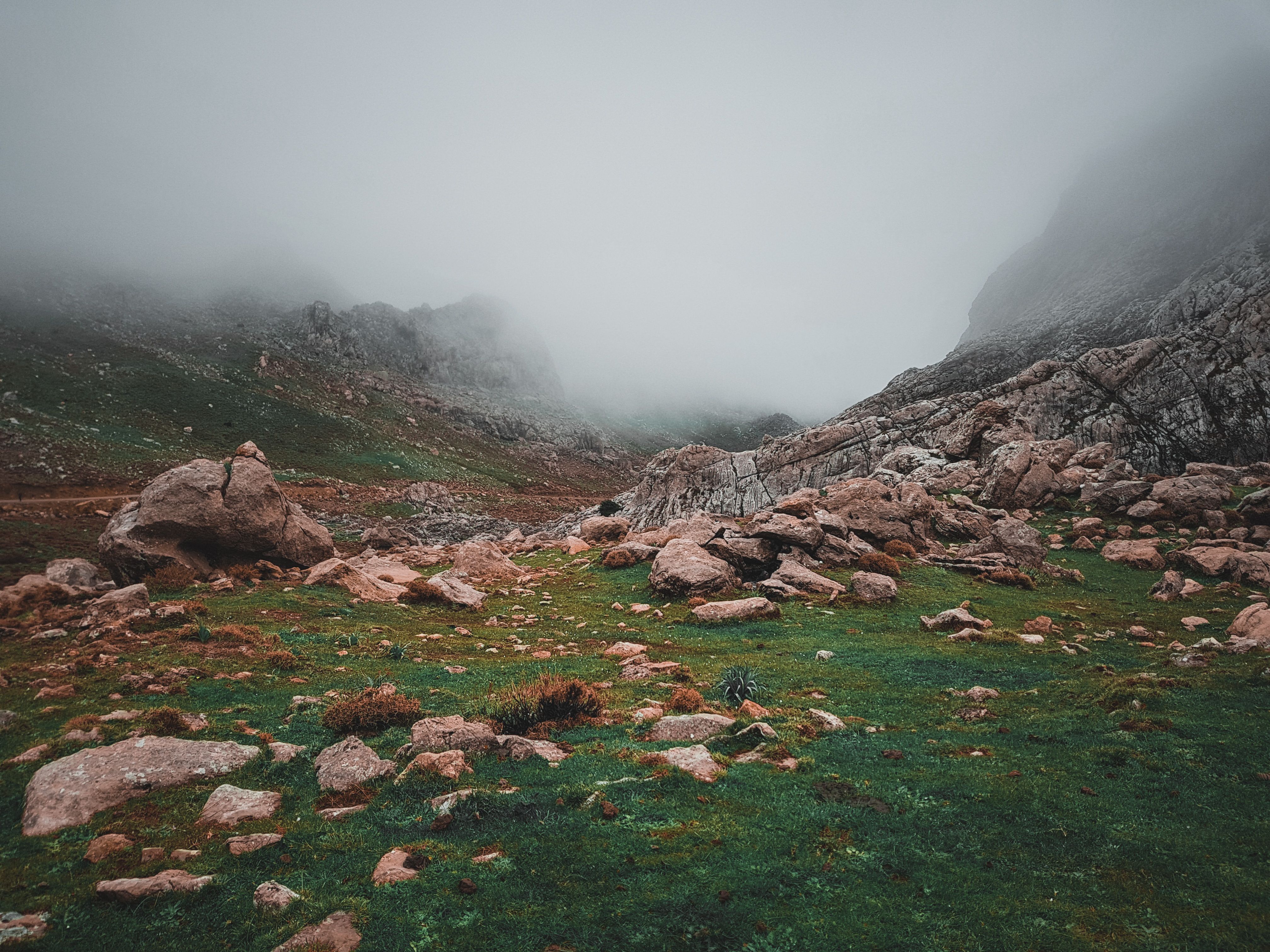
The weather is the other factor most guides gloss over. The Faroes are windy and changeable—I watched a clear morning turn to horizontal rain in 40 minutes.
Five days gives you enough time to work around one or two genuinely bad-weather days without losing the entire trip. Less time, and you’re gambling.
More time, and you’re paying premium accommodation rates (often 1,200–1,600 DKK per night) for days when you’re legitimately stuck indoors.
There’s also a practical ferry consideration: inter-island ferries run on schedules that cluster certain connections on specific days.
Five days lets you hit two or three islands without backtracking. A week often means you’re waiting for connections or paying for redundant nights in Tórshavn.
Go shorter, and you’ll feel the islands slipping away. Go longer, and you’ll start noticing the repetition. Five days is when you leave satisfied rather than exhausted—or desperate to return.
Getting to the Faroe Islands and Getting Around (2026 Update)

I arrived at Vágar Airport on a Tuesday in June, stepping off a SAS flight from Copenhagen into wind so forceful it nearly knocked my suitcase sideways. Getting here isn’t complicated, but it does require intentionality — and 2026 brings a few changes worth knowing. Most visitors fly through Copenhagen or Reykjavik; direct flights from Copenhagen run roughly 1,100–1,500 DKK (€150–200) return, with SAS and Atlantic Airways competing on routes. The flight takes 90 minutes. If you’re coming from North America, budget a connection; there’s no direct service from the US, though Reykjavik adds only 4–5 hours to your journey and often costs less than routing through Copenhagen.
Once you land, here’s what most guides miss: the airport bus to Tórshavn (200 DKK, roughly €27) runs on a schedule that assumes ferry arrivals, not flights. If you’re on a mid-morning flight, you’ll wait 90 minutes for the next bus. Rent a car instead. A compact vehicle runs 400–550 DKK daily (€55–75), and you’ll need it for this itinerary anyway. The roads are excellent, driving is on the left, and petrol costs about 15 DKK per litre (€2 per litre) — pricey but manageable.
Inter-island transport is where the Faroes differ from other Nordic destinations. Ferries connect the islands (50–150 DKK per journey, €7–20), but they run on local schedules, not tourist convenience. Buses link towns on the same island. If you’re island-hopping without a car, you’ll spend 2–3 hours daily coordinating ferries and buses. This isn’t a dealbreaker, but it’s a real constraint on a 5-day trip. Most visitors rent a car for the full stay; it costs more upfront but buys you flexibility and saves frustration.
One cultural note: Faroese drivers are cautious and courteous. Speeding fines are steep (1,500+ DKK), and locals respect the speed limits even on empty roads. Do the same. The weather changes hourly, so check forecasts religiously — not because rain will ruin your trip, but because visibility affects safety on mountain roads.
Where to Base Yourself: Tórshavn vs. Island Hopping
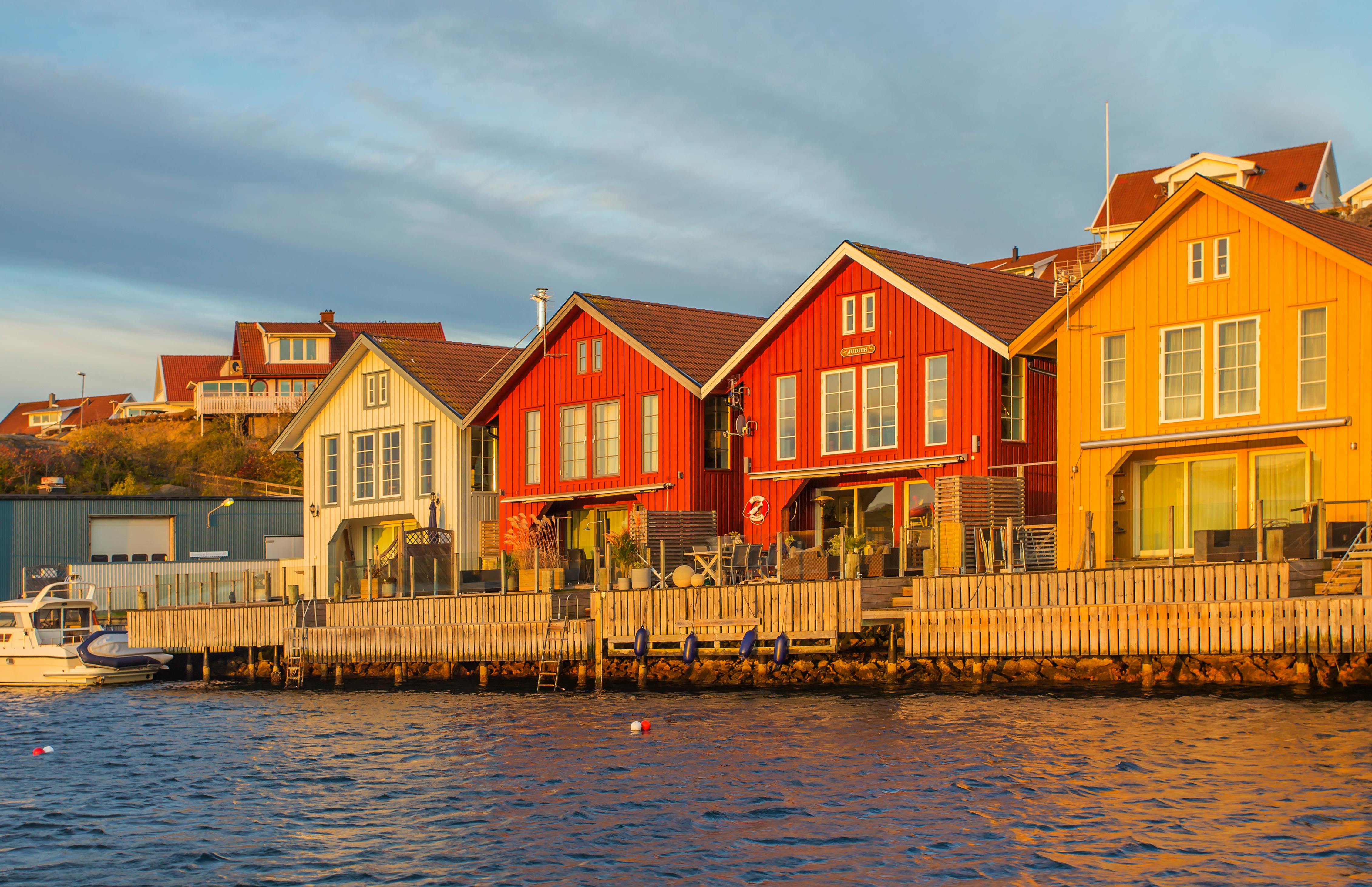
I made my decision to base myself in Tórshavn on a rain-soaked evening at a harbor-side café, watching a fishing boat unload its catch while locals nodded to each other like they’d known each other for centuries—which they probably had. The capital felt manageable, walkable, and genuinely alive in a way that justified staying put rather than chasing views from one island to the next.
Tórshavn is the logical anchor for a five-day trip. The city itself isn’t large—you can walk end-to-end in 20 minutes—but it’s the transport hub for ferries and buses, which matters more than you’d think when you’re coordinating multiple day trips. Accommodation clusters around the harbor and the main shopping street (Niels Finsensgøta); expect 1,400–2,200 DKK (€188–295) per night for mid-range guesthouses, or 900–1,400 DKK (€121–188) for hostels. The real advantage: you’re never more than a 45-minute ferry ride from Streymoy’s best hikes, Vágar’s dramatic cliffs, or Eysturoy’s northern villages. One often-missed detail: the ferry schedules shift seasonally, and 2026 winter schedules (November–March) are far more limited than summer. If you’re visiting outside June–August, base yourself in Tórshavn—you’ll have fewer transport headaches.
Island hopping—staying 1–2 nights on different islands—is romantic in theory but logistically exhausting with limited luggage and ferries that sometimes don’t run due to weather. You’ll spend time packing and unpacking instead of hiking. That said, if you want to experience village life more intimately, a night in Gjógv (Eysturoy) or Vágar’s Gásadalur is unforgettable. The trade-off: accommodation outside Tórshavn is pricier (1,600–2,500 DKK / €215–335) and less reliable for bookings.
My honest take: base yourself in Tórshavn, but take ferries out for full days. You’ll see more, stress less, and still sleep in a comfortable bed each night.
Your Complete 5-Day Faroe Islands Itinerary
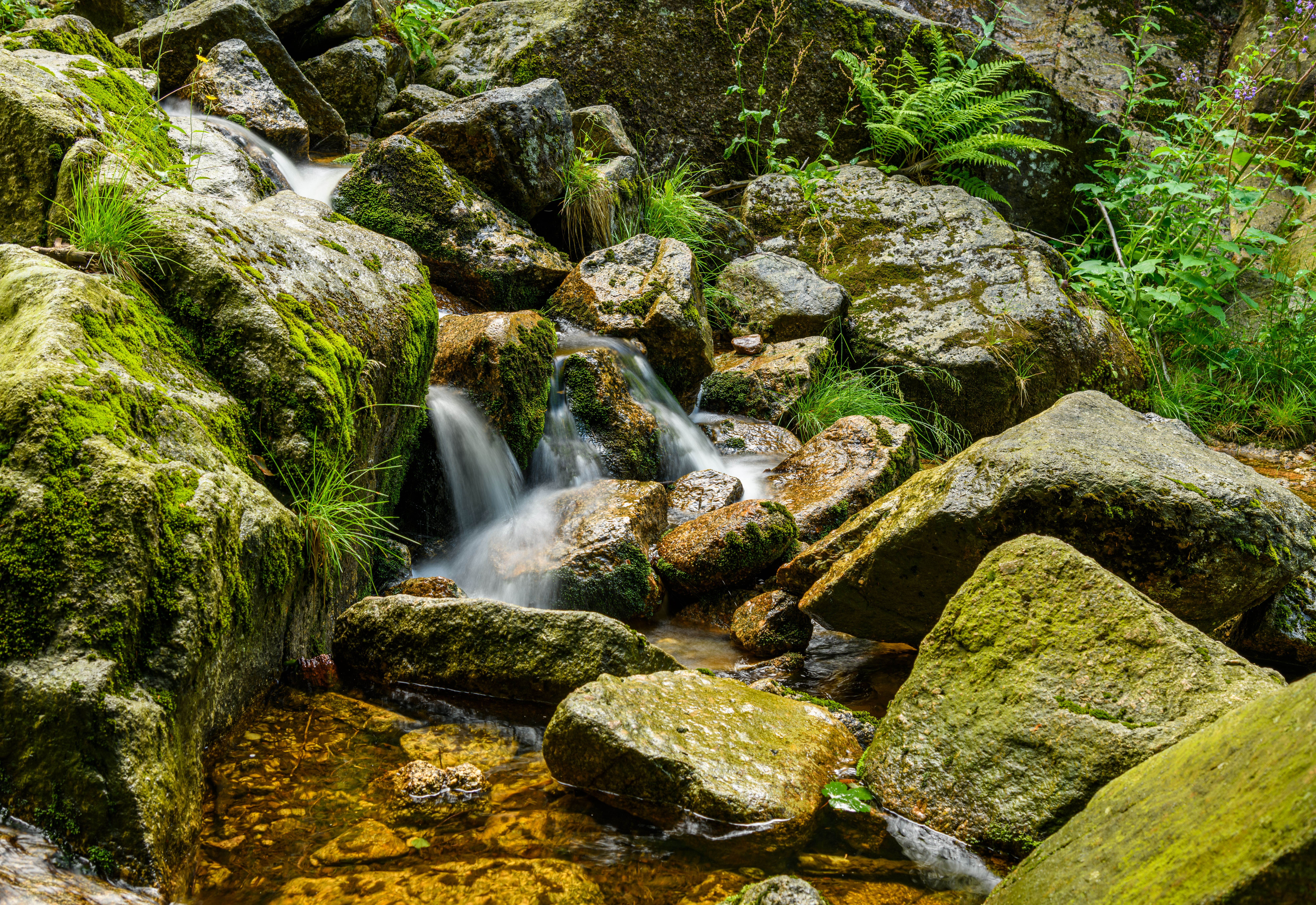
I arrived on a Wednesday morning when the fog was so thick I couldn’t see the cliffs from the ferry—only heard them, a distant roar beneath the mist. By afternoon, the clouds lifted enough to show me why I’d come. Here’s how to spend five days without wasting a single one.
Day 1: Tórshavn and Streymoy’s South Coast
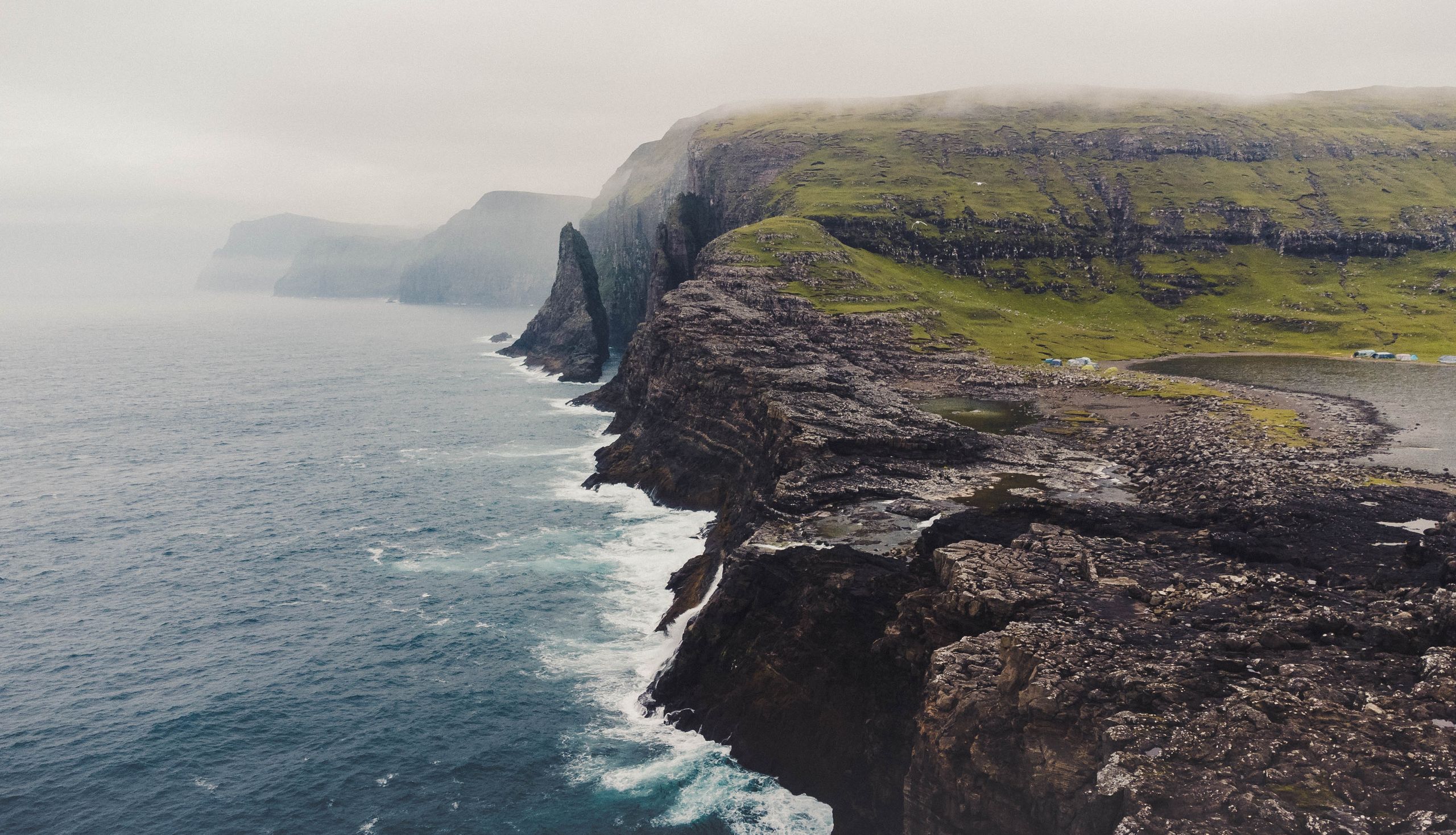
Land, drop your bags, and walk straight to Tinganes (30 minutes from town). Those turf-roofed houses aren’t a theme park—people actually live there. Grab lunch at a local café (expect 150–200 DKK for a sandwich), then take the bus to Sørvágsvatn lake for sunset. The water sits 64 metres above the ocean with no visible barrier between them. It’s disorienting and perfect. Budget 2–3 hours here.
Day 2: Vágar Island Deep Dive
Most tourists hit Mikladalur and Gásadalur (the villages with the Instagram-famous turf houses) and leave. Stay longer. Walk down to Gásadalur village itself—the actual inhabited place, not just the photo spot—and you’ll see locals doing laundry, kids playing, real life. Ferry to Mykines (200 DKK return, book ahead) and hike to the lighthouse. The walk takes 45 minutes and the island feels genuinely remote. Return on the last ferry or risk sleeping rough.
Day 3: Eysturoy’s Eastern Edge
Take the bus to Funningur or Gjógv on the northeast coast. These villages are quieter than Tórshavn but equally striking. Gjógv has a natural rock tunnel leading to a tiny beach—locals swim here in summer. Eat at a local home-run guesthouse (dinner runs 250–350 DKK). This is where you’ll actually meet Faroese people, not tour groups.
Day 4: Kalsoy and Kunoy
Rent a car (500–700 DKK daily) and cross the underwater tunnel to Kalsoy. Drive to Trøllanes at the island’s tip—a village of 40 people with views that dwarf anything you’ve seen. Hike Kallur lighthouse (1.5 hours). On the way back, stop at Kunoy’s Á Gili restaurant for fresh fish. Reservations essential.
Day 5: Departure Day or Second Chances
If your ferry leaves afternoon, revisit your favourite spot or tackle one missed hike. If morning, use yesterday to rest. The Faroes reward slow travel—rushing defeats the purpose.
Best Hikes and Natural Wonders (With Real Talk on Difficulty)
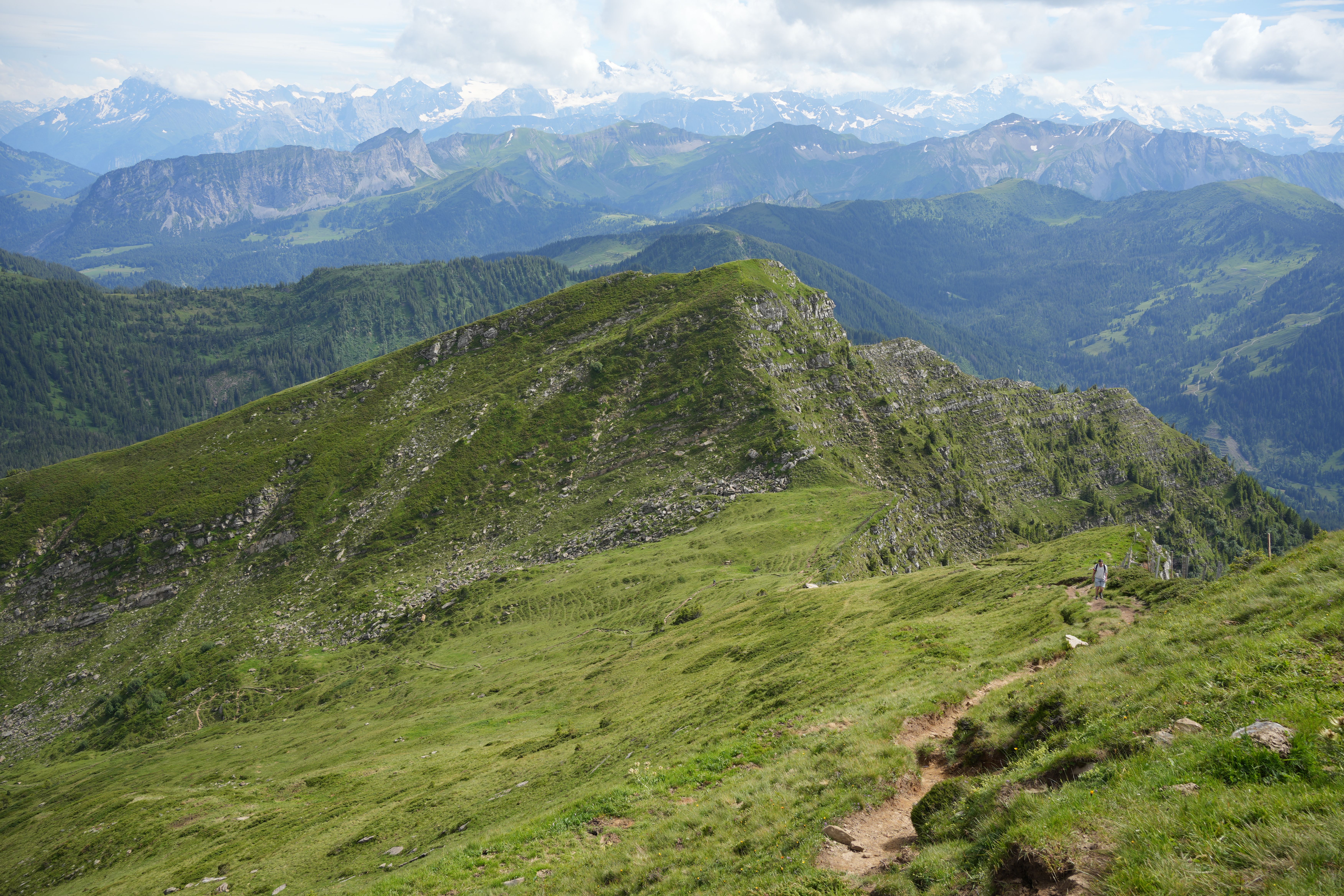
I stood at the trailhead to Slættaratindur on a morning that felt deceptively calm—the kind where the weather forecast said “moderate winds” but the grass was already horizontal. This is the first thing you need to understand about hiking the Faroes: difficulty ratings here are not what you think they are. A trail marked “moderate” elsewhere might be genuinely exposed, boggy, and weather-dependent in ways that demand respect and proper gear.
The most famous hike, Trælanípan (the Slave Cliff near Vágar), is genuinely spectacular—a 2-hour scramble with a 200-meter chain descent to a sea arch—but it’s also genuinely dangerous in wet conditions, which is almost always. I’ve seen experienced hikers turn back halfway because visibility dropped to 20 meters. The payoff is otherworldly, but go only if you’re comfortable with exposure and scrambling on wet rock. Budget 4–5 hours with photo stops.
For something less committing but equally stunning, Enniberg (Eysturoy’s highest point at 882 meters) offers panoramic views across all major islands—no chains required, just steady legs and waterproof everything. The boggy sections are real; gaiters aren’t optional. Allow 3 hours. Cost: zero, but a good waterproof jacket (which you’ll need anyway) runs 100–150 EUR.
One detail most guides skip: the Faroes have no mountain rescue service in the traditional sense. If you get injured on a remote peak, you’re relying on the coast guard and weather windows. This isn’t to scare you off—thousands hike safely—but to emphasize that going with a local guide (available through most tourist offices, around 350–450 EUR for a small group) actually makes financial and safety sense, not just logistical sense.
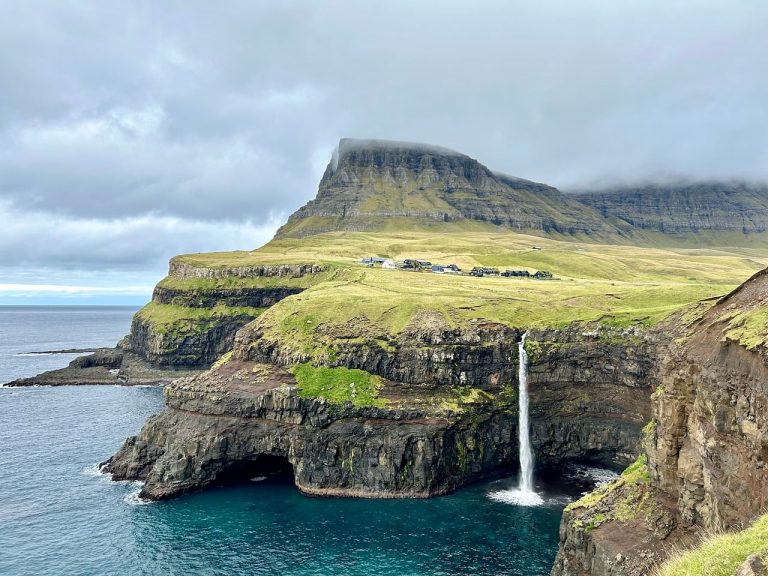
The Mulafossur waterfall near Gásadalur is the Instagram darling, but the real gem is Gásadalur itself—a village of 16 people where you can sit above 600-meter cliffs and hear only wind and seabirds. No hike required; just show respect for residents’ privacy and don’t treat their homes as a photo backdrop.
Authentic Local Experiences and Cultural Stops
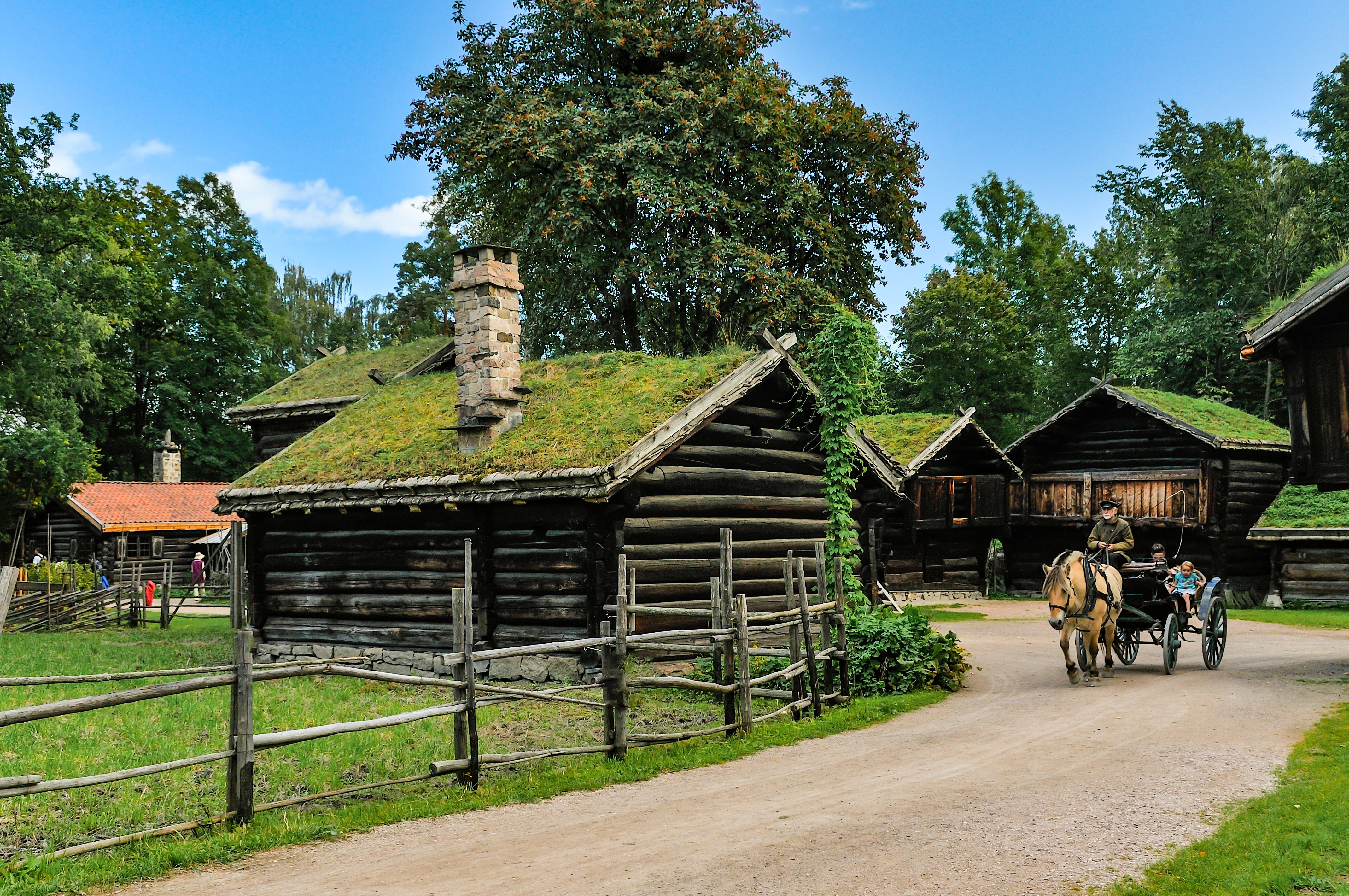
I sat in the Faroe Islands Museum in Tórshavn on a grey afternoon, watching a short film about the traditional bird-hunting cliffs, and realized I’d been romanticizing the islands all wrong. The Faroes aren’t a pristine wilderness—they’re a place where people have survived for 1,200 years through brutal ingenuity, and that’s far more interesting than any postcard. The museum (400 króna, roughly $2.80 USD) is small but essential; it explains why you’ll see turf-roofed houses, why sheep outnumber people, and why grindadráp—the traditional whale hunts—still happen here, a practice that divides locals and outsiders sharply.
Visit Kunningarstovan (the Faroese Culture House) in Tórshavn to catch traditional music sessions or craft demonstrations. These aren’t staged for tourists; locals genuinely gather here. If you time it right, you might catch a kvøldvaka—an old tradition of communal gathering with storytelling and handwork—though these are increasingly rare and happen organically rather than on a set schedule. Ask at your accommodation if anything’s happening during your stay.
The real cultural lesson, though, comes from eating where locals eat. Skip the tourist restaurants and head to a supermarket like Bónus in Tórshavn (yes, really). Buy fresh fish, bread from a local bakery, and sit by the harbor. This isn’t a shortcut—it’s how you understand that Faroese life is expensive, practical, and deeply tied to the sea. Meals at tourist spots run 180–250 króna ($12–17) for a basic lunch; cooking for yourself costs a third of that.
One crucial cultural note: the Faroes are deeply Lutheran and traditionally conservative. Sundays are quiet—many shops close, and nightlife shuts down early. Locals are warm but reserved with strangers; a simple “Halló” and genuine interest in their experience goes further than small talk. Don’t ask about whaling unless they bring it up first—it’s a sensitive topic that deserves respect, not judgment.
Practical Planning: Budget, Packing, and Pro Tips

I stood in a Tórshavn supermarket staring at a 280 DKK (£37/$47 USD) price tag on a single grilled chicken breast, and that’s when the cost reality of the Faroes hit me. This isn’t a budget destination—it’s one of the most expensive places in Europe. Budget roughly 1,200–1,500 DKK (£160–£200/$200–$250 USD) per day if you’re mid-range: guesthouses run 600–900 DKK ($80–$120), meals 150–250 DKK ($20–$33) at casual spots, and transport (buses and ferries) around 200–300 DKK ($27–$40) daily. Self-catering cuts this significantly—grocery stores exist in larger towns, though prices remain steep.
Packing is where most visitors miscalculate. The Faroes don’t need hiking boots—they need waterproof hiking boots. Rain isn’t occasional; it’s structural. Bring merino wool layers (synthetic dries faster than cotton in the damp), a quality waterproof jacket, and trousers you don’t mind getting soaked. Thermal socks matter more than you’d think. The wind is genuinely fierce—I’ve seen tourists’ hats sail into the ocean—so pack a beanie that actually stays on. Sunscreen is essential despite the latitude; UV reflection off water and rock is brutal.
One mistake I see repeatedly: arriving without booking accommodation. June through August fills fast, and guesthouses often have just 6–8 rooms. Book by March if you’re going summer 2026. Conversely, shoulder seasons (May and September) offer far fewer tourists, reasonable weather, and lower prices—often 20–30% cheaper than peak season.
A practical detail most guides skip: the Faroese are famously reserved. Small talk with locals works best if you ask about their work or local knowledge rather than complimenting the landscape—they’ve heard that a thousand times. If invited to someone’s home, bringing good chocolate or wine is standard. Finally, download offline maps before arrival; mobile coverage is patchy outside towns, and you’ll want to navigate without relying on signal.
CONCLUSION
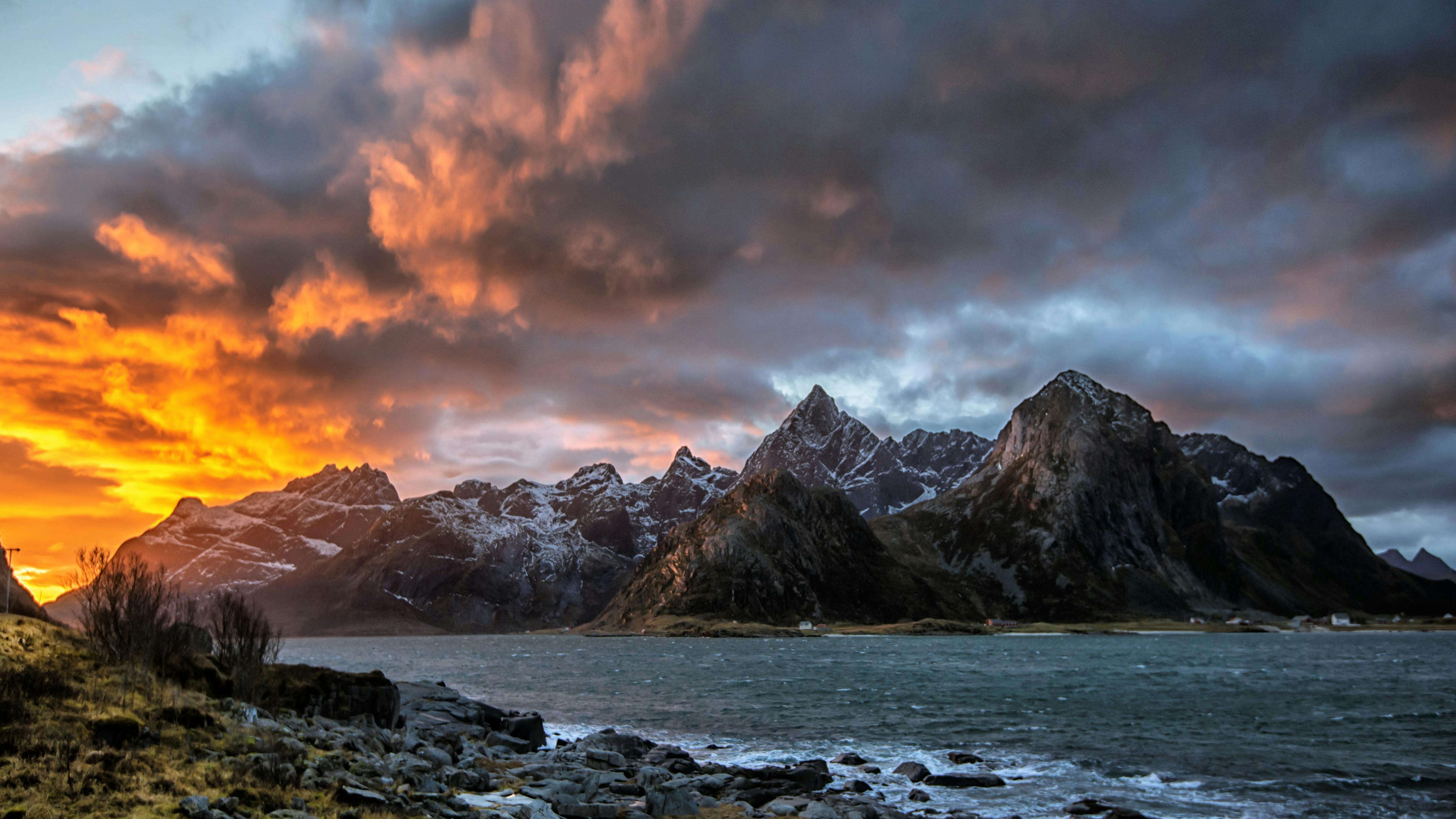
Five days in the Faroes isn’t a rushed holiday—it’s exactly enough time to stop chasing Instagram moments and actually live here for a moment. You’ll hike into clouds so thick you can’t see your own feet, eat fish caught that morning, sit in a turf-roofed cottage while rain hammers the roof, and understand why people choose to stay on these islands despite the wind, the expense, and the long winters. The Faroes don’t reward speed. They reward patience, good waterproof gear, and a willingness to abandon your itinerary when the light is perfect or the weather shifts unexpectedly.
What makes this itinerary work is balance: you’ll get the postcard-perfect villages and hikes, but you’ll also sit in a local café where nobody speaks English and you’ll have to point at what you want. You’ll understand the ferry system well enough to move between islands without panic. You’ll know where to sleep affordably and where to splurge on a meal that justifies the price. And you’ll leave with the kind of tired that comes from genuinely moving through a landscape, not just moving through a checklist.
The one thing this guide can’t do is predict the weather. Check the forecast two weeks before you arrive, then again one week out. Book your accommodation and ferry tickets now—summer 2026 will fill up—but keep your daily hiking plans flexible. The best moment you’ll have might be something unscheduled: a pod of whales you spot from a bus window, a conversation with a fisherman in Vestmanna, a sunset that turns the basalt cliffs orange.
Your next step: Open your calendar, pick your five days, and book your flights and accommodation this month. Then spend the next weeks reading about Faroese culture, checking hiking conditions, and letting the anticipation build. The islands will be waiting—and they’ll surprise you.