Ultimate coastal europe travel guide 2026

Skip the lines at Santorini. Discover lesser-known Mediterranean, Adriatic & Atlantic coasts with exact costs, visa tips & insider routes.Edit
I missed the last ferry from Rovinj by seven minutes—and watched the sunset alone on a Istrian clifftop while tour groups were already boarding their coaches back to Split. That moment crystallized why I spent six months mapping the coasts everyone overlooks.
Coastal Europe in 2026 doesn’t mean fighting for elbow room in Positano or paying €28 for a mediocre pasta in Venice’s San Marco. This guide maps five distinct coastal regions—from the Adriatic’s limestone coves to Portugal’s dramatic Atlantic cliffs—with the neighborhoods locals actually visit, real accommodation costs (€35–€120 per night across tiers), and the specific visa and seasonal shifts that will define next year’s travel.
You’ll find the routes that connect these regions efficiently, the one cultural misstep most visitors make in each area, and exactly which months avoid both peak prices and shoulder-season letdowns. This is coastal Europe beyond the postcard.
Western Mediterranean Hidden Gems Beyond the Crowds
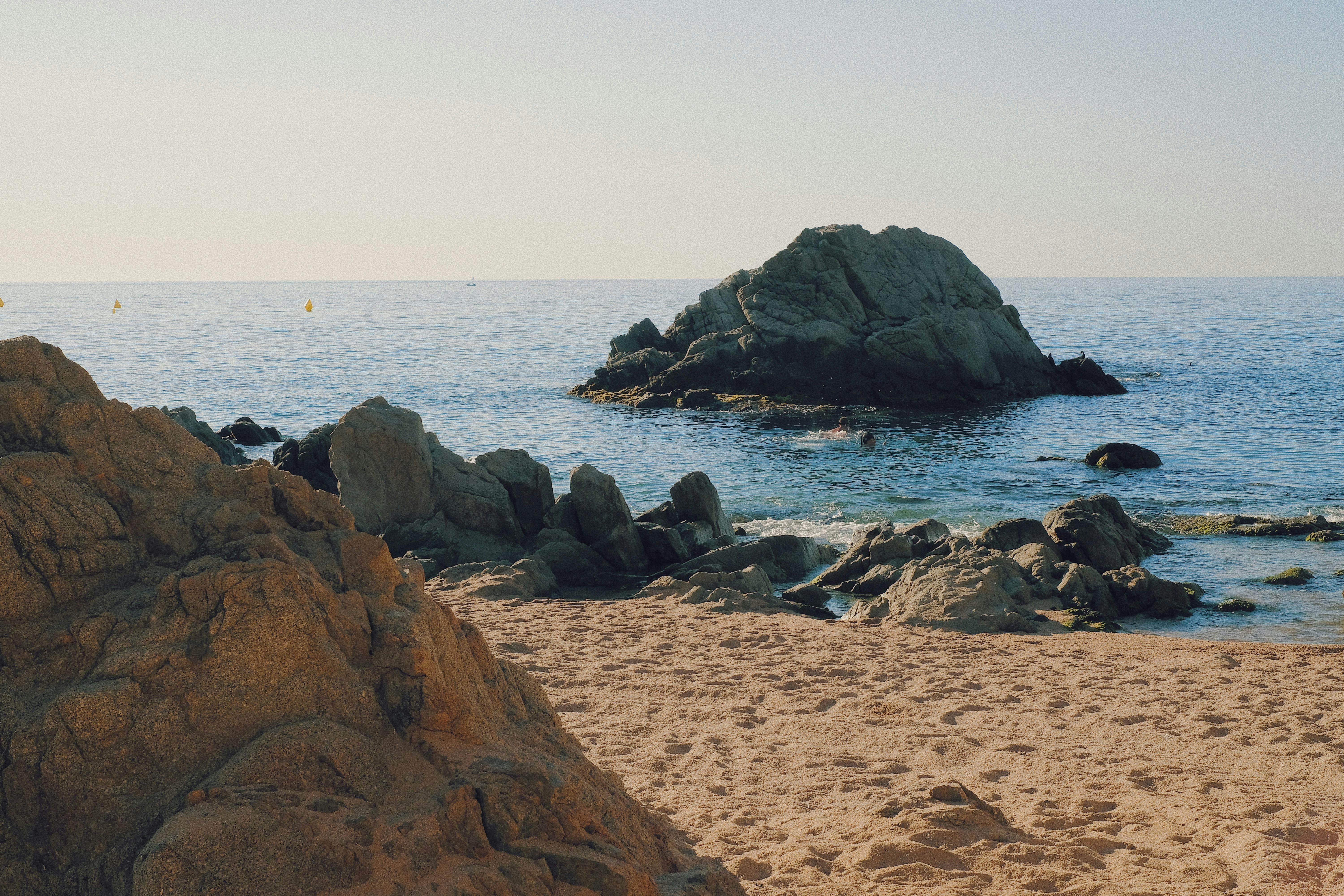
I was sitting in a harborside café in Cassis, France—population 8,000—watching fishing boats unload their catch while tourists walked past without breaking stride, and I realized this is what the Mediterranean was supposed to feel like. Not shoulder-to-shoulder on a cruise ship dock, but the smell of bouillabaisse mixing with salt air, the clink of wine glasses, actual locals at the next table. Cassis sits just 45 kilometers from Marseille but exists in a different temporal zone entirely.
The Western Mediterranean is drowning in visitors, but they’re all queuing at the same five places. What most guides won’t tell you: the real magic is in the overlooked towns that are genuinely cheaper, less exhausting, and often more authentic. Cassis itself charges €12–18 for a main course (compared to €28–35 in nearby Cannes), and a modest double room runs €70–95 in summer. The Calanques—dramatic limestone cliffs with hidden beaches—are accessible by hiking trails that locals use, not tour operators.
Similarly, Collioure in French Catalonia (€8 bus from Barcelona) feels like a postcard from 1960. The town has roughly 3,000 residents, a working fishing harbor, and streets narrow enough that you’ll get genuinely lost—which is the point. Accommodation ranges €60–85 for a simple room; fresh seafood pasta costs €9–12. The one trade-off: Collioure has limited nightlife and can feel sleepy in shoulder seasons (May and September are ideal). But that’s precisely why you should go.
One critical insight most travelers miss: the Western Mediterranean’s best months are May and late September through early October. July and August are peak season everywhere, including these “hidden” spots. June is the sweet spot—warm enough to swim, before the real crush arrives. Visas depend on your nationality; EU/EEA citizens need only a passport, while others should verify Schengen requirements well ahead. Getting around these smaller towns requires either a car (expect €40–50/day for rental) or patience with regional buses (€3–8 per journey). The trade-off to leaving the beaten path is accepting slower, less convenient transit—but you’ll have the beach to yourself.
Complete Italian Coast Travel Guide: Beyond Amalfi
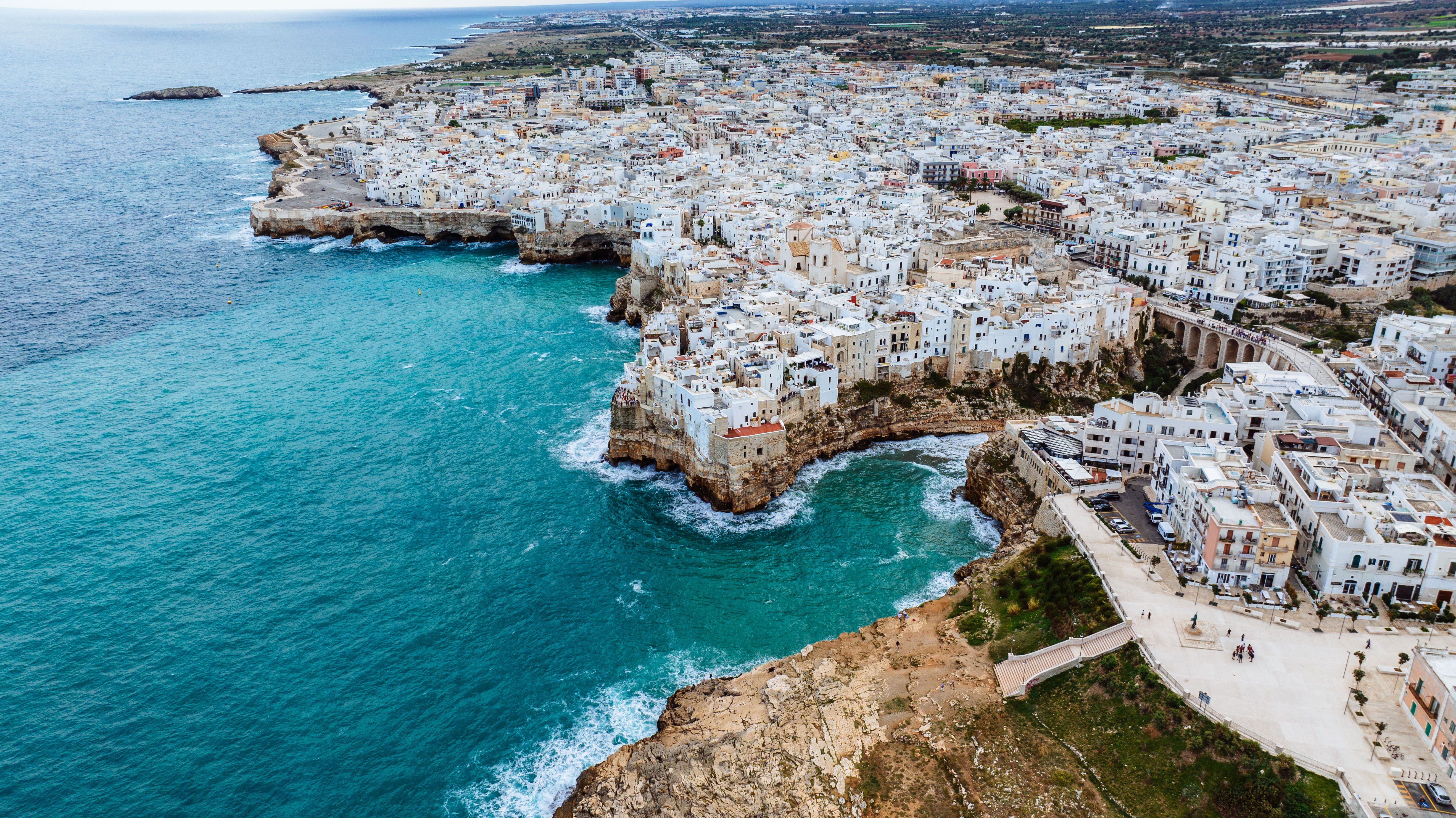
I was standing on the platform at Salerno station at 6:47 a.m., watching locals board the Circumvesuviana train with the kind of practiced indifference that only comes from doing something a thousand times. The carriage filled immediately—this wasn’t a tourist route, which was exactly why I was there. The Amalfi Coast’s fame has calcified into something almost unusable: €18 limoncello shots, €35 pasta, and shoulder-to-shoulder crowds that turn Positano into a human Tetris game by 11 a.m. But Italy’s coastline extends far beyond those three villages, and the real discovery happens when you’re willing to get on the local train instead of the tour bus.
Start with Salerno itself—a working port city that most guides skip entirely. The waterfront promenade (Lungomare) stretches for miles and costs nothing to walk. Dinner here runs €12–16 for fresh seafood pasta at family-run trattorias where the menu changes based on what the boats brought in that morning. The cathedral is genuinely stunning, and you’ll have it mostly to yourself. From here, explore the Cilento Coast south toward Paestum: ancient Greek temples rising from flat farmland, with a beach attached and a fraction of Amalfi’s tourist density. Accommodation in the nearby town of Agropoli runs €60–90 per night for decent three-star hotels; book for May or September when the weather is perfect but the summer crush hasn’t arrived.
The Tyrrhenian Coast west of Naples deserves equal attention. Procida and Ischia—both accessible by ferry from Naples (€3–5, 30–60 minutes)—offer dramatic volcanic cliffs, natural hot springs, and working fishing villages. Ischia’s Maronti Beach has free thermal pools heated by underground springs; locals know this, tourists mostly don’t. A critical mistake: visiting in August. Everything closes between 1 and 4 p.m. for riposo, restaurants are packed, and prices inflate 40–50%. June and September are objectively superior.
One cultural note: Italians don’t typically eat seafood pasta with cream sauces—that’s a tourist invention. Order spaghetti alle vongole (clams) or pasta con le acciughe (anchovies) and you’re eating what locals actually eat. It costs less and tastes infinitely better. Rent a Vespa or small Fiat for €35–50 daily to reach clifftop villages that buses can’t navigate. The roads are tight and occasionally terrifying, but the solitude is worth it.
Adriatic & Balkan Travel Bucket List Destinations
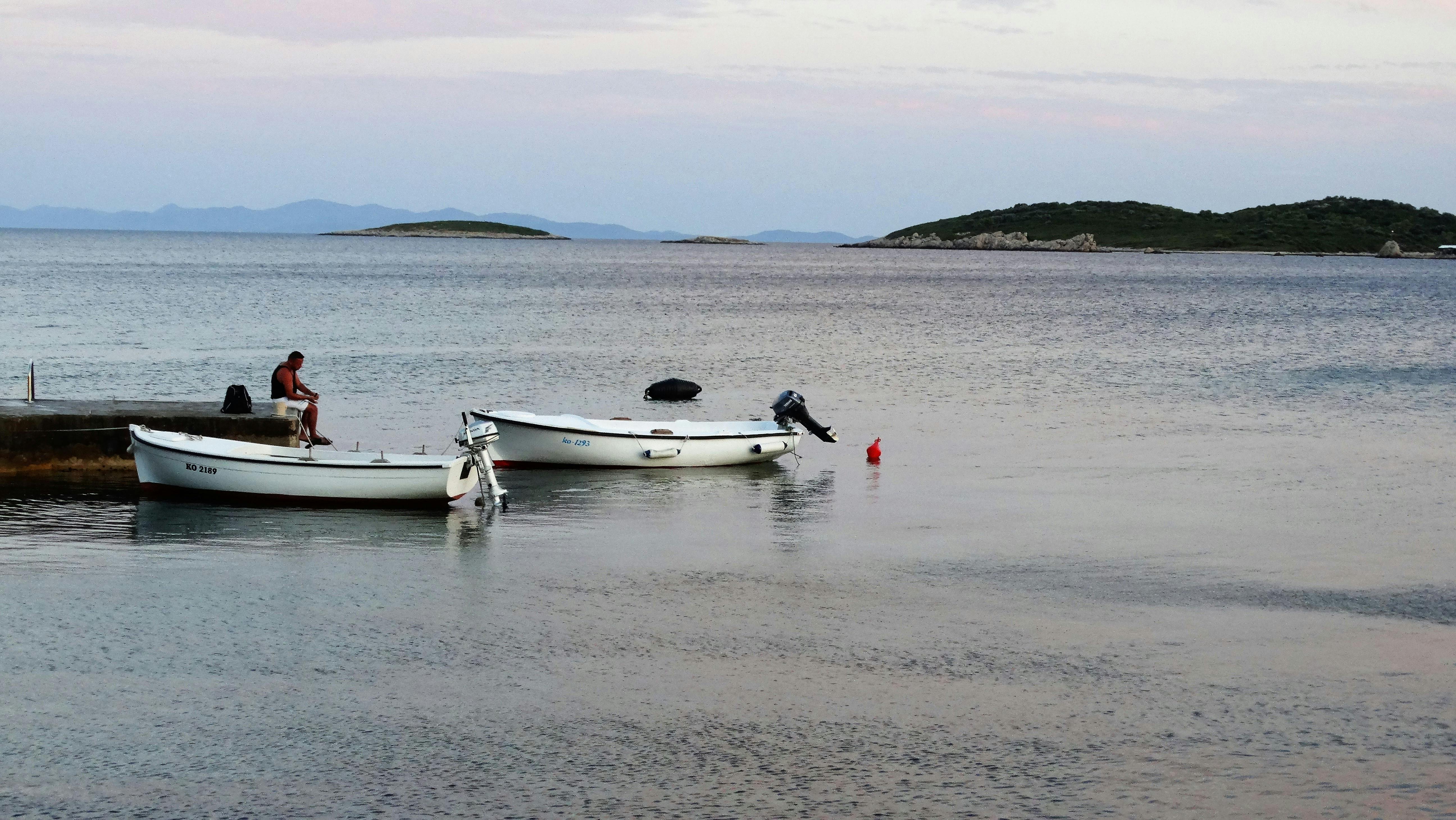
I was sitting on a stone wall in Rovinj, Croatia, at 6 a.m., watching fishing boats motor past while the town was still asleep, and I realized why so many travellers skip straight from Italy to Greece—they don’t know what they’re missing. The Adriatic’s eastern shore has exploded in popularity over the past five years, but most visitors stick to the same three towns. The real magic happens when you venture inland from the coast or time your arrival to avoid July and August entirely.
Rovinj itself is genuinely stunning—Venetian architecture, affordable seafood, and a working harbour that hasn’t been entirely swallowed by tourism. A double room runs €60–120 depending on season; a fresh fish dinner with wine costs around €18–25. But here’s what most guides won’t tell you: the town floods with cruise passengers between 10 a.m. and 4 p.m. Stay in the backstreets above the waterfront, eat breakfast at 7 a.m., and you’ll have the place to yourself. The bus from Zagreb costs €25–35 and takes five hours; flying into Pula airport (40 km away) is cheaper from central Europe but requires a rental car or arranged pickup.
Dubrovnik deserves its reputation but not its crowds. Go in late April or September when temperatures are still warm (22–25°C) but locals outnumber tourists. The city walls are worth the €20 entry fee—walk them at sunrise if you’re staying nearby. Budget €80–150 for a mid-range room; the Old Town is pricey, but Lapad peninsula offers better value and a short bus ride away.
The real revelation is Montenegro’s Bay of Kotor, which genuinely rivals the fjords of Scandinavia. Kotor town itself is compact and atmospheric; Perast, across the bay, is even quieter. Ferries between towns cost €3–5. From Dubrovnik, it’s a three-hour drive south (rental car €35–50/day) or a scenic bus journey. One local etiquette note: Montenegrins are warm but direct—small talk isn’t expected. Order confidently, pay in euros or local dinars, and you’ll be welcomed.
Visa requirements depend on your passport; EU/US/Canadian citizens get 90 days visa-free. May through June and September through October offer the sweet spot: warm water (20–23°C), manageable crowds, and reasonable prices before peak season markup.
Greek Islands & Turkish Coast: Strategic Planning
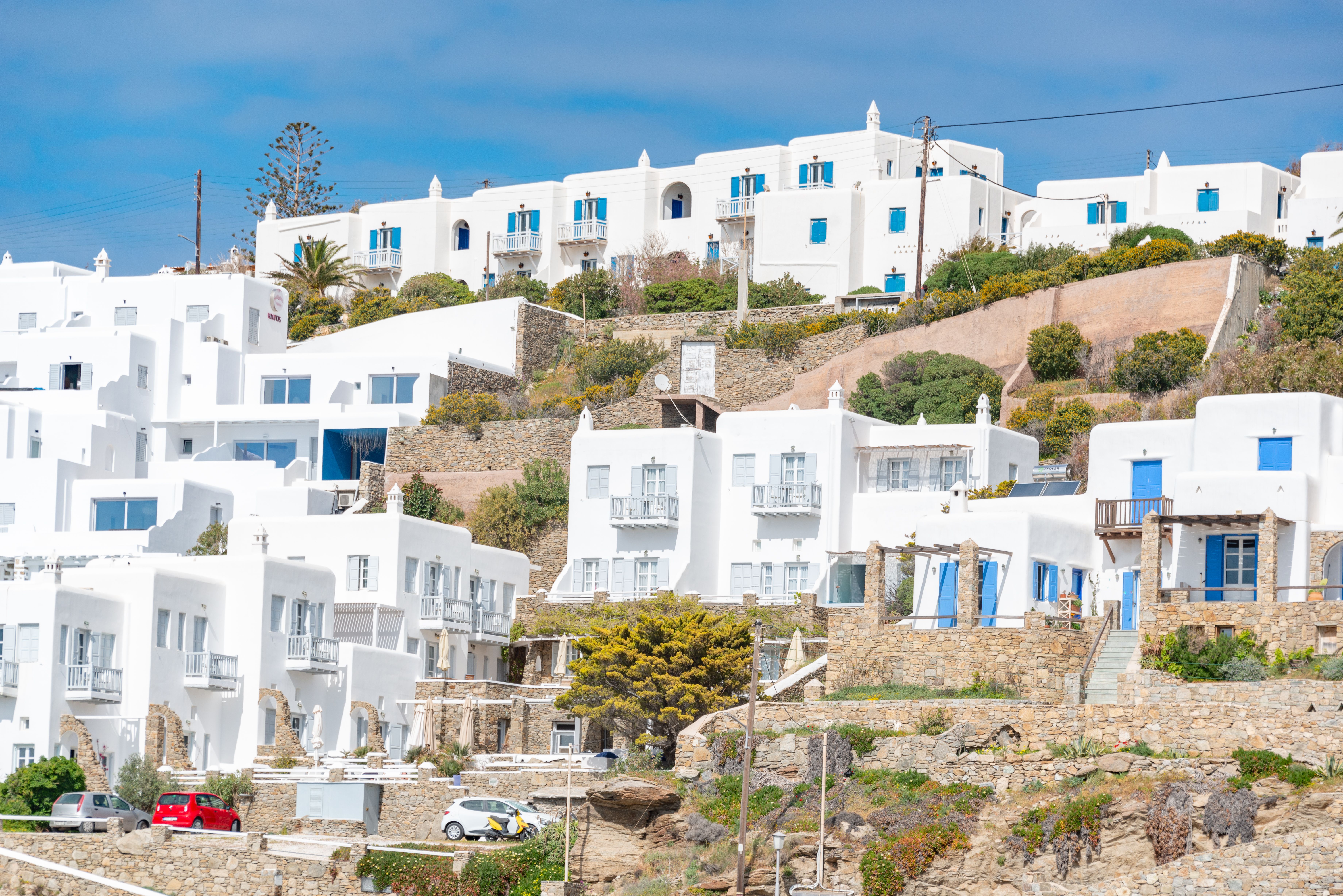
I was standing on the ferry deck between Samos and Kuşadası at dawn when it hit me: the Aegean doesn’t care about your itinerary. A sudden wind shift delayed us by three hours, and I watched the Turkish coast materialize through mist like a watercolour painting. That unplanned morning taught me more about pacing this region than any guidebook—you need buffer time, flexibility, and a clear-eyed understanding of what’s actually worth the logistical hassle.
The Greek islands and Turkish Riviera operate on completely different rhythms. Greek islands are ferry-dependent, expensive, and peak-season crowded (June–August), but they’re also where you’ll find the most reliable infrastructure and English-speaking locals. Turkey’s Aegean coast—Bodrum, Marmaris, Fethiye—costs roughly 40% less for accommodation and food, ferries run year-round between islands and the mainland, and the archaeological sites (Ephesus, Troy) rival anything in Greece. The trade-off: Turkish bureaucracy is slower, and English proficiency drops sharply outside major towns.
Here’s what most guides skip: visas. EU citizens get 90 days in Greece visa-free. Turkey requires an e-visa (€20, processed instantly online), but if you’re island-hopping between Greece and Turkey, border officials sometimes ask for proof of onward travel—download your ferry tickets beforehand. Also, ferries between Greece and Turkey run only April through October; winter crossings are rare and unpredictable.
Best timing? May or September. Crowds thin after mid-June, but ferries still run regularly and the sea is warm enough for swimming. July–August is brutal—Mykonos and Santorini are tourist theme parks, and accommodation doubles. Winter (November–March) closes half the island infrastructure entirely.
One cultural note: Greeks and Turks have genuine historical tensions. Don’t assume locals want to discuss politics, and avoid treating the region as one unified destination. Each island has its own identity, and Turkey’s coast is culturally distinct from the islands. Respect that separation, and you’ll have far better conversations with people you meet.
Atlantic Europe: Portugal & Northern Spain’s Scenic Views
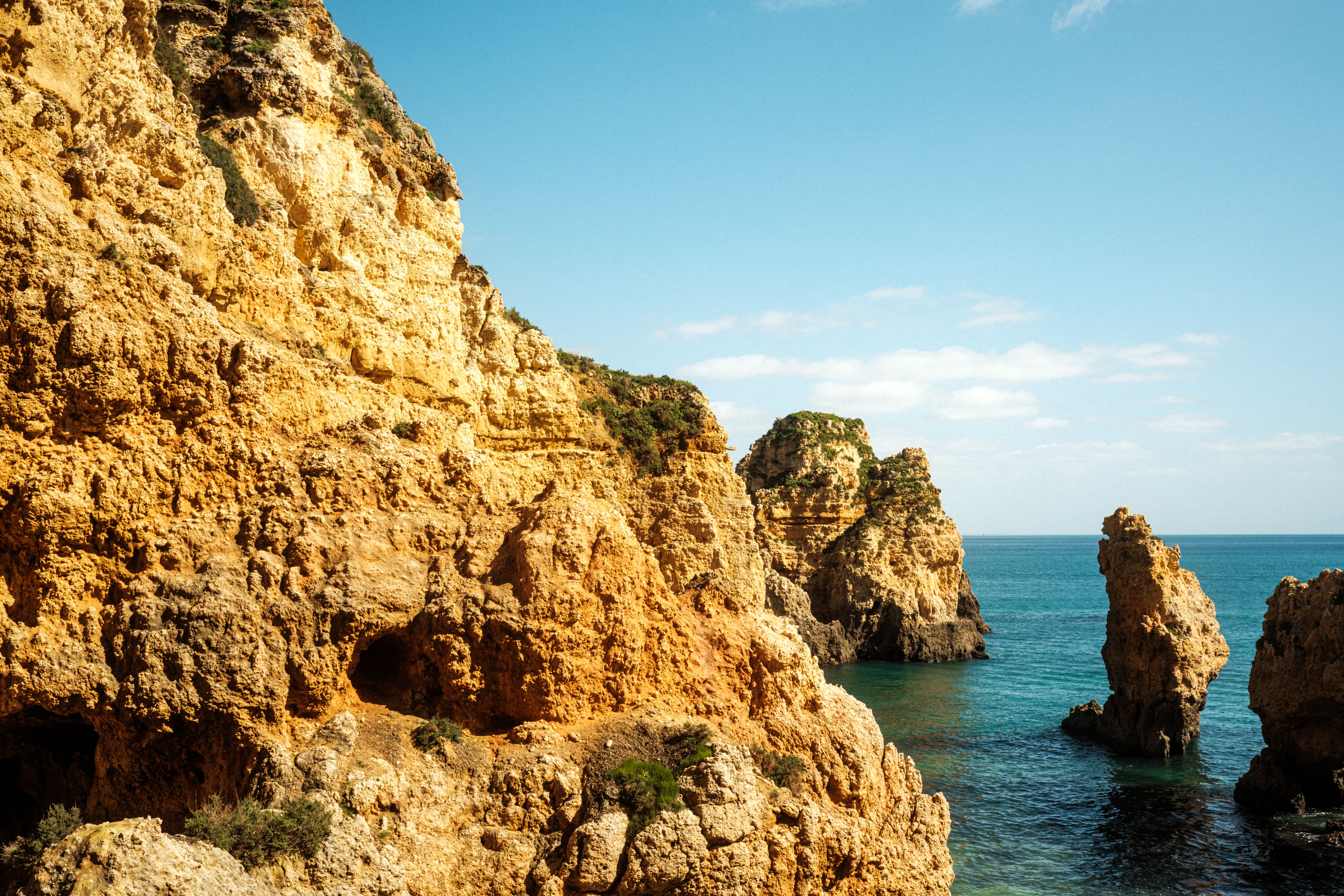
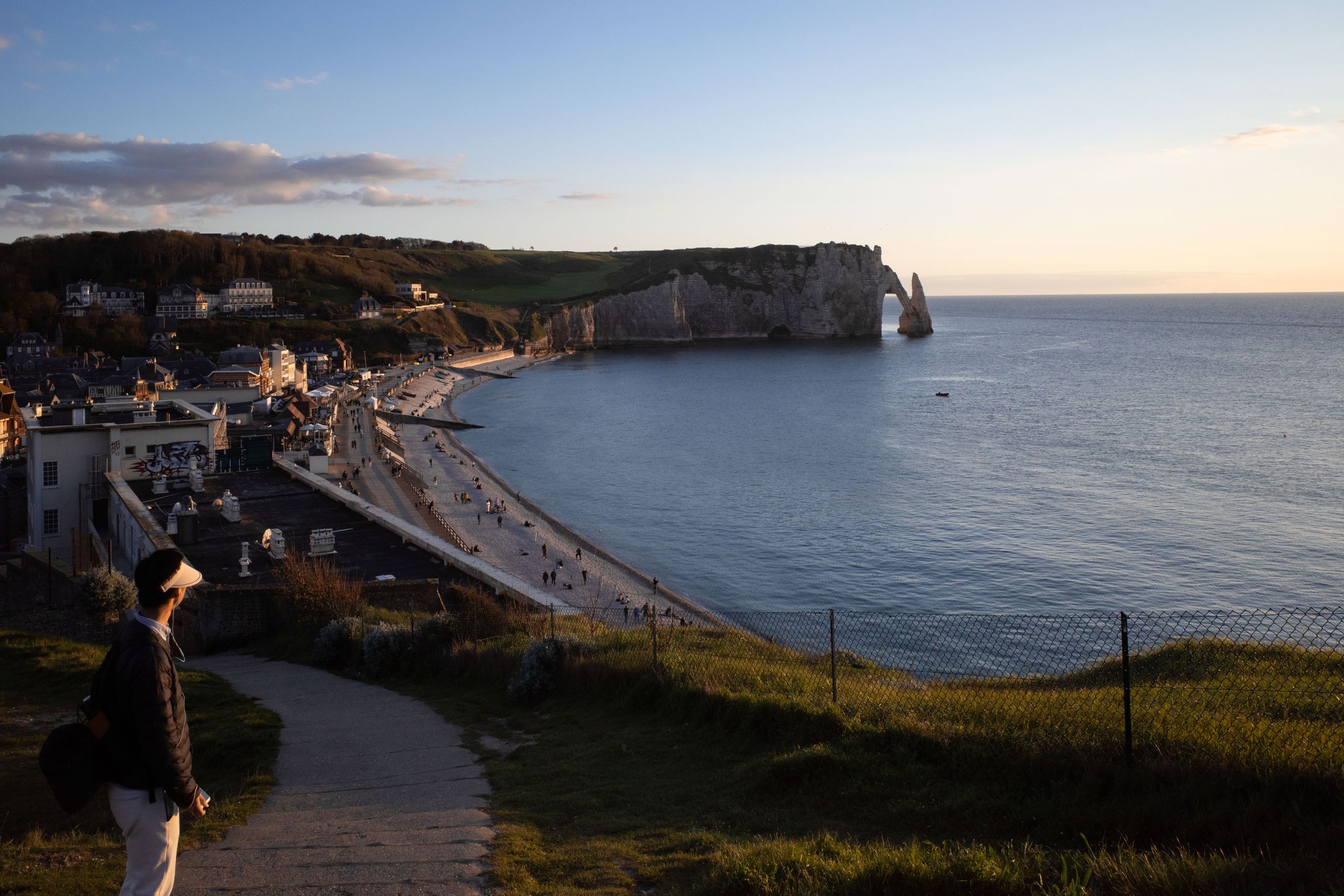
I watched the sun sink into the Atlantic from a clifftop in the Algarve, and a local woman beside me muttered something in Portuguese that made her friend laugh—I later learned she’d said tourists always expect the sunset to be more dramatic than it actually is. She was right. The Atlantic coast doesn’t perform for you the way the Mediterranean does. Instead, it humbles you with raw geology: 200-meter sea cliffs that have been carving themselves into new shapes for millennia, beaches backed by cork forests, towns where fishing still matters more than Instagram.
Portugal’s Algarve gets the crowds, but the real revelation is the west coast—Comporta, Ericeira, the Peniche Peninsula. Ericeira, a working fishing village 40km north of Lisbon, charges nothing to watch surfers tackle Atlantic swells, and a meal of grilled sardines runs €12–18 at waterfront tascas (casual eateries). The train from Lisbon (€3.50, 45 minutes) deposits you steps from the harbor. Stay in the old town itself rather than the new development zone; guesthouses run €60–90 per night. One critical detail most guides skip: the Atlantic here is genuinely cold year-round (14°C in winter, 17°C in summer), so even summer swimming requires a wetsuit unless you’re extremely tolerant of shock.
Northern Spain’s Basque and Galician coasts rival Portugal for drama but charge accordingly. San Sebastián is gastronomically world-class—pintxos (small plates) at bars cost €2–4 each, and you can eat extraordinarily well for €30–40 per meal—but accommodation starts at €120 for modest hotels. The Camino del Norte coastal variant offers a cheaper alternative: small villages like Zumaia have €50 pensiones and provide the same jaw-dropping cliff views without the tourist infrastructure.
Visit April–May or September–October. Summer brings crowds and inflated prices; winter offers solitude but frequent rain and occasional gale-force winds that close smaller coastal roads. A local custom worth respecting: in Portugal especially, tipping isn’t obligatory, but rounding up or leaving 5–10% is appreciated and signals respect for the service. The Atlantic coast demands patience—it won’t give you postcard moments on demand—but it rewards those who sit still long enough to actually see it.
How to Plan Your Perfect Coastal Europe Route

I once tried to visit seven countries in fourteen days by chasing the cheapest flight connections. I ended up spending more on transfers than accommodation and saw nothing properly. The hardest lesson in coastal Europe travel isn’t finding gems—it’s knowing when to stay put.
Start by choosing your anchor: one region where you’ll spend at least five days. This isn’t laziness; it’s logistics. A week in the Adriatic costs roughly €60–120 daily (budget accommodation, local food), but add inter-country buses and ferries, and you’re suddenly at €200 daily just moving around. Pick either the Italian coast, Greek islands, Portuguese Atlantic, or Balkan region—not all of them. Most travellers underestimate transfer time by 40 percent. That ferry from Dubrovnik to Hvar isn’t two hours; it’s two hours plus waiting, plus getting to the port, plus checking in. Budget an entire day for any major route change.
Seasonality isn’t just about crowds; it’s about infrastructure. May and September offer warm water (18–22°C), open restaurants, and manageable tourist numbers. July and August mean €40 beers in Santorini and three-hour waits for ferries. Winter (November–March) closes 30–50 percent of coastal accommodation and many island connections. If you’re visiting February, you’re essentially confined to mainland routes.
One critical detail guides rarely mention: book your ferry tickets 2–3 weeks ahead during peak season, not the morning-of. The Adriatic’s Jadrolinija ferries and Greek island connections fill up; you’ll either overpay or get stranded. Regional rail passes (Eurail) sound smart but rarely save money on coastal routes—direct buses are cheaper. Flixbus and Balkan Ekspres cost €15–35 between major cities.
Finally, respect the local rhythm. Many coastal towns shut down between 2–5 p.m. for siesta; restaurants don’t open for dinner until 8 p.m. Planning a 6 p.m. meal in rural Croatia will leave you frustrated and hungry. This isn’t inefficiency—it’s how people actually live. Work with it, not against it.
Your Island Awaits!
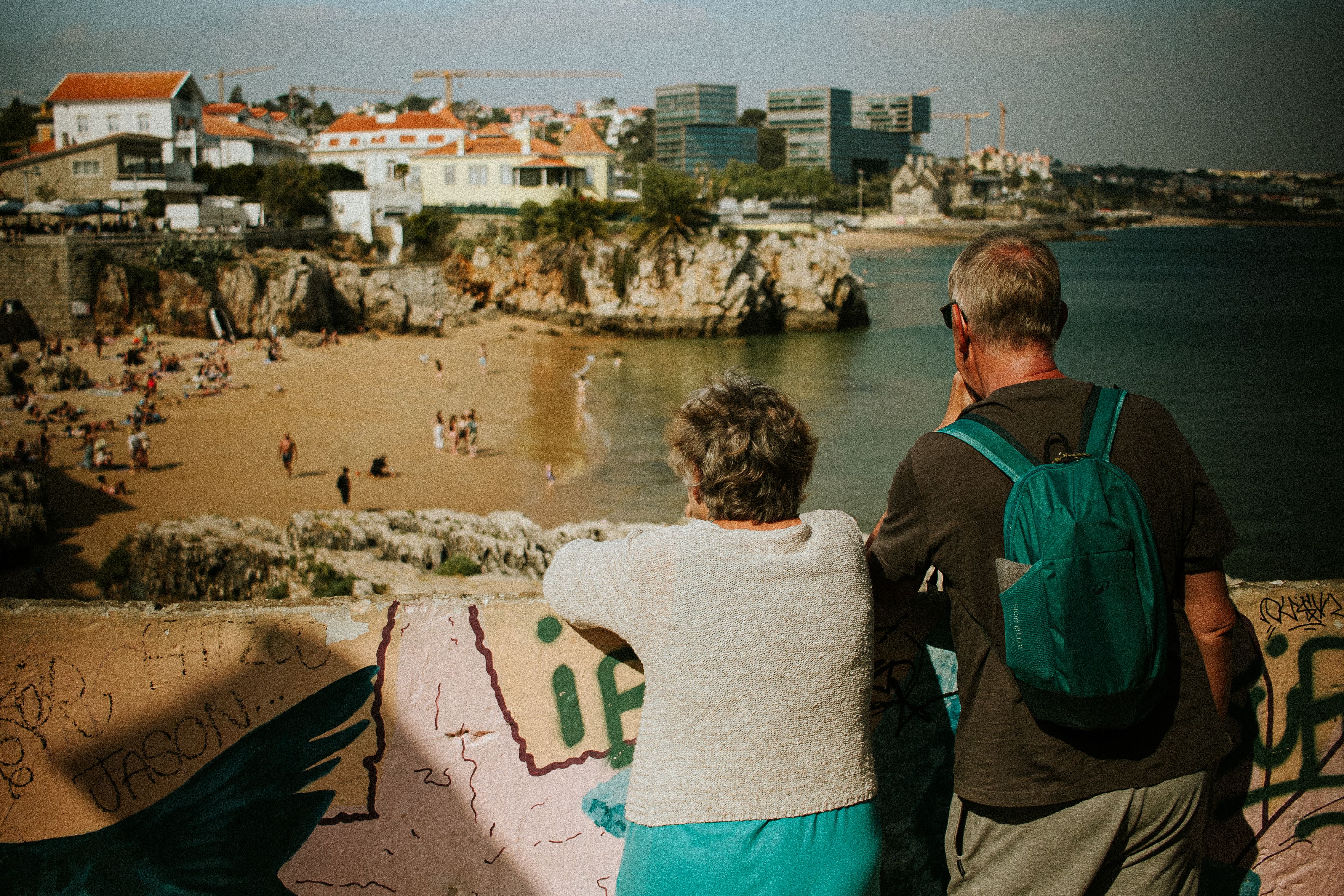
I sat on a bench in a nameless fishing village on the Croatian coast last September, watching a fisherman mend nets while the Adriatic turned from blue to gold. That moment crystallized what this entire coast offers: it’s not about ticking off the most famous names or following the Instagram algorithm. Coastal Europe in 2026 rewards the traveller who builds a route around rhythm—mixing the unavoidable classics (yes, Positano, yes, Santorini) with the places that still feel like discoveries. The Western Mediterranean hides genuine solitude if you know where to look. Italy extends far beyond Amalfi’s cliffs. The Adriatic’s underrated towns offer the infrastructure of the south without the crowds. Greece and Turkey demand strategic timing, not just hopeful booking. Portugal and northern Spain deliver drama without the summer crush. And the route itself—the connective tissue between these regions—matters as much as the destinations.
The single most important decision you’ll make isn’t where to go; it’s when. May and September are non-negotiable if you want to avoid peak season prices (expect 40–60% markups in July–August) and actually experience local life. Budget realistically: €60–100 per night for solid mid-range accommodation, €12–20 for a proper meal outside tourist zones, €15–40 for regional transport. Build in buffer days—the best moments happen when you miss a connection or stumble into a local festival. And respect one universal truth across this entire coast: locals value courtesy over volume. A simple “kalispéra” in Greece or “boa noite” in Portugal opens doors that money alone won’t.
Your next step is brutally simple: pick one region that genuinely excites you—not the one you think you should visit—and spend two weeks there instead of rushing five countries in ten days. Map your accommodation and transport now (ferries and regional trains book out by March for summer travel). Then, once you’ve booked your first night’s stay, step away from planning. Leave room for the fisherman’s village, the unmarked restaurant, the conversation that redirects your entire itinerary. That’s where coastal Europe actually lives.