Napa Valley Guide for first-timers

I arrived at Oxbow Market on a Tuesday morning expecting the usual wine-country scene—crowded, expensive, full of people comparing tasting notes they’d memorized from Instagram. Instead, I watched a local chef load heirloom tomatoes into a cloth bag while the morning light hit the old brick walls at exactly the right angle. That’s when I realized: Napa works best when you stop trying to do Napa.
This guide cuts through the noise. You’ll learn which season actually delivers better wine experiences for less money, which wineries actively discourage Instagram tourists (and why that’s a feature, not a bug), and what to do on the afternoon when wine tasting feels like work instead of pleasure.
Most importantly: you’ll discover the specific neighborhoods, price points, and logistics that separate first-timers who loved their trip from those who left thinking Napa was just expensive and crowded. It doesn’t have to be either.
When to Visit: Why Spring Is Napa’s Hidden Secret Season
I arrived in Napa on a Wednesday in late April, and the parking lot at a tasting room in Rutherford was half-empty. The woman pouring my Cabernet mentioned I’d picked the sweet spot—warm enough to eat outside, cool enough that you’re not sweating through your shirt by 11 a.m.
Most first-timers don’t realize this: peak season isn’t spring. It’s September through November, when the weather is reliably perfect and everyone else has the same idea. Spring—March through May—is when Napa actually belongs to you.
The numbers tell the story. Hotel rates in March run $180–$280 per night for mid-range properties; by October, expect $350–$500 for the same room.
Restaurants take walk-ins in spring. In fall, you’re booking weeks ahead. The vineyards themselves are quieter because harvest hasn’t happened yet, which means winemakers are more relaxed, tasting rooms aren’t mobbed, and you can actually have a conversation instead of shouting over twenty other people.
The real trade-off: spring is unpredictable. I had three perfect 75-degree days, then a cold snap brought rain and 55-degree mornings. Bring layers—a good merino wool base, a light jacket you can tie around your waist.
The upside is that rain keeps the valley lush and green, the wildflowers are actually blooming (unlike the dry, dusty fall), and you’ll see the vineyards at their most vulnerable and honest, before the hype of harvest season.
Late April through early May is the goldilocks window. Frost risk has passed (crucial for the vines), the weather is more stable, and you’re still beating the summer crowds. Avoid mid-March if you’re sensitive to rain; late May gets warmer but also more crowded.
If you’re traveling with someone who hates crowds or has a limited budget, spring is non-negotiable. You’ll taste better wine, pay less for everything, and actually enjoy the experience instead of white-knuckling through a traffic jam on Highway 29.
Napa Valley 3 Day Itinerary: The Only Plan You Need
I arrived at my hotel in Yountville on a Thursday afternoon and immediately made a mistake: I tried to pack a winery visit into the remaining daylight. By 4 p.m., I was turned away at the gate—most wineries stop accepting walk-ins by 3:30 p.m., and reservations fill weeks in advance during peak season.
This taught me the cardinal rule of Napa: structure beats spontaneity. A three-day trip works beautifully if you’re intentional about timing, geography, and what “visiting wineries” actually means.
Day One: Yountville Base & Oxbow Market. Arrive early enough to settle in, then spend your first afternoon at Oxbow Market (10 a.m.–6 p.m., free entry).
This isn’t a winery—it’s a 40-vendor food hall where you’ll eat lunch for $15–$25 and understand Napa’s food culture better than at any tasting room.
Walk Main Street afterward; most visitors miss that the best restaurants here require 2–3 week reservations, so adjust expectations accordingly. Dinner at a casual spot like Mustard Grill costs $30–$50 per person, versus $120–$200 at Michelin-starred venues.
Day Two: Rutherford & Oakville Wine Trail. Rent a car or book a driver (non-negotiable—DUI enforcement is strict, and Uber surge pricing hits $8–$12 per mile).
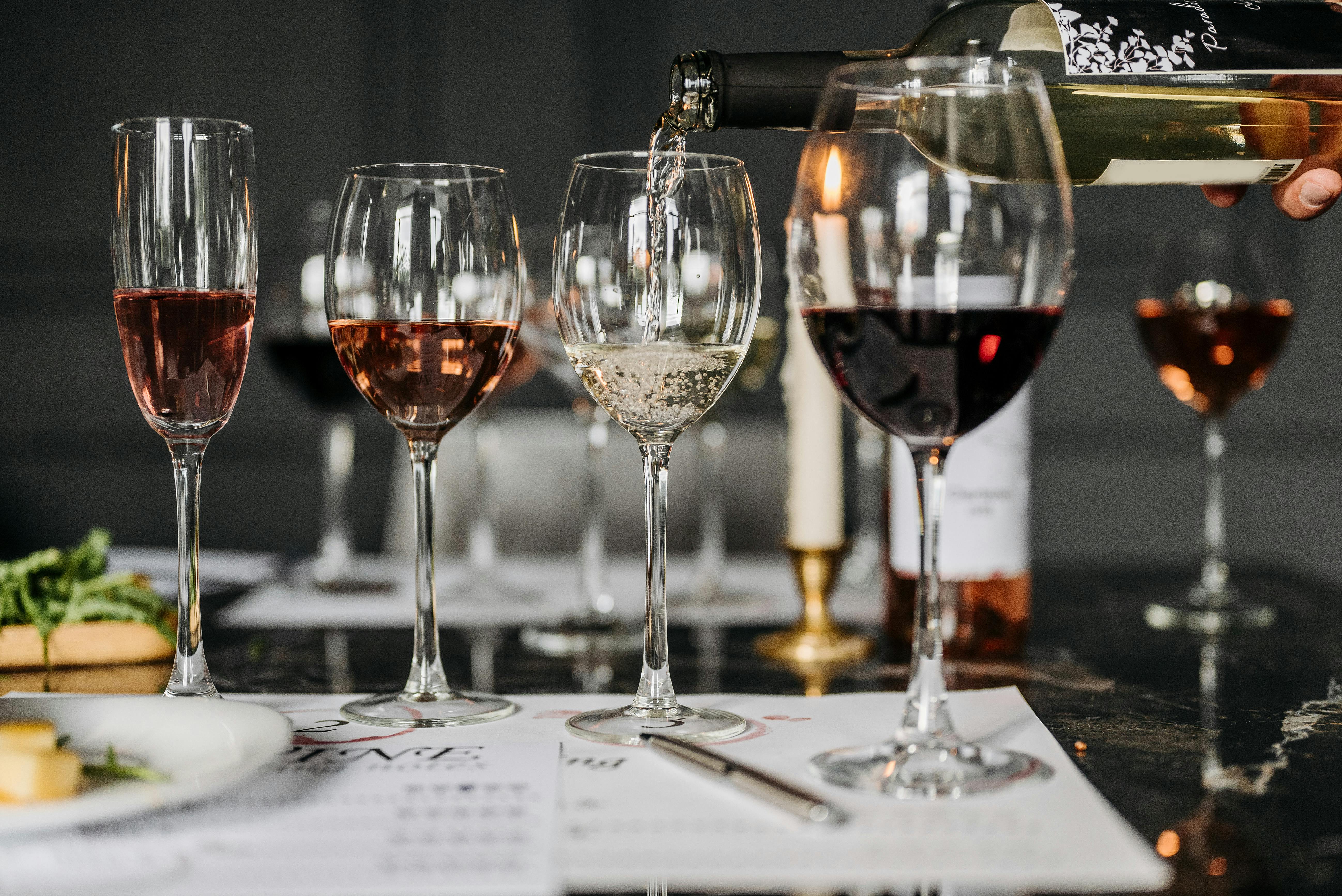
Hit two wineries maximum: one large producer (Caymus, Robert Mondavi) for the classic experience, one small family-owned spot for authenticity.
Each tasting costs $40–$75 per person. Lunch in Rutherford at Rutherford Grill ($20–$35). The mistake most first-timers make: thinking they can visit six wineries in a day. You’ll be exhausted by winery three, and your palate will be shot.
Day Three: Napa Town & Culinary Institute. Drive north to Napa (20 minutes from Yountville). Tour the Culinary Institute of America’s campus ($15 entry), browse the Oxbow District’s galleries, then visit one winery on the quieter east side—Stag’s Leap or Clos Pegase. Finish with a late lunch before heading to the airport. This paces your palate and leaves you with a fuller picture of the valley’s diversity.
One cultural note: Napa is increasingly conscious about over-tourism. Respect tasting room staff who seem rushed—they manage 100+ visitors daily. A genuine conversation beats rushing through another glass.
Napa Itinerary Wineries: The Complete Curated List
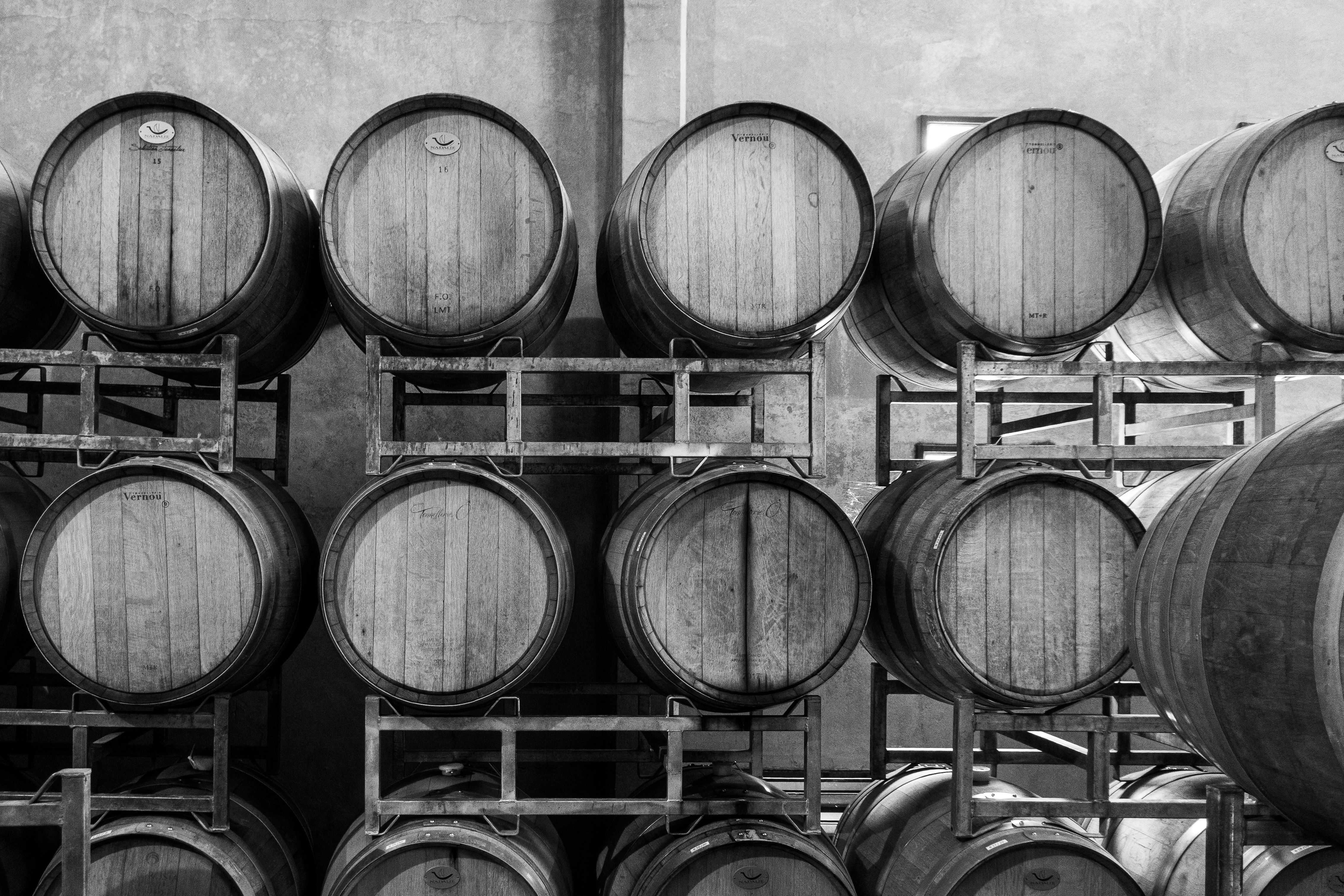
I walked into Domaine Chandon on a Tuesday morning expecting the polished tasting room experience I’d read about online. Instead, I found myself in a half-empty sparkling wine bar with a sommelier who actually had time to talk—and who steered me away from the obvious Brut toward a rosé that cost $65 a bottle but tasted like someone had bottled spring itself. That’s the real Napa move: skip the marquee names on your first trip and hunt for places where you’ll actually learn something.
Start with Stag’s Leap Wine Cellars on the Silverado Trail—their 2019 Cabernet is textbook Napa without the pretension, and tastings run $25 per person. If you’re there midweek, you’ll sit at the bar instead of fighting crowds. Oxbow Market in downtown Napa isn’t a winery, but it’s where locals actually buy wine to drink, not collect. Grab a pour-and-go glass for $8–12 and taste what real Napans prefer when no one’s watching.
For Pinot Noir, Carneros Creek sits in the cooler southern end of the valley where fog rolls in daily—it’s why their wines taste different, and why the tasting room feels genuinely educational rather than transactional ($30 tasting). Most guides push you toward the Rutherford corridor, but here’s what they miss: Schramsberg, a historic sparkling house in Calistoga, offers cave tours that actually explain winemaking (not just Instagram backdrops) and their méthode Champenoise wines cost $35–50, a fraction of what you’d pay for equivalent quality elsewhere.
One critical mistake: booking tastings at three wineries in one day. Your palate flattens after two, and you’ll spend your third appointment nodding politely at a wine you can’t actually taste. Book two tastings, leave two-hour gaps, and eat real food between them—not cheese and crackers, but an actual lunch. Your mouth will thank you, and you’ll remember what you drank.
Reservations are mandatory now (they weren’t five years ago)—book two weeks ahead for weekends, three days for weekdays. Tasting fees range from $25 to $75, and most waive the fee if you buy a bottle. Pro tip: tastings are cheaper Tuesday through Thursday, and you’ll actually taste the wine instead of making small talk with bachelorette parties.
Napa Valley Vacation Planning: Where to Stay & How to Get Around
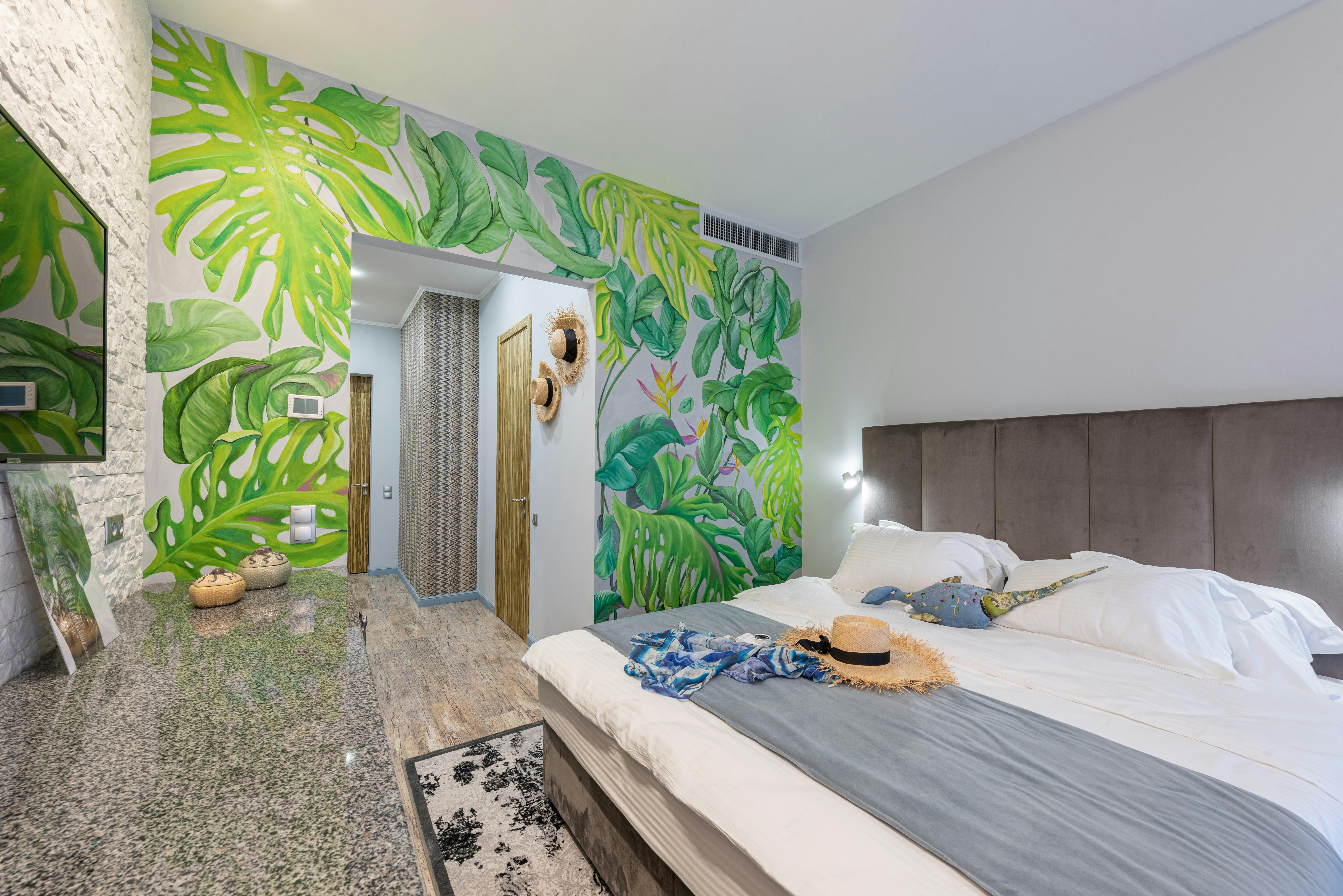
I made the mistake of booking a hotel in downtown Napa thinking it was a quaint village hub—it’s not. It’s a working town with chain restaurants and traffic. The real magic happens in Yountville, Rutherford, and Calistoga, but those villages fill up fast and charge accordingly. Here’s what actually works: stay where you’ll spend your evenings, not where you’ll spend your days driving.
Where to Stay by Budget
Budget travelers: Calistoga’s motels (think retro 1970s charm, not luxury) run $90–150/night and put you near hot springs and northern wineries. Mid-range: Yountville’s inns like Madrona ($200–280/night) give you walkable restaurants and galleries without the $400+ resort markup. Splurge: Rutherford’s Auberge du Soleil ($500+) justifies itself with a sunset terrace overlooking the entire valley—I sat there at 6 p.m. and understood why people save for years to stay here. Book 6–8 weeks ahead for spring weekends; last-minute rooms in February are genuinely available and 30% cheaper.
Getting Around: The Uber Trap
Do not rely on Uber between wineries. Surge pricing is brutal ($40–80 for a 15-minute ride), and drivers often cancel rural pickups. Rent a car ($50–70/day from Budget at the airport) or hire a private driver through Platypus Tours or Wine Country Chauffeurs ($80–120/hour, split between 2–3 people). The honest trade-off: you’ll spend more on a driver but drink more freely and actually enjoy conversations without watching the road. If you’re staying in Yountville, the town is walkable—restaurants, galleries, and the Culinary Institute are all within 10 minutes on foot.
One Critical Local Custom
Napa wineries are not bars. Call ahead for reservations (most require them now), arrive sober, and treat it like visiting someone’s home—because you essentially are. Spitting is encouraged; getting drunk is not. I watched a group get politely but firmly asked to leave because they were loud and had clearly pre-gamed. It happens more than you’d think.
Things To Do In Napa Valley Beyond Wineries

I was halfway through my third tasting room when I realized I’d forgotten why I’d actually come to Napa. The wine was excellent—but I was exhausted, slightly tipsy at 2 p.m., and absolutely done with swirling and spitting. That’s when I ducked out, grabbed a rental bike from Napa Valley Bike Tours ($35/day), and pedaled toward the Oxbow Market instead. Best decision I made all trip. The market—a year-round covered hall in downtown Napa—is where locals actually eat: Vietnamese bánh mì at Hog Island Oyster Co., wood-fired pizza, fresh produce. It costs nothing to wander, and a proper lunch runs $12–18. This is the real Napa, not the wine-tourism Napa.
The Culinary Institute of America’s Greystone campus (2555 Main Street, St. Helena) offers public cooking classes starting at $95—far cheaper than private wine tastings, and you leave with actual skills. I took a pasta-making class that genuinely changed how I cook at home. The campus itself is worth an hour just to walk the grounds. If cooking isn’t your thing, the Napa Valley Museum ($7.50 entry) in Yountville covers local history and art without the wine-centric marketing.
Here’s what most first-timers miss: the valley is stunning for hiking, and it’s free. Bothe-Napa Valley State Park (just south of St. Helena) has trails ranging from 30 minutes to 3 hours, with views that rival any vineyard. Spring wildflowers peak April–May. Bring water—the sun is relentless, and there’s almost no shade.
One cultural note: Napa locals are genuinely tired of wine tourism. If you’re eating at a restaurant or browsing a shop, avoid asking staff for wine recommendations unless you’re actually buying. Ask about *their* favorite lunch spot instead—you’ll get better intel and they’ll appreciate the genuine interest.
The Napa Valley Wine Train ($198–298 per person) is a splurge, but if you’re not a serious wine person, it’s actually a better value than individual tastings: you get a four-course meal, scenery, and wine included. Departs from Napa town, runs 3 hours, and requires advance booking.
Napa Valley Birthday Trip & Special Occasion Planning
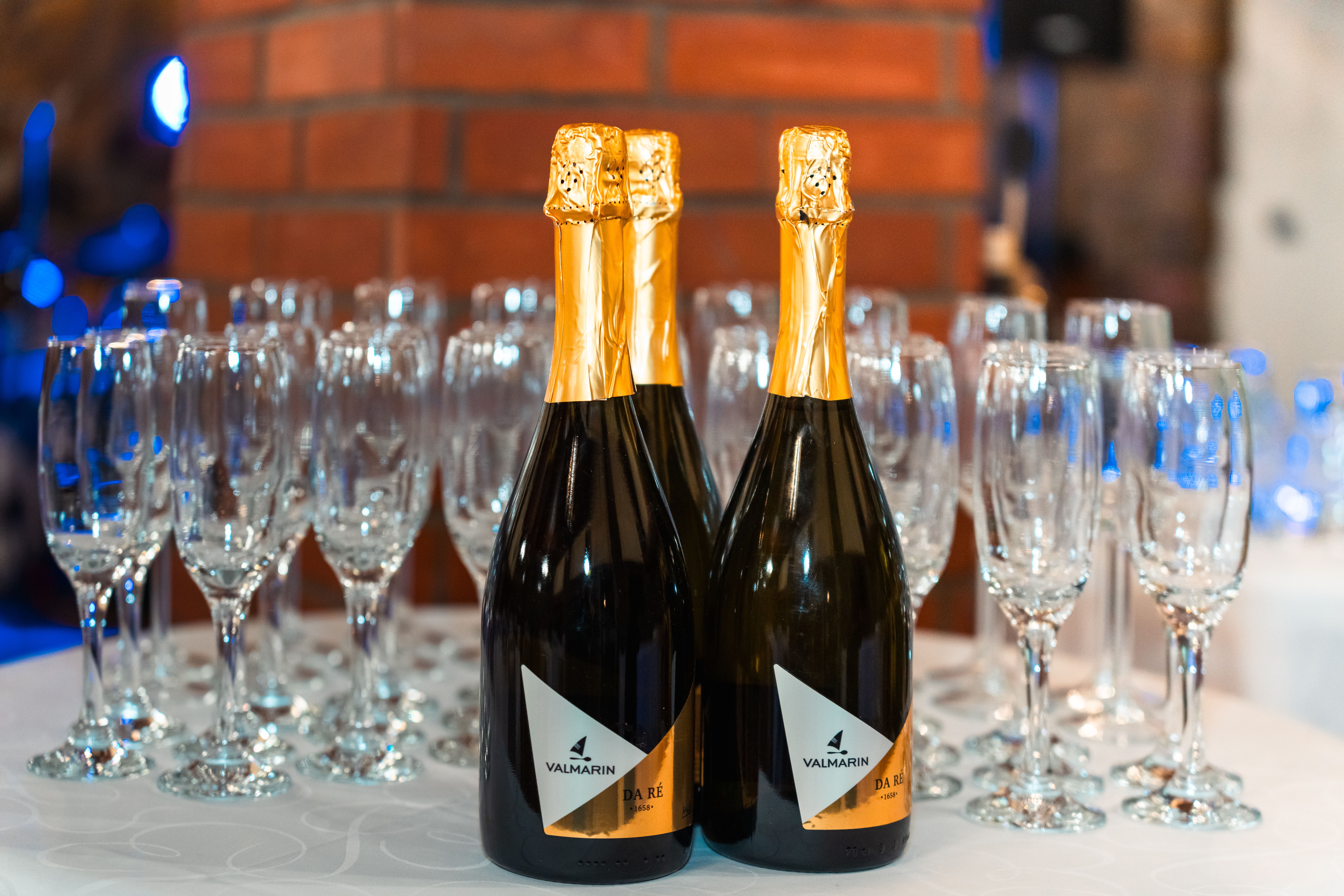
I watched my partner’s face as the sommelier presented a bottle of 2015 Caymus Vineyards Special Selection—the exact vintage from the year we met—and I realized that Napa’s real magic isn’t just in the wine. It’s in the orchestration. For special occasions, Napa rewards those who plan with intention, not just show up with enthusiasm.
The most common mistake I see is booking a winery experience the week of the celebration and expecting magic. Napa’s best venues book 2–3 months ahead for weekends, especially for private tastings or reserve experiences. If you’re planning a milestone birthday or anniversary, contact wineries directly—many offer custom experiences that aren’t listed online. Schramsberg, for instance, will arrange private cave tours with champagne pairings for groups of 8+ (around $150–200 per person), but only if you call ahead.
Budget differently than a standard trip. A celebratory dinner at The French Laundry (Michelin three-stars) runs $330 per person, with a 2-month advance reservation window. Bistro Jeanty in Yountville offers exceptional French cuisine at $65–95 per entrée—still special, far more accessible. For wine-centric celebrations, book a private tasting room: Continuum Estate charges $150 per person for a seated tasting with food pairings, and they’ll customize the experience around your guest of honor.
One overlooked detail: timing matters enormously. A Friday evening celebration means gridlocked traffic on Highway 29 and inflated restaurant prices. Tuesday or Wednesday birthdays? You’ll get better tables, shorter waits, and sometimes 10–15% discounts at restaurants grateful for mid-week bookings. Spring (April–May) and fall (September–October) are ideal—you avoid summer crowds and have weather reliable enough for outdoor celebrations.
Finally, respect the Napa rhythm. Wineries close by 5 p.m., restaurants expect 7 p.m. dinner seatings, and the valley quiets by 10 p.m. This isn’t a drawback—it’s part of what makes celebrations here feel intentional and unhurried. Plan your day to flow with the region’s pace, not against it, and you’ll create something genuinely memorable.
CONCLUSION
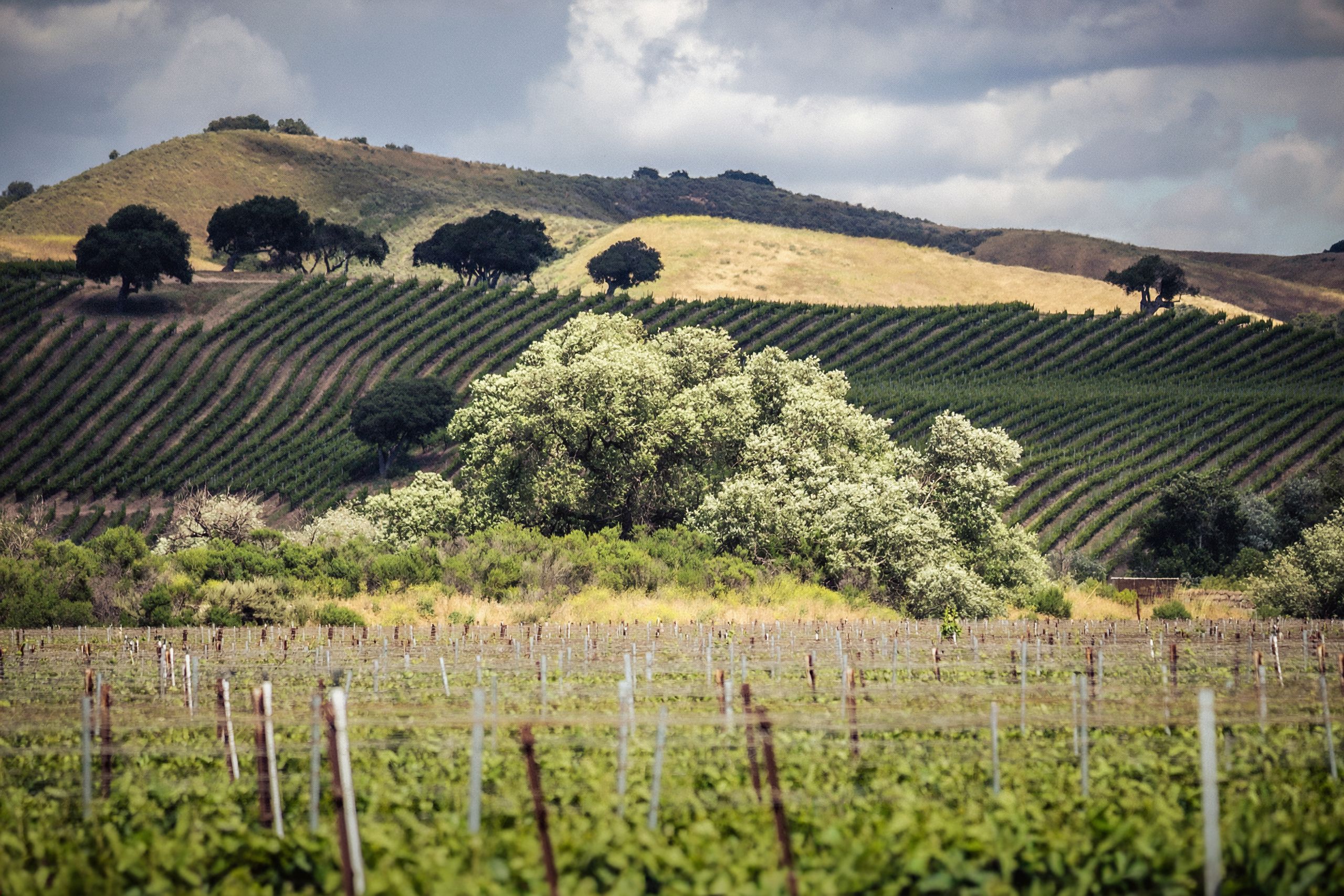
I left Napa on a Thursday afternoon, driving south on Highway 29 with the valley floor still visible in my mirror—golden hills, orderly vineyards, the Mayacamas range holding everything like a bowl. What struck me most wasn’t the wine (though the 2019 Cabernet from that small producer near Rutherford will stay with me). It was how the place demands you slow down. Not in a performative, Instagram-ready way, but genuinely. The tasting room appointments force you to sit. The winding roads prevent you from rushing. The cost naturally limits how much you can do in one day. Napa doesn’t let you optimize it into irrelevance.
Here’s what matters: Visit in spring if you can, when the crowds thin and the mustard blooms yellow between the vines. Pick one neighborhood to base yourself in—Yountville if you want walkability and restaurants, Calistoga if you want hot springs and a slower pace, St. Helena if you want to be in the middle of everything. Book your wineries in advance (this isn’t optional), but leave one afternoon completely unscheduled for the things you’ll discover—a farmers market, a hike, a restaurant someone mentioned casually. Budget $150–250 per person daily for tastings and meals if you’re being realistic, not aspirational. Rent a car or hire a driver; the roads are beautiful but narrow, and the whole point is to actually taste the wine, not white-knuckle your way through Oakville.
The biggest mistake first-timers make isn’t overspending or poor planning—it’s treating Napa like a checklist. You don’t need to hit twenty wineries. You don’t need to eat at every Michelin-starred restaurant. You need to find three or four places that genuinely move you, sit with a glass for longer than feels efficient, and talk to the people pouring it. That’s the actual experience.
Your next step: Pick your travel dates, then immediately book your accommodations and at least two winery appointments. Don’t overthink the rest. Napa rewards flexibility more than it rewards perfection.