Mount Assiniboine Provincial Park Guide

Most people never make it to Mount Assiniboine. The 11,870-foot peak sits in a remote corner of the Canadian Rockies, accessible only by foot or helicopter, and that’s exactly what makes it special.
While everyone else crowds the roadside pullouts at Lake Louise, you’ll be standing in front of the Matterhorn of the Rockies with maybe a dozen other hikers in sight.
But getting there isn’t intuitive. The access routes are confusing. Permits fill up months in advance. And once you arrive at Lake Magog, you need to know where to go, what to expect, and how to make the most of your time in one of Canada’s most stunning alpine basins.
This guide cuts through the confusion. We’ll walk you through every decision—from choosing your entry route to booking your campsite to packing the right gear—so you can focus on what matters: experiencing one of the most dramatic mountain landscapes in North America.
Mount Assiniboine: Why This Backcountry Destination Deserves Your Planning Effort
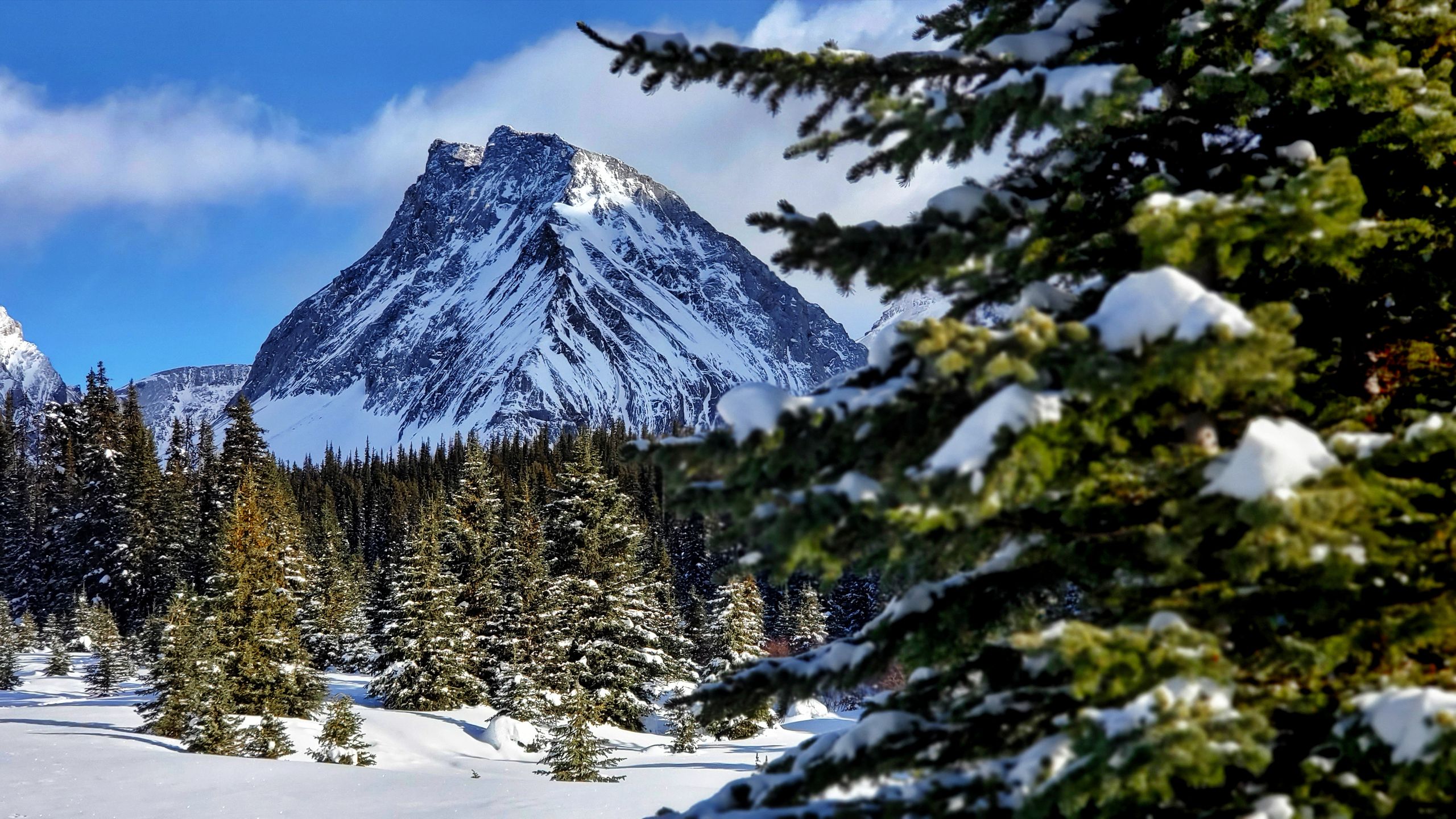
Mount Assiniboine isn’t a casual weekend warrior destination. At 11,870 feet, this pyramid-shaped peak sits on the British Columbia-Alberta border and demands respect, preparation, and genuine commitment. But here’s the thing: that difficulty is precisely what makes it worth every ounce of effort you invest.
The park attracts roughly 7,000 visitors annually—a surprisingly modest number considering the landscape. That’s because most people simply don’t know about it, or they assume it’s inaccessible. You won’t find crowds here like you do at Lake Louise or Moraine Lake. What you will find is raw alpine beauty that feels genuinely remote, even though you’re in one of Canada’s most visited mountain regions.
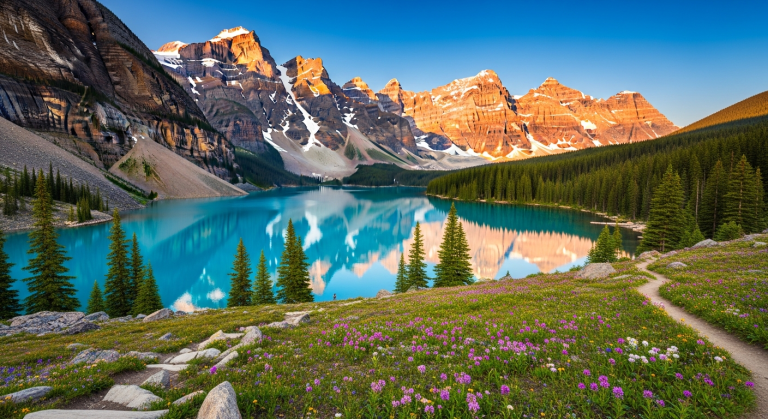
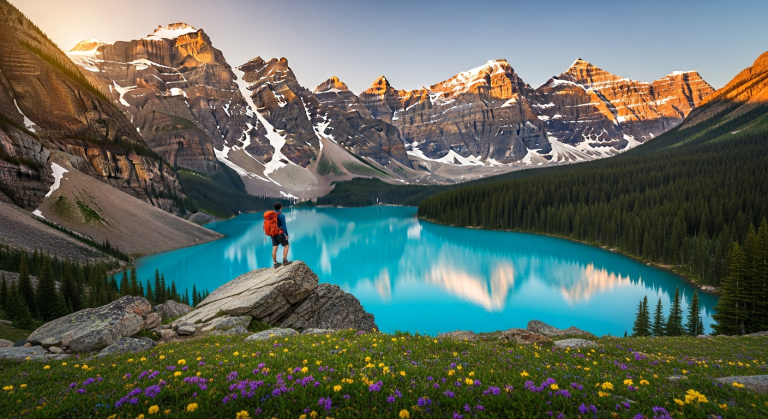
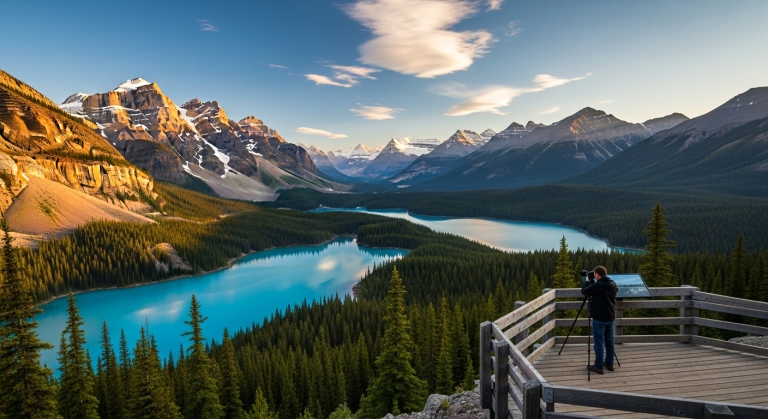
The visual payoff is extraordinary. Picture yourself at Lake Magog, the park’s hub, with Mount Assiniboine rising directly above you like a Swiss Alps postcard come to life. Turquoise glacial lakes, meadows exploding with wildflowers in July and August, and jagged peaks in every direction. The Nub, Magog, Sunburst, and Cerulean Lakes each offer their own distinct character and hiking opportunities. This isn’t just a mountain destination—it’s a complete alpine ecosystem worth exploring.
But the real reason to plan ahead is the access limitation. The park caps daily visitors to preserve the backcountry experience and protect the fragile alpine environment. You can’t just show up. You need reservations, strategy, and advance booking. This artificial scarcity actually works in your favor—it guarantees the solitude and pristine conditions that make Assiniboine special.
Whether you’re a seasoned backpacker or someone ready to step up their game, Assiniboine forces you to be intentional. You’ll arrive better prepared, more appreciative, and genuinely present. That’s not a bug—it’s the feature. In a world of Instagram-friendly hikes and overcrowded trailheads, Assiniboine demands you earn your experience. And trust us, it delivers.
Assiniboine Provincial Park Trail Map: Comparing Your Route Options
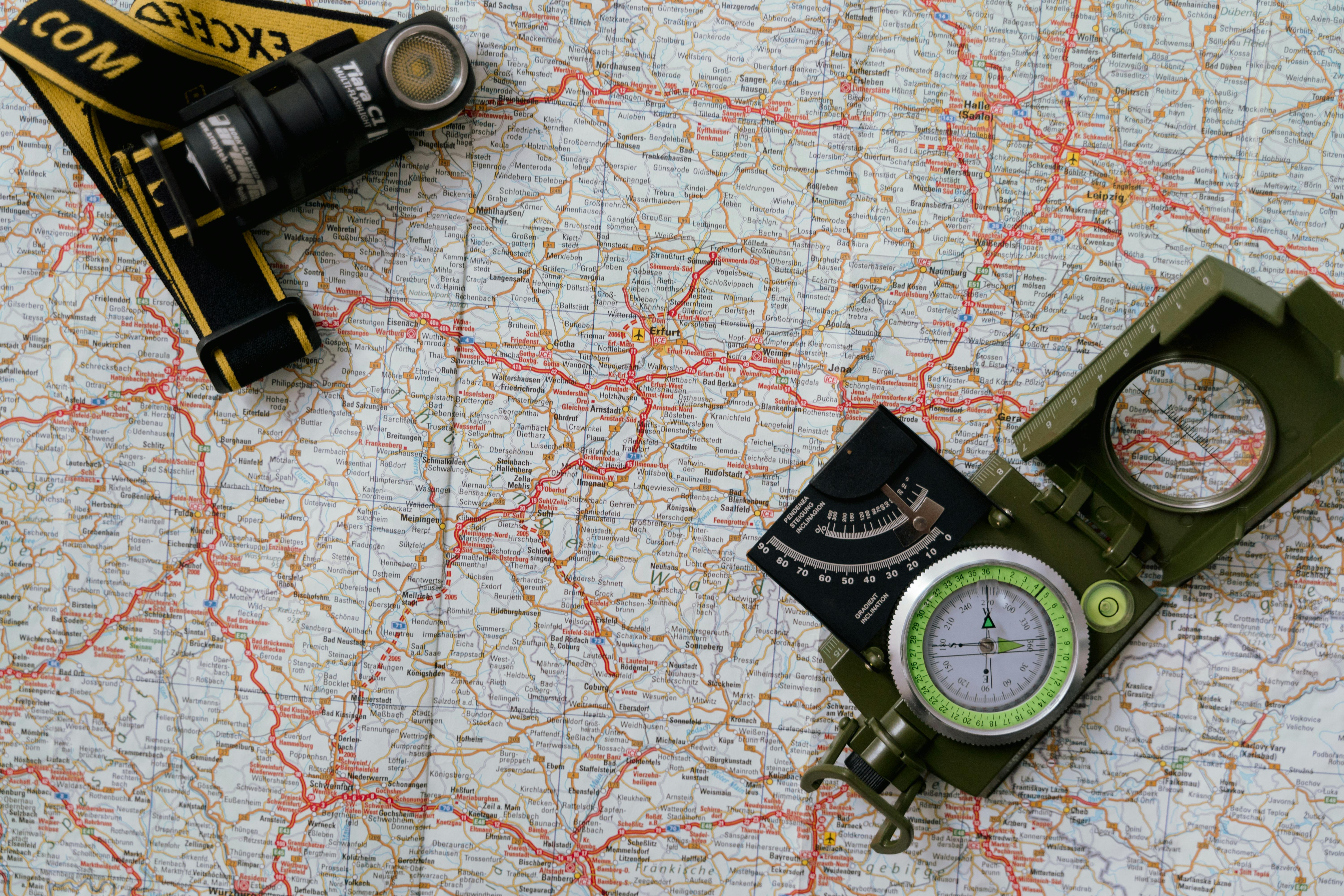
Here’s the reality: getting to Mount Assiniboine isn’t a casual Sunday hike. You’ve got three legitimate routes to reach Lake Magog, and each one demands different things from you. Understanding these options now means you’ll choose the path that actually fits your fitness level, timeline, and hiking style—not someone else’s Instagram feed.
The Sunshine Village approach is your shortest option at roughly 29 kilometers round trip from the parking lot. This route starts at Sunshine Village ski resort and follows Citadel Pass before descending into the Assiniboine basin. Most hikers complete this in two days, making it the go-to choice for people with limited time. The trade-off? It’s also the most crowded, especially on weekends. You’ll share the trail with plenty of other backcountry enthusiasts, which means more people but also more established facilities along the way.
The Bryant Creek route stretches about 38 kilometers from the Spray Valley Provincial Park trailhead. This path takes longer—typically three days—but rewards you with solitude and dramatic scenery as you work through the Spray Valley. If you’re the type who values quieter trails and doesn’t mind extra miles, this is your winner. The elevation gain is more gradual too, which some hikers prefer for acclimatization.
Then there’s the Wonder Pass option, coming in around 35 kilometers from the Banff area. This route delivers stunning alpine views and feels like a middle ground between crowds and distance. It’s moderately challenging with good trail conditions, making it solid for experienced hikers who want a balanced experience.
Distance and difficulty matter, but so does logistics. Sunshine Village requires shuttle coordination, while Bryant Creek and Wonder Pass need separate vehicle arrangements. Check current trail conditions before committing—rockfall, snow patches, and washouts can change accessibility seasonally. Your route choice ripples into everything that follows: permit availability, pacing, and even which campsites make sense for your itinerary. Pick wisely, and the rest of your planning falls into place.
Mount Assiniboine Provincial Park Camping: Permits, Reservations & Booking Strategy

Here’s the reality: Mount Assiniboine isn’t a show-up-and-camp kind of place. This is one of Canada’s most sought-after backcountry destinations, and the park manages access carefully to preserve the experience. You need a camping permit, and you need to book it well in advance. We’re talking months ahead, not weeks.
BC Parks handles all reservations through their online system, and spots fill up fast—especially for July and August. The booking window typically opens in March for the summer season, and popular dates can be claimed within hours. If you’re flexible with your dates, you’ve got a real advantage. Mid-week visits and shoulder seasons (late June or early September) are significantly easier to secure than peak weekends. Plan your trip around availability rather than fighting for specific dates.
The permit system works on a per-site basis at Lake Magog campground, the park’s main hub. You’re not just booking a date—you’re reserving a specific camping spot. This matters because some sites offer better views, shelter, or proximity to water sources. When you book, you’ll see available sites mapped out. Grab one that matches your priorities, whether that’s views of the peak or protection from wind.
Budget for the permit fee, which covers your camping spot for the night. It’s reasonable given what you’re getting, and that fee goes directly toward park maintenance and management. There’s also a reservation fee on top of the nightly rate—nothing shocking, but factor it into your costs.
Pro tip: Set a calendar reminder for when bookings open. Seriously. The difference between securing your spot on day one versus day three is the difference between your preferred dates and settling for what’s left. Once you’ve locked in your permit, you’ve cleared the biggest hurdle. Everything else—the hiking, the camping, the views—becomes logistics you can actually manage.
Assiniboine Provincial Park Campgrounds: What to Expect at Lake Magog
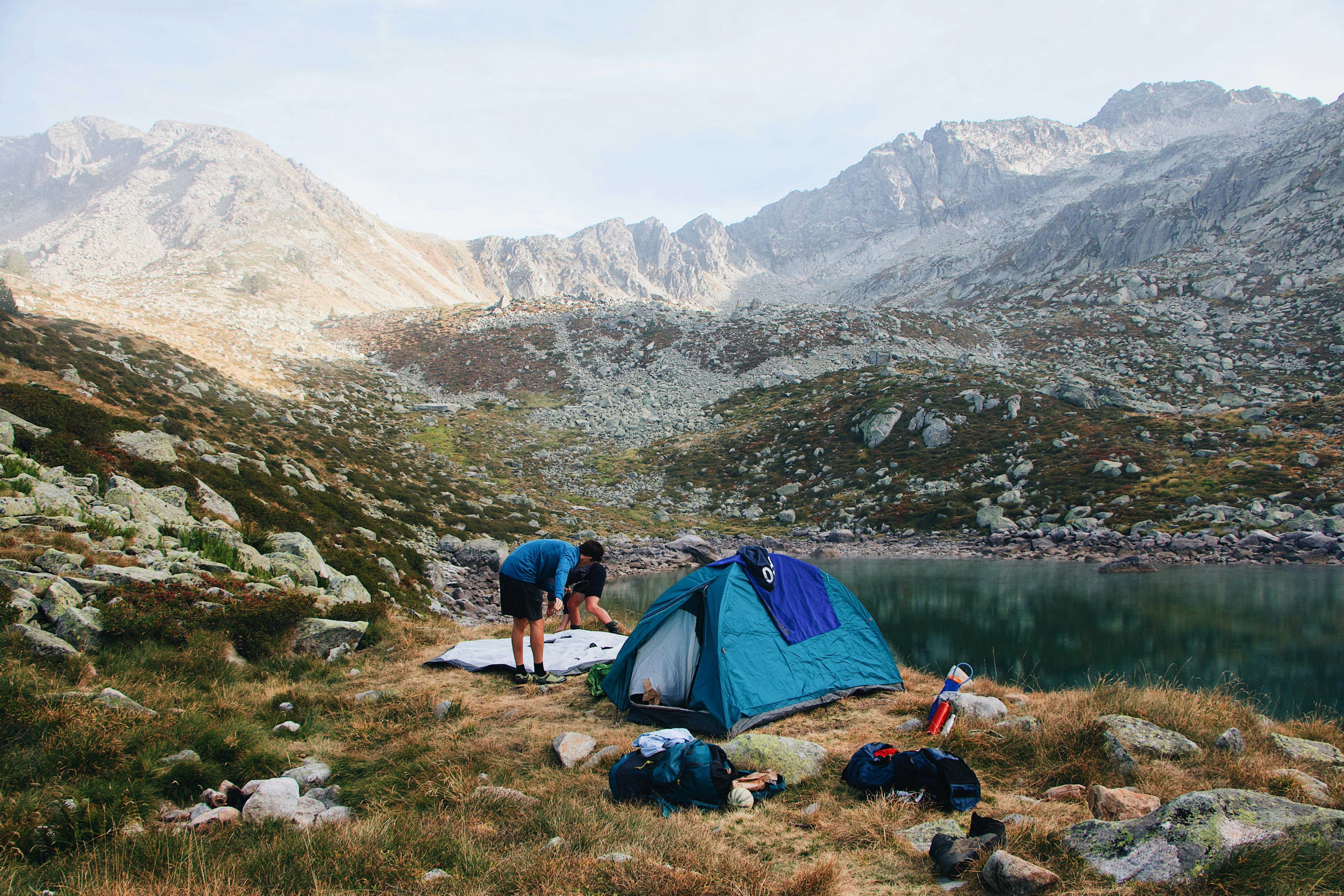
Lake Magog is your home base for everything Mount Assiniboine, and it’s nothing like a typical provincial park campground. There’s no RV loop, no flush toilets, and definitely no cell service. What you get instead is raw wilderness camping at its finest—and honestly, that’s exactly why you’re here.
The campground sits at 2,195 meters elevation with roughly 70 designated tent sites scattered around the lake’s perimeter. The sites themselves range from exposed alpine meadow spots to sheltered areas backed by larch and spruce forest. Some offer stunning direct views of Mount Assiniboine’s iconic pyramid peak; others provide more privacy and wind protection. You don’t get to choose your specific site—the camp manager assigns you one upon arrival—so managing expectations here matters. If lake views are non-negotiable for you, mention it when you check in, though no guarantees exist.
Facilities are minimal by design. You’ll find pit toilets scattered throughout the campground and a water source near the registration area, but that’s the extent of amenities. No showers, no running water at sites, no electricity. This isn’t deprivation—it’s intentional wilderness preservation. Bring wet wipes and embrace the backcountry experience.
The campground operates seasonally from early July through September, with peak season hitting hard from mid-July through August. Even with 70 sites, it fills completely during summer weekends. Mornings bring a predictable rhythm: hikers heading out by 7 AM, and the camp quieting down by 9 PM. Weather shifts rapidly at this elevation—afternoon thunderstorms are common, and nights drop to near freezing even in July.
One crucial detail: bears. This is grizzly country, and food storage is non-negotiable. All campground sites have bear-proof lockers for your supplies. Use them religiously. The camp manager enforces food protocols strictly, and rightfully so. Respect the bears, respect the rules, and you’ll coexist peacefully in this incredible alpine environment.
Essential Gear and Preparation for Mount Assiniboine
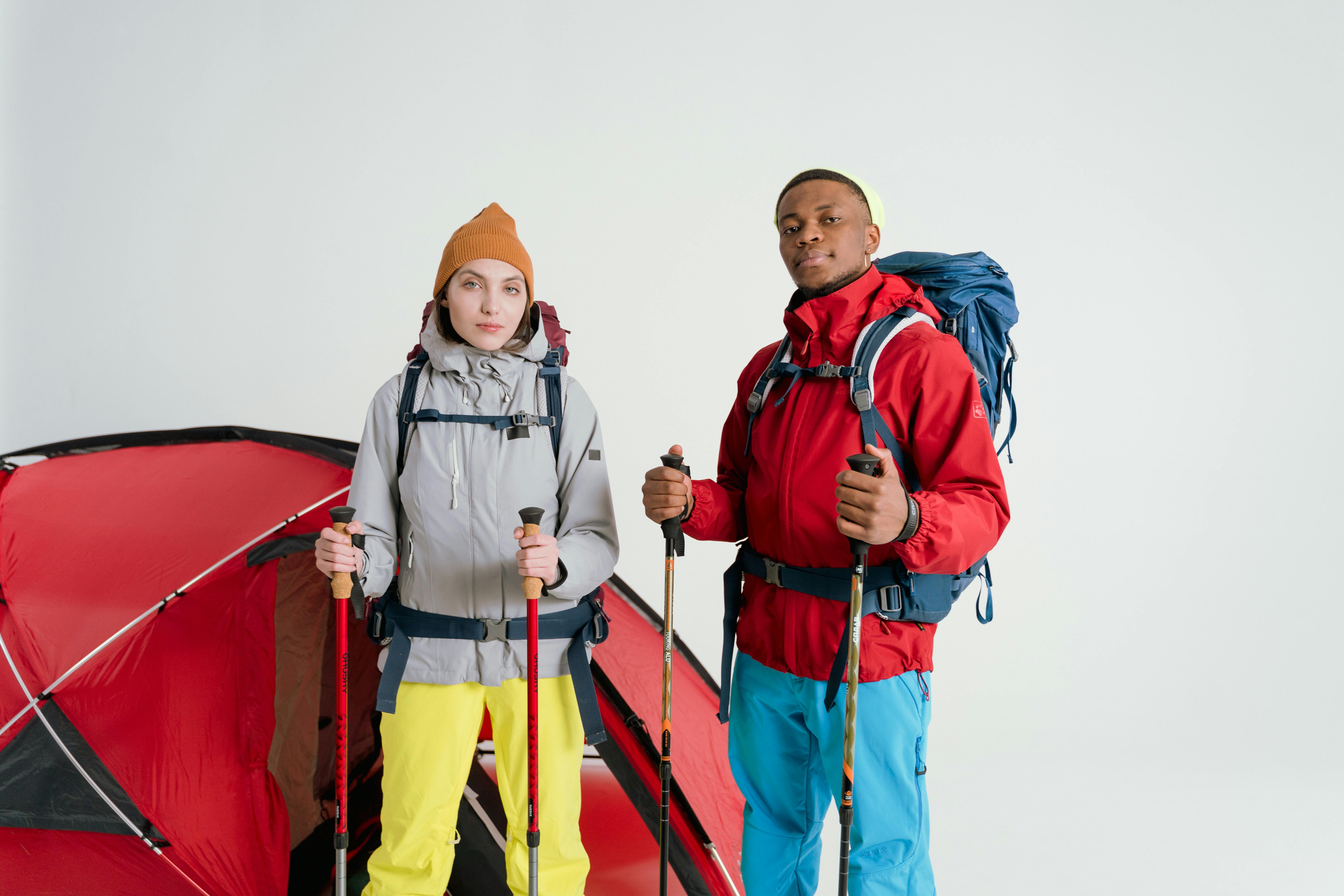
Here’s the truth: Mount Assiniboine will test your gear choices. You’re not hiking a groomed trail with a ranger station nearby. You’re heading into genuine backcountry where weather shifts fast, distances are real, and your pack weight matters. Get this right, and you’ll have the trip of your life. Get it wrong, and you’ll spend three days miserable instead of amazed.
Your backpack should be 50-65 liters—large enough to carry everything without being so massive it becomes a burden. Invest in a quality pack with proper hip support; your shoulders will thank you on day two. For the actual hiking, broken-in trail boots are non-negotiable. Blisters at Lake Magog mean three days of pain with nowhere to go. Pack a reliable water filter or purification tablets, though the streams around Assiniboine are generally safe. Still, why risk giardia?
Layering is your best friend at elevation. Bring a moisture-wicking base layer, an insulating mid-layer (fleece works great), and a waterproof shell jacket. Yes, even in summer. Alpine weather doesn’t care about your expectations. Add a warm hat and gloves—you’ll wear them more than you think, especially at higher elevations where temperatures drop 3-5 degrees per 1,000 feet gained.
Don’t skimp on a sleeping bag rated for 0°C or below. Night temperatures at Lake Magog regularly dip below freezing, even in July and August. A decent sleeping pad adds crucial insulation between you and the cold ground. Your tent needs to handle wind and unexpected rain, so make sure yours has a solid rainfly and good stake points.
Beyond gear, prepare mentally and physically. This isn’t a casual stroll. Train with a weighted pack on hills for at least four weeks beforehand. Build your cardiovascular fitness now, not on the trail. Download offline maps on your phone, know your route, and tell someone exactly where you’re going and when you’ll be back. Bring a satellite communicator or personal locator beacon—cell service doesn’t exist out here.
Finally, pack your first aid kit thoughtfully. Include blister treatment, pain relievers, and any personal medications. Add a repair kit with duct tape, a multi-tool, and extra fuel for your stove. These small additions prevent minor problems from becoming trip-ending disasters.
Day-by-Day Itinerary Options and Side Hikes from Lake Magog

Here’s the reality: most people spend 3-5 days at Lake Magog, and that timeframe gives you the perfect balance between acclimatization and adventure. Your first day is recovery day—you’ve just hiked 11-27 kilometers depending on your route, so embrace it. Set up camp, explore the immediate shoreline, and let your body adjust to the elevation. This isn’t laziness; it’s strategy. Altitude sickness doesn’t discriminate, and spending your first evening hydrating and resting dramatically improves your performance on subsequent days.
Day two opens up your options. Mount Assiniboine itself is the obvious choice—a steep, scrambling ascent that rewards you with unobstructed 360-degree views. The climb takes 4-5 hours round-trip from camp and sits at about 3,618 meters. It’s not technical, but it’s relentless. Alternatively, head to Sunburst Lake, a gentler 5-kilometer round-trip that showcases alpine meadows and mirror-like reflections of the surrounding peaks. Both routes build your acclimatization without overcommitting your energy.
Days three and four are where you get creative. Cerulean Lake delivers stunning turquoise waters in roughly 3 hours round-trip—shorter but visually stunning. If you’re feeling stronger, the Nub Peak trail combines elevation gain with technical scrambling and panoramic views across the park. Some hikers tackle Wonder Pass, a longer 8-kilometer round-trip that connects you to the Assiniboine Pass trail system. This option works brilliantly if you’re considering a multi-day loop extension.
The golden rule: don’t overpack your itinerary. One major hike per day, combined with shorter exploration walks around camp, keeps you energized rather than exhausted. Weather changes fast in the mountains—a clear morning can turn into afternoon thunderstorms. Build flexibility into your plan. Your final day should be a wind-down before the hike out, giving your legs recovery time and your mind space to process the experience.
Pro tip: bring a lightweight day pack (15-20 liters) separate from your main backpack. It keeps you mobile for these excursions without hauling unnecessary weight, and you’ll actually enjoy the hiking instead of counting down the kilometers.
CONCLUSION
Mount Assiniboine isn’t a casual weekend getaway—it’s a serious backcountry commitment that demands real planning. But here’s what we’ve covered: you now know why this alpine jewel is worth every ounce of effort, how to navigate the trail options that fit your fitness level, and exactly what the permit and reservation system demands from you. You’ve got the real story on what Lake Magog campground delivers (and what it doesn’t), you understand the gear that actually matters in these mountains, and you have concrete itinerary options to structure your time once you arrive. The pieces are all here.
What separates people who successfully summit Mount Assiniboine from those who turn back isn’t luck—it’s preparation. The hikers who thrive in this environment are the ones who started planning months in advance, who tested their gear on shorter trips, who studied the weather patterns, and who booked their campsite the moment reservations opened. They didn’t wing it. They respected the mountain’s demands and showed up ready.
The good news? You’re already ahead of most people. You’ve read this guide. You understand the logistics, the terrain, and what success actually looks like in Assiniboine Provincial Park. Now comes the part where you commit.
Here’s your next move: check the official BC Parks website right now for the current reservation opening date for your target season. Mark it on your calendar—literally set a phone reminder for the morning reservations go live. While you wait, start training. Get on the trails near home. Build your endurance. Break in your boots. Then, when that reservation window opens, book your Lake Magog campsite. Don’t hesitate. Don’t second-guess. The sooner you have your dates locked in, the sooner Mount Assiniboine stops being something you think about and becomes something you’re actually doing. That mountain is waiting for you.