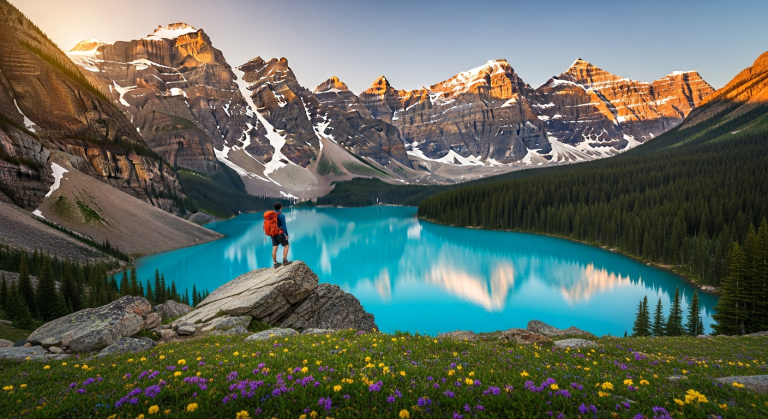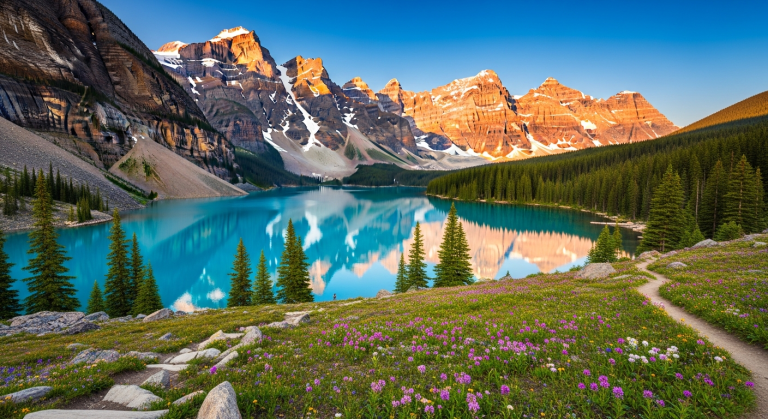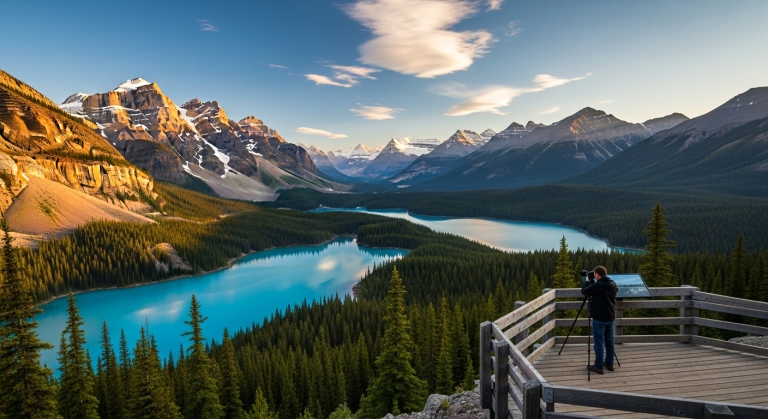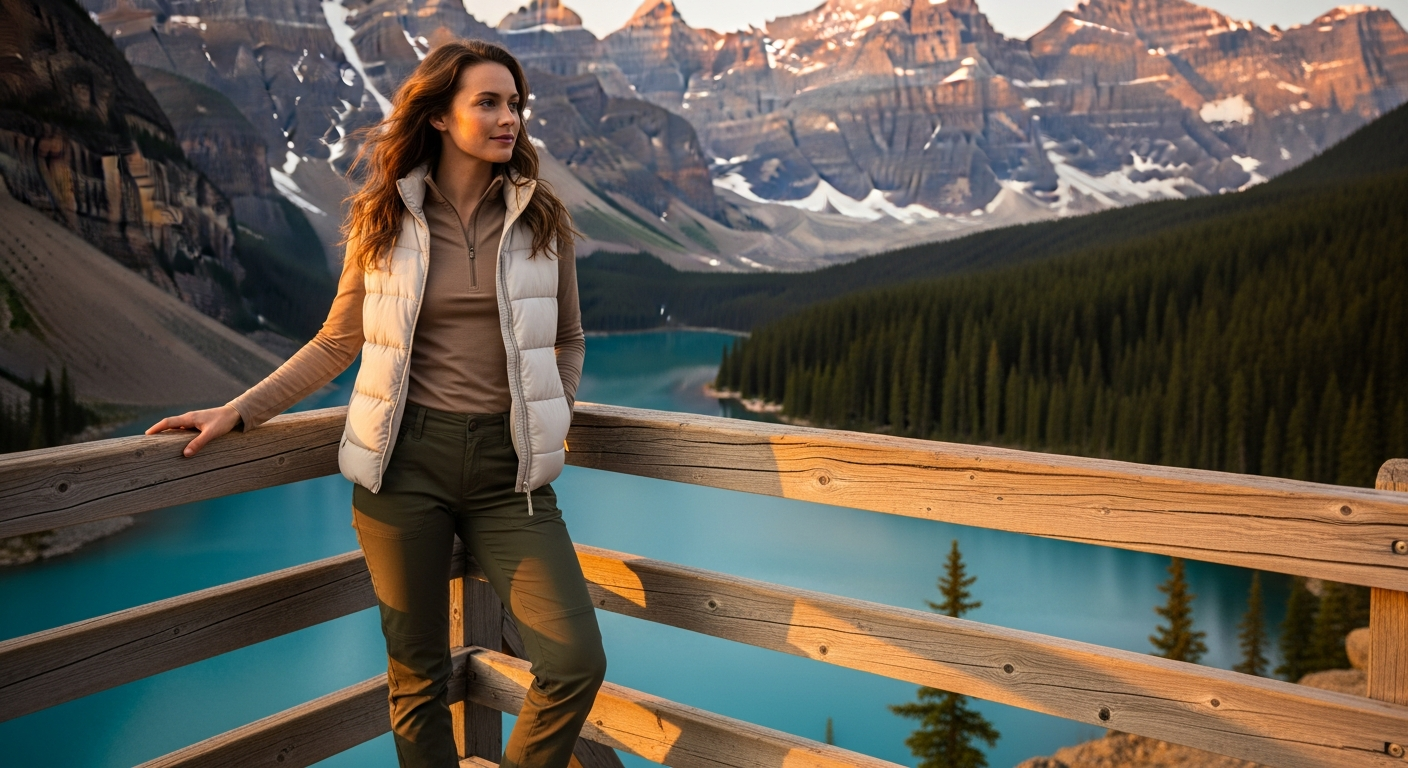
Banff National Park Summer Outfit Ideas

You’ve finally booked that dream trip to Banff National Park, but now you’re staring at your closet wondering: “What do I even wear to look stylish while hiking past turquoise lakes and mountain peaks?”
Here’s the truth—dressing for the Canadian Rockies doesn’t mean sacrificing your personal style for practicality. In fact, the most effortless summer travel outfits are the ones that blend function with fashion, keeping you comfortable on the trails and Instagram-ready at Lake Louise.
Whether you’re a budget-conscious traveler or someone who refuses to compromise on style, this guide will show you exactly how to pack versatile, flattering pieces that work from sunrise hikes to sunset dinners in Banff townsite.
I learned this the hard way during my first Banff trip when I packed three “cute” sundresses and one pair of sneakers—only to spend most of my time freezing at 7,000 feet elevation while everyone else looked effortlessly chic in their layered hiking outfits. Let’s transform that “nothing to wear” anxiety into confident, elevated mountain style.
Understanding Banff’s Summer Weather (And Why It Changes Everything)

The Mountain Climate Reality Check
Banff’s summer weather operates by completely different rules than your typical beach vacation. Morning temperatures hover between 40-50°F, then spike to 60-75°F by afternoon, before dropping again once the sun dips behind those dramatic peaks. This 30-degree swing isn’t an occasional occurrence—it’s daily reality from June through August.
Layering isn’t optional here; it’s the secret to looking polished while staying comfortable. When I watched a woman at Moraine Lake peel off her lightweight puffer to reveal a perfectly styled tank and hiking pants combo, I realized that mountain style isn’t about one perfect outfit—it’s about strategic layers that you can add or remove as conditions change.
UV exposure at elevation intensifies by 10-12% for every 3,000 feet gained. Banff townsite sits at 4,537 feet, and many popular trails take you well above 6,000 feet.
This means your skin burns faster, colors fade quicker in photos, and sun protection becomes a non-negotiable part of your outfit planning. Choose fabrics with UPF ratings when possible, and always factor sun protection into your accessory choices.
Activity-Based Dressing
The beauty of Banff lies in its variety—you’ll transition from rugged hiking trails to charming townsite cafes to lakeside photo ops, often within the same day. Your outfit needs to handle this versatility without making you look like you’re perpetually lost on the way to the gym.
Trail-ready pieces that translate to town-ready style share common characteristics: clean lines, neutral color palettes, and fabrics that don’t wrinkle or show sweat.
A moisture-wicking tank in heather gray looks athletic on the trail but pairs perfectly with jeans for dinner. Technical hiking pants in black or olive read as elevated athleisure when you’re browsing Banff Avenue shops.
Creating versatile looks means thinking in systems, not single outfits. Your hiking base layer should look intentional enough to wear alone. Your windbreaker should complement your non-hiking clothes. This approach transforms a 10-piece packing list into 20+ outfit combinations without adding bulk to your luggage.
The Capsule Wardrobe Formula for Banff

Essential Tops (Mix and Match Magic)
Start with three moisture-wicking base layers that don’t scream “athletic wear.” Look for crew neck or V-neck tees in neutral tones—white, black, heather gray, sage green, or dusty rose. Brands like Uniqlo’s AIRism line and Pact Organic offer breathable fabrics that photograph beautifully against mountain backdrops without looking technical.
Your second layer should be an elevated basic that adds polish: think a lightweight button-down in chambray or a classic flannel in muted plaid. This piece serves double duty—tied around your waist during warm afternoon hikes, then worn over your base layer for morning chill or evening dinners. The key is choosing fabrics that resist wrinkles and don’t add bulk under a jacket.
Add one long-sleeve option for particularly cold mornings or sun-sensitive days. A fitted merino wool or synthetic blend long-sleeve in a rich neutral (navy, forest green, burgundy) provides warmth without volume. This becomes your most versatile piece because it works as a base layer, mid-layer, or standalone top depending on conditions.
Bottom Basics That Work Everywhere
The hiking pants versus leggings debate ends when you understand that both serve different purposes. Proper hiking pants with reinforced knees and articulated cuts flatter your shape better than you’d expect—brands like Outdoor Voices, Athleta, and prAna design technical pants with fashion-forward silhouettes. Choose a straight-leg or slightly tapered cut in black, olive, or tan for maximum versatility.
Leggings work for less rugged activities—gondola rides, easy lakeside walks, townsite exploration. Invest in high-waisted options with a wide, non-rolling waistband and pockets. The thickness matters: thin leggings read as athletic, but substantial ponte or compression fabric leggings look intentional and polished. Pair them with longer tops or layer a flannel around your waist for balanced proportions.
One pair of jeans earns its luggage space if you choose wisely. A straight-leg or slim-fit style in a medium to dark wash transitions from hiking (yes, really) to dining seamlessly. Skip the distressed or overly trendy cuts—classic denim in a comfortable stretch fabric works harder and photographs better.
Layering Pieces That Earn Their Suitcase Space
Your lightweight puffer or fleece jacket is the non-negotiable cornerstone of your Banff wardrobe. This piece will appear in 80% of your photos and outfit combinations, so choose something you genuinely love. Packable down or synthetic insulation in a flattering cut (slightly fitted, not boxy) in black, navy, or a rich jewel tone provides warmth without bulk.
A stylish windbreaker or rain jacket protects against Banff’s unpredictable mountain weather while elevating your entire look. Skip the neon colors and crinkly fabrics—modern options from brands like Patagonia’s Torrentshell, Columbia’s Arcadia, or even Target’s All in Motion line offer sleek designs under $100. Choose a longer length that covers your hips for better proportions and more coverage.
Pack one cozy layer for morning coffee runs and chilly evenings: a chunky cardigan, elevated hoodie, or quarter-zip fleece in a neutral tone. This piece should feel like a hug and look effortlessly chic with everything from leggings to jeans. The texture adds visual interest to your outfit combinations without requiring extra accessories.
Footwear Strategy: From Hiking Boots to Town Shoes

The Hiking Boot Dilemma Solved
Trendy hiking boots exist, and they provide the ankle support and traction you need for Banff’s trails. The Merrell Moab series, Salomon X Ultra, and Columbia Newton Ridge boots offer proven performance in styles that don’t look aggressively outdoorsy. Choose mid-height boots in neutral tones—tan, gray, or black—that complement your entire wardrobe.
Breaking in boots before your trip saves your vacation from blister misery. Wear your new boots around town for at least two weeks before departure: grocery shopping, walking the dog, running errands. This breaks down stiff materials and reveals pressure points while you’re still near home and Band-Aids. I learned this lesson the painful way during that first Banff trip—new boots plus 8-mile hike equals three days of limping.
Budget-friendly options that don’t sacrifice quality include brands like Hi-Tec, Columbia, and Merrell’s lower-priced lines. Expect to invest $80-120 for boots that provide adequate support and last multiple trips. This isn’t the place to save money—poorly fitting or unsupportive boots ruin trails and create safety risks.
Your Second Pair of Shoes
Versatile sneakers or slip-ons handle townsite exploration, casual dining, and travel days. Clean white sneakers (Adidas Stan Smiths, Veja sneakers, or even well-maintained Keds) elevate casual outfits and pair with everything in your capsule. Alternatively, choose supportive slip-ons like Allbirds, Vans, or Toms in neutral colors that work with both athletic and casual pieces.
Sandals might earn their space if you’re visiting during peak summer (July-August) and plan significant townsite time. Birkenstock Arizonas, Teva Hurricanes, or Chaco sandals provide arch support while looking intentionally stylish. Skip delicate strappy sandals—you need something that handles walking and looks good with both shorts and casual pants.
The minimalist packing approach requires making two pairs work for everything. Your hiking boots handle all trail activities, while your sneakers or sandals cover townsite exploration, travel, and casual dining. This system works because Banff’s dress code leans casual—even nice restaurants accept clean, stylish athletic footwear.
5 Complete Outfit Formulas for Every Banff Activity

Outfit 1: The Classic Hiking Look
Moisture-wicking tank or tee in a neutral tone, plus technical hiking pants in black or olive, plus lightweight puffer or fleece jacket creates the foundation for serious trail days. This combination handles temperature swings, provides sun protection, and looks cohesive in photos.
Accessorize strategically: a baseball cap or bucket hat protects your face and adds a sporty-chic element. Polarized sunglasses prevent squinting in photos while protecting your eyes at elevation. Choose a 20-30L backpack in a complementary neutral color—black, navy, or gray—that doesn’t clash with your outfit palette.
For timeless mountain photos, stick to earth tones and jewel tones that complement natural landscapes. Rust, sage, navy, burgundy, and forest green photograph beautifully against turquoise lakes and granite peaks. Avoid neon colors or busy patterns that date photos or distract from the stunning scenery.
Outfit 2: Lake Louise Exploration
Elevate your casual look with high-waisted leggings or joggers in black, paired with a fitted long-sleeve base layer and your puffer vest or jacket. This combination works for easy lakeside walks, gondola rides, and photo sessions without feeling too athletic.
The perfect “Instagram outfit” balances style with practicality—you want to look polished, but you’ll also walk 2-3 miles and potentially encounter cool morning temperatures. Add a flannel tied around your waist for visual interest and emergency warmth. Choose one accent color (like a dusty rose top or burgundy jacket) to make your outfit pop against the iconic turquoise water.
Transition this look from morning to afternoon by removing layers as temperatures rise. Start with all three pieces, then shed the jacket and tie the flannel around your waist as the sun climbs. By afternoon, you’re down to leggings and a long-sleeve—still stylish, now perfectly comfortable.
Outfit 3: Banff Townsite Stroll
Casual-chic combinations center on your one pair of jeans or versatile shorts paired with a polished top—your button-down, a clean tee tucked in at the front, or a lightweight sweater. This outfit works for browsing shops, grabbing lunch, and exploring Banff Avenue without looking like you just rolled off the trail.
Add feminine touches through accessories: delicate layered necklaces, small hoop earrings, or a silk scarf tied around your neck or bag strap. These details elevate the entire look without requiring extra packing space. Swap your hiking boots for sneakers or sandals to complete the town-ready transformation.
A crossbody bag or small backpack in leather or canvas adds sophistication while keeping your hands free. Choose something large enough for essentials (phone, wallet, water bottle, light jacket) but small enough to look intentional, not utilitarian.
Outfit 4: Gondola Ride & Mountain Dining
Layer strategically for changing elevations: start with your base layer, add your button-down or flannel, then top with your lightweight jacket. The gondola ascends from 5,500 feet to 7,500 feet—temperatures drop 10-15 degrees, and wind picks up significantly. You’ll want every layer you brought.
A versatile dress option works for Banff if you choose the right style: a midi-length t-shirt or sweater dress in a neutral tone, paired with leggings underneath and hiking boots or sneakers. Add your puffer jacket and you’ve created a feminine look that handles mountain conditions. This works particularly well for nicer dinners in town while maintaining comfort and warmth.
Smart layering for elevation changes means wearing your bulkiest items (jacket, boots) and packing lighter layers in your bag. This maximizes luggage space while ensuring you have everything you need when temperatures shift dramatically.
Outfit 5: Active Adventure Day
Quick-dry fabrics become essential for activities like canoeing, kayaking, or particularly strenuous hikes. Choose moisture-wicking leggings or shorts paired with a performance tank or tee—but make the combination look intentional by coordinating colors and choosing elevated athletic brands with clean designs.
Athletic wear looks stylish when you pay attention to fit and proportion. High-waisted bottoms with a cropped or fitted top create a balanced silhouette. Add your windbreaker or flannel for a layered look that reads as sporty-chic rather than purely functional.
Versatile pieces that handle sweat and sun include synthetic fabrics with UPF protection, dark colors that don’t show moisture, and seamless construction that prevents chafing. Brands like Outdoor Voices, Girlfriend Collective, and Athleta design athletic wear that looks fashionable enough to wear beyond the gym or trail.
Accessories That Make or Break Your Banff Outfits

The Functional Fashion Must-Haves
Hats serve double duty in Banff—sun protection and style statement. Baseball caps in neutral colors (black, tan, olive) look classic and sporty. Bucket hats add a trendy element while providing more coverage. Pack a lightweight beanie for surprisingly cold mornings—even in July, temperatures can dip to the low 40s before sunrise.
Sunglasses that complement your face shape elevate your entire outfit aesthetic. Aviators suit most face shapes and add a classic cool-girl vibe. Wayfarers work for round or oval faces. Oversized frames create drama in photos. Choose polarized lenses to reduce glare off water and snow, and stick to neutral frames (black, tortoiseshell, gold) that work with everything.
Backpacks and crossbody bags need to balance style with function. For hiking, choose a 20-30L pack with padded straps and a hip belt in a neutral color. For town exploration, a leather or waxed canvas crossbody bag or small backpack looks polished while holding essentials. Brands like Fjallraven, Herschel, and Everlane offer stylish options that don’t sacrifice practicality.
Small Details, Big Impact
Jewelry that travels well means leaving expensive or sentimental pieces at home. Pack simple gold or silver studs, one delicate necklace, and maybe small hoops. These pieces add polish to casual outfits without worrying about loss or damage. Skip anything that could catch on gear or become uncomfortable under backpack straps.
Hair accessories for windy mountain days include soft scrunchies (less damage than elastic bands), claw clips for quick updos, and headbands to keep flyaways contained. These items weigh nothing, take minimal space, and solve the inevitable problem of mountain wind destroying your carefully styled hair.
The scarf trick transforms your outfit with minimal packing impact. A lightweight silk or cotton scarf in a complementary color adds warmth, creates visual interest, and serves multiple purposes: neck warmer, headband, bag accessory, or even emergency sun protection. Choose a pattern or solid color that coordinates with your neutral base palette.
Styling Tips for Different Body Types in Outdoor Settings

Flattering Layering Techniques
Creating proportion with bulky outdoor gear requires strategic tucking and fitting. When wearing a puffer jacket, keep your base layers fitted to avoid looking boxy. Half-tuck your shirt into high-waisted pants or leggings to define your waist. If your jacket is oversized, balance it with fitted bottoms to maintain visual proportion.
Where to add volume and where to keep things fitted follows basic style principles: if your top is loose, keep bottoms fitted. If you’re wearing a bulky jacket, choose slim or straight-leg pants. This balance prevents the “lost in your clothes” effect that happens when everything is oversized.
The tucking, half-tucking, and draping strategies work in outdoor settings just like they do in everyday styling. Full tuck creates a polished look for townsite outfits. Half-tuck (front only) adds casual style to hiking outfits. French tuck (just the front center) works when you want to define your waist without full commitment. Experiment to find what feels comfortable and looks flattering on your body.
Confidence in Athletic Wear
Finding hiking pants and leggings that flatter your shape starts with understanding your body type. Pear shapes benefit from straight-leg or slightly flared hiking pants that balance hips. Apple shapes look great in high-waisted leggings with compression around the midsection. Hourglass figures shine in fitted styles that show their natural waist definition.
Embracing functional fashion without feeling frumpy comes down to fit and finishing touches. Well-fitted athletic wear that hits at the right lengths and doesn’t gap or sag looks intentional and stylish. Add those small details—a coordinated jacket, tasteful accessories, clean sneakers—and suddenly your hiking outfit looks curated, not thrown together.
The power of proper fit in outdoor clothing cannot be overstated. Pants that are too long bunch at the ankles and create a sloppy appearance. Tops that are too tight restrict movement and feel uncomfortable. Jackets that are too big overwhelm your frame. Take time to try things on and size correctly—outdoor clothing often runs differently than regular fashion brands.
Working With What You Already Own
Shopping your closet first saves money and reduces waste. Pull out all your athletic wear, casual layers, and neutral basics. You likely own moisture-wicking workout tanks, a fleece jacket, comfortable leggings, and a neutral button-down. These pieces work perfectly for Banff—you just need to style them together intentionally.
Budget-friendly swaps and alternatives to expensive outdoor brands exist everywhere. Old Navy, Target, and Amazon offer technical athletic wear at fraction of premium brand prices. Uniqlo provides excellent base layers and packable down jackets. REI’s Co-op brand delivers quality outdoor gear at accessible prices. You don’t need Arc’teryx or Patagonia to look stylish in the mountains.
Mixing athleisure with regular wardrobe staples creates the most versatile mountain outfits. Your favorite jeans work for hiking if they have stretch. That cotton flannel you wear around town layers perfectly over technical tees. Your everyday sneakers handle townsite exploration just fine. Stop separating your “outdoor” and “regular” wardrobes—the best Banff outfits blend both seamlessly.