Best Things to Do in Alerce Andino: 6 Epic Trails & Complete Planning

The ranger at the Correntoso entrance looked up from his clipboard at 8:47 AM on a Thursday in April and smiled—the kind of smile that happens when a visitor shows up alone, on a weekday, in the rain. “You’ll have the whole forest,” he said, handing me a laminated trail map.
Within two hours, I understood why most travelers skip Alerce Andino National Park entirely. It’s not dramatic like Torres del Paine. The trees don’t tower like Sequoias. But that’s precisely why it deserves a precious day of your Chile itinerary.
Alerce Andino protects one of Chile’s last intact temperate rainforests, home to Fitzroya cupressoides trees that were saplings when the pyramids were built.
You can walk among them on beginner-friendly trails, see them without crowds, and understand why conservation matters—all in a single day from Puerto Varas.
This guide gives you the concrete details: which trails match your available time, how to actually get there without a tour operator, what to pack for the rainiest ecosystem in Chile, and how to combine it with other Los Lagos attractions so nothing feels rushed.
Why Alerce Andino National Park Deserves Your Limited Chile Time
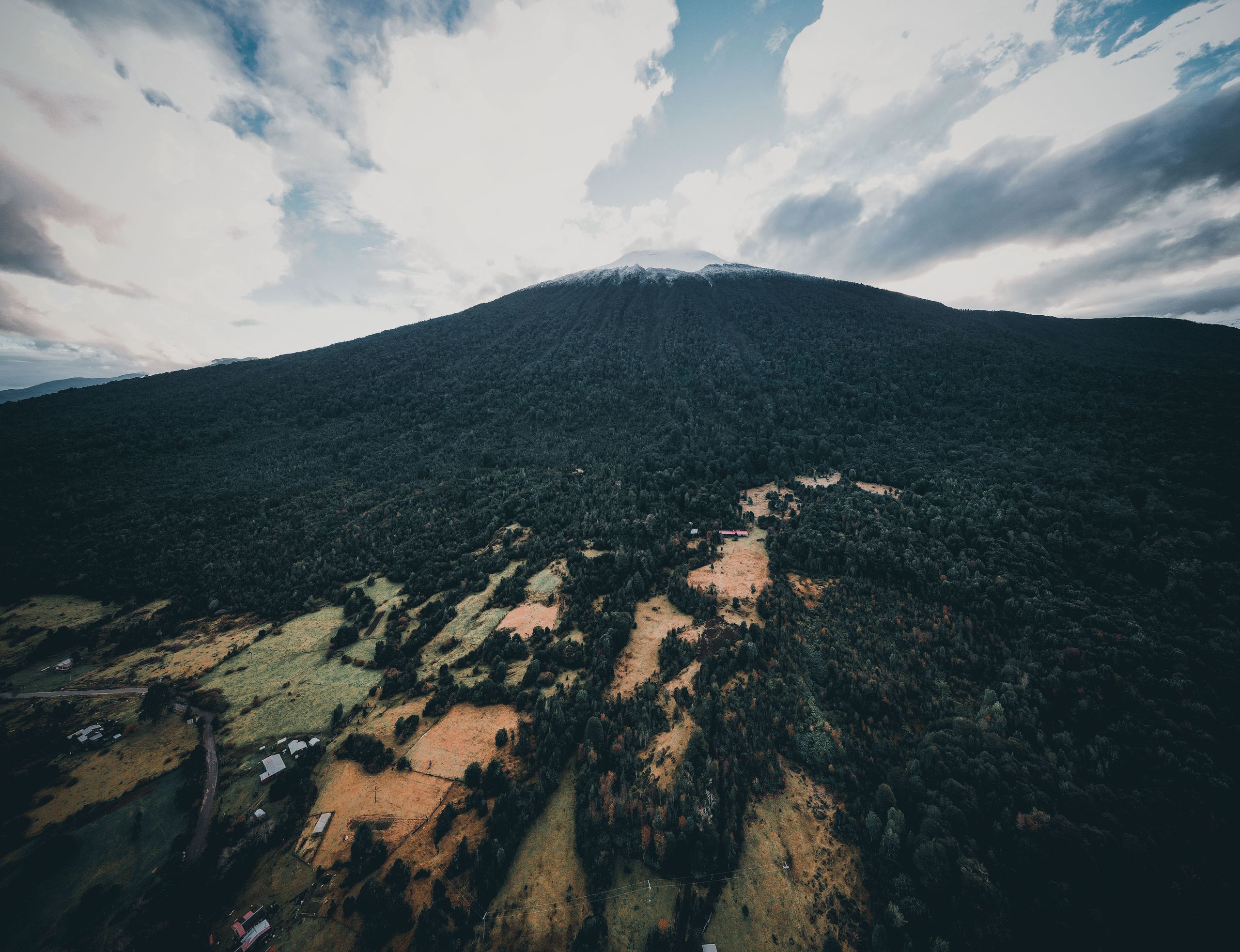
I stepped off the minibus at the Alerce Andino entrance in gathering dusk, and immediately understood why so few travelers make it here. The park sits on a narrow peninsula jutting into the Seno de Reloncaví, about 45 minutes south of Puerto Montt, yet it feels like you’ve crossed into a completely different country. The air was thick with moisture, the forest impossibly green, and the only sounds were water dripping from 3,000-year-old alerce trees and the distant call of a chucao bird. This is not the Chile of postcards.
Most travelers treat Los Lagos Region as a transit zone. They’re wrong, and Alerce Andino is proof. The park protects one of the world’s rarest temperate rainforests and the largest remaining populations of alerce trees (Fitzroya cupressoides), ancient conifers that can live for over 3,600 years. These aren’t dramatic, photogenic specimens like those at Conguillio National Park with its volcanic cone backdrop. Instead, the alerce here grows thick and gnarled, wrapped in moss and ferns, creating a primordial forest that feels less like a hike and more like time travel. The trails are short, manageable, and almost entirely empty—I saw maybe six other people across two full days of walking.
The park covers 39,600 hectares but has only two main developed trails, which sounds limiting until you realize it means you won’t spend your time queuing for photos or dodging crowds. The trade-off is weather: this region receives 2,500mm of annual rainfall, and it doesn’t ask permission before arriving. The forest reveals itself slowly in that light, intimate rather than grand.
What makes Alerce Andino genuinely worth your limited Chile time isn’t Instagram potential. It’s the combination of accessibility, solitude, and the chance to walk among some of Earth’s oldest living things without the logistical complexity of reaching Patagonia. If you’re already in the Los Lagos Region, this park demands at least two days.
The Ancient Alerce Trees: Chile’s Answer to Giant Sequoias
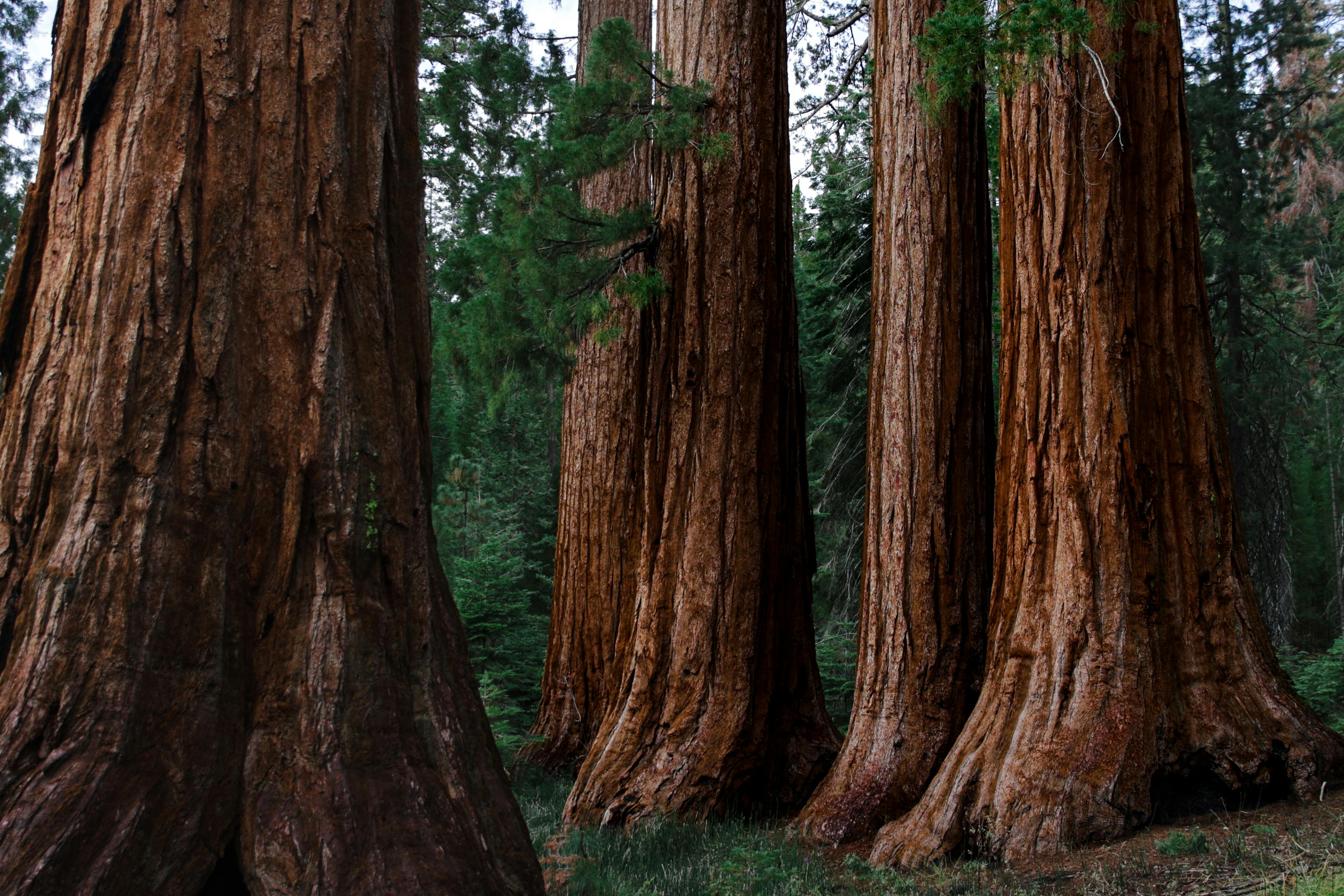
Alerce trees—Fitzroya cupressoides in botanical Latin—live 3,000+ years. They grow only in the temperate rainforests of south-central Chile and adjacent Argentina, a geographic specificity that makes them rarer than you’d expect for something so massive. The tallest reaches 60 meters. The oldest are older than recorded human history. Loggers cut them down for centuries because the wood resists rot and insects. By the time Chile created this national park in 1982, roughly 90 percent of the original Alerce forest was gone.
What you experience in Alerce Andino is a living archive. The trees here aren’t young—even the “small” ones are 500+ years old. Walking among them isn’t the adrenaline rush of summiting a peak. It’s the quiet shock of standing next to something that was already ancient when Columbus reached the Caribbean. The forest itself—thick with moss, ferns, and understory that seems to swallow sound—creates an atmosphere no photograph fully captures. Mist hangs in the canopy. Waterfalls appear suddenly. The light is always soft, filtered through branches that have been filtering light for longer than most countries have existed.
How It Compares to Torres del Paine and Other Patagonia Parks
Torres del Paine is 1,100 kilometers south of Alerce Andino. Getting there requires flying to Punta Arenas, renting a car, and committing 4-7 days minimum. Park entrance fees run $150+ USD. Accommodation costs $100-250 per night. Alerce Andino sits one hour from Puerto Varas. You can do a complete day here—trail, lunch, photos—and be back in your hotel by dinner. Entrance is currently free. A rental car costs $35-50 daily, split among 2-4 people. The longest trail takes 6-7 hours; the shortest takes 2 hours.
The trade-off is obvious: Alerce Andino doesn’t have the granite spires or turquoise lakes of southern parks. What it offers instead is access. If you have five days in Chile and want to see ancient forest without sacrificing the rest of your itinerary, this is the move. Most travelers benefit from understanding Alerce Andino’s actual value proposition.
Best Trails and Hikes in Alerce Andino (Matched to Your Schedule)
Laguna Chaiquenes Trail: The Half-Day Highlight
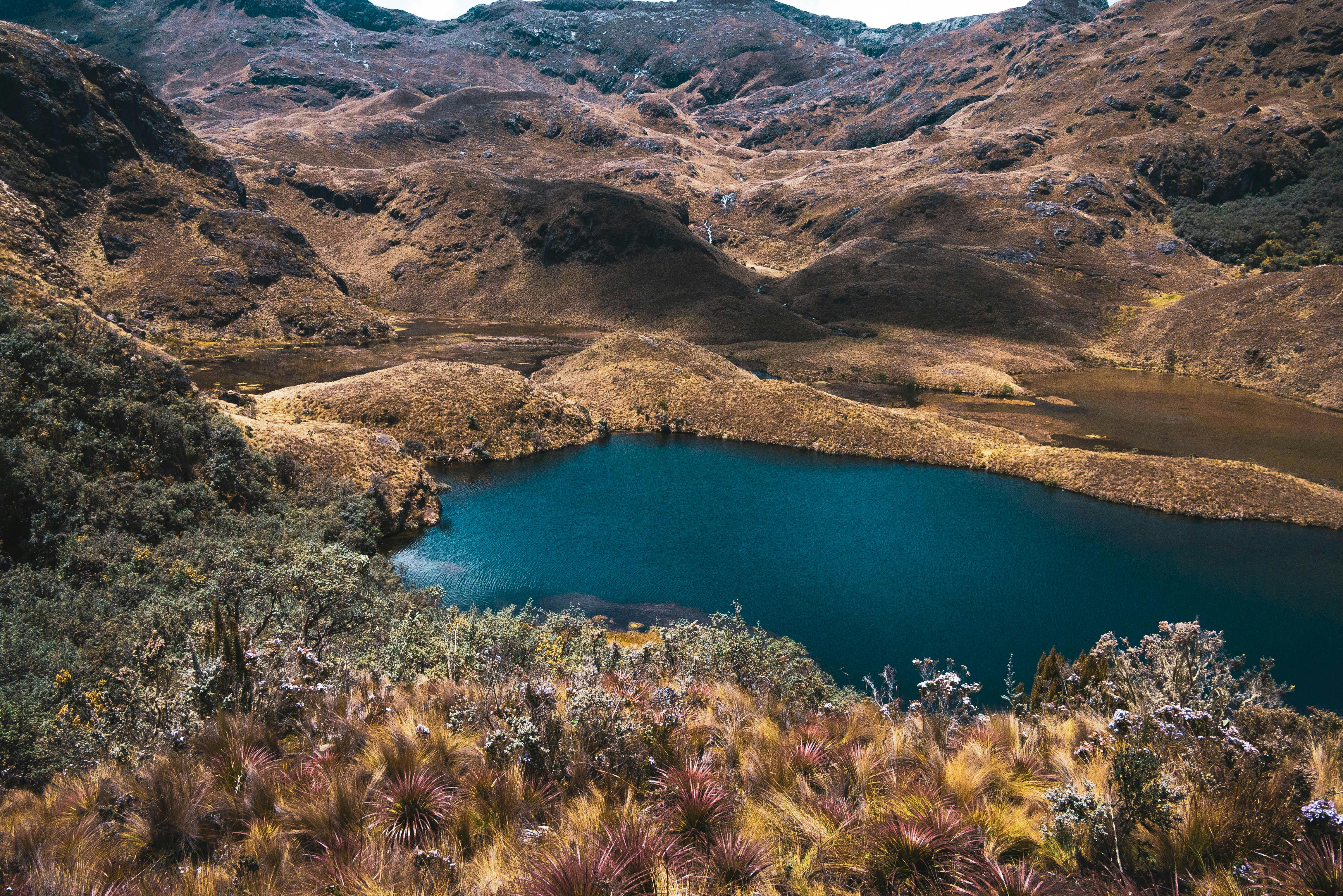
Laguna Chaiquenes is the park’s most popular trail, and deservedly so. The hike covers 6.5 kilometers round trip over 3-4 hours with 250 meters of elevation gain—moderate difficulty, meaning fit beginners can handle it without previous hiking experience. You’ll start at the Correntoso ranger station, pass through secondary forest for the first 1.5 kilometers, then enter old-growth Alerce grove. The trail becomes steeper but never technical. Tree roots form natural steps. The canopy opens gradually. Then you emerge at a turquoise alpine lake surrounded entirely by ancient forest.
Trail markers are sparse after the first kilometer. Download offline maps before you enter the park—zero cell service exists once you’re past the ranger station. Maps.me or Gaia GPS both work well with pre-loaded Alerce Andino tracks. Budget three to four hours total, eat lunch at the lake, and plan to be back at your car by 2 PM. This leaves your afternoon free for Puerto Varas exploration or a second activity.
Laguna Fría: The Full-Day Adventure
If you have a full day and solid hiking fitness, Laguna Fría delivers the park’s most dramatic old-growth Alerce concentration. The loop runs 12 kilometers and takes 5-7 hours depending on pace and photography stops. Elevation gain is steeper than Chaiquenes—expect 500+ meters of climbing with stream crossings and muddy sections that demand careful footing. The payoff is near-guaranteed solitude and waterfall viewpoints that don’t appear on social media because the hike is genuinely challenging enough to filter casual visitors.
Critical seasonal note: Laguna Fría closes frequently June through August due to snow and flooding. Check current CONAF trail conditions before driving out. Bring trekking poles for stream crossings, extra socks in a dry bag, and a headlamp (forest canopy creates early darkness; finish by 4 PM even in summer). Download offline maps and consider bringing a printed park map as backup.
Sargazo Loop: The Quick Sampler (Perfect for Limited Time)
You have 2-3 hours and want to experience Alerce Andino without committing to a half-day hike. Sargazo Loop is exactly 3 kilometers, takes 2 hours round trip, and stays relatively flat through secondary forest. You won’t see alpine lakes or dramatic vistas. The trees are younger—”only” 500-700 years old instead of 2,000+. But you will walk through genuine Alerce forest, cross small streams, and understand why this ecosystem matters. Sargazo works perfectly as a morning activity before spending your afternoon elsewhere—Petrohué Falls, Puerto Varas lakefront, or a relaxed lunch in town.
If you have time for only one trail, Laguna Chaiquenes is worth the extra hour. But Sargazo is the move if you’re combining Alerce Andino with multiple Los Lagos attractions in a single day.
Getting to Alerce Andino National Park: Transportation Reality Check
From Puerto Varas and Puerto Montt (The Two Access Points)
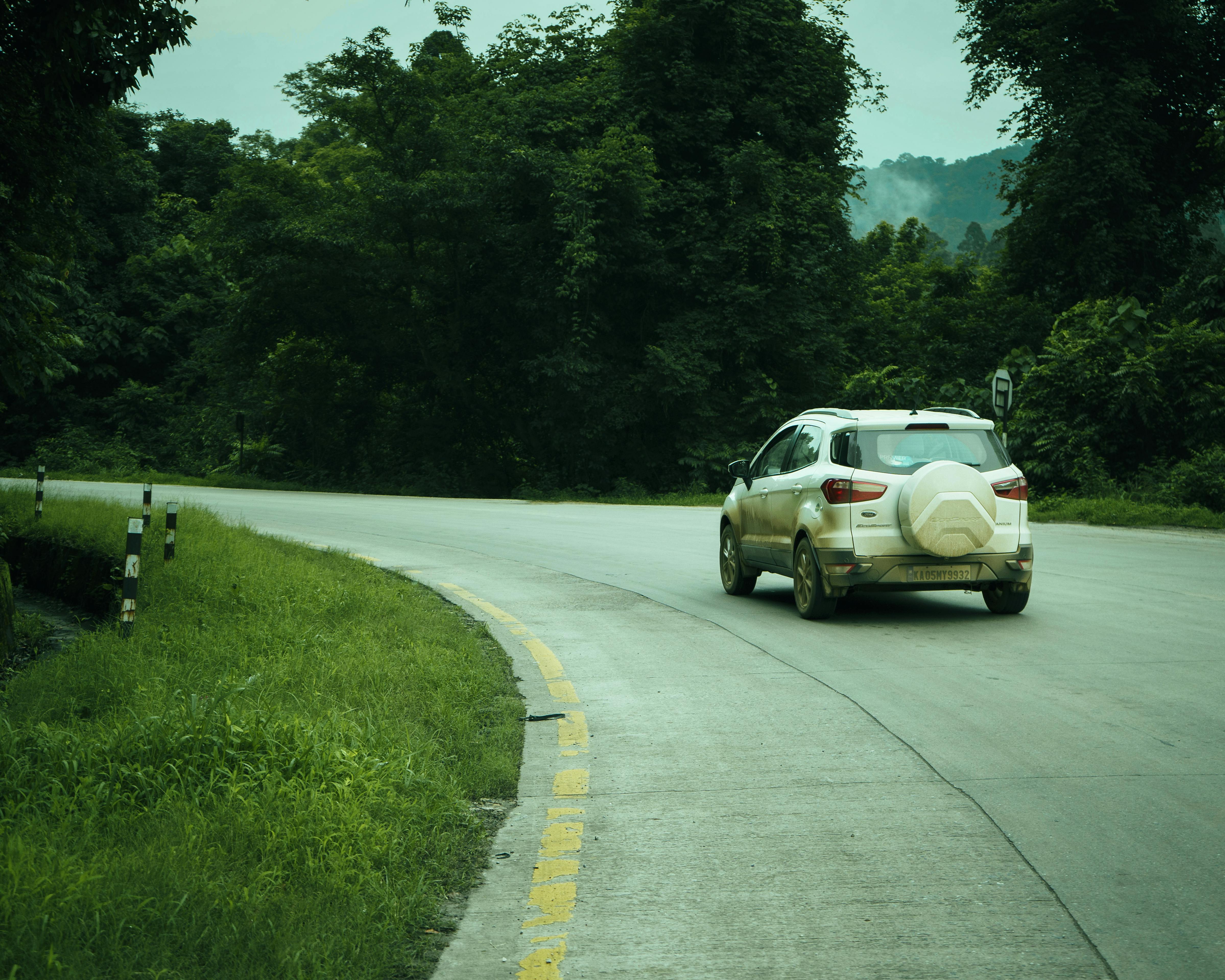
Alerce Andino has one main entrance: the Correntoso sector, accessed via Route 7 (Carretera Austral) south from either Puerto Montt or Puerto Varas. From Puerto Varas, head south toward Puerto Montt on Route 5, then turn east onto Route 7. Total distance is roughly 55 kilometers and takes 75-90 minutes. From Puerto Montt, it’s 40 kilometers and 60-75 minutes. The final 10 kilometers are unpaved gravel road. In summer (December-March), a standard passenger car handles this without issue. September through May, after heavy rain, a high-clearance vehicle or 4WD is safer.
The parking situation: the Correntoso ranger station has a small lot that fills on weekends. If you’re visiting Saturday or Sunday, arrive by 8:30 AM to secure a spot. Weekday parking is rarely an issue. The ranger station opens at 9 AM and closes at 6 PM December-March, 9 AM-5 PM April-November. You must sign in at the register—this is a safety protocol. Rangers track who’s in the park and when they exit. If you don’t check out by closing time, they’ll initiate a search.
The Public Transportation Problem (And Your Solutions)
There is no public bus service to Alerce Andino. The park entrance sits off main routes, and visitor volume doesn’t justify scheduled transit. This forces you into one of three options: rent a car, book a guided tour, or hire a private driver.
Guided tour option: Most Puerto Varas tour operators offer full-day Alerce Andino excursions for $80-120 USD per person. This includes transportation from your hotel, a bilingual naturalist guide, and usually a packed lunch. The advantage is convenience and expert interpretation. The disadvantage is schedule inflexibility—you leave when the tour leaves, hike when the guide decides, return when the group returns.
DIY rental car: A standard economy car rental costs $35-50 USD daily from Puerto Varas agencies. Split among two people, that’s $17-25 each. Split among four, it’s $9-12 each. The math favors groups, but even solo travelers often find car rental cheaper than guided tours, with the bonus of complete schedule control. You can start early, linger on trails, eat lunch where you choose, and return on your timeline.
Entrance Fees and Park Hours
As of 2024, Alerce Andino has no entrance fee—it’s free to enter. This may change, so verify with CONAF when you arrive. The ranger station hours are 9 AM-6 PM December-March, 9 AM-5 PM April-November. Plan your hike within these windows. Hiking outside ranger station hours isn’t prohibited, but you won’t be able to register, and if something goes wrong, no one knows you’re in the park. The registration process takes two minutes: sign your name, note which trail you’re taking, write your expected return time.
When to Visit Alerce Andino: Month-by-Month Breakdown
Summer (December-February): Peak Season Trade-Offs
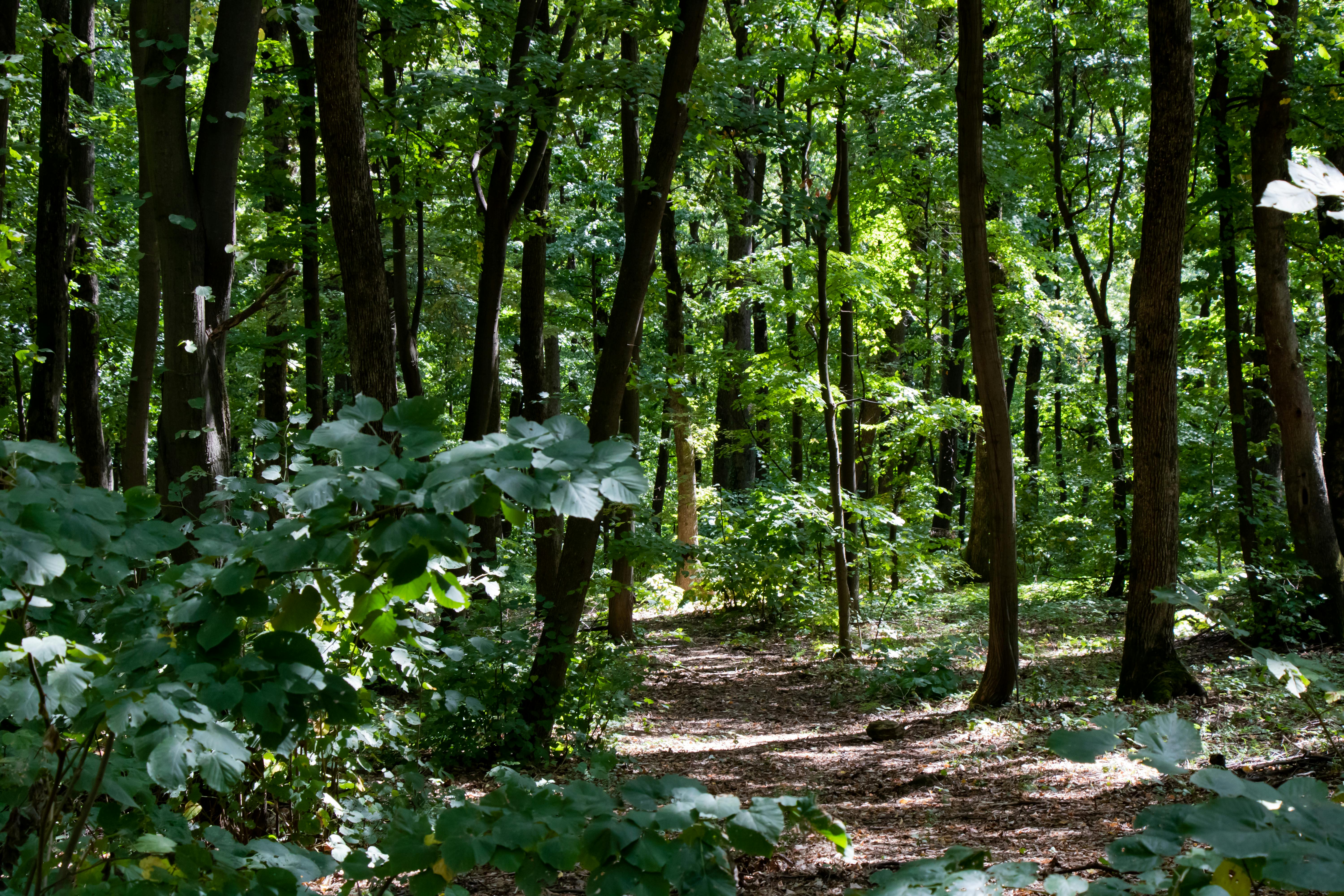
Summer brings the warmest temperatures (12-20°C, or 54-68°F) and the lowest rainfall. But “lowest rainfall” in a temperate rainforest means roughly 15-17 rainy days per month. Expect mud, mist, and frequent drizzle even in the best months. Trail conditions are at their most passable—creeks are lower, snow is absent, and hiking is physically easiest. The downside is crowds. Weekends see 50-100 visitors on the Laguna Chaiquenes trail. Accommodation in Puerto Varas costs more.
Summer is the safe choice for first-time visitors or those with limited hiking experience. The logistics are simplest. The weather is most predictable. But if solitude and authentic forest atmosphere matter more than convenience, consider shoulder seasons instead.
Shoulder Season (October-November, March-April): The Local Secret
This is when locals visit. October-November brings spring wildflowers and emerging leaves. March-April delivers autumn foliage in reds and golds. Rainfall is higher than summer but conditions are still hikeable. Temperatures run 10-16°C (50-61°F). Crowds are minimal. A weekday hike in April might see zero other visitors. Hotel rates in Puerto Varas drop 20-30 percent compared to summer. Daylight is shorter—plan 9 AM-4 PM hiking—but the light quality improves as the sun angles lower.
Shoulder season delivers better value and atmosphere than December-February. If your Chile dates are flexible, October-November or March-April are ideal.
Winter (June-August): For Hardcore Enthusiasts Only
Winter is when Alerce Andino reveals its most extreme personality. Some trail sectors close entirely—Laguna Fría is typically inaccessible. Snow can appear above 800 meters elevation. Temperatures drop to 5-10°C (41-50°F). Daylight lasts barely eight hours. This is not a season for casual hiking. It’s for people who’ve done winter mountaineering elsewhere and want to experience an ancient forest in its most primal state. The reward is absolute solitude and the surreal beauty of snow-dusted Alerce trees.
If you’re considering winter, contact CONAF ahead of time to confirm which trails are open. Bring winter hiking experience, crampons for icy sections, and a solid headlamp. Plan shorter hikes and earlier start times.
What to Pack: The Alerce Andino Essentials Checklist

The Rain Gear You Actually Need (Not Optional)
Alerce Andino receives over 4,000 millimeters of annual rainfall. A lightweight rain jacket alone is insufficient. You need a full rain shell (jacket and pants) that actually keeps you dry. Waterproof hiking boots with ankle support are non-negotiable. Trail runners or regular sneakers will soak through in the first creek crossing. Your feet will be cold and miserable for the remaining hours. Invest in proper boots—they’re the difference between an unforgettable hike and a regrettable one.
Pack a dry bag for electronics, extra socks, and snacks. Everything gets wet despite your best efforts. The forest drips constantly. Bring merino wool or synthetic socks (not cotton), and pack extras. Wet socks on a five-hour hike create blisters that ruin your next day. A simple dry bag costs $15-20 and solves this problem entirely.
Navigation and Safety Gear
Cell service doesn’t exist in Alerce Andino. Download offline maps before entering the park. Maps.me and Gaia GPS both allow you to download regional maps and trail overlays. This takes five minutes at your hotel. Bring a headlamp even if you plan to finish by 4 PM—forest canopy creates darkness earlier than you’d expect. A basic LED headlamp costs $10-20 and weighs almost nothing. Pack a basic first aid kit (blister treatment, pain reliever, antibiotic ointment), an emergency blanket, and a whistle.
Bring a pen and paper to mark your start time and expected return time in the ranger register. If you don’t return by your stated time, the ranger initiates a search. Being accurate in this register could be the difference between a routine day and a rescue operation.
Photography Equipment for the Perfect Shot
The forest is perpetually moist, which means your camera is perpetually at risk. A rain sleeve or waterproof housing isn’t optional if you want to photograph this properly. Bring a microfiber cloth and clean your lens every 20 minutes. A polarizing filter cuts glare on wet foliage and deepens forest colors—it’s the single most valuable accessory for this ecosystem. A 24-70mm lens captures both forest intimacy and lake vistas. For most visitors, a smartphone with a waterproof case and a decent compact camera handle everything you need.
Combining Alerce Andino with Nearby Los Lagos Attractions

The Ultimate Puerto Varas Base Camp Strategy
Puerto Varas is the region’s best home base—better restaurants, more mid-range hotel options, and a walkable downtown than Puerto Montt. A realistic four-day Los Lagos itinerary looks like: Day 1, arrive in Puerto Varas, explore the lakefront and town center (budget $80-150 for mid-range hotel, $25-40 for dinner). Day 2, full-day Alerce Andino hike (either Sargazo Loop in morning + afternoon elsewhere, or Laguna Chaiquenes as the main event). Day 3, Petrohué Falls in the morning (30-minute drive), then Osorno Volcano viewpoint in the afternoon (weather permitting). Day 4, either a Chiloé Island day trip via ferry from Puerto Montt, or a relaxed morning in Puerto Varas before departing.
Budget breakdown: mid-range hotel $100-150/night, car rental $35-50/day, meals $25-40/day, park entrance free, Petrohué Falls $15-20, ferry to Chiloé $20-30. Total for four days with one person: roughly $400-500. With two people splitting car rental, closer to $300-350 per person.
Day Trip Combinations That Actually Work
The Sargazo Loop (2 hours) + Petrohué Falls (30-minute drive) combination is genuinely efficient. You finish the forest hike by 11:30 AM, drive to Petrohué, spend 1.5 hours exploring waterfalls, and be back in Puerto Varas by 3 PM. This gives you two distinct ecosystems—temperate rainforest and glacial river canyon—without feeling rushed.
Weather pivot strategy: when clouds obscure Osorno Volcano (which is frequent), the Alerce forest’s moody atmosphere actually improves. Mist and low clouds create intimate forest photography and eliminate the “waiting for the volcano to appear” frustration. Plan your multi-day itinerary with flexibility. If Day 3’s volcano view looks impossible, shift that activity to Day 4 and do a second Alerce hike instead.
Guided Tour vs. DIY: Which Delivers Better Value
Guided tours ($80-120 USD per person) make sense if you’re traveling solo, don’t want driving responsibility, or want expert naturalist interpretation of Alerce ecology. A guide will explain tree ages, identify bird species, and share conservation history in ways that deepen your understanding. If you’re visiting with a group of 3-4 people, DIY car rental becomes cheaper per person and more flexible. You control timing, can linger on favorite trails, and eat where you choose. Hybrid option: rent a car for multi-day Los Lagos exploration, then book a single guided hike in Alerce Andino for the expert knowledge, then drive yourself to other attractions.
Neither is objectively better. Guided tours are worth the premium if you prioritize convenience and expert interpretation. DIY wins if you value schedule control and want to maximize budget. Most travelers benefit from a hybrid approach.
Final Thoughts
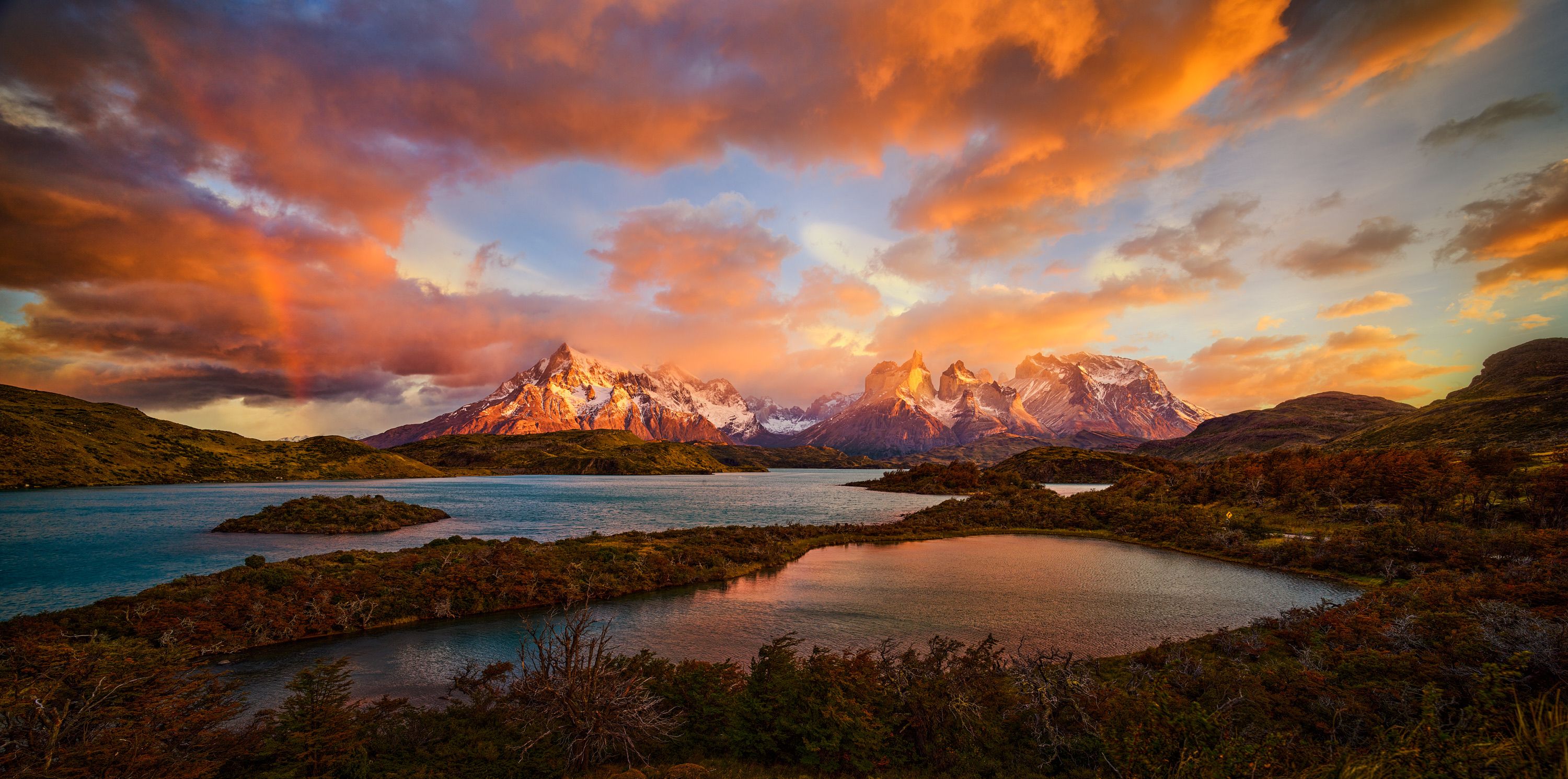
Alerce Andino National Park won’t appear on your Instagram feed the way Torres del Paine does. The ancient Alerce trees won’t tower like California’s Sequoias. The lakes won’t be turquoise or dramatic. What you’ll actually experience is something quieter and more profound: a walk through a living forest that’s older than most civilizations, in a place where you’re likely the only person on the trail. That’s not a compromise. That’s the whole point.
The single most important takeaway: this park deserves a day of your Los Lagos itinerary because it offers authentic ancient forest experiences without the crowds, costs, or logistics challenges of southern Patagonia parks. The accessibility (1 hour from Puerto Varas) and trail variety (2-hour loops to full-day adventures) make it adaptable to any schedule. Rain is guaranteed year-round, but proper preparation—waterproof boots, rain jacket and pants, offline maps—transforms this from a liability into the forest’s greatest asset. Mist in ancient forest creates unforgettable atmosphere and genuine solitude.
Your next steps: First, secure Puerto Varas accommodation (it’s the region’s best base for all Los Lagos day trips). Then decide between rental car and guided tour based on group size and comfort with gravel roads. Download offline maps to your phone before you arrive—Maps.me or Gaia GPS with pre-loaded Alerce Andino tracks. Check current CONAF trail conditions 24 hours before your visit, especially if you’re planning Laguna Fría. Pack waterproof boots and full rain gear as non-negotiable items. Consider shoulder season (March-April or October-November) over summer for better value, fewer crowds, and more dramatic forest aesthetics. If your Chile dates are flexible, this timing difference matters.
The forest has been waiting 3,000 years. It will be worth the drive from Puerto Varas.