Devon Paddleboarding: 8 Stunning Beginner Spots & Rental Guide

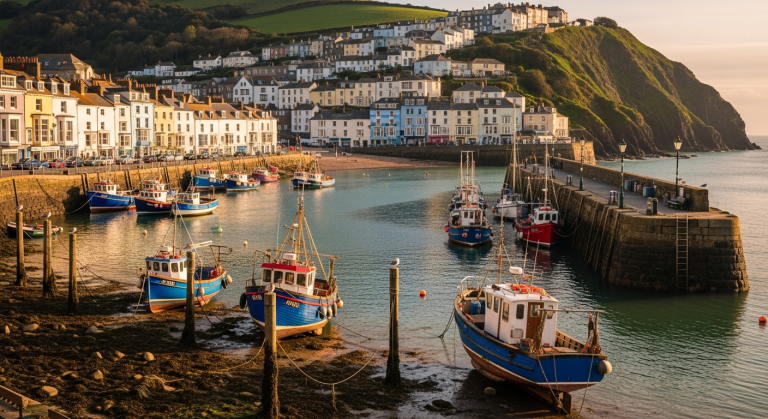
Here, on the Salcombe estuary, it’s the call of gulls and the lap of water against the shore. I’m standing at North Sands car park at 7:45 AM in late May, watching the tide creep higher, knowing that in two hours this beach will be packed with families and rental boards.
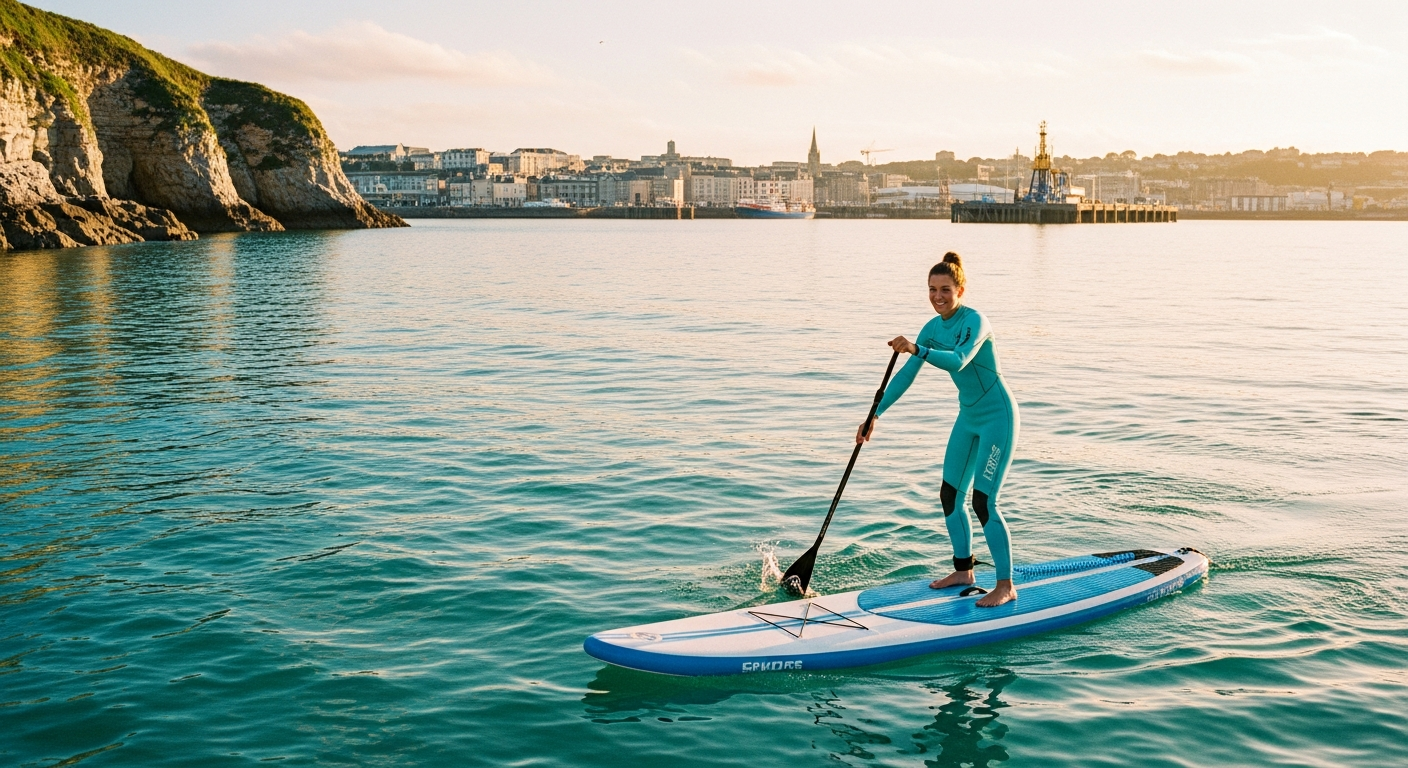
Right now, it’s mine. The water is still and glassy, the kind of condition that makes paddleboarding feel less like a sport and more like floating through a landscape painting.
This is why Devon works when other UK coastal spots don’t—sheltered estuaries that forgive mistakes, dramatic cliffs that don’t require a swell forecast, and the freedom to paddle for hours without fighting currents or dodging surfers.
But here’s the thing nobody tells you: Devon paddleboarding looks deceptively simple in Instagram photos. The reality involves understanding tides, knowing which beaches demand a high-tide launch, finding a rental shop that won’t steer you toward an impossible spot, and arriving early enough to avoid the summer crush. If you book the wrong location or show up at low tide, you’ll spend an hour walking mudflats instead of paddling.
This guide strips away the guesswork. You’ll find exact launch locations with parking costs, tide-dependent details, and the specific rental shops that actually know their conditions.
You’ll learn which spots suit absolute beginners, where seals haul out, and why September beats August by miles. More importantly, you’ll understand the one decision that makes or breaks a Devon paddle: tide timing.
Get that right, and you’ll have unforgettable hours on the water. Get it wrong, and you’re stranded on a mudflat wondering why the estuary suddenly vanished.
Why Devon Is Perfect for Paddle Boarding
Devon’s paddleboarding reputation sits in the shadow of Cornwall’s surf breaks. That’s precisely why it’s better. South Devon’s estuaries and sheltered bays offer conditions that beginner paddleboarders thrive in, while the dramatic coastline keeps the experience from feeling mundane. You get stunning scenery without needing perfect swell forecasts or technical whitewater skills.
Sheltered Estuaries vs. Exposed Coastline
The Dart, Salcombe, and Kingsbridge estuaries are paddleable at almost all tides and wind conditions. High tide gives you access to narrow creeks and shallow bays that expose themselves at low tide. Low tide provides vast flats protected from swell and wind.
This means your paddleboarding success doesn’t hinge on a precise two-hour window or favorable weather forecast. Compare this to exposed beaches like Croyde in Cornwall, where onshore wind makes the water choppy within minutes and low tide can leave you walking more than paddling.
The trade-off: estuaries are less dramatic than open-coast paddling. You won’t feel the same sense of exposure or adventure. But for building confidence, practicing technique, and maximizing actual time on the water, sheltered conditions are non-negotiable.
Authentic Local Experience Without the Hype
Devon’s paddleboarding scene hasn’t been colonized by Instagram influencers the way Cornish beaches have. You’ll share the water with local paddleboarders, kayakers, and dinghies—people actually using the estuary for recreation.
Rental shops are small operations run by people who grew up on these waters. They’ll tell you honestly whether conditions suit your skill level today and steer you toward the right beach for the tide and wind forecast, not the one that looks best in photos.
This also means fewer crowds. Even in July and August, if you arrive before 9 AM, most beaches are quiet. May, June, and September feel almost empty by comparison. The paddleboarding Devon coast rewards early risers and flexible travelers—people willing to check the tide table and plan accordingly.
Accessible for Non-Drivers
Salcombe, Dartmouth, and Kingsbridge have train stations. From Kingsbridge, you can walk to multiple estuary launch points within 20 minutes. Salcombe is a 10-minute walk from the station. This matters because you don’t need a rental car to access world-class paddleboarding. The South West Coast Path also connects launch points—you can paddle one bay, beach the board, walk to the next estuary, and paddle again.
Best Paddleboarding Spots Along the Devon Coast
Salcombe Estuary (Beginner-Friendly, All Tides)
Launch from North Sands car park (£8/day in summer, £4 off-season). The estuary stretches north for 3 miles with multiple protected bays. Arrive before 9 AM in July–August; the car park fills by mid-morning. The water is calm at all tides, though high tide gives you access to narrow creeks that are magical to explore. A beginner paddle typically covers 2–3 miles in 90 minutes. You’ll see wading birds, occasional seals, and the town’s sailing fleet.
Local tip: The eastern shore (toward Salcombe town) is more sheltered than the western side. If wind is forecast, stick to the eastern bank. There’s a café at the car park—grab coffee before you launch, not after, because by 10 AM the queue is 15 people deep.
Bantham Beach (Intermediate, Tide-Dependent)
Bantham is a 2-mile-wide sandy beach backed by the Avon River estuary. At high tide, the river mouth is paddleable; at low tide, it’s a vast mudflat. The sandbanks host a seal colony—you’ll regularly see 20–30 seals hauled out, especially in spring and autumn. Keep 100 meters distance (Marine Wildlife Code). The beach has a small car park (£5/day) and a beach hut rental operation that offers SUP hire (£30–40/day).
Why it’s special: This is the only Devon paddleboarding location where you’re guaranteed to see seals. The landscape is stunning—cliffs to the west, open estuary to the north, and the sense of being in a genuinely wild place. Launch 2 hours before high tide for maximum estuary access.
Slapton Sands (Beginner, All Tides)
Slapton Ley is a freshwater lake separated from the sea by a shingle beach. The lake itself is paddleboarding paradise for beginners—completely flat, warm in summer, and free of tidal currents. The sea side (Start Bay) gets choppy in onshore wind. Unless you’re confident and the forecast is calm, stick to the lake. Car park at Slapton Village (£5/day). The lake has a visitor center with toilets and a small café.
Local insight: This is where locals teach their kids to paddleboard. The lake is shallow enough that you can stand up if you fall in, and the water is warmer than the sea by 2–3 degrees. In June and September, you’ll have stretches of the lake entirely to yourself.
Bigbury-on-Sea (Intermediate, Low Tide Adventure)
Bigbury is a horseshoe bay with a small tidal island (Burgh Island) in the center. At high tide, you can paddle right around the island. At low tide, a causeway emerges and you can walk across. The bay is protected on three sides. Car park at Bigbury village (£8/day). Beach-based rental kiosks offer half-day hire for £25–35.
Why go: The Burgh Island Hotel sits on the island—you can paddle there, beach your board, and grab cream tea or a crab sandwich. It’s the only UK paddleboarding location where you can combine water sports with a proper destination lunch. Check tide tables before you go; the causeway is only accessible for 2–3 hours around low tide.
Peppercombe Beach Devon (Advanced, Stunning Secluded Cove)
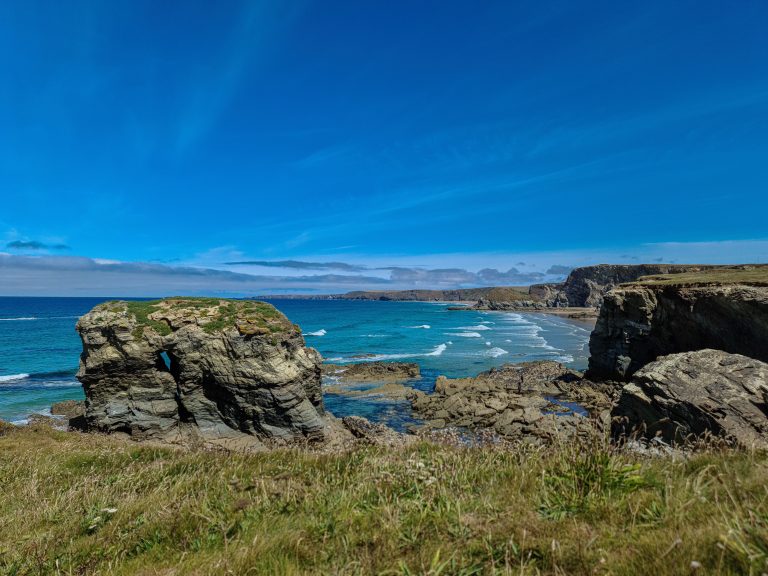
Peppercombe is a pebble cove tucked into dramatic cliffs between Sidmouth and Branscombe. There’s no car park—you park at Branscombe village (£5/day) and walk 15 minutes down a steep coastal path. This remoteness means you’ll often have the entire cove to yourself. The paddle west toward Mouth Mill beach reveals dramatic red cliffs and small sea caves. This is advanced paddleboarding—exposed to swell and wind, with no shelter. Only attempt this if you’re confident in rough water and can self-rescue from deep water.
What makes it worth it: This is the kind of paddleboarding Devon coast location that makes you understand why people become obsessed with water sports. The landscape is stunning, the water is genuinely wild, and the solitude is absolute. Go in May or September when the water is warmest and the light is best.
Roadford Lake Devon (Inland, Beginner-Perfect)
Roadford is a large freshwater reservoir 20 minutes inland from the coast. It’s paddleboarding in a completely different landscape—rolling countryside reflected in still water, no tidal concerns, and genuinely warm water in summer. The lake is 2 miles long and has a visitor center with rental equipment, changing facilities, and a café. Half-day hire is £25–30; lessons are available for £40–50.
Why it matters: Exploring Devon countryside from the water gives you a completely different perspective than coastal paddling. You’ll see farmers’ fields, small woodlands, and wildlife you’d never encounter from a coastal path. It’s also ideal for windy days when the sea is too rough.
Where to Hire Paddleboards in Devon (And What to Expect)
Estuary Rental Shops (Salcombe, Dartmouth, Kingsbridge)
Salcombe Dinghy Sailing and Singing Paddles are the two main operators in the Salcombe area. Both offer half-day hire (£25–35) and full-day hire (£40–50). Rentals include a basic paddleboard, paddle, and leash. Some shops throw in 30 minutes of instruction; others charge £15–20 for lessons. Book 48 hours ahead in summer—walk-up rentals are possible but you’ll get the last-choice board.
What to ask when you book: “Is this location suitable for my skill level today given the tide and wind forecast?” A good operator will steer beginners away from unsafe conditions. If an operator says “everywhere is fine, just go out,” find someone else. They don’t know their waters.
Rental boards are typically 10–11 feet long and inflatable. They’re heavier and less responsive than rigid boards, but they’re durable and forgiving for beginners.
Beach-Based Hire (Bantham, Bigbury, Croyde)
Beach kiosks at Bantham and Bigbury operate seasonally (Easter through October) and offer walk-up rentals. Prices are similar to estuary shops (£25–40/day), but availability is first-come, first-served. In July and August, arrive before 10 AM or expect to wait. These operations also offer sunset sessions (6–8 PM) at reduced rates (£15–20) with smaller crowds. This is a secret locals use to avoid the midday rush.
The advantage of beach hire is convenience—you park, rent, and launch within 10 minutes. The disadvantage is that you have no choice of board and minimal guidance on conditions.
Lesson Packages vs. Hire-Only
If you’ve never paddleboarded, a 1-hour lesson (£40–60) is worth every penny. You’ll learn basic technique, self-rescue, and how to read conditions. Most importantly, the instructor will assess you honestly and tell you which beaches suit your level. If you’re confident in water and have paddled before, hire-only is fine—you’ll pick up the technique in 20 minutes.
Book lessons with estuary shops, not beach kiosks. Estuary operators have dedicated instructors and can teach you on calm, protected water before you venture into busier areas.
Best Time for Devon Paddleboarding (Seasons, Tides, and Crowds)
Seasonal Sweet Spots
May–June: Water is warming to 14–16°C, crowds haven’t arrived, and wildflowers line the coastal paths. You’ll need a 3/2mm wetsuit, but you’ll have beaches to yourself. The light is long (sunset around 9 PM), so you can paddle in the evening after work. This is the insider’s favorite season.
July–August: Warmest water (16–17°C), most reliable weather, and peak crowds. Arrive before 9 AM or after 5 PM. Some spots become uncomfortably packed midday. You can paddle in board shorts and a rash vest, but bring a wetsuit in your car—the water is still cold if you fall in repeatedly. This season is best for families and groups; solo travelers should aim for shoulder seasons.
September: This is the secret local favorite. Water is at its warmest (16–17°C), kids are back in school, and the light is perfect for photography. You’ll have 80% of the summer conditions with 20% of the crowds. Paddleboarding Devon in September feels like you’ve discovered something everyone else missed.
October–April: Water drops to 10–13°C, requiring a full 4/3mm or 5/4mm wetsuit. Weather is unpredictable, and daylight is short. This is for committed paddleboarders only. The advantage: zero crowds and dramatic winter light.
Understanding Tidal Windows
This is the detail that separates a great Devon paddleboarding day from a frustrating one. Estuary locations (Salcombe, Dart, Kingsbridge) are paddleable at all tides, but high tide gives you access to shallow creeks and reduces the walking distance from car parks to water. Beach launches (Bantham, Bigbury, Slapton) require mid-to-high tide to avoid long mudflat walks or dangerous river currents.
Use XC Weather or Tides Near Me apps to check tide tables before you go. Local hire shops post daily “best paddle times” on Instagram—follow them. The golden rule: if you’re paddling an estuary, plan for high tide (you’ll have the most options). If you’re paddling a beach, launch 2 hours before high tide and you’ll catch the rising tide back to shore.
Common mistake: showing up at low tide thinking you’ll have the beach to yourself. You will—but you’ll also spend 45 minutes walking mudflats before you get in the water. It’s demoralizing and wastes your vacation time.
Weather and Wind Patterns
The safe beginner threshold is wind under 10 mph with no swell forecast. If whitecaps are visible from shore, it’s too rough for first-timers. South-facing beaches (Bigbury, Bantham) are exposed to Atlantic swell; north-facing estuaries (Dart, Salcombe) are protected. On windy days, always paddle estuaries, not beaches.
Check the forecast the night before and the morning of your paddle. Conditions can change within hours. If the forecast shifts to “gusty” or “strong,” choose Roadford Lake or an estuary launch instead of a beach. This flexibility is what separates smart paddleboarders from people who spend their vacation time frustrated.
What to Know Before You Paddle (Safety, Gear, and Etiquette)
Essential Gear Checklist
Wetsuit or not? May–October: wear a 3/2mm wetsuit or shorty even if the air feels warm. Immersion in 15°C water is a shock to your system, and you’ll lose body heat fast if you fall in repeatedly. July–August: confident swimmers can get away with board shorts and a rash vest, but bring a wetsuit in your car anyway. October–April: full 4/3mm or 5/4mm wetsuit is non-negotiable.
Always bring: leash (attaches your board to your ankle—non-negotiable), waterproof phone case, spare clothes in your car, water bottle bungeed to your board, sunscreen (UV reflection off water is intense), and a changing robe if you’re paddling at a beach with no facilities.
Rental shops include leashes and paddles. Wetsuits are available for rent (£5–10/day) if you don’t own one.
Safety Basics That Actually Matter
Stay within 100 meters of shore until you’re confident. Most rescues happen when beginners paddle too far out and can’t fight wind or tide back. The water feels calm close to shore, then choppy 200 meters out.
Tell someone your plan: which beach, expected return time. Solo paddling is fine; unannounced solo paddling is reckless. If something happens, someone needs to know where to look for you.
Learn self-rescue: how to get back on your board from deep water. Practice in waist-deep water before heading out. Most rental shops teach this in their lessons; if yours doesn’t, ask.
Respect currents: River mouths have tidal currents that can push you sideways. They’re not dangerous if you’re aware of them, but they’ll exhaust you if you fight them. Ask locals about current patterns before you paddle.
Wildlife and Environmental Etiquette
Seals are common along the Devon coast. Keep 100 meters distance (Marine Wildlife Code). If seals are hauled out on a sandbank and you paddle toward them, they’ll panic and rush into the water, burning energy reserves they need for winter. This is especially critical in spring (pupping season) and autumn (fattening up for winter). Watch seals from a distance. The experience is better anyway—you’ll see their natural behavior instead of their panic response.
Leave no trace: If you bring snacks, take wrappers home. Microplastics are devastating Devon’s marine life. Don’t paddle through nesting sites (April–June) or haul-out areas during sensitive seasons. Ask local hire shops about seasonal restrictions—they’ll know what’s off-limits.
Making a Complete Day of Devon Paddleboarding
Classic Combos Worth Planning
Salcombe paddle + South West Coast Path walk: Paddle North Sands to Mill Bay (30 minutes), beach the board, hike to Overbeck’s Garden (National Trust property, £8 entry), and return via the coast path. Total time: 4 hours. You’ll see the estuary from two completely different perspectives and end up at a historic house with a café overlooking the coast.
Bantham paddle + Burgh Island cream tea: Morning paddle (2 hours), lunch at the Burgh Island Hotel (walk across the tidal causeway at low tide), afternoon exploring Bigbury village and the coastal path. Total time: 5–6 hours. This is the most Instagram-friendly Devon paddleboarding day, but it’s also genuinely magical. Book the hotel café in advance (they do cream tea 2–5 PM).
Slapton paddle + Start Bay pubs: Paddle Slapton Ley (1 hour), drive 10 minutes to Beesands for fresh crab sandwiches at the Cricket Inn (tables overlook the beach), and afternoon exploring the beach itself. Total time: 3–4 hours. This combo is best in May, June, or September when the pubs aren’t overwhelmed.
Practical Logistics
Parking: Most Devon beach car parks are pay-and-display (£5–10/day). Arrive early or use the Park24 app to pre-book in high season. Estuary car parks (Salcombe, Kingsbridge) fill by 10 AM in July–August. Inland locations (Roadford Lake, Slapton Ley) have larger car parks and rarely fill completely.
Changing facilities: Larger beaches (Bantham, Bigbury) have public toilets and sometimes outdoor showers. Smaller coves (Peppercombe) have nothing—bring a changing robe or plan to change in your car. Estuary launches often have café facilities nearby.
Extending your trip: Devon’s paddleboarding spots cluster within 30 minutes of each other. Base yourself in Salcombe, Kingsbridge, or Dartmouth and explore a different launch each day. Accommodation ranges from budget hostels (£30–40/night) to luxury hotels (£150–250/night). Mid-range guesthouses (£60–100/night) offer the best value.
Rainy Day Backup Plans
Roadford Lake has an indoor center with sheltered water—you can paddle in light rain without getting miserable. Plymouth Watersports Centre offers indoor pool SUP sessions (£25–35) if the weather is truly dreadful. Swap to coastal walks: South West Coast Path sections near Salcombe and Hope Cove are breathtaking even in drizzle, and you’ll have them entirely to yourself.
CONCLUSION
Devon paddleboarding succeeds because it doesn’t pretend to be something it isn’t. It’s not the biggest waves, the most dramatic cliffs, or the most Instagram-famous coastline in the UK. It’s the place where you can paddle for three hours on calm water, see seals and wading birds, and have a conversation with someone else on the water without shouting over a roaring swell. It’s where you can bring your family, your non-swimmer friends, or just yourself, and have an unforgettable day on the water without needing a weather forecast to align perfectly or arriving at 5 AM to claim a parking spot.
The key is one decision: start at Salcombe estuary or Slapton Ley if you’re new to paddleboarding. These locations forgive mistakes, offer stunning views, and work at almost any tide. Book your rental 48 hours ahead in summer; show up before 9 AM; check the tide table and wind forecast the night before. May, June, and September offer the ultimate balance of weather, water temperature, and elbow room. Skip July and August unless you’re committed to very early mornings.
Your next step: open Tides Near Me on your phone and check when high tide hits your chosen beach next week. That’s your launch window. Book a rental shop or lesson operator the same day—don’t wait. The paddleboarding Devon coast isn’t going anywhere, but your vacation days are.