Must Visit Places in Italy: Complete Guide to 10 Essential Destinations

Here’s the problem: Italy guidebooks throw 50 destinations at you and expect you to fit them into two weeks. Pinterest shows you the Amalfi Coast, Tuscany vineyards, and Venice’s canals all at once, making you feel like you’re already failing before you arrive.
You have limited vacation time. Your budget is real. And you’re terrified you’ll spend three days in museum queues instead of actually experiencing Italy.
This guide cuts through the noise. You’ll learn which cities deserve three days versus three hours, which regions require a rental car, and exactly what most travelers get wrong about the “must-see” spots.
More importantly, you’ll understand how to build an itinerary that doesn’t leave you exhausted, broke, or feeling like you missed the real Italy hiding just behind the postcard views.
Planning Your Ultimate Italy Adventure

Italy isn’t a checklist destination. It’s a collection of contradictions: ancient ruins thrumming with modern life, tiny villages where tourists outnumber locals, and regional food cultures so distinct that Sicilian pasta bears almost no resemblance to what you’ll eat in Milan.
Most first-time visitors make the same mistake: they try to compress Rome, Florence, Venice, the Amalfi Coast, and Tuscany into 10 days. The result is a blur of train stations, hotel check-ins, and museum lines. You see the Colosseum but miss the neighborhood trattorias where Romans actually eat. You hit the Uffizi Gallery but skip the smaller churches where the real Renaissance paintings live.
The fix is simple: go deeper, not wider. Choose your anchor cities based on what genuinely interests you, not what Instagram says you should see. A couple seeking romance needs different Italy than a family with toddlers or a solo traveler hunting for adventure.
This guide gives you the framework to build your own perfect Italy vacation. You’ll get honest time budgets, practical logistics, and insider details that separate a rushed trip from an unforgettable one. You’ll also learn what to skip, which is just as important as knowing where to go.
Italy Bucket List: The Iconic Cities You Can’t Skip

Every Italy bucket list starts with Rome, Florence, and Venice. There’s a reason. They’re not overrated; they’re just overwhelmingly popular. The trick is visiting them strategically.
Rome: The Eternal City That Lives Up to the Hype
Rome demands three days minimum. Most first-timers try to see the Colosseum, Vatican, and Trevi Fountain in 48 hours and end up sprinting between sites.
Here’s what works: arrive early and skip the lines. The Colosseum opens at 8:30 AM. If you’re there at 8:45, you’ll have 30 minutes of near-solitude before tour groups arrive. Buy skip-the-line tickets online at least two weeks ahead (€18-24). You’ll save 90 minutes and your sanity.
The Vatican Sistine Chapel is always packed, but there’s a window. Visit on Wednesday or Thursday morning before 10 AM, or after 4 PM when most visitors have left. The Sistine Chapel feels less like a museum and more like a pilgrimage site when it’s not shoulder-to-shoulder with people.
Skip Trevi Fountain unless you’re okay with 5,000 tourists elbowing for a photo. Instead, find lesser-known fountains in Trastevere or the Spanish Steps neighborhood. The mistake most travelers make: thinking they have to see famous things the famous way. You don’t.
Day three should be neighborhood walking. Spend your morning in Trastevere, where Romans actually live and eat. Have lunch at a place with no English menu (good sign). Wander the Testaccio district in the afternoon, hit the food market, grab dinner at a local trattoria. This is where Rome stops being a museum and becomes a city.
Florence: Renaissance Art Meets Authentic Tuscan Life
Florence works best as a two-day stop or a base for exploring Tuscany. Day one: Duomo and baptistry in the morning (free entry to the square, small fee for climbing the dome), Uffizi Gallery in the afternoon (book ahead online), and Ponte Vecchio at sunset when it’s less crowded.
The common mistake: spending six hours in the Uffizi trying to see everything. You can’t. Go in with a plan: see the works that genuinely move you, skip the rest. Botticelli’s Birth of Venus is there. So are 50 other masterpieces. You don’t need to tick every box.
Day two: skip major museums and explore neighborhoods where Florentines spend time. San Frediano is quieter than the Duomo area. Oltrarno has better restaurants and fewer tourists. Find a wine bar, order Chianti, eat prosciutto and cheese, and sit for an hour. This is how Italians experience their own cities.
Venice: Beyond the Crowds in the Floating City
Venice is sinking and overcrowded, but it’s unmissable. The key is timing. Visit in May or September, not June through August. Summer crowds are genuinely unbearable.
Two days is the minimum. Day one: St. Mark’s Basilica and Doge’s Palace in early morning (before 9 AM), then get lost in small canals and alleys. The magic of Venice isn’t in famous squares; it’s in quiet corners where you hear nothing but water and your own footsteps.
Day two: take the vaporetto (water bus) to Murano and Burano. Skip tourist-trap glass demonstrations on Murano. Burano is picture-perfect with colorful houses, but arrive before 10 AM or stay after 4 PM to avoid day-tripper rush. The real discovery: walking back streets and finding a family-run restaurant where the menu is whatever the grandmother made that morning.
Places In Italy for Breathtaking Coastal Escapes

Italy’s coastlines are as diverse as its cities. The Amalfi Coast is dramatic and famous. Cinque Terre is rugged and postcard-perfect. But quieter coastal regions rival both in beauty and beat them on authenticity.
Amalfi Coast: Stunning Cliffside Villages and Azure Waters
The Amalfi Coast is real and worth the hype. But here’s what nobody tells you: the drive is terrifying, parking is nonexistent, and buses are packed. Rent a car only if you’re an experienced mountain driver. Otherwise, take the SITA bus from Salerno or hire a private driver.
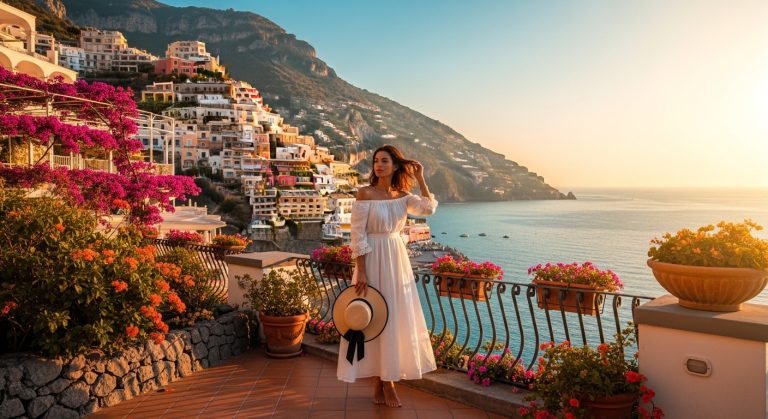
Choose one village as your base. Positano is most famous—pastel houses cascading down cliffs, tiny pebble beach, expensive restaurants. It’s beautiful and crowded. Ravello is higher up, quieter, with stunning views and better food value. Amalfi town itself is the working port, less touristy, with the best seafood.
Timing matters enormously. Visit in May or September. June and July are peak season—hotels triple in price, beaches are packed, and heat is oppressive. Budget three days minimum. Two days feels rushed when you factor in travel time. Spend one day exploring your village, one day taking a boat tour or hiking the Path of the Gods (stunning coastal trail between Praiano and Positano), and one day day-tripping to a neighboring town.
Cinque Terre: Five Picture-Perfect Villages Worth the Hype
Cinque Terre is five tiny villages stacked on a cliff: Monterosso, Vernazza, Corniglia, Manarola, and Riomaggiore. Hiking trails connecting them are stunning, but they close seasonally due to landslides and maintenance. Check before you go.
The mistake most travelers make: trying to hike all five villages in one day. You’ll be exhausted, and trails will be crowded. Instead, pick three villages, do two hikes, and spend the afternoon sitting in a piazza eating pesto and drinking local wine.
Monterosso has the only real beach—good for families. Vernazzo is most photogenic but also most crowded. Corniglia is quieter, perched high on the cliff. Manarola and Riomaggiore are quietest and least touristy. Stay two nights minimum in one village rather than moving around. Trains connecting villages are frequent and cheap, so you can explore from a single base. Avoid July and August entirely. May, June, and September are perfect.
Hidden Coastal Gems: Puglia and Sardinia
If you want stunning coastal scenery without Amalfi Coast crowds and prices, look south. Puglia (the heel of Italy’s boot) has dramatic limestone cliffs, turquoise water, and villages that feel genuinely Italian rather than tourist-oriented.
Polignano a Mare is Puglia’s most famous village—white houses, sea caves, swimming off rocks. It’s less crowded than Amalfi but getting busier. The real discovery: Otranto, a fortified medieval town with beautiful beach and virtually no tourists. Gallipoli is another gem, with a Venetian castle and excellent seafood.
Sardinia is an island with its own culture, food, and dialect. Skip Costa Smeralda (expensive and exclusive). Instead, explore the quieter south coast around Villasimius or dramatic granite cliffs of Cala Gonone. You’ll find beaches rivaling anything on the mainland, without crowds or price tag.
Rome Bucket List: Making the Most of the Eternal City

Rome deserves its own deep dive because it’s where most Italy trips begin, and most visitors feel rushed and overwhelmed. A Rome bucket list isn’t about hitting every archaeological site. It’s about understanding the layers of the city and choosing what matters to you.
Ancient Rome: Colosseum, Forum, and Palatine Hill
These three sites are interconnected and best visited together. Buy a combined ticket online (around €18) and plan for 3-4 hours total. Start at the Colosseum at opening time. You’ll have the arena mostly to yourself for the first 45 minutes.
The Roman Forum is next door but feels like stepping into a different world. It’s less dramatic than the Colosseum but more atmospheric. Wander slowly. Sit on a stone bench and imagine the marketplace, the temples, the political intrigues that happened here.
Palatine Hill is the highest point and offers the best views of the Forum. Go here last, when your legs are tired and you can sit with a view. Skip official Colosseum tours—they’re expensive and slow. You’ll see more walking on your own. Bring water, wear sunscreen, and go early. Afternoon sun is brutal, and crowds double after noon.
Vatican City: Sistine Chapel and St. Peter’s Basilica Done Right
The Vatican is technically a separate country, but you won’t notice the border. The challenge isn’t getting in; it’s managing crowds and lines.
St. Peter’s Basilica is free to enter, but you’ll wait 30-60 minutes in line. The basilica itself is stunning—the scale is overwhelming. You can climb the dome (463 steps) for a view over Rome, but your legs will hate you. Do it on your second day in Rome when you’re already tired.
The Vatican Museums and Sistine Chapel require a ticket (around €17-20). Book online weeks ahead. The museums are enormous—you can easily spend 3-4 hours here. Most visitors rush through to see the Sistine Chapel, which is a mistake. The museums contain some of the world’s greatest art. See the Sistine Chapel last, when you’re tired and ready to sit down.
Pro tip: visit on Wednesday or Thursday morning, or go after 4 PM. These are the quietest times. Avoid Sundays entirely—papal audiences and Italian school groups make it chaotic.
Beyond the Highlights: Local Rome Neighborhoods
Rome’s real character lives in neighborhoods where Romans live. Trastevere is most famous non-touristy area, but it’s becoming increasingly touristy. Still worth visiting, especially in the evening when cobblestone streets fill with locals and the smell of grilled meat.
Testaccio is where Romans actually eat. The neighborhood grew around an ancient Roman trash heap (Monte Testaccio). Now it’s home to the city’s best food market and traditional working-class trattorias. Have lunch at Flavio al Velavevodetto or Armando al Pantheon—places where the menu is handwritten and the wine list is short.
San Lorenzo is the student neighborhood, bohemian and chaotic, with excellent cheap restaurants and zero pretense. Aventine Hill is quiet and residential, with stunning views and almost no tourists. The Pantheon neighborhood is central and manageable, with better restaurants than the Colosseum area.
Family Destinations: Italy With Kids and Teens

Italy with children requires different planning than a couples’ trip. Museums are less important. Movement and food become central. The good news: Italians love children, and the food is usually what kids actually want to eat.
Rome for Families: Bringing History to Life
Rome works for families because history feels tangible here. Kids can run through the Forum, swim in the Trevi Fountain (metaphorically), and imagine gladiators in the Colosseum. Skip long museum days. Instead, do one museum per day maximum, and pair it with outdoor time.
The Colosseum is genuinely exciting for kids—it’s massive, dramatic, and easy to imagine. Book skip-the-line tickets. Bring water and snacks. Plan for two hours maximum. The Roman Forum is even better for kids because there’s more space to run and fewer crowds once you get past the entrance.
Skip Trevi Fountain entirely and instead find smaller fountains. Villa Borghese park is enormous with playgrounds, a lake, and rental bikes. Spend an afternoon here instead of in another museum. Food is easier in Rome than most Italian cities. Kids usually love pasta cacio e pepe (cheese and pepper), pizza, and gelato. Romans are patient with families. Restaurants with outdoor seating are your friend—kids can move around a bit without disturbing other diners.
Tuscany Countryside: Perfect for Multi-Generational Travel
Tuscany is ideal for families because it’s slower-paced than cities, the scenery is beautiful, and there’s space for kids to run around. Skip Florence and head straight to the countryside.
Agriturismos (farm stays) are perfect for families. You get a house with a kitchen, usually a pool, and access to the property. Kids can see animals, play outside, and parents can cook dinner instead of hunting for restaurants. Prices run €80-150 per night for a family-sized place, which is reasonable for Tuscany.
Look for places offering hands-on experiences: pasta-making classes, pizza tossing, wine tastings for adults while kids do cooking activities. Many agriturismos have these built in. Towns like Montepulciano, Montalcino, and San Gimignano are beautiful but crowded. Smaller towns like Pienza or Torrita di Siena are quieter and equally lovely. Rent a car for Tuscany. Distances between towns are manageable (30-45 minutes), and having your own transport makes family life easier. Kids can sleep in the car. You can stop whenever you want. Driving in Tuscany’s countryside is actually pleasant, unlike Rome or Florence.
Northern Italy’s Lakes: Relaxed Pace for All Ages
Lake Como and Lake Garda are dramatically different from city travel. They’re relaxed, beautiful, and family-friendly. The pace is slower. The emphasis is on being outside, swimming, and eating well.
Lake Como is more upscale and dramatic, with steep mountains and small villages accessible only by boat. Lake Garda is larger, warmer (better for swimming), and more resort-like. Both have excellent public transportation via ferry boats. Varenna on Lake Como is picturesque and manageable. Desenzano on Lake Garda is larger and more touristy but has better beaches. Stay three days minimum at one location rather than moving around. Rent bikes, take boat rides, swim, eat gelato, repeat. This is the Italy where families actually relax.
Toddler Travel and Multi-Generational Italy Itineraries
Traveling to Italy with toddlers and grandparents simultaneously requires ruthless simplification. You can’t do the classic Rome-Florence-Venice loop with a two-year-old and a 75-year-old. You need a different approach entirely.
Choosing the Right Home Base for Young Families
The biggest mistake: treating Italy like other European destinations where you move every 2-3 days. With toddlers, moving is exhausting. Pick one region and stay put.
Tuscany is ideal because you can rent a house with a kitchen, washer, and outdoor space. Toddlers need naps, clean clothes, and space to move. Hotels don’t provide this. Agriturismos do. Budget €100-150 per night for a three-bedroom house that sleeps 6-8 people. Split among three generations, it’s reasonable.
Alternatively, choose a single lakeside town (Varenna or Desenzano) and use it as your base. The lake provides entertainment, the towns are walkable, and the pace is manageable. Avoid Rome and Venice entirely on your first multi-generational trip. They’re too intense with little kids.
Realistic Daily Planning With Toddlers
Italians structure their days around family rhythm, and you should too. Wake early (kids do anyway). Have breakfast at a café. Do one activity in the morning while toddlers are fresh. Return for a long lunch and rest time from 1-4 PM. This is when grandparents nap, toddlers nap, and everyone resets. Evening passeggiata (leisurely walk) around 5 PM, dinner after 7 PM.
One activity per day is realistic. Not one museum, one activity. One town visit. One short hike. One visit to a market. Toddlers aren’t interested in sightseeing; they’re interested in movement, food, and novelty. Let them lead sometimes. The best family memories come from unexpected gelato shops and park discoveries, not forced museum visits.
Transportation with toddlers: trains are better than cars. You can move around, toddlers can nap, and you’re not managing a car seat in unfamiliar traffic. Buy car seats in advance or arrange rentals that include them. Flying into Rome and immediately renting a car is a recipe for stress. Fly in, take a train to your base, and stay there.
What to Skip (And What’s Actually Toddler-Friendly)
Skip: the Uffizi Gallery, the Vatican Museums, Doge’s Palace, any museum with more than three rooms, Trevi Fountain, any crowded tourist site.
Do: outdoor markets, piazzas, parks, easy walks, swimming, farm visits, cooking classes (toddlers love watching pasta being made), gelato shops, playgrounds, boat rides.
Here’s the secret: Italians love children. Restaurants will provide high chairs without asking. Grandmothers will coo at your toddler. You’ll get smiles instead of annoyance when your kid is loud. This isn’t true everywhere in Europe, but it’s absolutely true in Italy. Lean into it. Your toddler becomes your conversation starter with locals.
Complete Regional Guide: Tuscany, Dolomites & Southern Italy

Once you’ve hit the major cities, Italy’s regions offer completely different experiences. Tuscany is rolling hills and wine. The Dolomites are dramatic mountains. Southern Italy is a different culture entirely. Choose based on what calls to you.
Tuscany Beyond Florence: Wine Country and Medieval Towns
Tuscany is massive, and most visitors only see Florence. The real Tuscany is the countryside: vineyards, cypress trees, medieval towns, and slow food culture.
Siena is the second city and worth two days. It’s more authentic than Florence, with a stunning piazza (Piazza del Campo) and a Gothic cathedral. The Palio horse race happens twice yearly (July 2 and August 16) and is genuinely spectacular if you can get a ticket or find a rooftop viewing spot.
San Gimignano is famous for its medieval towers and can feel touristy, but it’s genuinely beautiful. Go for the sunset when the light is golden and crowds thin. Stay overnight if possible—the town is magical after day-trippers leave.
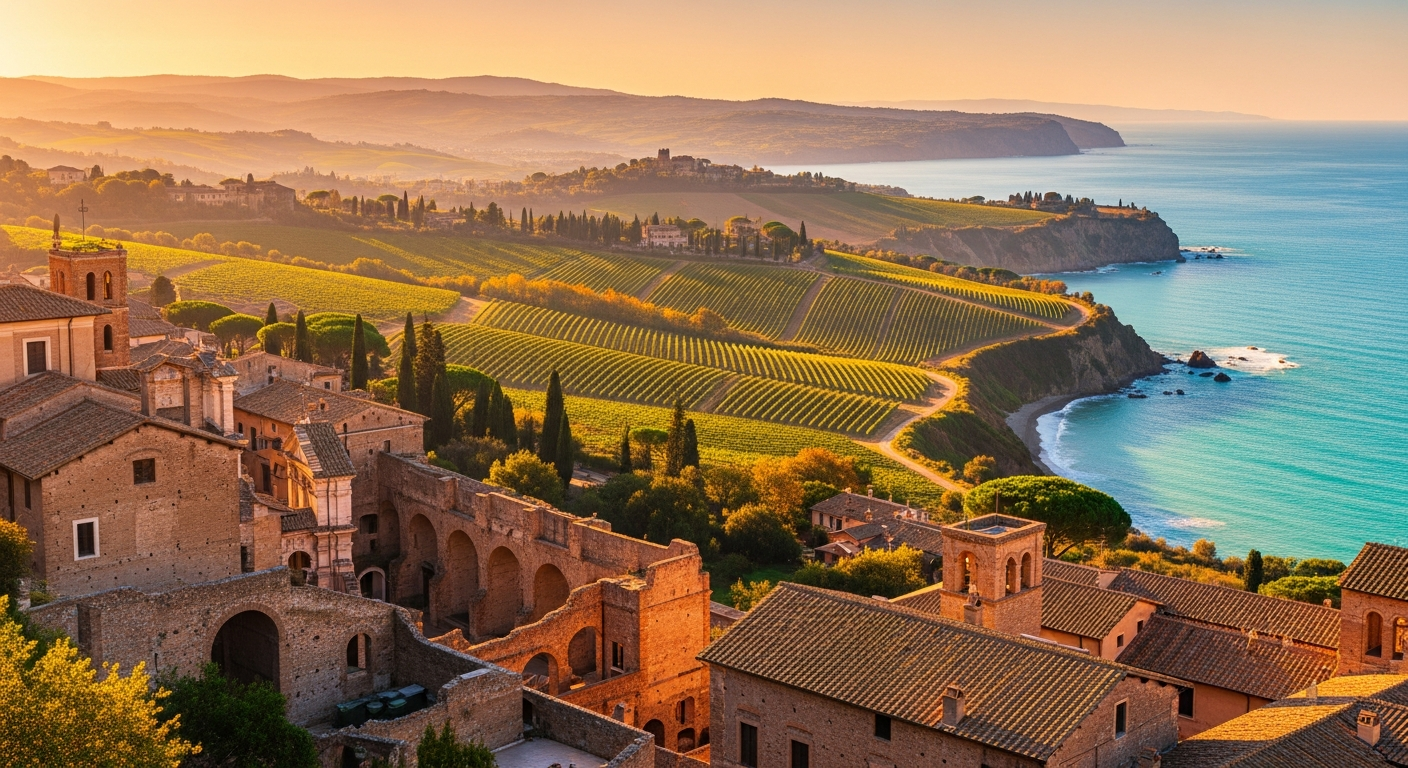
Val d’Orcia is the postcard landscape: rolling hills, cypress avenues, and tiny villages. It’s not one town but a region. Pienza is the main hub, but Montepulciano and Montalcino have better food and fewer tourists. Rent a car and drive slowly, stopping at wineries, farms, and small towns. Wine tasting is serious business here, not a tourist activity. Visit actual wineries and ask questions. Most are family-run and happy to talk about their work. Brunello di Montalcino and Vino Nobile di Montepulciano are the famous wines, but local producers make excellent affordable bottles.
Northern Italy: Dolomites and Milan
The Dolomites are in northeastern Italy, a dramatic mountain range that feels like Switzerland. They’re stunning for hiking in summer and skiing in winter. Towns like Bolzano and Cortina d’Ampezzo are bases for exploring.
Lake Braies is the most famous Dolomites destination—a turquoise glacial lake surrounded by jagged peaks. It’s beautiful and crowded. Go early (before 8 AM) or late (after 4 PM). The hike around the lake is easy and stunning.
Milan is often skipped, but it’s worth 1-2 days. It’s Italy’s design and fashion capital, with excellent museums, the famous Last Supper fresco, and the Duomo cathedral. The city is less romantic than Rome or Florence but more cosmopolitan. It’s also the gateway to Lake Como, which is stunning. Visit the Dolomites in July and August for hiking, or December through March for skiing. May, June, and September are quieter but some cable cars close. The region is expensive and feels less Italian than southern Italy, but the scenery is world-class.
Southern Italy and Sicily: The Ultimate Off-the-Beaten-Path Adventure
Southern Italy feels like a different country. The food is different, the culture is different, the pace is slower. If you want authentic Italy without the tourist infrastructure of Rome and Florence, go south.
Naples is chaotic, loud, and absolutely real. It’s not pretty in the way Rome is pretty, but it’s vital and genuine. The food is exceptional—pizza, pasta, seafood. The National Museum has incredible Roman artifacts. Spend 1-2 days here as a base for exploring the Amalfi Coast or Pompeii.
Pompeii is the preserved Roman city buried by Vesuvius in 79 AD. It’s crowded but genuinely incredible. Hire a guide (€15-20) or download an audio tour. Walking through streets where people lived 2,000 years ago is otherworldly.
Sicily is an island with its own culture, cuisine, and accent. Palermo is chaotic and authentic, with excellent street food and markets. Mondello beach is nearby for swimming. Taormina is more upscale and touristy but stunning, with a Greek theater overlooking the sea and Mount Etna. The Valley of the Temples near Agrigento is one of the best-preserved Greek sites outside Greece. Sicily’s food is unique: pasta with sardines, arancini (fried rice balls), cannoli, granita. Spend 3-4 days minimum to feel the island. Fly into Palermo, spend 2 days there, then move to Taormina or the south coast. The drive across the island is scenic and manageable.
Conclusion: Turning Your Italy Dream Into Reality

The single most important thing you can do: stop trying to see everything and start deciding what matters to you.
Italy rewards depth over breadth. Seven days in Tuscany beats 14 days rushing through 10 cities. Three days in Venice beats trying to squeeze it into an overnight. The best travel memories come from unhurried exploration, from sitting in a piazza for an hour, from stumbling into a restaurant without a reservation and having the meal of your life.
Here’s your framework: First-timers should do Rome (3 days), Florence (2 days), and Venice (2 days). That’s your foundation. Then add one region based on what interests you. Want food and countryside? Add Tuscany. Want mountains and hiking? Add the Dolomites. Want beaches and drama? Add the Amalfi Coast or Sicily. Want relaxation? Add a lake region.
For families, skip the classic triangle entirely. Pick one region (Tuscany or the lakes), rent a house, and stay put. Multi-generational trips need even more simplification. One region, one home base, slow pace, and realistic expectations.
Logistics matter: Book skip-the-line tickets for Rome and Florence at least two weeks ahead. Use high-speed trains between major cities. Rent a car only for countryside regions. Visit in May, June, September, or October—not July, August, or December. These choices alone will transform your trip from stressful to memorable.
Your next move: Choose your anchor cities first. Write them down. Then add one region that genuinely interests you. Block out realistic time (minimum 7 days, better 10-14). Book your flights and trains. Then stop planning and start daydreaming. Italy works best when you leave room for spontaneity, for wrong turns that lead to hidden piazzas, for conversations with locals, for meals that weren’t on any itinerary.
The Italy you’ll remember isn’t the Colosseum at noon with 5,000 tourists. It’s the quiet morning walk through Trastevere. It’s the pasta you ate at a table for two in a neighborhood restaurant. It’s the view from a train window. It’s the conversation with a stranger who became a friend. Go build that Italy. Not the one on Pinterest. The one that’s waiting for you.