Must Visit Places in Greece: 15 Destinations Beyond Santorini

You’re scrolling through thousands of photos of Santorini sunsets and wondering: Is that €200+ hotel night worth it? Should you skip it entirely? Can you really see five islands in one week, or will you spend your vacation on ferries? And what about the places where locals actually eat, not just Instagram?
Greece has over 200 inhabited islands, countless ancient ruins, and enough regional variation that two travelers can have completely different experiences. This guide cuts through the overwhelm by breaking down Greece’s must-visit places by what you actually want to do, when to go without fighting cruise ship crowds, and how to move between destinations without losing half your vacation to logistics.
Greece Travel Essentials: When to Go and How to Navigate

The single biggest mistake travelers make is booking July or August without understanding what that means. Yes, the weather is perfect. But you’ll share every beach with 500 other tourists. Ferry schedules run at maximum capacity. Hotels charge 50-100% premiums. And the authentic local life you came for largely disappears.
The sweet spot is April-May and September-October. These months bring 70-80°F weather, wildflowers blooming, and prices 30-40% lower than peak season. September-October offers warm sea temperatures and harvest season for food lovers. Rain is rare. Most importantly, you can book accommodations two weeks out instead of two months, and you’ll actually have conversations with locals.
If you must travel in July-August, book everything 2+ months in advance and visit famous sites at dawn—the Acropolis opens at 8 AM; arrive by 7:45. Avoid mid-August when all of Europe is on holiday simultaneously.
Ferry Networks and Island-Hopping Logistics
Greek ferries fall into two categories: high-speed catamarans (30-50% more expensive but cut travel time roughly in half) and traditional slower ferries. A catamaran from Athens to Santorini takes 5 hours; a traditional ferry takes 9-10. For short hops, the speed difference barely matters.
Book ferries 2-4 weeks ahead in shoulder season and 2+ months ahead for July-August. The website Ferries.gr shows all routes, prices, and schedules. Prices vary wildly—the same route costs €15-45 depending on season and ferry type. Popular routes sell out completely during peak season.
Athens is your hub for long distances. From Athens, you can reach most major islands within 4-12 hours by ferry. Mykonos and Paros are secondary hubs—many ferries stop there, making them logical connection points. For distant islands (like Crete and Corfu), domestic flights are often faster and cheaper than ferries. Expect €40-80 for a 45-minute flight.
One critical detail most guides miss: ferry schedules change seasonally. Winter (November-March) has drastically fewer ferries. Spring and fall schedules are published around March 1 and August 1. Summer schedules are published around April 1. Plan your exact ferry route only once you know your travel dates and can see the actual schedule.
Strategic Itinerary Frameworks
The most common mistake: trying to see five or six islands in seven days. You’ll spend 15-20 hours on ferries and feel constantly rushed. Instead, choose 3-4 destinations maximum and actually experience them.
Seven-day first-timer route: Athens (2 nights) + Santorini (3 nights) + Naxos (2 nights). This hits iconic Greece while adding an underrated island that’s cheaper and less crowded than Santorini. Ferry from Athens to Santorini is 5-9 hours, then Santorini to Naxos is 1.5 hours.
Ten-day balanced experience: Athens (2 nights) + Delphi day trip + Mykonos (2 nights) + Paros (2 nights) + Crete (3 nights). This adds mainland history and a larger island that rewards deeper exploration. Total ferry time: Athens to Mykonos (5 hours), Mykonos to Paros (1 hour), Paros to Crete (3-4 hours).
Fourteen-day deep dive: Add Meteora (2 nights in northern Greece), extend Peloponnese exploration (2-3 nights), and give Crete 4 nights instead of 3. This requires flying Athens-Thessaloniki (1 hour) or driving (5 hours) to reach Meteora efficiently.
Athens: Where Ancient Meets Contemporary
Athens requires 2-3 nights minimum. One night leaves you jet-lagged and rushed. Three nights lets you see the Acropolis, explore neighborhoods, eat properly, and recover from travel.
Arrive at the Acropolis at 8 AM when gates open—you’ll have the site almost to yourself for 90 minutes before tour groups arrive. Budget 3-4 hours total, including the Acropolis Museum below, which is genuinely excellent. Buy tickets online in advance (€30 for Acropolis + 6 other sites) to avoid queues.
The neighborhoods around the Acropolis—Plaka and Monastiraki—are touristy but worth exploring. Look for tavernas without English menus displayed out front; these serve locals and cost half the price of tourist-facing spots. A real souvlaki lunch costs €4-6. Sit-down meals with wine run €12-18 per person.
Most guides miss Anafiotika, a hidden village district 10 minutes walk from the Acropolis crowds. Narrow stone streets wind between 19th-century houses built by islanders who migrated to Athens. Walk through in late afternoon when light is golden and tourists have moved on.
For food, skip Plaka tourist restaurants. Instead: O Thanasis in Monastiraki for souvlaki that locals queue for (€4), Krinos for loukoumades (honey puffs, €2-3), and the Central Market (Varvakios Agora) for fresh produce and casual lunch spots. Spend an hour wandering the market—it’s where real Athens happens.
Delphi and Meteora: Mainland Wonders
Delphi is a UNESCO World Heritage site perched on Mount Parnassus slopes, 2.5 hours northwest of Athens by car or bus. The Temple of Apollo and ancient theater command views across a valley so vast it feels like you’re looking at the edge of the ancient world. Visit as a day trip from Athens or overnight in the mountain village of Arachova, which has better restaurants and a less touristy feel. The site opens at 8 AM; budget 3-4 hours for the ruins and museum.
Most visitors miss the Theater and Stadium above the main Temple area—these require hiking uphill 15-20 minutes but deliver stunning views and solitude.
Meteora features six active monasteries perched atop towering rock formations in central Greece, creating a landscape so otherworldly it feels like a fantasy film set. It’s 4-5 hours from Athens by train or car and warrants 2 nights minimum. Base yourself in Kalambaka or Kastraki. Most monasteries are open 9 AM-1 PM and 3-6 PM (hours vary seasonally). Hiking trails connect the monasteries, allowing you to skip tour buses. The hike from Kastraki to the Grand Meteora monastery takes 45 minutes and is genuinely rewarding. Bring water and wear proper shoes.
Monasteries charge €3-5 entry and have dress codes: women must cover shoulders and knees; men must wear long pants. Bring a scarf if you’re not already covered. The monasteries are still active communities—be respectful, keep voices low, and ask permission before photographing.
Santorini: Beyond the Instagram Clichés
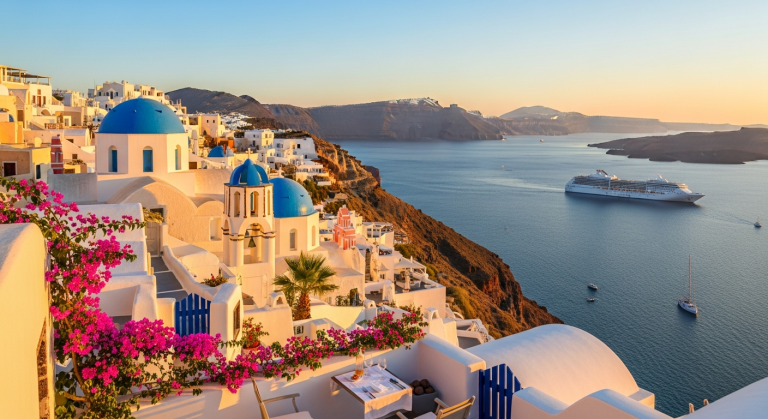
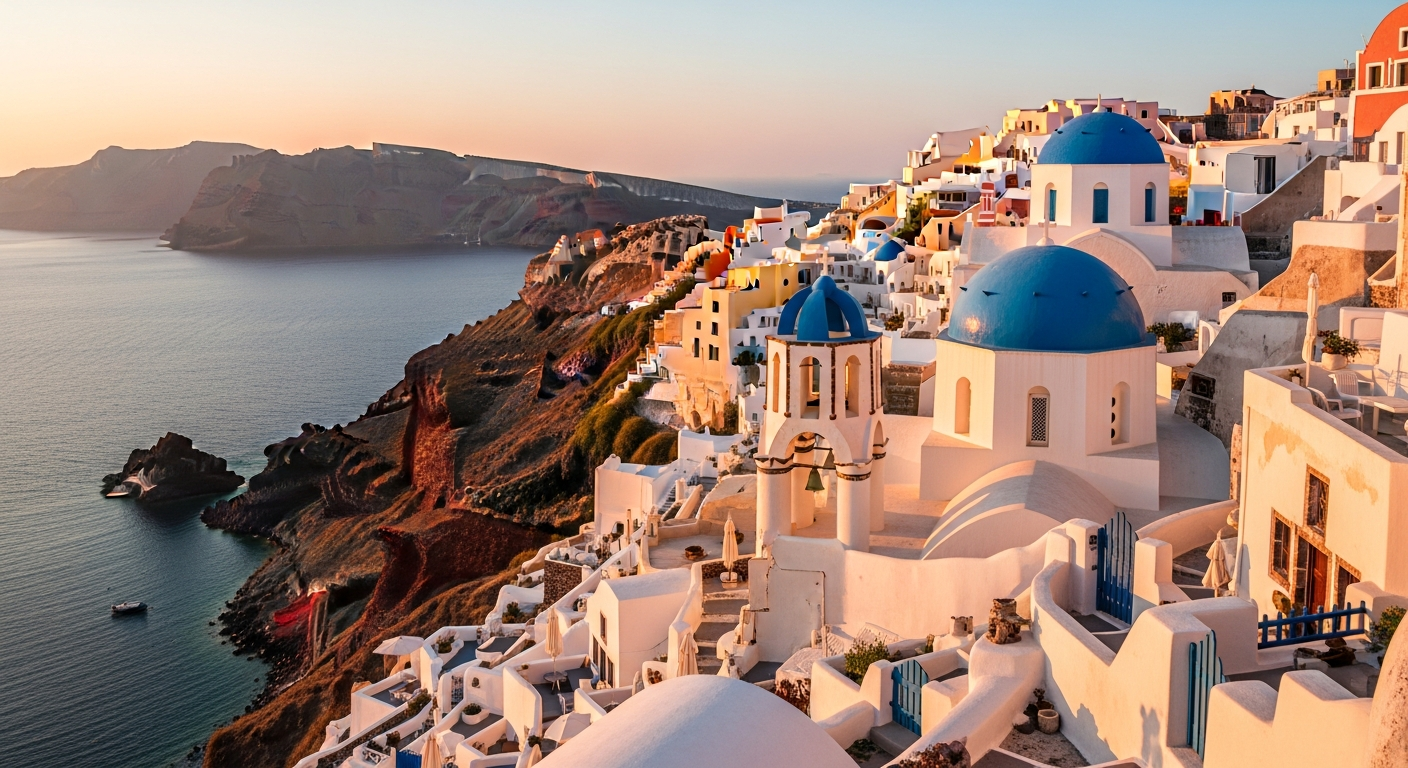
Yes, Oia sunsets are genuinely spectacular. But arrive 90 minutes early to claim a viewing spot—the main square gets genuinely dangerous with crowds by sunset time.
Santorini is the most expensive Greek island. Hotels cost €150-300+ per night in season. Restaurants charge €18-35 per main course. A coffee costs €4-5. If budget is a concern, this matters. If you’re here for romance and views, it’s worth it.
Skip crowded beaches and instead hike the coastal path from Fira to Oia—4 hours of walking along cliffs with views that rival the sunset, and you’ll have the path mostly to yourself. Wine tasting at volcanic-soil vineyards (Argyros, Santo Winery) is excellent and costs €10-20 for tastings. The volcanic soil produces distinctive white wines that don’t exist elsewhere.
Where you stay matters more than the island itself. Oia offers romance and views but is packed with tourists and pricey. Fira is central and cheaper but touristy. Imerovigli, between them, offers quieter luxury. Consider Kamari or Perissa on the east side—black sand beaches, fewer crowds, lower prices, but you lose the caldera views.
Mykonos, Naxos, and the Cycladic Islands
Mykonos has a party reputation that’s partially deserved and partially overstated. Yes, beach clubs pump music until late. But the island also has genuinely beautiful architecture, excellent food, and plenty of quiet beaches if you know where to look.
Little Venice and the iconic windmills deliver that quintessential white-and-blue aesthetic. Walk through the old town maze at sunset when light is golden and crowds have thinned. Famous beaches like Psarou and Paradise are expensive and crowded with DJ booths. Instead, try Agios Sostis on the north coast—low-key swimming, minimal crowds, actual locals.
A day trip to Delos (30-minute ferry) is worthwhile. The island is an archaeological site—birthplace of Apollo with extensive ruins. It’s less famous than Athens sites but equally fascinating and far less crowded. Ferries depart Mykonos town at 9 AM; return by 1 PM. Cost is €12-15.
Naxos is the largest Cycladic island and delivers everything—stunning beaches, mountain villages, ancient ruins—without Santorini’s crowds or prices. You’ll have the same white-and-blue architecture and clear water, but 30-40% cheaper accommodation and restaurants. The Portara (Temple of Apollo gateway) at sunset rivals Oia for views and costs nothing to visit. Plaka Beach stretches for kilometers of soft sand—genuinely beautiful and rarely crowded.
Mountain villages like Apiranthos and Halki are genuinely charming—narrow streets, local tavernas, no tourist infrastructure. Strategically, Naxos is perfectly positioned. Direct ferries connect to Mykonos (1 hour), Santorini (1.5 hours), Paros (30 minutes), and Athens (5-6 hours).
Crete: Greece’s Largest Island Deserves a Week
Crete is large enough and diverse enough to feel like multiple destinations. The west has Chania’s Venetian harbor and white mountains. Central Crete has Heraklion’s Knossos Palace (Europe’s oldest civilization) and mountain villages. The east has Agios Nikolaos and beaches. You cannot see all of Crete well in three nights.
Budget 4-5 nights minimum, ideally split between west (Chania: 2-3 nights) and central/east (Heraklion or Agios Nikolaos: 2-3 nights). Chania’s old harbor is genuinely lovely—Venetian architecture, waterfront restaurants, a working fishing village that happens to be beautiful. Knossos Palace, 15km south of Heraklion, is the largest Minoan site (Bronze Age, 1700-1400 BC).
Skip famous beaches (Balos Lagoon, Elafonissi) unless you have a car and time—they’re crowded. Instead, explore mountain villages like Zaros or Archanes, where you’ll find traditional Cretan cuisine, local wine, and actual Cretan life. Dakos (barley rusk with tomatoes and feta), kalitsounia (cheese pies), and raki (local spirit) are worth seeking out.
Samaria Gorge is a famous 16km hiking trail through dramatic canyon—genuinely stunning but genuinely difficult. It’s only open May-October. Start at dawn from a shuttle bus; the hike takes 5-7 hours depending on fitness. It’s crowded but worth it if you’re a serious hiker.
Milos, Nafplio, and Hidden Gems
Milos has 70+ beaches—more than any other Greek island—including Sarakiniko, which looks like the moon. White rock formations jut into turquoise water, creating otherworldly landscapes. Kleftiko sea caves are accessible only by boat tour (€20-30, 2-3 hours) and are worth every euro. Colorful cliffs, hidden caves, water so clear it’s almost unreal. Morning tours are less crowded than afternoon.
Fishing villages like Klima have colorful boat garages built directly into cliffsides—a genuinely unique sight. Milos is less developed than Santorini, which means fewer tourists, lower prices, and fewer restaurants. But you need a car to reach many beaches and sites.
Nafplio is Greece’s first modern capital and sits on the Peloponnese mainland, 90 minutes from Athens by car. It’s often overlooked by island-focused travelers, which is a mistake. The town is genuinely charming—Venetian architecture, waterfront restaurants, a working harbor that’s beautiful rather than touristy.
Palamidi Fortress sits above the town: 999 steps up a steep hillside. The climb takes 30-45 minutes but delivers breathtaking views over the harbor and surrounding mountains. Go early morning or late afternoon to avoid heat and crowds.
Nafplio is a base for exploring the Peloponnese’s ancient sites. Epidaurus (30 minutes away) has an ancient theater with perfect acoustics. Mycenae (45 minutes) is a Bronze Age palace complex. Both are less crowded and less touristy than Athens sites. Hotels in Nafplio cost €60-120 per night, restaurants €10-18 per main course.
Beach Lovers and History Buffs: Specialized Destinations
Best beaches: Elafonissi, Crete (pink-sand lagoon with shallow, warm water), Navagio Beach, Zakynthos (dramatic cliffside cove with a rusted freighter wreck, accessible only by boat €15-20), Myrtos Beach, Kefalonia (turquoise water against white pebbles and limestone cliffs), Balos Lagoon, Crete (Caribbean-like shallows with white sand).
Insider tip that most guides miss: visit famous beaches before 10 AM or after 4 PM to avoid day-tripper crowds. Beach clubs and tour boats arrive mid-morning and depart by 4 PM. The same beach at 6 PM is 80% less crowded than at 1 PM.
Ancient sites: Knossos Palace, Crete (Europe’s oldest advanced civilization, Minoan 1700-1400 BC), Ancient Olympia, Peloponnese (birthplace of the Olympic Games, 2,800 years old), Rhodes Old Town (medieval walled city built by Knights of St. John), Vergina, Northern Greece (royal tombs of Macedonian kings including Philip II).
Food and Regional Specialties
Greek cuisine varies dramatically by region. What you eat in Santorini is different from what you eat in Crete or Athens. Seek out local specialties rather than ordering the same dishes everywhere.
Santorini specialties: Fava (yellow split pea purée—not actually made from fava beans), tomatokeftedes (tomato fritters), local Assyrtiko wine (volcanic soil produces distinctive white wines). Eat at small tavernas in Fira or Kamari, not tourist restaurants in Oia.
Crete specialties: Dakos (barley rusk topped with tomatoes and feta), kalitsounia (cheese or herb pies), lamb stews, raki (local spirit, often 40%+ alcohol). Ask locals where they eat—you’ll find family-run tavernas where mains cost €8-12.
Athens street food: Souvlaki from O Thanasis in Monastiraki (€4-6, locals queue here), loukoumades (honey puffs) from Krinos (€2-3), spanakopita (spinach pie) from bakeries everywhere (€2-3).
Ask for “mezedes” (small plates) instead of full entrées—you’ll taste more dishes and eat like Greeks do, sharing plates family-style.
Wine is excellent and cheap. A decent bottle costs €8-15 in shops, €4-6 by the glass in tavernas. Local wines are often better than famous brands and cost half as much. Ask your server what they drink.
Corfu, Zakynthos, and the Ionian Islands
Corfu is Greece’s most northwesterly island, and it feels fundamentally different from the Cyclades. It’s greener and more verdant because it receives more rainfall. The architecture is Venetian rather than Cycladic. The light is different. The culture is Italian-influenced as well as Greek.
Corfu Town’s UNESCO-listed old quarter features Venetian architecture, a French-style Liston arcade, and British cricket grounds (legacy of British rule). The town is genuinely charming and less touristy than Mykonos or Santorini. Paleokastritsa on the west coast has a monastery perched above turquoise bays with excellent snorkeling. Hotels cost €50-100 per night; restaurants €10-16 per main course.
Zakynthos is famous for Navagio Beach but deserves exploration beyond that one site. The island has sea turtle nesting sites at Laganas Bay (May-October). You can see loggerhead turtles nesting on the beach at night with authorized tour operators (€30-50, genuinely moving experience).
Kefalonia is larger and more mountainous. Melissani Cave has an underground lake with sunlight streaming through a collapsed roof—genuinely magical. Boat tours depart hourly (€8-10, 1 hour). Myrtos Beach is also on Kefalonia.
Both islands are accessible via direct flights from Athens (45 minutes) or European cities in summer. Ferry is possible but slow. Both islands are less “party scene” than Mykonos and more nature-focused than Santorini. They’re better for travelers seeking natural beauty and wildlife rather than nightlife or Instagram backdrops.
The Ionian Islands (Corfu, Zakynthos, Kefalonia, Ithaca, Lefkada) are on Greece’s west coast, meaning sunsets are over water rather than land. The light is warmer, more golden. The weather patterns are different (more rainfall, greener landscapes). The history is different: centuries of Venetian and Italian rule rather than Ottoman, creating architectural and cultural differences.
Final Takeaways: How to Plan Your Greece Trip
The single most important takeaway: Greece rewards focused exploration over checklist tourism. Choose 3-4 destinations and experience them deeply rather than rushing through 7+ islands in a week. You’ll have better meals, actually talk to locals, find the quiet beaches and hidden sites, and return home feeling like you visited Greece rather than just collecting photos.
Start by defining your priorities. Are you beach-focused, history-driven, seeking food experiences, or wanting a balanced mix? Use the experience-based sections above to identify what actually matters to you. Then choose a region—Cyclades for iconic beauty, Crete for diversity, Ionian Islands for lush landscapes, mainland for ancient history—and build your itinerary around that.
Choose your season strategically. Shoulder season (April-May or September-October) delivers perfect weather, authentic interactions, and 30-40% cost savings. Peak season (July-August) requires booking 2+ months in advance and accepting crowds, but the weather is most reliable and ferry schedules are most frequent. Winter (November-March) is cheapest but ferries are unreliable and many sites have reduced hours.
Start with a hub city. Athens for first-timers or those prioritizing history. Mykonos or Santorini if islands are your main goal. From there, build outward strategically using the itinerary frameworks in this guide. Once your route is set, reserve high-speed ferries and popular connections 2-4 weeks in advance (or 2+ months for July-August) to lock in schedules and prices.
Most importantly, leave breathing room in your schedule. Greece’s magic often happens in unplanned moments: lingering over a three-hour lunch while fishermen mend nets, stumbling into a local festival, discovering a hidden beach because you took a wrong turn, having a real conversation with a taverna owner. Build in flexible days rather than rigid hour-by-hour schedules. The best travel memories rarely come from checking off planned activities.