
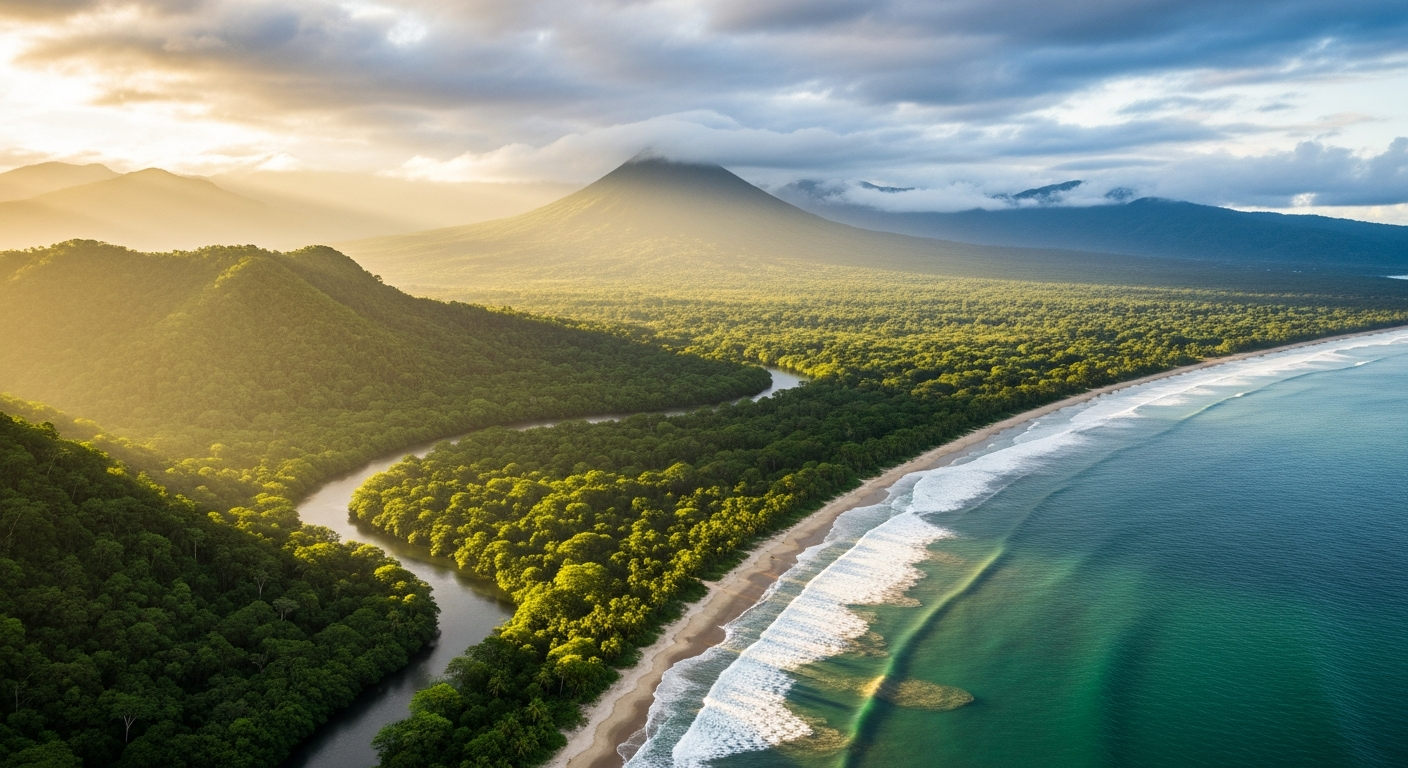
15 Must Visit Places in Costa Rica

Costa Rica packs more biodiversity per square mile than almost anywhere on Earth—but with limited vacation days, the question isn’t whether to visit. It’s how to visit without drowning in decision paralysis.
Here’s what most travel guides won’t tell you: you cannot see Costa Rica well in 7 days if you’re trying to hit both coasts plus the highlands.
You’ll spend more time in rental cars and shuttle buses than actually experiencing anything. The travelers who leave Costa Rica saying it changed their lives aren’t the ones who checked 12 boxes. They’re the ones who gave each place enough time to reveal itself—usually 2-3 nights minimum per destination.
The fear is real: What if you miss the hidden gem? What if you pick the wrong beach? What if you waste precious days in a crowded tourist trap?
These concerns make sense, which is why this guide leads with the non-negotiables first—the places that genuinely deliver what Costa Rica is known for—then branches into hidden alternatives and regional variations so you can make trade-offs based on what matters to you, not what Instagram says matters.
The routing logic is simple: pick one coast as your focus (Pacific or Caribbean), add one highlands destination for cloud forest or volcano experiences, and build in buffer days so you’re not exhausted.
Most travelers do best with the classic Pacific triangle: Arenal Volcano in the north, Monteverde Cloud Forest in the middle, and Manuel Antonio on the coast.
But if you want authentic Costa Rica adventures that don’t feel like you’re following a tour group GPS, you’ll need to know which crowds are worth it and which ones to skip.
PACIFIC COAST DESTINATIONS
Manuel Antonio National Park: Where Beaches Meet Wildlife
Manuel Antonio is the most densely packed biodiversity experience on Costa Rica’s Pacific coast. In just 683 hectares, you get white-sand beaches, three-toed sloths hanging directly above the trail, capuchin monkeys raiding your backpack, scarlet macaws that sound like a car alarm, and ocean views that justify the hype.
Most guidebooks call it the crown jewel, and they’re not wrong—but they’re also not telling you the critical timing detail that changes everything.
Arrive by 7 AM or don’t bother. The park caps daily visitors at around 600, and by 9:30 AM on weekends, you’re sharing trails with tour groups from five different countries.
The solution isn’t to skip Manuel Antonio—it’s to book a guide who secures early entry or stay in town and go solo before the buses roll in.
Playa Espadilla Sur, the beach inside the park boundary, is noticeably cleaner than the public Playa Espadilla Norte just outside.
Budget 2-3 nights here. One day for the main hike and beach time, one for a boat tour (spotting dolphins and rays), and one buffer day because Pacific weather can turn from perfect to downpour in 20 minutes.
Park entry is $16 for foreign adults. Guides run $80-120 for a half-day and are worth it if you want to spot sloths and frogs—your eyes alone won’t find them.
Guanacaste’s Beach Towns: Beyond Tamarindo
Tamarindo gets all the attention, which is exactly why you should consider alternatives. The town is surfable and has good restaurants—but it’s also where Costa Rica’s beach tourism became an Instagram formula. Playa Conchal, 20 minutes north, is where families go for calm turquoise water and snorkeling without the party vibe. Nosara is yoga-retreat central with a slower rhythm. Santa Teresa is the off-grid option—rough roads, fewer tourists, and authentic surfer culture.
But here’s the insider choice: Playa Flamingo. It’s luxury without the crowds. The beach is stunning with deep-water marina, sport fishing charters, and sunset catamaran tours. You’ll pay more than Tamarindo ($120-250/night for mid-range hotels; $18-28 per person for dinner), but you’ll also have space to breathe.
Timing matters hugely for Guanacaste beaches. Dry season (December-April) is flawless but expensive and booked months ahead. May and November are the sweet spots: 30-40% lower prices, fewer tourists, and mornings are usually clear even though afternoons bring rain. The beaches are actually more alive in green season—wildlife more active and fewer crowds.
Corcovado National Park: Only If You’re Serious
National Geographic called Corcovado “the most biologically intense place on Earth,” and they weren’t exaggerating. Tapirs, jaguars, scarlet macaws, all four Costa Rican monkey species, poison dart frogs, anacondas—the wildlife density is genuinely staggering. If you’re a serious wildlife photographer or have deep commitment to seeing Costa Rica’s rarest animals, Corcovado belongs on your itinerary.
But be honest about the cost. The Osa Peninsula location means either a puddle-jumper flight ($150-220 each way) or 6+ hours of driving on rough roads.
Mandatory guides run $80-150 per day. Most visitors camp or stay in rustic lodges, budgeting $200-400/day total. The park is remote, wet, and physically demanding—not for families with young kids or anyone with fewer than 10 days total in Costa Rica. Skip Corcovado if you’re budget-conscious or prefer comfort over extremity.
Choose it if wildlife is your primary motivation and you’re willing to trade convenience for the chance to see animals most tourists never encounter.
Uvita and Marino Ballena National Park: The Whale’s Tail
Marino Ballena has one of Costa Rica’s most stunning phenomena: at low tide, a sandbar emerges in the shape of a whale’s tail. Humpback whales migrate here twice yearly (July-November and December-April), and the combination makes this one of the most Instagram-worthy—but still relatively undiscovered—spots in the country.
Uvita, the town, is 3+ hours from San José and less developed than Manuel Antonio (30 minutes north). This is the advantage: fewer crowds, better prices, and the same Pacific coast beauty without tour buses. Accommodation runs $60-150/night for mid-range options.
Budget 2-3 nights. One day for the whale tail and snorkeling, one for a jungle hike or beach day, one for travel. Park entrance is $15. If visiting during whale migration season, hire a local boat captain ($300-400 for a 4-hour tour, split among a group).
Nicoya Peninsula’s Secret Beaches
The Nicoya Peninsula is where you find beaches that feel genuinely undiscovered. Playa San Miguel is mostly empty—a fishing village with authentic local life. Montezuma is a bohemian waterfall town with a strong backpacker community. Mal País is world-class surf without the crowds, retaining a frontier feel.
The access challenge: rough roads and river crossings make these destinations feel remote. Rent a 4×4 or embrace the adventure. The payoff is that you’re not competing with tour groups, prices are lower, and the experience feels like you’ve actually discovered something. Accommodation is basic ($40-100/night), food is cheap, and the vibe is genuinely local. Budget 2-3 nights if you’re making the drive to get here.
HIGHLANDS DESTINATIONS
Monteverde Cloud Forest Reserve: The Complete Experience
Cloud forests feel like a different planet. At 4,600 feet elevation, the temperature drops to 60-70°F, mist wraps around trees constantly, and the ecosystem is so specialized that half the plants exist nowhere else on Earth. The Resplendent Quetzal—a bird so stunning the Aztecs thought it was sacred—lives here, with January through May peak season for spotting them.
Monteverde is the most famous cloud forest reserve, and it’s worth visiting. But here’s the local secret: Santa Elena Reserve, just 10 minutes away, offers the same ecosystem with 75% fewer crowds and lower admission ($18 vs. $26). The trails are equally beautiful, the wildlife is identical, and you might actually see birds without fighting through tour groups. If visiting during peak season and wanting solitude, Santa Elena is the smarter choice.
Monteverde is where zip-lining was invented, and the 12-cable canopy tours are legitimate—you’re suspended 120 feet above the forest floor with extraordinary views. Suspended bridge walks are another draw; several companies operate them, and they’re genuinely thrilling without requiring climbing skills. Budget 2-3 nights here. One day for hiking and wildlife spotting, one for zip-lining or bridges, one for a morning birdwatching tour (hire a local guide for $50-80; they’ll spot things you’d miss alone).
Critical planning note: Monteverde gets socked in with clouds mid-afternoon almost daily. Sunrise hikes and early morning are when you actually see the forest and wildlife. The town is charming but touristy—restaurants are pricey ($15-22 for dinner entrees), and accommodation books out 3-6 months ahead during dry season. Go in green season (May-November) for better prices and fewer crowds.
Arenal Volcano and La Fortuna: Adventure Base Camp
Arenal Volcano is the geographic centerpiece of northern Costa Rica—a perfect cone that’s been dormant since 2010 but still smoking slightly. La Fortuna, the town below it, is the adventure hub: horseback rides, zip-lines, rappelling down waterfalls, hot springs fed by geothermal heat, and the La Fortuna Waterfall itself, a 70-meter cascade that’s stunning even though it’s crowded.
The common mistake: staying in La Fortuna town and doing day trips. You’ll spend hours in shuttles. Instead, book accommodation on the slopes or at a lodge with activities on-site. The thermal hot springs—Tabacón and Baldi are the most famous—are worth a soak, though they’re touristy and pricey ($25-35 per person). The water is genuinely warm, fed by volcanic heat, and the jungle setting is beautiful.
Here’s the hidden gem alternative: Bajos del Toro, about 90 minutes from La Fortuna, offers volcanic hot springs and waterfalls with a fraction of the tourist traffic. El Silencio Lodge is a luxury option here—expensive ($300-400/night), but the isolation and cloud forest setting justify it. Arenal is 3 hours from San José and 3 hours to Monteverde via the scenic Lake Arenal route. Budget 2-3 nights. One day for the volcano and waterfall, one for hot springs or adventure activities, one for travel between destinations.
Rio Celeste and Tenorio Volcano: Costa Rica’s Secret Wonder
Rio Celeste is turquoise. Not “looks turquoise in photos.” Genuinely, impossibly turquoise, like someone spilled paint into the river. The color comes from volcanic minerals—sulfur and other compounds mix at Teñidero (the dyeing place), creating the effect. Swimming is banned to protect the ecosystem. You’re going for the hike and photos, not a dip. The trail is about 5 miles roundtrip, moderately easy, and takes 2-3 hours. Go early—colors are most vivid in morning light, and crowds thin out by late afternoon.
Rio Celeste stays under the radar because it’s not as famous as Arenal, which is 90 minutes away. Most travelers either skip it or combine it with Arenal as a day trip. If you have the time, staying overnight near Tenorio is worth it—you’ll have the river mostly to yourself in early morning. Accommodation is basic and cheap ($40-80/night). Park entry is $15.
Rincon de la Vieja National Park: Volcanic Wonders Without the Crowds
Rincon de la Vieja has bubbling mud pots, volcanic hot springs, waterfalls, and hiking trails with a fraction of Arenal’s visitors. The park is in Guanacaste, 2 hours from Liberia airport, making it an easy add-on if you’re doing the Pacific coast and don’t want to trek all the way to Arenal. The mud pots are genuinely surreal—you’re literally walking past boiling mud and steam vents. The hot springs are less touristy than Arenal’s, and the hiking is excellent. Hacienda-style lodges in the area offer on-site access to geothermal features without the crowds. Budget 1-2 nights if you’re combining with Guanacaste beaches, or skip if you’re already doing Arenal.
CARIBBEAN COAST DESTINATIONS
Tortuguero National Park: The Amazon of Costa Rica
Tortuguero is boat-access only. There are no roads to the village—you arrive by water through jungle canal networks, and the experience of gliding through narrow waterways with monkeys watching from the canopy is genuinely unforgettable. Sea turtles nest on the beaches (July-October peak for green turtles, February-April for leatherbacks), and the park is home to howler monkeys, caimans, toucans, and wildlife so abundant you’ll see something new every 10 minutes.
Most visitors book 2-3 day packages from San José: 4-hour drive to the Caribbean coast, then boat transfer to the village. Independent travel is possible but logistically complicated—you’re better off booking a package that includes accommodation, meals, and guided tours. Prices run $200-400 per person per night depending on lodge quality.
Here’s the insider tip: book lodges inside the village itself, not the all-inclusive resorts north of town. The village lodges are run by local Afro-Caribbean families, your money stays in the community, and you actually interact with residents instead of being isolated in a resort bubble. The experience is more authentic and often cheaper. Tortuguero is wet—this is the Caribbean side, and it rains frequently. But the wildlife is so abundant that rain doesn’t diminish the experience. Budget 2-3 nights minimum; one night feels rushed.
Puerto Viejo de Talamanca: Caribbean Culture and Vibe
Puerto Viejo feels like a different country. This is Afro-Caribbean Costa Rica—reggae soundtrack, rice and beans cooked in coconut milk, Patois-speaking locals, Caribbean hospitality that’s warmer and more genuine than the Pacific coast tourism machine. The town is laid-back, colorful, and genuinely fun. There’s a surf break, decent restaurants, and a strong backpacker and digital nomad scene that keeps it vibrant without feeling overrun.
Nearby Cahuita National Park is excellent for snorkeling—the reef is accessible from the beach, and you can see tropical fish, sea turtles, and coral without a boat. The Jaguar Rescue Center offers wildlife rehabilitation tours where you see rescued sloths, big cats, and other animals in recovery. Both are authentic Costa Rica experiences that don’t feel touristy.
The weather reality most guides skip: the Caribbean has the opposite rain pattern from the Pacific coast. September and October are often drier on the Caribbean side when the Pacific is getting soaked. If you’re flexible with timing, this matters hugely for route planning. Budget 2-3 nights. One day for the town and snorkeling, one for the Jaguar Rescue Center or a jungle hike, one for travel or a beach day. Accommodation is cheap ($30-80/night for mid-range), and food is equally affordable. This is where your travel budget stretches furthest.
CENTRAL VALLEY & DAY TRIP DESTINATIONS
Poas Volcano National Park: San José’s Day Trip
Poas is 90 minutes from San José, making it perfect for an arrival or departure day buffer. The main draw is the active crater lake—one of the world’s largest—and on clear mornings, the view is genuinely stunning. The problem: the park frequently closes due to volcanic activity. Before driving up, check the SINAC (Costa Rica’s National System of Conservation Areas) status. If it’s open, go early. Clouds roll in by mid-morning almost daily. The hike is easy—less than a mile roundtrip on paved paths. Budget 2-3 hours total including drive time and park time. Entry is $15. Combine this with Doka Coffee Estate tour and La Paz Waterfall Gardens for a full day if you have time to kill between flights.
La Paz Waterfall Gardens: Polished Nature for Families
La Paz is five stunning waterfalls on paved, well-maintained trails. There’s an animal sanctuary with rescued sloths, big cats, and toucans; a hummingbird garden where hundreds of birds feed simultaneously; and a butterfly observatory. It’s polished, family-friendly, and expensive ($48 adults), but it’s genuinely beautiful and requires minimal hiking fitness. This is the best option for families with young kids or travelers short on time and fitness. It’s less wild than a national park, but the experience is curated and you’ll see wildlife without hiking deep into the jungle. Peace Lodge, on the property, offers after-hours access when day-trippers leave—if you stay overnight, you get the gardens to yourself at sunset and dawn.
Central Valley Coffee Tours: The Authentic Agricultural Experience
Coffee built Costa Rica’s economy. A coffee tour reveals the complete process—from bean to cup—on working farms, and it’s genuinely educational and beautiful. The best authentic options are Doka Estate (traditional, family-run), Café Britt (theatrical and fun, excellent for groups), and Hacienda Alsacia (Starbucks’ global farm with free tours and excellent coffee). Most tours run 2-3 hours and cost $30-50. They’re perfect for rainy afternoons, cultural balance to beach and adventure days, or short trips where you’re based in San José. You’ll taste coffee at origin, learn about processing, and support local farmers. It’s authentic Costa Rica without the wildlife-spotting stress.
ROUTING & PRACTICAL PLANNING
The Classic 7-10 Day Itinerary That Actually Works
The proven route for visiting Costa Rica adventures without feeling rushed: San José → Arenal (2-3 nights) → Monteverde (2 nights) → Manuel Antonio (2-3 nights) → San José. This triangle hits the three essential ecosystems—volcano, cloud forest, beach—and driving distances are manageable (3-4 hours max between stops with no backtracking).
Day-by-day breakdown: Arrive in San José, rest or do a coffee tour. Drive to Arenal (3 hours), spend one day on volcano and waterfalls, one day on hot springs or adventure activities. Drive to Monteverde (3 hours via Lake Arenal scenic route), spend one day on cloud forest hike and zip-lining, one day on suspended bridges or birdwatching. Drive to Manuel Antonio (5 hours, break in the middle), spend one day on the park hike and beach, one day on a boat tour. Drive back to San José (3.5 hours) for your flight.
What to skip if you’re short on time: Monteverde if you only have 7 days and prefer more beach time. Replace it with additional days in Manuel Antonio or add a Guanacaste beach town. The triangle works because each stop is genuinely different, and you’re seeing the widest range of what Costa Rica offers.
When to Visit and How Weather Shapes Your Route
Dry season (December-April) has perfect weather, highest prices, and advance booking essential. Green season (May-November) offers 30-40% lower prices, fewer crowds, and afternoon rains that clear by evening—mornings are usually clear, and wildlife is actually more active. The Caribbean exception matters: September and October can be drier on the Caribbean coast when the Pacific is getting soaked. If you’re flexible with timing and want to visit the Caribbean side, plan for September-October instead of the typical dry season.
Internal Flights vs. Driving: The Ultimate Time-Saver Decision
Domestic flights make sense for Tortuguero, Corcovado, or any itinerary over 10 days covering both coasts. Driving works for the classic Arenal-Monteverde-Manuel Antonio triangle because distances are reasonable and you get flexibility to stop at hidden waterfalls and local sodas (small restaurants). The budget calculation: domestic flights run $80-150 each way; rental 4×4 costs $40-70/day. Break-even depends on your route and group size. For the classic triangle, driving is usually cheaper. For anything involving Corcovado, Tortuguero, or both coasts, flying saves time and stress.
Pacific vs. Caribbean: The Route Decision
Here’s the hard truth: you probably can’t do both coasts justice in under 10 days. The Pacific coast has easier logistics, better infrastructure, and dry-season reliability. The Caribbean side has authentic culture, different vibe, and often feels less touristy—but the weather is less predictable, and getting there takes longer.
Choose the Pacific coast if you want a classic beach-and-adventure combo with straightforward logistics and dry-season reliability. Choose the Caribbean if you want cultural authenticity, a laid-back atmosphere, and don’t mind rain or rough roads. If you have 12-14 days, here’s the winning route: fly into Liberia (Guanacaste), do the Pacific coast and Arenal/Monteverde loop, then fly to San José or take a bus to the Caribbean side and fly out of San José. This avoids backtracking and gives you both coasts without feeling rushed.
CONCLUSION

Costa Rica’s magic isn’t seeing everything. It’s choosing the places that match your travel style—adventure versus relaxation, crowds versus solitude, accessible versus remote—and giving each destination enough time to deliver unforgettable moments instead of rushing through a checklist.
The routing rule is simple: pick one coast as your focus, add Arenal or Monteverde for cloud forest or volcano experiences, and build in buffer days so you’re not exhausted. If you have only 7 days, do the classic Pacific triangle. If you have 10-14 days, add either the Caribbean coast or Guanacaste beaches, but not both—you’ll spend more time traveling than experiencing.
Here’s what to do right now: decide your non-negotiables. Are you a wildlife person? A beach person? An adventure junkie? Build your shortlist from the 12 destinations in this guide based on what actually speaks to you, not what Instagram says you should see. Book Manuel Antonio and Monteverde lodging 3-6 months out if you’re traveling December-April. Check volcanic activity status for Poas before planning day trips. Consider green season (May-November) if you want authentic experiences with smaller crowds and better prices.
One final insider tip: the prettiest, most authentic Costa Rica moments happen when you slow down. Budget an extra day in places that speak to you rather than racing through a checklist. You’ll come home with fewer photos but better memories, and that’s what travel is actually about.