Best stress relief vacation ideas

It’s 11:47 PM on a Wednesday, and you’re doom-scrolling through beach photos while your inbox sits at 247 unread. Your last “vacation” involved answering Slack messages from a pool chair, and the knot between your shoulder blades has its own zip code. You don’t need another weekend—you need an actual reset button.
Here’s the problem most of us face: we wait until we’re completely fried before booking time off, then waste half our precious vacation days stressing about whether we’re relaxing correctly.
You research 47 destinations, read 200 reviews, and still end up at a resort where the “quiet pool” is next to the swim-up bar’s karaoke night.
This guide cuts through that overwhelm with stress relief vacation ideas that actually deliver. Whether you have three days or three weeks, $800 or $8,000, you’ll find authentic experiences designed for one thing: helping your nervous system remember what “off” feels like.
No Instagram-bait recommendations. No places that look peaceful but are secretly chaos. Just honest intel from someone who’s tested these destinations while genuinely burned out.
We’ll cover everything from budget-friendly hot springs locals actually use to luxury wellness resorts worth the splurge, plus the logistics that make or break a stress relief trip—best months to visit, real costs, which experiences to skip, and how to maximize limited vacation time. Let’s find the trip that transforms you from running on fumes to actually recharged.
Wellness Travel: Why Your Next Trip Should Prioritize Mental Health

The difference between a regular vacation and wellness travel isn’t just yoga classes and green juice. It’s the intentional architecture of the entire experience around restoration instead of stimulation. While conventional trips pack your days with museums, restaurants, and must-see landmarks, wellness travel builds in the white space your brain desperately needs.
What Makes Wellness Travel Different from Regular Vacations
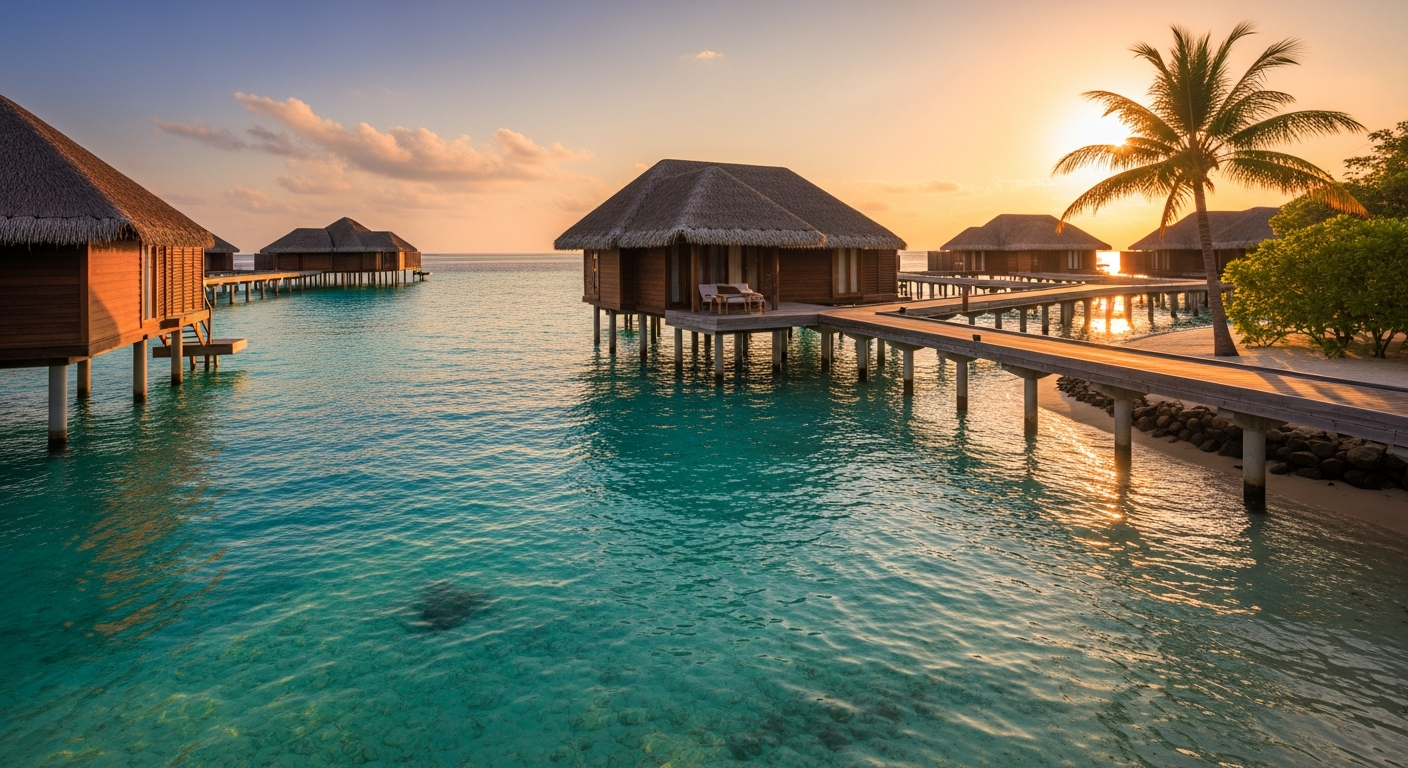
Wellness travel prioritizes mental and physical restoration over sightseeing checklists. Instead of racing from attraction to attraction, you’re choosing destinations for their inherent stress-reducing qualities—ocean views that naturally lower blood pressure, mountain air that improves sleep quality, thermal springs that relax tense muscles without you doing anything.
The activities themselves are designed to trigger your parasympathetic nervous system, the part responsible for “rest and digest” mode. Think morning yoga overlooking the ocean, guided forest bathing walks, sound healing sessions, meditation classes that don’t assume you already know how to quiet your mind. These aren’t optional add-ons—they’re the entire point of the trip.
Most importantly, wellness travel includes built-in downtime. Your schedule might have a 90-minute gap between breakfast and your massage, and that’s not a planning mistake.
That’s intentional space to sit by the pool with a book, take an unstructured walk, or literally do nothing. The itinerary protects you from yourself and your tendency to over-schedule even your time off.
The Science Behind Stress Relief Vacations
Research from the American Psychological Association shows that three consecutive days away from work significantly reduces stress hormone levels—but here’s the catch: you need genuine disconnection.
A 2023 study published in the Journal of Occupational Health Psychology found that vacationers who checked work email even once daily showed cortisol levels barely different from their baseline work stress.
Natural environments trigger measurable physiological changes. A University of Michigan study tracked participants spending time in forests versus urban settings and found that just 20 minutes in nature lowered cortisol by 21%.
Ocean views specifically reduce activity in the prefrontal cortex, the part of your brain responsible for constant planning and worry. Mountains provide negative ions that increase serotonin levels, which is why you feel noticeably better after a few days at altitude.
Even partial digital detox delivers results. Travelers who limit phone use to one hour daily report 40% improvement in sleep quality within 48 hours, according to sleep researchers at the University of California, San Francisco.
Your brain needs sustained periods without the dopamine hits of notifications to reset its baseline anxiety levels. That “doing nothing” you feel guilty about?
It’s actually allowing your default mode network to activate—the brain state responsible for creativity, problem-solving, and emotional processing.
How to Know If You Need a Wellness-Focused Trip
You can’t remember the last full day you didn’t check work email, including weekends. Sleep takes an hour to arrive even when you’re exhausted, or you wake at 3 AM with your mind already racing through tomorrow’s task list.
Physical symptoms have become your baseline—tension headaches three times a week, digestive issues with no clear medical cause, shoulders permanently hunched toward your ears, jaw pain from nighttime grinding.
Emotionally, everything feels flat. Activities you used to enjoy now feel like obligations. You’re quick to irritate over minor inconveniences, and your patience with colleagues, family, or yourself has evaporated.
If you checked three or more of these boxes, your next trip needs to prioritize wellness travel over adventure or sightseeing. Your body is sending clear signals that it needs more than a change of scenery—it needs active restoration.
Spa Getaways: The Ultimate Relaxation Experience

The right spa getaway delivers something you can’t replicate at home: someone else taking care of everything while you focus exclusively on unwinding.
But the spa travel landscape ranges from overpriced tourist traps to legitimate healing experiences, and knowing the difference saves both money and disappointment.
Top Spa Destinations That Won’t Break the Bank
Hot Springs, Arkansas remains America’s most underrated spa destination. This small city sits on natural thermal waters that have drawn visitors since the 1800s, and the historic Bathhouse Row offers treatments starting at $40 for a traditional thermal bath.
Quapaw Baths & Spa provides a modern take with rooftop pools and reasonable day passes at $35. Stay mid-week at the Arlington Resort Hotel & Spa, where rooms with bathhouse access start at $129 and include daily thermal soaks. The entire town operates on spa time—quiet, unhurried, genuinely restorative.
Tulum, Mexico delivers beachfront spa experiences without resort pricing if you know where to look. Skip the hotel spas and book directly at Yaan Wellness Energy Spa or Yäan Healing Sanctuary, where authentic Mayan healing traditions (temazcal ceremonies, cacao rituals, traditional massage) run $50-80 for full treatments. Visit between May and November when room rates drop 40% and you’ll have beaches largely to yourself. Cenote Dos Ojos offers natural swimming in underground caves for $15 admission—the ultimate free spa experience courtesy of geology.
Sedona, Arizona combines red rock energy with accessible day spas that don’t require resort stays. L’Auberge de Sedona and Mii Amo are the luxury options, but locals book treatments at Sedona’s New Day Spa or Hilton Sedona Spa, where mid-week appointments run 30% less than weekend rates. The landscape itself provides free stress relief—Cathedral Rock at sunrise, Devil’s Bridge hike before 8 AM to avoid crowds, sunset at Airport Mesa. Book accommodations in the Village of Oak Creek instead of Uptown Sedona and save $100+ per night.
Here’s the insider move most travelers miss: look for spa hotels that include daily treatments in the room rate rather than charging à la carte. Properties like Omni Bedford Springs Resort in Pennsylvania or The Greenbrier in West Virginia often run packages where a 50-minute massage daily plus meals costs less than booking the same services separately.
Hidden Spa Experiences Locals Actually Use
Budapest, Hungary operates on thermal bath culture that locals treat like their weekly gym session. Skip the tourist-packed Széchenyi Baths on weekends and visit Gellért Baths on Tuesday or Wednesday mornings when it’s mostly neighborhood regulars. Full-day admission costs 7,900 HUF (about $22), giving you access to thermal pools, saunas, and steam rooms locals use for everything from hangovers to chronic pain management. Rudas Baths offers rooftop thermal pools overlooking the Danube for similar pricing, plus nighttime hours when the experience feels more spa retreat than public pool.
Iceland’s Blue Lagoon draws 700,000 visitors annually, but locals prefer Mývatn Nature Baths in the north (one-third the crowds, half the price at 5,500 ISK or $40) or the Secret Lagoon near Flúðir (4,500 ISK, surrounded by geothermal features instead of Instagram photographers). Better yet, ask Icelanders where they soak and you’ll hear about dozens of free natural hot pots like Reykjadalur Hot Spring River, where you hike 45 minutes then soak in a literal warm river cutting through the valley.
Japanese onsen towns like Hakone or Kinosaki Onsen offer the authentic hot spring culture tourists seek in Kyoto’s crowded bathhouses. In Kinosaki Onsen, your ryokan (traditional inn) provides a yukata and wooden sandals, then you spend the evening bath-hopping between seven public onsen, each with different mineral properties and architectural styles. The entire town shuts down by 10 PM—no bars, no nightlife, just the sound of the river and complete permission to do nothing but soak and sleep.
To find these local spa experiences in any destination, search “[city name] + local spa” or “where locals get massages in [destination]” rather than “best spa in [city].” Ask hotel concierges for non-touristy recommendations and specify you want places locals actually use. The difference in both price and authenticity is dramatic.
What to Actually Book for Maximum Stress Relief
Hot stone massage remains the most effective treatment for chronic muscle tension, using heated basalt stones to reach deeper tissue layers without the intensity of deep tissue work. Hydrotherapy treatments (Vichy showers, underwater massage, float tanks) improve circulation and lymphatic drainage while requiring zero effort from you. Reflexology delivers full-body relaxation through foot pressure points and works especially well if you’re someone who can’t relax during traditional massage.
Skip the gimmicky treatments designed for Instagram more than results. Gold facials, crystal healing massages, and celebrity-endorsed protocols often cost double for minimal additional benefit. If it’s named after a Kardashian or involves ingredients that sound like a grocery list, you’re paying for marketing.
Timing matters more than most travelers realize. Book treatments for day two or three of your trip, not day one. Your body needs 24-48 hours to start decompressing from travel stress and shift into vacation mode. A massage on arrival day treats travel tension, not your actual baseline stress. By day three, your nervous system has begun downregulating and treatments deliver deeper, longer-lasting results.
Budget hack: many resorts offer spa access (thermal pools, saunas, steam rooms, relaxation lounges) without booking treatments. A $50 day pass to spa facilities often provides 80% of the stress relief at 20% of the cost. Spend three hours rotating between hot pools, cold plunge, sauna, and rest areas—your body gets the same nervous system reset as a $200 massage.
Wellness Resort Experiences: All-Inclusive Peace of Mind

True wellness resorts remove every decision from your plate. No debating where to eat, whether to work out, or how to fill your afternoon. Everything from sunrise meditation to evening sound baths is included, and the entire property is designed around one goal: making it easier to relax than to stress.
What to Expect at a True Wellness Resort
Daily fitness classes are included—yoga, Pilates, guided hikes, aqua aerobics, sometimes 20+ options to choose from. Healthy meal plans come standard, often with menus designed by nutritionists who accommodate dietary restrictions without making you feel high-maintenance. Many wellness resorts include initial wellness consultations where you meet with nutritionists, fitness trainers, or wellness coaches to customize your stay based on your specific stress triggers and health goals.
Staff expertise sets wellness resorts apart from regular hotels with spa facilities. You’ll find licensed therapists, certified yoga instructors, registered dietitians, and meditation guides who’ve trained specifically in stress reduction techniques. These aren’t hotel employees dabbling in wellness—they’re specialists who understand the physiology of burnout and how to address it.
Wellness resort experiences fall into two categories: structured programs that provide a set schedule (wake at 6:30 AM for meditation, breakfast at 8 AM, fitness class at 9:30 AM) or flexible formats where you choose from available activities at your own pace. Neither is inherently better—it depends whether you need someone else to organize your day or the freedom to listen to your body’s needs moment by moment.
Digital detox options range from phone-free zones (dining rooms, yoga studios, pools) to complete disconnection packages where you check your devices at arrival and retrieve them at checkout. Some resorts provide basic phones for emergencies only. The forced disconnection feels uncomfortable for about six hours, then profoundly liberating by day two when you realize how much mental space opens up without constant notification anxiety.
Best Wellness Resorts by Travel Style
Solo travelers thrive at The Ranch Malibu in California, where the structured fitness retreat format naturally facilitates connections without forced socializing. Everyone’s hiking the same trails, eating family-style meals, and comparing notes on muscle soreness—community emerges organically. Rates start at $7,400 for the four-day program including all meals, accommodations, and activities. Kamalaya in Thailand offers more flexible programming with private villa options starting at $350 per night, perfect for solo travelers who want community available but not required.
Couples benefit from Lake Austin Spa Resort in Texas, where couples massage classes, private lakefront cottages, and activities designed for two create connection without the pressure of constant togetherness. Rates run $1,200-1,800 per night for two including meals and most activities. SHA Wellness Clinic in Spain takes a more clinical approach with personalized wellness programs for couples, starting at €450 per person per night. Sensei Lanai in Hawaii provides the most intimate option—just 96 rooms, meaning you’ll never feel lost in resort crowds. Rates start at $1,400 per night including all wellness activities and healthy cuisine.
Groups and families need resorts that accommodate different fitness levels and age ranges. Miraval Berkshires offers teen programs during summer and school breaks, plus group activities that work for everyone from teenagers to grandparents. Rates start at $1,000 per person per night all-inclusive. Red Mountain Resort in Utah combines serious hiking with spa treatments, appealing to active families and friend groups. Rates run $400-600 per person per night including meals, unlimited fitness classes, and daily spa treatments.
Budget consideration for groups: splitting villa accommodations at wellness resorts often costs less per person than individual hotel rooms. A four-bedroom villa at Kamalaya sleeping eight guests costs $1,200 per night total ($150 per person), dramatically less than eight individual rooms at a traditional resort.
Maximizing Your Wellness Resort Investment
Book during shoulder season for 40% savings without sacrificing experience. April through May and September through October offer identical programming, better weather than peak summer, and significantly lower rates. Miraval Arizona drops from $1,200 to $700 per night in May. Canyon Ranch Lenox offers fall rates 35% below summer pricing.
All-inclusive versus à la carte pricing requires actual math. If you’ll realistically attend two fitness classes daily, eat three meals on property, and book one spa treatment, calculate whether the all-inclusive rate saves money. For stays of four days or longer, all-inclusive almost always wins. For weekend trips, à la carte sometimes costs less if you’re selective about activities.
What’s actually worth the upgrade: private wellness consultations that customize your entire program based on health history and stress patterns. Extended stays of seven days or longer, which research shows deliver lasting cortisol reduction versus temporary relief. Rooms with private outdoor space (balconies, patios, gardens) that extend your relaxation space beyond the spa.
Insider secret: email wellness resorts directly about “unpublished wellness packages” rather than booking through their website. Properties often have packages they offer only to direct inquiries—longer stays with added amenities at better rates than advertised online. Ask specifically about packages for first-time guests or off-season specials. The worst they say is no, and you’ve often negotiated 15-20% savings plus room upgrades or additional treatments.
Relaxing Travel Ideas Beyond Traditional Resorts

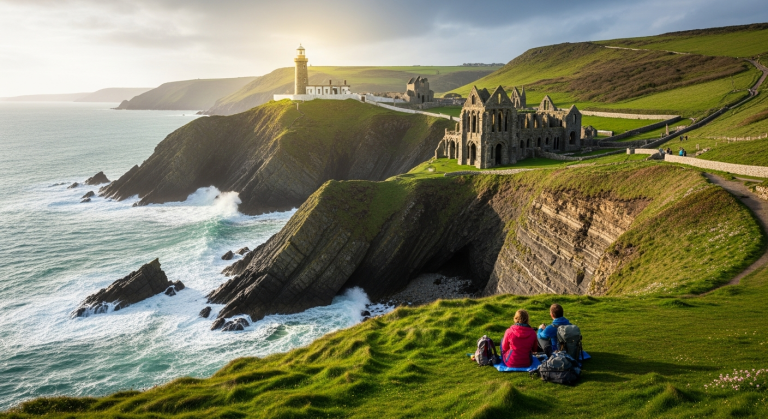
Not everyone finds stress relief in structured wellness programming. Some of us decompress better in nature with minimal human interaction, or in small cabins where the only schedule is sunrise and sunset. These relaxing travel ideas deliver profound restoration without the resort infrastructure.
Nature Immersion Escapes
National Park lodges provide stunning natural beauty, limited cell service that forces digital detox, and easy hiking access without the planning overhead of backcountry camping. Many Glacier Hotel in Glacier National Park sits directly on Swiftcurrent Lake with trails starting from the lobby. Rooms run $200-350 per night when booked exactly 13 months in advance when reservations open. Old Faithful Inn in Yellowstone offers front-row seats to the geyser plus proximity to the entire thermal basin. Yosemite’s Ahwahnee Hotel delivers luxury in the valley with floor-to-ceiling windows framing Half Dome.
These lodges work perfectly for people who find stress relief in movement and nature rather than stillness. You’ll hike during the day, return exhausted in the best way, eat simple meals, and sleep deeply from fresh air and physical tiredness. No meditation classes required—the mountains do the nervous system work for you.
Budget tip: National Park lodges book solid for peak season (June through August) within hours of reservations opening. Set calendar reminders for exactly 13 months before your desired dates and book the minute reservations go live. Shoulder season (May, September, early October) offers 30% lower rates, fewer crowds, and often better wildlife viewing.
Cabin Rentals and Glamping
Airbnb’s search filters unlock hidden gems when you search “secluded,” “off-grid,” or “nature.” Look for properties with hot tubs, fire pits, and full kitchens—eating in extends your relaxation time versus driving to restaurants. Cabins in North Carolina’s Blue Ridge Mountains, Tennessee’s Smoky Mountains, or Vermont’s Green Mountains run $150-300 per night and provide complete privacy with nature immersion.
Glamping sites split the difference between camping’s nature connection and hotels’ comfort. Under Canvas operates luxury tent camps near eight national parks with real beds, private bathrooms, and wood-burning stoves. Rates run $300-500 per night including breakfast. AutoCamp offers Airstream luxury at locations in California, Colorado, and New York’s Catskills, starting at $250 per night. Collective Retreats provides safari-style tents in Montana, New York, and Texas Hill Country with rates from $400 per night including meals.
What to look for in cabin rentals: hot tubs for muscle relaxation after hiking, fire pits for evening unwinding, full kitchens that let you control meal timing and avoid restaurant schedules. Properties described as “romantic getaway” or “honeymoon cabin” typically prioritize privacy and peaceful surroundings over family-friendly amenities. Read reviews specifically for mentions of noise levels, neighboring cabins’ proximity, and actual seclusion versus marketing claims.
Slow Travel and Extended Stays
Renting an apartment for two weeks in a quiet neighborhood delivers more stress relief than hotel-hopping through multiple cities. You’ll shop at local markets, develop routines, find a favorite café, and experience the rhythm of actual life rather than tourist highlights. Coastal towns in Portugal (Lagos, Tavira), small cities in Mexico (San Miguel de Allende, Oaxaca), or Greek islands in shoulder season (Naxos, Paros in May or October) offer monthly apartment rentals for $800-1,500.
The stress relief comes from eliminating constant decision-making and logistical planning. You’re not researching restaurants daily or figuring out transportation to the next destination. You know where the grocery store is, which bakery opens earliest, how long the walk to the beach takes. This predictability allows your nervous system to fully settle instead of staying in low-level planning mode.
House-sitting platforms like TrustedHousesitters or Nomador connect travelers with homeowners needing pet care during their absence. You get free accommodation (often beautiful homes in peaceful locations), they get reliable pet care, and caring for animals provides structured routine plus the proven stress-reduction benefits of animal companionship. Annual membership runs $129, and sits range from long weekends to several months.
The key to slow travel working as stress relief: choose one base and commit to staying put. The temptation to “maximize” your time by seeing multiple destinations defeats the entire purpose. Two weeks in one Tuscan village delivers more restoration than one week split between Florence, Rome, and Venice. Let yourself be bored. Let routines develop. Let the locals start recognizing you. That’s when actual decompression happens.
Your Stress Relief Vacation Checklist
The single most important factor in choosing your stress relief vacation: honest self-awareness about what actually helps you decompress. Some people need complete solitude in nature. Others need structured wellness programming because left to their own devices, they’ll spend vacation checking email. Some find spa treatments essential; others feel more restored after a week of hiking. There’s no universal “best” stress relief vacation—only what works for your specific nervous system and stress triggers.
Start by identifying your primary stress relief mechanism. Do you relax through physical movement or complete stillness? Social connection or solitude? Structured schedules or open-ended days? Luxury pampering or stripped-down simplicity? Your honest answers determine whether you need a wellness resort, a cabin in the woods, a slow travel month in Portugal, or thermal baths in Budapest.
Budget your trip around the elements that matter most for your stress relief, not what sounds impressive. If hot springs genuinely help your chronic tension, spending $1,000 on a week in Iceland’s thermal baths delivers more value than $1,000 on a luxury resort where you never use the spa. If you need digital detox to reset, choose destinations with spotty cell service rather than fighting your own willpower at a connected resort.
Book longer than feels necessary. Research consistently shows stress hormone reduction requires minimum three consecutive days away from work, with optimal benefits appearing around day seven. If you can only manage four days, take them. But if you’re choosing between two four-day trips or one eight-day trip, the single longer trip delivers exponentially more restoration. Your nervous system needs sustained time in parasympathetic mode to truly reset.
Protect your trip from yourself. Set up email auto-responders with no promised response date. Delete Slack from your phone before you leave. Tell your team you’ll be unreachable except for genuine emergencies, then define what constitutes an actual emergency. The relaxing vacation getaway tips that matter most aren’t about destination selection—they’re about creating boundaries that allow you to actually be present wherever you go.
Your next move: block time on your calendar right now for a stress relief trip in the next 90 days. Not “someday when things calm down”—things won’t calm down until you force the pause. Choose one destination type from this guide based on your honest stress relief needs, set a realistic budget, and book it before you talk yourself out of it. Your burned-out future self will thank you.