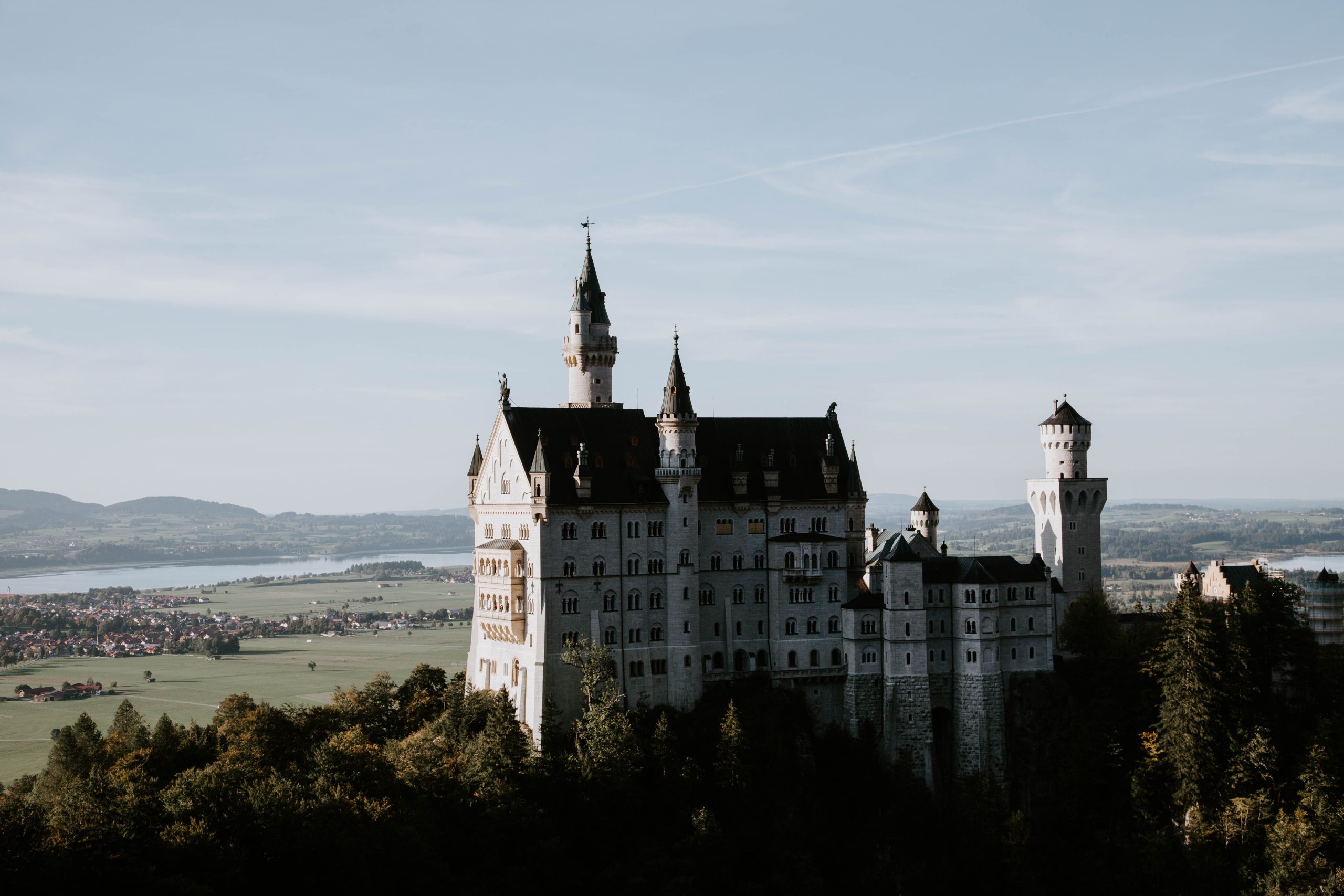
Fairytale Places to visit in Europe

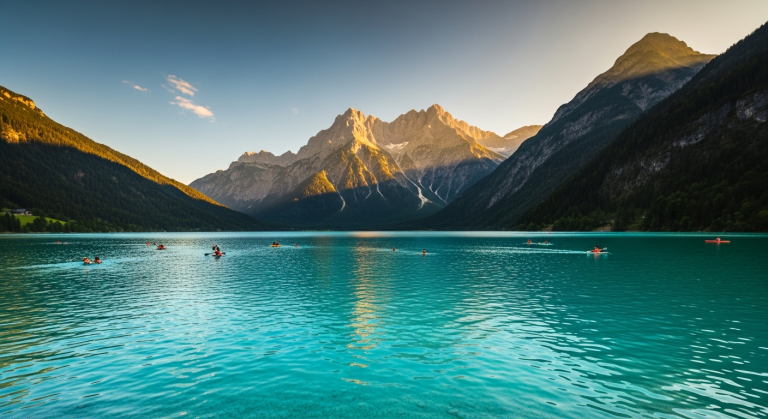
I arrived in a Slovenian village so quiet I could hear the church bells echo off the limestone cliffs—and realized I’d made a critical mistake weeks earlier by booking Hallstatt instead. That crowded Austrian postcard had taught me something most travel guides won’t admit: the most enchanting European villages aren’t the ones with Instagram queues stretching around the corner.
2025 and 2026 present a rare convergence of factors that make this the ideal window for discovering Europe’s lesser-known villages. First, post-pandemic travel patterns have shifted dramatically. The overtourism crisis that peaked in 2023–2024 has pushed savvy travelers away from the canonical three or four destinations toward secondary and tertiary options. Hallstatt, Interlaken, and the Amalfi Coast are still packed—but the villages thirty kilometers away are experiencing their quietest seasons in a decade.
Second, European accommodation in smaller towns has finally stabilized in pricing after the pandemic surge. You’ll find genuine family-run guesthouses and village inns operating at sustainable rates again, not the inflated “we’re famous now” pricing that plagued Instagram-famous spots. Third, rail networks across Alpine and Eastern Europe have completed major upgrades. The new connections mean you can reach remote villages without a rental car—cutting both costs and the stress of unfamiliar mountain roads.
There’s also a practical timing advantage: spring 2025 and autumn 2026 offer the longest windows of stable weather and open accommodations before the summer crush hits. Most villages don’t shut down until November, but they reach peak comfort in May and September when the light is clearest and the crowds thinnest. Winter in Alpine regions is genuinely magical—but requires more planning and budget for heating and transport.
This guide maps the fairytale places that actually feel like fairytales—Alpine villages where you can find genuine hospitality, French châteaux regions where English tourists are still rare, Eastern European monasteries clinging to cliffsides, and Portuguese fortress towns that predate most of Europe’s famous landmarks.
You’ll find exact transit routes, seasonal timing to dodge peak crowds, and the one cultural etiquette mistake that marks you as a careless visitor immediately. The goal: step into storybook Europe without the storybook prices or the tour buses.
In This Article
- Why 2025–2026 Is the Perfect Time for Europe’s Lesser-Known Villages
- French Château Country Beyond the Big Three
- Alpine Fairytale Villages: Switzerland, Austria & Slovenia
- Eastern Europe’s Underrated Castles and Mountain Monasteries
- Greece and Portugal’s Hidden Fortress Escapes
- How to Actually Plan a Fairytale Village Road Trip
- Avoiding the Hallstatt Trap: Overtourism Hotspots to Skip
- Your Next Steps
Why 2025–2026 Is the Perfect Time for Europe’s Lesser-Known Villages

I stood in the main square of a Slovenian village last September, watching exactly three other tourists navigate the cobblestones while locals sat at a café table playing cards. Five years ago, this same village would have been packed shoulder-to-shoulder by mid-morning. That shift—quiet but unmistakable—is happening across Europe right now, and it’s reshaping which destinations are actually worth your time and money.
The overtourism crisis that peaked in 2019–2023 has fundamentally redistributed where people travel. Venice, Barcelona, and Dubrovnik are now actively managing visitor caps. Hallstatt, Austria—the village that Instagram broke—has installed barriers and hired staff to manage crowds. The result? Travellers are finally looking sideways, toward the villages one valley over, two train stops further, the ones that were always beautiful but never made it onto the algorithm. These places are still affordable, still genuine, and still have room to breathe.
Economically, 2025–2026 is also the sweet spot before secondary European destinations reach critical mass. Accommodation prices in lesser-known Alpine villages remain 30–50% cheaper than their famous neighbours (a night in a guesthouse runs €60–90 versus higher rates in Interlaken). Flight availability to regional airports has expanded significantly—budget carriers now serve smaller cities that were unreachable a decade ago. Meanwhile, the euro’s volatility means currency advantages shift seasonally; North American and British travellers particularly benefit when exchange rates dip.
There’s also a practical truth most travel blogs skip: infrastructure in these villages is finally mature enough to handle independent travellers without feeling like you’re pioneering. Train connections work reliably, English is increasingly common among younger locals, and small hotels have learned how to run smoothly. But—and this matters—they haven’t yet been optimized to death. You won’t find a Starbucks on every corner. You might wait 20 minutes for dinner service because the kitchen is genuinely small. That’s the point.
The window is real. In three years, these villages will be the next tier of “discovered.” Visit now, and you’re experiencing them as they actually are.
French Château Country Beyond the Big Three
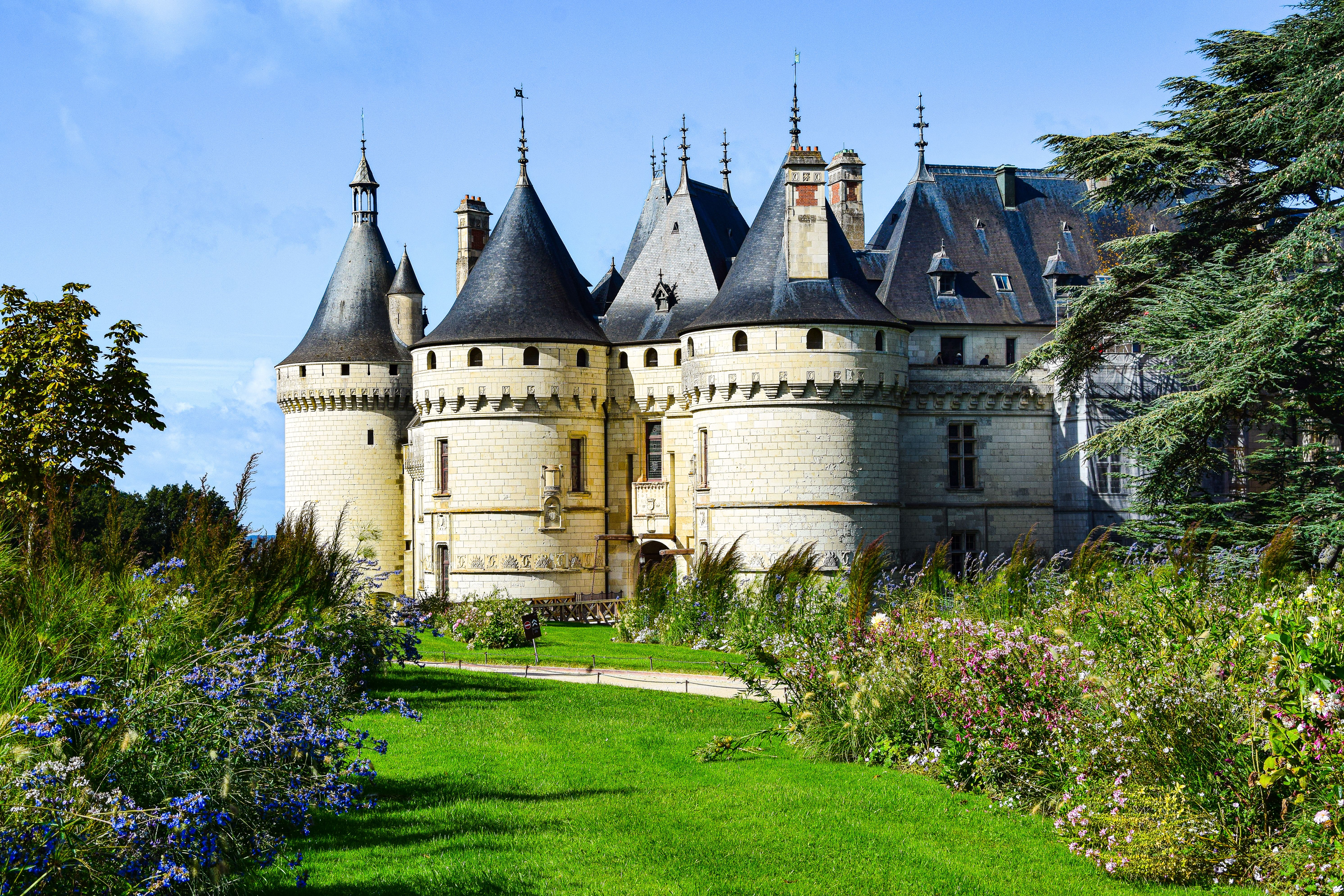
I arrived in Amboise on a grey October morning, stepping off a regional train that felt half-empty—the kind of train you take when you’re deliberately avoiding the Paris-to-Versailles crush. The château rose above the Loire River in soft limestone, and I had the entire courtyard nearly to myself.
This is the real France that most visitors miss: not Versailles, not Chambord, not Fontainebleau, but the dozens of genuinely magnificent castles scattered across the Loire Valley and beyond, where you can actually breathe and think and feel the centuries.
The mistake most travelers make is treating French châteaux like a checkbox list. They’re not. Amboise itself is extraordinary—Leonardo da Vinci lived here, and you can tour his modest lodgings—but it’s the smaller properties that often reward you most: Chenonceau (yes, famous, but visit after 5 p.m.
when day-trippers leave), Villandry (the gardens alone justify the trip), and Loches, a fortress-castle hybrid that feels genuinely medieval rather than polished. Budget €10–15 per château entrance; a combined Loire Valley pass costs around €45.
Getting there requires abandoning the high-speed rail obsession. Rent a car in Tours or take the slower regional trains between towns—the SNCF Connect app is essential.
Stay in Tours itself (€60–90 for a decent hotel), which has actual restaurants and life, rather than in tiny villages where you’ll eat mediocre tourist menus at inflated prices. The Loire Valley’s sweet spot is April–May or September–October: warm enough to enjoy the grounds, cool enough that you won’t melt in the châteaux’s unair-conditioned interiors.
One crucial etiquette note: French staff at these properties are genuinely knowledgeable and often multilingual, but they respond poorly to impatience. Ask questions, show interest, and they’ll often share details you won’t find in any guidebook. The trade-off is that many châteaux close Tuesdays or have limited winter hours—plan accordingly.
Alpine Fairytale Villages: Switzerland, Austria & Slovenia
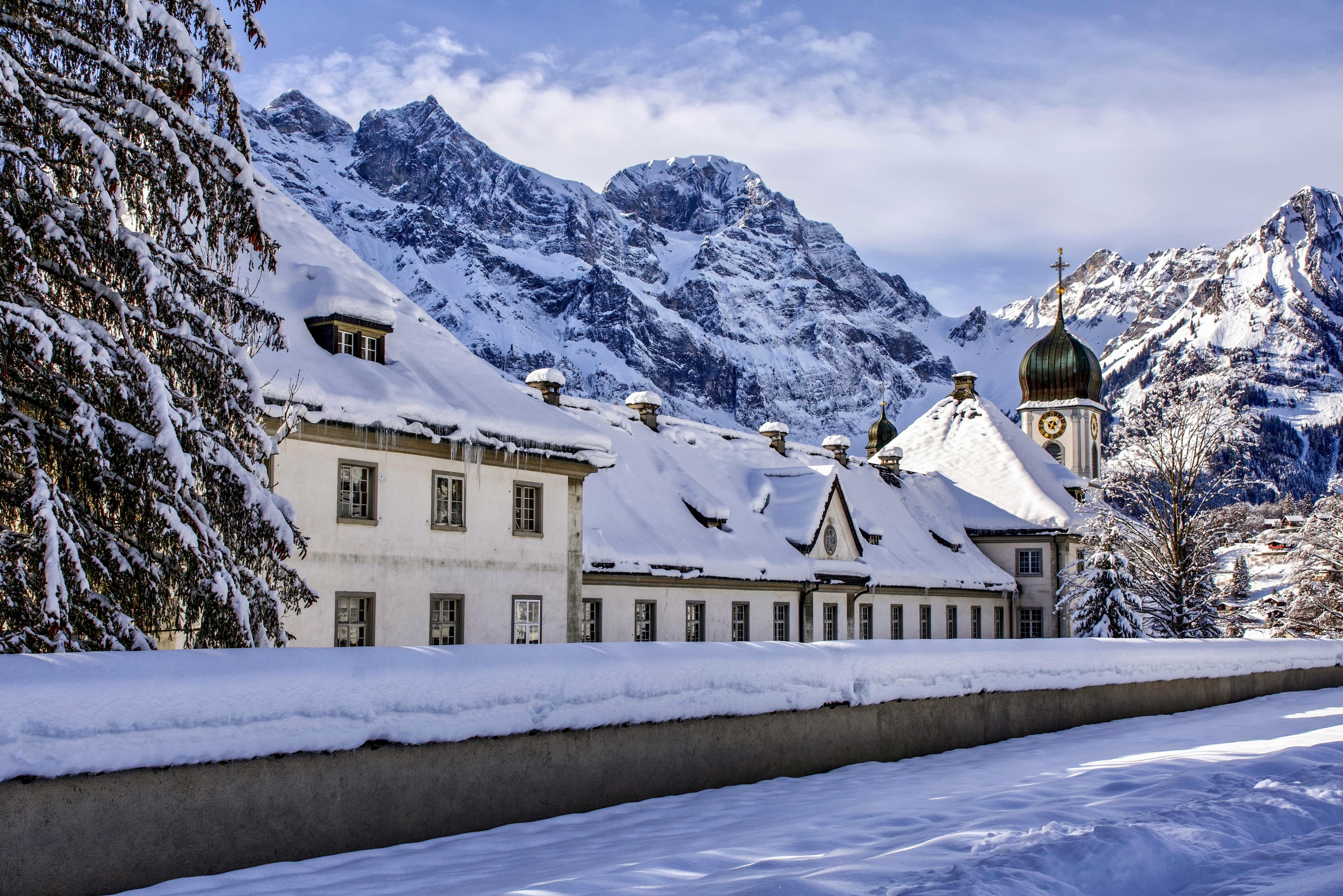
I arrived in Mittenwald, Bavaria—just over the Austrian border—on a grey October morning, and the frescoed facades of the main street seemed to glow against the drizzle like someone had hand-painted them that morning. They hadn’t.
These *Lüftlmalerei* murals have been there for centuries, and that’s precisely why most visitors skip this town entirely, heading straight for the Swiss Alps. That’s their loss. Mittenwald costs a fraction of Zermatt, the hiking is identical, and you’ll actually see the mountains without queuing behind 400 people at a viewpoint.
The Alpine fairytale belt—stretching from eastern Switzerland through Austria into Slovenia—offers something the French château route doesn’t: verticality. These aren’t villages built around a single monument; they’re entire landscapes where the architecture seems to have grown from the rock itself. Hallstatt in Austria is the notorious exception (we’ll address that separately), but lesser-known alternatives like Mittenwald, Rothenburg ob der Tauber, and Grindelwald deliver the same storybook aesthetic without the Instagram crowds.
In Slovenia, Radovljica—a honey-producing medieval town north of Ljubljana—charges virtually nothing to wander its narrow lanes, and a room in a family guesthouse runs €40–60 per night. Austrian villages like Dürnstein in the Danube Valley cost slightly more (€70–90) but include wine-country charm that Switzerland simply cannot match at the price.
Speaking of Switzerland: yes, it’s expensive. A coffee in Grindelwald is 6 CHF (roughly €6.50). But if you base yourself in nearby Interlaken (€80–120 for accommodation) and take the train up for day hikes, you’ll spend less than staying in the village itself.
One critical detail most guides omit: October through November is genuinely superior to summer here. The crowds vanish, the light turns honeyed, and the first snow dusts the peaks without making trails impassable. Hotels drop prices 20–30%. The trade-off? Some cable cars close, and daylight ends by 5 p.m. Plan accordingly. Local etiquette matters: in Austria and Switzerland, greet shopkeepers with “Guten Tag” or “Grüezi”—not doing so reads as rude, even if your purchase is small.
Eastern Europe’s Underrated Castles and Mountain Monasteries
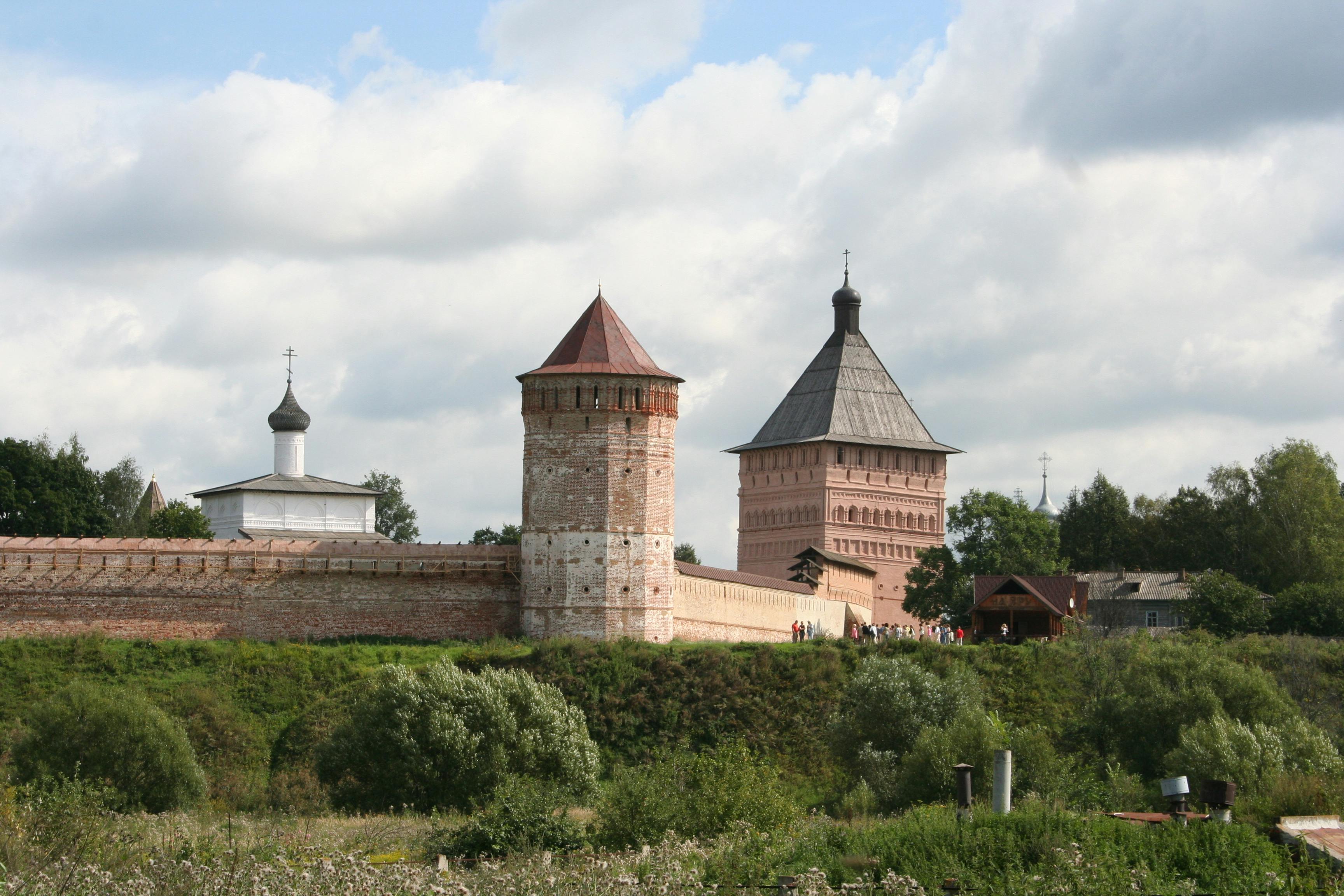
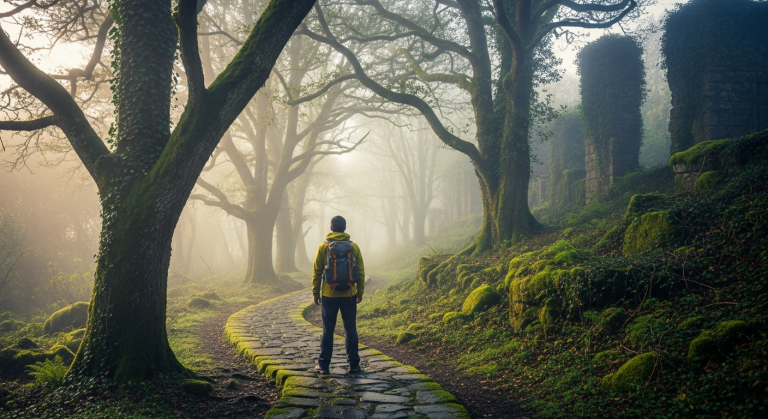
I was halfway up a muddy trail in the Carpathians, rain soaking through my jacket, when the monastery materialised through the mist like something from a medieval manuscript. No crowds. No gift shop. Just weathered stone, Orthodox crosses catching the weak afternoon light, and a monk who offered me tea without asking questions. This is what Eastern Europe offers: the fairytale without the Instagram queue.
Romania’s Bran Castle gets the Dracula tourism, but skip it entirely—the real magic lives in Poenari Castle, perched 1,400 metres above the Argeș River. You’ll need a car and hiking boots (about 1,480 steep stone steps), but the 360-degree views of the Carpathian range are worth every breathless moment. Entry costs roughly 10 RON ($2.50 USD). The nearby town of Curtea de Argeș has solid guesthouses at 80–120 RON ($20–30) per night.
Poland’s Dunajec River Gorge isn’t technically a castle, but the medieval fortifications clinging to the limestone cliffs feel equally otherworldly. A raft trip through the canyon costs around 80 PLN ($20) and takes three hours. Stay in Krosno Odrzańskie, a sleepy riverside town where a full dinner runs 40–60 PLN ($10–15). Most travellers miss this entirely, heading straight to Kraków.
Slovakia’s Orava Castle, rising from a rocky hilltop in the northwest, is genuinely stunning and far less mobbed than Alpine equivalents. Admission is 8 EUR ($8.50). The surrounding Orava region has excellent hiking and traditional wooden villages—budget 60–90 EUR ($65–95) for mid-range accommodation. Visa requirements: EU/US/Canada citizens get 90 days visa-free; check current regulations for your passport.
One crucial cultural note: monasteries remain active spiritual spaces, not theme parks. Dress modestly (covered shoulders and knees), ask permission before photographing, and observe silence in prayer areas. Many offer simple guest rooms—staying overnight, if invited, is a privilege that costs almost nothing but requires genuine respect for the community’s rhythm.
Greece and Portugal’s Hidden Fortress Escapes
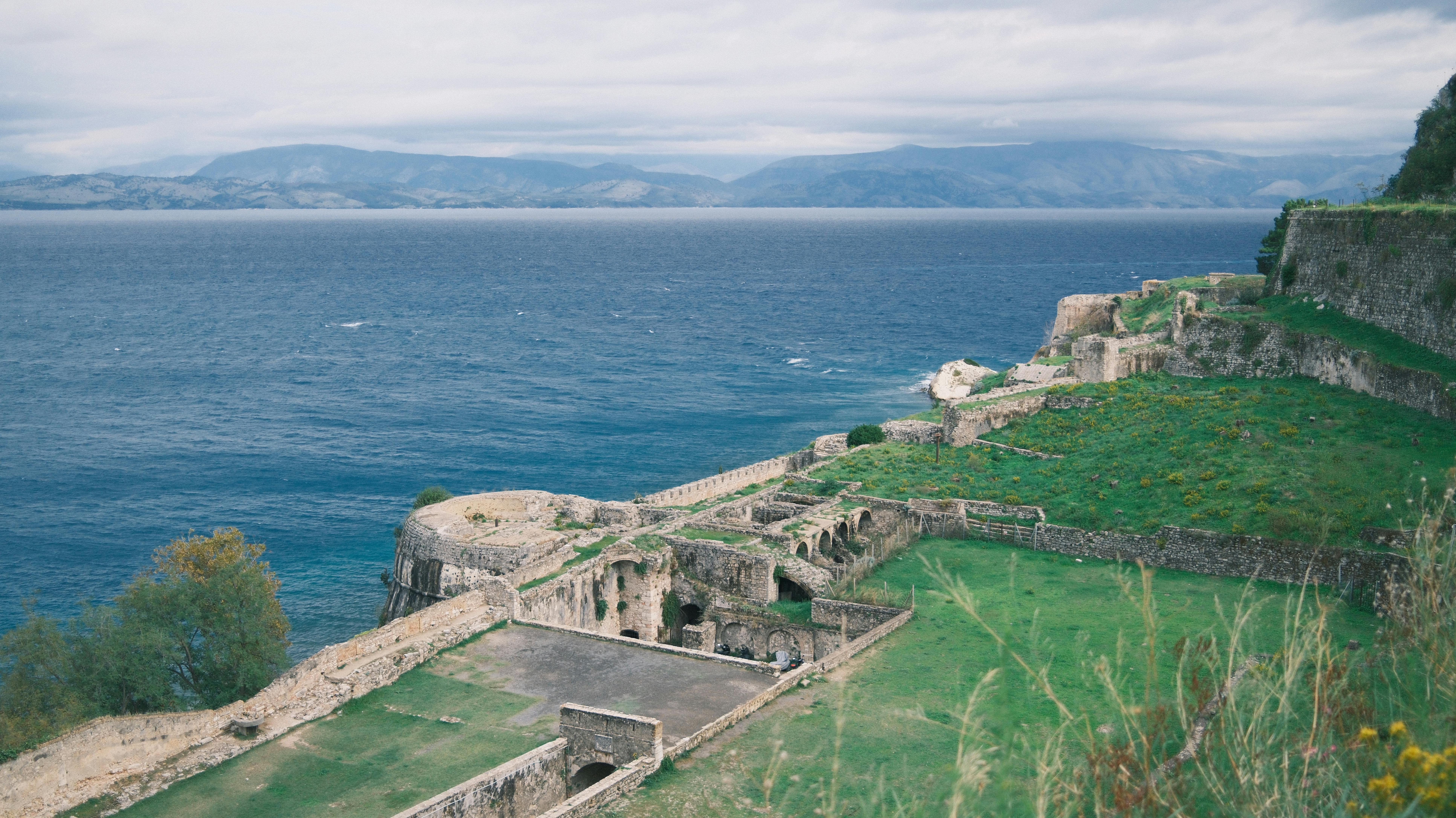
I rounded the bend into Monsaraz just as the afternoon light turned the whitewashed walls the colour of honey, and I understood immediately why this Portuguese hilltop fortress has been quietly passed over for Sintra’s more famous palaces. The village sits on the Spanish border, a medieval ghost town that feels genuinely abandoned—not Instagram-abandoned, but truly lived-in by maybe 50 permanent residents who move through narrow cobbled streets like they own the place because they do.
A room in a local guesthouse runs €45–65 per night; dinner at a family-run tasca (tavern) costs €8–12. The real magic is the fortress itself: 13th-century walls you can walk entirely around in 20 minutes, with views into Spain that shift colour as the sun moves. Most visitors never make it here because it requires a 90-minute drive from Lisbon and zero public transport—which is exactly why you should go.
Greece’s Monemvasia, on the Peloponnese’s southeastern tip, operates on the opposite principle: it’s reachable, but most tourists stop at Nafplio instead. This Byzantine fortress-city clings to a 350-metre rock island, connected to the mainland by a thin causeway that feels like crossing into another century.
The lower town has been carefully restored—stone archways, a working Orthodox church, tavernas serving local fish for €14–18—but it retains the weathered authenticity that Hallstatt lost decades ago. Stay in the upper town (€60–90 for a traditional stone room) and you’ll wake to church bells and nothing else. The trade-off: steep staircases everywhere, limited WiFi, and genuinely limited accommodation means booking ahead is non-negotiable.
A practical note both destinations require patience with infrastructure. Portugal’s Monsaraz has no train station; rent a car (€35–50/day) or take a regional bus that runs twice daily. Greece’s Monemvasia has one small bridge access point—arrive after 6 PM to avoid day-trippers, or come in winter (November–March) when the crowds vanish entirely and rooms drop to €40–60. Both places punish the assumption that fairytale villages should be easy to reach. They reward those who plan ahead.
How to Actually Plan a Fairytale Village Road Trip

I learned the hard way that showing up to a tiny Slovenian village on a Saturday in July with no accommodation booked is a recipe for sleeping in your rental car. So here’s what actually works: pick your region first, then build backwards from logistics, not Instagram.
Start with transport. A car is non-negotiable for serious village-hopping—buses between hamlets run once daily, if at all. Rent from a major city (Prague, Vienna, Lisbon) where prices are 20–30% cheaper than airport counters.
Book at least two weeks ahead in peak season (May–September); expect €40–70 per day for a basic sedan. One thing most guides skip: check your home insurance before renting. Many credit cards don’t cover European rentals, and adding insurance through the rental company costs an extra €15–25 daily—budget accordingly.
Accommodation requires strategic thinking. Don’t stay in every village—you’ll waste time packing and unpacking. Instead, base yourself in a larger town (Cesky Krumlov for Bohemia, Hallein for Austria, Sintra for Portugal) and day-trip to 2–3 villages within an hour’s drive. Book guesthouses directly through their websites rather than OTA platforms; you’ll save 15% and get honest advice about which days locals avoid crowds. Expect €50–120 per night for a quality double room outside peak season, €100–180 during July–August.
Timing matters enormously. Visit villages on weekdays, ideally Tuesday–Thursday. Monday often sees closure after weekend tourism; Friday–Sunday are pandemonium. Spring (April–May) and autumn (September–October) offer perfect weather, manageable crowds, and accommodation at 30% lower rates than summer.
Finally, build in buffer days. A broken-down car, a village festival you stumble into, a monastery that’s only open 2–4pm—these aren’t delays. They’re the actual trip. Overplanning kills fairytales.
Avoiding the Hallstatt Trap: Overtourism Hotspots to Skip
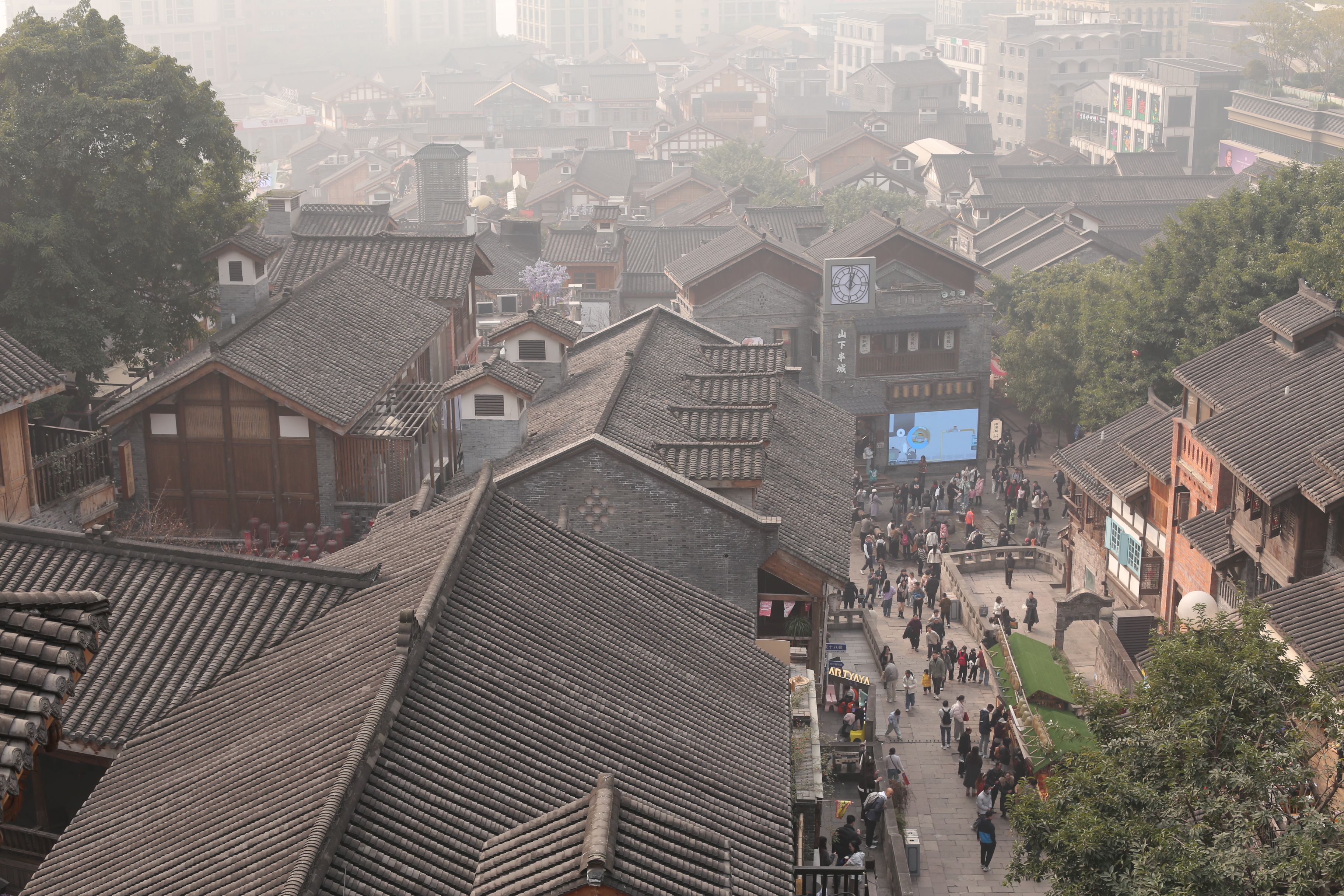
I arrived in Hallstatt at 7 a.m., thinking I’d beaten the crowds. By 7:15, a tour bus had already disgorged 50 people onto the lakeside promenade.
By noon, the narrow streets were so packed that moving felt like shuffling through an airport queue—except you’re paying €18 for a coffee and trying to appreciate a 500-year-old salt mine. Hallstatt is the poster child for what happens when Instagram discovers a place before infrastructure can handle it, and it’s a cautionary tale worth taking seriously.
The villages most worth skipping aren’t bad places—they’re just overwhelmed. Hallstatt, Rothenburg ob der Tauber (Germany), Sintra (Portugal), and Rila Monastery (Bulgaria) have all crossed the threshold where the experience of being there has fundamentally changed. You’re not seeing a village anymore; you’re navigating a theme park version of one.
Rothenburg’s medieval walls are stunning, but you’ll experience them shoulder-to-shoulder with 10,000 daily visitors. The real cost isn’t just emotional exhaustion—it’s practical. Accommodation prices inflate 40–60% above regional averages, restaurants serve mediocre food at premium prices, and locals have largely retreated or turned cynical.
Here’s what most guides won’t tell you: these places became famous because they’re genuinely beautiful, not because they’re the only options. For every Hallstatt, there’s a Mittenwald (Bavaria) or Bled’s quieter cousin, Radovljica (Slovenia), offering nearly identical scenery without the crowds. If you’re set on visiting an over-touristed spot, go in November or February—yes, it’s colder, but you’ll actually see the place. Better yet, stay 15 minutes away in a smaller village and day-trip in early morning.
One local etiquette note: if you do visit these places, be aware that residents are tired. Skip the Instagram poses that block storefronts, eat at family-run restaurants away from the main square, and consider hiring a local guide rather than relying on your phone. It shifts the entire dynamic from extraction to exchange.
Your Next Steps

I spent three weeks chasing castles and villages across Europe last autumn, and the pattern became undeniable: the fairytale places worth your time aren’t the ones selling postcards at every corner. They’re the ones where you arrive on a Tuesday morning, the light hits the stone walls just right, and you realize you’re genuinely alone—or nearly so. That’s not luck. That’s planning.
It’s choosing Sinaia over Bran, timing your visit to avoid peak season, and accepting that sometimes the most magical moments happen when you take the bus instead of the train, or stay in the village proper instead of commuting from the capital. The villages and castles across these regions—from the Dordogne to the Carpathians, from the Julian Alps to the Peloponnese—aren’t going anywhere.
But the crowds are getting bigger every year, and the authentic texture of these places erodes with each Instagram post. 2025 and 2026 offer a genuine window to see them before they tip past a point of no return.
Here’s what to do next: pick one region—not five. Choose based on which section genuinely moved you, not on what you think you “should” see. Then spend two hours researching specific villages within that region using local tourism boards (not travel aggregators), checking their websites for current visitor numbers and quiet months. Book accommodation directly with guesthouses or small hotels, not platforms—you’ll get honest advice about when to visit the main sight and which local customs matter.
Finally, build in one unplanned day per trip. That’s when you’ll find the monastery no guidebook mentions, or the family-run restaurant where the owner’s grandmother still cooks. The fairytale isn’t in checking boxes. It’s in the moment when you stop looking for it and it finds you instead. Start planning now—not to beat the crowds, but to give yourself permission to actually see what’s there.
Pin this for later