Glacier Bay National Park: First Timers Guide

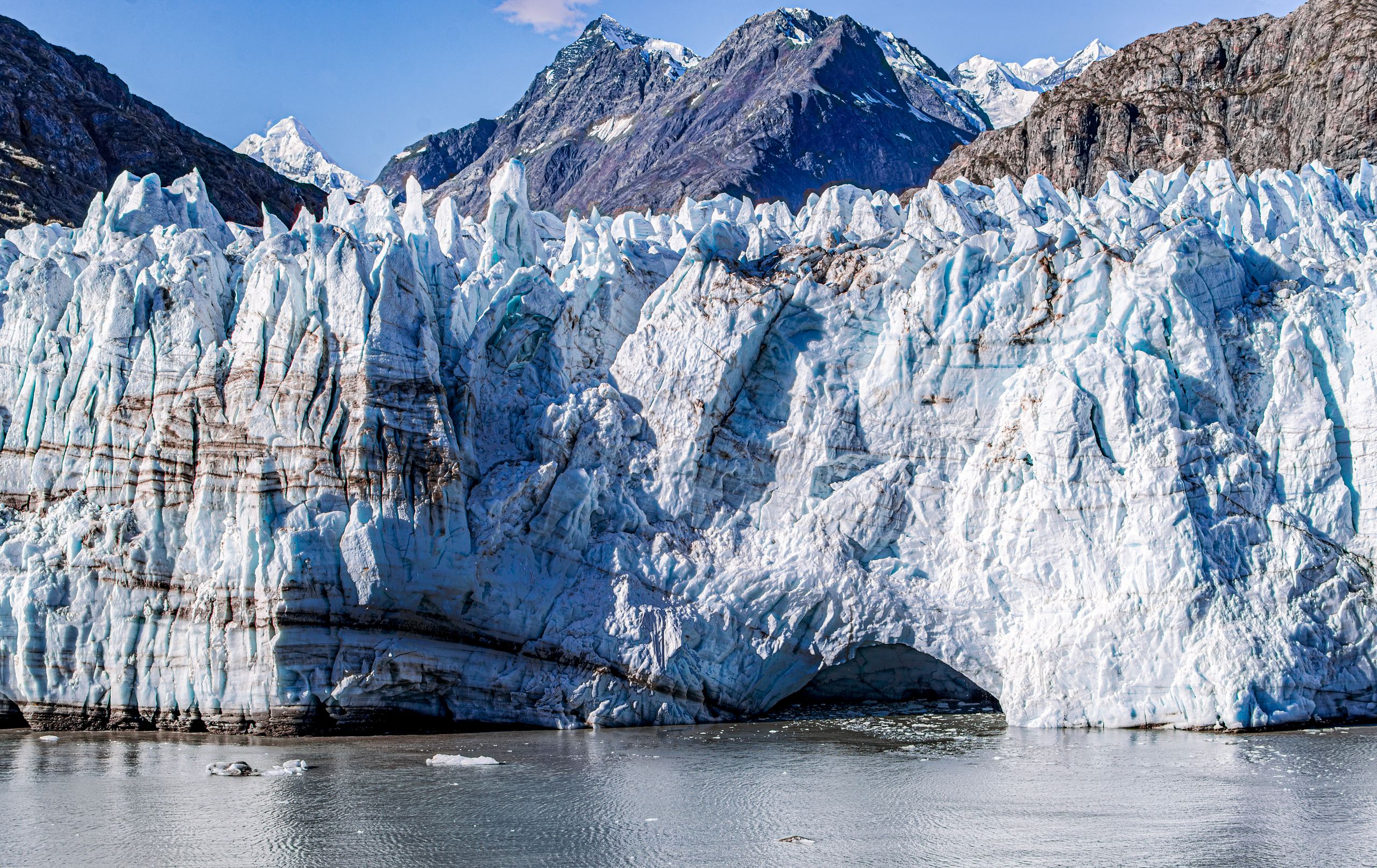
The boat engine cut to a whisper, and our guide pointed toward a wall of ice so vast it seemed to swallow the sky. Then it happened—a sound like a rifle crack echoed across the water, and a chunk the size of a house calved straight into the bay.
My hands were shaking. I’d flown 3,000 miles and spent $400 on a day tour to see this, and in that single moment, I understood why people return to Glacier Bay again and again.
This guide cuts through the confusion that stops most first-timers cold: How do you actually reach a national park with no roads? Which glacier tour is worth the money?
What will you really see, and when? I’ve done the research and the miles so you don’t waste your budget on the wrong experience.
You’ll find exact costs, the neighborhood to stay in, which boat operators deliver real value, and the seven mistakes that separate first-timers from people who come back.
How to Actually Get to Glacier Bay National Park
I stood at the Juneau airport’s rental car counter at 6 a.m., watching a family ahead of me realize they’d just paid $180 to rent a car they wouldn’t need. This is the first mistake most first-timers make: thinking you can drive to Glacier Bay. You cannot. There are no roads. The park sits 65 miles northwest of Juneau, accessible only by water or air, and the logistics matter far more than most guides admit.
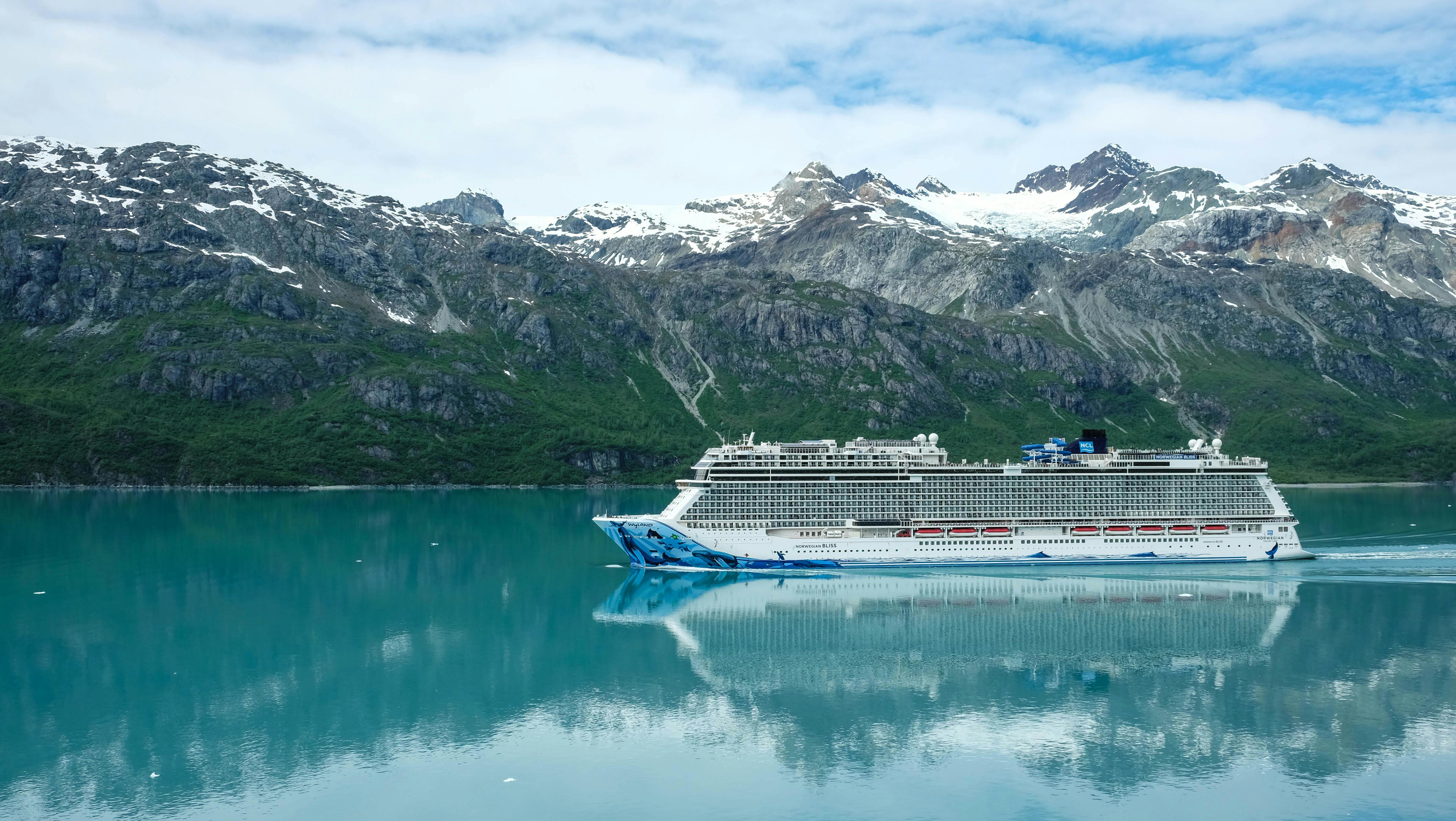
Your realistic options: book a cruise ship (the easiest but least flexible), take a day boat tour from Juneau, or fly in via chartered floatplane. Most first-timers choose the day boat, which departs from Juneau’s downtown waterfront. The journey takes 4–5 hours each way on a catamaran, usually with Alaska Cruises or Windward Bound. Expect to pay $450–$650 per person for a full-day tour that includes lunch and a Park Service naturalist. These boats fill up fast in peak season (June–August), so book at least two weeks ahead.
Getting to Juneau is the actual bottleneck. If you’re flying domestically, you’ll likely connect through Seattle or Anchorage; there are no direct flights from the Lower 48. Budget $300–$500 for flights depending on when you book. Alternatively, many visitors arrive via cruise ship, which solves the transport problem but locks you into a fixed itinerary—you’ll see Glacier Bay from the ship, not from a smaller vessel that can get you closer to calving glaciers.
A detail most guides skip: the day boats operate on a strict tide and weather schedule. Tours don’t run daily in shoulder seasons (April–May, September–October), and bad weather cancels trips entirely. I watched a tour get postponed twice in three days. If you’re timing this around other plans, build in a buffer day. Also, Juneau’s airport sits 9 miles north of downtown; the shuttle costs $15 per person, or rideshare runs $25–$35 depending on traffic.
Visa requirements: if you’re an international visitor, standard US entry rules apply. No special permits are needed for the park itself once you’re in Alaska.
Map of Glacier Bay Alaska: What You’ll Actually See

I was standing on the bow of the tour boat, binoculars in hand, when our guide casually pointed toward what looked like a distant white smudge and said, “That’s where you’re actually headed.” The bay sprawls across roughly 3,300 square miles—larger than Delaware—and most first-timers are shocked by how much of it remains invisible from the water. The glaciers aren’t clustered in one photogenic valley. They’re scattered across multiple arms, separated by hours of boat travel, and some days the weather decides whether you see them at all.
Here’s what the geography actually looks like: Glacier Bay opens from the south near Juneau and splits into two main branches—the West Arm and the East Arm. The West Arm is where the famous tidewater glaciers live: Margerie Glacier and Grand Pacific Glacier, the showstoppers that appear on every postcard. The East Arm contains Lamplugh Glacier and Johns Hopkins Glacier, which is calving so aggressively that the Park Service restricts how close boats can approach (you’ll see it from a distance, which is still breathtaking but not the intimate experience some expect). The entire journey from the bay’s entrance to the glacier faces can take 8–10 hours depending on your tour operator and which glaciers are accessible that day.
One detail most guides gloss over: the bay’s upper reaches are clogged with icebergs—some the size of small buildings—that create genuine navigation hazards. Your captain will weave through them, and it’s mesmerizing, but it also means you’re not taking a straight shot. Bring a good map or download the park’s PDF before you go; understanding the geography beforehand transforms the experience from “we’re looking at white stuff far away” into “oh, that’s Muir Inlet, and those are the Fairweather Mountains.” The bay’s scale is humbling in a way that photographs can’t capture—distances deceive, and what looks like a 20-minute boat ride is often twice that. Plan for fatigue, not just excitement.
Glacier Bay vs. Sawyer Glacier: Which Alaska Glacier Experience Wins?
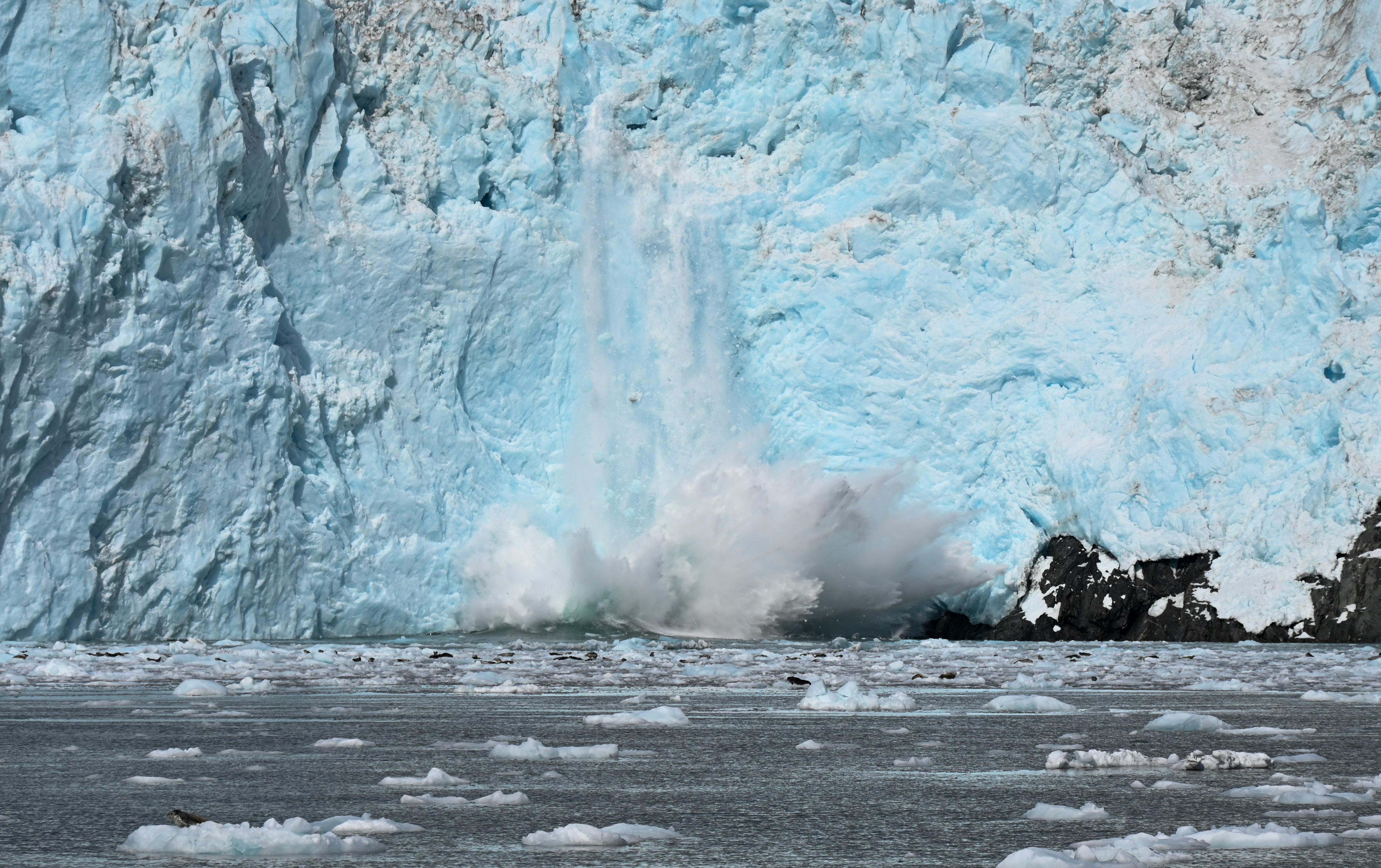
I was standing on the bow of a small catamaran in late June when our captain cut the engines entirely. The silence was absolute—no hum, no throb, just the distant crack of calving ice echoing across Glacier Bay. Thirty seconds later, a chunk the size of a house broke free from Margerie Glacier and thundered into the water. That moment crystallized something I’d been trying to figure out: Glacier Bay and Sawyer Glacier aren’t really competitors. They’re fundamentally different experiences, and which one wins depends entirely on what you’re willing to endure.
Glacier Bay requires commitment. You’re looking at a full day—typically 7 to 10 hours on water—departing from Juneau or Ketchikan. The boat ride itself is long (2–3 hours each way), and the park’s remoteness means you’re genuinely isolated. But that isolation is the point. You’ll see tidewater glaciers calving directly into the bay, kayakers threading between icebergs, and wildlife (bears, eagles, sea otters) in their actual habitat. Costs run $400–$550 per person for a day tour, plus $15 park entrance fee. Sawyer Glacier, by contrast, is accessible via a shorter floatplane tour from Juneau—roughly 3 hours total, $600–$750 per person—and deposits you on a glacier itself. You can walk on the ice. You can touch it.
Here’s what most guides won’t tell you: Sawyer’s accessibility is also its limitation. The glacier is smaller, the experience more controlled, and you’re sharing it with whoever else booked that flight. Glacier Bay feels wilder because it *is*—you’re observing glaciers from a distance, yes, but you’re seeing them in the context of an entire ecosystem. The trade-off is seasickness risk (bring Dramamine, seriously), unpredictable weather, and the fact that calving happens on nature’s schedule, not yours.
Pick Sawyer if you have limited time, want to stand on ice, or are prone to motion sickness. Pick Glacier Bay if you want the full immersion, don’t mind a long day, and value the chance to see something genuinely untouched. Both are worth the cost. Neither is a waste.
Glacier Bay National Park Scenery: What to Expect on the Day Boat Tour
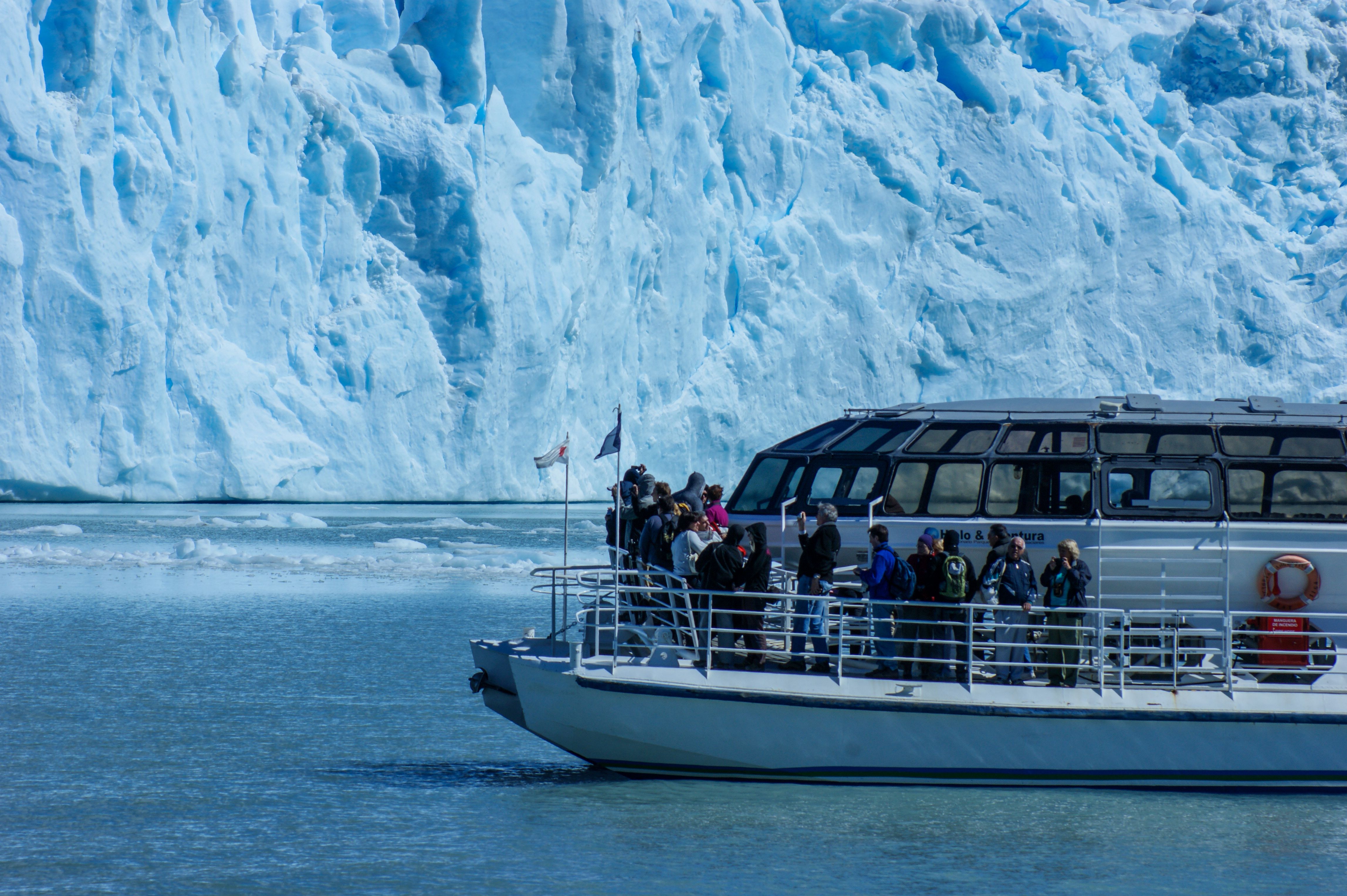
I watched the bow of the tour boat cut through water so still it looked like dark glass, and then a chunk of glacier the size of a city bus calved off with a sound like thunder. That moment—when the ice hits the water and the spray catches the light—is what you’re actually paying for, and it happens roughly every 20 to 40 minutes if you’re on the right tour with decent luck.
The day boat experience is eight to ten hours of slow-motion drama. You’ll spend the first two hours cruising through Icy Strait and Glacier Bay’s lower reaches, where the water is crowded with humpback whales (peak season: June through August). The captain will kill the engines when whales surface—this is standard practice and happens multiple times on most tours. Bring binoculars; the difference between “I saw a whale” and “I watched a whale breach 50 feet away” is entirely optical. The boats hold 40 to 100 people depending on operator, so mid-week departures are noticeably less crowded than weekends.
Here’s what most first-timers don’t anticipate: the final two hours involve sitting still while the boat idles near tidewater glaciers. This isn’t boring—it’s hypnotic. Margerie Glacier, the main destination, is 250 feet tall and actively calving. But you will be stationary. Bring a book, a podcast, or accept that you’ll simply stare. The light changes constantly on the glacier face; what looked grey at 2 p.m. glows blue by 3 p.m. The temperature drops 10 to 15 degrees Celsius at the glacier face, so layer aggressively even if it’s warm in Juneau.
One critical detail: most tours include a mandatory stop at a remote cabin or beach (usually Bartlett Cove) where you get 30 to 60 minutes to walk around. Wear waterproof boots. The beaches are rocky, muddy, and slick. The scenery here—looking back at the coastline, seeing the park from the shore—is often the moment where the scale actually hits you.
Expect to spend $350–$500 USD per adult on a day tour with a reputable operator. Meals are usually included (basic sandwiches, coffee, snacks), but bring your own snacks if you have strong preferences.
Glacier Bay National Park Photos: Capturing the Perfect Shot

I was standing on the upper deck of the tour boat when a calving event erupted—a thunderous crack followed by a building-sized chunk of ice collapsing into the water. My phone was in my pocket. By the time I pulled it out, the moment had dissolved into foam and ripples. That’s the first lesson of photographing Glacier Bay: the light, the wildlife, the ice—none of it waits for you to find the right filter.
Bring a real camera if you can. Phone cameras struggle in Glacier Bay’s harsh, variable light—bright reflections off ice and water create exposure nightmares that computational photography can’t always solve. A mirrorless or DSLR with a 70-200mm lens is the sweet spot; you’ll need reach for seals on icebergs and bears on distant shorelines, but the boat rarely stops long enough for extreme telephoto work. If you’re smartphone-only, shoot in portrait mode, use HDR deliberately (not by default), and embrace underexposure—you can recover shadow detail in editing far more reliably than blown-out glacier highlights.
Position matters obsessively. The boat moves constantly, but the upper deck (starboard side in the morning, port in the afternoon, depending on which glacier you’re heading toward) catches the best light and offers unobstructed views. Arrive early to claim rail space. Bring a polarizing filter if you have one—it cuts water glare and deepens the blue of the ice in ways that feel almost unfair.
One detail most guides skip: the best wildlife moments happen during the slow returns, not the outbound journey. Photographers fixate on getting to the tidewater glacier, but your captain will linger on the way back, and that’s when you’ll spot mountain goats, sea otters, and humpback whales actually doing something interesting. Pack extra batteries—cold drains them faster than you’d expect, and you won’t have a charging option for 8–10 hours.
Resist the urge to shoot everything. The best Glacier Bay photos come from patience: one glacier, one animal, one moment of genuine light. The park will demand your attention. Let it.
Where to Stay & the 7 First-Timer Mistakes to Avoid
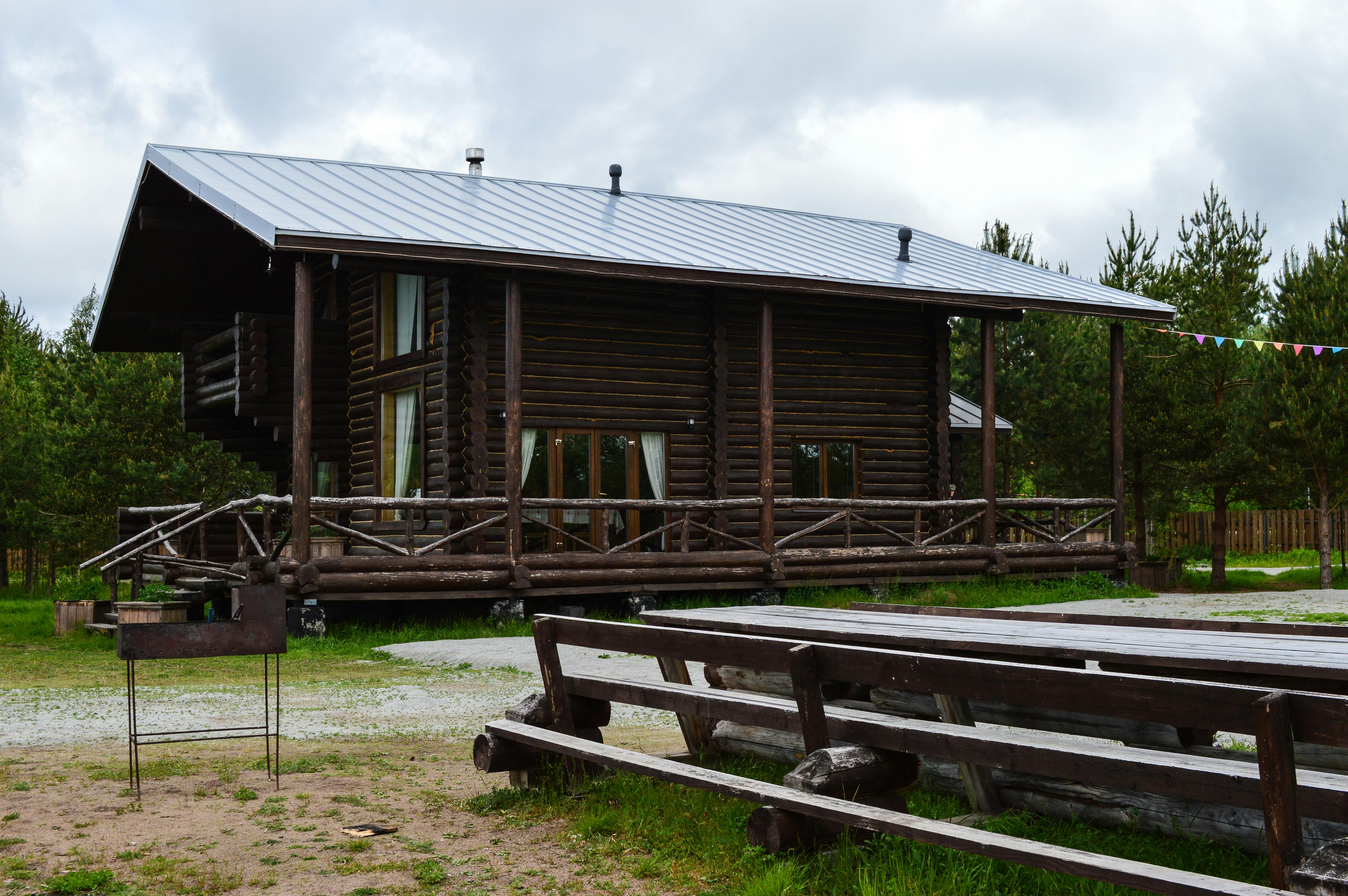
I made the mistake of booking a hotel in Juneau the night before my tour, thinking I’d grab breakfast and head to the dock. I didn’t account for the fact that most day boats depart at 7 a.m., and the only taxi driver awake at 5:30 a.m. charged me $45 for what should have been a $20 ride. Stay in Juneau proper — it’s your only real option — but book accommodation within walking distance of the cruise terminal or arrange transport the night before. Budget $120–$180 per night for mid-range hotels like Alaskan Hotel or Grandma’s Feather Bed; hostels run $40–$60 if you’re solo.
The seven mistakes I watched other first-timers make: (1) Wearing cotton layers — it’s Alaska in summer, not a beach trip; pack merino wool or synthetic base layers under rain gear. (2) Assuming the tour includes meals; most don’t. Bring a substantial lunch and snacks; the boat’s café charges $16 for a sandwich. (3) Not bringing binoculars. You’ll spot bears, whales, and puffins at distances that make phone cameras useless. (4) Booking a tour in late July or August when cruise-ship crowds peak; June and early July offer clearer skies and fewer tourists jammed on deck. (5) Forgetting seasickness medication — the Inside Passage can get choppy, and there’s nowhere to escape it for 8+ hours. (6) Underestimating how cold it gets on the water; even in July, the wind chill drops temperatures 15–20 degrees below what Juneau feels like on shore. (7) Booking the cheapest operator without checking reviews; some cut corners on wildlife spotting routes or overcrowd boats. Alaskan Dream Cruises and Adventure Life tend to get consistent praise.
A local tip: ask your hotel concierge which tour operator actually visits the tidewater glaciers that day — weather closures shift routes, and not all companies communicate this clearly in advance. The difference between seeing Margerie Glacier and getting stuck in the bay’s outer reaches is sometimes just one phone call made the morning of your tour.
CONCLUSION
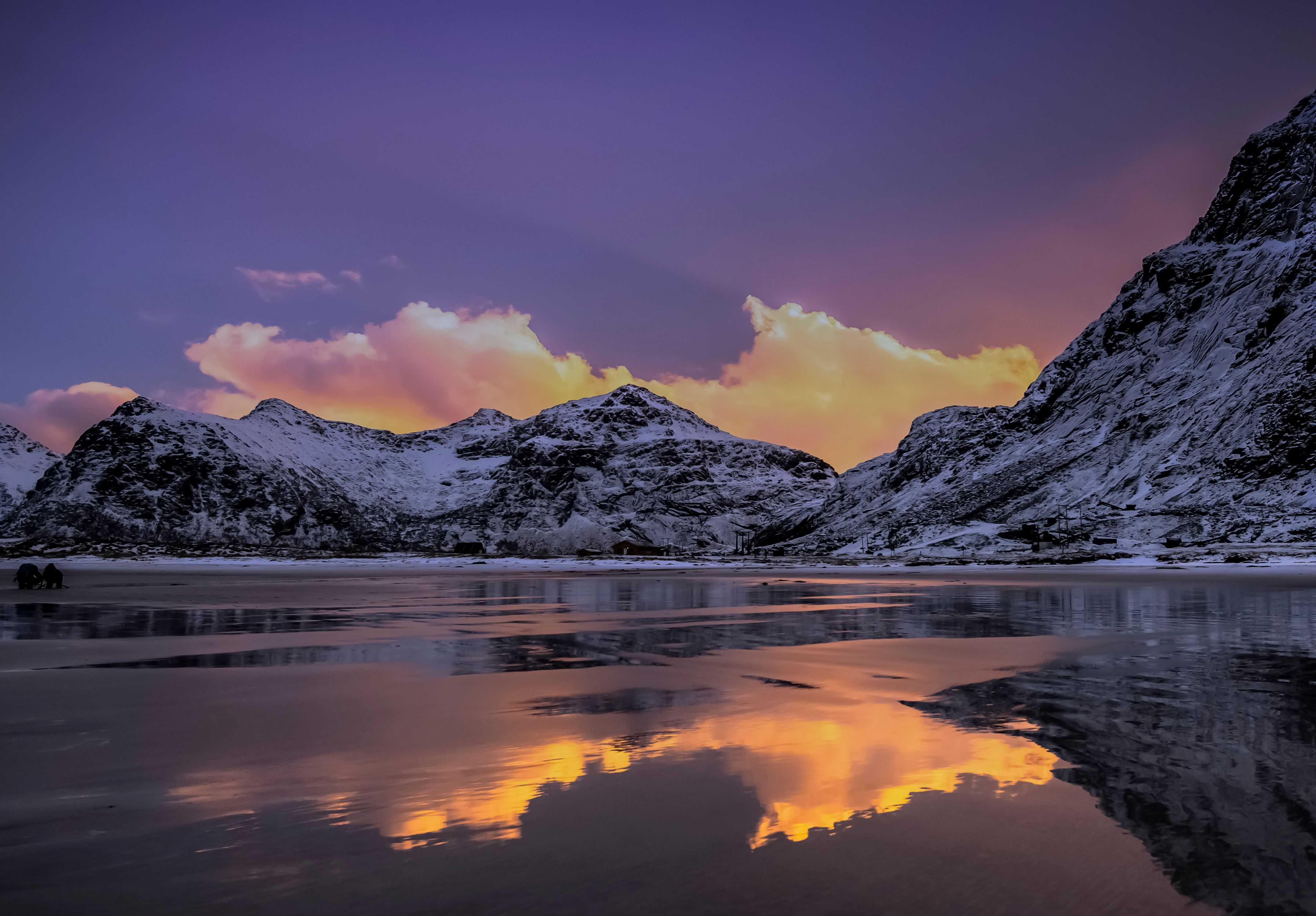
I watched a first-timer next to me on the boat miss an entire glacier calving event because she was adjusting her camera settings. That moment crystallizes what Glacier Bay demands: you have to show up prepared, but not so rigidly that you forget to actually *be there*. Getting to Glacier Bay requires real logistics—a flight to Juneau, a boat ride or floatplane, money you won’t get back if weather cancels your trip. The scenery is genuinely staggering, but it’s not a guaranteed Instagram moment. Some days the light is flat. Some days you’ll see one calving event; others, none. The glaciers themselves are retreating, which means the bay keeps changing—what you see this year won’t be identical next year, and that’s both beautiful and sobering.
What separates first-timers who leave disappointed from those who don’t boils down to three things: realistic expectations about weather and wildlife sightings, choosing the right tour operator for your stamina and budget (not just the cheapest option), and accepting that Glacier Bay rewards patience over perfection. Don’t chase the “perfect” photo at the expense of the experience. Sit on the correct side of the boat for the light. Pack layers you’ll actually wear. Book accommodations that let you sleep properly—you’ll need the energy. Respect the park’s rhythms instead of fighting them. And yes, those seven mistakes we covered? They’re mistakes because dozens of travelers make them every season, thinking they’ll be different.
Your next step is concrete: check the National Park Service website for current conditions and tour operator reviews, then book your Juneau flights for either late May through early June (fewer crowds, still good weather) or September (clearer skies, fewer tourists). Don’t overthink it further. Glacier Bay doesn’t need your perfect plan—it needs you to show up with an open schedule, reasonable expectations, and a willingness to be humbled by something genuinely wild. The glaciers have been carving this landscape for millennia. They’ll still be there whether you’re ready or not.