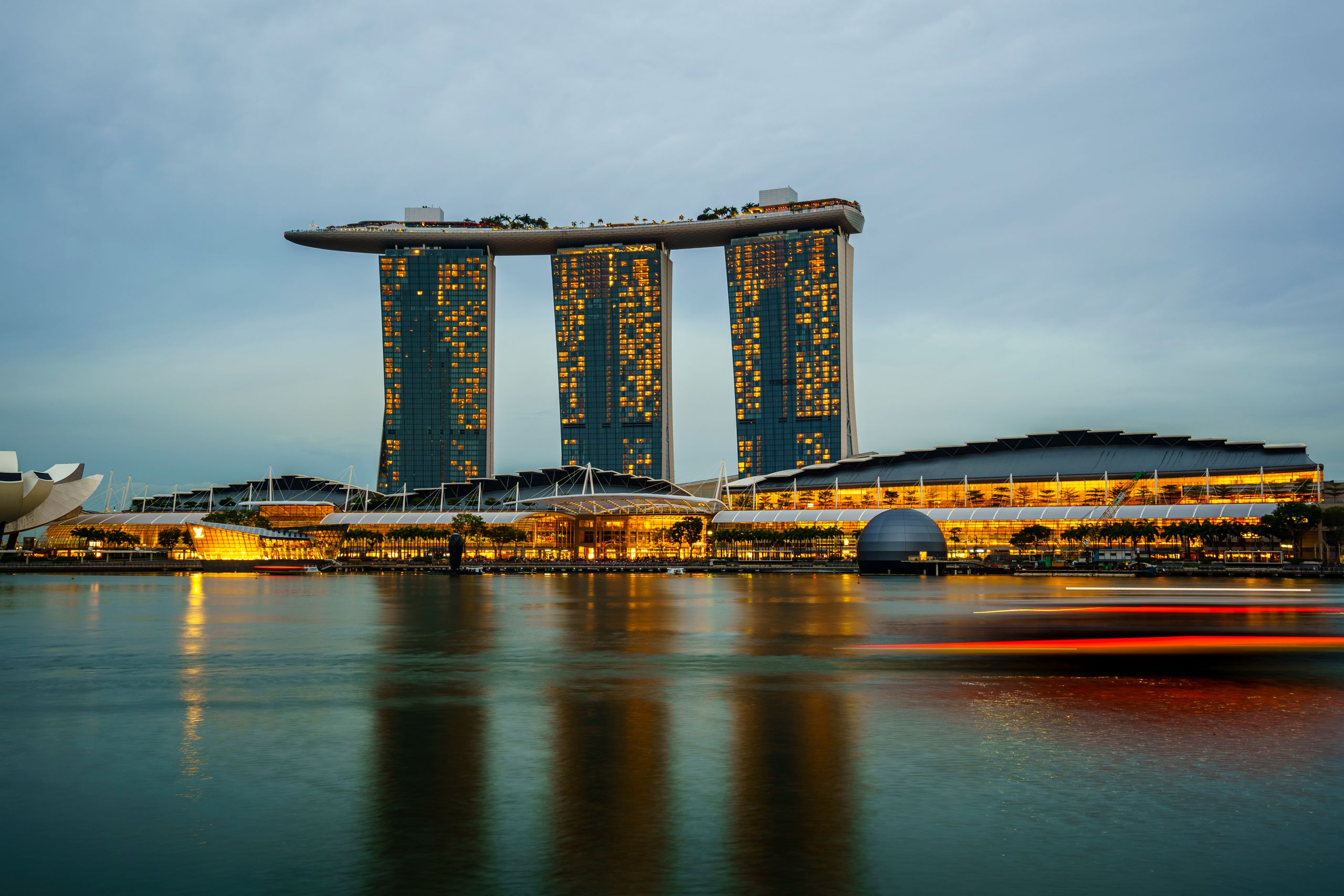
Ultimate Singapore Walking Guide for First Timers

I stepped off the MRT at Tiong Bahru station at 6:45 a.m., and the entire neighborhood was already mine—wet from the overnight spray-cleaning, empty except for uncles setting up coffee stalls, the air thick with cardamom and frying oil.
By 9 a.m., I’d walked past three major tourist attractions without seeing a single tour group. This is what most first-time visitors miss about Singapore: it’s not the Marina Bay Sands skyline that reveals the city, it’s the neighborhoods on foot, where locals actually live.
Copy
This guide strips away the generic “top 10 sights” advice and gives you the real walking routes—the ones that show you how Singaporeans navigate their island, which neighborhoods are actually worth your time, and where the trade-offs are (spoiler: it’s hot, it’s humid, and yes, you will sweat through your shirt by 10 a.m.).
By the end, you’ll know exactly which areas to walk, how to move between them without getting lost, and what locals actually do when they’re not taking photos at Gardens by the Bay.
Is Singapore Actually Walkable? The Ultimate Reality Check
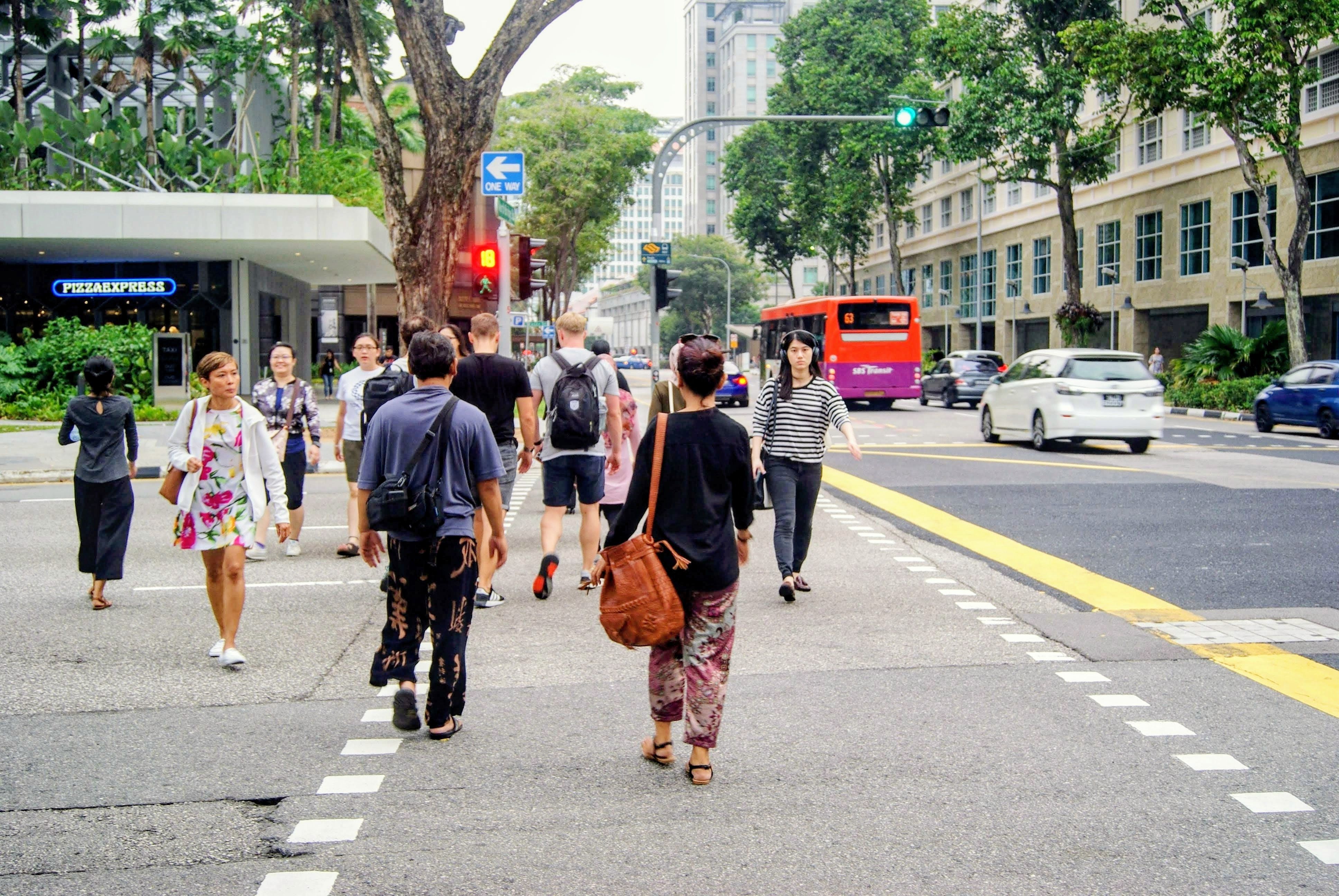
I stepped out of Changi Airport at 6 a.m., checked my phone’s GPS, and decided to walk toward the city centre instead of taking the train. By 6:47 a.m., I was drenched—not from rain, but from the humidity that hits you like a wet towel the moment you exit the air-conditioned terminal. That walk taught me the first truth about Singapore: yes, it’s walkable, but not in the way most cities are.
Singapore is technically one of the world’s most walkable cities. The entire island is only 730 square kilometres, and neighbourhoods are compact, well-lit, and obsessively clean. You can walk from Chinatown to Marina Bay in 25 minutes. The MRT (Mass Rapid Transit) system is so efficient that you’ll rarely need to walk more than 10 minutes to reach a station. But here’s what generic guides won’t tell you: walkability here is seasonal and time-dependent. Between May and September, the heat and humidity make midday walking genuinely unpleasant—not dangerous, but genuinely uncomfortable. Locals don’t walk much between 11 a.m. and 4 p.m. You’ll be the only one.
The real limitation isn’t distance; it’s that Singapore’s layout is deceptive. Neighbourhoods feel closer on a map than they actually are, thanks to massive highways, water barriers, and the fact that “walkable” often means “walkable if you know the right routes.” The iconic Marina Bay area? Walkable. But the sightlines are confusing, and you’ll spend 20 minutes navigating around construction or finding the pedestrian underpass that isn’t marked clearly.
The honest answer: Singapore is walkable in short, strategic bursts. You won’t walk the entire island, and you shouldn’t try to in a single day. What you will do is walk through incredibly designed neighbourhoods with excellent infrastructure, wide pavements, and abundant shade. The key is understanding which areas reward walking (Tiong Bahru, Little India, the Southern Islands connector paths) and which ones don’t (the stretch between Orchard and Marina Bay is better by MRT). Plan your walks for early morning or late afternoon, stay hydrated obsessively, and you’ll experience Singapore the way it’s actually meant to be explored—on foot, but smartly.
Singapore Travel Itinerary: Your Neighborhood-by-Neighborhood Walking Plan

I stepped out of Outram Park MRT at 7 a.m. on a Tuesday and realized I’d timed it perfectly—the street hawkers were still setting up their stalls, the air hadn’t yet turned into a sauna, and I had the entire neighborhood almost to myself. This is the real rhythm of Singapore walking: not the midday tourist crush, but the quieter hours when locals actually move through these streets. Your first-timer itinerary should follow their schedule, not the other way around.
Start with Chinatown (Day 1–2). Begin at Pagoda Street around 8 a.m., work through the shophouses and temple courtyards, then grab breakfast at a proper kopitiam—budget SGD 3–5 for coffee and toast. By 10 a.m., head to Ann Siang Hill for the quieter side streets before the Instagram crowds arrive. Lunch at a food court (SGD 4–7 per meal) beats the tourist restaurants on Smith Street by miles in both cost and authenticity.
Kampong Glam (Day 2–3). This is where most guides send you, and they’re right—but go early. The Sultan Mosque opens at 10 a.m.; walk the surrounding lanes between 9–11 a.m. when the vibe is genuine. Haji Lane’s boutiques don’t hit peak chaos until noon. Lunch at one of the Malay restaurants on Arab Street costs SGD 6–10 and tastes nothing like the sanitized versions in tourist zones.
Little India (Day 3–4). The smell of jasmine and spices hits you before you see Serangoon Road. Walk it north to south, dipping into the side streets—Dunlop Street has the real jewelry shops, not the tourist traps. Come during Deepavali season (October–November) if possible; the entire neighborhood transforms. Budget SGD 5–8 for proper South Indian lunch at a local restaurant.
The common mistake? Trying to cover all three neighborhoods in one day. You’ll miss everything and exhaust yourself. Singapore’s neighborhoods are small—each deserves a full morning or afternoon of wandering, sitting in a coffee shop, and actually observing how people live. That’s where the real walking experience happens.
Exploring Historical Sites Singapore: Heritage Neighborhood Walking Routes
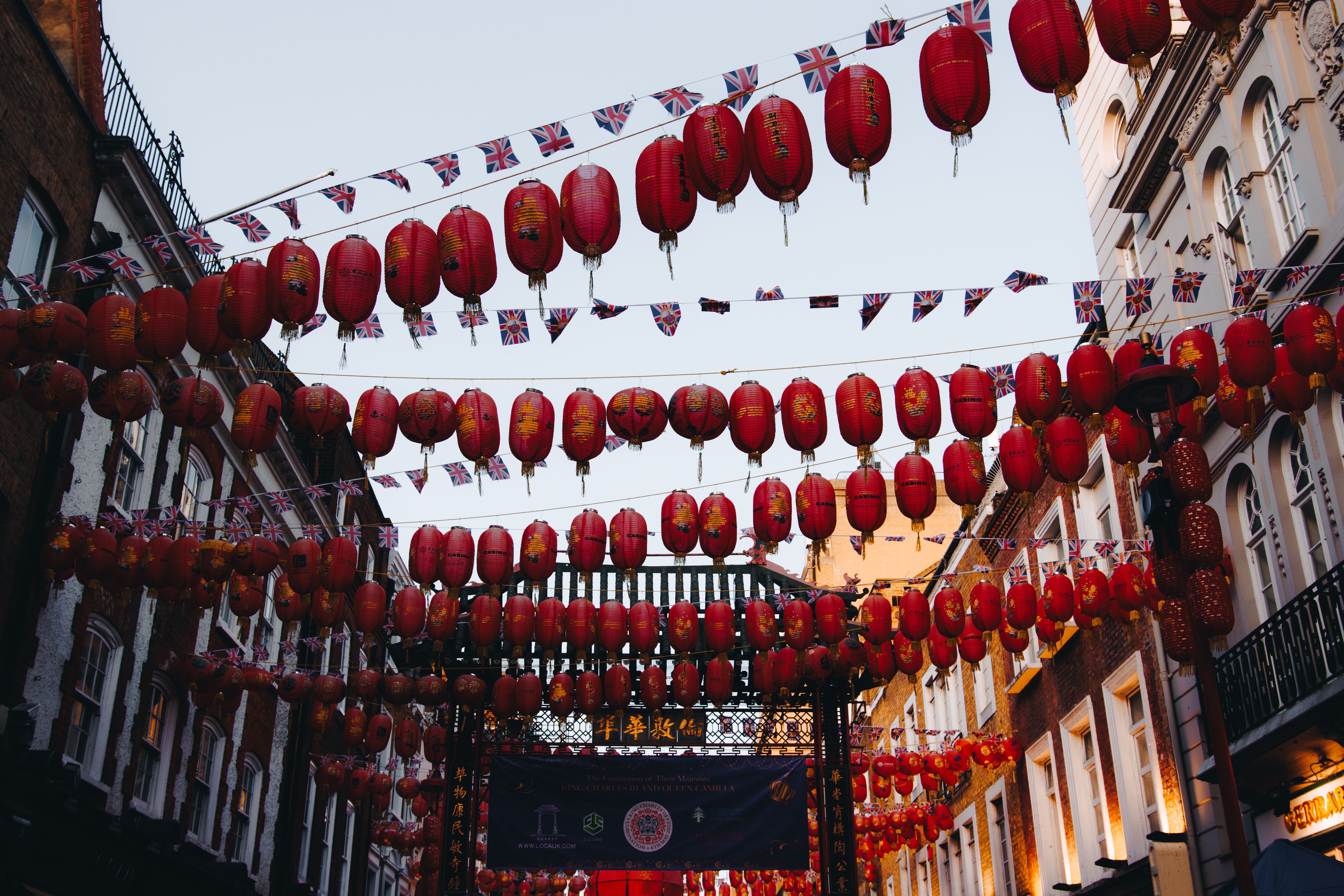
I turned a corner in Chinatown and nearly walked straight past the entrance to Thian Hock Keng temple—not because it was hidden, but because I was scanning my phone instead of looking up. The moment I stepped inside, the air shifted: incense smoke, the sound of coins dropping into offering boxes, and suddenly I was standing in 1839, in the oldest Chinese temple in Singapore. This is the real trick to Singapore’s heritage walks—the layers of history aren’t always obvious from street level, and they’re definitely not obvious if you’re checking Instagram.
Chinatown is the obvious starting point, and for good reason. Walk Pagoda Street (the narrow one, not the main drag) and you’ll see the actual shophouses where merchants lived above their businesses—not a single one has been turned into a bubble tea franchise. Clan temples line the side streets; entry is free, and locals won’t mind if you’re quietly respectful. Budget 2–3 hours here. Meals run SGD 3–6 for a proper bowl of wonton noodles; skip the tourist restaurants facing the main street entirely.
From there, cross the Singapore River to Colonial Singapore. The Asian Civilisations Museum (SGD 15 entry) sits in a restored neoclassical building that’s worth the price just to stand inside. Walk toward Fort Canning Park—most tourists miss it entirely, heading straight to Marina Bay instead. The park holds Singapore’s oldest European cemetery and the ruins of Fort Canning itself. The trade-off: it’s humid, there’s minimal shade, and you’ll need water. Go early, around 7 a.m., when locals are doing tai chi and the air is almost breathable.
One critical detail: many heritage sites have specific opening hours that change without warning during Muslim or Chinese holidays. Check ahead. Also, “heritage walk” doesn’t mean air-conditioned—Singapore’s humidity is relentless in these older neighborhoods because the buildings predate modern cooling. Dress in breathable fabric, not cotton, and bring a small umbrella (not just for rain; it’s essential sun protection).
Little India’s heritage is grittier and more lived-in than Chinatown’s. Walk Serangoon Road on a weekday morning, not a weekend when it’s crowded with shoppers. The Sri Veeramakaliamman Temple is genuinely active—you might catch morning prayers. This neighborhood teaches you something most guidebooks skip: Singapore’s heritage isn’t preserved in amber. It’s messy, functional, and still being lived.
Singapore Travel Tips: Walking Like a Local (Not a Lost Tourist)

I learned the hard way that Singapore’s humidity doesn’t just make you sweat—it makes you *move* differently. On my third day, I watched locals glide between air-conditioned spaces with surgical precision, never lingering in the open air longer than necessary. They weren’t rushing; they were strategizing. The real walking hack isn’t about pace—it’s about timing. Walk early (6–8 AM) or after 7 PM when the heat drops below 28°C and the streets feel genuinely pleasant. Midday walking is possible, but you’ll be the only one doing it, and your clothes will know.
Dress for the walk you want, not the temperature. Cotton and linen seem logical in heat, but locals wear lightweight synthetic fabrics that dry instantly. Invest in a good pair of walking shoes before you arrive—Singapore’s pavements are impeccably maintained, but they’re also unforgiving. Bring a compact umbrella not for rain (though afternoon showers are common) but for sun protection; locals use them religiously. A small crossbody bag works better than a backpack; you’ll be ducking in and out of malls and MRT stations constantly, and a backpack marks you as someone who hasn’t figured out the rhythm yet.
Here’s what most guides miss: use the MRT as a walking tool, not just transport. A single journey costs SGD 0.73–2.50 depending on distance. Locals walk 10–15 minutes to a station, take one or two stops, then walk another 10 minutes to their destination. It’s faster than walking end-to-end and keeps you out of the heat. Download the MRT map offline and study which exits lead where—some stations have five exits, and choosing wrong adds 5–10 minutes to your walk.
One cultural note that will genuinely improve your experience: Singaporeans queue *everywhere*, and they expect you to as well. At bus stops, at food stalls, at crossing signals. Don’t cut lines, even if space seems available. It’s not just politeness—it’s the social contract. Violate it, and you’ll feel the weight of silent disapproval from every direction.
Singapore Hidden Gems: Secret Walks Beyond the Postcard Sights
I stumbled into Tiong Bahru on a Tuesday afternoon when I’d meant to catch the MRT back to my hotel. The neighbourhood’s art deco shophouses—pastel pink, faded yellow, cream—caught the low sun at exactly the angle that made them look like a film set from the 1950s. No Marina Bay Sands selfie stick in sight. This is where Singapore’s actual texture lives, in the pockets most first-timers never reach.
Tiong Bahru (MRT: Tiong Bahru station, exit A) is a 15-minute walk of interconnected lanes where wet markets still operate on the ground floor of residential blocks, and elderly uncles play chess outside coffee shops charging 1.50 SGD for kopi. The bakery at 56 Eng Hoon Street has been making Portuguese egg tarts since 1985—locals queue before 10 AM. The real mistake tourists make here is treating it as a backdrop; spend at least two hours sitting in a corner, watching the rhythm of actual neighborhood life.
Then there’s Kampong Glam, which most guides mention but few explore beyond Haji Lane’s Instagram-bait murals. Walk instead through the residential streets behind Masjid Sultan—Bussorah Street, Kandahar Street, Maulana Street—where Malay families have lived for generations. The smell of turmeric and dried fish from home kitchens is genuine, not curated. A proper roti prata costs 1.20 SGD at any corner stall. The etiquette here matters: if you’re photographing the mosque, ask permission first, and remove your shoes if entering.
Joo Chiat Road (MRT: Paya Lebar, then bus 14) is where Peranakan culture actually breathes. The shophouses here are painted in jewel tones—deep greens, burnt oranges, midnight blues—with intricate tile work that takes 20 minutes to properly examine. This area was nearly demolished in the 2000s; preservation happened because residents fought for it. That history matters when you’re walking it. Budget 3-4 hours, eat at a proper Peranakan restaurant (expect 12-18 SGD per dish), and accept that this is not a polished attraction—it’s a living neighborhood that happens to be beautiful.
Singapore Travel Checklist: Planning Your Walking Days (The Practical Stuff)

I learned the hard way that Singapore’s humidity doesn’t care about your hydration strategy. I collapsed into a café in Tiong Bahru after just three hours of walking, having underestimated how quickly dehydration hits when you’re moving between air-conditioned malls and 32°C streets. Here’s what actually matters when you’re planning real walking days.
Footwear and timing are non-negotiable. Wear broken-in shoes with grip — pavements are smooth and can be slippery when wet, and blisters will end your trip faster than any attraction will improve it. Start walks at 7 a.m. or after 5 p.m. The midday heat (11 a.m.–3 p.m.) isn’t just uncomfortable; it’s genuinely dangerous. I’ve watched tourists turn visibly unwell by noon. Locals know this. You should too.
Budget SGD 5–8 daily for water and transport top-ups. A 500ml bottle costs SGD 2–3 at convenience stores; refill stations exist but aren’t always obvious. The EZ-Link card (SGD 12 initial cost, then top up as needed) is essential — single rides cost SGD 0.90–2.20 depending on distance. Walking is free, but you’ll need the card for inevitable MRT trips when your legs give out. Most visitors underestimate how often they’ll use public transport between walking zones.
Dress code matters more than you’d think. Temples, mosques, and some religious sites require covered shoulders and knees. Carry a lightweight sarong or scarf — they’re sold everywhere for SGD 5–15 and fold into a backpack. Singapore is cosmopolitan, but respect for sacred spaces is non-negotiable. I saw a tourist turned away from a temple in Katong because of exposed shoulders; she could have avoided the frustration.
Check the weather app obsessively. Afternoon thunderstorms are predictable but intense. They pass quickly (usually 20–30 minutes), but you’ll be soaked. Plan indoor activities for predicted storm hours, or embrace it — locals do. Bring a compact umbrella (SGD 3–8) rather than relying on sudden shelter.
Download offline maps. Google Maps works, but having a backup offline map (like Maps.me) saved me twice when data signals dropped in older neighbourhoods. Your phone battery will drain faster than expected in the heat; carry a portable charger (SGD 15–30).
To Conclude
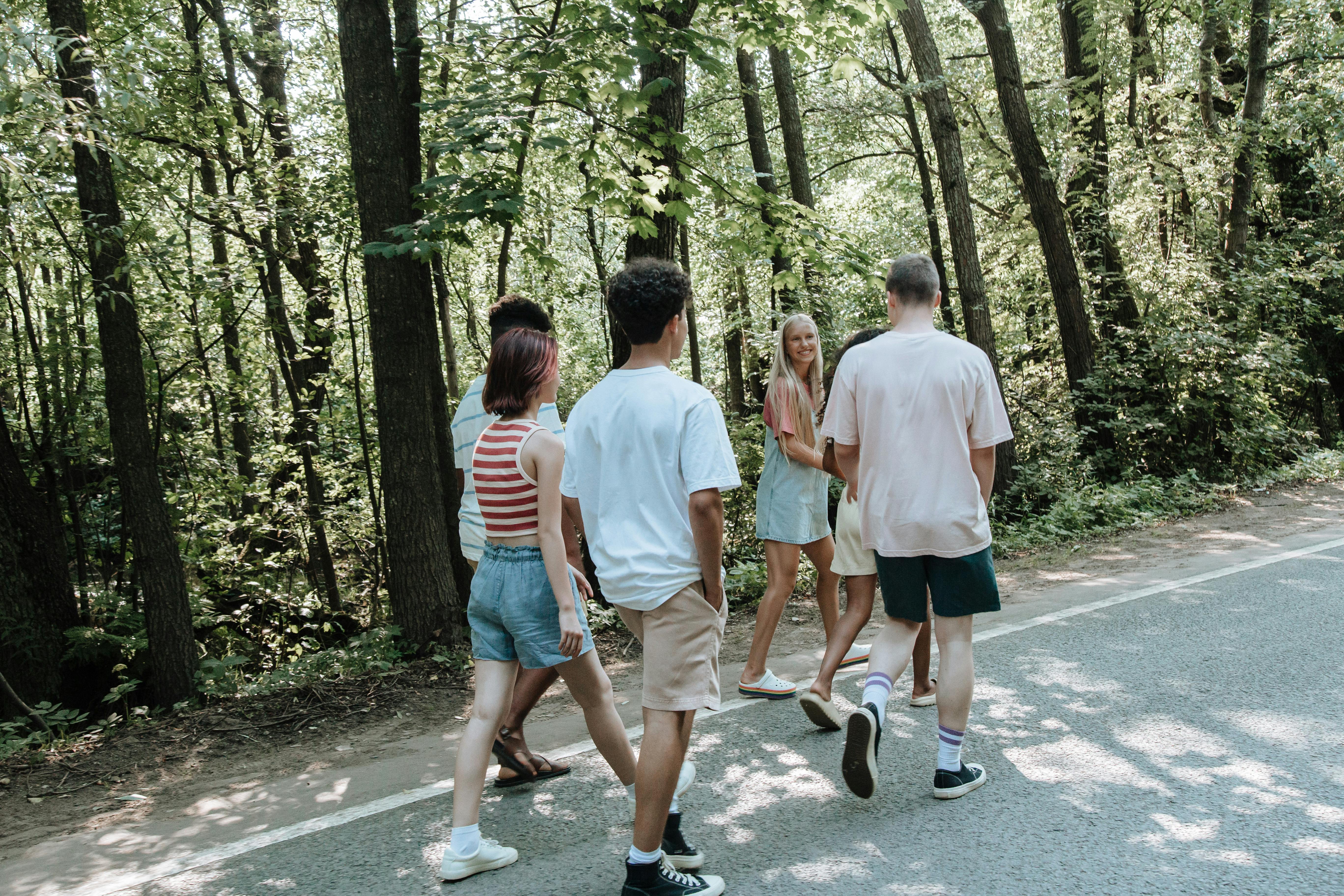
I walked out of Tiong Bahru at dusk on my last evening, the vintage shophouses glowing amber under the street lamps, and realized I’d covered maybe fifteen kilometers that day without once feeling like I’d “done” Singapore. That’s the real takeaway: this city isn’t about ticking boxes. It’s about moving through neighborhoods on foot, letting the grid shift beneath you—from the colonial grandeur of the CBD to the hawker-stall intimacy of Geylang, from the manicured gardens of the Botanic to the raw authenticity of Joo Chiat’s peeling murals. You now have the neighborhood-by-neighborhood map, the heritage routes, the practical logistics (yes, bring water; yes, the MRT will be your friend on hot days), and the insider knowledge that gets you past the Marina Bay selfie crowds. You know where locals actually eat, which side streets reward wandering, and how to move through this place like someone who belongs here, not someone passing through.
But here’s what I want you to do next: pick one neighborhood from this guide—not the most famous one, but the one that genuinely intrigues you—and spend a full morning there without a rigid itinerary. Sit at a coffee shop. Get lost on purpose. Talk to a shopkeeper. Notice what the locals are eating for breakfast, which MTR exit they use, where the real energy lives. That single neighborhood, explored slowly and without agenda, will teach you more about Singapore than any checklist ever could. And when you do that, you’ll stop thinking of Singapore as a place to “conquer” and start understanding it as a place to inhabit, even briefly. That’s when walking through it stops being exercise and becomes something closer to meditation.
Safe travels. Bring good shoes, respect the rules, and don’t miss the quiet moments between the landmarks.