Best things to do in Custer State Park

I rounded the bend on Wildlife Loop Road just as a bison herd materialized through the dust—maybe thirty of them, moving across the prairie like a living geography lesson.
That’s when I realized Custer State Park isn’t just another scenic drive. It’s one of South Dakota’s most underrated destinations, where you can see wild animals without a safari, hike granite needles that feel like another planet, and find yourself genuinely alone on trails that most tourists miss entirely.
This guide covers exactly what to do here: the famous Wildlife Loop Road (and why early morning matters), Needles Highway’s stunning switchbacks, the best hiking trails by difficulty level, and where to eat without tourist markup prices.
You’ll also learn the local etiquette that keeps you safe around buffalo, which months actually have decent weather, and the one common mistake that wastes half your day. Whether you’re planning a weekend or a full week, this park rewards anyone willing to look beyond the parking lot views.
Planning a Trip to Custer State Park: What You Need to Know First
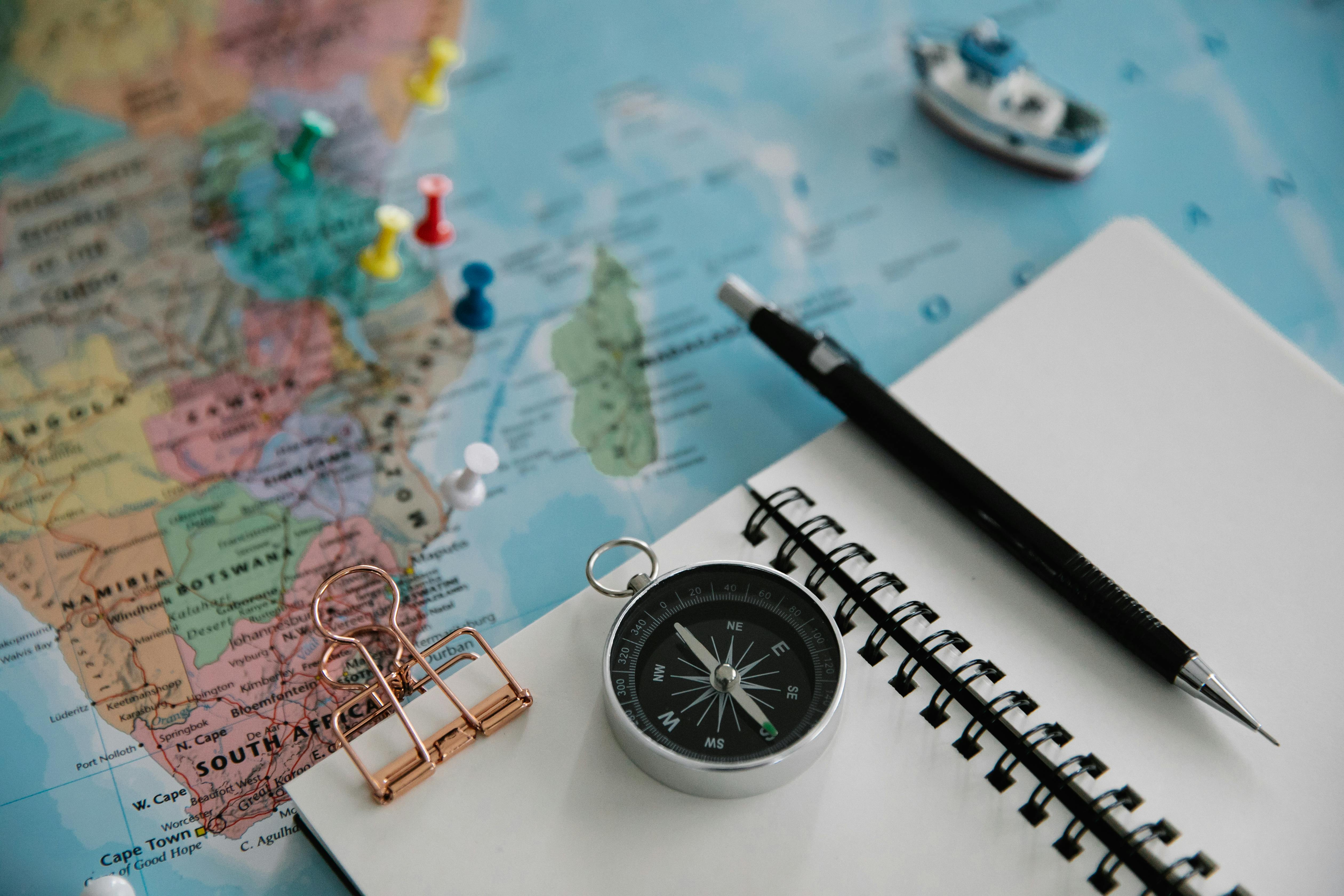
I pulled into the park’s Iron Mountain Road entrance at 7:15 a.m. on a mid-June morning, and the first thing that hit me wasn’t the scenery—it was the realization that I’d nearly arrived during peak season without a reservation. The ranger at the gate gave me a knowing look when I asked about lodging. “You’re lucky,” she said. “Three weeks from now, you’d be turned away.” That conversation set the tone for everything I learned about visiting Custer State Park: timing matters enormously here, and planning ahead isn’t optional.
The park spans 71,000 acres in the Black Hills, and while it’s open year-round, May through September is genuinely packed. If you can visit in April or October, you’ll dodge crowds and still have reliable weather—though mornings stay cold. Winter (December–February) brings snow that can close some roads, but it’s stunningly quiet if you’re equipped for it. The park entrance fee is $15 per vehicle for a day pass, or $30 for an annual pass that covers all South Dakota state parks. That annual pass pays for itself after two visits.
Here’s what most guides skip: you need at least two full days to experience the park properly. A rushed day-trip means choosing between the Wildlife Loop Road and hiking, not doing both. Budget accordingly. Accommodation inside the park ranges from $89–$179 per night for cabin rentals (book these by February for summer), or camp for $20–$30 nightly. The nearest town, Custer, offers budget motels from $60–$90, though quality varies wildly.
Bring cash—not everywhere in the park accepts cards, and cell service is patchy. The park is free of entrance gates once you’ve paid; roads are well-maintained but narrow in places, especially Needles Highway. A cultural note: this land is sacred to the Lakota people, and the Black Hills remain contested territory. Visiting respectfully means understanding that history, not just enjoying the landscape. Stop at the visitor center near the main entrance for maps and current conditions; it’s worth the 10-minute detour and costs nothing.
Things to Do in Custer State Park: Wildlife Loop Road
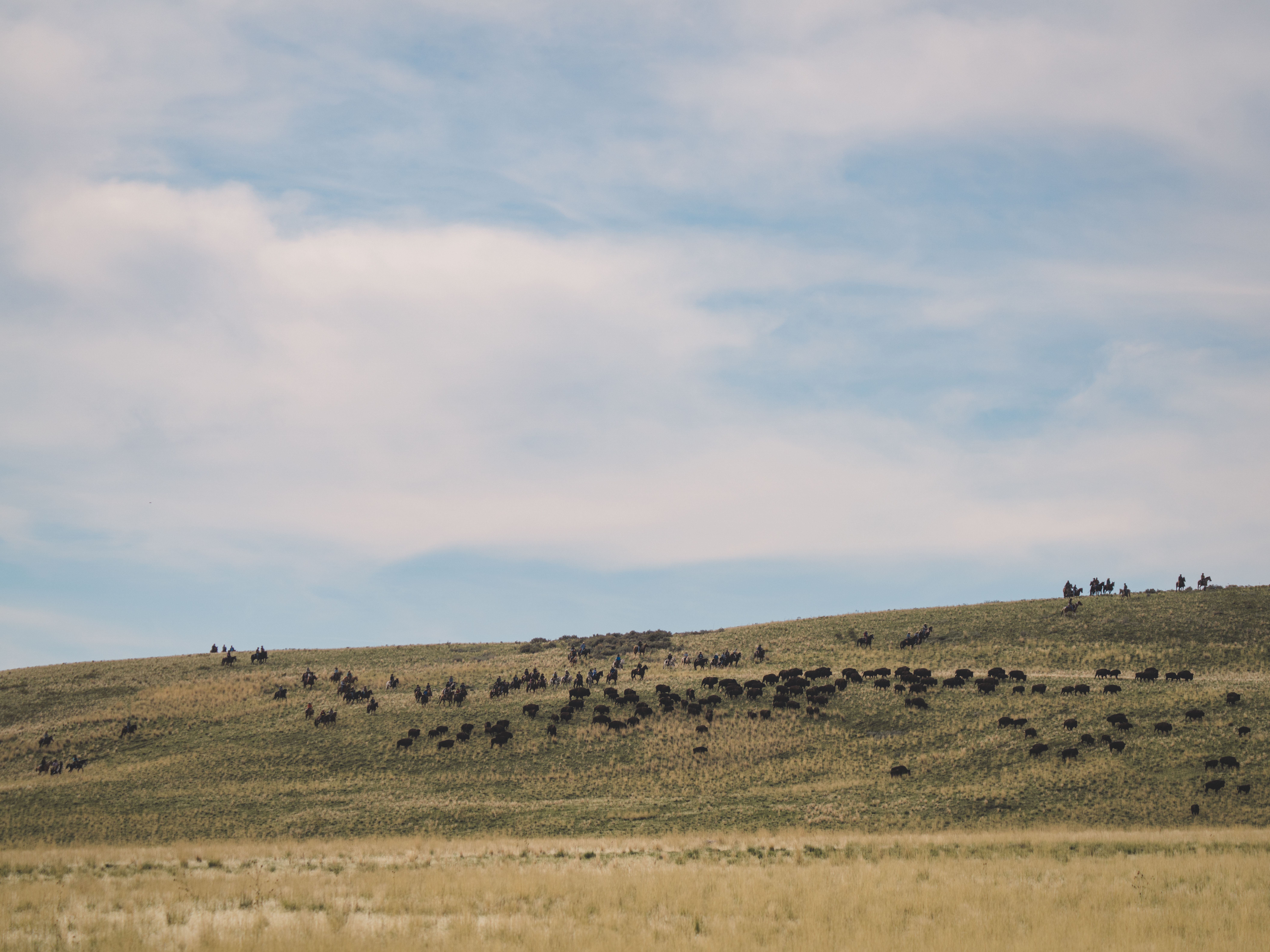
I rounded a bend on the Wildlife Loop Road and nearly collided with a bison the size of a parked car. It didn’t flinch. I did—hard enough to stall the engine. This 18-mile circuit is the park’s signature drive, and it’s not a leisurely scenic route; it’s a genuine wildlife encounter where you’re the visitor in their territory.
The loop costs $15 per vehicle to enter (separate from park admission if you haven’t already paid the $8 day-use fee), and you can start from either the north or south entrance—I’d recommend south to avoid afternoon sun glare on your windshield. Drive slowly. This isn’t hyperbole; the park posts speed limits at 20 mph, and you’ll want to go slower. Bison, elk, mule deer, and pronghorn antelope roam freely here, and they have zero interest in your schedule. Bring binoculars—serious ones. A 10×42 pair will let you spot elk herds in the distant meadows without getting close enough to stress the animals.
Most visitors make a critical mistake: they treat this like a highway and blast through in 45 minutes. The park rangers told me the best sightings happen between 6 and 8 a.m. or after 5 p.m. when animals are actively grazing. I did an early loop on my second morning and saw more wildlife in two hours than the previous afternoon’s entire drive. If you’re visiting June through August, aim for that dawn window—the light is magical anyway, and you’ll have the road nearly to yourself.
One local custom worth respecting: if you see other vehicles pulled over, don’t assume there’s an accident. Stop and ask what they’re watching. Wildlife watchers in South Dakota are genuinely helpful and will point you toward recent sightings. It’s a small courtesy that often leads to better experiences than you’d find alone.
Pack water and snacks—there are no facilities along the loop. Bring a full tank of gas. And honestly? Go twice if you can. The loop reveals itself differently depending on season and time of day.
Must See South Dakota: Needles Highway and Scenic Byways
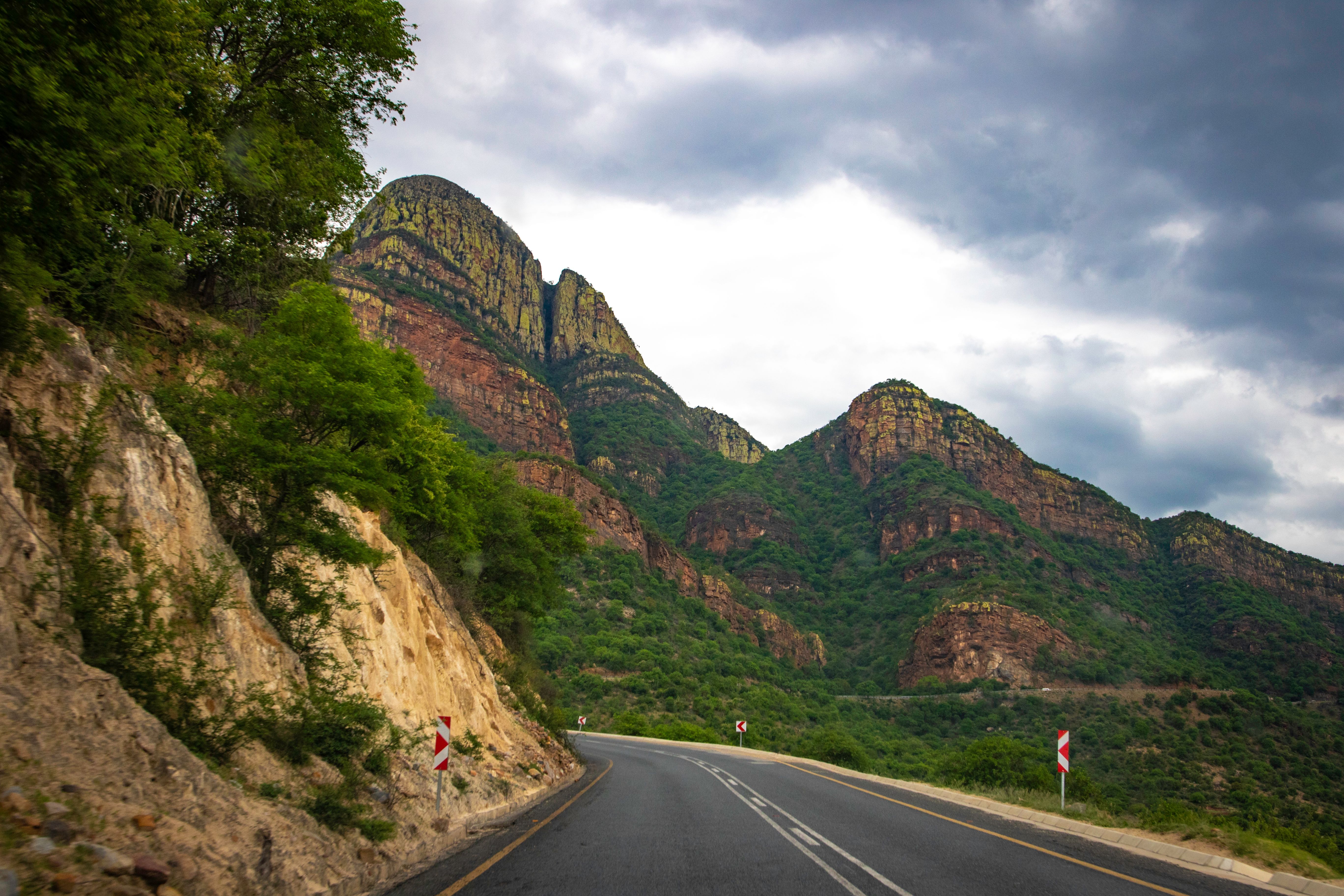
I took the Needles Highway at sunset, and my hands gripped the steering wheel tighter with each hairpin turn. The granite spires rose so close I could have reached out the window and touched them—except I was too focused on navigating the 14-mile tunnel of rock that felt less like a road and more like driving through a cathedral. This is the experience Needles Highway delivers: genuine awe paired with the kind of driving that demands your full attention.
The highway loops through the park’s most dramatic geology, with three tunnels carved directly through the Needles themselves. Most visitors miss the critical detail: the road is narrow (averaging 24 feet) and winding, making it unsuitable for trailers or RVs over 40 feet—but also making it gloriously free of the massive tour buses that clog other park roads. Drive it in the early morning or late afternoon when light hits the granite differently, and you’ll understand why locals consider this the park’s true centerpiece.
The route costs nothing beyond your $15 park entrance fee (valid seven days), and there are four pullouts worth your time: Sylvan Lake trailhead at the south end, Harney Peak viewpoint, Cathedral Spires overlook, and the Iron Mountain Road junction. Harney Peak—South Dakota’s highest point at 7,242 feet—is visible from multiple overlooks, though reaching the summit requires a separate 3.2-mile hike I’ll cover later. The Cathedral Spires pullout is where I saw two mule deer step directly onto the road at dusk; they had zero concern for my car. This is not a gentle wildlife encounter—it’s a reminder that you’re passing through their territory.
One thing most guides gloss over: the road can be icy well into April and occasionally closes for winter maintenance. Check the park website before you go. Also, cell service is spotty to nonexistent along the entire loop, so download offline maps. The drive takes 30 minutes without stops, but plan 90 minutes if you’re stopping at overlooks. This isn’t a shortcut through the park—it’s the reason you came.
Things to Do in Custer South Dakota: Top Hiking Trails
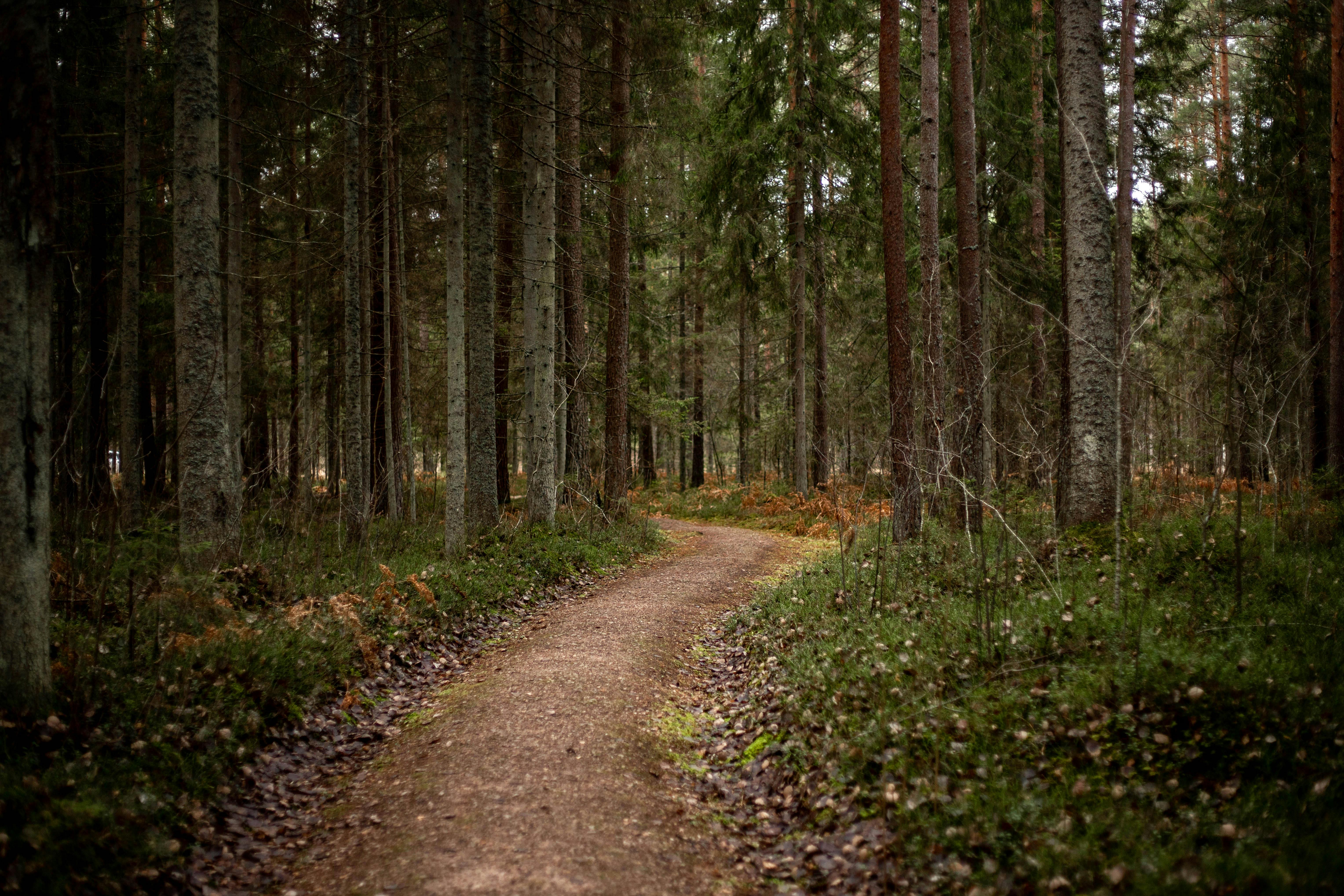
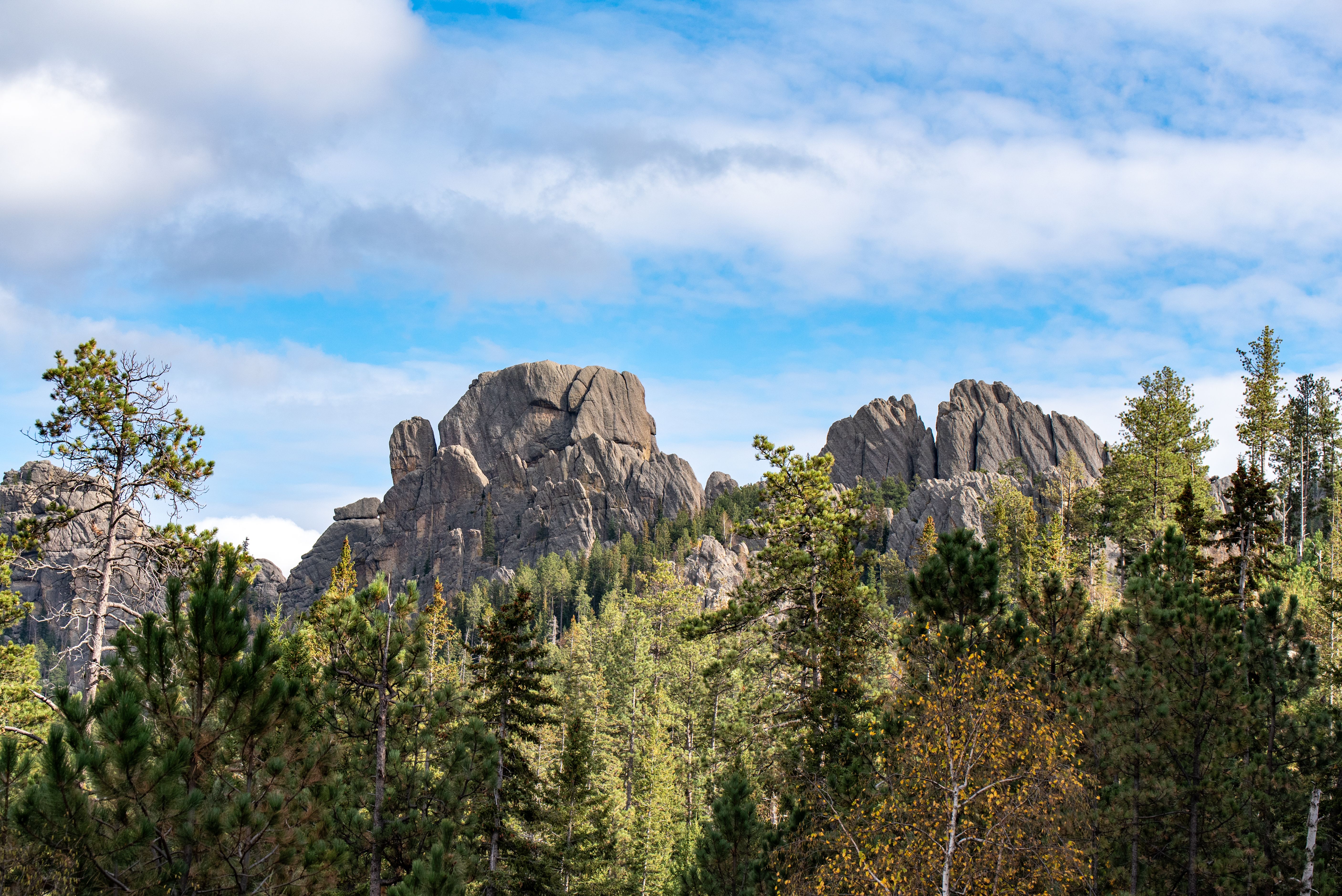
I stepped onto the Cathedral Spires Trail at dawn, before the parking lot filled, and immediately understood why locals guard this hike like a secret. The needle-like granite peaks emerge through ponderosa pines so suddenly that you forget you’re in South Dakota—it feels like you’ve stumbled into a Swiss Alps postcard. The 5.8-mile round trip (moderate difficulty, 1,100 feet elevation gain) takes roughly three hours and rewards you with views that make the Needles Highway look like a appetizer.
Most visitors skip the trail system entirely, assuming Custer State Park is only about the Wildlife Loop Road drive. That’s your advantage. The park has over 60 miles of maintained trails, and the best ones—Cathedral Spires, Harney Peak, Mount Rushmore View Trail—rarely feel crowded outside July and August. Harney Peak itself (3.3 miles one-way, strenuous, 1,400 feet gain) is South Dakota’s highest point at 7,242 feet. On clear days, you can see into Wyoming. The trade-off: the final half-mile is scrambling over bare rock with significant exposure; it’s not technical climbing, but it demands respect and good boots.
Here’s what most guidebooks miss: bring more water than you think you need. The granite terrain reflects intense afternoon heat, and shade is sparse above 6,500 feet. I saw three hikers turned back in early September because they’d underestimated the sun. Start early (trailheads fill by 9 a.m. in peak season), and check conditions at the visitor center—afternoon thunderstorms can roll in with almost no warning, especially July through September.
Parking costs $15 per vehicle for a day pass ($50 annual). Trailhead parking is first-come, first-served; arrive by 8 a.m. if you want a guaranteed spot on weekends. The Cathedral Spires lot fills completely most days June through August. Winter (November–March) is quieter but brings snow above 6,500 feet; the trails don’t close, but you’ll need microspikes or crampons. Local etiquette: stay on marked trails—the fragile alpine ecosystem recovers slowly, and rangers take violations seriously.
Explore South Dakota State Parks: Sylvan Lake Activities
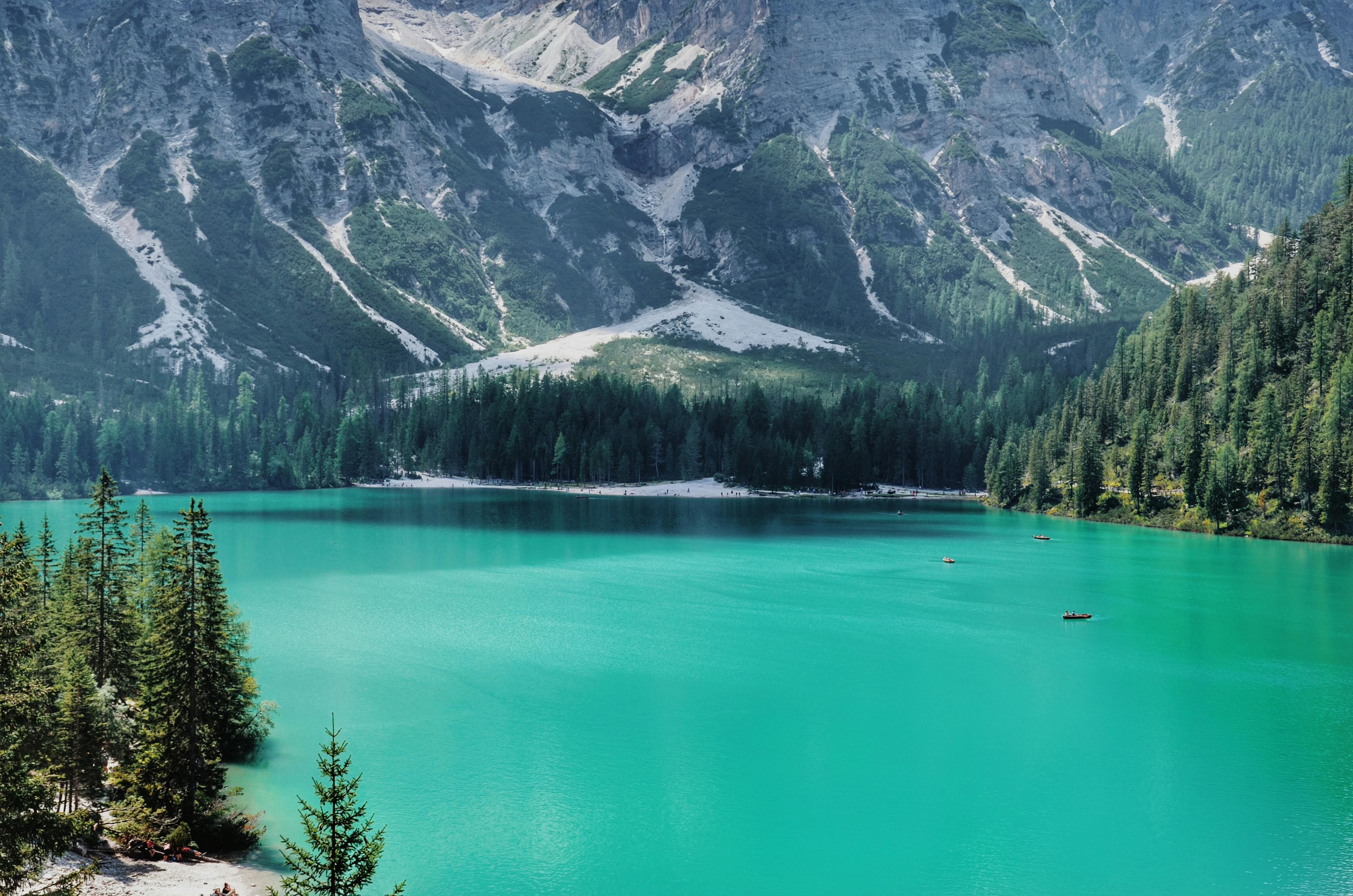
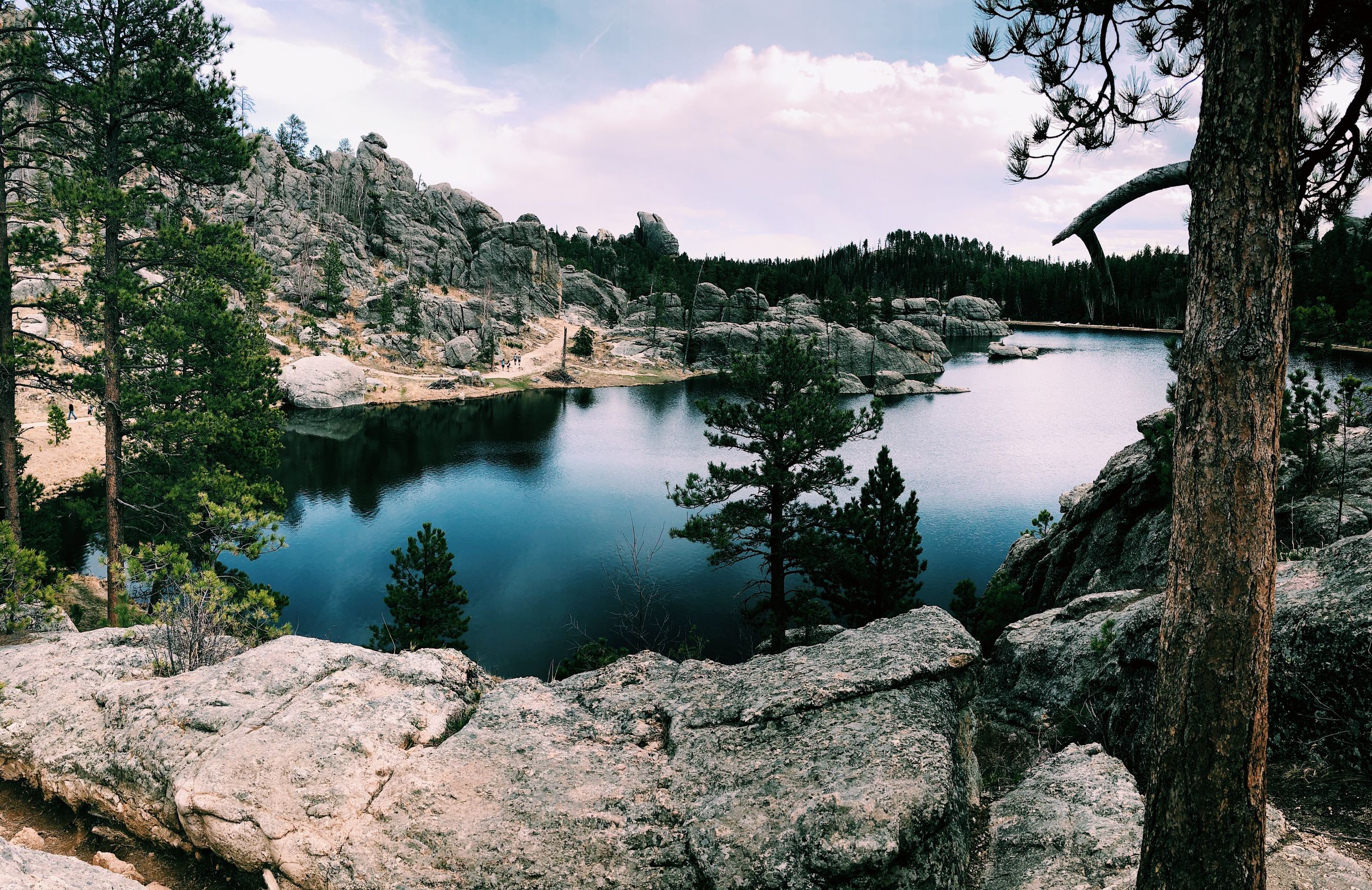
I arrived at Sylvan Lake just after sunrise, and the water was so still it looked like dark glass—until a bald eagle cut across it, shattering the reflection. This is the kind of moment that makes Sylvan Lake feel separate from the rest of Custer State Park, despite being only 7 miles away. It’s smaller, more intimate, and genuinely quieter if you time it right.
The lake itself sits at 6,200 feet elevation, ringed by granite peaks that photographers have been obsessing over since the 1800s. You can rent a rowboat for $20 per hour (cash only at the boathouse—bring bills), or if you’re not a rower, the shoreline walk is genuinely lovely. The 1.5-mile loop around the lake takes about 45 minutes and stays flat; it’s the rare Custer Park activity that doesn’t require serious leg strength. Fishing is decent here for brook and rainbow trout, though the early morning bite (before 8 a.m.) is noticeably better than midday.
The real secret most visitors miss: the lake’s north shore has a series of granite outcroppings that are perfect for picnicking without the crowds. Pack sandwiches from Hill City (20 minutes away) rather than buying overpriced food at the lodge. A deli sandwich runs $12–15 in town versus $18–22 at the park concession.
One cultural note worth respecting: this area is sacred to several Native American tribes, particularly the Lakota. The names on the landscape—Harney Peak, Cathedral Spires—reflect a colonial history that’s increasingly being acknowledged. Many locals and park staff appreciate when visitors approach the landscape with that awareness, not as untouched wilderness but as a place with deep human history.
The main drawback: Sylvan Lake Lodge fills up fast in July and August, and the parking lot genuinely maxes out by 10 a.m. on weekends. Come in June or September if you can. Winter access closes mid-November, and the road doesn’t reopen until late April—worth planning around if you’re visiting off-season.
Best Parks in South Dakota: Where to Stay and Eat in Custer
I made the mistake of arriving in Custer at 6 p.m. on a Saturday in July without a reservation, and I watched the last motel room in town get claimed by a family from Nebraska. The lesson: book ahead, especially June through August. But here’s what most guides won’t tell you—if you’re flexible on timing, late August to early September offers nearly identical weather with half the crowds and actual availability at reasonable rates.
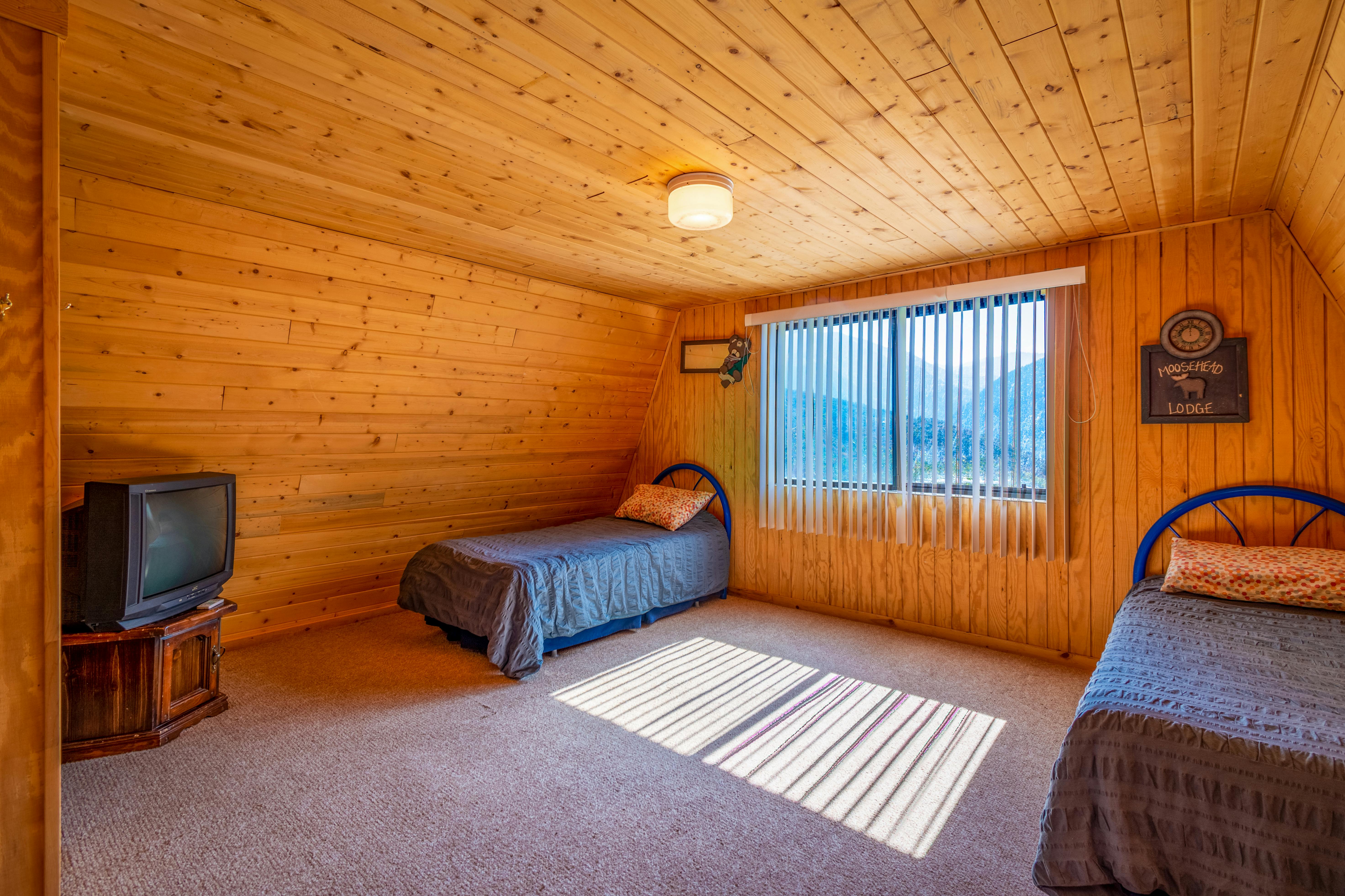
For lodging, your options split cleanly by budget. The Custer State Park Resort (inside the park boundary) runs $120–$180 per night for basic cabins with no frills—no TV, no wifi—which sounds spartan until you realize you’re steps from trailheads and wildlife. Book these months ahead. In town, the Custer Mansion Guest House offers mid-range comfort at $90–$130, with actual character; the owner knows which trails have the fewest tourists. Budget travelers should know about the KOA Campground just outside the park ($35–$50 for RV spots, $25 for tent sites), which has hot showers and a small store—crucial if you’re self-catering.
Eating in Custer requires one critical adjustment: abandon any expectation of fine dining. This is a town of 1,600 people. What you get instead is honest, filling food. Delmonico Grill serves the best steaks within 50 miles ($22–$38 mains), and their bison burger is worth the 45-minute wait on summer weekends. For breakfast, the Custer Cafe does pancakes and coffee for under $10—arrive before 8 a.m. or eat standing up. The one local secret: the gas station deli on Main Street makes surprisingly solid sandwiches ($8–$12) perfect for packing into the park.
A practical note on etiquette: Custer locals are welcoming but tired of tourists treating the town like a theme park. Ask for recommendations rather than demanding them, and tip generously—service staff here work brutal seasonal hours. One more thing: the nearest decent grocery store is in Hill City, 25 minutes north. Stock up there if you’re cooking in a cabin.
In Closing
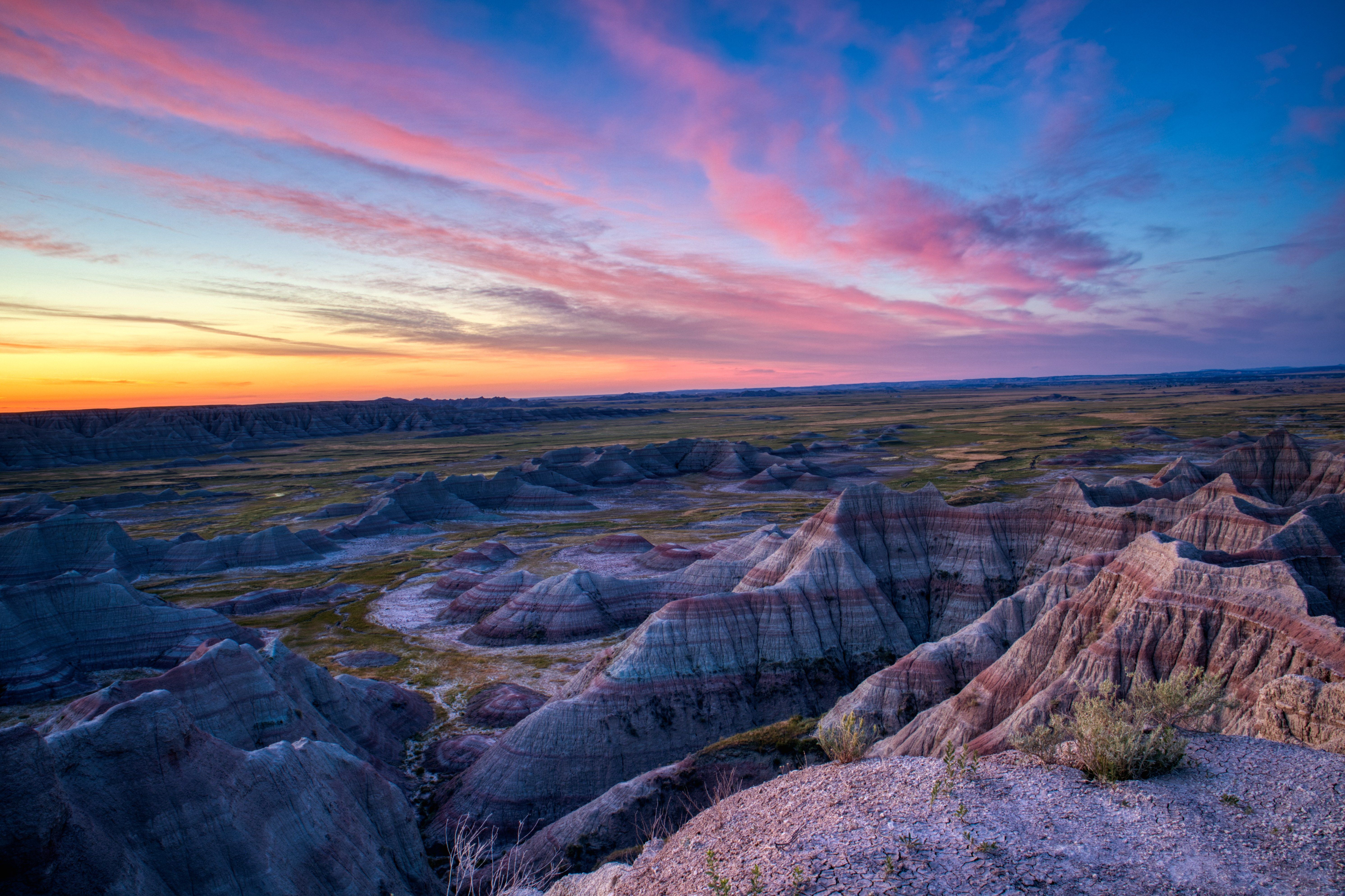
I left Custer State Park on a late September afternoon, dust still on my windshield from the Wildlife Loop, my legs pleasantly sore from the Cathedral Spires trail, and my phone full of bison photos I’d never show anyone because they all looked the same. But here’s what stayed with me: the park isn’t one thing. It’s not just the scenic drive, or the hiking, or Sylvan Lake’s mirror-still water at sunrise. It’s the collision of all of it—the way you can spend a morning dodging prairie dogs, lunch at a local café where the owner knows every regular’s order, an afternoon scrambling up granite needles, and an evening watching elk graze while the light goes gold. That’s the real draw.
The logistics are straightforward enough: arrive in late May through early September for reliable weather, budget $15 per vehicle for the park entrance (good for seven days), and plan for at least three full days if you want to do the park justice without feeling rushed. Skip the peak summer weeks of July and early August if crowds drain your soul—June and September offer nearly identical conditions with a fraction of the RVs. Stay in Custer town itself rather than inside the park’s lodges unless you’ve booked months ahead; you’ll save money and have better restaurant options. Bring more water than you think you need, especially on the Needles Highway—the granite reflects heat like a furnace.
The one thing most first-time visitors miss: the park is genuinely massive, and you cannot see everything in two days without treating it like a checklist instead of an experience. Pick your priorities. If wildlife matters most, spend your time on the Loop Road and the Iron Mountain Road. If you’re a hiker, commit to the trails and skip the scenic drives. If you want balance, accept that you’ll return—most people do.
Here’s your next move: check the park’s website for current road conditions and wildlife sightings (they update daily), then book your lodging now, even if your trip is months away. Custer fills up fast, and the difference between a convenient room and a 45-minute drive from the park entrance is the difference between a good trip and a great one. Then go. The bison will be waiting.