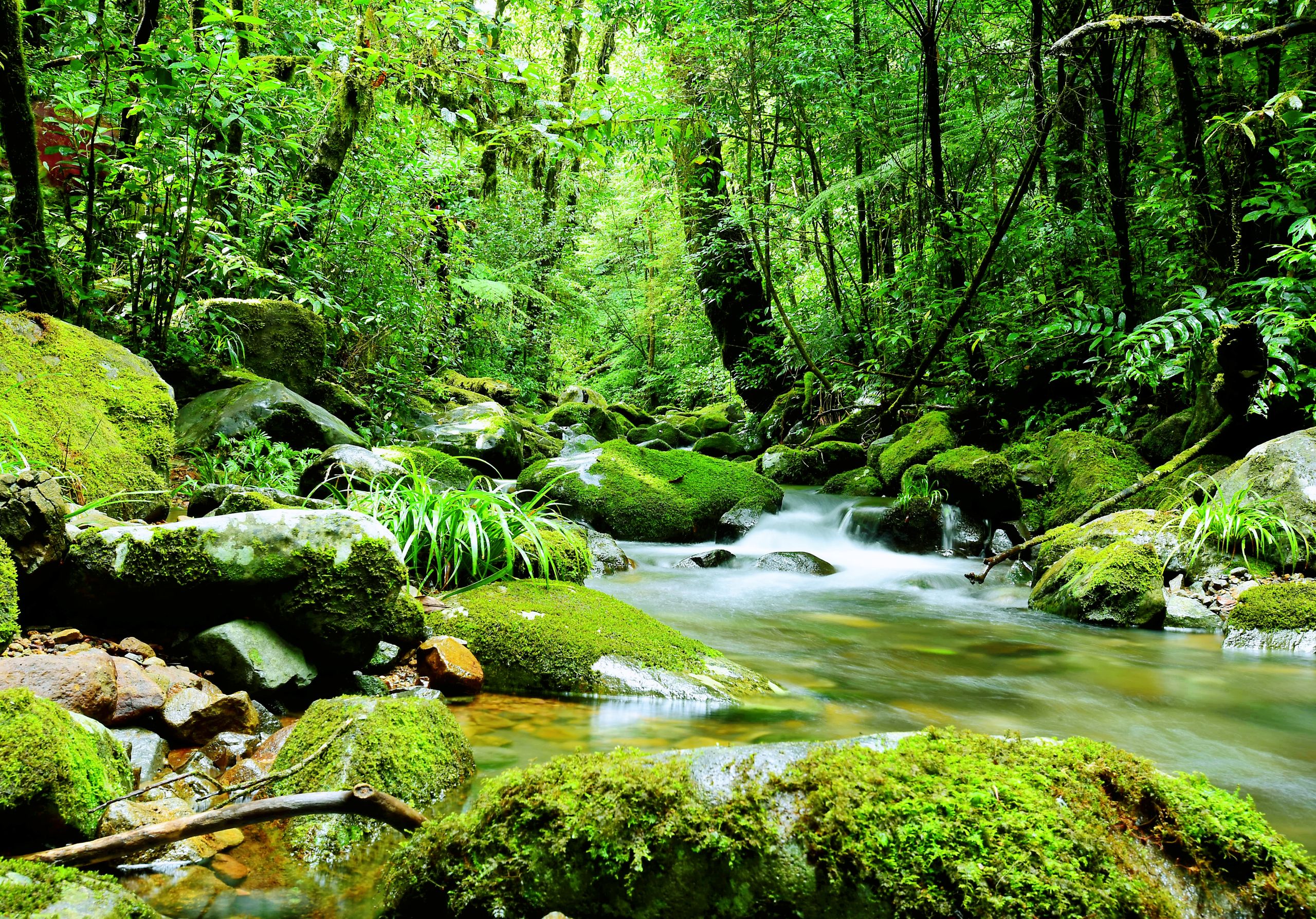
hoh rain forest expert guide

The moment I stepped off the wooden boardwalk and onto the moss-thick trail, my boot sank three inches into soil that felt alive—spongy, warm, releasing the smell of ancient decay and growth all at once. Rain had just stopped, but the canopy was so dense that water still dripped from ferns hanging fifteen feet overhead. This is the Hoh Rainforest, and it’s nothing like the Instagram version most people expect.
In this guide, you’ll get the exact logistics that matter: which trails stay passable year-round, why September beats July despite the crowds, specific accommodation costs from $0 (camping) to $180+ (nearby lodges), and the single most common mistake that turns a magical day into a miserable one. You’ll also learn why the Hoh demands respect—and how to give it the way locals do.
Hoh Rainforest Washington: Why This Forest Demands Your Attention
I stepped off the main trail for exactly ninety seconds to photograph a fallen Sitka spruce, and in that brief detour, I understood why people return to the Hoh Rainforest obsessively. The silence wasn’t the absence of sound—it was the presence of something older. Moss so thick it muffled my footsteps. Dripping water you could almost taste. A single Roosevelt elk watching me with the patient indifference of something that has seen ten thousand humans pass through its home.
The Hoh is not the Pacific Northwest’s most famous rainforest, and that’s precisely why it matters. While tourists crowd the Instagram-ready viewpoints of the temperate rainforests around Vancouver, this 140-square-mile pocket of primordial forest in Olympic National Park remains genuinely wild—and accessible enough that you won’t need mountaineering experience to feel it. The canopy here reaches 200 feet. Some trees are older than the American Revolution. The rainfall averages 140 inches annually, which sounds abstract until you realize that’s nearly four times what Seattle gets, and the forest’s entire architecture—the vertical gardens of epiphytes, the nurse logs that become ecosystems themselves—exists because of that relentless wet.
Here’s what most guides won’t tell you: the Hoh isn’t a single experience. A two-mile walk from the visitor center feels like a nature documentary. A full day on the Hoh River Trail, pushing toward Glacier Meadows, feels like you’ve stepped into a different geological epoch. And that matters for your planning, because the forest changes fundamentally depending on how far you venture. The lower valley is lush and accessible; the upper reaches demand fitness and time but reward you with silence so complete that your own breathing becomes strange.
One honest trade-off: the Hoh is muddy most of the year. Not metaphorically muddy—genuinely, deeply, boots-disappearing muddy. This isn’t a drawback if you’re prepared; it’s a feature that keeps the casual crowds at bay and makes the forest feel like something you’ve earned rather than simply visited. The moss-covered trees, the elk, the sense of being inside something that doesn’t care about your schedule—that’s what demands your attention.
Hoh Rainforest Washington State: Getting There & Essential Logistics
I arrived at the Hoh Rainforest trailhead on a Wednesday morning in late September, and the parking lot was already three-quarters full by 9 a.m.—a reality that most guides gloss over. Getting here requires deliberate planning, not just showing up. The forest sits on the western slope of Olympic National Park, roughly 90 minutes from the nearest town of any size (Forks, Washington), and there is no public transportation to the trailhead itself. You’ll need a car.
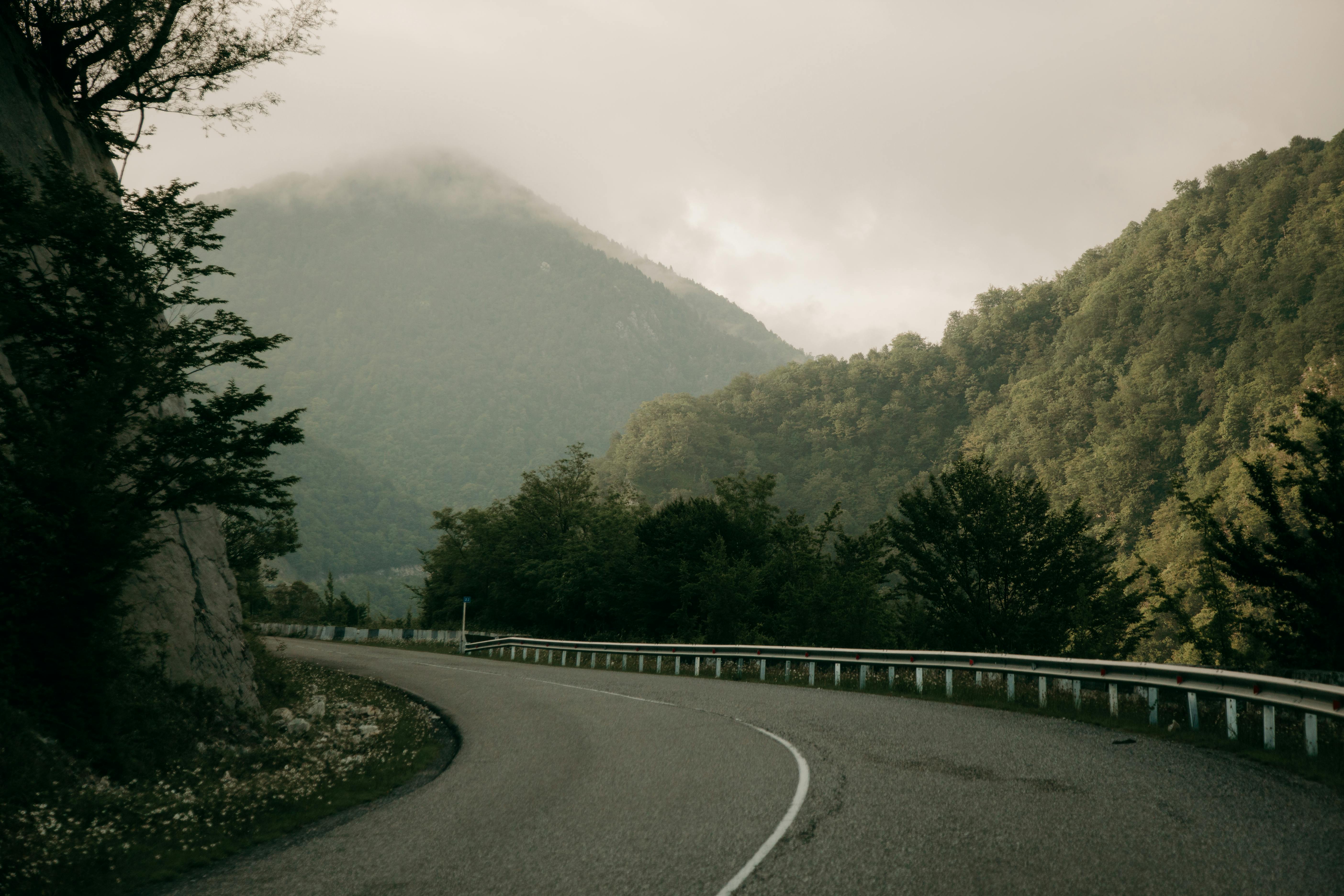
From Seattle, drive west on I-90 toward Olympia, then take US-101 northwest toward Port Angeles and Forks. The total drive is approximately 4.5 hours. Once you hit Forks, follow signs south for about 19 miles to the Hoh Rain Forest Visitor Center. The road narrows considerably in the final stretch—it’s paved but winding, and during winter storms (November through March), it can close without warning. Check the National Park Service website before departing; I’ve seen trips derailed by a single washout.
Parking at the trailhead costs nothing, but the lot fills by mid-morning during peak season (July–September). Arrive before 8 a.m. or plan to hike in the late afternoon. Olympic National Park charges $30 per vehicle for a seven-day pass (2026 rates), or $80 for an annual pass—worth it if you’re exploring multiple park zones. The visitor center is open year-round, typically 9 a.m. to 4 p.m., though hours contract in winter.
One critical detail most visitors miss: cell service is nonexistent at the trailhead and throughout the forest. Download offline maps and inform someone of your itinerary. The nearest gas station is in Forks (expect to pay 15–20% above state average). Bring cash—the visitor center’s small store accepts cards, but it’s unreliable. Fill your tank before leaving Forks; the drive back is long enough without fuel anxiety.
Washington State Rainforest Trail: The Complete Trail Breakdown
I rounded the bend at mile 1.2 on the Hoh River Trail and stopped dead. A Roosevelt elk, massive and utterly unbothered by my presence, stood knee-deep in the emerald water not thirty feet away. That’s the Hoh experience in a nutshell: the trails here aren’t obstacle courses designed to test your endurance—they’re intimate corridors through a living, breathing ecosystem where wildlife doesn’t perform on schedule.
The Hoh River Trail is the marquee hike, and for good reason. It’s 17.3 miles round-trip to the Blue Glacier viewpoint (most people turn around at mile 5 or 6 for a manageable day hike). The first three miles are deceptively flat—the forest floor is so spongy with moss and decomposing wood that your feet barely register impact. The trail hugs the river the entire way, and the water changes color depending on light and recent rainfall, shifting from milky grey to shocking turquoise. Most guidebooks won’t tell you this: the best wildlife viewing happens in the early morning between miles 1.5 and 2.5, where the forest opens slightly and elk congregate. I’ve seen three in a single morning, always between 6:30 and 8 a.m.
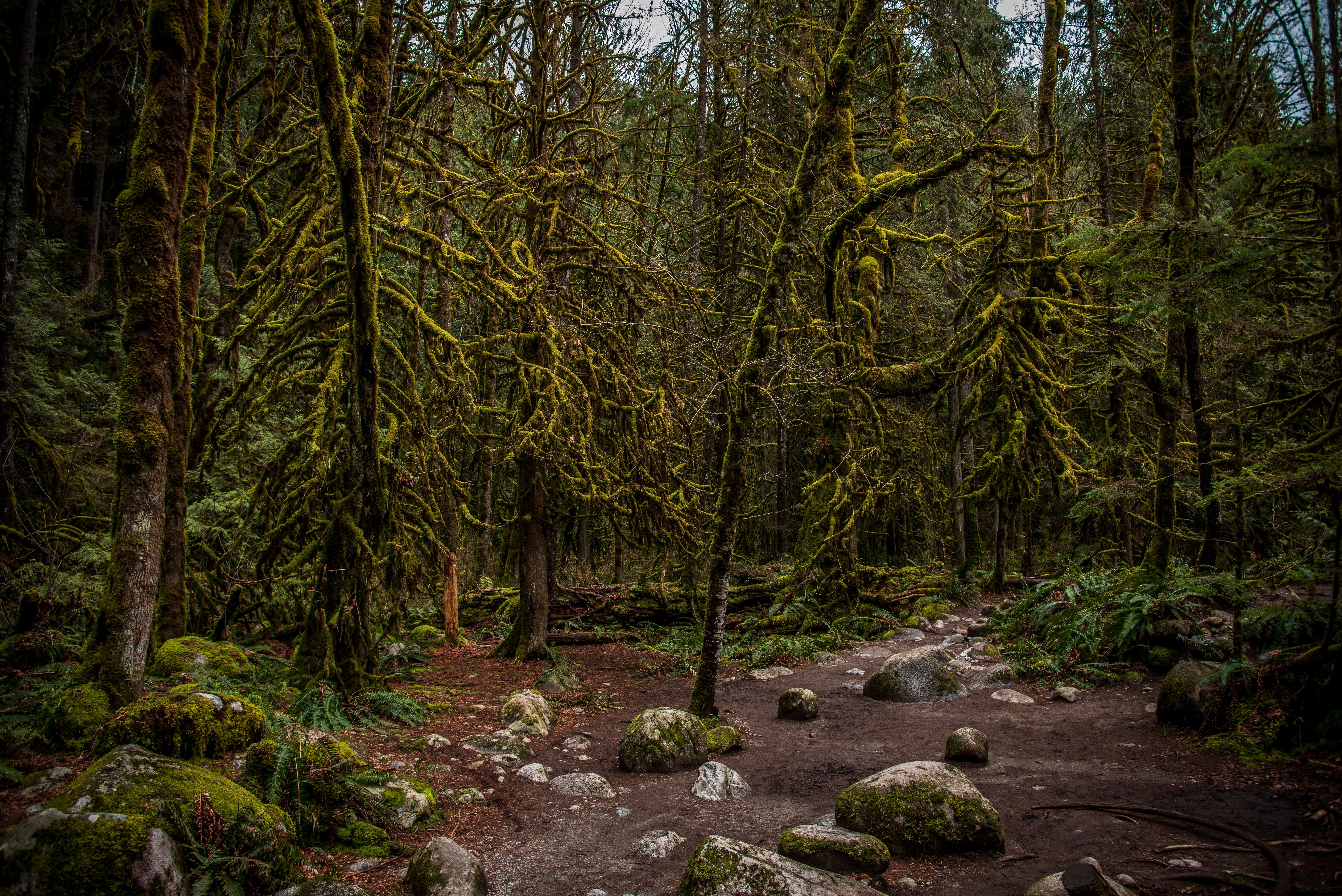
If you want something shorter, the Hall of Mosses Loop (0.8 miles) is the rainforest’s greatest hits compressed into a 20-minute walk. Expect crowds here—it’s Instagram-famous for a reason, with Sitka spruce and western hemlock draped in moss so thick it looks like the forest is wearing a costume. Go at opening time (the visitor center opens at 9 a.m.) if you want solitude, or embrace the chaos and go mid-afternoon when day-trippers have left.
The Spruce Nature Trail (1.2 miles) is underrated. It loops through old-growth forest without the river views, but the canopy here is so dense that even midday feels like dusk. Fewer people means more silence—and in a rainforest, silence is the real luxury.
One critical detail: the Hoh River Trail floods seasonally. Winter and spring runoff can make creek crossings treacherous or impassable. Always check conditions at the visitor center before committing to anything beyond mile 3.
Hoh National Rainforest: When to Visit for Your Perfect Experience
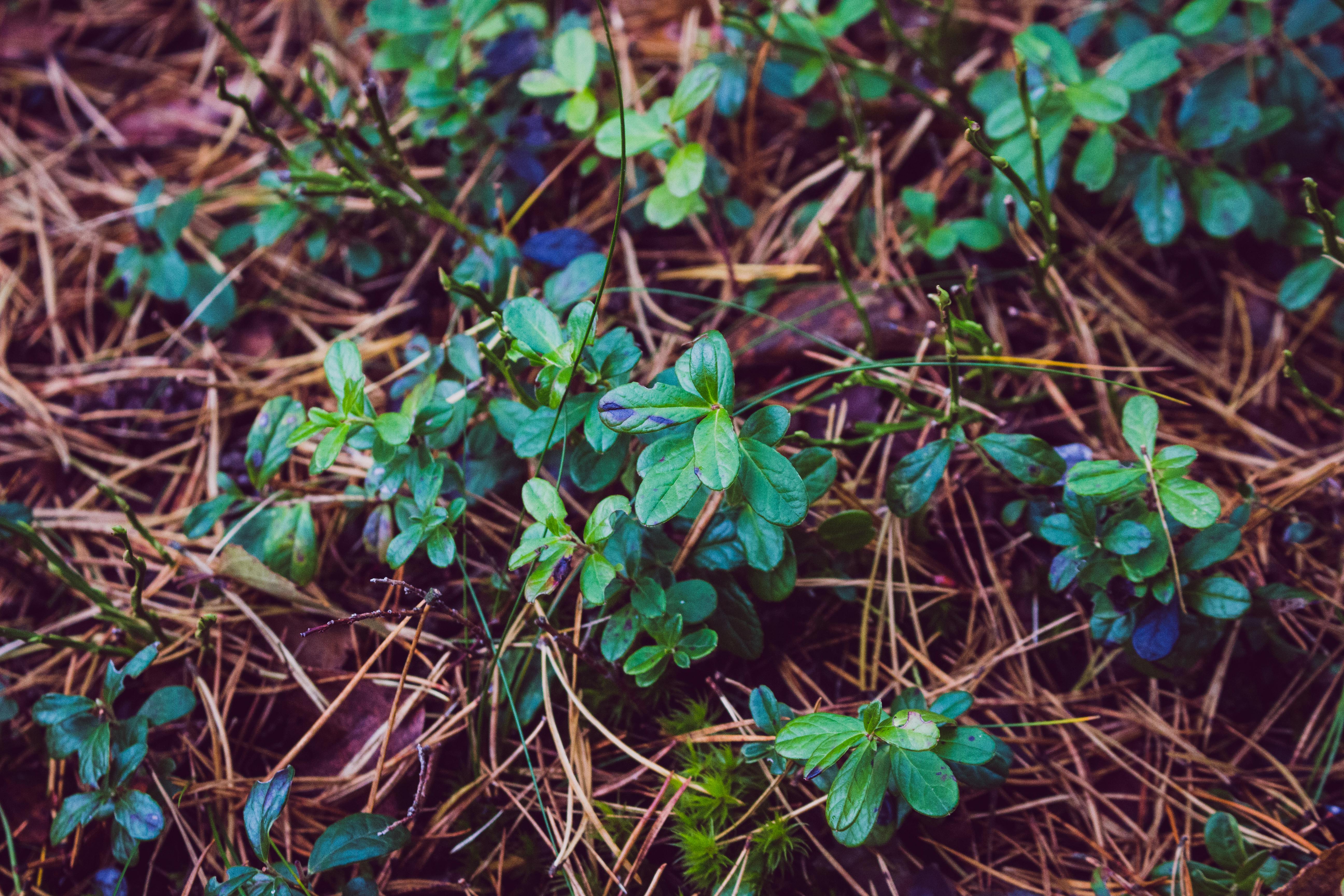
I stepped out of my car in July and immediately understood why locals call this place “the wettest spot in the contiguous US”—not because it was raining, but because the air itself felt like breathing through a wet towel. The moss-draped trees glistened under filtered sunlight, and the trail was busy but navigable. This is the paradox of timing the Hoh: the best weather window is also peak tourist season, and there’s a real trade-off between comfort and solitude.
July through September offers the most reliable dry spells, with average rainfall dropping to 8–12 inches monthly (compared to 20+ inches in winter). Temperatures hover between 55–65°F, which sounds cool but feels comfortable once you’re moving. The downside? The parking lot fills by 9 a.m., and the Hall of Mosses trail can feel like a nature-themed queue. If you can swing it, aim for early September when schools reopen and crowds thin noticeably—I’ve hiked the same trails in early September with a quarter of the July foot traffic.
Winter (November–March) is genuinely worth considering if you’re willing to embrace wet conditions. October and April are the sweet spots—fewer people, manageable rain (usually afternoon showers rather than all-day downpours), and the forest actually feels alive in a different way. The moss is impossibly green, the streams are full, and you might see Roosevelt elk more easily. The trade-off: mud. Serious, boot-sucking mud. Your feet will be wet; accept this upfront.
Avoid May and June if possible—spring rains combine with emerging tourists, and some trails get genuinely boggy. One critical detail most guides skip: the visitor center operates year-round, but ranger-led programs drop significantly after Labor Day. If guided interpretation matters to you, plan accordingly.
Realistically, there’s no “perfect” time—only the right time for your priorities. Dry legs and shorter lines rarely align. Decide whether you’re optimizing for weather, solitude, or both, and book accordingly.
Hoh Forest Washington: What to Pack and Wear (Non-Negotiables)

I learned the hard way that “rainforest” doesn’t mean occasional drizzle—it means moss growing on moss, and your socks becoming damp within the first hour. Standing in the Hoh on a supposedly “dry” day, I watched water drip from the canopy ceiling even though no rain had fallen in six hours. This is the reality you need to pack for: perpetual dampness, not a light shower you can wait out.
Start with a waterproof shell jacket (not water-resistant—the difference matters here). Merino wool base layers are non-negotiable; they stay warm when wet, unlike cotton, which turns into a cold, clingy disaster. Bring two pairs of hiking socks—wool blends, thick—because you will get wet feet, and having a dry pair for camp is the difference between comfort and misery. Waterproof hiking boots with aggressive tread are essential; the trails turn into mud slides, and slipping isn’t just annoying, it’s dangerous when you’re deep in old-growth forest with no cell service. Expect to pay $140–$200 USD for boots that actually perform here.
Layers matter more than you think. Bring a lightweight insulating layer (fleece or down) under your shell—the forest stays cool even in July, and you’ll warm up fast on the trail, then cool down at camp. A rain hat with a brim (not a beanie) keeps water off your face and glasses. Gaiters ($20–$40) prevent mud and debris from getting into your boots; locals swear by them, and I regret not buying them sooner.
One overlooked item: a microfiber towel. It’s compact, dries faster than cotton, and you’ll use it constantly. Pack a dry bag for your phone and camera—the humidity and mist are relentless on electronics. Bring more snacks than you think you need; the trail is emotionally harder than it looks, and a chocolate bar at mile 3 is worth its weight. Finally, insect repellent with DEET ($8–$12) handles the mosquitoes and no-see-ums that emerge in summer months, though they’re rarely the nightmare people fear.
Hoh Rainforest Olympic NP Washington: Camping, Visitor Center & Extending Your Trip
I arrived at the Hoh Visitor Center on a Thursday morning in late September and immediately understood why most guides undersell it: the ranger behind the desk wasn’t performing. She was genuinely curious about where I’d hiked, what I’d seen, and whether I’d noticed the Roosevelt elk near the bridge. That’s the difference between a functional information desk and a place that actually enhances your experience. The center itself is modest—a small museum, restrooms, and a bookshop—but the rangers rotate through field work, so their advice isn’t secondhand. Stop here first, even if you’re tempted to skip it. Entry to Olympic National Park is $30 per vehicle (good for 7 days), or $15 on foot or bike.
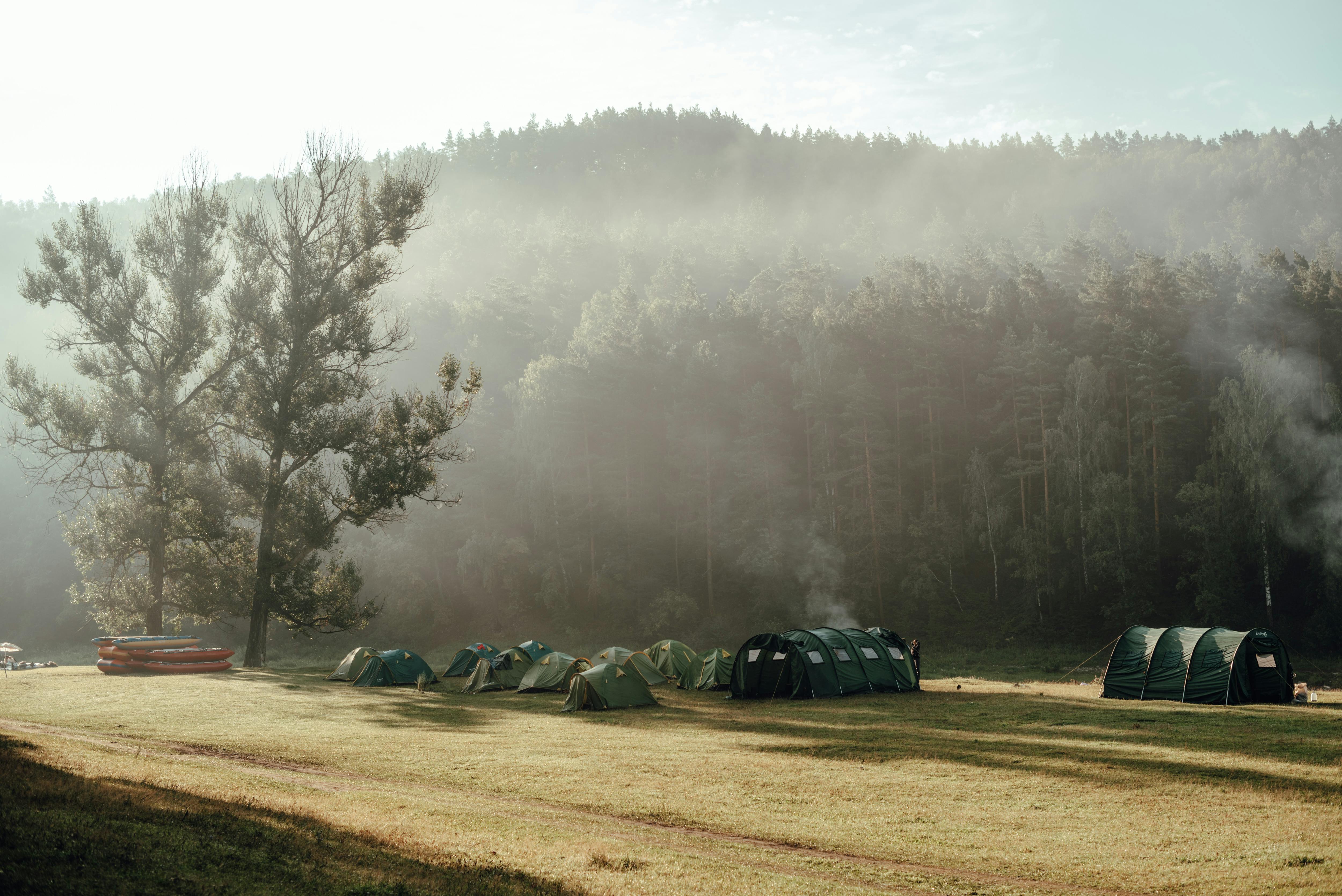
Camping at Hoh is the real draw, and here’s what most articles miss: the campground fills by 10 a.m. on summer weekends, but the walk-in sites (a 200-yard hike from the parking area) rarely do. These 17 sites cost $24 per night and offer genuine solitude. If you arrive after noon in July or August, go straight to walk-in; the main loop will be full. Reservations open five months in advance through Recreation.gov—book the moment they’re available. Bring a camp stove; fires are banned year-round due to damp conditions and fire danger.
One critical mistake: assuming you can day-trip from Port Angeles or Forks. The drive is 45 minutes from Forks, but the real cost is time. Spend at least one night. I watched countless visitors arrive at 4 p.m., hike for 90 minutes, and leave by 7—they missed the forest’s actual rhythm, which reveals itself in the quiet hours after other hikers depart.
To extend your trip, the Hoh connects to the Bogachiel River Trail (17 miles one-way, less crowded) and the Calawah River system. Both require permits but rarely sell out. Alternatively, drive 90 minutes to Cape Flattery or explore the Quinault Rainforest on the park’s south side—fewer crowds, equally lush. Budget $50–80 daily for food (groceries in Forks are 15–20% pricier than Seattle). The forest demands patience and presence; rushing through defeats the entire purpose.
Final Thoughts
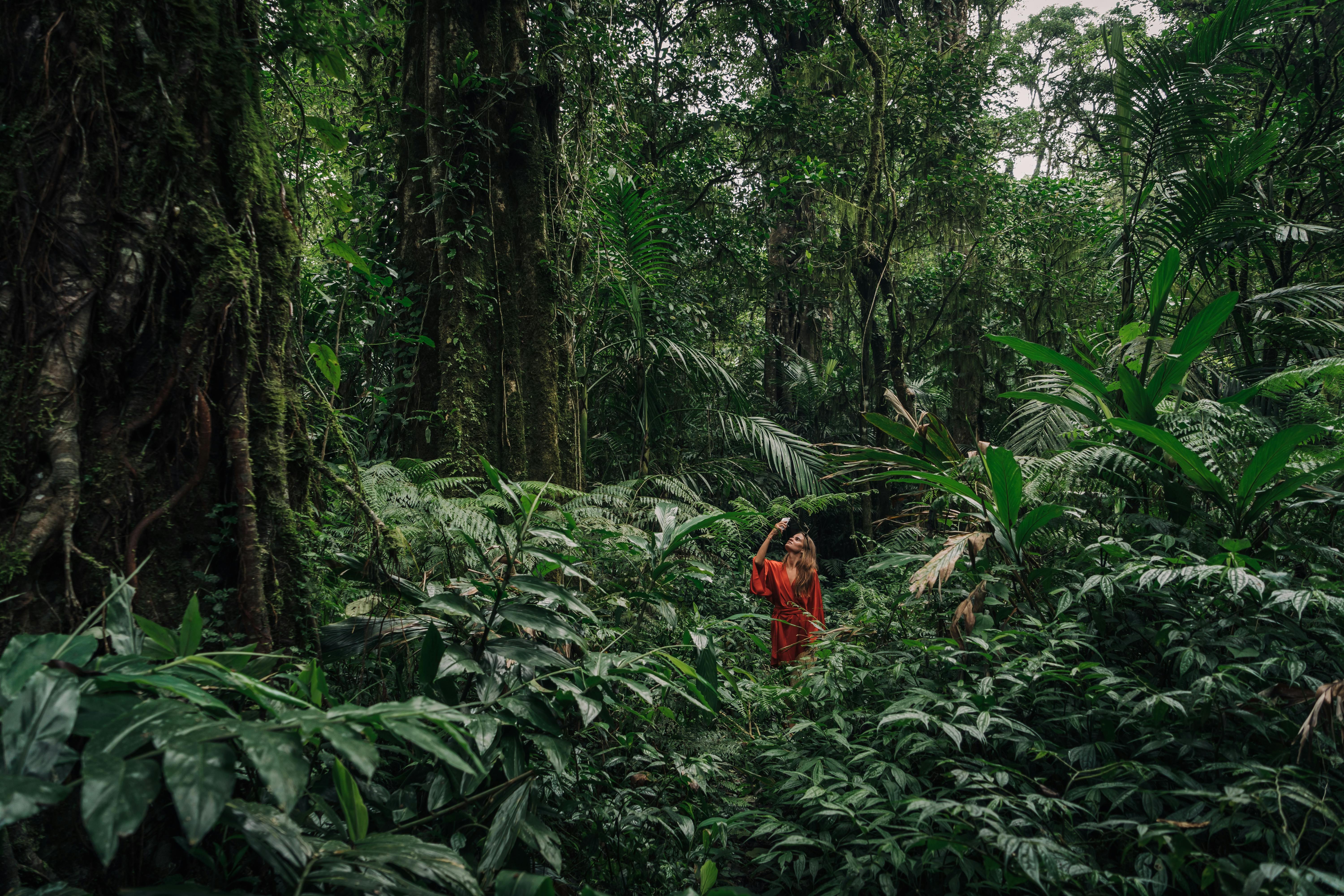
I left the Hoh Rainforest on my third morning with mud caked halfway up my calves and absolutely no regrets about it. This forest doesn’t offer the Instagram-ready drama of a mountain peak or the luxury-resort comfort of a coastal town—it offers something rarer: genuine solitude wrapped in the sound of water and the smell of decomposing wood that somehow feels sacred instead of morbid. The Hoh works precisely because it demands something of you. You have to earn the moss-covered silence by walking into rain, by accepting that your socks will be damp, by understanding that the best moments happen when you stop checking your phone for signal (there is none) and actually listen. The trail is accessible enough for families, the camping infrastructure is solid, and the logistics are straightforward if you plan ahead. But the forest itself—the real draw—belongs to those willing to show up unprepared for how much they’ll feel it.
Here’s what matters most: go between late July and September when rainfall is lowest and the trails are most passable, but accept that “dry” is relative. Pack those non-negotiables—waterproof jacket, proper boots, layers—and don’t skimp on them thinking you’ll “manage.” Book your campsite or accommodation the moment reservations open if you’re visiting peak season. Spend at least two full days, ideally three, so you’re not rushing the Hoh Hall of Mosses or the river crossings. And crucially, talk to the ranger at the visitor center when you arrive; conditions change weekly, and they’ll know which trails are genuinely passable versus which ones are optimistic on the map but brutal in reality.
Your next step: check the NPS website right now for 2026 campsite availability and current trail conditions. Reserve your dates, then actually commit to going—not as a “maybe if the weather’s nice” trip, but as a locked-in plan. The Hoh Rainforest isn’t a destination you visit on a whim; it’s a place you decide to meet, and it will meet you halfway if you show up ready.