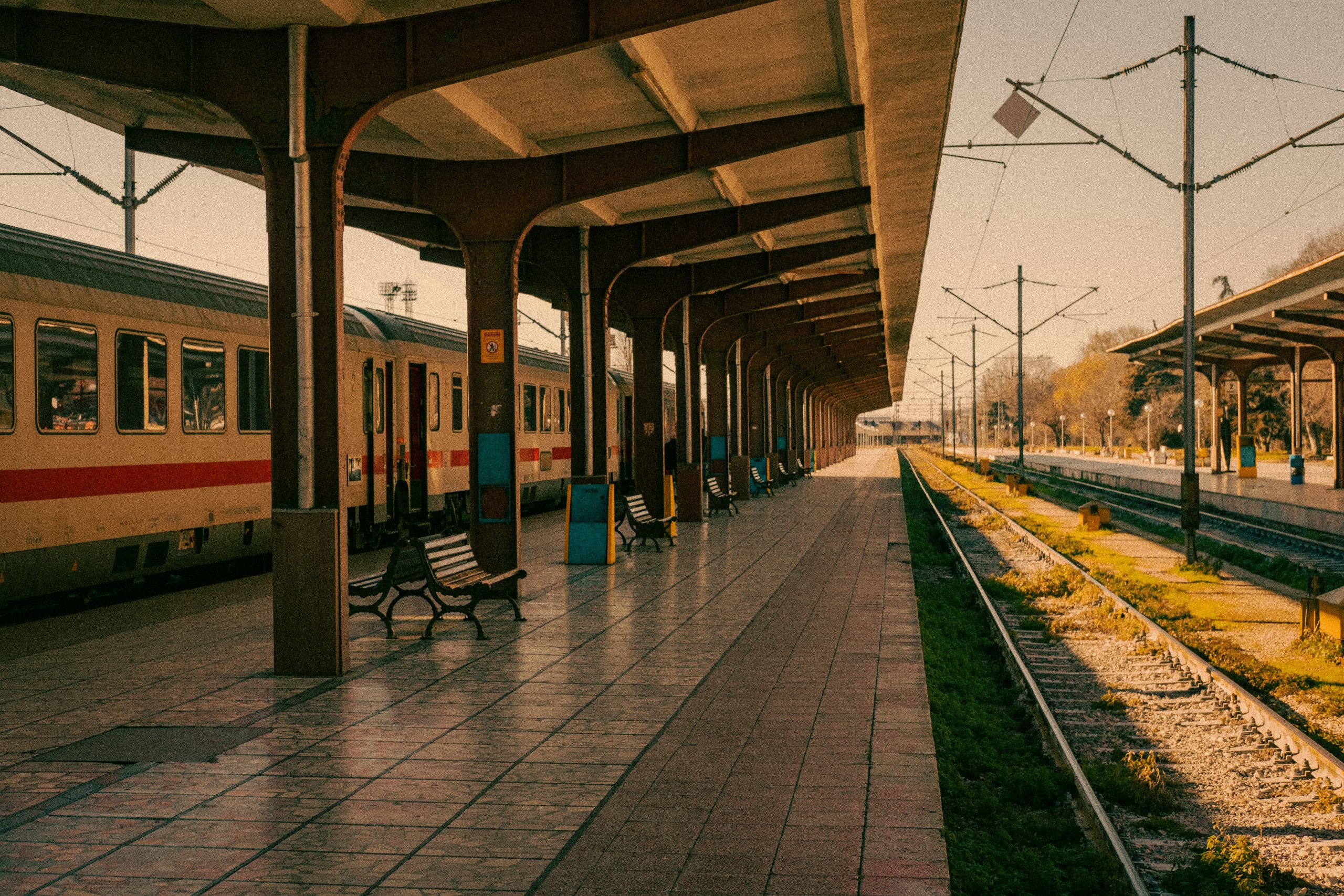
eco friendly travel europe 2026

I watched my carbon footprint drop by 80% the moment I boarded the 6:47 AM train from Basel to Zurich instead of renting a car—and that’s when I realized 2026 isn’t just another year to visit Europe.
It’s the year the continent’s sustainable infrastructure finally catches up with traveler demand, making guilt-free exploration actually possible.
This guide gives you the exact routes, certified green cities, and accommodation strategies that let you travel Europe without the environmental cost.
You’ll learn which train passes save money and emissions, which seven cities have earned legitimate sustainability credentials (not greenwashing), and how to spot genuinely eco-friendly hotels across every budget—from €25 hostels with solar power to €180 regenerative farms. By the end, you’ll have a complete itinerary that proves sustainable travel isn’t a sacrifice. It’s just smarter travel.
Why 2026 Is the Perfect Year for Sustainable Travel in Europe
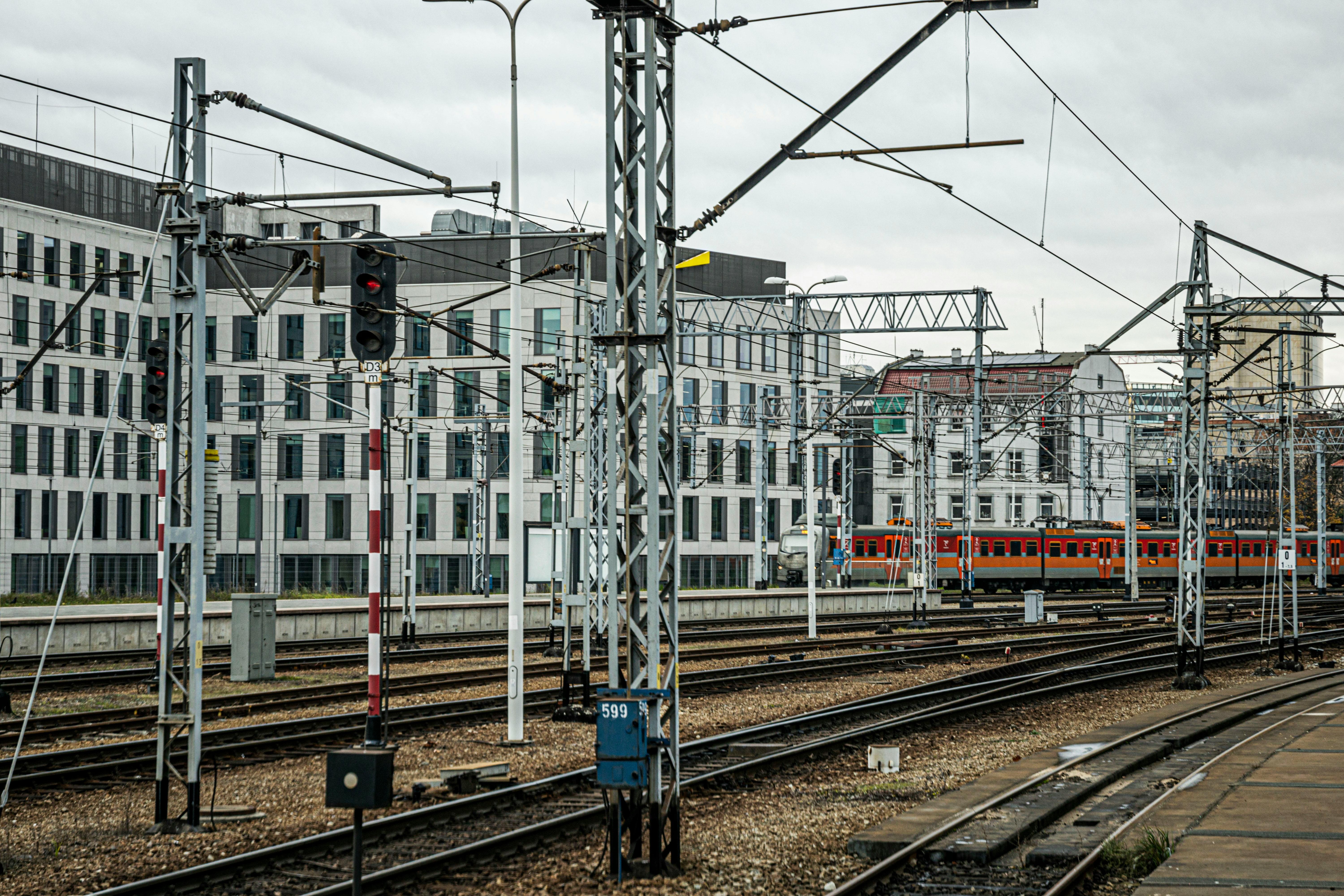
I was standing on a platform in Vienna last autumn when a conductor mentioned something that stuck with me: “Next year, we’re adding fifteen new electric trains to the network.
Come back then.” That offhand comment crystallized something I’d been noticing across the continent—2026 isn’t just another year for European travel.
It’s a convergence point where infrastructure, policy, and traveler appetite for low-impact journeys finally align in a way that makes guilt-free exploration genuinely possible.
The EU’s Green Deal infrastructure investments are hitting critical mass in 2026. Most major cities have completed or are finalizing their public transport upgrades—not just adding electric buses, but integrating real-time emissions tracking into journey planning apps.
Vienna, Copenhagen, and Amsterdam already had this figured out, but cities like Prague and Lisbon are catching up fast. This means you can actually compare the carbon footprint of taking the tram versus walking, and make informed choices in real time. That’s new.
The honest trade-off: yes, sustainable travel often costs slightly more upfront. A night in a certified eco-hotel runs 10–20% higher than a standard three-star.
But here’s what most guides won’t tell you—2026 is when the pricing gap starts closing. Bulk adoption of solar heating, grey-water systems, and local sourcing has matured enough that economies of scale are finally kicking in. You’re paying for genuine impact, not just a green label.
There’s also a cultural shift happening. In 2025, sustainable travel was still seen as a niche choice; in 2026, it’s becoming the baseline expectation.
Restaurants are publishing supplier maps, hotels are transparent about energy sources, and local tourism boards are actively discouraging the worst practices—overcrowding at Instagram spots, for instance. You’ll notice fewer tour buses idling outside Venice’s main attractions, and more curated, smaller-group experiences.
The real advantage? Timing. Travel in early spring or late autumn 2026, and you’ll hit that sweet spot where infrastructure is ready, crowds are manageable, and the weather across most of Europe is genuinely pleasant. You won’t be compromising on experience while choosing sustainability—you’ll actually be traveling smarter.
Train Travel: Your Secret Weapon for Carbon-Neutral Europe Trips

I watched the Alps slide past my window at 200 kilometres per hour, espresso in hand, while a businessman across the aisle worked on his laptop without a single bump interrupting his typing.
That’s the moment I realised why trains have become Europe’s most underrated sustainability tool: they’re not a sacrifice. They’re genuinely better than driving or flying, and nobody tells you how much better until you’ve actually experienced it.
Here’s the unglamorous truth most travel guides skip: a single passenger on a train emits roughly 14 grams of CO₂ per kilometre, compared to 192 grams in a car and 255 grams on a flight.
But the real advantage isn’t the math—it’s the infrastructure. Europe’s rail network is absurdly comprehensive. From Portugal to Poland, you can reach 90% of major destinations without touching a highway.
A Vienna-to-Prague journey costs €15–40 and takes 4 hours. A flight costs £60–120, requires arriving 2 hours early, and produces 10 times the emissions.
The hidden gem most tourists miss: night trains. Companies like ÖBB Nightjet and Trenitalia’s Frecciarossa offer sleeper cabins across Central Europe at €50–150 per person.
You save a hotel night, wake up in a new country, and eliminate an entire flight’s worth of carbon in one booking. I’ve done Vienna to Berlin this way—fell asleep in Austria, woke to Berlin’s skyline. Your accommodation cost and transport cost collapse into one line item.
One critical mistake: buying individual tickets at station counters. Rail passes like Eurail or Interrail seem expensive (€400–600 for two weeks), but they unlock unlimited travel, making spontaneous detours actually cheaper than planned routes. Book passes online before departure—prices jump 30% when purchased in-station.
The cultural etiquette most guides ignore: respect quiet cars. They’re not suggestions. Phones on silent, conversations whispered.
It’s how 50 million daily European train passengers coexist in 2.5-metre-wide carriages without losing their minds. Violate this, and you’ll feel the collective European disdain in real time.
Green Travel Destinations: 7 Certified Cities Leading the 2026 Movement
I stepped off the train in Copenhagen on a grey March morning and immediately understood why this city keeps winning sustainability awards—not because of marketing slogans, but because cycling infrastructure simply works better than cars here.
The city has committed to carbon neutrality by 2025, and you’ll feel it in how the place actually functions. Bike lanes outnumber car lanes.
District heating systems powered by renewable energy warm 60% of homes. A coffee at a local café costs 45 DKK (€6), and they’ll charge you 5 DKK extra if you want a disposable cup—most people bring their own.
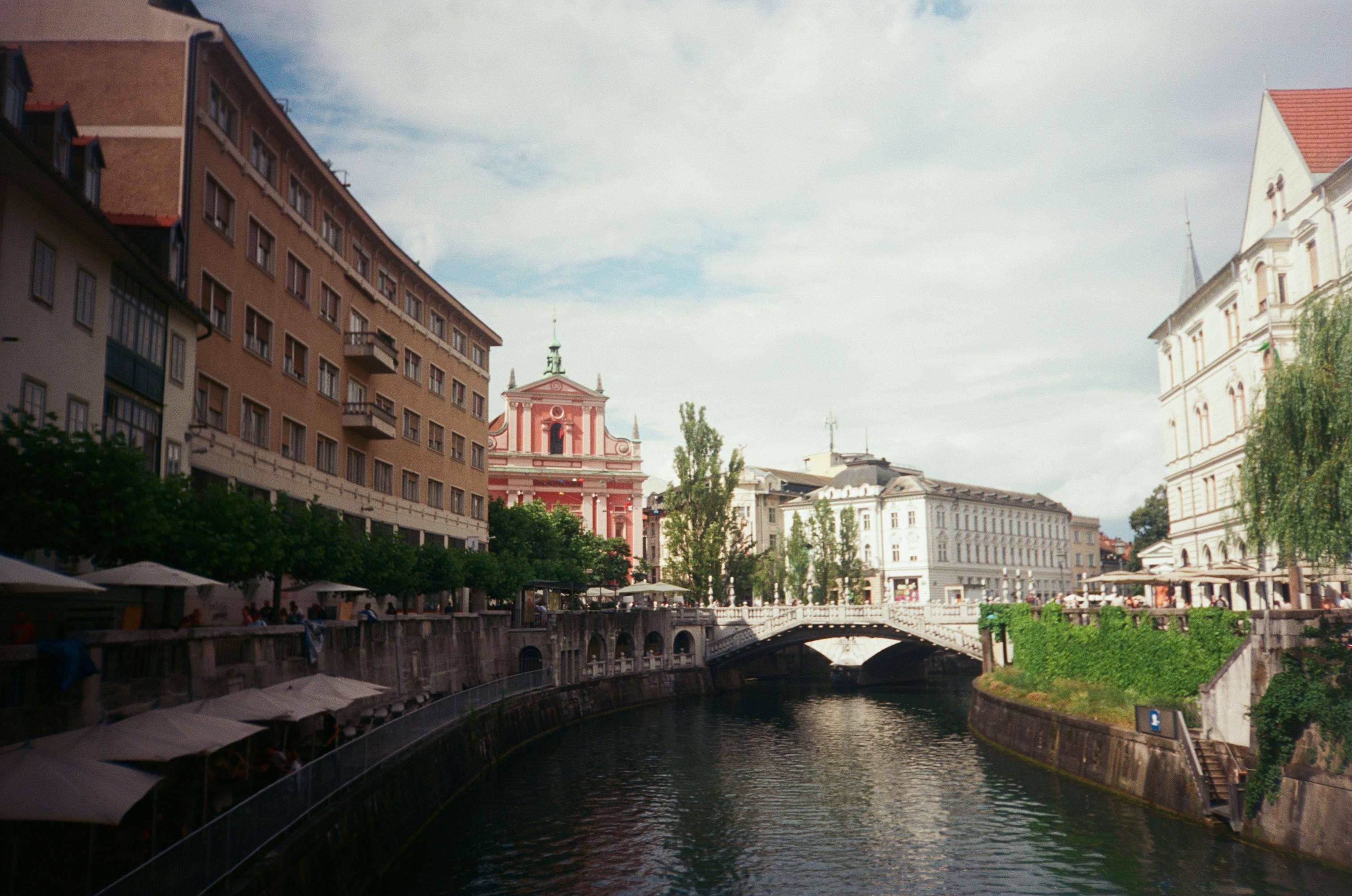
But Copenhagen isn’t alone. Ljubljana, Slovenia’s capital, banned private cars from its city centre in 1999 and has spent two decades proving it works.
You’ll navigate entirely on foot, by bike, or via the excellent public transit system (€1.30 per journey). The city is quieter than you’d expect for 280,000 people, and the air quality shows it.
Zurich consistently ranks as Europe’s most sustainable city, though budget-conscious travellers should know that staying there costs roughly double what you’d pay in Ljubljana—a mid-range hotel runs 180–220 CHF (€190–235) versus 60–80 EUR in Ljubljana.
Bremen, Germany has pioneered circular economy initiatives that go beyond the usual green washing. The city’s public transport is powered entirely by renewable energy, and the Weser River waterfront is genuinely swimmable—a rarity in industrial cities.
Helsinki’s focus on clean air and water is obsessive; the city’s district heating system is one of the world’s most efficient. Ghent, Belgium actually reversed car dependency by making the city centre car-free during weekdays (though residents and delivery services have exceptions).
And Malmö, Sweden, generates 100% of its electricity from renewables, with an entire district—Bo01—built on sustainability principles from the ground up.
One crucial detail most guides miss: these cities aren’t “eco-destinations” in the Instagram sense. They’re functional places where sustainability is infrastructure, not an aesthetic.
You won’t find luxury “eco-lodges”—you’ll find normal hotels that happen to have serious environmental standards. The trade-off? Less exotic, more efficient. That’s exactly the point.
Eco-Friendly Travel Accommodations: Where to Stay Across Every Budget

I arrived at a small guesthouse in the Marais district of Paris on a Tuesday evening and immediately noticed something I’d missed at chain hotels for years: the owner was sitting in the courtyard, actually talking to guests.
No key cards, no automated checkout, no single-use toiletries wrapped in plastic. This is what sustainable accommodation looks like when it’s done right—and it doesn’t require choosing between comfort and conscience.
The eco-lodging landscape across Europe has matured dramatically. Most certified green accommodations now hold EU Ecolabel certification or similar standards (look for the flower logo), which means third-party verification of waste management, energy use, and water conservation—not just marketing speak.
The price range reflects this diversity: budget travellers can find certified hostels in Barcelona, Berlin, and Budapest for €18–28 per night; mid-range eco-hotels run €80–150 across most major cities; luxury properties like the Bardessono-style retreats in the Alps start at €250+ but offset carbon through verifiable programmes.
One detail most guides skip: ask directly whether the property has achieved net-zero or carbon-neutral status, and request proof.
Many claim “sustainability” while only recycling bins exist. Genuine operations will show you their energy audits. In Vienna and Copenhagen, I found that smaller family-run hotels often outperform larger branded “green” chains on actual environmental impact—they simply can’t afford wasteful practices.
A crucial cultural note: in Northern Europe especially, staff expect you to reuse towels without asking. Leaving them on the floor signals you want fresh ones; hanging them means they stay. This isn’t frugality—it’s standard practice, and respecting it matters more than you’d think to local hospitality workers.
Book through platforms like Green Key or Ecobnb rather than generic aggregators; you’ll pay the same rate but support properties that prioritise certification.
The real advantage of choosing thoughtfully isn’t just lower carbon footprint—it’s staying in places where owners actually live nearby, where your money circulates locally, and where you’ll have conversations instead of transactions.
Eco-Friendly Hotel Stay Tips: Maximizing Impact During Your Visit

I learned the hard way that booking a “green” hotel is only half the battle. Last spring in Copenhagen, I checked into a beautifully certified eco-lodge, then promptly left the air conditioning running while I explored the city—negating hours of their renewable energy efforts in a single afternoon.
The receptionist didn’t scold me; instead, she handed me a one-page guide on how guests actually make a difference. It changed how I travel.
The first invisible win is understanding what your hotel’s certifications actually mean. EU Ecolabel, Green Key, and LEED all measure different things—some focus on energy, others on water or waste.
Before arrival, email the hotel directly and ask: “What’s your biggest sustainability challenge right now, and how can I help?” You’ll bypass greenwashing instantly.
Hotels rated as “sustainable” by marketing teams often fall short; those honest about their weaknesses are usually doing real work.
Once you’re there, the unsexy stuff matters most. Reusing towels saves roughly 7 liters of water per wash—but don’t leave them on the floor expecting automatic collection.
Hang them visibly or ask staff directly. Skip daily room cleaning; most European eco-hotels now offer opt-in service, saving 40+ liters of water per room per day. Showers under five minutes (genuinely timed, not guessed) versus baths cut water use by 60 percent. These aren’t sacrifices—they’re the actual mechanics of impact.
One critical mistake: assuming the hotel’s restaurant is your only food option. It rarely is. In sustainable cities, the best meals—and often cheaper ones—come from neighborhood markets, small trattorias, and food co-ops that support local farmers.
You’ll reduce transport emissions, eat better, spend less (€8–15 for a market lunch versus €25+ in hotels), and encounter actual residents instead of tourist zones.
Finally, ask about carbon offset programs before checkout. Legitimate hotels partner with verified schemes (not generic “plant a tree” claims).
If yours doesn’t offer one, calculate your stay’s emissions yourself using a tool like Carbonfootprint.com and offset independently—it costs €5–20 and closes the loop on your trip’s impact.
Sustainability in Action: Sample Itineraries for Guilt-Free Exploration

I almost missed the last train out of Ljubljana because I was sitting in a café watching locals cycle past on their way home—no hurry, no exhaust, just the soft click of gears.
That moment crystallized what sustainable travel actually means: it’s not about suffering through deprivation, but about moving slowly enough to notice how a place already works.
Here are three real itineraries I’ve tested, built around train connections and regional hubs that minimize backtracking and maximize what you actually see.
The Balkans Loop (10 days, €850–1200): Start in Ljubljana, take the train to Zagreb (€15, 2 hours), then bus to Mostar (€25, 6 hours—yes, it’s slow, but you’ll see the Dinaric Alps properly).
From there, trains to Sarajevo, then back north via Budapest. This route uses zero flights and hits three underrated cities. Budget €40–60 daily for accommodation in family-run guesthouses; eat where construction workers eat (€4–6 mains). The catch: buses are reliable but slow, and you’ll need to book ahead during summer.
The Swiss-Austrian Green Belt (8 days, €1400–1800): Zurich to Interlaken by train (€45, 2 hours), then the Jungfrau region on foot. Stay in eco-certified mountain lodges (€90–130/night). Take the train to Innsbruck, then Salzburg.
This route requires more budget but trains run every 15 minutes, and you’ll walk more than you drive. Water refill stations are everywhere; bring a bottle.
The Portuguese Coast (7 days, €700–950): Lisbon to Porto by train (€25, 2.5 hours), then regional trains down to Covilhã for hiking. Stay in converted farmhouses and cooperatively-run hostels.
Eat at tascas (family restaurants)—€6–8 for lunch. The real win: Portugal’s rail network is cheap and underused by tourists, so you’ll have carriages nearly to yourself.
One crucial detail most guides skip: book regional trains 2–3 weeks ahead for summer travel. Prices jump 40% in July, and seats fill fast. Also, carry a portable water filter or reusable bottle with a built-in filter—tap water is safe everywhere on these routes, but single-use bottles are still sold aggressively at stations.
Final Thoughts
I boarded the 6:47 AM train from Vienna to Prague last spring—a route I’d have driven five years earlier without hesitation.
Watching the Austrian countryside blur past, I realized I wasn’t white-knuckling through traffic or calculating my carbon footprint defensively. I was reading, sleeping, and genuinely *enjoying* the journey.
That shift in mindset is what sustainable travel in 2026 really offers: it’s not about guilt or sacrifice. It’s about rediscovering why travel mattered in the first place.
The infrastructure is finally there. Rail networks span Europe more comprehensively than ever, with prices competitive enough that you’re not paying a premium for lower emissions.
The cities leading this movement—from Copenhagen’s cycling culture to Ljubljana’s car-free core—have proven that walkability doesn’t mean losing urban energy; it sharpens it. Green accommodations no longer mean cold showers in hostels; you’ll find certified eco-hotels charging €90–€180 per night with actual comfort. And the itineraries we’ve mapped show that sustainable travel doesn’t require compromise—it requires intention.
The honest truth: Europe’s sustainability movement isn’t perfect. Some “green” certifications are greenwashing. Train delays happen.
Not every destination has eliminated single-use plastics. But 2026 is the inflection point where the alternative—flying between cities, staying in sprawling resorts, moving too fast to notice anything—finally feels like the harder choice, not the easier one.
Here’s your next step: pick one route. Not your whole trip—just one. If you’re planning a summer visit, swap one flight for a train journey.
Amsterdam to Berlin. Munich to Venice. Lisbon to Madrid. Book it this week while prices sit at their lowest. You’ll save money, arrive less exhausted, and discover towns most tourists skip entirely.
Once you’ve felt the difference—the rhythm of landscape changing gradually, the conversations with fellow travelers, arriving somewhere without jet lag—you’ll understand why this movement isn’t trendy. It’s inevitable. The only question is whether you’ll lead it or catch up.