Faroe Islands Outfit Ideas 2026: What to Actually Pack

Faroe Islands outfit guide for 2026. Layering strategies, terrain-specific gear, and aesthetic packing lists that actually work.
You’ve scrolled through Instagram. You’ve seen those dramatic cliffs, moody skies, and people who somehow look effortlessly cool while hiking in gale-force winds. Now you’re planning your Faroe Islands trip for 2026, and you’re wondering: what the hell do I actually wear?
Here’s the thing—packing for the Faroes isn’t like packing for Iceland, Greenland, or anywhere else you’ve read about. The weather here doesn’t follow the same rules.
The terrain demands different gear. And if you care about looking good (which, let’s be honest, you do), you need strategies that work with the landscape, not against it.
We’re breaking down exactly what works for 2026, season by season. You’ll learn the layering system that actually keeps you warm, which boots handle the volcanic rock and sheep trails, and how to build an aesthetic that survives rain, wind, and real adventure. No fluff. Just practical outfits that deliver.
What To Wear To Iceland In October (And Why the Faroe Islands Are Different)

October in Iceland is a gamble. You’ll get those moody, Instagram-worthy skies, the tail end of autumn colors, and fewer tourists clogging up the Golden Circle.
But here’s the thing: Iceland’s October weather is unpredictable at best, chaotic at worst. Temperatures hover around 4-7°C (39-45°F), wind gusts can hit 50+ km/h, and you’re basically guaranteed rain—sometimes sleet, sometimes snow.
The Faroe Islands in October? Significantly harsher. We’re talking 3-6°C (37-43°F) with wind speeds that make Iceland look calm. The Faroes sit further north in the Atlantic, exposed to brutal Nordic weather systems. Rain isn’t occasional—it’s relentless. Visibility drops fast. This isn’t a minor difference; it fundamentally changes how you pack and dress.
For Iceland’s October, a solid waterproof jacket, thermal base layers, and sturdy hiking boots handle 90% of your needs. You can layer with a fleece or wool sweater and get away with regular jeans if they’re thick enough. Many people do the classic Icelandic autumn look: dark colors, functional gear, minimal fuss.
The Faroe Islands demand more. Your waterproof jacket needs to be genuinely heavy-duty—we’re talking Gore-Tex with sealed seams, not that “water-resistant” stuff. Merino wool base layers become non-negotiable because they regulate temperature even when wet.
Your jeans? Swap them for insulated hiking pants or thermal leggings underneath. Wind-resistant outer layers matter here in ways they don’t in Iceland.
The psychological difference is real too. In Iceland, you can find sheltered spots, cozy cafes, and towns to retreat to. The Faroes are more remote.
You’re often exposed longer, hiking through terrain with zero protection. That means your gear isn’t just about comfort—it’s about safety. Hypothermia isn’t a distant possibility; it’s something you actually plan for.
Bottom line: if you’re splitting time between both destinations in October, bring Faroe Islands-level gear. It’ll feel like overkill in Iceland, but you’ll be genuinely prepared when you cross that sea.
Iceland June Outfit Ideas That Work for Faroe Islands Spring & Summer
June in the Faroe Islands hits different than Iceland’s summer season, and this is where most travelers get their packing strategy wrong.
While Iceland’s June offers genuine warmth and extended daylight, the Faroes stay cooler and significantly wetter. Think of it this way: Iceland in June is your chance to finally ditch the heavy winter coat. The Faroes? You’re bringing it anyway, just in a slightly lighter version.
The sweet spot for Faroese spring and summer layering is the classic Scandinavian approach: lightweight base layers, a breathable mid-layer, and a waterproof outer shell. Start with merino wool or synthetic base layers—cotton is your enemy here because it traps moisture.
A fitted long-sleeve shirt works as your foundation, then add a fleece or thin wool sweater. This combination keeps you warm without bulk and actually breathes when you’re hiking those dramatic cliffs.
The temperature typically hovers between 45-55°F, which sounds cold until you realize you’re moving around outdoors all day.
Your outer layer deserves real investment. A quality waterproof jacket with sealed seams isn’t optional—it’s essential. The Faroes receive rain roughly 260 days a year, and June doesn’t break that streak.
Pair this with lightweight, water-resistant pants (not denim, ever) that dry quickly. Cargo-style or hiking pants work better than traditional trousers because you need pockets for layers and the mobility for terrain.
The game-changer that Iceland June guides miss? Wind protection. The Faroes sit fully exposed to Atlantic weather, so your jacket needs to actually block wind, not just water.
Look for jackets labeled “windproof” alongside waterproof ratings. This single upgrade transforms your comfort level from miserable to manageable.
For accessories, bring a lightweight scarf or neck gaiter—locals call it a “buff” and wear them year-round. It protects against wind chill and adjusts your warmth instantly without adding bulk. A hat with a brim beats a beanie because rain management matters more than pure insulation at this latitude.
Cute Iceland Outfits (Faroe Islands Adaptation for the Aesthetic-Minded)
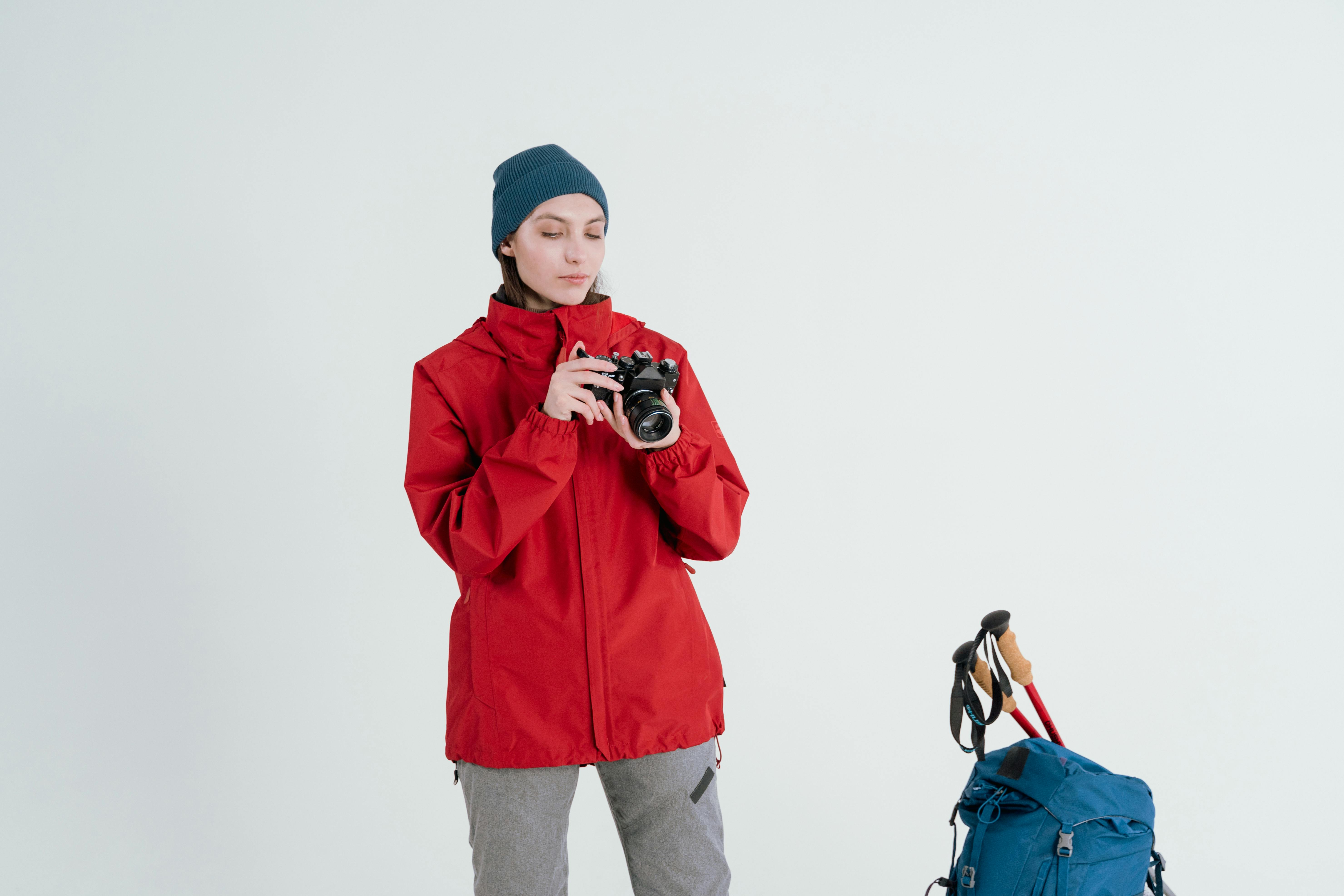
Here’s the truth: the Faroe Islands are Instagram gold, and you don’t have to sacrifice style for survival. The key is understanding that “cute” in this climate means intentional layering, quality fabrics, and colors that actually pop against those moody Nordic landscapes.
Start with a fitted base layer in cream, charcoal, or sage green. This isn’t your gym wear—we’re talking merino wool or high-quality thermal pieces that look like regular clothing.
Pair it with an oversized wool sweater in a neutral tone, then throw on a structured puffer vest in black or olive. The layering creates natural silhouette and depth that photographs beautifully. Add a long cardigan over everything, and you’ve got dimension without looking bulky.
Color strategy matters more here than in warmer climates. While Iceland’s summer allows pastels and brights, the Faroe Islands demand richer tones that work with their dramatic scenery.
Deep burgundy, forest green, navy, and warm grays create that coveted moody aesthetic. One pops of color—a rust-colored beanie, a burnt orange scarf, or cognac-toned outerwear—gives you that carefully curated look without clashing with the environment.
Texture is your secret weapon for cute outfits that still function in unpredictable weather. Mix cable-knit sweaters with smooth wool trousers, pair corduroy jackets with sleek leggings, or combine a ribbed turtleneck with a quilted overshirt. These combinations create visual interest and look intentional, not haphazard.
Don’t overlook accessories as style anchors. A quality wool scarf isn’t just practical—it’s a statement piece. Wide-brimmed wool hats, structured backpacks, and vintage-inspired sunglasses elevate your entire aesthetic. The Faroe Islands reward thoughtful accessorizing because the landscape is so minimal; your details become the focal point.
The real aesthetic hack? Confidence in your choices. Wear what makes you feel good, not what you think you should wear. That energy translates in photos and makes every outfit—functional or not—genuinely cute.
Icelandic Outfit Footwear Strategy (Faroe Islands Terrain-Specific)
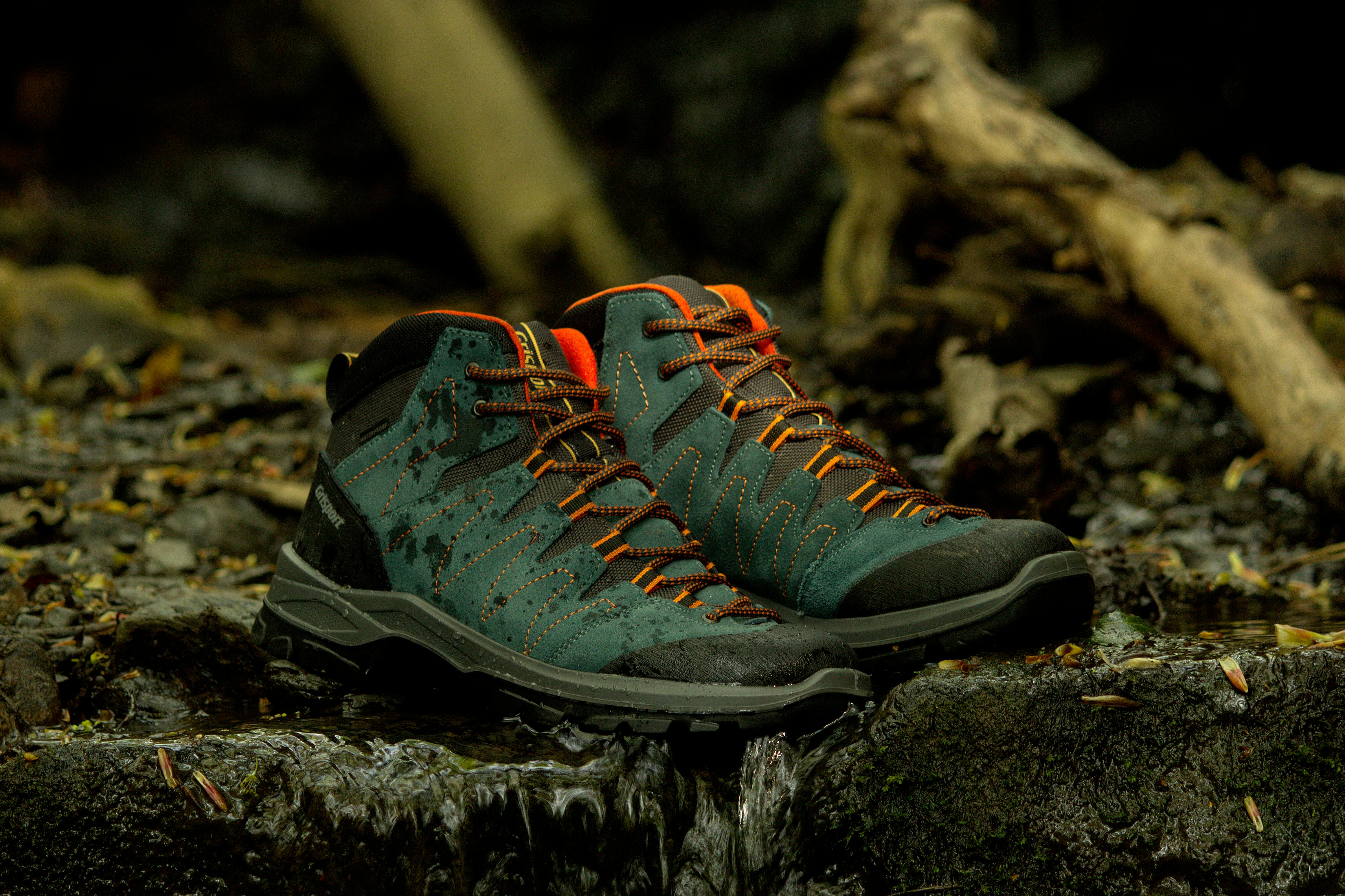
Here’s the truth about Faroese terrain that most packing guides gloss over: your feet will determine whether you actually enjoy those Instagram-worthy hikes or spend the day miserable and blaming your shoes.
The Faroes aren’t Iceland’s gentler cousin—they’re Iceland’s moodier, wetter sibling with even more unpredictable ground conditions.
Waterproof hiking boots are non-negotiable. We’re talking serious, ankle-supporting boots with genuine waterproofing, not just “water-resistant” sneakers.
The Faroese landscape combines volcanic rock, boggy moorland, and coastal paths that transform into streams without warning. Merrell, Salomon, and Scarpa make boots specifically designed for this kind of terrain. Budget $150-250 for a pair that’ll actually keep your feet dry and supported. Cheap boots fail spectacularly when you’re three miles from civilization on a slick mountainside.
Bring two pairs of hiking boots if you’re staying longer than five days. One pair dries while you wear the other, and trust us—wet boots smell like regret mixed with seaweed. Pack them in separate compression bags to manage luggage space. Alternatively, pack one quality boot and one lightweight trail shoe for lower-stakes days around villages and coastal areas.
Wool socks aren’t optional; they’re survival gear. Merino wool wicks moisture away from your skin while keeping your feet warm even when damp.
Cotton socks are your enemy in the Faroes. Bring at least four pairs, maybe five. Your feet will thank you when you’re hiking in 40-degree weather and occasional rain.
For non-hiking days, waterproof slip-ons or Chelsea boots work beautifully. You’ll navigate cobblestone village streets, potentially muddy paths to cafes, and sudden weather changes.
Blundstones or similar styles are practical, look intentional, and handle wet conditions without fuss. They’re the footwear equivalent of a reliable friend—always appropriate, never flashy, genuinely useful.
The bottom line: your footwear choice directly impacts your experience in the Faroes. Invest in proper boots, invest in good socks, and pack strategically. Your feet are the foundation of every adventure, literally and figuratively.
Greenland Outfits vs. Faroe Islands: What Actually Transfers
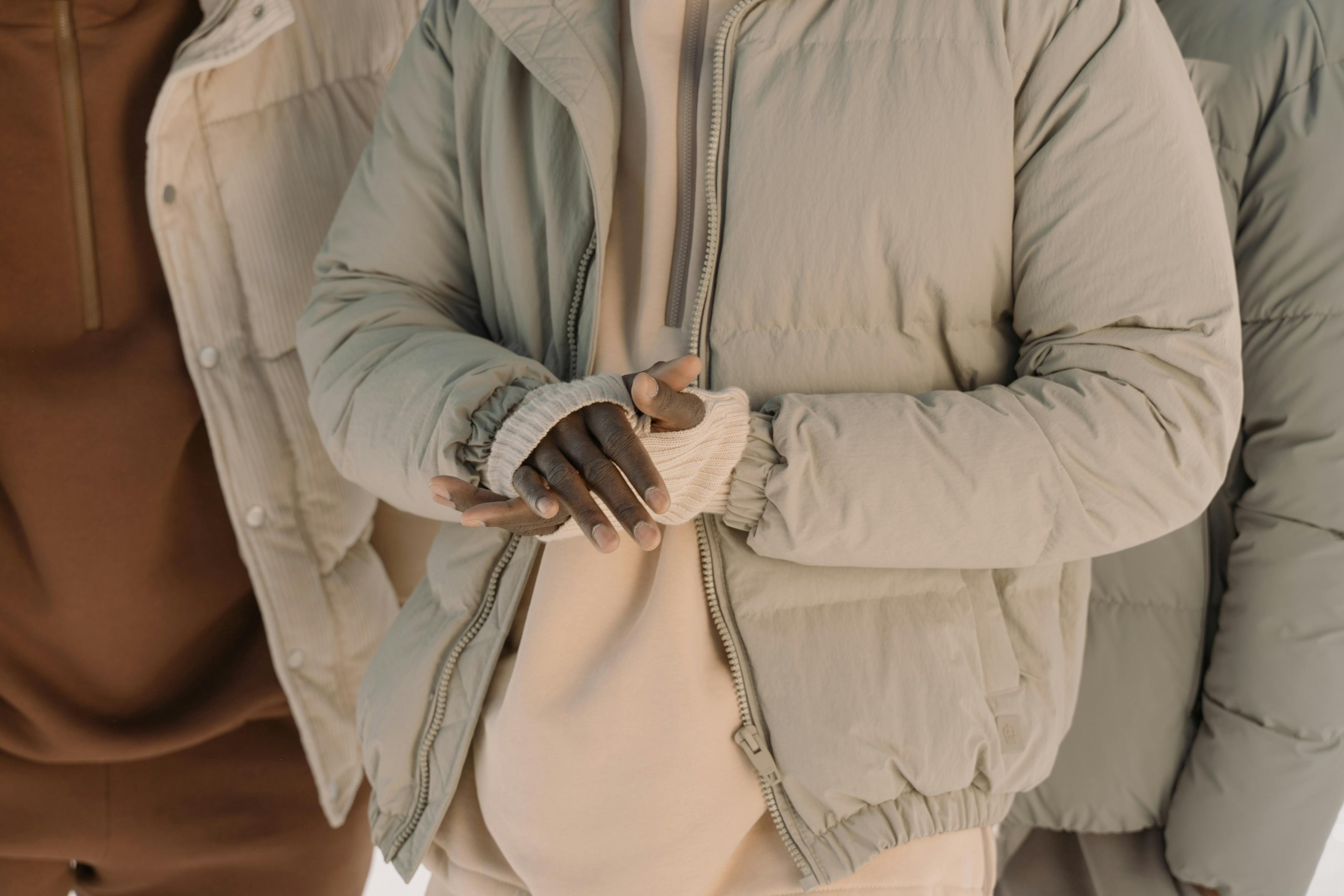
Here’s the thing about comparing Greenland and Faroe Islands outfits: they look similar on paper, but they’re actually playing by different rules.
Both sit in the North Atlantic, both are brutally windy, and both will test your commitment to looking decent in extreme conditions. But the similarities end there, and understanding the differences will save you from packing all wrong.
Greenland is colder. Period. We’re talking about a place where winter temperatures regularly dip below -20°C (-4°F), even in coastal towns. The Faroe Islands, while no tropical paradise, stay milder thanks to the Gulf Stream.
Your heavy insulated parka? That’s Greenland territory. For the Faroes, a quality mid-weight waterproof jacket with good layering underneath does the heavy lifting. This is the crucial distinction—Greenland demands arctic-grade gear, while the Faroes reward smart layering over sheer bulk.
Wind is where they actually align. Both locations will absolutely destroy an outfit that isn’t secured properly. Those wool sweaters, thermal leggings, and waterproof shells?
They transfer perfectly. The principle stays the same: wind-resistant outer layers, breathable insulation underneath, nothing loose or flowing. Your base layers and mid-layers are universal heroes here.
Where Greenland outfits completely fail in the Faroes is the moisture factor. Greenland’s air is dry—your skin cracks, your lips suffer, your static electricity becomes a personality trait.
The Faroe Islands are aggressively wet. Rain, mist, sea spray, and fog are constants. This means your Greenland outfit’s focus on wind protection needs a Faroe Islands upgrade: emphasis on waterproofing over wind-blocking. Sealed seams matter more. Breathability becomes critical because you’re fighting dampness, not just cold.
The real transfer? Footwear and accessories. Waterproof hiking boots, wool socks, thermal gloves, and beanies work in both places. Your base layer philosophy works everywhere.
But the outer shell strategy? That’s location-specific. Pack for the Faroes with Greenland’s arctic mentality, and you’ll be unnecessarily weighted down and overheated.
Pack with Faroe Islands logic, and you’ll actually stay comfortable while exploring those dramatic cliffs and remote villages.
Iceland Girl Aesthetic: Packing List Checklist & What NOT to Bring

Let’s be real: the Iceland girl aesthetic is everywhere on Instagram, and it’s gorgeous. Those moody landscape shots with someone in a perfectly layered wool sweater against a black sand beach?
That’s the dream. But here’s what separates people who actually enjoy their Faroe Islands trip from those who spend it freezing and uncomfortable—knowing exactly what to pack and, more importantly, what to leave behind.
Your packing list needs these non-negotiables: merino wool base layers (not cotton—this is non-negotiable), a quality waterproof shell jacket, insulated but packable down jacket, and thick wool socks.
Add thermal leggings, a chunky knit sweater, and dark jeans that don’t get soaked when you wade through streams. Waterproof hiking boots are essential; the aesthetic doesn’t matter if your feet are numb.
Throw in a wool beanie, waterproof gloves, and a neck gaiter. One quality crossbody bag for day hikes, a small backpack for longer adventures, and you’re covered.
Now, what NOT to bring—and this matters. Skip the fashion-first sneakers. Those cute minimalist shoes look incredible in photos but offer zero traction on wet moss and volcanic rock. Leave behind anything purely cotton; it absorbs moisture and keeps you cold. Don’t pack heavy jeans unless they’re technical—regular denim becomes a freezing weight around your legs. Avoid oversized sweaters that swallow your frame; fitted wool layers actually keep you warmer and look sharper in photos anyway.
Here’s the strategic move: pack clothes that work in three-piece combinations. One sweater, two pairs of pants, three tops, one jacket. Mix and match them across your trip.
This isn’t just smart packing—it’s the actual aesthetic. Those moody photos you love feature people in simple, repeated outfits because they’re practical.
The Faroe Islands demand function first, and the best part? Function looks incredible when you’re standing on a cliff overlooking the North Atlantic.
Final Thoughts
Here’s what you actually need to know about dressing for the Faroe Islands in 2026: this isn’t about following some rigid rulebook. It’s about understanding that these islands demand respect for their weather while giving you total freedom to express your style.
You’ve got the layering foundation down—merino base layers, insulating midlayers, a reliable waterproof shell. You know your footwear needs serious grip and ankle support because the terrain won’t negotiate with you.
You understand that the Faroe Islands aren’t Iceland’s quieter cousin; they’re their own beast with harsher winds, steeper cliffs, and weather that changes faster than you can say “what was that forecast again?”
You’ve learned what actually transfers from Greenland outfits (spoiler: the minimalist color palette works beautifully) and what doesn’t (those Greenland-specific extremes).
Most importantly, you know exactly what to leave behind—those cute-but-useless items that’ll just take up luggage space and make you regret every decision.
The real magic happens when you stop treating practicality and aesthetics as enemies. You can absolutely look incredible while staying warm, dry, and safe.
The Faroe Islands reward people who show up prepared, and that preparation becomes your confidence. When you’re wearing the right gear, you’re not thinking about whether your hands are numb or if that gust of wind is going to send you sideways—you’re actually present for the waterfalls, the villages, the golden hour light hitting those dramatic cliffs.
So here’s your action step: before you book that trip or start shopping, pull up a weather forecast for the Faroe Islands for your specific travel dates.
Spend fifteen minutes looking at actual conditions—wind speed, rainfall, temperature ranges. Then use that data to build your packing list using the framework we’ve covered.
Don’t guess. Don’t rely on what worked in Iceland. Make decisions based on what the Faroes will actually throw at you. That’s how you go from “I hope this works” to “I’ve got this completely handled.” Your future self—the one standing on a windswept ridge with the Atlantic stretching forever—will thank you.