Best Things to Do in Newquay cornwall

I arrived at Fistral Beach on a grey March morning expecting the postcard version of Cornwall—and instead got soaked by a rogue wave while standing fully clothed on the sand, watching a teenager pull off a perfect barrel roll fifty metres away. That’s Newquay in a nutshell: a town that doesn’t perform for cameras, but rewards the people who show up ready for whatever the Atlantic throws at them.
This guide cuts through the Instagram gloss. You’ll discover which beaches actually suit beginners versus experienced surfers, the neighbourhoods where locals eat (and their actual prices), which day trips justify the drive, and the one mistake most visitors make that costs them a full day.
Whether you’re here for world-class waves, dramatic clifftop walks, or simply to disappear into a Cornish fishing village for a week, you’ll find the specific logistics—visa requirements, best months, exact transport routes—that turn a holiday idea into a real itinerary.
I arrived in Newquay on a grey Tuesday in March, expecting a sleepy Cornish town. Instead, I stepped off the train into controlled chaos—a wet-suit-clad crowd streaming toward the seafront, the smell of salt and chip grease mixing with the particular energy of a place that lives and breathes the ocean.
Within ten minutes, I’d watched three separate surfers paddle out past the breakers, and I understood why this town of 20,000 people punches so far above its weight as a destination.
Newquay isn’t Cornwall’s prettiest town—that honour belongs to places like Padstow or St Ives. It’s noisier, more crowded in summer, and the high street has the usual chain-store fatigue. But what it offers is something rarer: an honest, unpretentious hub where serious surfers, families, backpackers, and adventure seekers genuinely coexist without feeling like they’re performing for Instagram. The town has been a surfing destination since the 1960s, and that history runs deeper than most people realise.
This guide is built on the assumption that you’re staying in or based around Newquay—not just passing through. That matters, because the town’s real value lies in what it enables: access to some of the UK’s best beaches, a genuine local food scene hidden beneath the tourist veneer, and a network of day trips that make it the logical base for exploring North Cornwall.
You could hit Newquay’s main beaches in a day and feel like you’ve done it. But stay longer, venture into the neighbourhoods beyond the seafront, and time a visit for the right season, and you’ll find something most guidebooks miss entirely.
What follows is built on repeated visits across different seasons—including the mistake of arriving in August (never again), the revelation of an October swell, and the quiet magic of February when the town belongs to locals again.
I’ve included the costs, the logistics, the beaches worth your time, and the ones that aren’t. Most importantly, I’ve tried to be honest about what Newquay actually is, rather than what tourism boards want it to be.
Cornwall Tourist Attractions: Newquay’s Beach Collection Decoded

I was standing on Fistral Beach at 6 a.m., watching the Atlantic swell roll in while the town still slept, and a local surfer told me something that changed how I understood Newquay: “Most visitors see five beaches and think they’ve seen them all. We’ve got eleven proper ones, and each one’s got its own personality.”
He was right. Newquay isn’t a single-beach destination—it’s a collection, and knowing which one to visit when makes the difference between a generic seaside trip and something genuinely memorable.
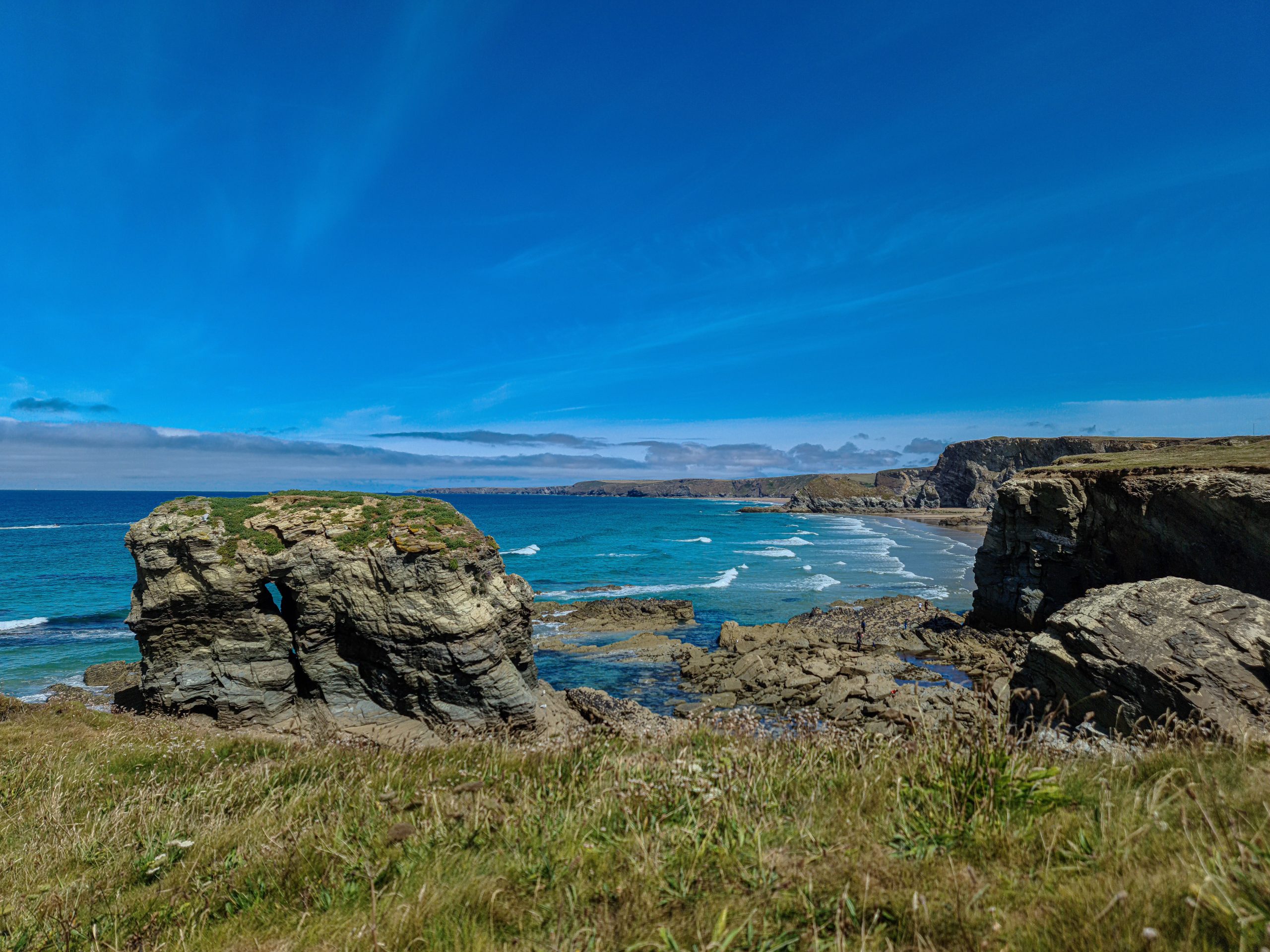
Fistral is the obvious first stop, the one with the bronze lifeguard statues and the consistent Atlantic swells that draw surfers year-round.
But here’s what most guides miss: the southern end, near the headland, is calmer and better for families with young children, while the northern stretch is where the real breaks happen.
The beach itself costs nothing to access, though parking is £1.50 per hour in the main car park (or free if you can snag a spot on the surrounding streets by 8 a.m.).
The seafront has the predictable chain cafés, but walk back two streets inland and you’ll find independent coffee shops charging £3.50 for a decent cappuccino instead of £5.50.
Great Western Beach, tucked into the town centre, is where locals actually go when they want to swim without the swell. It’s smaller, more sheltered, and the water temperature feels marginally less arctic than Fistral’s.
Watergate Bay, just north, is the Instagram beach—golden sand, dramatic cliffs, excellent fish and chips—but arrive after 11 a.m. and you’ll spend twenty minutes hunting for parking.
One critical etiquette note: if you’re not a surfer, stay out of the designated surf zones during peak times (roughly 7–9 a.m. and 4–6 p.m.). Swimmers and surfers share these beaches, but territorial tensions are real, and respect for the sport’s culture goes a long way. The lifeguards will guide you to safe zones if you ask.
Travel Planning Cornwall: When to Visit & How Long to Stay
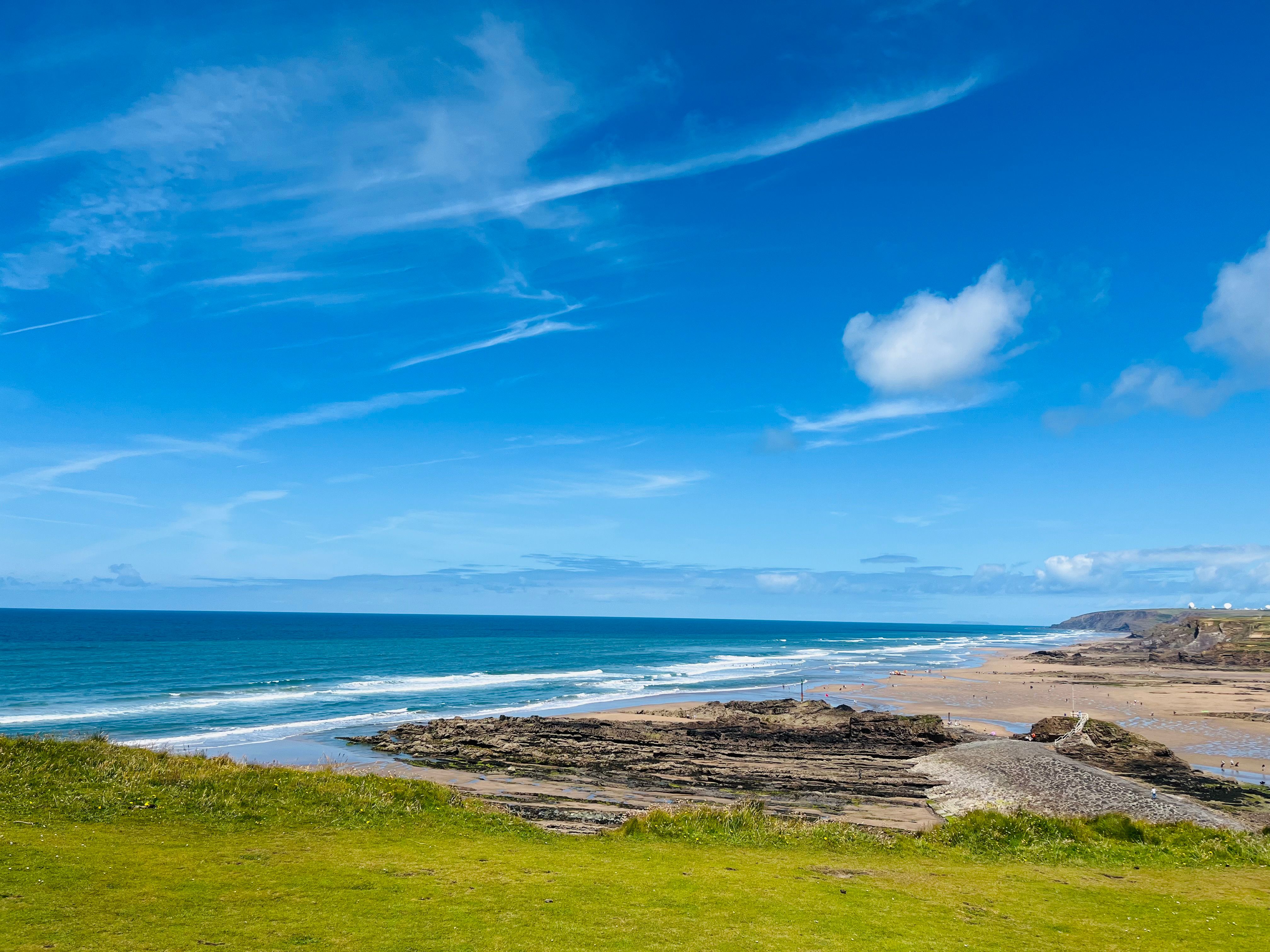
I arrived in Newquay on a grey Tuesday in March, the kind of morning where the sea and sky blur into the same pewter colour, and I immediately understood why locals talk about “shoulder season” like it’s a secret.
The beaches were half-empty, the water temperature was genuinely brutal (around 9°C), but the swell was immense and the restaurants weren’t charging peak-season markups.
If you can handle cold water and occasional rain, March through May and September through October are when Newquay actually feels like a place rather than a theme park.
Summer (June to August) is when everyone else discovers Newquay—which means £120–£180 per night for mid-range accommodation versus £60–£90 in winter.
The beaches are crowded by 10am, parking is a nightmare (arrive before 9am or use the paid car parks near Towan Beach), and you’ll queue for coffee.
But the water reaches 15–16°C, the weather is reliably warm, and the town buzzes with live music and events. If you’re visiting with non-surfer family members, summer gives you the most daylight hours and the calmest water for swimming.
Winter (November to February) is when serious surfers and storm-chasers come. Atlantic swells are consistent, the water is coldest (7–8°C), and you’ll need a 4/3mm wetsuit minimum. Accommodation drops to £40–£70, but expect 3–5 rainy days per week and daylight ending by 4pm. It’s atmospheric rather than comfortable.
How long to stay? Two nights is a rushed minimum—you’ll see the main beaches and one day trip. Three to four nights lets you explore different breaks, attempt a lesson or two, and actually eat somewhere other than chain restaurants.
A week is ideal if you’re learning to surf or want to base yourself here while exploring wider Cornwall. Most visitors underestimate how tiring even “relaxing” beach time is; factor in a slower pace than you’d plan for a city.
Newquay Cornwall Aesthetic: Surfing for Every Level
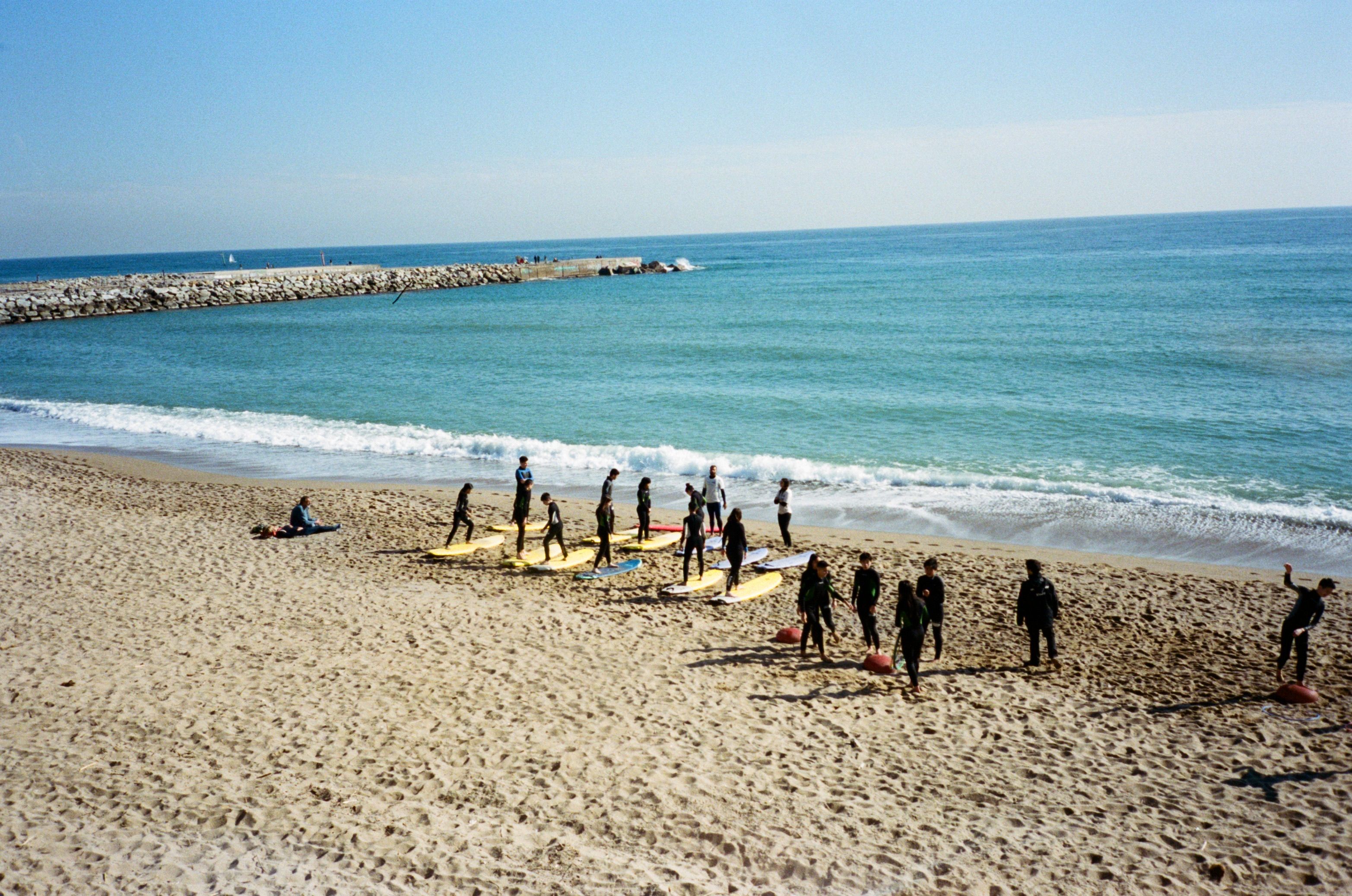
I paddled out at Fistral Beach on a grey Tuesday morning in October, and within five minutes, a instructor on a bright yellow board was shouting encouragement while I face-planted into the Atlantic for the third time.
This is the Newquay surf experience: gloriously unpretentious, genuinely welcoming to absolute beginners, and absolutely unforgiving of ego. The town’s entire identity orbits the ocean, and whether you’re a first-timer or a competition-level surfer, there’s a legitimate place for you here.
Fistral is the famous flagship, but here’s what most guides skip: it’s often packed with lesson groups by 10 a.m., and the swell can be chaotic for learning.
Watergate Bay, just north, offers gentler, more forgiving waves on smaller days—I watched a five-year-old stand up there while Fistral was getting hammered. Expect to pay £35–50 for a two-hour group lesson at either beach; private lessons run £60–80. The water temperature hovers around 9–10°C in winter, 14–15°C in summer, so a 4/3mm wetsuit is non-negotiable year-round.
One overlooked detail: Newquay’s breaks work best on Atlantic swells, which peak September through March. Summer (June–August) brings tourists but often flat, glassy conditions—frustrating if you’re counting on consistent waves. If you’re a confident intermediate surfer, book your trip for autumn or winter instead. The beaches are less crowded, the water’s cold but the swell is reliable, and you’ll actually understand why locals are so obsessed.
A cultural note worth respecting: local surfers have watched their town transform into a tourist commodity. Be courteous in the lineup—don’t paddle into waves that aren’t yours, and don’t treat the ocean like a theme park. Respect the break hierarchy. Hire boards locally (£10–15 per day) rather than bringing your own if you’re flying in; rental shops like Wavelength are staffed by actual surfers who’ll point you toward conditions that match your ability rather than just your Instagram dreams.
Cornwall Holiday Activities Beyond the Beach

I ducked into the Newquay Steam Railway on a grey Tuesday afternoon expecting a quaint heritage ride—and instead found myself genuinely absorbed in the 1950s-era station master’s office, complete with period-accurate ledgers and a volunteer who’d worked on actual railways for forty years. This is what Newquay does best beyond the sand: it offers low-key, deeply local experiences that tourists often skip in favour of another beach lap.
The Newquay Zoo sits two miles inland and punches above its weight for a small coastal town. Entry costs £18.50 for adults (£12.50 kids), and you’ll spend a genuine three hours here—not the rushed two-hour circuit you’d do at a major park. The big miss most guides make: the zoo’s red panda habitat and lemur enclosure are genuinely excellent, but the penguin pool is smaller than expected. Go mid-week to avoid school groups. The café serves overpriced sandwiches (£9.50), so bring your own lunch.
Cornish culture lives in its galleries and craft spaces. The Newquay Art Gallery (free entry, donations welcome) rotates local artists and occasionally hosts printmaking workshops for £25–£35. More surprisingly, Lusty Glaze Beach’s clifftop location hosts the Lusty Glaze Café, where you can sit with a flat white (£3.80) and genuinely watch the light change across the bay without the performance of the busier beaches. It’s where locals actually sit.
The Tolcarne Beach area has a small but worthwhile rock-pooling ecosystem—best accessed two hours before low tide. Bring proper shoes; the rocks are sharp and slippery. A local etiquette note: always return creatures to their original pools and never remove anything. The rockpools here are genuinely biodiverse; you’ll spot anemones, crabs, and small fish that make the effort worthwhile for families.
Rainy days (and they happen) become opportunities rather than losses. The Newquay Aquarium (£9.95 adults, £6.95 kids) is small but showcases native Cornish species and runs interactive touch-tank sessions at 2 PM daily—worth timing your visit around.
Cornwall Bucket List: Day Trips from Your Newquay Base

I realized I’d made a mistake halfway through my third day in Newquay: I’d booked a week but spent it entirely within walking distance of the seafront. The beaches are magnetic, but they’re also a trap. Newquay’s real gift is its position as a logistics hub for the entire north coast—you can base yourself here and reach genuinely distinct corners of Cornwall without needing to relocate.
Padstow sits just 20 minutes away by car (or 50 minutes by the slower but scenic X56 bus, £3.50 return). Most people know it as Rick Stein’s empire, but that’s reductive. The working fishing harbour is where the actual story lives—watch boats unload at dawn, then slip into one of the no-name cafés where locals eat breakfast. The coastal path from Padstow to Mawdesley is a 4-mile walk that costs nothing and reveals why artists have camped here for a century. The catch: weekends are rammed, and parking costs £2.50 per hour. Go midweek, park at Trevone Bay (free, 15 minutes’ walk), and you’ll have the cliffs mostly to yourself.
Tintagel, the supposed King Arthur stronghold, is 45 minutes inland. The castle itself is genuinely atmospheric—perched on a near-island, it justifies the £7.50 entry fee—but the village has been aggressively Disneyfied. The real trick: arrive by 9 a.m. or after 4 p.m., skip the gift shops, and walk the clifftop path toward Boscastle instead. You’ll see why medieval people chose this spot without fighting crowds.
Perranporth, 15 minutes south, is where Newquay’s overflow goes—same waves, fewer stag parties. The beach is genuinely enormous at low tide, and the village has a different energy entirely. Rent a bike from Newquay (£10-15 per day) and cycle the coast path between them; the inland route through Goonhavern is flat and takes 90 minutes. One cultural note: always ask permission before photographing fishing communities—these aren’t theme parks, they’re working places.
Map of Newquay Cornwall: Practical Planning Essentials
I made the mistake of arriving in Newquay without understanding its geography, and spent my first afternoon walking the wrong direction along the coast road looking for Watergate Bay. The town sprawls across several distinct zones, and knowing which beach connects to which neighbourhood will save you hours of backtracking.
The town centre clusters around Bank Street and Fore Street — this is where you’ll find supermarkets, the post office, and surprisingly good independent cafés. Towan Beach sits directly below the town centre and gets rammed with families; if you want breathing room, head north to Lusty Glaze (a 15-minute walk, or £2.50 on the local bus) or west to Watergate Bay (about 2 miles, also served by buses). Fistral Beach, the famous surf spot, is south-west of the town centre — a 20-minute walk or a short bus ride. The geography matters because parking near each beach fills up differently. Towan and Watergate have paid car parks (£1.50–£2.50 per hour, or £8–£12 all day); Fistral’s main car park often hits capacity by 10 a.m. in summer.
Public transport is reliable but limited. Stagecoach buses connect Newquay to surrounding villages, and a day ticket costs £5.50. The nearest train station is Bodmin Parkway (about 30 miles away), which means most people drive or take the National Express coach from London (around £30–£50 return). If you’re staying without a car, base yourself near the town centre or Towan Beach; everything within the immediate area is walkable.
One thing most guides skip: the coastal path between Watergate and Fistral is genuinely stunning but can get muddy and narrow in places — wear proper shoes, not flip-flops. Also, the town’s one-way system around the centre is confusing for drivers. If you’re renting a car, spend five minutes studying the routes before you arrive; it’ll prevent the frustration I experienced circling the same roundabout three times.
CONCLUSION
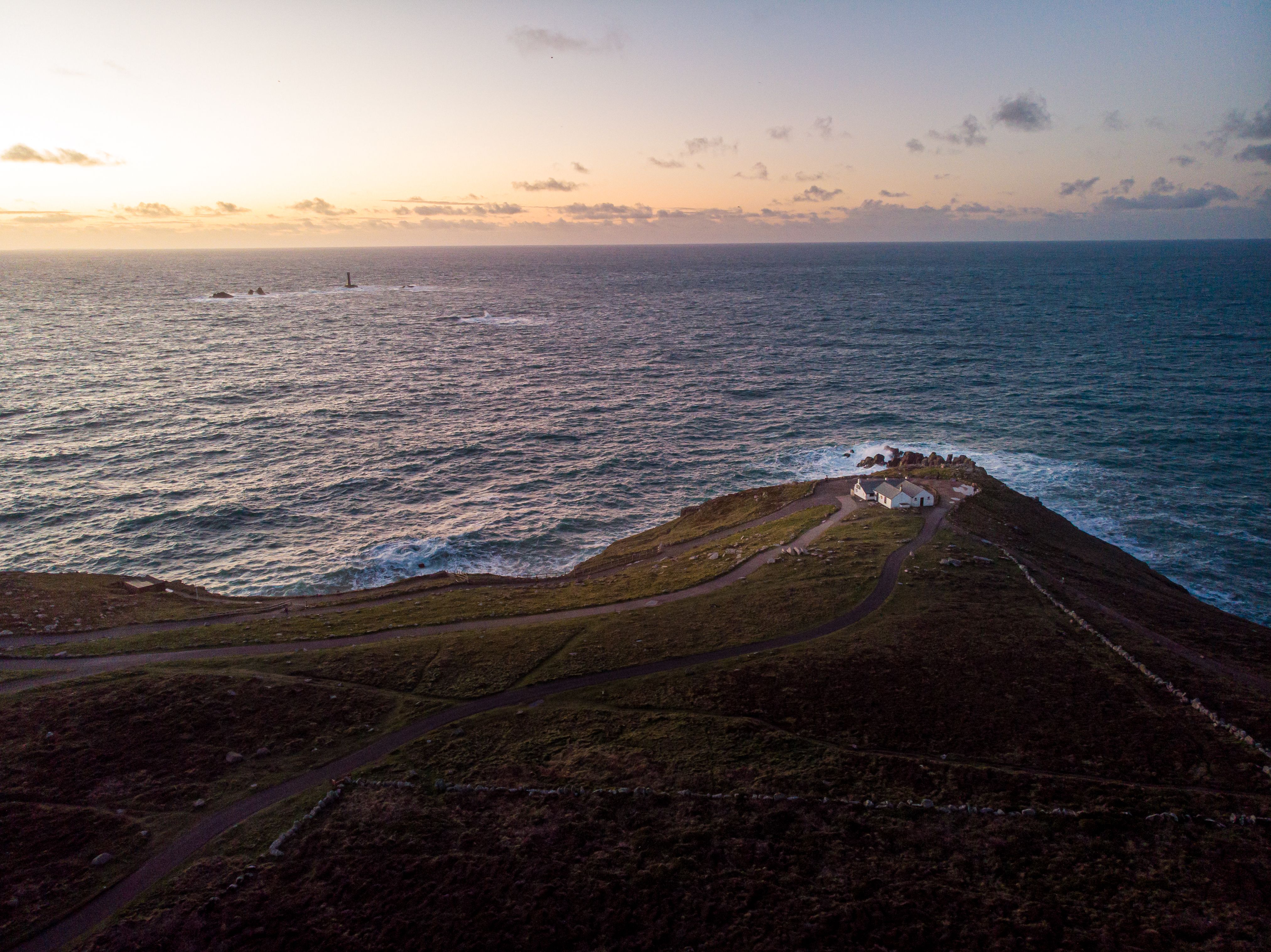
I left Newquay on a grey Tuesday morning—the kind of day when the beaches empty out and the town reveals itself as something other than a postcard. That’s when I realised the real takeaway: Newquay works because it refuses to be one thing. You can chase perfect barrels at Watergate Bay, then spend the afternoon in a museum learning about mining history that shaped this entire coast. You can budget £15 for fish and chips or £45 for fine dining. You can visit in August and queue for everything, or come in May when the water’s still cold but the crowds are manageable and the light is extraordinary. The beaches—Fistral, Towan, Lusty Glaze—aren’t interchangeable; each has its own character, its own swell pattern, its own reason to return. Beyond the sand, the day trips to Tintagel, Padstow, and the Eden Project offer genuine escape without needing to abandon your base. And the one thing most visitors miss: ask locals about the seasonal swells and the best cafés off the main drag. They’ll point you toward experiences that don’t appear in five other guidebooks.
Here’s your next move: decide what season calls to you—summer for guaranteed warmth and events, autumn for swell and fewer tourists, spring for wildflowers and reasonable accommodation prices, winter for solitude and the best waves. Then book your accommodation in a neighbourhood that matches your priorities: beachfront if you want convenience, Newquay town centre if you want nightlife and restaurants, or one of the quieter villages nearby if you want escape. Check the tide times before you arrive, download a local map (the town is small but the beach access points matter), and pack layers—the Atlantic wind is real. Newquay isn’t a hidden secret anymore, but it’s still a place where you can find exactly what you came for, provided you know what that actually is. The question isn’t whether Newquay is worth visiting. It’s whether you’re ready to leave.