Tuscany Road Trip: Complete Itinerary, Routes & Driving Guide

Plan your Tuscany road trip with insider routes, hidden towns, accommodation strategy, and honest driving tips. 3-7 day itineraries included.
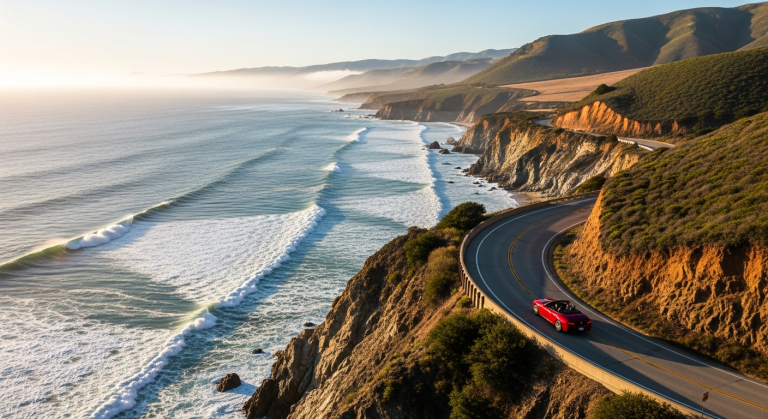
Golden light hits the cypress-lined road ahead, and you realize you have nowhere to be except exactly where you want to be for the next three hours. This is the Tuscany moment everyone imagines.
But getting here without wasting days on overcrowded villages, getting lost in unmarked medieval streets, or accidentally racking up a €200 ZTL fine requires a plan.
You’ve decided on a Tuscany road trip, but the route planning feels paralyzing. Should you base yourself in one town or move around every night? Which villages are actually worth the detour versus Instagram clichés?
How do you navigate those restricted traffic zones without triggering automatic camera fines? And if you’ve got only five vacation days, how do you maximize every single one without spending half your time driving?
Here’s the reality: a Tuscany road trip done right isn’t about covering ground. It’s about positioning yourself strategically so you can linger over lunch, stumble into a family-run winery, watch sunset from a hilltop without crowds, and still hit the iconic moments everyone comes for.
This guide walks you through the exact routes, towns, accommodation strategy, and driving logistics that let you do all of that in three, five, or seven days—without the overwhelm.
Planning a Tuscany Italy road trip brings up real friction points. You’re juggling multiple decisions at once: which region to focus on, whether a car is even worth the hassle, where to sleep so you’re not repacking every night, and how far ahead to book everything.
The internet offers thousands of guides, but most either gloss over the logistics or treat Tuscany as one undifferentiated “romantic countryside” instead of distinct regions with completely different character and driving patterns.
The fear of missing hidden gems is real—you’ve scrolled through enough Instagram to know that the most memorable moments aren’t the Uffizi Gallery or the Leaning Tower.
They’re the unexpected detours: a tiny enoteca where the owner pours wine from their own vineyard, a sunset view that nobody’s photographed yet, a cooking class where you learn to make pasta from an 85-year-old grandmother. But how do you find those without wasting time on tourist traps disguised as “authentic experiences”?
This guide solves that by giving you the specific route sequences, exact town names, realistic drive times, and booking windows that let you build a Tuscany Italy road trip tailored to your pace and budget. Whether you have three days or seven, you’ll know exactly which towns cluster together, where to stay to minimize driving, how to handle ZTLs without anxiety, and which experiences need reservations months ahead versus which ones welcome walk-ins. The goal is a trip that feels spontaneous but isn’t chaotic—planned enough that you never waste time, flexible enough that you can follow your curiosity.
Planning Your Perfect Tuscany Italy Road Trip
Best Time to Visit Tuscany (And When to Avoid the Crowds)
Timing shapes your entire experience. April through May and September through October are the sweet spot for a Tuscany Italy road trip: weather is mild (65-75°F), crowds thin out after mid-morning, and you can actually have conversations with locals instead of navigating tour groups. Spring brings wildflowers and greening vineyards; fall brings harvest season and the light that makes photographers weep.
If you’re considering November through December, you hit truffle season (unforgettable if you book a truffle hunt in advance), and the landscape turns moody and golden. July and August offer stunning sunflower fields, but expect peak heat (85-95°F), shoulder-to-shoulder crowds in San Gimignano and Montepulciano, and prices that spike 30-40% higher. If summer is your only option, book your agriturismo four to six months ahead and plan town visits for early morning or after 5 PM when day-trippers leave.
Winter (January-March) is genuinely quiet and romantic, but many agriturismi close, some restaurants operate limited hours, and rain is frequent. It works if you’re seeking solitude and don’t mind unpredictable weather.
How Many Days You Actually Need
This is where honesty matters. A three-day trip works if you pick one region and commit to depth over breadth. A five-day trip is the practical sweet spot—long enough to hit the iconic moments without rushing, short enough that you’re not spending half your vacation in a car. Seven days lets you add secondary towns, cooking classes, or a second region without feeling frantic.
The secret most guides don’t mention: you’ll spend 2-3 hours driving per day maximum. This isn’t a road trip where you’re chasing distance. You’re covering maybe 30-50 miles a day, often on winding roads where 40 mph feels normal. The time opens up for lingering—a long lunch, an unplanned winery stop, sitting in a piazza for an hour watching the light change.
Car Rental Essentials Nobody Tells You About
You’ll need an International Driving Permit (get it from AAA before you leave—takes 15 minutes, costs $20, and some rental companies legally require it). Your US driver’s license alone isn’t sufficient in Italy, despite what rental websites suggest.
Automatic transmission is non-negotiable unless you’re genuinely comfortable with manual. Problem: automatics cost €200-300 more per week and have limited availability in high season. Book three to four months ahead if you want automatic, or practice manual in advance if you’re flexible. Pick up your car outside Florence or Pisa city centers—starting inside the ZTL zone adds unnecessary stress on day one.
Insurance matters. The basic coverage rental companies offer leaves you exposed to €500+ deductibles on narrow medieval streets where scratches happen. Spring for the full coverage (€15-20 per day) or verify your credit card covers European rentals. Gas costs €1.50-1.70 per liter; fill up in towns rather than highway rest stops (€0.20+ per liter difference adds up). Budget €80-120 total for fuel for a week-long trip.
Best Routes in Tuscany: Where to Drive and Why
The Chianti Classico Loop (Wine Country Classic)
SR222, known locally as the Via Chiantigiana, connects Florence to Siena through the heart of wine country. The route curves through endless vineyard views, with frequent pullouts and small producer signs offering free tastings. This is the Tuscany travel experience most people picture: rolling hills, cypress-lined roads, wine bottles on weathered tables.
The drive takes 2-3 hours without stops but you’ll want to stop constantly. Key towns to cluster: Greve (charming piazza, Saturday market), Castellina (fortress views, working wineries), and Radda (quiet, authentic). The hidden advantage of this route is that dozens of family-run wineries welcome drop-ins for free tastings—unlike Napa, you’re not paying €40 per person for a tour. Ask your accommodation for their favorite small producer; locals always have better intel than Google.
Best drives in Tuscany often overlook the side roads. Skip the main SR222 occasionally and take SP533 or SP408 for even quieter vineyard views. This route works perfectly for wine lovers or first-time visitors who want the classic Tuscany Italy experience without the chaos of Val d’Orcia.
The Val d’Orcia Circuit (Postcard Tuscany)
SR2 (Via Cassia) and SP146 deliver the most photographed landscapes in Italy. The route itself is stunning, but the real magic happens on SP146 between Pienza and Montepulciano—a 25-minute drive that winds through rolling hills so perfect they seem digitally enhanced. Drive this segment in morning light heading east for the best views; afternoon light from the west turns the landscape flat and washed out.
Val d’Orcia is smaller and more manageable than Chianti. Base in Pienza (the “ideal city” designed in the 1400s, tiny but perfectly walkable) and you can reach Montepulciano in 15 minutes, Montalcino in 25 minutes, and San Quirico d’Orcia in 10 minutes. This clustering is the secret to maximizing a Tuscany Italy road trip without constant packing. The region is famous for Brunello di Montalcino wine, pecorino cheese, and landscapes that make photographers abandon their itineraries just to chase light.
Fair warning: Val d’Orcia is more touristy than Chianti. San Quirico and Pienza draw crowds, especially midday. Counter this by arriving early or staying late—most tour groups leave by 5 PM.
The Hidden Gems Route (Western Tuscany)
Volterra to San Gimignano to Colle di Val d’Elsa is the route fewer tourists discover. Volterra is edgier than other Tuscany towns—Etruscan history, fewer souvenir shops, genuinely local energy. San Gimignano’s 14 surviving towers are iconic, but here’s the secret: arrive after 5 PM when cruise groups leave, and you get the town to yourself. The light hits the towers differently at sunset anyway.
This route works for second-time visitors or those actively avoiding crowds. Colle di Val d’Elsa is genuinely undiscovered—a working town where locals outnumber tourists. The drive time between these three towns is 30-45 minutes maximum, making it ideal for a two-night loop. Fewer Instagram moments here, but far more authentic conversations and better restaurant availability.
Italy Trip Planning: Must-Stop Towns & What Makes Each Special
The Big Three (Worth the Hype)
San Gimignano is medieval Manhattan with 14 surviving towers rising dramatically above the Tuscan landscape. Yes, it’s touristy. Yes, there are gelato shops and souvenir stands. But the towers are genuinely stunning, and the views from the top of the town toward the Val d’Elsa are worth the crowds. The trick: arrive after 5 PM when day-trippers board their buses. You’ll have the piazza to yourself, restaurants have actual tables, and the light is perfect. Parking is outside the walls (€1.50-2 for the day); walk up through the main gate.
Montepulciano sits on a steep ridge and is famous for Vino Nobile wine. The entire town is a vertical climb—park at the bottom, walk up (it’s about 15 minutes of steady climbing), taste wine at small enotecas along the way, and you’ve essentially worked your way up the town while drinking. The views from the top are panoramic. Pro tip: skip the crowded Piazza Grande restaurants and eat at family-run spots on side streets where locals actually go.
Pienza is the “ideal city” designed in the 1400s by a Renaissance pope. It’s tiny—you can walk the entire town in 30 minutes—but architecturally perfect. Famous for pecorino cheese (buy it from the producer, not tourist shops—it tastes entirely different), and the views toward Val d’Orcia are breathtaking. Park outside the walls and walk in; the town is entirely pedestrian.
The Secret Favorites (Less Crowded, Equally Stunning)
Montalcino is the Brunello wine capital—a hilltop fortress town that’s significantly less touristy than Montepulciano despite producing one of Italy’s most prestigious wines. The enotecas are genuinely welcoming, and you can taste €50+ bottles for €5-8 per glass. The fortress itself (Rocca di Montalcino) offers 360-degree views and costs €4 to enter. Montalcino feels like a town where people actually live, not a museum.
Cortona sits on a steep hillside with views toward Lake Trasimeno and Umbria. “Under the Tuscan Sun” was filmed here, but it’s remained surprisingly local. The energy is more artsy and less commercial than San Gimignano. Parking is steep (literally and figuratively—lots are on hillsides), but the town itself is manageable and genuinely beautiful. The archaeological museum is world-class if you care about Etruscan history.
San Quirico d’Orcia is the town most people drive past. It’s tiny, sits on a ridge, and has stunning views toward Val d’Orcia. The Horti Leonini (Renaissance gardens) are worth 20 minutes, and the restaurants are authentically local—you’ll eat better here than in Pienza for less money. This is the kind of town that rewards those willing to skip the famous names.
Strategic Town Clustering (Save Time, See More)
The secret to maximizing a Tuscany Italy road trip is clustering towns to minimize repacking. Pienza + Montepulciano + Montalcino form a perfect triangle: 15-25 minutes between each, all within Val d’Orcia’s landscape. San Gimignano + Volterra are 30 minutes apart (pair them in a single day). Greve + Castellina + Radda work as a Chianti cluster. Base yourself in one central location (Pienza for Val d’Orcia, Greve for Chianti, Cortona for eastern Tuscany) and day-trip to surrounding towns. This strategy eliminates hotel-switching friction and lets you discover side roads and unexpected stops without worrying about where you’re sleeping.
Driving in Tuscany: The Complete Truth About ZTLs and Navigation
ZTL Zones Explained (And How to Avoid €200 Fines)
ZTL stands for Zona Traffico Limitato—restricted traffic zones in historic centers, enforced by cameras that photograph your license plate. Florence, Siena, and Lucca have the strictest enforcement.
Smaller towns like Pienza and Montepulciano are more relaxed about enforcement, but the rules technically apply everywhere. The fine is €100-200 per violation, and you’ll get billed weeks after you return home.