5-Day North Devon Itinerary: Beaches, Coastal Walks & Hidden Villages

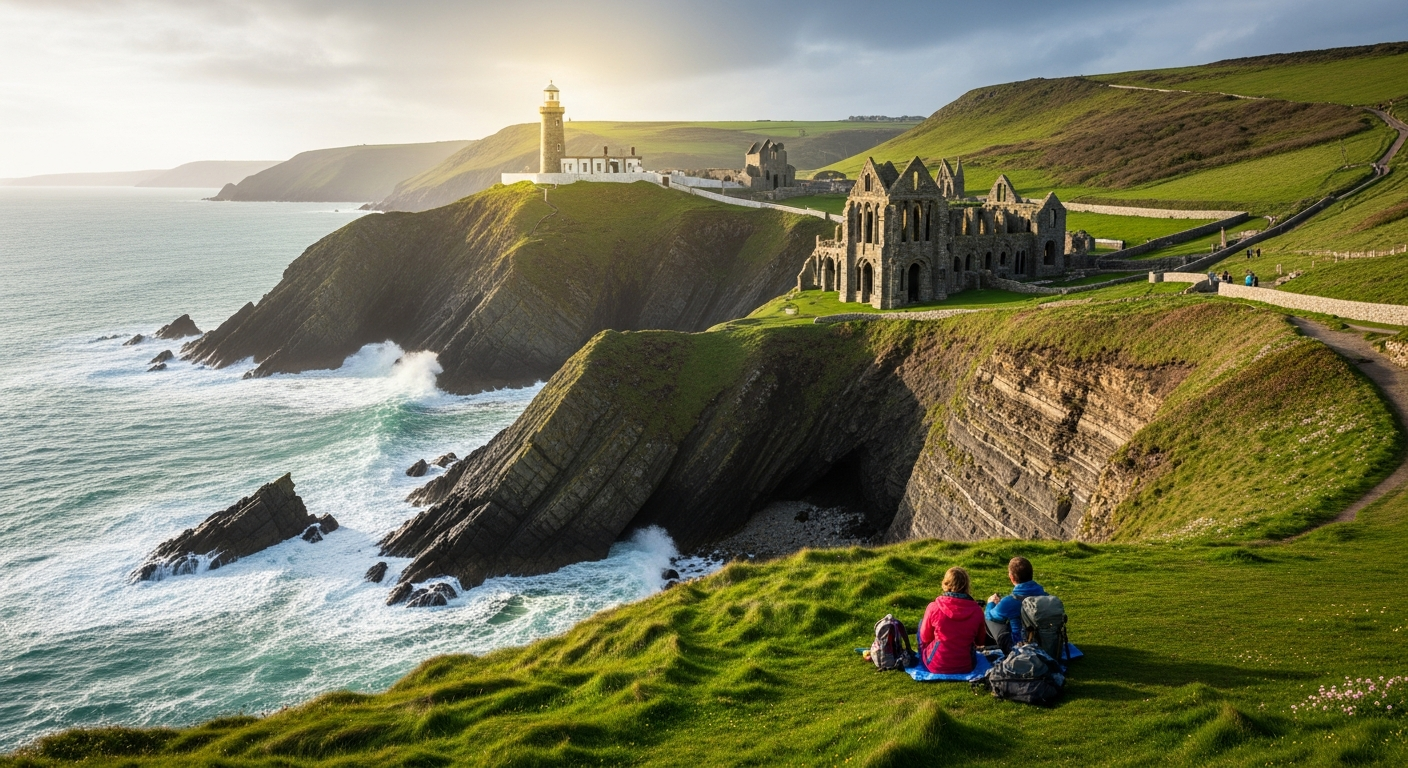
The call to prayer doesn’t echo across North Devon’s rooftops—but the Atlantic wind does, carrying salt spray and the sound of waves that never quite stop moving. I’m standing at Baggy Point at 6:47 AM on a June morning, the headland almost empty, and I realize this is the moment most travelers miss: the one where you’re not fighting for parking or queuing for cream tea, just watching the coast light up.
Five days isn’t long. Limited vacation time means you can’t afford to waste a morning backtracking or discovering at 4 PM that the beach you planned for is underwater at high tide. You want Woolacombe and Croyde—yes, the famous ones—but you also want the villages tour buses skip, the coastal walks that actually take your breath, and the pub where locals actually sit. Conflicting advice online has paralyzed you: base yourself in one village or move around? Beaches or cliff paths? Which “hidden gems” are marketing hype and which are genuinely worth the detour?
This itinerary cuts through that. It’s built on a single base (Woolacombe or Croyde, your choice), maximizes every driving minute, and balances the Instagram-famous spots with the places that made you want to visit North Devon in the first place. No backtracking. No wasted afternoons. Just the complete North Devon experience, mapped to reality.
Devon Travel Guide: Essential Planning Before You Go
Best Time to Visit (And Why May-June Beats July-August)
The calendar matters more than you think. May through June and September offer the sweet spot: water warm enough for wetsuits to feel optional (though they’re not), parking that doesn’t require arriving at 8 AM, and restaurants that take walk-ins without a 90-minute wait. July and August are brutal. Yes, the weather is reliably sunny. But you’ll circle Woolacombe’s car park for thirty minutes in peak season, Clovelly’s cobbles will be shoulder-to-shoulder with tour groups, and every sit-down dinner spot books solid by 6 PM.
Here’s what locals actually do: they visit in May or September. The water temperature sits at 15-17°C year-round, so a summer visit doesn’t mean you’ll swim without a wetsuit anyway. What changes is the crowd density and the light. September offers that golden-hour glow photographers chase, with half the summer congestion. May is quieter still, though you’ll need layers for unpredictable weather.
Even in July, pack a windproof jacket for coastal path walks. That Atlantic wind is no joke, and the temperature drops 10 degrees the moment you leave the beach.
Where to Base Yourself (Single Base Strategy)
Don’t split your accommodation. Nothing in this itinerary is more than 50 minutes’ drive from either Woolacombe or Croyde, so one base eliminates packing/unpacking friction and lets you settle into a rhythm. Choose based on your vibe: Woolacombe for families (three miles of sand, lifeguards, rock pools, village amenities), or Croyde for younger travelers and surf culture (grittier, smaller, with a local pub that actually feels local).
Woolacombe has more accommodation options and tends to feel safer for first-timers. Croyde rewards people who want to be where surfers gather. Either way, you’re 25 minutes from Ilfracombe, 50 minutes from Clovelly, and 40 minutes from Exmoor’s edge. The distances are forgiving enough that you won’t spend your holiday driving.
How to Get There and Getting Around
Barnstaple is the nearest train station (served from Exeter and beyond). From there, rent a car—this itinerary assumes you’re driving, and the single-track lanes of North Devon aren’t friendly to buses. Add 25% to Google Maps’ estimated drive times during summer; the narrow roads around Combe Martin and Lynton can slow you down more than you’d expect.
A National Trust membership pays for itself if you’re hitting Croyde, Woolacombe Warren, and doing multiple coast path sections. Parking at these spots costs £3-5 per visit without membership; membership runs about £70 for a single adult annual pass and covers all of them. If you’re visiting in peak season and plan to park more than 15 times, it’s worth buying for the trip alone.
Day 1 – Devon Travel Destination Ideas: Arrival + Woolacombe Beach
Why Woolacombe First
Woolacombe is North Devon’s anchor. Three miles of golden sand, Blue Flag status, and enough facilities (cafés, shops, car parks, lifeguards) that you can ease into holiday mode without logistical stress. The southern end near the village is where families set up camp—shallow water, rock pools, and a gentler slope into the sea. The northern Putsborough end has more space and actual breakers for surfers.
Arrive by 10 AM in summer, or you’ll spend thirty minutes circling the car park. Even the paid lots fill up. Once you’ve parked and checked in, spend your first afternoon simply being here. Wade in (water’s cold year-round, but you’ll adjust). Explore the rock pools at the southern end if the tide’s right. Watch the surfers at the northern end. This isn’t a day to rush to a second location; it’s about settling your body into Devon time.
A practical note: Woolacombe’s car parks charge £3-5 for two hours, up to £10-12 for the day. The National Trust car park at Woolacombe Warren (north end) is slightly less crowded and included if you have membership. The village car parks fill fastest; try the overflow lot on the hill behind the beach if the main ones are full.
Your First Evening: Where to Eat
The Red Barn sits just above the beach and does locally sourced, relaxed dining—book ahead in peak season or you’ll wait 90 minutes. If you want grab-and-go, Woolacombe’s fish and chip shops are genuinely solid; eat on the beach at sunset and watch the light turn the sand gold.
Don’t assume anywhere takes walk-ins for dinner in July or August. Call ahead or you’ll end up at a service station. Prices for mains run £14-22 at casual spots, £18-28 at something nicer. A fish and chips takeaway is £8-12 and honestly just as memorable on a beach at dusk.
Day 2 – Places To Visit In Devon: Croyde Bay + Saunton Sands
Morning at Croyde: Surf Culture and Authentic Village
Croyde is what Woolacombe was before the car parks. Smaller, grittier, with a village pub (The Thatch) that actually feels local rather than touristy. The beach is tighter and more sheltered, backed by the dunes, and it’s become the epicenter of North Devon’s surf scene. If you’ve never surfed, book a 2-hour beginner lesson (Croyde Surf Academy and Surfing Croyde Bay both operate from the beach; expect to pay £40-60 including wetsuit hire). You’ll spend 45 minutes learning paddle technique in the shallows, then 45 minutes actually catching waves. Most people stand up at least once.
If surfing doesn’t appeal, just watch. The energy here is different from Woolacombe—less family, more young adults and serious surfers. Grab a coffee at one of the beach shacks and observe the lineup. Low tide reveals the best rock pools at the north end; check your tide app the night before.
Parking at Croyde is tight. The main beach car park charges £5 for the day and fills by 11 AM in summer. The National Trust car park (if you have membership) is a short walk from the village and rarely full. The Thatch pub serves decent food and is worth a lunch stop (mains £12-16).
Afternoon at Saunton Sands: The Beach That Feels Endless
Saunton is vast. Backed by Braunton Burrows (a UNESCO Biosphere Reserve), it stretches nearly two miles and feels genuinely empty even in August. This is where you’ll find space when everywhere else is rammed. The sand is firm and flat, perfect for families or anyone who wants to walk without fighting crowds.
If you’re up for a proper walk, the 3-mile coastal path from Croyde to Saunton via the headland offers breathtaking clifftop views and takes about 90 minutes. Start early (by 2 PM) so you finish with late-afternoon light. The path is well-marked and mostly easy, though it climbs and descends several times. Wear proper shoes—flip-flops won’t cut it.
The Saunton Sands Hotel sits on the beach and does excellent cream teas on the terrace (£10-14 per person, no accommodation booking required). It’s one of the best-kept secrets for a proper afternoon tea with a view. Parking at Saunton is easier than Croyde or Woolacombe; the car park rarely fills, and it’s £4 for the day.
Day 3 – Devon England Travel Ideas: Ilfracombe + Mortehoe Coastal Path
Ilfracombe Harbour: Victorian Charm Meets Working Port
Ilfracombe is the kind of seaside town that feels frozen in the 1970s, but in a good way. The harbour is working (fishing boats actually dock here), the seafront is lined with Victoriana, and there’s enough character to justify the 25-minute drive from your base. Start with Tunnels Beaches—hand-carved Victorian tidal pools built in the 1820s as a bathing resort. Entry is £5.50 per adult, and it’s utterly unique. The pools are shallow, sheltered, and genuinely beautiful. Spend an hour here if the tide’s right.
Then walk the harbour. You’ll see Damien Hirst’s “Verity” statue—a 66-foot bronze of a pregnant woman that you literally cannot miss. It’s controversial, it’s striking, and it’s become Ilfracombe’s defining landmark. The Quay restaurant overlooks the harbour and does excellent seafood (mains £16-26). If you want something more casual, Dolphin Fish & Chips is the real deal—locals queue here, not tourists.
Rainy day backup: Ilfracombe Aquarium is small but solid if weather turns. Parking in Ilfracombe is straightforward; the main car park near the harbour charges £4-5 for the day and rarely fills beyond capacity.
Mortehoe to Woolacombe Coast Path: The Walk Everyone Remembers
This is the signature North Devon walk. Four miles of South West Coast Path, dramatic headlands, and views that justify every Instagram cliché you’ve ever dismissed. The path runs along National Trust land, mostly easy underfoot, with three significant climbs but nothing brutal. Start in Mortehoe (park at the National Trust car park, £3-5), walk toward Lee Bay, then climb to Morte Point and descend to Woolacombe. You’ll finish with late-afternoon light on Woolacombe’s sand—that’s the shot you came for.
Allow three hours for the full walk. Start by 2 PM so you finish before dark. The 31 bus runs seasonally (May-September) from Woolacombe back to Mortehoe, so you don’t have to walk both directions. Check the timetable before you go—it’s not frequent, and you don’t want to miss the last bus. The path is exposed to wind, so layers are essential even in summer.
An insider tip: Baggy Point headland, just north of Croyde, offers 360-degree views in a 10-minute walk from the National Trust car park. If the Mortehoe walk feels too ambitious, this is your backup—shorter, equally stunning, and usually quiet.
Day 4 – Devon England Travel Inspiration: Clovelly + Appledore
Clovelly Village: The Cobbled Street Frozen in Time
Clovelly is the village you’ve seen in films. A private village (yes, there’s an entry fee of £8.95 per adult), no cars allowed, a single cobbled street that drops 400 feet to a working harbour, and donkeys that still deliver supplies. It’s touristy, it’s crowded in summer, and it’s worth every penny because nowhere else looks like this.
Here’s the critical detail: you descend the cobbles to the harbour, then climb back up. If you’re traveling with a pushchair, have mobility issues, or aren’t confident on steep slopes, this isn’t your day—consider splitting up or skipping it. The cobbles are uneven and relentless. Wear proper shoes with grip. Budget 90 minutes to descend, wander the harbour, eat a fish and chips, and climb back up.
The village sits 50 minutes from Woolacombe, so it’s a full-day commitment. Parking is in a large lot at the top; arrive early (by 10 AM) in peak season or you’ll wait. The entry fee includes access to the village and a small museum. Lunch options are limited to the fish and chips shop and the pub at the bottom—both are fine, both are pricey (£12-14 for fish and chips, mains £14-18 at the pub).
Appledore: The Estuary Art Town Tourists Miss
If Clovelly felt like a film set, Appledore feels like a real place. Flat (no cobbles), free to wander, with working shipbuilding heritage and galleries tucked into pastel cottages along the quay. It’s 15 minutes from Clovelly and worth the detour. Walk the waterfront, pop into galleries, and grab lunch at the Beaver Inn (waterfront seating, locally caught fish, mains £14-20) or The Seagate (casual, friendly, good for families).
Here’s the local secret: at low tide, you can walk the sand bar across to Instow (a neighboring village). Check timings with locals before you attempt it—it’s not always safe, and missing the tide window means being stuck. But if conditions are right, it’s a genuinely unique walk.
Parking in Appledore is easier than Clovelly. Street parking is free and usually available. You could spend 2-3 hours here comfortably, making it a natural afternoon activity after Clovelly. The vibe is relaxed and genuinely local—you’ll see artists actually working in studios, not just tourist versions of them.
Day 5 – North Devon England: Braunton Burrows + Flexible Departure
Braunton Burrows: England’s Largest Sand Dune System
Save this for last because it’s different from everything else, it’s genuinely stunning, and it sits between your base and your route home—no backtracking. Braunton Burrows is 1,500 acres of UNESCO Biosphere land, the largest sand dune system in England, and it feels more Sahara than Devon. Boardwalk trails wind through the dunes, past rare wildflowers and impossible views. You’ll see maybe ten other people if you go mid-morning.
The main car park is at Braunton (not on the coast), and from there, the boardwalk loops are 1-2 hours depending on how far you walk. Even 30 minutes gives you enough to feel like you’ve stepped into another landscape. Parking is £3-5, and there’s a visitor center with basic facilities. This is genuinely the hidden gem—most itineraries skip it because it’s not a beach or a famous village, but it’s the walk that stays with you.
Departure Flexibility: Alternative Morning Options
If you’re craving one more beach, Barricane Beach (the northern cove at Woolacombe) is sheltered, has rock pools perfect for toddlers, and is rarely crowded. If weather’s grim, Barnstaple’s Pannier Market (covered, 300+ years old, local produce and crafts) is 15 minutes from your base and worth an hour. Check out by 10 AM, do your morning activity, then drive straight onto the A361. You’ll miss the worst of the holiday traffic and finish your trip on a high note rather than sitting in a car for four hours.
Complete North Devon Travel Tips: What to Pack, Common Mistakes, and Insider Secrets
The North Devon Packing List Nobody Tells You
Even in July, pack a windproof jacket for coast path walks. The Atlantic wind is genuinely fierce. A wetsuit or budget for wetsuit hire (£5-8 per day at most beaches) because the water runs 15-17°C year-round. Layers you can peel off matter more than a single warm item. Proper walking shoes for coastal paths—flip-flops will destroy your feet on cobbles and rocky sections.
Essential apps: Tide Times UK (for rock pooling and coastal walk timing), the National Trust app (parking codes and trail maps), and Google Maps offline (signal is patchy on coastal paths). Bring a reusable water bottle and a cool bag. Beach cafés are pricey (£4-6 for a coffee, £8-12 for a sandwich), and they’re not always conveniently placed. Carrying your own supplies saves money and stress.
Common Mistakes and How to Avoid Them
Underestimating drive times on single-track lanes: add 25% to Google’s estimate in summer, especially around Combe Martin and Lynton roads. Missing tide windows: that “secret beach” isn’t accessible at high tide, and the rock pools are underwater. Check tide times before you drive. Not pre-booking in peak season: Clovelly parking, surf lessons, and any sit-down dinner spot in Woolacombe or Croyde fill fast. Book 48 hours ahead minimum.
Attempting Clovelly with a pushchair or mobility issues: the cobbles are genuinely brutal. Plan this day differently if you’re in that situation. Assuming everywhere takes walk-ins for dinner: they don’t. Call ahead or eat early (5-5:30 PM) before the evening rush. Not checking the weather: a sudden downpour can make coastal paths unsafe. Have a backup plan (Ilfracombe Aquarium, Barnstaple Pannier Market, an indoor activity).
The Local Secrets That Make This Itinerary Authentic
Best cream tea: Buttercup Café in Mortehoe. Tiny, cash-only, and locals queue out the door. You’ll wait 20 minutes for a table, and it’s worth every minute. The sunset spot tourists miss: Baggy Point headland above Croyde, a 10-minute walk from the National Trust car park, with 360-degree views. Go at 7-8 PM in summer and you’ll have it almost to yourself.
When to visit beaches: early morning (before 9 AM) or after 5 PM in summer. You’ll have Woolacombe nearly to yourself, and the light is breathtaking. This single shift—visiting popular spots at off-peak times—transforms your entire experience. Parking is easier, the water feels cleaner, and you’ll actually remember the place rather than the queue.
A cultural note: North Devon communities depend heavily on summer tourism, but locals genuinely appreciate visitors who respect the landscape and the people. Don’t leave rubbish on beaches. Don’t park illegally (even if it seems harmless). Eat at local pubs and restaurants. Ask permission before photographing people. These small gestures matter in communities this size.
CONCLUSION
You now have the complete North Devon itinerary: famous beaches (Woolacombe, Croyde, Saunton), hidden villages (Appledore’s quiet charm, Clovelly’s drama), and the coastal walks that justify every travel magazine’s hype. You know the insider timing—which beaches to hit when, why Clovelly works better on Day 4, how to avoid parking chaos. You know the local favorites and the practical details that turn a good trip into an unforgettable one.
The single most important takeaway: book your accommodation and dinner spots now. Peak season books solid 4-6 weeks out. Secure your Clovelly parking slot if traveling June-August. Check the South West Coast Path maps for the Mortehoe-Woolacombe section before you go. Download the Tide Times app and set reminders for rock pooling windows. Pack that windproof jacket even though it seems unnecessary.
North Devon rewards the prepared traveler. Give yourself permission to linger when a beach or village surprises you. Skip something on the itinerary if the light is perfect or the tide window is right. The plan is a structure, not a prison. You’ve got five days to experience one of England’s most beautiful coastlines—make every one count, and you’ll be planning your return before you’ve even left.