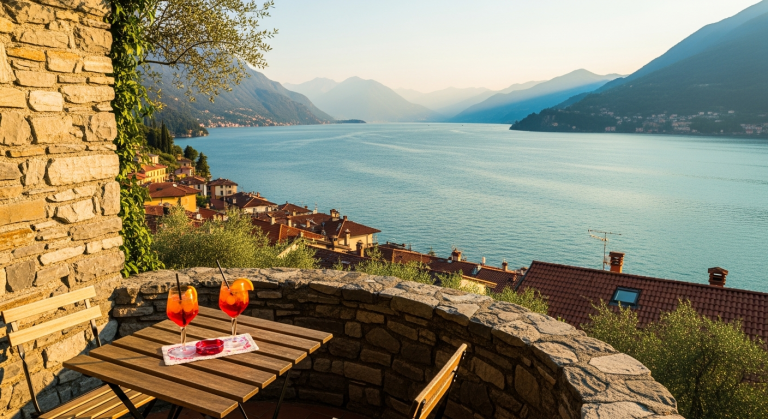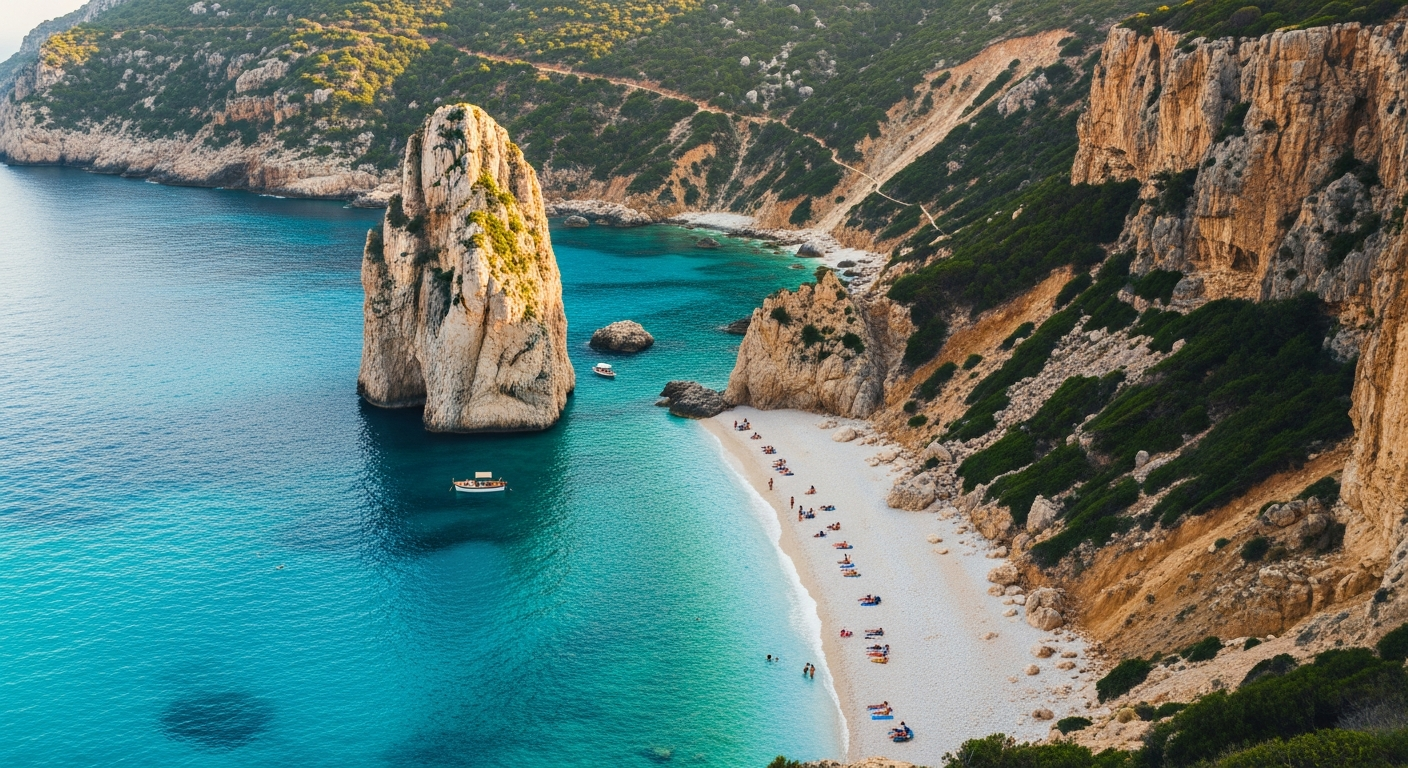
best beaches for summer vacation

You have seven vacation days. You’ve been scrolling beach photos for three weeks. Every “best beaches” list shows the same five overcrowded hotspots, and you’re terrified of booking somewhere that looks perfect on Instagram but turns out to be a spring-break nightmare.
Here’s the paradox: unlimited beach options, limited vacation time, and zero practical information to actually choose. You’re planning three to six months ahead but second-guessing every decision. Budget anxiety creeps in. You see $500-per-night resorts and wonder if there’s something equally beautiful for $150. And the research fatigue is real—generic “stunning” and “breathtaking” descriptions don’t tell you what actually makes each beach different or whether it’s crowded, family-friendly, or worth the flight investment.
This guide cuts through the noise. You’ll get specific beach names across six categories—each curated for a different travel style and budget. Every recommendation includes concrete costs in local currency, ideal booking windows, and crowd-avoidance tactics that actually work. By the end, you’ll have two or three beaches that match your priorities, so you can stop researching and start booking with confidence.
Best Beach Destinations For Relaxation
If your definition of a perfect summer involves a book, a calm shoreline, and minimal decision-making, these best beach destinations for relaxation deliver exactly that without the crowds or chaos. The key is choosing places where development is limited by law, not just luck.
Anguilla’s Shoal Bay East (Caribbean)
Shoal Bay East stretches for two miles of powdery sand so fine it squeaks under your feet. The water stays a consistent pale turquoise, and the critical detail most guides miss: Anguilla has strict development limits. No high-rises block the sunset. No resort chains dominate the beach. This is intentional policy, which means your relaxation isn’t threatened by the next mega-resort construction project.
Direct flights from Miami take roughly three and a half hours. US citizens are visa-free. Budget $200–350 per night for beachfront guesthouses (not the $600+ resorts). The insider timing strategy: visit June through July, before peak winter pricing hits but after spring-break crowds clear. Most Americans forget Caribbean beaches are genuinely perfect in summer—fewer families, cheaper rates, and water temperatures in the low 80s Fahrenheit. Bring reef-safe sunscreen (non-negotiable here) and plan for afternoon rain showers that last 20 minutes and disappear.
Naxos Beaches, Greece (Mediterranean)
Everyone books Santorini. Everyone regrets it. Naxos has over 60 beaches versus Santorini’s handful of volcanic, crowded shores. Plaka Beach specifically—three miles long, shallow entry for the first 100 yards (perfect if you have anxiety about deep water), and tavernas every half-mile selling fresh grilled octopus for €12–16.
The timing strategy matters enormously here. Go late May or early October. July and August are when Athens residents flood the islands, prices spike 40%, and beaches feel like public swimming pools. Late May has 28–30°C (82–86°F) temperatures, water warm enough to stay in all day, and you’ll actually find a spot on the sand. Ferries from Athens take five hours (€30–40 return). Accommodation runs €70–140 per night for decent hotels. One common mistake: assuming all Greek islands have sandy beaches. Naxos does. Many don’t. The pebble-beach islands are beautiful but require water shoes and have less comfortable lounging.
Bacalar Lagoon, Mexico (Beyond Tulum)
Skip Tulum. Go to Bacalar Lagoon instead. This is a freshwater lagoon, not ocean, which means no waves, no salt, no jellyfish. The water displays seven distinct shades of blue—so visibly different that you can see the depth variations from shore. Zero crowds compared to Tulum’s beach-club chaos. This is the anti-Tulum: authentic, calm, and genuinely magical.
Cost advantage is substantial: $80–150 per night for boutique hotels versus Tulum’s $250+ for comparable rooms. It’s 3.5 hours from Cancún, so rent a car (taxis are scarce). Bring reef-safe sunscreen—locals enforce this strictly and you’ll face fines for chemical sunscreen. The lagoon stays warm year-round, but June through September is rainy season (brief afternoon showers, not all-day downpours). The water is so clear you can snorkel from shore. Most travelers never consider it because it requires 15 minutes of extra planning beyond the standard Cancún–Playa del Carmen route.
Best Beach Destinations For Summer Travel
Summer travel means you’re locked into peak-season timing. These best beach destinations for summer travel are chosen specifically because they deliver their absolute best weather, water temperature, and experience during June through August—and offer specific tactics to avoid the worst crowds.
Croatia’s Dalmatian Coast (June–September Peak)
Zlatni Rat on Brač Island is famous for windsurfing; Stiniva Cove on Vis Island offers dramatic 300-foot cliffs and snorkeling right from shore. The critical detail: the Adriatic Sea only reaches swimmable temperatures (72–77°F) from June through September. Spring is cheaper but genuinely too cold for comfortable swimming despite what budget-travel blogs claim. Summer is when this destination actually works.
Booking reality check: reserve island ferries and coastal apartments 8–10 weeks ahead. Split and Dubrovnik have airport access, making this easier than Greek islands where you’re flying into Athens and then island-hopping. July and August are peak, so book by May 1 for summer travel. Budget €60–120 per night for apartments with sea views, €15–25 for meals at local restaurants. One piece of info most guides miss: the best wind for windsurfing occurs in July–August afternoon, so if that’s your activity, plan beach time for 2 PM onward. Mornings are calm.
Portugal’s Algarve Region (Europe’s Budget Beach Secret)
The value proposition is shocking: €60–120 per night for clifftop villas that would cost $400+ on the Amalfi Coast. Praia da Marinha has iconic rock formations and snorkeling. Praia da Falésia stretches for six kilometers of red cliffs and somehow stays less crowded than Mediterranean equivalents. Portugal’s Algarve is the best beach destination for summer travelers who want European quality at non-European prices.
Summer advantage: 300+ days of sunshine annually, July–August average 82°F with minimal rain. More reliable than French or Spanish coasts. Flights arrive in Lisbon or Faro. Rent a car for €35–50 per day and drive two hours to the Algarve coast. Meals cost €12–18 for quality seafood. The common mistake: assuming Algarve is overdeveloped. The eastern Algarve (beyond Lagos) stays genuinely local. Avoid the western strips near major resorts. Ask your accommodation owner which beaches they actually visit on their days off—that’s your real answer.
San Diego’s North County Beaches (No Passport Required)
For time-poor travelers avoiding 10+ hour flights, San Diego delivers a complete beach vacation without leaving the US. Moonlight Beach in Encinitas has volleyball courts, fire pits, and family infrastructure. Swami’s Beach serves the local surf community and stays less touristy than central San Diego beaches. You get California coastline, perfect summer weather, and zero passport delays.
Cost calibration: $180–280 per night for beach-adjacent hotels. Pack your own cooler and beach gear to avoid $15 parking fees and $40 umbrella rental traps. Summer temperatures average 75–78°F. Water is cold (58–62°F) even in August—bring a wetsuit if you’re sensitive. The tactical advantage: drive up Friday evening from LA, spend Saturday–Sunday at the beach, and be back Monday morning. This works for long-weekend escapes when you can’t take a full week. Parking at North County beaches is easier and cheaper than central San Diego.
Best Beaches In The World 2026
These are the best beaches in the world 2025 in the category of “once-in-a-lifetime splurge.” They require more planning, higher budgets, or longer flights—but deliver experiences genuinely difficult to replicate elsewhere.
Whitehaven Beach, Whitsunday Islands (Australia)
Whitehaven Beach is 98% pure silica sand. This isn’t marketing fluff—it’s a geological fact. The sand stays cool underfoot even in blazing sun. Seven kilometers of protected beach with virtually no development. This is what “pristine” actually means.
The catch: access requires a boat or seaplane from Airlie Beach. Budget $150–300 for day tours or $400+ for overnight sailing trips. The crowd hack that works: book Tuesday–Thursday departures. Weekends and Mondays get cruise-ship overflow from Hamilton Island. Airlie Beach itself has budget accommodation ($100–150/night), so you can stay cheaply and splurge on the island experience. The best time: September–October (Australian spring) offers warm weather without school holidays crowds. Water temperature is 72–75°F, comfortable for extended swimming.
Anse Source d’Argent, Seychelles
Granite boulders, palm trees, and shallow lagoons create the most photographed beach globally for a reason. This is the ultimate splurge justification: Seychelles requires 15+ hour flights and $300+ per night budgets. This is a once-a-decade trip, not an annual vacation. But if you’re going, this is the beach.
Make it worth the investment: combine with two or three other Seychelles islands (La Digue, Praslin, Mahé) to justify the flight cost. September–October offers lower rates and perfect weather. Flights arrive in Seychelles via Middle East hubs (Qatar, Emirates) or Europe. Accommodation ranges $300–600 per night for mid-range options. One detail most travelers miss: Seychelles is an Indian Ocean destination, so cyclone season (November–May) exists. June–October is genuinely the only window. The water stays 78–82°F year-round, but the rain and wind during cyclone season make beach days unpredictable.
Baia do Sancho, Fernando de Noronha (Brazil)
Brazil limits daily visitors to preserve the ecosystem. This is perfect if you hate crowds. The beach is consistently ranked number one globally by TripAdvisor. Sea turtles, dolphins, and 100-foot visibility for snorkeling. The water clarity is stunning because the island sits 220 miles offshore with minimal human impact.
Planning requirements are strict: apply for environmental permits 60+ days ahead. Flights only depart from Recife or Natal. Budget $200–400 per night (limited accommodation on the island). This is genuinely remote, which is exactly why it’s worth going. December–March is warmest and driest. The common misconception: you need a boat to reach Baia do Sancho. You don’t. It’s accessible via a short trail from the island’s main area. The snorkeling is so good you’ll see sea turtles within five minutes of entering the water.
Best Beaches For Vacation 2026
These best beaches for vacation destinations are specifically optimized for family logistics—shade structures, lifeguards, nearby bathrooms, and infrastructure that makes traveling with kids actually feasible instead of exhausting.
Siesta Key, Florida (Gulf Coast)
Siesta Key has lifeguards year-round, pavilions with shade every quarter-mile, a playground directly on the beach, and bathrooms positioned so you’re never more than a five-minute walk away. This infrastructure matters if you’re managing toddlers and don’t want to lose your mind. The sand is quartz crystal—stays cool underfoot (no burning toddler feet) and is genuinely powder-soft.
Budget reality: $150–250 per night for family condos with kitchens (saves money on dining out). Book five to six months ahead for summer travel—spring break crowds book earlier, but summer family travel is still competitive. Water temperature peaks at 82–84°F in August. The Gulf is calmer than Atlantic beaches, so waves stay manageable for kids learning to swim. One detail: bring a pop-up shade tent ($40–60). Siesta Key has limited umbrella rentals and they charge $15 per day. Your own tent pays for itself in four days and you’ll use it at future beaches.
Maui’s Wailea Beach (Hawaii)
Wailea Beach is crescent-shaped, which creates calm water (no scary waves for kids). Luxury resorts line the shore but the beach itself is public access. Showers, restrooms, and grassy picnic areas exist. Snorkeling right from shore is reliable—sea turtles are almost guaranteed within the first 50 yards.
Cost strategy that works: stay in Kihei, 10 minutes south, at $180–280 per night. Drive to Wailea beaches and avoid resort parking fees ($40+ per day). Water stays 76–80°F even in summer. Maui’s weather is reliable—less rain than other Hawaiian islands. The family advantage: water entry is gradual, staying shallow for 100+ yards, so parents can relax without constant vigilance. Reef-safe sunscreen is legally required in Hawaii (fines up to $30 for chemical sunscreen). Buy it before you arrive or pay double at island stores.
Turks & Caicos: Grace Bay Beach
Grace Bay Beach is the toddler-friendly secret: water stays four feet deep for 100+ yards out. Parents can relax without constant vigilance. Sand is soft. Water is warm (80–82°F in summer). The crescent bay protects against rough waves.
All-inclusive advantage: many Grace Bay resorts include kids’ clubs, water sports, and meals (budget $400–700 per night but includes everything). Summer (June–August) is 30–40% cheaper than winter, and weather is nearly identical to winter—occasional brief showers, consistent warmth. The tactical move: book an all-inclusive during summer school break. Kids stay occupied, meals are covered, and you’re not calculating costs daily. One detail: Turks & Caicos requires no passport for US citizens (just an ID), which simplifies family travel logistics considerably.
Best Beach Destinations
These best beach destinations span the full budget spectrum—from $60 per night to $1,500 per night—so you can match your actual spending capacity with a genuinely excellent beach experience instead of compromising on either dimension.
Budget: Zanzibar, Tanzania (East Africa)
Cost breakdown is remarkable: $60–120 per night for beachfront bungalows, $8–15 meals, $30–50 for spice tours and snorkeling day trips. Nungwi Beach on the north side allows swimming at all tides (important detail—many beaches have tidal zones where you can’t swim at low tide). Paje Beach on the east side has a local fishing village atmosphere and kitesurfing infrastructure.
What to know: Zanzibar requires a yellow fever vaccine (check your passport 3–4 months ahead). Combine with a Tanzania safari for a 2-in-1 trip (five hours from Dar es Salaam). June–October is dry season—best weather, lowest rainfall. The common mistake: booking Zanzibar Town hotels. Stay on the beaches. Town is chaotic. Beaches are peaceful. Flights arrive via Dar es Salaam or Doha connections. The local currency is the Tanzanian Shilling (roughly 2,500 per $1 USD), so budget in local terms to avoid mental math errors.
Mid-Range: Riviera Maya, Mexico (Beyond Cancún)
Skip Playa del Carmen (cruise ship crowds, spring break energy). Go to Puerto Morelos ($120–180 per night, local fishing village, authentic Mexican beach culture) or Akumal ($150–220 per night, swim with sea turtles from shore). Both are 20 minutes south of Playa del Carmen but feel like completely different countries.
Value adds: cenotes within a 20-minute drive (freshwater sinkholes, perfect for escaping heat), Mayan ruins at Tulum and Coba for culture days, all-inclusive resorts if you want zero planning. Meals cost $12–20 at local restaurants. Flights arrive in Cancún. Rent a car ($40–60 per day) or use colectivos (shared vans, $2–5 per trip). June–September is rainy season but also lowest-price season (40–50% cheaper than winter). The infrastructure is solid—medical facilities exist, English is spoken in tourist areas, and ATMs are everywhere.
Luxury: Maldives Overwater Bungalows
When it’s worth it: honeymoons, milestone anniversaries, or once-in-a-lifetime splurges ($500–1,500+ per night). What you actually get: private villa over turquoise lagoon, direct ladder into snorkeling-rich water, complete isolation from other humans. The water clarity is extraordinary—you’ll see fish from your deck.
Booking strategy that saves money: use points from Marriott Bonvoy or Hilton Honors to cut costs 40–60%. Go May or September (shoulder season) for lower rates and fewer families. Flights arrive in Malé and transfer via speedboat or seaplane to your resort (transfers included). The catch: Maldives is vulnerable to climate change and rising sea levels. Go now if it’s on your list. December–April is peak season (highest prices, most crowds). May–November is monsoon season (occasional rain, fewer tourists, lower rates). The water stays 79–84°F year-round.
Beach Travel Planning Ideas
The difference between a mediocre beach vacation and an unforgettable one often comes down to three tactical decisions: booking timing, packing specifics, and crowd-avoidance strategies. These beach travel planning ideas cut through the guesswork.
When to Book for Best Prices vs. Best Weather
Caribbean and Mexico: book four to six months ahead for summer travel. Prices spike sharply six weeks before departure. Mediterranean: book eight to twelve weeks ahead. European families book earlier, so Americans can find deals closer to travel dates if flexible. Southeast Asia: book flights three to four months ahead but accommodation four to six weeks out. More flexibility exists for hotels, and last-minute deals are common.
Common mistake: waiting for “deals” on peak-season beach destinations. Prices only go up after the 90-day mark. The best deals occur 12–16 weeks out (for shoulder season) or during shoulder season itself. If you’re locked into July–August, book by April 1. If you have flexibility, September–October offers 50–60% price reductions and nearly identical weather for Mediterranean and Caribbean destinations. The booking window varies by destination, so check flight prices for your specific dates 12 weeks ahead and set a calendar reminder to book at the optimal window.
Packing Essentials That Actually Matter
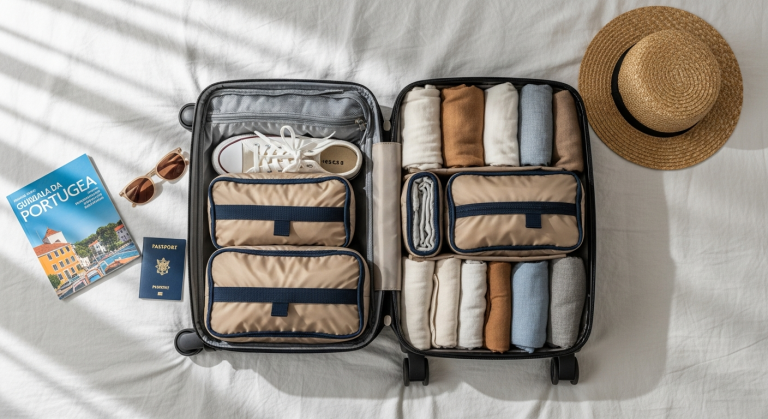
Reef-safe sunscreen: required by law in Hawaii, Palau, US Virgin Islands, Key West, and many Caribbean destinations. Caught with chemical sunscreen? $30 fine. Buy it before you arrive or pay double at island stores. Water shoes: non-negotiable for rocky Mediterranean beaches (Croatia, Greece), coral-rich Caribbean spots, and Hawaii’s lava rock shores. One slip on sharp coral costs hundreds in medical bills. Dry bag: protects phones and wallets during boat transfers to remote beaches (Seychelles, Thailand islands, Whitsundays). A $20 dry bag prevents a $1,000 phone replacement.
Portable shade tent ($40–60): many international beaches lack umbrella rentals. A pop-up tent pays for itself in one trip and you’ll use it at future beaches. Lightweight quick-dry towel: takes up 1/10 the space of a regular towel, dries in 30 minutes instead of hours. Waterproof phone case ($15–25): cheaper than replacing a phone, essential for snorkeling or boat transfers. Pack these five items and you’ve solved 95% of beach discomfort. Most travelers overpacks clothes and underpacks practical gear.
Avoiding Crowds Without Sacrificing Quality
Time-of-day strategy: arrive at popular beaches by 8 AM or after 4 PM. Cruise ship passengers and tour groups operate 10 AM–3 PM. You’ll have the same beach to yourself at either end of the day. Day-of-week hack: visit weekend beaches Tuesday–Thursday. Visit local beaches Saturday–Sunday when residents flood tourist spots. Shoulder season secret: late May and early October offer 70–80% of peak weather at 50–60% of peak prices for Mediterranean and Caribbean. The crowds vanish. The weather stays excellent.
Ask locals: hotel staff know which beaches get tour bus crowds versus which stay local. Always ask, “Where do you go on your day off?” You’ll get the real answer, not the tourist-board answer. One tactical detail: if a beach is famous on Instagram, plan to visit at sunrise or sunset, not midday. The light is better anyway. The crowds are gone. You’ll take better photos and have a better experience simultaneously.
CONCLUSION
The perfect beach isn’t “best overall”—it’s best for your priorities. Whether you’re optimizing for relaxation, adventure, family logistics, budget, or luxury, the beach exists on this list. You have 20+ specific destinations across Caribbean, Mediterranean, US, Southeast Asia, and specialty locations—each with concrete costs, logistics, and crowd-avoidance tactics.
Here’s what to do right now: choose two or three beaches from different sections that match your budget and travel style. Write them down. Check flight costs from your home airport to narrow the list (sometimes a “cheaper” destination costs more to reach). Set a booking deadline: if traveling June–August, book by March 1. If traveling September–October, book by June 15. Join the destination’s subreddit or Facebook group for real-time local intel on crowds, weather, and recent changes. Ask questions specific to your travel dates—locals respond to genuine curiosity.
The “secret” beaches stay secret because most travelers never move past the research phase. You’re already ahead by having a decision framework. The authentic beach experience you’re craving exists. It’s on this list. Your summer vacation starts the moment you commit to a destination and book the trip. Stop scrolling. Make the choice. Let the anticipation begin.