Devon Summer Holiday: Complete Family Guide & Hidden Beaches

You’ve just realized you wasted £2,000 on flights to Greece when this was waiting four hours from London. Welcome to Devon in summer, where the beach holiday your family actually wants costs 30 percent less than Cornwall and delivers everything you need without the motorway chaos.
You’re scrolling through hundreds of destination options, trying to justify annual leave while your budget whispers warnings.
Everyone raves about Cornwall, but the crowds and prices have you wondering if there’s a better move. You need this holiday to work for toddlers, teenagers, and your own sanity—without requiring a second mortgage or a seven-hour drive each way.
This is your complete roadmap to a Devon summer holiday that delivers proper beach vibes at prices that won’t haunt you in January.
By the end, you’ll know exactly which coast suits your family, how to dodge August crowds, and the precise itinerary that works whether the sun blazes or British drizzle arrives on schedule.
Why Devon Beach Holidays Beat the Alternatives

A family of four spending a week in a self-catering cottage costs £800–1,400 in peak season. The same week in Cornwall runs £1,100–1,600. Add flights to the Mediterranean and you’re looking at £2,500 minimum before you’ve eaten a single meal abroad.
Devon’s geography gives you something Cornwall can’t: moorland within 45 minutes of any beach. That’s your rainy-day insurance and your “we need a break from sand” escape hatch.
North Devon delivers dramatic surf beaches. South Devon offers sheltered coves perfect for younger swimmers. Both are accessible from a single base, meaning you stop wasting driving time and start maximizing actual holiday.
London to Woolacombe takes three hours. London to equivalent Cornish beaches takes four-plus hours. That’s 120 minutes of motorway you’re not fighting through, which translates directly to more beach time and less family tension before you’ve even arrived.
Here’s the honest trade-off: Devon’s beaches are busier than they were ten years ago. August parking fills by 10:30 AM. But the infrastructure handles it better than smaller Cornish towns, and the sheer size of beaches like Woolacombe means you can always find space if you arrive early. That’s a logistical problem you can solve.
North vs. South Devon: Choosing Your Perfect Base
North Devon’s Dramatic Coastline
North Devon is where you go when someone in your family actually wants to surf or when you’re craving that breathtaking postcard aesthetic.
Woolacombe’s three-mile beach is the baseline—Blue Flag status, consistent facilities, and enough sand that you’re never fighting for space even in peak August. Croyde sits just south, tighter and more village-like, with a surf school that keeps teenagers occupied.
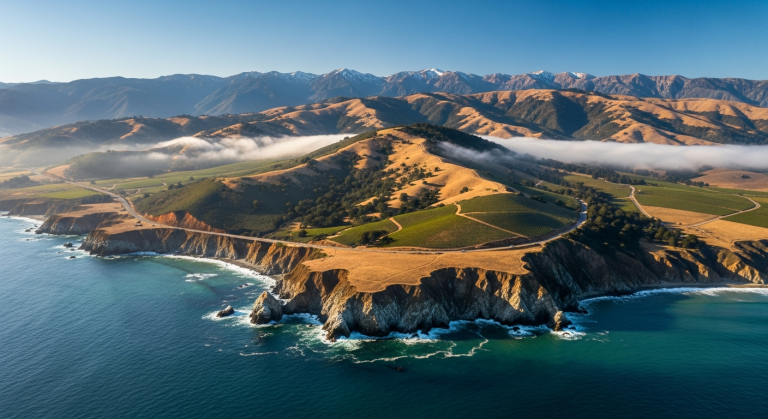
Saunton Sands stretches wild and dune-backed, perfect if you want the dramatic Devon beach photo without the commercialization.
The trade-off is real: water here gets rougher, undertow is stronger, and younger children need closer supervision. Summer crowds arrive earlier and stay later. Accommodation books out six months ahead for July-August. But if your family thrives on activity and doesn’t mind wind, North Devon delivers the complete aesthetic.
South Devon’s Gentler Charm
South Devon is your move if you have children under eight, want calmer water, or seek that quintessential England aesthetic.
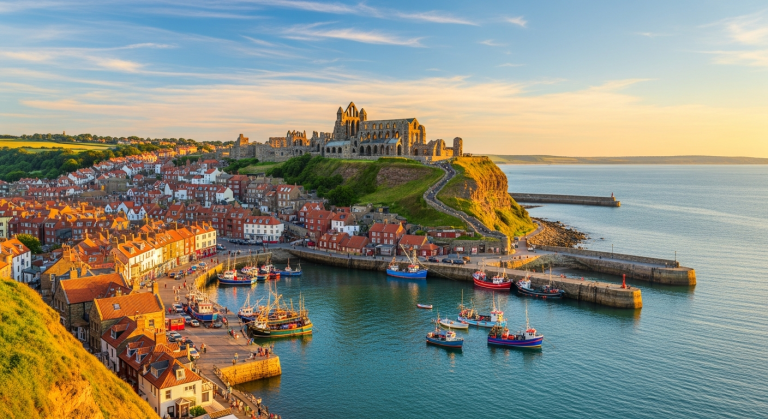
Blackpool Sands is privately managed—consistent cleaning, decent facilities, and reliably top-tier water quality. Salcombe’s harbor is genuinely gorgeous, with yachts and boutique shops creating postcard scenes. Bigbury-on-Sea offers the Burgh Island tidal crossing, a low-key adventure that feels special without actual risk.
The brutal honesty: South Devon’s narrow lanes and limited parking mean hunting for spaces after 10 AM in August. Salcombe especially becomes a parking nightmare by mid-morning.
Accommodation prices run slightly higher. But the water is warmer, gentler, and the overall vibe is less “extreme sport destination” and more “proper family seaside holiday.”
The Hybrid Approach (Our Recommendation)
Base yourself mid-county in Exeter or Newton Abbot and day-trip both coasts. You’re never more than 40 minutes from either, which means you stop compromising and start exploring.
Spend three days hitting North Devon beaches, two days exploring South Devon’s coves, and keep two days flexible for Dartmoor or repeating your favorite spot. This strategy eliminates the “did we choose right?” regret that kills half of family holidays.
Hidden Gems and Local Beaches Beyond the Guidebooks

Every guidebook lists Woolacombe. Most families never discover Wonwell Beach, which sits at the end of a 20-minute woodland walk and is accessible only at low tide.
The payoff: golden sand, zero commercial development, and maybe five other families maximum. Download UK Tides Planner and plan your visit for two hours either side of low tide.
Tunnels Beaches in Ilfracombe sounds touristy but isn’t. Victorian hand-carved tunnels lead to private swimming pools and a sheltered beach. Kids think it’s an adventure, you get facilities and shade that regular beaches lack. Cost runs £5–8 per person.
Mothecombe Beach is estate-owned with strictly limited parking—arrive by 9:30 AM or turn back. But the reward is a Devon beach aesthetic that feels genuinely untouched: golden sand backed by woodland, no cafés, no commercialization.
Bantham delivers everything: a surf school for teenagers, safe paddling zones for younger kids, and exceptional rockpooling at low tide. Wembury has a Marine Centre where staff help identify creatures, turning rockpooling into actual learning.
The single biggest mistake: trying to “do” all of Devon. North coast OR South coast focus with Dartmoor as your flex—attempting to cover everything means 90 minutes daily in the car with cranky kids.
Devon England: Beyond the Beach Essentials

Dartmoor National Park Integration
You came for beaches, but Dartmoor is what makes a Devon summer holiday complete. This is your rainy-day insurance and your “we need a break from sand” escape hatch.
Wild swimming in granite pools (Sharrah Pool, Horseshoe Falls) costs nothing and delivers the kind of memory teenagers actually remember. Spotting wild ponies without the zoo vibe means driving moorland roads and pulling over when you see them grazing.
A perfect half-day Dartmoor plan: morning at Haytor Rocks (20-minute climb, unforgettable views), lunch in Widecombe-in-the-Moor, afternoon cream tea at a traditional farm. When coastal fog rolls in—which it will—Dartmoor often stays clear. This is your backup plan that doesn’t feel like settling.
Authentic Devon Towns Worth Your Time
Totnes is the hippie market town that somehow completely works. Independent shops, a Norman castle, and a local food scene that makes chain restaurants look absurd. Friday and Saturday markets bring actual character. Dartmouth is a harbor town with genuine soul—take the passenger ferry, explore the castle, eat fish and chips on the waterfront.
Exeter Cathedral is 900 years old, free to enter, and genuinely impressive even for kids who claim they “don’t like old buildings.” Plymouth Hoe combines history with the National Marine Aquarium as your rainy-day backup.
Your Complete Devon England Aesthetic Itinerary

The Perfect 5-Day Plan
Day 1: Arrive, settle in, afternoon at your nearest beach (low-pressure start). Day 2: Full North Devon day—Woolacombe morning, Croyde afternoon, fish and chips in Braunton evening.
Day 3: Dartmoor adventure—Haytor, wild swimming, cream tea, back for beach sunset. Day 4: South Devon coast—Blackpool Sands or Salcombe, harbor exploration, evening in Dartmouth. Day 5: Slow morning, local beach, departure after lunch (avoid motorway hell).
The Extended 7-Day Version
Add Day 6: Exeter city exploration (cathedral, independent shops, Quayside) or full Dartmoor immersion (Princetown, Burrator Reservoir). Add Day 7: Second-favorite beach repeat or East Devon exploration (Beer, Branscombe)—this is your “we know what we’re doing now” confidence day.
The Rainy Day Pivot Plan
Morning: National Marine Aquarium (Plymouth) or Crealy Adventure Park (Exeter)—2–3 hours, indoor, worth the admission.
Afternoon: Market town exploration (Totnes on Fridays/Saturdays, Tavistock any day) with café lunch that feels like an experience. Evening: Cottage games, local pub dinner, early bedtime—reset for tomorrow’s beach redemption.
Practical Planning: Where to Stay and What It Costs

Self-catering cottages are the Devon standard. Expect £800–1,400 per week for a family of four in peak season (late July–August). Book four to six months ahead, especially for South Devon.
Holiday parks like Woolacombe Bay offer facilities that keep kids occupied but cost £1,000–1,800 per week peak season. Camping and glamping run £20–40 per night for pitches, £80–150 for pre-pitched accommodation.
Real cost breakdown for family of four, seven nights: Accommodation £800–1,400, food £300–400 (self-catering plus three meals out), parking £50–70, activities £100–200, fuel £80–120. Total: £1,330–2,190. Compare that to £2,500+ for equivalent Mediterranean week with flights.
Booking timeline matters: Six months out, book accommodation (especially South Devon July–August). Three months out, reserve surf lessons and popular restaurants. One month out, check National Trust membership—it pays for itself visiting three properties.
Shoulder season hack: First two weeks of June or last two weeks of August offer 80 percent of the weather at 40 percent of peak pricing, with far fewer crowds.
Essential Devon Packing and Insider Tips

Pack wetsuits even in August. Water temperatures hit 14–16°C—kids will stay in twice as long with 3mm shorties. Buy cheap ones, don’t rent.
Midge spray is non-negotiable for Dartmoor evenings. Layers matter: 22°C sunshine to 15°C coastal wind in one afternoon is standard Devon behavior. Reusable cups get discounts at many Devon cafés.
Parking reality: Arrive before 10 AM or accept a 15-minute walk. August beach car parks fill by 10:30 AM consistently.
Tide apps are non-negotiable: Burgh Island causeway, rockpooling windows, even some beach access depends on tide times.
Download UK Tides Planner before you arrive. Food strategy: Self-cater breakfasts and lunches, eat out two to three dinners—this keeps costs reasonable while maintaining holiday feeling.
The cream tea rule: Jam first (Devon way) versus cream first (Cornwall way)—in Devon, you’ll offend nobody. Avoid classic mistakes: Don’t base in Torquay (feels like any British seaside resort). Don’t try to “do” all of Devon (you’ll spend 90 minutes daily driving).
Don’t skip Dartmoor (it’s what makes Devon the complete package, not just beaches). One piece of information most guides miss: parking payment apps work better than machines. Download RingGo or similar before arriving—machines at busy beaches frequently jam in August.
CONCLUSION

Devon delivers the stunning beach holiday aesthetic you’re craving without the flight chaos or Cornwall crowds. North Devon suits families wanting drama and surf.
South Devon works for sheltered coves and that perfect England aesthetic. Your ultimate strategy: base centrally or pick one coast, integrate Dartmoor as both adventure and rainy-day insurance, and book four to six months ahead for peak summer dates.
Right now, take one action: Check your school holiday dates and book accommodation. This is what sells out first, especially South Devon cottages in July-August.
Then, three months before departure, map your beach priorities using this guide—decide North versus South focus, mark your non-negotiable days, download tide apps. One month out, pre-book restaurants in Salcombe or Dartmouth (popular ones fill weekends).
Pack wetsuits, layers, midge spray, and the confidence that you’ve planned a Devon summer holiday that’ll have your family asking to come back next year.