25 best things to wear in Iceland

Pack smart for Iceland’s unpredictable weather. 25 essential pieces that keep you warm, dry, and camera-ready in every season. Budget-friendly alternatives included.
You’ve booked the flights, pinned a hundred waterfall photos, and now you’re staring at your suitcase, wondering how to pack for a country where it can rain, shine, and snow in the same hour.
Your closet is full of cute clothes that are completely wrong for Iceland’s unpredictable weather. You want to look stylish in your travel photos, not like you’re headed to base camp on Everest. The good news? You don’t need to spend a fortune on technical gear you’ll only wear once.
This guide gives you exactly 25 versatile pieces that work across seasons and activities, plus the layering formulas and budget-friendly alternatives to keep you warm, dry, and Instagram-ready in every frame.
Understanding Iceland’s Weather (And Why Your Normal Travel Wardrobe Won’t Work)

Iceland’s weather is actively hostile to unprepared travelers. Summer temperatures hover between 50-60°F (10-15°C), which sounds manageable until wind chill drops it another 15 degrees.
Winter plunges to 30-40°F (-1 to 4°C) with brutal wind that makes every degree feel 10 degrees colder. The real killer? Humidity. Iceland’s coastal air is damp and moisture-laden, which means cotton clothing takes 24+ hours to dry. You’ll be miserable by day two.
The biggest packing mistakes reveal why standard travel clothes fail. Jeans are heavy and terrible when wet. Umbrellas are useless in 40mph winds.
Cotton hoodies become damp, clingy nightmares. Lightweight rain jackets that work elsewhere don’t cut it here. You need waterproof, not water-resistant.
Water-resistant fabrics shed light rain but fail under sustained moisture. Waterproof fabrics with taped seams keep you dry even standing in downpours or glacier spray.
Iceland’s microclimates compound the challenge. Coastal Reykjavik is milder but windier. Interior highlands are colder and more exposed. Glacier zones are frigid even in summer.
A single road trip can take you through all three conditions before lunch. The solution is the three-layer system: a moisture-wicking base layer that pulls sweat away from your skin, an insulating mid-layer for warmth, and a waterproof outer shell that blocks wind and rain.
Outfits For Iceland In Summer (June-August)

Summer in Iceland is deceptively cold. Yes, you’ll see people in t-shirts in Reykjavik at 3 PM. By 8 PM, when the sun is still high but the wind picks up, they’re shivering. Smart summer outfits start with a lightweight merino or synthetic base layer. Pack 2-3 tops because you’ll want a fresh one daily. Add a fleece mid-layer or lightweight down jacket for chilly evenings and glacier hikes. Even in July, glacier zones sit near freezing.
Your outer shell is non-negotiable even in summer. A waterproof jacket with a hood protects you from sudden rain and wind. Look for something packable that fits in your daypack. Convertible hiking pants with zip-off legs are genius for summer: full-length protection during morning hikes, then zip to shorts for Blue Lagoon visits. Breathable long-sleeve shirts provide sun protection without bulk. Light gloves and a beanie sound absurd in June, but glacier hikes get cold. Bring them.
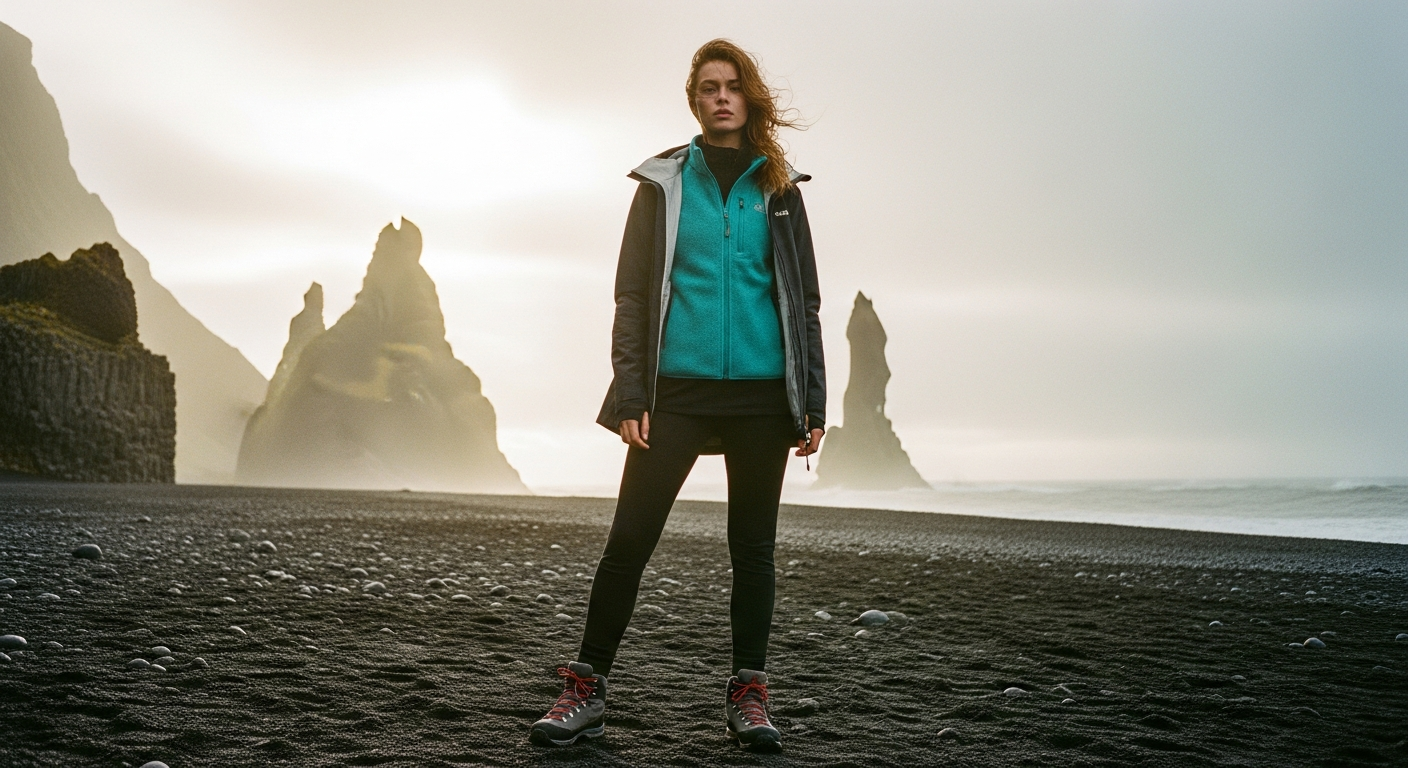
The most flattering summer Iceland outfits balance technical function with visual appeal. Pair sleek leggings with an oversized waterproof anorak and stylish hiking boots for elevated athleisure that photographs beautifully. Layer a fitted base layer under a colorful fleece and classic windbreaker for a polished vibe. Accessories matter: a patterned scarf adds color without bulk, a trendy beanie in jewel tones flatters most face shapes, and quality sunglasses protect your eyes from glacier glare while looking chic.
What To Wear In Iceland In September (Shoulder Season Strategy)

September is Iceland’s most dramatic month. Temperatures drop from summer’s 50-60°F to 40-50°F (4-10°C). Rain increases significantly. The first snow can fall in highlands even as Reykjavik stays dry. Northern Lights season begins, which means you’ll be outside at night in the cold hunting for aurora. This shift demands a complete wardrobe recalibration from summer packing.
What to wear in Iceland in September requires heavier base layers—midweight merino or synthetic, not lightweight summer versions. Insulated mid-layers become essential. A puffy jacket or thick fleece that compresses small enough for your daypack is critical. Waterproof pants shift from optional to required. Warm, waterproof boots with aggressive tread for icy patches are essential. Break these in before you arrive—blisters will destroy your trip. Pack 3-4 pairs of wool socks.
September’s unpredictability means your outfits need to be adaptable. A monochrome base in black or navy with layered textures creates visual interest without requiring multiple color coordination. Fitted base layers under an oversized puffer jacket balance proportions beautifully. Timeless accessories matter: a classic wool beanie, leather gloves that don’t sacrifice warmth, and a neutral scarf that works with everything.
Iceland Summer Outfit Ideas (Activity-Specific Looks)

Glacier Hiking & Ice Cave Tours
Glacier zones demand specific gear. Waterproof hiking boots broken in 2+ weeks before your trip are non-negotiable. New boots guarantee blisters that sideline you for days. Moisture-wicking base layers are critical because you’ll sweat climbing to the glacier, then need dry fabric when you stop. Crampons are usually provided by tour operators, but confirm when booking. Bring camera-friendly gloves with touch-screen fingertips so you can photograph without removing gloves in freezing conditions. A packable rain jacket and hat complete the look.
Blue Lagoon & Hot Spring Visits
Pack 2 swimsuits so one dries while you wear the other. The mineral-rich water is hard on fabrics. Flip-flops or water shoes protect your feet on mineral-coated floors. Hair ties are essential; the sulfur water will tangle your hair. Minimal jewelry is wise because sulfur tarnishes silver and can damage delicate pieces. A cozy robe or oversized cardigan for post-soak warmth feels luxurious and looks great in photos.
Reykjavik City Days
City exploration means comfortable walking shoes that handle 15,000+ steps without complaint. A stylish rain jacket that doesn’t scream “tourist” blends in with Reykjavik’s fashion-forward locals. A crossbody bag keeps your hands free for photos and keeps valuables secure. A versatile scarf serves double duty: warmth and instant outfit elevation. These pieces create polished, effortless looks for cafes, museums, and street photography.
Cute Outfits To Wear In Iceland (Winter Edition: November-March)

Winter in Iceland demands serious commitment to warmth. Your layering system becomes your armor: heavyweight merino or thermal synthetic base layers (3 tops, 2 bottoms minimum), a down jacket or thick fleece mid-layer, and an insulated waterproof parka with a fur-lined hood. Under the pants, thermal leggings worn under waterproof snow pants create a sealed system that traps heat while shedding moisture. You can still look polished doing it. The key is choosing pieces that fit well under the bulk and create flattering silhouettes.
Insulated, waterproof boots rated to -25°F are absolutely essential. Your feet are where cold enters your entire body. Cheap boots will ruin your trip. Pack 3-4 pairs of wool socks. Heavyweight gloves or mittens keep your hands functional, but add liner gloves for phone use. A neck gaiter or balaclava protects your face from wind that feels like needles at -15°F. These pieces aren’t optional—they’re the difference between enjoying Northern Lights and being miserable.
Cute Iceland winter outfits work through intentional color and silhouette choices. Monochrome layering—all black base plus a colorful puffer plus sleek snow pants—creates visual interest without fighting the bulk. Fitted base layers under an oversized parka balance proportions so you don’t disappear into fabric. Timeless accessories matter: a classic wool beanie in a jewel tone, leather gloves that don’t sacrifice warmth, a neutral scarf that grounds the look.
Outfits For Iceland (The Complete 25-Item Packing List)

Here’s your essential capsule wardrobe that works year-round with strategic additions:
Core Pieces (Works Every Season)
- 3 moisture-wicking base layer tops (merino wool or synthetic blend)
- 2 base layer bottoms (leggings or thermal tights)
- 1 waterproof shell jacket with hood and taped seams
- 1 packable mid-layer (fleece or lightweight down)
- 1 pair waterproof hiking boots (broken in before arrival)
- 1 pair comfortable walking shoes or sneakers
- 2 pairs waterproof pants or convertible hiking pants
- 1 pair jeans or casual pants for city days
- 2 casual tops or sweaters for layering
- 1 warm hat or beanie
- 1 pair gloves or mittens
- 1 scarf or neck gaiter
- 1 crossbody bag or small backpack
- Wool socks (4 pairs minimum)
Summer Additions (June-August)
- 2 lightweight long-sleeve shirts for sun protection
- 1 pair convertible hiking pants with zip-off legs
- 1 lightweight fleece or soft-shell mid-layer
- Sunglasses with UV protection
- Lightweight gloves (for glacier hikes)
Winter Additions (November-March)
- 1 insulated parka rated to -25°F
- 1 heavyweight mid-layer (thick fleece or down jacket)
- 1 pair thermal leggings
- 1 pair waterproof snow pants
- Heavyweight insulated boots rated for extreme cold
- 2 additional pairs wool socks
- Liner gloves for phone use
- Balaclava or neck gaiter for face protection
This 25-item framework covers every activity and season. Each piece earns its place by working across multiple outfits and conditions. You’re not overpacking; you’re packing smart.
Smart Packing Strategies & Budget Alternatives

Rent vs. Buy Decisions
Some gear makes sense to rent in Iceland rather than buy and travel with. Heavy winter parkas, crampons for glacier hikes, and sleeping bags for camping are bulky and expensive. Renting in Reykjavik costs 15-25 USD per item per day, which beats airline baggage fees and luggage weight penalties. Tour operators often include crampons and technical equipment in their pricing, so confirm before renting separately. Buy before you go: base layers (need break-in time), boots (definitely need break-in), and everyday outerwear you’ll rewear across multiple trips. If you’ll wear it again, buy it. If it’s a one-trip specialty item, rent it.
Budget-Friendly Brand Swaps
You don’t need luxury brands to stay warm and dry. Uniqlo’s Heattech base layers cost 20-30 USD and perform nearly identically to 120 USD merino wool options. Columbia or REI Co-op shells run 150-200 USD versus Arc’teryx at 400+, with comparable waterproofing and durability. Kamik or Columbia insulated boots cost 100-130 USD versus Sorel at 200 USD. The performance difference is negligible for most travelers. Invest in quality where it matters most: boots (you’ll wear them constantly and need them to fit perfectly) and your outer shell (it takes the weather beating). Save on base layers and mid-layers by choosing budget brands that deliver on moisture-wicking and insulation without the luxury markup.
Packing Techniques for Carry-On Travel
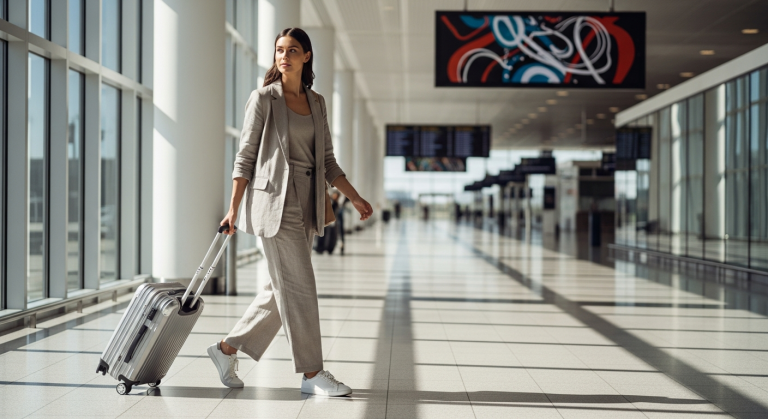
Roll base layers and mid-layers instead of folding—you’ll save 30% space. Wear your bulkiest items on the plane: boots, parka, and thick fleece. Compression cubes reduce puffy jacket volume by half, making them fit easily in carry-on luggage. Limit shoes to two pairs maximum: waterproof boots and sandals or sneakers for city days. Pack heavier items at the bottom of your bag, lighter items on top. These techniques let you travel light without sacrificing the gear you actually need to stay comfortable in Iceland’s conditions.
CONCLUSION

Here’s the single most important truth about packing for Iceland: the right outfit isn’t about looking like an influencer. It’s about being so comfortable and prepared that you can actually enjoy the waterfalls, glaciers, and Northern Lights without obsessing over whether you’re cold, wet, or camera-ready. Iceland’s weather demands technical performance—waterproof, windproof, and layered—but that doesn’t mean sacrificing style. The three-layer system (base plus mid plus shell) is your formula for staying warm, dry, and polished in every photo. Season matters: summer needs lighter layers and rain protection, winter requires serious insulation and waterproof everything. Invest in quality boots and outerwear, save on base layers with budget brands, and rent specialty gear to keep luggage light.
Your next action is simple: Screenshot the 25-item packing list and check off what you already own. Order boots now and break them in for 2+ weeks before your trip—blisters will destroy your adventure. Test your layering system on a cold, rainy day at home and adjust before you’re standing in 40mph winds. Book gear rentals in advance if you’re doing glacier hikes or winter activities. Pack smart, pack light, and get ready to look effortlessly chic against Iceland’s most stunning backdrops. You’ve got this.