7 best things to do in Hallstatt village, Austria

At 6:47 AM, the village still belongs to its 750 residents. In ninety minutes, 4,000 day-trippers will arrive. This is the difference between Hallstatt as an Instagram backdrop and Hallstatt as an actual place to spend a day.
The truth most travel guides skip: Hallstatt’s iconic lakeside view is plastered across every Austria Pinterest board, but the village draws over 1 million visitors yearly and most spend barely two hours here.
You’re wondering if a remote alpine village justifies the detour from Salzburg or Vienna. You’ve read conflicting advice—”Skip it, too crowded” versus “Absolute must-see.” You need to know exactly what to do beyond taking photos, and how long actually to spend.
This Hallstatt travel guide reveals seven substantive activities that transform the village from a photo stop into a full-day experience worth the trek. You’ll learn world’s oldest salt mine secrets, hidden viewpoints locals actually use, and crowd-dodging strategies backed by specific timing. Complete logistics included: access, what to skip if you’re short on time, and why the village’s deepest value lies beneath the surface—literally.
What Is Hallstatt Known For? (Understanding the Village Before You Visit)

Hallstatt sits in the Salzkammergut region as a UNESCO World Heritage site—the Hallstatt-Dachstein/Salzkammergut Cultural Landscape designation. This isn’t just a pretty lakeside town. The village has 7,000 years of salt mining history. That’s not hyperbole. The salt trade built this place, and understanding that context transforms your visit from postcard-collecting to historical pilgrimage.
The village dimensions matter: walkable end-to-end in twenty minutes, with a population of just 750 permanent residents. Peak season reality (May through October) brings tour buses daily between 9 AM and 4 PM. July and August are shoulder-to-shoulder chaos. But here’s what makes the trek worthwhile: beneath the tourist veneer sits authentic alpine culture, 3,500 years of continuous salt mining, and lake views that genuinely justify their fame—if you time them right.
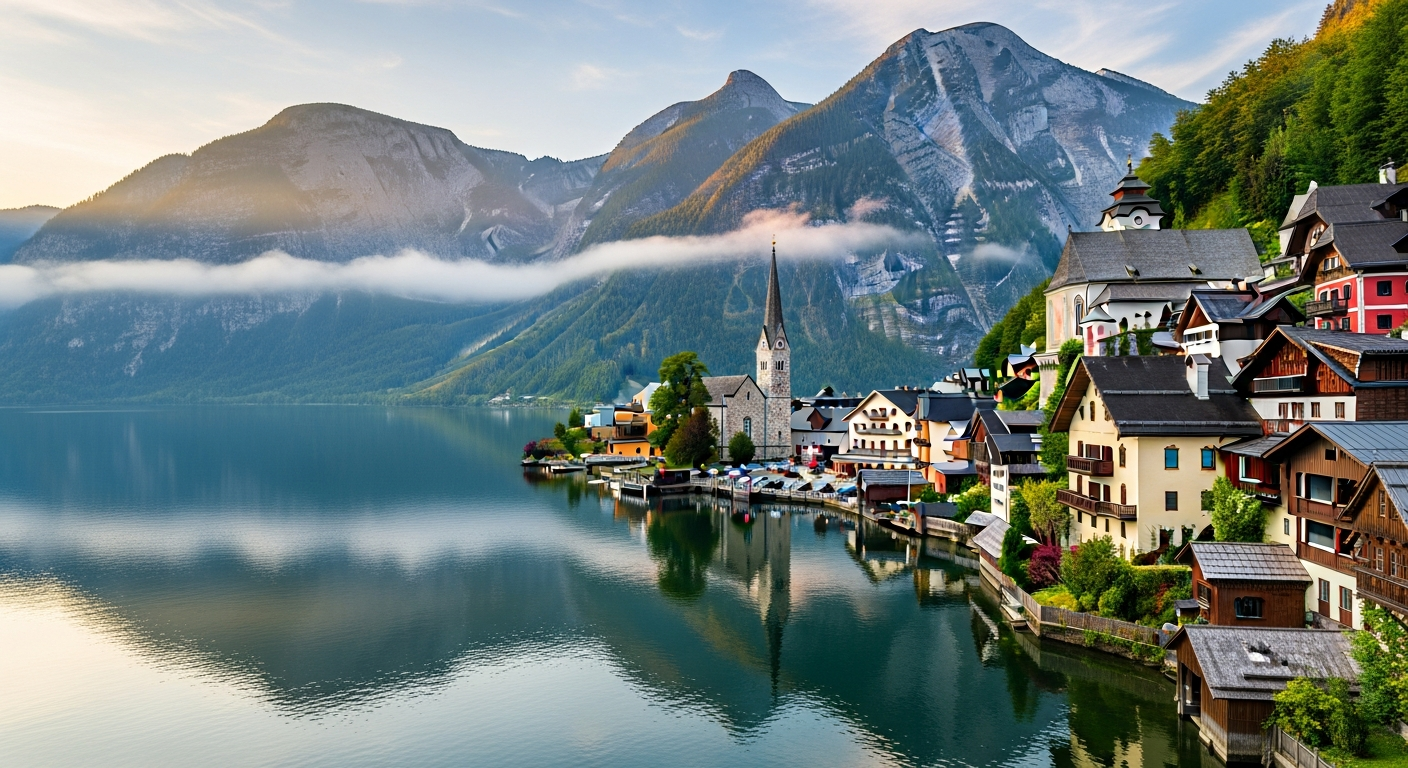
The classic postcard view sits on the northern lakeside path near Seestraße. Arrive between 6 and 7 AM, or golden hour (7 to 8 PM in summer), and you’ll have the frame empty. Common mistake: spending your entire visit at this single spot instead of exploring the village’s hidden depth. The photograph takes ten minutes. The actual experience takes six to eight hours.
Hallstatt Salt Mine: The Ultimate Underground Experience

This is Hallstatt’s number-one activity—not the lake views. The salt mine is the historical heartbeat that justifies the village’s entire existence. It’s the world’s oldest continuously operated salt mine, running for 3,500+ years. A ninety-minute guided tour includes wooden miners’ slides (thrilling, not for very young children), an underground salt lake chamber, and 4,000-year-old preservation techniques you’ll see nowhere else on Earth.
Access comes via funicular from the village center. Dress warmly: the mine maintains constant 8°C (46°F) year-round regardless of season. Photography has restrictions in certain chambers, but the subterranean salt lake chamber is unforgettable—soaring ceilings, crystalline water, light bouncing off salt walls. The wooden slides are the Instagram moment most tourists miss. Book tours in advance during summer; they sell out days ahead at salzwelten.at.
Here’s the insider move: the same funicular gives access to the Skywalk viewpoint, which most tourists skip entirely. It’s a panoramic platform 360 meters above the village—360-degree views of the Dachstein peaks and lake below. Visit Skywalk first at 9 AM (completely empty), then descend for a salt mine tour at 9:30 AM, and you’ll finish by noon before peak crowds arrive. This timing transforms your entire day.
One Day In Hallstatt: The Perfect Itinerary Timeline

Early Morning: Claim the Village (6:00–9:00 AM)
Arrive before tour buses. Parking at P1 fills by 9 AM in summer, so come earlier. If using public transit, take the first ferry from Hallstatt train station (runs hourly, €3). Golden hour photography at the postcard viewpoint takes place when the village is completely empty. Breakfast at lakeside cafes before the rush: Bräugasthof serves authentic Austrian spreads (fresh bread, local cheese, jams) for €8–12. This thirty-minute meal sets the tone for your entire visit.
Mid-Morning to Afternoon: Deep Dive Activities (9:00 AM–3:00 PM)
At 9:00 AM, take the funicular to Skywalk and spend twenty minutes absorbing the panoramic views. Descend by 9:30 AM for your pre-booked salt mine tour. You’ll finish by 11:00 AM. Lunch at Market Square (Marktplatz) between noon and 1 PM—avoid the obvious tourist cafes with laminated menus. Seek side-street restaurants: a proper Austrian schnitzel with potato salad costs €12–15 and tastes infinitely better than Market Square options.
At 2:00 PM, visit the Hallstatt Ossuary (Bone House) at St. Michael’s Chapel—a fifteen-minute visit that adds profound cultural depth. Six hundred painted skulls decorated with family names, death dates, and floral motifs. This isn’t macabre tourism; it’s intimate family remembrance practice born from space constraints in the cemetery. Entry costs €2. Open May through October, 10 AM to 6 PM. Most tourists skip this entirely. It’s the most memorable fifteen minutes of your day.
Late Afternoon Strategy: When Day-Trippers Leave (3:00–6:00 PM)
By 3 PM, 80 percent of tour groups have boarded buses heading back to Salzburg. This is when Hallstatt transforms. Rent an electric boat (€20–30 per hour, no license required) and access hidden coves along the southern shoreline. Or walk the lakeside promenade to the village’s southern end—stunning perspectives without crowds. If you have a car, drive fifteen minutes to Obertraun for the cable car to Five Fingers viewing platform—dramatic Dachstein glacier views that rival the postcard angle but with 90 percent fewer tourists.
Hallstatt Travel Guide: Essential Logistics & Crowd-Beating Strategies

Getting There: The Options Ranked
Train plus ferry is the most scenic route. Hallstatt Bahnhof station sits across the lake; a five-minute boat shuttle runs hourly for €3. Bus from Salzburg takes ninety minutes and costs €10–15, dropping at the village edge. Driving presents a parking nightmare in summer—P1 lot fills by 9 AM, costs €10 per day, and requires luck. If driving, arrive before 8 AM or consider staying overnight for hotel parking access.
When to Visit: Seasonal Trade-Offs
May through October means everything is open, warmest weather, but expect shoulder-to-shoulder crowds (especially July and August). November through March brings authentic alpine atmosphere with 70 percent fewer tourists, but some attractions close seasonally—check salt mine winter schedules before booking. The secret sweet spot: late April or early October. Mild weather, manageable crowds, full operations. This timing rewards planning.
How Long You Actually Need
Minimum time: four hours (viewpoint, village walk, one major activity). Recommended time: six to eight hours (salt mine, lake time, relaxed exploration). Here’s the honest advantage of staying overnight: experience evening and early morning magic when day-trippers vanish. One night transforms Hallstatt from tourist spectacle to lived experience. Watch the village exhale when the buses leave at 4 PM. You’ll understand why locals stay.
Hallstatt Austria Map: Navigating the Village & Surrounding Attractions

Village Layout
The village operates on three parallel routes: lakeside promenade (photo ops and boat access), Seestraße (main street with shops and restaurants), and an upper residential path (quieter, fewer tourists). Market Square (Marktplatz) serves as the central hub. The Protestant Church spire provides an orientation point visible from anywhere. The entire village is walkable in fifteen to twenty minutes—no transportation needed once you arrive by ferry or bus.
Beyond the Village Center
Obertraun (three kilometers south) offers the Five Fingers viewing platform and Dachstein Ice Cave—less crowded alternatives if you’re basing yourself in the region. Bad Ischl (thirty kilometers north) is an imperial spa town perfect for a half-day addition if you’re exploring the Salzkammergut region. Gosausee Lake (fifteen kilometers away) presents a jaw-dropping glacier lake ideal for travelers with cars seeking uncrowded natural beauty. Each is worth a day trip if you’re spending more than one night in the area.
Where to Position Yourself for Photos
Northern lakeshore path: classic postcard angle (arrive before 8 AM for empty frames). Market Square: Lutheran Church with lake backdrop, golden hour magic. Southern promenade: reverse perspective with mountains as backdrop—unforgettable sunset spot locals actually use. Skywalk platform: 360-degree panorama that beats every Instagram angle by virtue of elevation and silence. Spend ten minutes at each instead of two hours at one.
Hallstatt Itinerary Add-Ons: Making the Most of Your Visit

The Bone House: Fifteen Minutes That Add Depth
St. Michael’s Chapel cemetery contains 600+ decorated skulls with family names, death dates, and floral motifs painted directly on bone. Space constraints in the graveyard led to this intimate remembrance tradition (discontinued in the 1960s). Entry costs €2. Open May through October, 10 AM to 6 PM. Most travel guides mention it briefly. Few visitors actually go. This is the cultural moment that separates tourists from travelers.
Lake Hallstatt Activities (Seasonal)
Electric boat rental costs €20–30 per hour with no license required—access hidden coves and photograph the village from water level. Swimming at Strandbad beach (southern end) runs June through August only; locals’ secret is that water stays cold (15–18°C), so go mid-afternoon when sun has warmed the shallows. Paddleboarding rental kiosks near Market Square cost €15 per hour and deliver stunning morning sessions on calm water. Each activity takes ninety minutes and feels completely different from the postcard experience.
What to Skip (Honest Advice)
Souvenir shops between 11 AM and 3 PM sell identical mass-produced items to crushing crowds—visit if you must, but go early or late. The Hallstatt Museum is interesting but not essential if time is limited; prioritize the salt mine instead. Midday restaurant reservations at obvious spots mean forty-minute waits and mediocre food. Seek side-street cafes or pack a lakeside picnic with groceries from the village shop (€8–12 for bread, cheese, fruit).
Conclusion: Your Hallstatt Action Plan

Hallstatt delivers far more than its postcard reputation suggests—but only if you allocate six or more hours and dodge peak crowds strategically. The salt mine isn’t optional; it’s the historical heartbeat that justifies the village’s existence and your detour from Vienna or Salzburg. Timing is everything: arrive early, stay late, or visit off-season to experience the authentic alpine village beneath the tourist chaos.
Book salt mine tours now at salzwelten.at (they sell out days ahead in summer). Decide your transport approach based on your larger Austria itinerary: train wins for solo Hallstatt visits; a car wins if you’re exploring the broader Salzkammergut region. Set your alarm for 6 AM. That early-morning photography session when the village belongs to you will be your trip’s most unforgettable moment. Consider staying one night—even overnight transforms Hallstatt from tourist spectacle to lived experience. Watch the village exhale when the buses leave. You’ll understand why people have chosen to live here for seven thousand years.