5 best things to do in the silver sands of Morar this Summer

Discover the Silver Sands of Morar’s best summer activities: kayaking in turquoise waters, exploring Scotland’s deepest loch, and finding hidden beaches. Complete practical guide with costs and insider tips.
The first time I stood on Traigh Beach at dawn, I genuinely thought I’d taken a wrong turn and somehow ended up in the Hebrides—or possibly the Caribbean.
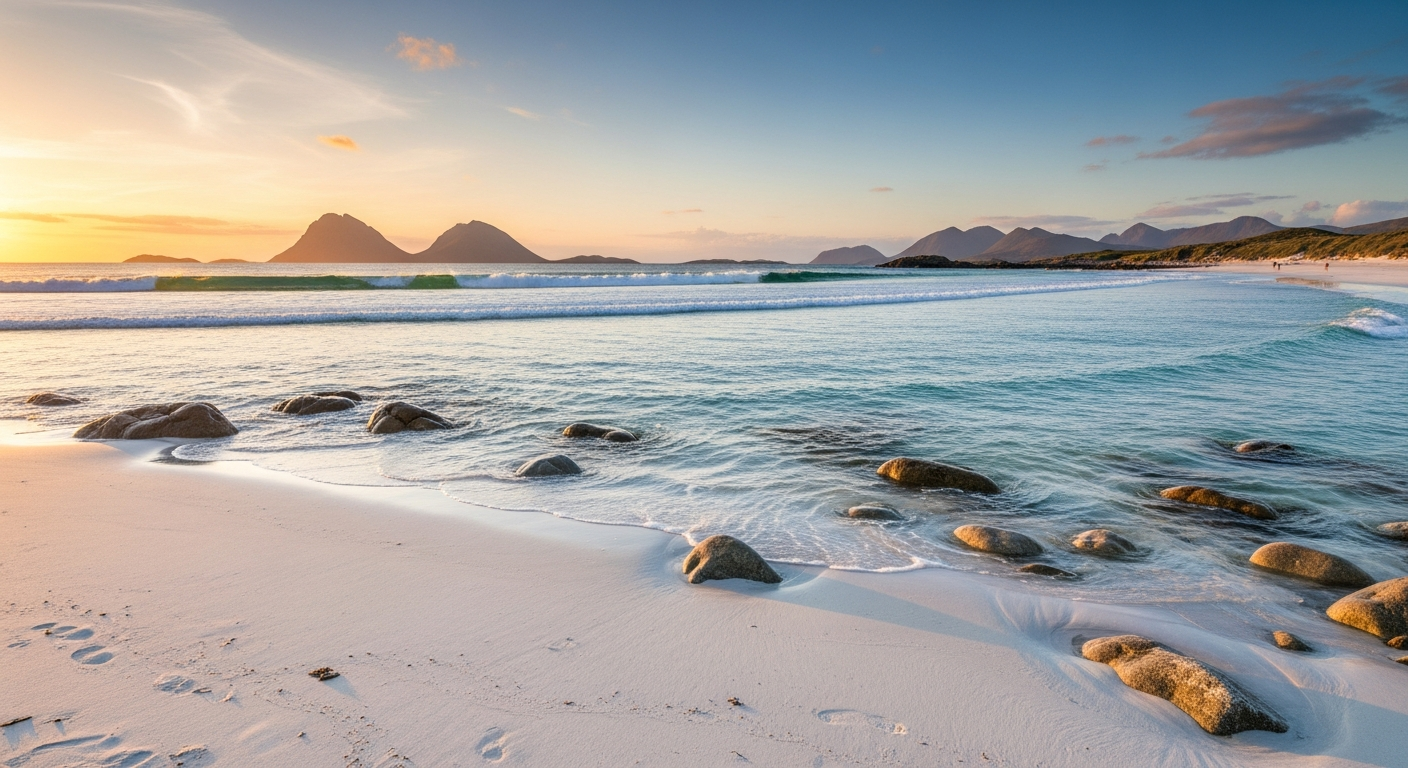
The sand beneath my feet was powder-white, the water an impossible shade of turquoise, and the jagged silhouettes of Rum and Eigg rose dramatically from the sea.
But the crisp Highland air and the distant call of an oystercatcher reminded me: this was mainland Scotland, just a few hours from Fort William, and somehow almost empty despite being one of the most stunning coastal stretches I’ve ever encountered.
If you’re exhausted by overcrowded tourist beaches where you fight for a patch of sand, or cookie-cutter vacation itineraries that feel identical to everyone else’s Instagram feed, Morar offers something genuinely different.
With limited vacation days—and let’s be honest, most of us are working with a week or less—you need destinations that deliver maximum impact without the stress of navigating tourist traps or deciphering which “must-see” attractions are actually worth your time.
The Silver Sands of Morar checks every box: stunning natural beauty that rivals tropical destinations, authentic Scottish Highland experiences that haven’t been sanitized for tour groups, and activities ranging from completely free beach days to guided adventures worth every pound.
The village itself remains refreshingly uncommercialised—you won’t find souvenir shops selling tartan tat, but you will find locals who’ll chat about the best spots for sunset and which pub does the freshest seafood.
This guide cuts through the overwhelm and gives you exactly what you need: five incredible experiences that showcase the best of Morar, complete with practical costs, insider knowledge, and everything required to plan your perfect Scottish coastal escape. Whether you have a weekend or a week, a shoestring budget or room to splurge, you’ll walk away knowing exactly how to make the most of this hidden paradise.
Ready to discover why locals guard this secret so carefully? Let’s dive in.
1. Kayak or Paddleboard the Crystal Waters of the Sound of Arisaig

Why This Experience Is Unmissable
Here’s what most travel guides won’t tell you: the Sound of Arisaig offers some of the calmest, clearest kayaking waters in Scotland, precisely because it’s sheltered by the Small Isles.
When I paddled out from Traigh Beach on a July morning, the water was so transparent I could see starfish on the sandy bottom three metres below—something I’ve only experienced in the Mediterranean.
This isn’t adrenaline-pumping whitewater kayaking. The protected bays and gentle conditions make it perfect for beginners, yet the scenery is spectacular enough to satisfy experienced paddlers.
You’ll glide past rocky outcrops where seals haul out to sunbathe, navigate around tiny islands that appear and disappear with the tide, and enjoy unobstructed views of Eigg’s distinctive Sgùrr ridge and Rum’s dramatic peaks.
The FOMO factor here is real—this perspective on Morar’s coastline simply cannot be replicated from land, and the photographs you’ll capture from water level are genuinely unique.
The best part? Unlike many Scottish sea kayaking destinations that require advanced skills due to strong currents or exposed conditions, Morar’s sheltered bays mean you can focus on enjoying the experience rather than battling the elements.
Your Options: DIY or Guided Tours
Budget-Friendly DIY Approach:
If you own a kayak or paddleboard (or can borrow one), launching yourself costs nothing beyond petrol. The best launch points are Traigh Beach itself, the Silver Sands stretches, or beaches near the Morar campsite. Arrive early—before 9 AM—when the water is typically at its calmest and you’ll have the bay almost to yourself.
Don’t own equipment? Several outdoor shops in Fort William (30 minutes away) rent kayaks for approximately £30-40 per day, though you’ll need roof racks for transport.
Bring a dry bag for your phone and valuables (I learned this the hard way when a rogue wave soaked my first camera), pack water and snacks, and check tide times at the Mallaig harbour office or online—launching two hours either side of high tide gives you the deepest, easiest water.
Safety considerations matter: always wear a life jacket (non-negotiable, even if you’re a strong swimmer), tell someone your route and expected return time, and stay within sight of shore if you’re inexperienced. The water temperature remains cold even in summer (typically 12-15°C), so a wetsuit isn’t paranoid—it’s sensible.
Guided Experience (Worth the Splurge):
After my DIY morning paddle, I joined Arisaig Sea Kayaking Centre for a half-day trip, and honestly, the £55 price tag delivered value I hadn’t anticipated.
The guides know every hidden cove, can identify the birds and marine life you’re seeing, and understand the micro-weather patterns that affect conditions.
They took us to spots I’d never have found independently—a tiny beach accessible only by water, a channel between rocks where the current creates a natural lazy river effect.
Rockhopper Sea Kayaking offers similar experiences, with full-day trips (around £85-95) that include a beach lunch and often wildlife encounters guides have learned to predict based on years of local knowledge. One guide told me they spot otters on roughly 60% of summer morning trips—knowledge you simply cannot Google.
What’s included typically covers all equipment (kayak, paddle, spray deck, life jacket, wetsuit if needed), basic instruction for beginners, and critically, someone who knows what to do if conditions change. Book at least two weeks ahead for summer weekends; July and August fill up fast.
Practical Planning Tips
Budget a minimum of 2-4 hours for a meaningful kayaking experience—anything less and you’re rushing. The golden window is early morning (7-10 AM) when winds are calmest and you’ll catch that magical light on the water. Afternoon sessions work too, though summer breezes typically pick up after 2 PM.
Wear layers you don’t mind getting wet, bring a waterproof camera or phone case (the GoPro shots from water level are incredible), and pack sun cream—the reflection off the water intensifies UV exposure. One often-missed tip: bring a small towel and change of clothes to leave in your car. There’s nothing worse than sitting in wet shorts for the drive back.
How this fits your itinerary: kayaking works brilliantly as a morning activity, leaving your afternoon free for beach time or exploring Loch Morar. Don’t try to kayak and do multiple other activities the same day—you’ll be more tired than expected, and this experience deserves your full presence.
2. Experience the Ultimate Beach Day at Traigh Beach

What Makes Traigh Beach Special
Stand on Traigh Beach—the iconic “White Sands of Morar”—and you’ll immediately understand why location scouts chose nearby Camusdarach Beach for the film “Local Hero.” The sand is genuinely white, composed of finely crushed shells and quartz that squeaks underfoot when dry. The water displays that unreal azure color because the sandy bottom reflects light back through the clear water, creating shades more commonly associated with tropical destinations.
The science behind this beauty is fascinating: Scotland’s west coast receives some of the cleanest oceanic water in Europe, flowing in from the Atlantic. Combined with the white sand bottom and relatively shallow coastal shelf, you get Caribbean colors at Highland latitudes. The views across to the Small Isles—particularly Eigg with its distinctive flat-topped Sgùrr—create a dramatic backdrop that changes character with every shift in light.
What surprised me most? Even in peak summer (late July), I found space to spread out. The beach stretches for nearly a mile, and unlike southern England’s coastal hotspots, you won’t be sandwiched between other families. It’s perfect for couples seeking romantic walks, families needing room for kids to run wild, and solo travelers wanting contemplative time with an extraordinary view.
Activities Beyond Sunbathing
Active Options:
Beach walks here reveal treasures. At low tide, tide pools form in the rocky sections at either end, where my partner and I found tiny crabs, anemones, and once, a small octopus (we watched it for ten minutes before it disappeared under a rock). The walk from Traigh Beach north toward the estuary takes about 45 minutes and offers constantly changing perspectives.
Swimming? The water is cold—typically 14-16°C in summer—but exhilarating rather than unbearable. I managed 15 minutes in August without a wetsuit, though most locals I spoke with recommended a shortie wetsuit for anything longer. The beach shelves gradually, making it safer than many Scottish beaches, but always check tide times and never swim alone.
Photography enthusiasts should plan around golden hour. Summer sunrise occurs around 5 AM (yes, seriously—Scottish summer light is wild), while sunset happens around 10 PM. The hour before sunset particularly delivers that warm light that makes the sand glow and the water turn golden. I’ve taken photos here that friends genuinely didn’t believe were Scotland.
Beachcombing yields cowrie shells, sea glass smoothed by decades of wave action, and occasionally, driftwood sculpted into interesting shapes. One local told me the best finds come after winter storms, but summer still offers plenty of treasures.
Relaxation Mode:
This beach practically begs for picnics. The Morar village shop (five minutes’ drive) stocks basics, but for a proper spread, stop at the Co-op in Mallaig or pack supplies from Fort William. Find a spot in the marram grass behind the beach for wind protection, spread out your blanket, and enjoy what might be the most scenic lunch of your entire trip.
Digital detox works exceptionally well here. Mobile signal is patchy at best—which frustrated me initially but became a blessing. Without the constant ping of notifications, I actually read two books on this beach, something I hadn’t managed in months at home.
Essential Know-Before-You-Go Info
Parking sits at the Morar Beach Car Park, clearly signposted off the A830. It costs £3 for the day (pay-and-display, coins only—bring change), though spaces fill quickly on sunny summer weekends. Arrive before 10 AM or accept a short walk from roadside parking.
Facilities are minimal: no toilets, no cafes, no beach showers. This isn’t a criticism—it’s part of what keeps the beach unspoiled—but come prepared. The nearest public toilets are at Morar village, about a mile away.
Tidal conditions matter for swimming safety. Check times at the Mallaig harbour office website or ask locals. The RNLI doesn’t patrol this beach, so you’re responsible for your own safety. Never turn your back on the sea, watch children constantly, and if conditions look rough, admire from the sand.
Weather changes rapidly on Scotland’s west coast. I’ve experienced four seasons in one afternoon here. Pack layers: waterproof jacket, fleece, sun hat, and sun cream. The combination of wind and sun can deceive you—I got sunburned on a day that felt cool.
Best time to avoid crowds? Weekday mornings or any evening. The beach practically empties after 6 PM, even in peak season, creating an almost private experience as the light softens.
3. Discover the Mysterious Depths of Loch Morar

The Allure of Scotland’s Deepest Freshwater Loch
Loch Morar plunges to 310 metres at its deepest point—deeper than much of the North Sea—making it the deepest freshwater body in the British Isles. Standing at its edge, knowing that depth exists beneath the deceptively calm surface, creates an almost vertiginous feeling. The loch stretches 18.8 kilometres inland, its dark waters surrounded by mountains and ancient Caledonian pine forest.
The legend of Morag, Loch Morar’s resident “monster,” predates the Loch Ness Monster stories by centuries. Local accounts describe a creature similar to Nessie, and while I’m skeptical of cryptozoology, the loch’s depth and limited visibility mean it remains genuinely mysterious. Scientists have explored only a fraction of its depths, and the complete ecosystem remains incompletely understood.
What makes this a hidden gem? Most visitors to Morar never venture beyond the beach. The loch sits literally five minutes’ drive from the Silver Sands, yet receives a fraction of the attention. When I asked a local B&B owner why, she shrugged: “People come for the beach and don’t realize what else we have.” This works in your favour—you’ll often have viewpoints entirely to yourself.
How to Experience Loch Morar
Scenic Viewpoints:
The River Morar, where the loch meets the sea, offers the most accessible viewpoint. Park at the small layby on the A830 (free), walk 50 metres, and you’ll see where dark loch water meets the bright sea—the color contrast is striking. This spot takes five minutes but delivers disproportionate reward.
For panoramic views, drive to the Morar Cross viewpoint (more on this below). From here, you can see the entire sweep of the loch stretching inland, framed by mountains. Budget 15 minutes for contemplation and photos—it’s one of those scenes that demands you simply stop and look.
Quick stops work if you’re time-limited, but if you have an hour, find a spot along the shore and simply sit. The quality of silence here is remarkable—no road noise, no crowds, just wind in the pines and occasional bird calls.
Active Exploration:
Walking trails along the shoreline vary from easy strolls to challenging hikes. The path from Bracara (accessible by car) toward Tarbet offers relatively flat walking with constant loch views. I managed about 5 kilometres before turning back, though the path continues much further for serious hikers.
Fishing requires permits (available from local estates—ask at Morar village shop for current arrangements), but brown trout and Arctic char inhabit these waters. Locals speak reverently about the fishing, though they’re cagey about revealing their best spots.
Wild swimming attracts the truly adventurous. The water is even colder than the sea—typically 10-12°C in summer—and the depth drops off quickly. If you attempt it, stay close to shore, never swim alone, and honestly assess your cold-water tolerance. I dipped in up to my waist and decided that was quite enough adventure for one day.
Combining Loch and Sea
The unique geography here—from Scotland’s deepest loch to stunning beach in literally five minutes—creates opportunities most destinations can’t match. My perfect half-day itinerary: sunrise at the loch (quieter, more atmospheric), breakfast in the car with a flask of coffee, then late morning at the beach as it warms up.
Photography tip: shoot the loch in overcast conditions when the moody atmosphere suits the dark water, then photograph the beach in sunshine when the colors pop. Trying to capture both in the same light conditions rarely works—they require different treatments.
This diversity makes Morar genuinely special. You’re not choosing between mountains or coast, loch or sea—you get everything within a tiny geographic area, maximizing your limited vacation time.
4. Explore Authentic Local Culture and Hidden Historical Gems

The Morar Cross and Panoramic Viewpoint
The Morar Cross sits on a hillside above the village, accessible via a short but steep walk from the road. The cross itself commemorates local history, but honestly, most visitors come for the viewpoint. From here, you see the entire sweep of Morar: the loch stretching inland, the river meeting the sea, the Silver Sands curving along the coast, and the Small Isles on the horizon.
Budget 20 minutes for the walk up and 15 minutes at the top—longer if you’re photographing. The path can be muddy after rain (standard Scottish hiking boots recommended), but it’s well-maintained and manageable for anyone with reasonable fitness. I watched a family with kids aged around 8-10 manage it without drama.
Locals love this spot for sunset, though be prepared for that late Scottish summer sunset around 10 PM. I met a photographer from Mallaig who shoots here weekly, claiming the light is different every single time. He wasn’t wrong—the combination of mountains, water, and islands creates constantly changing conditions.
Our Lady of Perpetual Succour and St. Cumin’s RC Church
This small Catholic church serves the local community and represents the area’s strong Highland Catholic heritage—something that distinguishes this region from much of Protestant Scotland. The building itself, while modest, sits in a stunning location with views across to the islands.
Visiting guidelines: the church welcomes respectful visitors outside of service times. Enter quietly, don’t photograph if services are occurring, and leave a small donation if you appreciate the space. The church plays an active role in community life, hosting not just religious services but also community events.
The broader historical context matters: this area remained strongly Catholic through the Reformation due to its remoteness and the protection offered by Catholic clan chiefs. Understanding this history adds depth to your visit—you’re not just seeing a pretty church, you’re witnessing living cultural continuity.
Connecting with Local Life
The best local spot for authentic food? Opinions vary, but the Morar Hotel’s restaurant consistently delivered quality when I visited. Expect to pay £12-18 for mains—not cheap, but portions are generous and ingredients are local. The langoustines, when available, are caught that morning from boats you can see from the window.
For coffee and conversation, the small cafe in Morar village (opening hours are… flexible, let’s say) serves the function of community hub. Locals gather here, and if you’re friendly, conversations happen naturally. I learned more about the area’s history from a 20-minute chat with a retired fisherman than from any guidebook.
Supporting the local economy: buy from the village shop rather than stocking up entirely in Fort William, eat at local restaurants rather than self-catering every meal, and if you’re buying gifts, choose items actually made in Scotland (check labels—plenty of “Scottish” souvenirs are manufactured elsewhere).
Summer occasionally brings local events—small festivals, ceilidhs, or Highland games. Ask at your accommodation or check community noticeboards. These events aren’t tourist-focused, which makes them genuinely interesting.
5. Venture to Nearby Camusdarach Beach and the Singing Sands

Why Add This to Your Morar Adventure
Camusdarach Beach sits just 10 minutes’ drive north from Morar’s Silver Sands, and while it shares the white sand and turquoise water, the character differs enough to make visiting both worthwhile.