The Ultimate 7-Day Pacific Coast Highway Road Trip Itinerary

I’ll never forget the moment I pulled over at Bixby Bridge at sunrise, completely alone except for a family of sea otters playing in the kelp below.
No crowds, no Instagram posers—just me, my lukewarm gas station coffee, and arguably the most photographed bridge in California all to myself. That’s when I realized: timing isn’t everything on the Pacific Coast Highway, it’s the *only* thing.
Here’s what nobody tells you about planning a PCH road trip: you’re not just fighting crowds and budgets. You’re battling physics.
With only 7 days and over 650 miles of coastline, every hour you waste at a tourist trap is an hour you’re not experiencing Big Sur’s magic hour or watching elephant seals fight for territory.
The difference between a good PCH trip and an unforgettable one isn’t how much you spend—it’s knowing exactly when to stop and when to keep driving.
This guide gives you the exact itinerary I’ve refined over four complete drives along this route. Whether you’re traveling on $150/day or $500/day, you’ll know precisely where to splurge, which “must-sees” to skip, and the insider stops that separate tourists from travelers. By the end, you’ll have a day-by-day blueprint that maximizes every mile of California’s most legendary drive.
Planning Your Perfect PCH Road Trip: The Essentials

Best Time to Drive the Pacific Coast Highway
April through May and September through October are your sweet spots—period. I’ve driven PCH in every season, and these months deliver 70-degree weather, minimal fog, and crowds that are 40% lighter than summer.
In late April, you’ll catch the wildflower super bloom in Big Sur (when the rains cooperate), and September gives you warm ocean temperatures if you’re brave enough to swim.
Summer (June-August) means guaranteed sunshine but also means sharing McWay Falls with 200 other people and paying $400/night for hotels that cost $180 in May. The trade-off is real: perfect beach weather versus actually enjoying the beaches without feeling like a sardine.
Winter is a gamble I’ve lost twice. Highway 1 through Big Sur closes regularly from November through March due to landslides—sometimes for months.
Check Caltrans QuickMap religiously before booking anything. I learned this the hard way in February 2019 when I had to backtrack 90 miles inland because Mud Creek slide had closed the highway.
The fog also rolls in thick from December through February, turning those breathtaking ocean views into a wall of gray mist.
North to South vs. South to North: Which Direction?
Drive south from San Francisco to San Diego. This isn’t preference—it’s strategy. Heading southbound keeps you on the ocean side of the highway with easy pullouts for photos and viewpoints. Northbound drivers have to cross traffic constantly, and half those scenic turnouts become inaccessible.
Budget travelers, listen up: it’s $60-90 cheaper to fly into San Francisco and drop your rental in San Diego than the reverse. I’ve checked this on 15+ booking combinations. One-way fees exist both directions, but SFO has more flight options and competition, driving ticket prices down.
The sunset factor matters too. Driving south means the sun sets over the ocean to your right—perfect for evening driving. You’ll catch golden hour illuminating the cliffs ahead of you rather than shining directly in your eyes. Trust me, this matters around Big Sur’s hairpin turns.
Budget Breakdown: What This Trip Actually Costs
Let me give you real numbers from my last trip in September 2023:
Budget tier ($150-200/day): Motel 6 and roadside motels ($70-90/night), grocery store picnics for lunch, one sit-down meal daily, free activities prioritized. My 7-day total: $1,260 including gas ($280 for the full route in a standard sedan).
Mid-range ($250-350/day): Boutique hotels and nice Airbnbs ($140-200/night), mix of restaurants and casual dining, paid attractions like Monterey Aquarium, wine tasting. Expect $2,100-2,450 total.
Luxury ($400+/day): Ventana Big Sur, Carmel Valley Ranch, fine dining at every stop. You’re looking at $3,500+ easily, and that’s before splurging on helicopter tours or private wine experiences.
The money-saving secrets nobody shares: California State Parks annual pass ($195) covers day-use parking at dozens of beaches and grants camping discounts. I saved $87 in parking fees alone. Pack a cooler—gas station prices along Big Sur are criminal ($8 for a sad sandwich), but Whole Foods picnics from Monterey or San Luis Obispo cost $12 and taste infinitely better.
Where to actually splurge: one incredible dinner in Big Sur (Nepenthe at sunset), a nice hotel in Carmel (you’ll want a real bed after camping), and the Monterey Aquarium ($59.95 adults). Skip the expensive wine tours—tasting rooms charge $25-45 per person when you can picnic at wineries with $15 bottles.
Day 1: San Francisco to Santa Cruz (75 miles)

Morning: San Francisco’s Must-Sees Before You Go
Battery Spencer is the Golden Gate Bridge photo spot, not the bridge itself. Park in the small lot on the north side (free, but arrive before 9 AM or after 4 PM to snag a spot) and walk up the short trail. You’re elevated above the bridge with San Francisco’s skyline behind it—infinitely better than the standard tourist angle from the bridge walkway.
Here’s what locals know: skip Fisherman’s Wharf entirely unless you enjoy paying $28 for mediocre cioppino surrounded by other tourists. Instead, grab dim sum at Good Mong Kok Bakery in Chinatown ($4.50 for BBQ pork buns that’ll fuel your morning) or get a burrito in the Mission at La Taqueria ($12, voted best burrito in America multiple times).
Leave San Francisco after 10 AM. Seriously. Morning bridge traffic southbound is miserable, and you’ll gain nothing by rushing. This is a theme for the entire trip: strategic timing beats early starts.
Afternoon: Half Moon Bay’s Hidden Coastal Gems
Mavericks Beach isn’t about surfing unless you’re visiting December through March when 60-foot waves attract big-wave surfers. But the beach itself offers dramatic rock formations and tide pools that most people drive past. Park at the Pillar Point Harbor lot ($10, or free on weekdays before noon) and walk the 0.6-mile trail to the beach.
Sam’s Chowder House gets all the press ($24 for lobster rolls), but locals eat at Chacho’s Taqueria two miles south—$8 fish tacos that rival anything in Baja. If you’re splurging, Sam’s is legitimately excellent, but manage expectations: it’s pricey California coastal, not authentic New England.
The pumpkin patches (September-October) and flower farms along Highway 92 are free to walk through, and you can buy directly from farmers at half the grocery store prices. Andreotti Family Farm has been there since 1926—real deal, zero Instagram staging.
Evening: Santa Cruz Beach Boardwalk and Beyond
The Beach Boardwalk is California’s oldest amusement park and genuinely fun if you embrace the retro vibe. Free admission, pay-per-ride ($6-8 each) or unlimited wristbands ($45). The Giant Dipper wooden roller coaster has been running since 1924 and is legitimately thrilling. But here’s the secret: arrive after 6 PM in summer for smaller crowds and cooler temperatures.
Where locals actually eat: Laili Restaurant serves Afghan food that’ll ruin you for mediocre California cuisine ($16-24 entrees, reservations essential). Soif wine bar offers 40+ wines by the glass and small plates ($8-18) in a cozy space that feels nothing like a beach town tourist trap.
Budget stay: Pacific Inn is clean, walkable to downtown, and runs $110-140/night. Splurge option: Dream Inn right on the beach ($280-380) with ocean-view rooms and a rooftop bar that locals actually frequent.
Day 2: Santa Cruz to Carmel-by-the-Sea (75 miles)

Morning: Monterey Bay Aquarium and Cannery Row
The Monterey Bay Aquarium ($59.95 adults, $49.95 youth) is worth every penny—this isn’t negotiable. It’s one of the world’s best aquariums, and the jellyfish galleries and Open Sea exhibit with yellowfin tuna and sea turtles are genuinely mesmerizing. Book tickets online for specific entry times; walk-ups wait 45+ minutes in peak season.
Money-saving alternative: the Monterey Bay Coastal Recreation Trail is completely free and runs 18 miles along the waterfront. The section from Cannery Row to Pacific Grove (2.5 miles) takes you past Lover’s Point Park and tide pools teeming with sea stars and anemones. You’ll see 80% of the coastline views without spending a dime.
First Awakenings serves portions so large you’ll skip lunch ($12-16 for breakfast). The cinnamon roll pancakes are absurd. Arrive before 8:30 AM on weekends or wait 40 minutes. Locals know the Los Gatos location has shorter waits, but you’re already in Monterey.
Afternoon: 17-Mile Drive—Is It Worth the Fee?
The 17-Mile Drive costs $11.25 per vehicle and takes you through Pebble Beach’s coastal section with stops at Lone Cypress, Bird Rock (sea lions guaranteed), and several dramatic viewpoints. Is it worth it? Depends on your budget tier.
The honest assessment: you’re paying for manicured landscaping and golf course views. The coastal scenery is beautiful but not dramatically different from the free Point Lobos State Reserve 10 minutes south. I’ve done both routes multiple times, and Point Lobos delivers better hiking, clearer water, and actual solitude for $10 day-use parking.
If you do 17-Mile Drive, arrive between 2-4 PM for the best light and smallest crowds. The free alternative: park at Asilomar State Beach in Pacific Grove and walk the coastal trail—same dramatic coastline, zero entrance fee.
Evening: Carmel’s Fairy-Tale Charm
Carmel-by-the-Sea looks like a movie set because it basically is one—no chain restaurants, no neon signs, buildings designed to look like fairy-tale cottages. Walking the residential streets (Hugh Comstock’s fairytale homes on Torres Street) costs nothing and feels like stepping into a storybook.
Carmel Beach at sunset requires arriving 45 minutes early for parking—the small lot fills completely. But here’s what makes it special: dogs run off-leash legally, and the white sand against cypress trees creates scenes that don’t need filters.
Dinner splurge: Aubergine at L’Auberge Carmel ($95+ per person) for Michelin-star dining. Budget option: Cultura Comida y Bebida serves $14-18 tacos and craft cocktails in a relaxed atmosphere. The Hog’s Breath Inn (Clint Eastwood’s former restaurant) is touristy but the outdoor patio is genuinely pleasant for drinks ($12-16 cocktails).
Stay at Hofsas House ($160-220)—family-owned since 1947, walking distance to everything, with a heated pool. It’s Carmel’s best value.
Day 3: Carmel to Big Sur (30 miles—but plan the whole day)

Why Big Sur Deserves an Entire Day
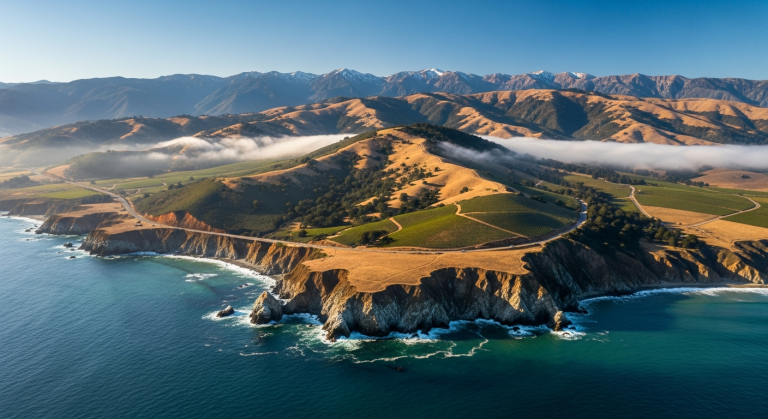
Big Sur is not a town—it’s a 90-mile stretch of coastline where mountains meet ocean with almost no development. This is the PCH’s crown jewel, and rushing it is the single biggest mistake I see travelers make. Thirty miles takes 2-3 hours minimum with stops, and you’ll want to stop constantly.
Before you go, check Caltrans District 5 road conditions (dot.ca.gov/caltrans-near-me/district-5) for closures. Highway 1 through Big Sur has closed for months due to landslides—Mud Creek in 2017, Rat Creek in 2021. I cannot stress this enough: check the day before you drive.
Where to stay: Kirk Creek Campground ($35/night) offers oceanfront camping with sunset views that cost $600/night at resorts. Pfeiffer Big Sur State Park ($35/night) provides redwood forest camping and easier amenities. Splurge at Ventana Big Sur ($900-1,500/night) or Alila Ventana Big Sur for Japanese-inspired luxury, or try Deetjen’s Big Sur Inn ($155-265) for historic charm without the luxury price tag.
Ultimate Big Sur Stops You Cannot Miss
Bixby Bridge (13 miles south of Carmel) has a small pullout on the north side—arrive before 9 AM or after 5 PM for parking. The bridge is 714 feet long, 280 feet high, and impossibly photogenic. Walk back north 100 yards for the classic shot with the bridge and coastline curving south.
McWay Falls in Julia Pfeiffer Burns State Park ($10 parking) is the 80-foot waterfall that drops directly onto the beach. The overlook trail is 0.6 miles round-trip and wheelchair accessible, but here’s the timing secret: arrive before 10 AM or after 4 PM. Midday crowds turn the small viewing area into a shuffling mob.
Pfeiffer Beach (Sycamore Canyon Road, easy to miss) has purple sand from manganese garnet deposits and rock formations with natural arches. The turn is unmarked—look for a small “Narrow Road” sign one mile south of Pfeiffer Big Sur State Park. The road is rough, and the $12 day-use fee is cash only. Sunset here is magical, but arrive 90 minutes early for parking.
Local Insider Tips for Big Sur
Gas up in Carmel. The last cheap gas is $4.80/gallon (2024 prices); Big Sur charges $7.50+. There’s one station in Big Sur Village, and it’s not a suggestion—it’s 70 miles to the next gas in Cambria.
Restaurants are limited and expensive. Nepenthe ($24-42 entrees) has the view everyone photographs—outdoor terrace 800 feet above the ocean. Go for sunset drinks and appetizers ($16-22) instead of full dinner for the same view at half the cost. Big Sur Bakery ($14-18 lunch) serves wood-fired pizza and pastries that justify the prices. Otherwise, bring food from Carmel or Monterey.
Free camping exists at Plaskett Creek and Kirk Creek USFS campgrounds ($35, technically not free but cheaper than alternatives), but arrive before 2 PM or they’re full. Dispersed camping is illegal in Big Sur—rangers ticket aggressively.
Day 4: Big Sur to San Luis Obispo (130 miles)

Morning: Finishing Big Sur’s Highlights
Elephant Seal Vista Point (4.5 miles north of Hearst Castle) hosts thousands of elephant seals year-round. December through March is breeding season with massive males fighting—genuinely dramatic. Pups are born January-February. It’s completely free, has ample parking, and docents answer questions. The seals smell terrible; this is not a warning, it’s a promise.
Ragged Point (15 miles north of Hearst Castle) offers clifftop views, a short trail to a waterfall, and the last Big Sur scenery before the landscape opens up. The restaurant is overpriced ($18 burgers), but the restrooms are clean and the view is free.
Hearst Castle ($30-100 depending on tour) is William Randolph Hearst’s 165-room Mediterranean Revival mansion. The Grand Rooms Tour ($30, 60 minutes) covers the highlights. Is it worth it? If you like architecture and Gilded Age excess, absolutely. If you’re here for coastal scenery, skip it and keep driving. I’ve done it once—impressive but not essential to a PCH trip.
Afternoon: Cambria and Morro Bay Detours
Cambria’s Moonstone Beach boardwalk is a flat 1-mile wooden walkway along dramatic rocky coastline. Free parking, actual moonstones in the sand (smooth pebbles, not gems), and tide pools at low tide. This is where locals walk their dogs at sunset.
Morro Rock dominates Morro Bay—a 576-foot volcanic plug that’s sacred to the Salinan and Chumash peoples. You can’t climb it (protected nesting site), but the harbor area offers fresh seafood and kitschy beach-town charm. Tognazzini’s Dockside ($16-28) serves fish and chips on the waterfront—solid, not spectacular, but fresh.
The secret beach is Cayucos, 15 minutes north of Morro Bay. It’s an actual working beach town without tourist infrastructure, which means cheaper hotels ($90-140), locals surfing, and a 1940s-era pier perfect for sunset watching. Ruddell’s Smokehouse ($12-18) smokes fish on-site and serves it in tacos that rival anywhere on the coast.
Evening: San Luis Obispo’s Downtown Magic
San Luis Obispo is the trip’s perfect mid-point recharge. It’s a college town (Cal Poly) with energy that feels authentic after days of tourist zones. Downtown is walkable, hotels are cheaper ($110-180 for nice options), and the Thursday Night Farmers Market (6-9 PM year-round) is legendary—BBQ in the streets, live music, and produce vendors.
Stay at Peach Tree Inn ($120-160)—retro motor lodge with modern updates and walkable to downtown. Splurge option: Granada Hotel & Bistro ($200-280) in a restored 1922 building.
Dinner at Novo ($18-32) offers international cuisine on a creekside deck, or hit Firestone Grill ($10-16) for tri-tip sandwiches that locals line up for. SLO Brew is the brewpub locals actually drink at, not a tourist trap.
Day 5: San Luis Obispo to Santa Barbara (100 miles)

Morning: Pismo Beach and the Dunes
Pismo Beach offers two experiences: ATV adventures on Oceano Dunes ($50-150 for rentals) or peaceful hiking through the Guadalupe-Nipomo Dunes (free). The dunes are the largest coastal dune system in California, and the Oso Flaco Lake trail (3.2 miles round-trip) takes you through wetlands to pristine beach with almost zero people.
Splash Café’s clam chowder has cult status—thick, creamy, full of clams ($8-12 for bread bowls). The line wraps around the building in summer, but it moves fast. Is it the best chowder on the coast? No (that’s Monterey’s Old Fisherman’s Grotto), but it’s very good and has become a tradition for PCH drivers.
Avila Beach, 10 minutes south, is the quiet alternative to Pismo. The beach faces south (rare for California), making it warmer and more protected. Free street parking, family-friendly swimming, and a low-key vibe that feels like 1970s California.
Afternoon: Solvang’s Danish Detour
Solvang is 35 miles inland—a Danish-themed town built in 1911 that’s either charming or tacky depending on your tolerance for windmills and half-timbered architecture. The authentic experiences: Olsen’s Danish Village Bakery (since 1929) for æbleskiver (Danish pancake balls, $8), and Solvang Festival Theater for outdoor summer performances.
The tourist traps: every shop selling “imported” Danish goods made in China. Skip the wine tasting rooms in Solvang itself—they’re overpriced and underwhelming.
Instead, drive 10 minutes to Santa Ynez Valley for real wine country. Beckmen Vineyards ($20 tasting) and Presidio Winery ($15 tasting) offer excellent wines without Napa prices. Bring a picnic—most wineries allow it on their grounds.
Evening: Arriving in Santa Barbara
Stearns Wharf at sunset is the move—California’s oldest working wooden wharf (since 1872) with restaurants, shops, and pelicans that photobomb constantly. Free to walk, $3/hour parking underneath if you’re driving out.
Stay downtown (State Street area) for walkability to restaurants and nightlife, or beachfront (East Beach) for ocean views and resort vibes. The Spanish Garden Inn ($200-350) offers boutique charm, while Motel 6 Santa Barbara Beach ($140-180) provides surprising quality for the price with beach access.