Italian Dolomites Hiking Summer Guide 2026

I still remember the moment I rounded the corner on the Tre Cime circuit at 6:47 AM—I remember the exact time because I’d been checking my watch, wondering if I’d started too early.
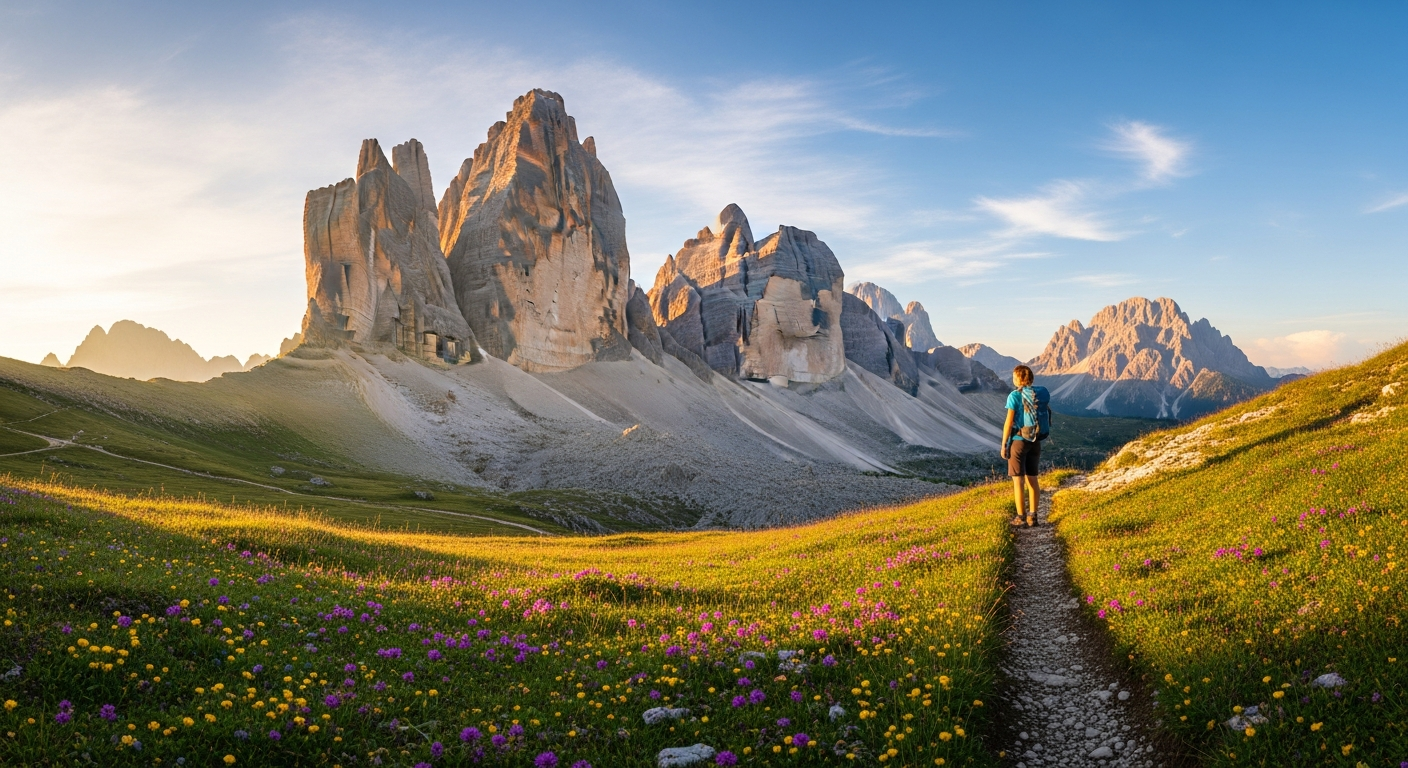
Then the sun crested the eastern peaks, and suddenly those three limestone towers turned the color of rose gold. I was completely alone. Not another soul on the trail.
That’s when I understood: timing isn’t just logistics in the Dolomites—it’s the difference between a good hike and a transcendent one.
If you’re overwhelmed by planning a Dolomites hiking trip (trust me, I get it—the region has over 200 marked trails), struggling to maximize limited vacation days, or worried about missing hidden gems while dodging tourist traps, you’ve found the right guide.
This complete resource cuts through the planning chaos with practical, tested advice on when to visit, which trails deliver the most breathtaking views for your effort, where locals actually hike, and how to experience authentic mountain culture without blowing your budget.
Whether you have 5 days or 15, prefer challenging via ferratas or gentle valley walks, or you’re traveling on a shoestring or ready to splurge on rifugio luxury, this guide has you covered with specific costs, honest trade-offs, and the logistical details that actually matter when you’re standing at a trailhead at dawn.
Why Summer 2026 Is Your Perfect Window for Dolomites Hiking

The Sweet Spots—When to Book Your Trip
Here’s what nobody tells you: the “summer season” in the Dolomites actually contains three completely different experiences, and choosing wrong costs you money and magic.
June 15-30 brings the wildflower explosion—alpine meadows literally carpeted in purple orchids, yellow arnica, and white edelweiss. Accommodation runs 20-30% cheaper than peak season (expect €80-120 per night for a solid three-star hotel versus €120-180 in July). The trade-off? Trails above 2,400 meters often remain snow-covered until June 20th, and you’ll need to check specific trail reports. I learned this the hard way in 2023 when my planned Forcella Lagazuoi route was impassable until June 28th.
July-August delivers full trail access and 15-hour daylight days (sunset around 9 PM), but you’ll share the experience. Popular trails like Tre Cime see 2,000+ hikers daily on weekends. Rifugio beds require booking 4-6 months ahead—reservations for summer 2026 open in November 2025. Prices peak: half-board rifugio stays jump to €70-90 per person, and parking at major trailheads costs €8-12 daily.
September 1-25 is my secret weapon, and I’ll tell you why locals prefer it: stable high-pressure systems settle over the Alps (75% chance of clear weather versus 60% in July), larch trees turn golden-orange against grey limestone, trails empty out after September 10th, and rifugios remain open until September 25th while charging June prices. The only catch? Days shorten—sunset by 7:30 PM means starting hikes by 8 AM for full-day routes.
2026 Weather Patterns: What to Expect
Valley temperatures in Ortisei or Cortina reach 22-27°C on summer afternoons, but at 2,500 meters where the stunning hikes happen, expect 12-18°C maximum. I always pack layers because that 10-15°C temperature drop is real—and sudden.
The afternoon thunderstorm pattern is like clockwork: clear mornings, clouds building by 1 PM, thunderstorms rolling in between 2-4 PM, clearing by 6 PM. This isn’t occasional—it’s the default pattern from mid-June through August. Smart hikers start at 7-8 AM, summit by noon, and descend before the storms hit. I got caught in a lightning storm on Seceda in 2022 because I ignored this pattern. Don’t be me.
Snow melt schedules matter for high routes: Forcella Lagazuoi typically clears June 25th, Passo Giau by July 1st, and the Sentiero Bonacossa (the spectacular traverse above Cortina) not until July 10th. Check current conditions at rifugio websites or the Dolomiti Superski webcams—they’re updated daily and show actual trail conditions.
Avoiding the Crowds Without Sacrificing Experience
The single biggest crowd-avoidance hack? Hike Tuesday-Thursday. Weekend warrior crowds from Munich, Milan, and Vienna triple trailhead traffic Friday-Sunday. I’ve done the same trail on Tuesday and Saturday—it’s genuinely a different experience.
Lesser-known valleys delivering equal drama: Val di Fanes (stunning limestone amphitheater, 1/10th the crowds of Tre Cime), the Sella Plateau southern approach from Passo Pordoi (identical views to the packed northern routes), and anything in the Pale di San Martino group (dramatically underrated, genuinely wild).
Early morning versus late afternoon? Early wins decisively. Starting at 7 AM puts you at stunning viewpoints by 9 AM with perfect light and zero crowds. Late afternoon hikers face harsher light, afternoon storms, and trails full of descending hikers.
The 7 Most Unforgettable Hikes for Summer 2026 (Ranked by Difficulty)

Beginner-Friendly Stunners (2-4 hours)
Lago di Braies Loop (3.5 km, 100m elevation gain, 1.5 hours): Yes, it’s Instagram-famous. Yes, it’s crowded. But here’s the secret: arrive before 7 AM or after 5 PM. Parking costs €10 (cash only—ATM at the lake is frequently broken), but the lot fills by 8:30 AM June-September, forcing you to park 2 km away and walk in. The counterclockwise loop delivers better views, and the northeastern shore at 7 AM catches perfect reflection light. Cost reality: parking €10, rifugio coffee €3.50, total 2 hours including photo stops.
Alpe di Siusi Meadows (various routes, 50-200m elevation gain, 2-4 hours): Europe’s largest alpine plateau feels like hiking through a Sound of Music fantasy. Take the cable car from Ortisei (€18 round-trip, included with Val Gardena Card) to avoid the steep forest slog. Once up, the Panorama Trail to Bullaccia offers 360° views for minimal effort. The trade-off? This plateau is popular with families—expect company, but the space absorbs crowds better than narrow trails. Pro tip: hike toward Plattkofel in late afternoon when day-trippers descend.
Val di Funes Church Trail (7 km, 250m elevation gain, 3 hours): That iconic photo of the white church with the Odle peaks behind it? This trail takes you there, then beyond into wildflower meadows tourists never reach. Park in Santa Maddalena (free), walk to the church (15 minutes), then continue up the valley trail. Locals picnic at the Gampenalm meadow (1 hour beyond the church)—bring bread, speck, and cheese from the Ortisei co-op (€12 for an excellent spread). Zero crowds after the church viewpoint.
Intermediate Adventures (4-7 hours)
Tre Cime di Lavaredo Circuit (9 km, 400m elevation gain, 4-5 hours): The most photographed peaks in the Dolomites, and deservedly so. Here’s the complete logistics: drive to Rifugio Auronzo (€30 parking—yes, really, it’s highway robbery but unavoidable), start the loop counterclockwise for better morning light on the north faces. The trail is well-marked, mostly easy walking, with one steeper section to Forcella Lavaredo. Budget €15 for a rifugio lunch at Locatelli—the polenta with mushrooms is worth it. Start by 8 AM to beat the 10 AM tour bus crowds.
Seceda Ridge Walk (various options, 200-600m elevation gain, 3-5 hours): That dramatic ridge with the jagged peaks you’ve seen everywhere? Cable car from Ortisei to Seceda summit (€24 round-trip, first car at 8 AM). The classic route follows the ridge north toward Forcella Putia—every step delivers absurd views. The hidden extension: continue to Rifugio Firenze (add 2 hours, 400m elevation gain) where locals actually go. The tourist crowds stay within 1 km of the cable car station. Bring wind protection—the ridge is exposed.
Lago di Sorapis (6 km, 200m down/up, 3-4 hours): That impossibly turquoise alpine lake is real, and yes, it’s worth the rocky, root-filled trail. Park at Passo Tre Croci (€5, fills by 9 AM), follow trail 215. The descent is steep and technical in spots—proper hiking boots essential, not trail runners. The lake’s color peaks in July-August when glacial melt is maximum. Bring a picnic—the lakeside is perfect for lingering. The return climb is brutal in afternoon heat; start by 8 AM.
Advanced Challenges (Full Day+)
Alta Via 1 Section Hike—Lagazuoi to Cinque Torri (12 km, 600m down/400m up, 6-7 hours): Sample the famous multi-day trek without committing to the full route. Cable car up Lagazuoi (€22 round-trip), hike the spectacular ridge to Rifugio Scotoni (2 hours), continue through WWI trenches to Rifugio Averau (add 1.5 hours), finish at Cinque Torri (another 2 hours). The Averau polenta lunch (€14) is legendary. This route showcases why the Alta Via 1 is considered one of Europe’s best treks.
Via Ferrata Delle Trincee (4-5 hours, technical): WWI history meets adrenaline on this cable-protected route through actual wartime trenches. Rent equipment in Cortina (€25/day for harness, helmet, ferrata set) or book a guide (€120 for 2 people). Fitness requirement: you need genuine upper body strength—there are near-vertical sections. The payoff? Accessing terrain impossible without the cables, and genuinely feeling the mountain’s history. Not for acrophobics.
Hut-to-Hut Hiking: Your Complete Planning Blueprint

Understanding the Rifugio System
Rifugios aren’t hostels, aren’t hotels—they’re something authentically alpine that doesn’t quite exist elsewhere. Think rustic mountain lodges serving hearty food, offering basic accommodation, and operating as social hubs where hikers from six countries share tables over grappa.
Half-board (mezza pensione) costs €55-85 per person and includes dinner, breakfast, and a bed. “Bed” usually means a room with 4-8 bunks, shared bathrooms down the hall, and blankets provided but bring your own sleep sheet (silk liner works perfectly). Showers cost extra (€2-5) and are often solar-heated—meaning cold if you’re the last hiker in.
Dinner is served family-style at a set time (usually 7 PM), and you don’t choose your meal—you eat what’s prepared. This is wonderful: three courses, local dishes, carafes of wine, and forced socializing that creates the rifugio magic. Breakfast is simple: bread, jam, cheese, coffee.
Booking for summer 2026 opens November 2025 for most rifugios. Popular routes (Alta Via 1, Sella Ronda) book completely by January for July-August dates. Book directly via rifugio websites or call—many don’t use booking platforms. Email in English works fine.
3 Perfect Hut-to-Hut Routes for First-Timers
3-Day Sella Ronda Trek (circumnavigate the Sella massif, 50 km, moderate difficulty): Start in Selva, hike to Rifugio Puez (6 hours), continue to Rifugio Pisciadù (5 hours), finish via Rifugio Boè back to Selva (6 hours). This route delivers incredible variety—meadows, rocky passes, glacial lakes—while staying at comfortable rifugios. Total cost: €180-240 including accommodation and meals, plus €50 for cable car shortcuts if needed. Book by December for summer 2026.
5-Day Alta Via 1 Highlights—Lagazuoi to Passo Giau (60 km): The greatest hits of Italy’s most famous trek. Daily stages: Lagazuoi to Scotoni (4 hours), Scotoni to Croda da Lago (6 hours), Croda da Lago to Palmieri (5 hours), Palmieri to Venezia (6 hours), Venezia to Passo Giau (4 hours). This section avoids the crowded northern start while delivering the dramatic landscapes that made Alta Via 1 legendary. Total cost: €350-450 all-in.
7-Day Pale di San Martino Loop (off-the-beaten-path, 75 km, genuine wilderness): Start in San Martino di Castrozza, loop through Rifugio Rosetta, Pradidali, Treviso, and Pedrotti. This eastern Dolomites group sees 1/10th the traffic of western areas while offering equally stunning terrain. The trade-off? Rifugios are more basic, trails rougher, and you need stronger navigation skills. For experienced hikers wanting solitude, this is perfection. Total cost: €300-400.
Packing for Rifugio Stays
Keep your pack under 8 kg—your knees will thank you on day three. The essential 15 items: sleep sheet, headlamp, first aid kit, toiletries, one change of base layers, rain jacket, warm layer, hiking pants, shorts, two shirts, underwear, socks, sunglasses, sunscreen, phone/battery pack. That’s it.
Rifugios provide blankets, pillows, and dinner plates—you don’t need sleeping bags, cooking equipment, or much food beyond trail snacks. I carry four energy bars per day plus a salami for emergencies. Water is available at rifugios; carry a 1L bottle, refill frequently.
The rookie mistake? Overpacking “just in case” items. You’ll wear the same hiking outfit daily, wash it at rifugios (€5 for sink washing, €8 for machine), and repeat. Nobody cares what you look like at 2,500 meters.
Practical Planning: Logistics That Actually Work

Getting There and Around
Flying in: Venice Marco Polo (2.5 hours drive to Cortina, €45 rental car), Verona (2 hours to Selva, easier driving), or Innsbruck (1.5 hours to Val Gardena, cheapest rentals). Venice offers most flight options but involves the Mestre bypass traffic nightmare. Verona is my preference—smaller airport, easier navigation, direct autostrada to the mountains. Innsbruck works brilliantly if you’re combining Austria and Italy.
Car rental reality: You need one unless you’re doing a pure hut-to-hut trek. Public buses work surprisingly well between major towns (€5-10 per ride) but accessing trailheads requires wheels. Rental costs €300-450 per week in summer—book early for better rates. Mountain driving isn’t technical but involves narrow roads, tunnels, and Italian drivers who pass on blind curves. Defensive driving essential.
Parking secrets: Major trailheads charge €5-12 daily (Tre Cime €30, which still makes me angry). Lesser-known starts offer free parking—Val di Fanes, Passo Giau north side, and most Val Gardena valley trails. Arrive before 8:30 AM or accept hiking from overflow lots 1-2 km away.
Where to Base Yourself
Val Gardena (Ortisei, Selva, Santa Cristina): Perfect central location for first-timers, excellent infrastructure, cable cars to Seceda and Alpe di Siusi, 30-45 minutes to most major trailheads. Accommodation ranges €80-200/night. The valley maintains authentic Ladin culture—you’ll hear the local language, see traditional architecture, and eat genuine mountain food.
Cortina d’Ampezzo: Upscale base, easier access to eastern Dolomites (Tre Cime, Cristallo, Sorapis), excellent restaurants, higher prices (€120-300/night). The trade-off? It’s genuinely posh—you’ll feel underdressed in hiking boots at dinner. Worth it for the location if budget allows.
Arabba/Passo Pordoi: Budget-friendly (€60-140/night), authentic, central for hut-to-hut starts, less English spoken. This area feels genuinely local—you’re staying where Italian families vacation, not where influencers pose. Rifugio Pordoi at the pass offers stunning sunset views and affordable rooms.
Multi-base strategy: For 10+ day trips, split between Val Gardena (5 nights, explore western areas) and Cortina (5 nights, hit eastern highlights). This maximizes trail access while minimizing driving.
Money-Saving Strategies (Without Sacrificing Experience)
Budget breakdown for 7 days (per person): – Flights: €200-400 (book 3+ months ahead) – Car rental: €45-65/day (€315-455 total) – Fuel: €80-100 – Accommodation: €560-1,400 (€80-200/night) – Food: €280-490 (€40-70/day) – Activities: €150-300 (cable cars, rifugio stays) Total: €1,585-2,745
The budget version (€1,585) means agriturismos, grocery store lunches, free trails, and September timing. The comfort version (€2,200) allows nice hotels, rifugio meals, and cable car shortcuts. The splurge version (€2,745) adds guided experiences and zero compromises.
Smart savings: Val Gardena Mobilcard (€60 for 3 days) includes all valley buses and cable cars—worth it if you’re using lifts twice daily. Grocery shopping at DESPAR or co-op stores saves 60% versus restaurants: €8 gets you bread, cheese, speck, and fruit for two people versus €28 for rifugio lunches. Free hiking (no cable cars) works perfectly if you’re fit—you’ll see more and save €20-40 daily.
Splurge-worthy investments: Guided via ferrata (€100, includes equipment and safety), one proper rifugio dinner with local wine (€45, unforgettable experience), sunrise cable car to Lagazuoi (€22, beats any alarm clock and delivers photos worth the entire trip). These create memories worth 10x their cost.
Essential Preparation and Safety

Start fitness preparation three months before your trip. “Moderately fit” for Dolomites hiking means comfortably walking 15 km with 600m elevation gain—that’s roughly 4-5 hours of continuous movement. If you can’t currently do this, build up gradually: start with 5 km walks, add 1 km weekly, introduce hills by week 4, carry a weighted pack (5-8 kg) by week 8.
Weather changes rapidly at altitude. I carry rain jacket and warm layer on every hike, even sunny days. Afternoon thunderstorms bring genuine lightning danger—if you hear thunder, descend immediately. Don’t summit if storms threaten.
The biggest rookie mistake? Underestimating descent impact on knees. Downhill hiking creates 3-4x your body weight in joint stress. Trekking poles reduce this by 25%—bring them. They cost €30-60 and save your knees for day 5 of your trip.
Emergency contacts: Mountain rescue (Soccorso Alpino) is 118. Mobile coverage is surprisingly good on major trails but fails in valleys—download offline maps before hiking. I use Maps.me and Komoot, both free and reliable.
Trail marking uses red-white-red painted blazes and numbered routes. Navigation is straightforward on popular trails but requires attention on less-traveled paths. Bring a physical map (Tabacco 1:25,000 series, €12, available in any mountain shop) as backup.
Your Next Steps: Making Summer 2026 Happen
Start planning now—seriously. November 2025 is when rifugio bookings open for summer 2026, and popular routes fill by January. Create a realistic timeline: book flights by December 2025 (prices jump 40% after February), reserve rifugios by January, book accommodation by March, arrange car rental by April.
The single most important decision? Choose your dates based on the experience you want, not just when you have vacation time. If you can swing September 5-15, you’ll have better weather, smaller crowds, and lower costs than July 20-30. If you’re locked into August, embrace the crowds and plan around them—early starts, weekday hiking, lesser-known valleys.
Don’t try to see everything. The Dolomites span 141,903 hectares across five provinces—you can’t “do” them in one trip. Pick a base or two, explore deeply rather than widely, and save discoveries for your inevitable return visit. Because trust me, you’ll return. Everyone does.
The mountains will be there in 2026, waiting for you to round that corner at dawn and see them glow pink in the morning light. Start planning today, and that moment becomes yours.