What To Wear In Norway: Your Complete Guide to Scandinavian Style and Comfort

Planning a trip to Norway and staring at your closet in confusion? You’re not alone. Norway’s unpredictable weather and effortlessly chic locals can make packing feel overwhelming.
But here’s the truth: dressing for Norway isn’t about buying an entirely new wardrobe—it’s about making smart, strategic choices that keep you comfortable while looking polished.
The secret to nailing that elevated Nordic aesthetic lies in understanding one fundamental principle: Norwegians prioritize function without sacrificing style. They’ve mastered the art of looking put-together while being prepared for anything Mother Nature throws their way. And you can too.
This guide walks you through everything you need to know about dressing for Norway, season by season. You’ll discover the essential layering system that actually works, learn which pieces deserve your investment, and find out how to create versatile outfits that transition seamlessly from exploring dramatic fjords to dining in trendy Oslo restaurants. Whether you’re chasing the Northern Lights in Tromsø or wandering Bergen’s colorful streets, you’ll be ready to look and feel your best.
Decoding Norway’s Seasons: What the Weather Really Means for Your Wardrobe

Understanding Norway’s Unique Climate Challenges
Norwegians have a saying: “There’s no such thing as bad weather, only bad clothing.” This isn’t just a cute phrase—it’s a lifestyle philosophy that shapes how locals approach their wardrobes. Norway’s weather doesn’t follow rules, and you need to be ready for anything.
The reality? You can experience four seasons in a single day. That sunny morning in Bergen can turn into a rainy afternoon, followed by a chilly evening that requires a proper jacket. This unpredictability isn’t a bug—it’s a feature of Norway’s stunning geography. The key is building a wardrobe that adapts as quickly as the weather changes.
Regional differences matter too. What works perfectly in cosmopolitan Oslo might leave you shivering in Arctic Tromsø. Coastal cities like Bergen experience milder temperatures but significantly more rain, while inland areas swing between temperature extremes. Understanding these nuances helps you pack smarter, not heavier.
Summer in Norway (June-August): Light Layers with Style
Norwegian summers surprise most visitors. Forget packing only shorts and tank tops—you’ll regret it. Summer temperatures typically hover between 15-25°C (59-77°F), which sounds pleasant until you factor in cool mornings, breezy afternoons, and genuinely chilly evenings.
The essential summer pieces include lightweight sweaters in merino wool or cotton blends that you can tie around your waist during warmer moments. A classic rain slicker becomes your best friend—and yes, yellow is genuinely trending in Norway. These aren’t your grandmother’s rain coats; modern versions are sleek, stylish, and surprisingly versatile.
Waterproof-yet-trendy footwear is non-negotiable. Think waterproof ankle boots or fashion-forward sneakers with water-resistant treatments. You’ll transition from hiking coastal trails to enjoying coffee at stylish cafés, and your footwear needs to keep up with both activities without looking purely functional.
Winter in Norway (December-February): Mastering Cold-Weather Chic
Winter in Norway demands respect. Temperatures plunge to -10°C to -30°C (-14°F to -22°F) in many regions, and dressing inappropriately isn’t just uncomfortable—it’s potentially dangerous. But staying warm doesn’t mean sacrificing style or looking like an overstuffed marshmallow.
The Norwegian layering system is your salvation. Start with quality thermal base layers that sit close to your skin, add insulating mid-layers like wool sweaters or fleeces, and top everything with a properly insulated, windproof outer layer. This system traps warm air between layers while allowing moisture to escape, keeping you comfortable regardless of activity level.
Invest strategically in your winter pieces. A high-quality insulated parka is worth the splurge—it’ll serve you for years beyond your Norway trip. Look for styles with longer cuts that cover your hips, adjustable hoods, and enough room to accommodate layers underneath without restricting movement. Modern puffer coats come in streamlined silhouettes that are both warm and genuinely flattering.
Spring & Fall Transition Seasons: The Art of Adaptable Dressing
These in-between seasons require the most versatile wardrobe planning. Spring (March-May) and fall (September-November) in Norway are beautiful but unpredictable, with temperatures ranging from near-freezing to pleasantly mild within hours.
Master the cardigan-and-jacket combo. A medium-weight cardigan under a waterproof shell jacket gives you incredible flexibility. Too warm? Remove the jacket. Temperature dropping? Add both layers. This combination works overtime, making it essential for travelers who want to pack light without sacrificing comfort.
Footwear becomes particularly challenging during transition seasons. Rain, slush, melting snow, and muddy trails all demand water-resistant boots with good traction. Look for ankle boots with sealed seams and rubber soles that provide grip on slippery cobblestones. These seasons prove that fashion and function must coexist—there’s no room for choosing one over the other.
The Essential Norway Packing List: Timeless Pieces That Work Overtime
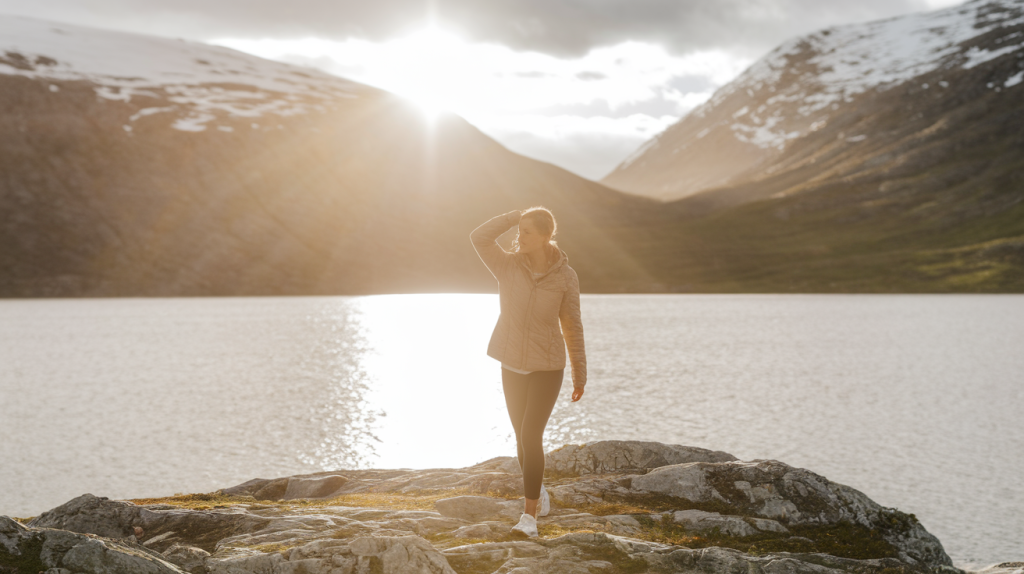
The Base Layer Foundation: Your Secret Weapon
Norwegians swear by proper base layers, and once you try them, you’ll understand why. Merino wool and synthetic thermal underwear create a foundation that regulates temperature, wicks moisture, and prevents that clammy feeling when you move between heated indoor spaces and frigid outdoor air.
Quality base layers are functional without sacrificing style. Modern options come in sleek designs that work as standalone pieces or hidden foundations. Choose fitted styles in neutral colors that won’t show through outer layers. Merino wool naturally resists odors, meaning you can wear the same base layer multiple days—a game-changer for travelers.
Budget-friendly alternatives exist. You don’t need expensive outdoor brands to stay comfortable. Many mainstream retailers offer perfectly adequate thermal underwear at accessible prices. The key is choosing pieces with moisture-wicking properties and avoiding cotton, which holds moisture and leaves you cold and uncomfortable.
The Mid-Layer Magic: Sweaters, Fleeces, and Cardigans
Your mid-layer does the heavy lifting in temperature regulation. This is where you can express personal style while staying warm. A statement Norwegian wool sweater with classic patterns like Marius or Setesdal becomes both a functional piece and a meaningful souvenir. These timeless designs never go out of style and work beautifully in countless outfit combinations.
Versatile fleeces deserve a spot in your suitcase, but choose carefully. Look for styles with tailored cuts, interesting textures, or subtle details that elevate them beyond purely functional gear. A well-chosen fleece in a flattering color looks polished under a jacket or worn alone in milder conditions.
The elevated cardigan is your most hardworking travel piece. Choose one in a medium weight that buttons or zips fully—this versatility lets you wear it open as a layering piece or closed as a standalone sweater. Neutral colors like charcoal, navy, or camel pair effortlessly with everything else in your capsule wardrobe.
The Outer Layer Armor: Jackets and Coats That Deliver
Your outer layer protects you from wind, rain, and snow while completing your look. The waterproof jacket is absolutely essential—Norway receives significant rainfall year-round. Those trending yellow slickers you’ve seen on Pinterest aren’t just photogenic; they’re genuinely practical and surprisingly easy to style with confidence.
Insulated puffer coats have evolved dramatically in recent years. Modern versions feature streamlined quilting, longer lengths, and flattering cuts that cinch at the waist. Look for options with water-resistant shells and packable designs that compress into their own pockets—perfect for travelers dealing with limited luggage space.
The shearling coat moment is real, especially if you’re channeling Scandinavian influencer style. These cozy pieces offer incredible warmth while looking effortlessly chic. Choose classic tan or chocolate brown shearling that pairs beautifully with Norway’s neutral color palette and works for both outdoor exploration and urban dining.
Bottom Half Essentials: Practical Meets Stylish
The perfect travel pants balance water-resistance, comfort, and style. Look for technical fabrics that repel moisture, stretch for easy movement, and maintain a polished appearance. These pants should be chic enough for dinner at a nice restaurant while practical enough for spontaneous hikes.
Jeans work well in Norway, but choose styles strategically. Opt for darker washes in straight-leg or slim cuts that accommodate base layers underneath without looking baggy. Avoid overly distressed styles—Norwegians gravitate toward clean, classic denim that looks intentional rather than trendy.
Leggings and thermal tights have their place, but understand their limitations. They work beautifully as base layers under pants or as standalone pieces for low-intensity activities in milder weather. However, they’re not appropriate as outer layers in truly cold conditions or for serious outdoor adventures where you need protection from elements.
Footwear That Goes the Distance
Waterproof boots that don’t scream “tourist” are absolutely achievable. Look for ankle boots in leather or water-resistant materials with sealed seams and rubber soles. Chelsea boots with weatherproof treatments, hiking-inspired sneaker boots, or sleek combat boots all work beautifully while keeping your feet dry and comfortable.
The sneakers versus hiking boots debate depends entirely on your planned activities. Urban exploration and light trails? Quality sneakers with good support and water-resistant treatments suffice. Planning serious hikes or winter activities? Proper hiking boots with ankle support and aggressive tread become essential.
Bring a second pair of shoes. This isn’t optional—it’s smart packing. Even the best waterproof boots need time to dry, and having backup footwear prevents discomfort and potential foot problems. Choose a lightweight second pair that packs efficiently, like packable ballet flats or minimalist sneakers.
Styling Secrets: How to Look Effortlessly Scandinavian (Not Like a Tourist)
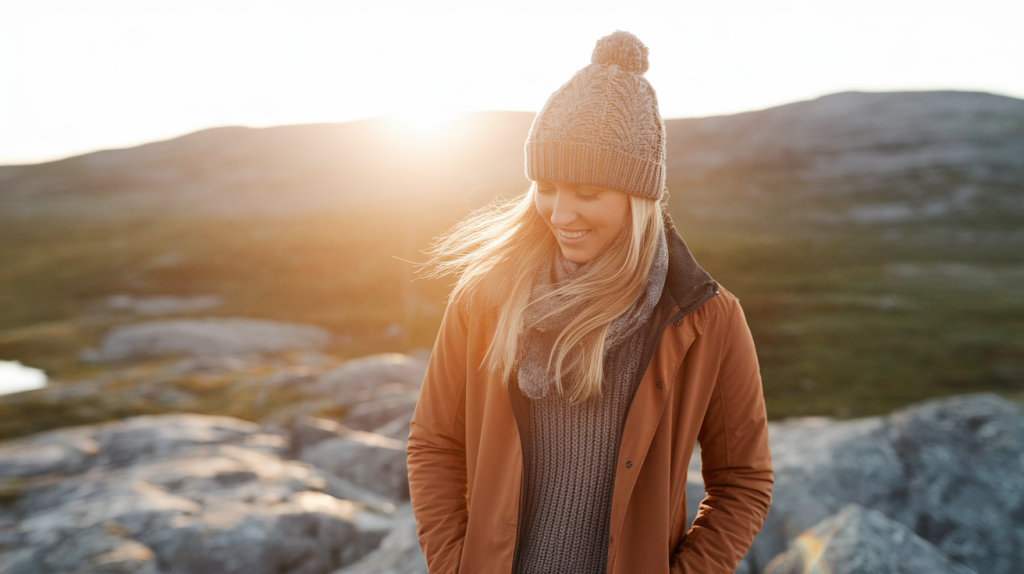
The Norwegian Color Palette: Neutral Sophistication
Norwegians gravitate toward blacks, grays, navy, and earth tones for good reason. This neutral palette creates endless outfit combinations, photographs beautifully against Norway’s dramatic landscapes, and embodies the Scandinavian aesthetic of understated elegance. You’ll blend seamlessly with locals while creating a cohesive, polished look.
Adding subtle pops of color the Nordic way means choosing rich, muted tones rather than bright, saturated hues. Rust orange, forest green, burgundy, and deep mustard all complement the neutral foundation while adding visual interest. These colors feel intentional and sophisticated rather than attention-seeking.
A capsule color scheme makes packing and mixing-and-matching significantly easier. Choose three neutral base colors and one or two accent colors, then ensure every piece in your suitcase works within this palette. This strategy maximizes outfit combinations while minimizing luggage weight—the ultimate travel win.
Mastering Scandinavian Minimalism in Your Outfit Choices
The “less is more” approach defines Norwegian style. Prioritize quality fabrics over flashy logos, clean lines over busy patterns, and classic silhouettes over trendy pieces that’ll look dated in photos. This aesthetic isn’t about being boring—it’s about creating timeless looks that let the stunning Norwegian landscape shine.
Clean lines and classic silhouettes photograph beautifully and travel well. Avoid overly complicated pieces with excessive zippers, buckles, or embellishments that add bulk without adding value. Instead, choose streamlined designs that look polished whether you’re exploring Bryggen’s colorful buildings or hiking to Preikestolen.
Accessories elevate your look without overwhelming it. A quality wool scarf in a subtle pattern, a well-fitted beanie in a complementary color, and simple jewelry create polish without competing for attention. Norwegians understand that accessories should enhance your outfit, not dominate it.
Dressing for Different Norway Experiences
City exploration in Oslo, Bergen, or Trondheim calls for polished casual style. Think dark jeans with ankle boots, a fitted sweater under a sleek jacket, and a crossbody bag. You’ll fit right in at museums, restaurants, and shops while remaining comfortable for hours of walking.
Outdoor adventures require functional gear that still looks intentional. Even on hiking trails, Norwegians maintain a put-together aesthetic. Choose technical pieces in coordinating colors rather than mismatched outdoor gear. Your hiking outfit should look like you planned it, not like you grabbed random items from a sporting goods store clearance bin.
Dining out in Norway leans smart-casual rather than formal. A nice sweater or blouse with dark jeans and clean footwear works perfectly for most restaurants. Save the ultra-casual athletic wear for actual athletic activities—Norwegians appreciate effort in presentation even in relaxed settings.
Northern Lights chasing presents unique challenges: staying warm while capturing Instagram-worthy moments. Layer strategically so you can remove your jacket temporarily for photos without freezing. Choose dark, solid-colored outer layers that don’t distract from the aurora, and bring hand warmers to keep fingers functional for operating your camera.
The Layering Formula That Actually Works
The proven three-layer system breaks down simply: base layer for moisture management, mid-layer for insulation, outer layer for weather protection. Here’s a concrete example: merino wool base layer + fleece or wool sweater + waterproof shell jacket. This combination adapts to changing conditions by adding or removing the mid-layer.
Layer without adding bulk by choosing fitted base layers, medium-weight mid-layers, and properly sized outer layers with room for what’s underneath. Avoid the temptation to size up excessively—modern technical fabrics provide warmth without excessive thickness, and proper fit actually insulates better than baggy layers with gaps.
Strategic layering works for different body types. If you carry weight in your midsection, choose longer base layers that smooth rather than compress, fitted mid-layers that skim rather than cling, and outer layers that define your waist. If you’re petite, avoid overwhelming bulk by choosing thinner, high-quality layers and properly proportioned outer wear.
Shopping Smart: Budget-Friendly Ways to Build Your Norway Wardrobe
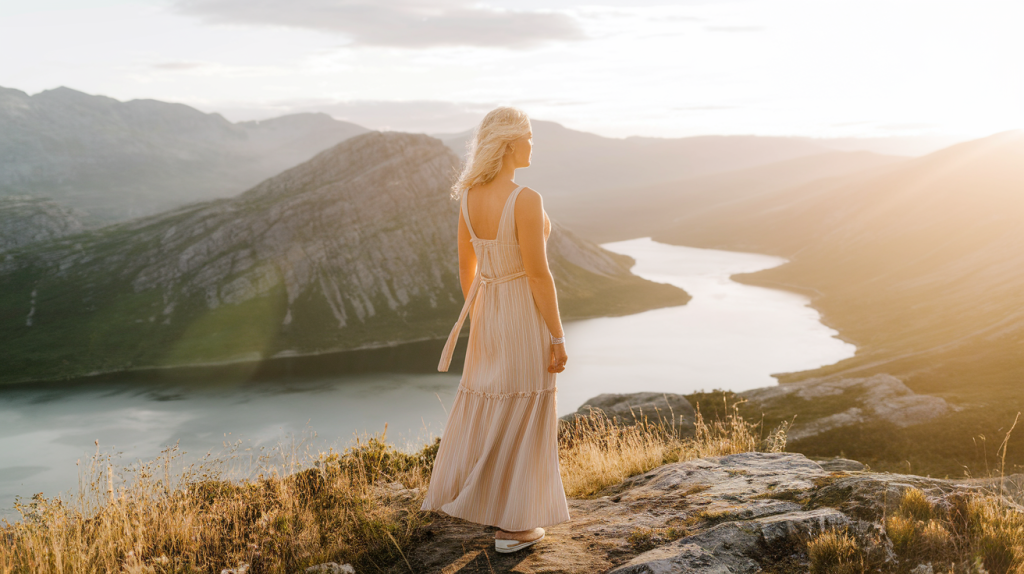
What to Buy Before You Go
Purchase most items at home where you’ll find better prices, wider selection, and easier returns. Base layers, mid-layers, waterproof jackets, and footwear should come from retailers you trust, giving you time to test items and ensure proper fit before departure.
Online retailers offering Scandinavian style at accessible price points include Uniqlo (excellent base layers and simple sweaters), Everlane (quality basics in perfect neutral colors), and mainstream outdoor retailers during seasonal sales. You don’t need Scandinavian brands to achieve Scandinavian style—you need the right aesthetic and quality level.
Shop your closet first. You probably already own pieces that work perfectly for Norway: that black turtleneck, those dark jeans, that neutral cardigan. Before buying anything new, pull everything that fits Norway’s color palette and aesthetic, then identify actual gaps in your wardrobe. This approach saves money while reducing unnecessary consumption.
What to Buy in Norway
Norwegian wool sweaters make meaningful souvenirs that you’ll actually wear for years. Expect to pay 800-2000 NOK ($75-190 USD) for authentic, quality pieces from brands like Dale of Norway or local artisans. Visit shops in smaller towns for better prices than tourist-heavy areas, and don’t shy away from second-hand stores for vintage finds.
Outdoor gear from Norwegian brands sometimes makes sense for serious outdoor enthusiasts planning multiple cold-weather trips. Brands like Bergans, Norrøna, and Helly Hansen offer exceptional quality, but the investment only pays off if you’ll use these pieces regularly beyond your Norway trip.
Souvenir clothing that’s actually wearable back home includes those classic wool sweaters, simple wool beanies, and quality wool socks. Skip novelty items with “Norway” emblazoned across them—they scream tourist and won’t integrate into your regular wardrobe. Choose timeless pieces that happen to be from Norway rather than obvious souvenirs.
Rental and Borrowing Options
Outdoor gear rental services exist in major Norwegian cities and popular outdoor destinations. Companies like Fjellsport and various local outfitters rent quality winter gear, specialized outdoor equipment, and cold-weather accessories. This option makes perfect sense for travelers who need extreme cold-weather gear for a short trip but won’t use it again.
Renting makes more sense than buying when you’re visiting during winter for the first time and aren’t sure you’ll return to cold climates. It’s also smart for specialized activities like glacier hiking or winter camping that require specific gear you won’t use in everyday life.
Sustainable travel fashion means rewearing what you already own and resisting the urge to buy entirely new wardrobes for every trip. Norway’s aesthetic values quality and longevity over constant newness—embrace this mindset by choosing versatile pieces that serve multiple purposes across various destinations.
Mix High and Low: The Elevated Budget Approach
The splurge versus save strategy focuses your budget where it matters most. Splurge on your waterproof outer layer, quality boots, and base layers—these pieces directly impact your comfort and safety. Save on mid-layers, accessories, and items you already own acceptable versions of.
Fast fashion finds that work for a Norway trip include simple sweaters in neutral colors, basic thermal underwear, and affordable scarves and beanies. These items don’t require premium brands to function well, and you can find perfectly adequate options at accessible prices. Focus on fit and color rather than brand names.
Creating a timeless travel wardrobe means choosing classic pieces that work for multiple destinations beyond Norway. That waterproof jacket serves you in Seattle, Scotland, and Iceland. Those quality boots work in countless cities worldwide. Build a collection of versatile, well-made pieces that justify their cost through repeated use across various trips and everyday life.
Your Norway Style Confidence: From Packing Stress to Effortless Adventure

The Non-Negotiable Essentials Recap
Every Norway traveler needs these core items: waterproof outer layer with hood, quality base layers in merino wool or synthetic blends, versatile mid-layers that work alone or combined, waterproof boots with good traction, and a backup pair of shoes. These essentials form the foundation of countless outfit combinations that keep you comfortable regardless of weather.
The biggest mistake travelers make? Packing for the Norway they imagine rather than the Norway that exists. Don’t let beautiful Instagram photos fool you into bringing only cute summer dresses or assuming winter won’t be that cold. Respect the weather, trust the locals’ approach to layering, and prioritize function alongside fashion.
Norwegians value quality and functionality over trends, and adopting this mindset transforms your travel experience. When you’re comfortable and properly dressed, you explore more confidently, stay out longer, and genuinely enjoy Norway’s incredible landscapes rather than rushing back to warm indoor spaces.
Transform Your Travel Experience Through Smart Clothing Choices
The right wardrobe genuinely transforms your travel experience. Comfort enables adventure—you’ll hike that extra kilometer, explore that coastal path, and stay out for sunset when you’re not fighting discomfort from inadequate clothing. Your wardrobe either supports or limits your adventures, and in Norway’s challenging climate, this truth becomes impossible to ignore.
Embrace the “there’s no bad weather, only bad clothing” mindset. This philosophy frees you from weather anxiety and helps you see rain, wind, and cold as manageable challenges rather than trip-ruining disasters. With proper preparation, you’ll discover that Norway’s dramatic weather actually enhances its beauty rather than detracting from your experience.
Start Building Your Norway Capsule Wardrobe Today
Your challenge: Start building your Norway capsule wardrobe today with pieces you’ll wear long after your trip ends. Begin with one quality investment piece—perhaps that waterproof jacket or those versatile boots—then build around it with items you already own or can find affordably.
You don’t need a designer budget to nail Norwegian style. You need smart, intentional choices that reflect timeless Scandinavian values: quality over quantity, function without sacrificing aesthetics, and effortless elegance rooted in practicality. These principles create a wardrobe that serves you beautifully in Norway and countless other destinations.
Now go explore those dramatic fjords, charming coastal towns, and vibrant cities in complete style confidence. You’re ready to dress like a Norwegian, stay comfortable in any weather, and create incredible memories without wardrobe stress holding you back. Your Norwegian adventure awaits—and you’ll look absolutely perfect for every moment of it.