The Ultimate Guide to the Best Airplane Seats in Economy Class

You’ve been there. You board the plane, shuffle down the aisle, and land in a seat that doesn’t recline, sits inches from the bathroom, and gets every bump of turbulence.
Meanwhile, the person three rows ahead has their feet up, bag stowed overhead, and is already dozing off like a pro.
What do they know that you don’t?
Here’s the honest truth: your seat can make or break your entire flight experience — and there’s a real science to choosing the right one. It’s not about spending more money. It’s about understanding the hidden game airlines play with their seat maps, their pricing, their boarding procedures, and yes, even your emotions.
This is your complete, no-nonsense guide to the best airplane seats in economy class — what to book, what to avoid, and exactly how to work the system to your advantage, even on a budget.
Why Your Seat Choice Matters More Than You Think
Most of us pick seats based on gut feeling. We see the seat map, something feels right, we click confirm. Airlines are counting on exactly that.
Airlines don’t just assign prices to seats — they assign prices to your emotions. They know you have a deeply primal fear of the middle seat. So they weaponize it.
They price window and aisle seats higher, creating a premium around the fear of being squeezed in the middle. You think, it’s worth a few extra bucks, and just like that, you’ve paid a premium for a seat that might actually be working against you.
The old rules for choosing a seat? They’re officially broken. WILMA boarding, predictive cancellations, equipment swaps, and new baggage commission systems have completely rewritten the game. This guide adapts to the current rules of air travel — not what worked five years ago.
Let’s start with the seats you need to avoid at all costs.
The Last Row: The Original Seat Nightmare
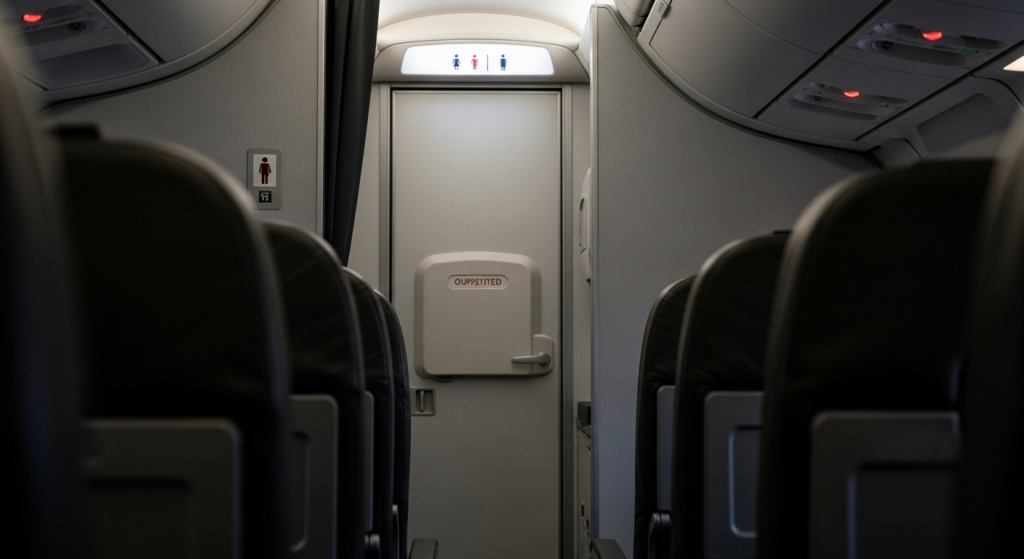
When was the last time you saw an experienced frequent flyer voluntarily choose the very last row? Never. And there’s a reason for that.
Those back-row seats are the trifecta of terrible:
They don’t recline — at all. Because there’s a solid wall behind the seat (either a galley partition or lavatories), you’re stuck bolt upright for the entire flight. On a long-haul route, that means hours of spinal stiffness that can last for days after you land. You’re paying the same price as someone three rows ahead who can actually lean back and sleep.
The bathroom queue is your personal nightmare. Every passenger from the front and middle of the aircraft walks past your shoulder to get to that lavatory. The odors, the noise, the constant bumping, the awkward eye contact — it’s relentless. Flight attendants have reported seeing last-row passengers get nudged by bathroom doors dozens of times per flight.
Your overhead bin will be full before you board. Because you’re boarding last, every single compartment above you will be packed shut by the time you step on board.
The fix: If you absolutely have to sit near the back, choose an aisle seat in the second-to-last row. You’ll get 90% of the leg-stretch benefits of that zone without the bathroom chaos.
The Exit Row Illusion: What Airlines Don’t Tell You
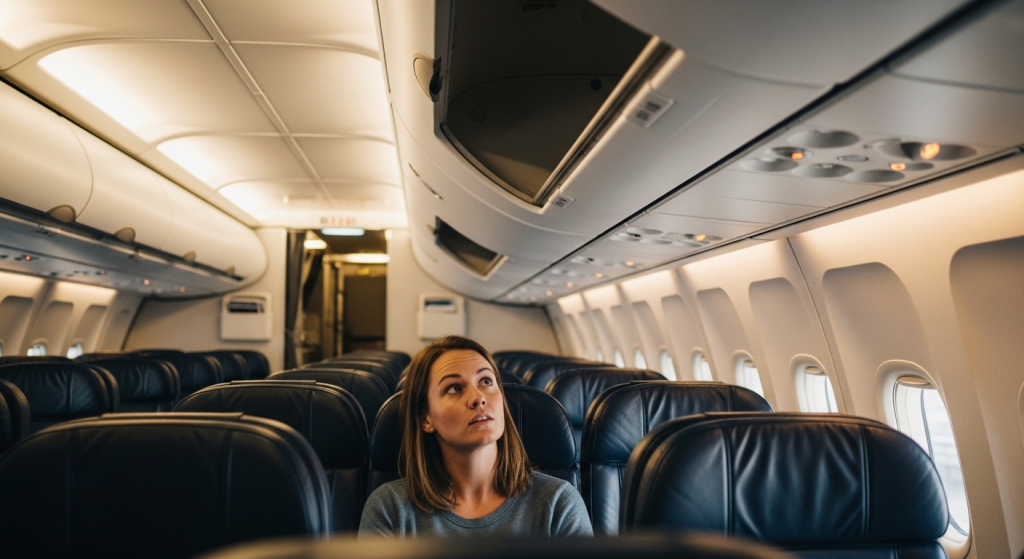
Exit rows get marketed like they’re doing you a massive favor. Extra legroom! Premium experience! But here’s what that upsell doesn’t mention:
You lose all your underseat storage. Your personal item, medications, snacks, laptop — everything must go in the overhead bin during the flight. If you board late, that bin might already be full. This is exactly what happened on a flight to Denver when paying $45 extra for exit row legroom and then having to gate-check a carry-on, spending an extra hour at baggage claim and nearly missing a connection. That “premium” seat cost way more than advertised.
You’re taking on legal responsibility. In an emergency, you become an unpaid crew member with serious legal duties. You must be willing and physically able to operate the emergency exit.
It’s genuinely cold. At 35,000 feet, outside temperatures are around -70°F. Emergency exits aren’t perfectly sealed. That thin wall between you and the stratosphere makes exit row seats noticeably chillier. Pack layers, seriously.
The exit row is worth it if: You’re traveling light (no carry-on that needs underseat storage), you run warm, and you’re on a flight long enough to appreciate the legroom. Just go in with eyes open.
The Pre-Exit Row: The Seat That Should Come With a Warning Label
This one is sneaky, and airlines actively hope you don’t notice it.
The row directly in front of an emergency exit row is subject to the same federal safety regulation: those seats cannot recline either. The emergency exit path must stay clear.
So you pay a standard economy price, watch the person directly behind you stretch out in all their exit-row glory, and sit locked upright for the entire flight. Flight attendants know this seat is terrible — but they won’t always warn you until after takeoff.
Always check the row immediately in front of any exit row before booking.
The Bulkhead Trap: Extra Legroom With Hidden Catches
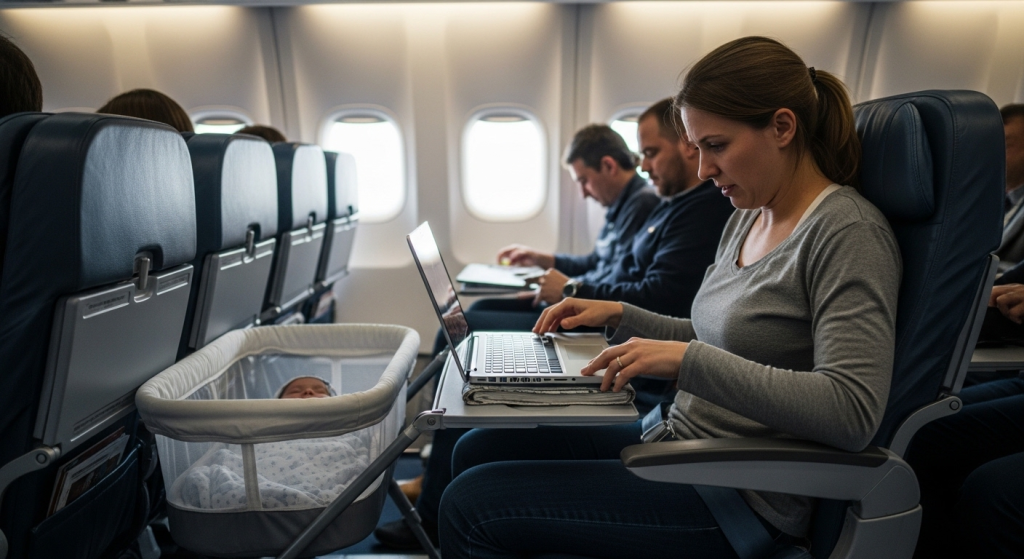
Bulkhead seats — the row right behind a cabin dividing wall — look perfect on paper. No one reclining into your lap. Open space in front of you. But airlines quietly remove the best parts while keeping the premium pricing.
Here’s what you’re actually signing up for:
- Your tray table folds out from the armrest, making it narrower and more awkward. Try eating a full meal or working on a laptop — it’s like balancing a TV dinner tray.
- The armrest doesn’t lift, so even if the seat next to you is empty, you can’t spread out.
- Zero underseat storage — same rule as exit rows, everything goes overhead.
- Entertainment screens are built into the armrest at an angle that will give you neck strain on any flight over two hours.
- Families with babies gravitate here. Airlines often seat parents with infants at bulkheads because that’s where bassinets attach. That premium front-section seat you paid extra for? Surprise soundtrack of crying babies included.
The bulkhead works for you only if you’re traveling carry-on free and purely prioritize leg space over everything else.
The Middle Seat: Worst Seat Ever — Except When It’s Not
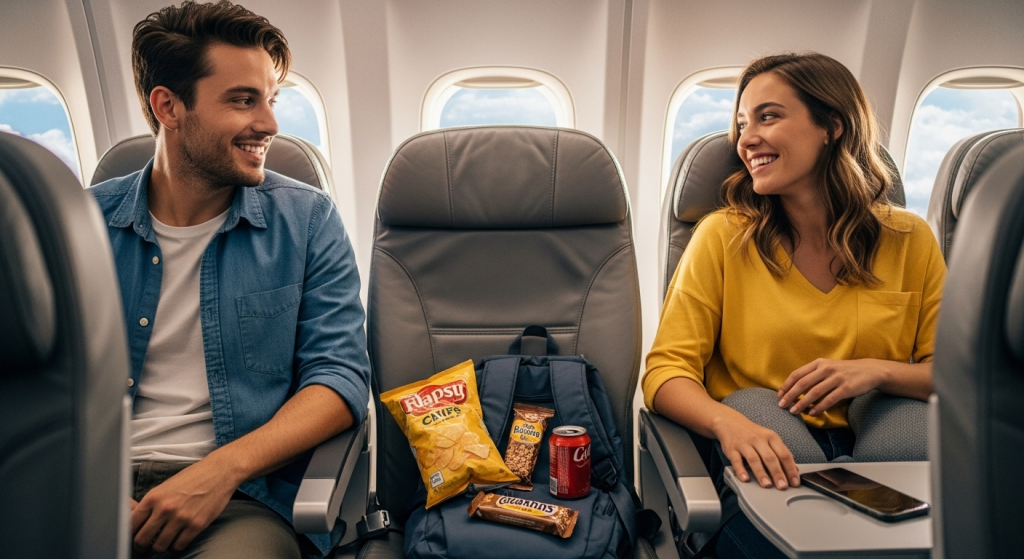
Everyone knows middle seats are terrible. You fight for armrests with two strangers, have zero personal space, and have to disturb someone every time you need to stand up.
Middle seat passengers also have worse air circulation — which actually increases exposure to airborne germs from fellow travelers.
BUT — and this is the game-changer — the middle seat has one brilliant strategic use.
If you’re traveling as a couple or with a companion, try this: find an empty three-seat row and book the window and the aisle, leaving the middle empty.
The middle seat is the last one anyone voluntarily picks. On a flight that isn’t completely sold out, there’s a strong chance that middle seat stays empty — and you’ve just created your own private row with extra elbow room.
If someone does get assigned that middle seat, you simply offer them a trade: “Hey, we’re together — would you prefer the window or the aisle so we can sit side by side?” Nobody in the history of commercial aviation has refused that offer. They escape the middle; you sit together. Win-win.
Best flights for this strategy: Tuesday, Wednesday, and Saturday flights tend to be less full. Redeye flights and off-season routes are also ideal. Skip this on Friday and Sunday — those flights are almost always packed.
The Sweet Spot Nobody Talks About: Rows 6–9 on Narrowbody Aircraft

Here’s the insider move that experienced flyers quietly use every time.
On most narrowbody aircraft (your Boeing 737s, Airbus A320s), rows 6 through 9 hit the perfect balance of everything you actually want from a seat:
- Close enough to the front for fast deplaning and early boarding
- Far enough back to avoid the chaos of families with young children (who typically cluster in rows 1–5)
- Over or just behind the wing — the aircraft’s center of gravity — meaning less turbulence, less motion sickness, and better sleep quality
- Away from the galley noise that plagues the front rows
Avoid rows 10–15 on most narrowbody planes. Airlines typically fill these with last-minute bookers, passengers who couldn’t get seats together, and people who didn’t pay for seat selection. It’s genuinely chaos central.
WILMA Boarding: Why Your Aisle Seat Is Now a Liability
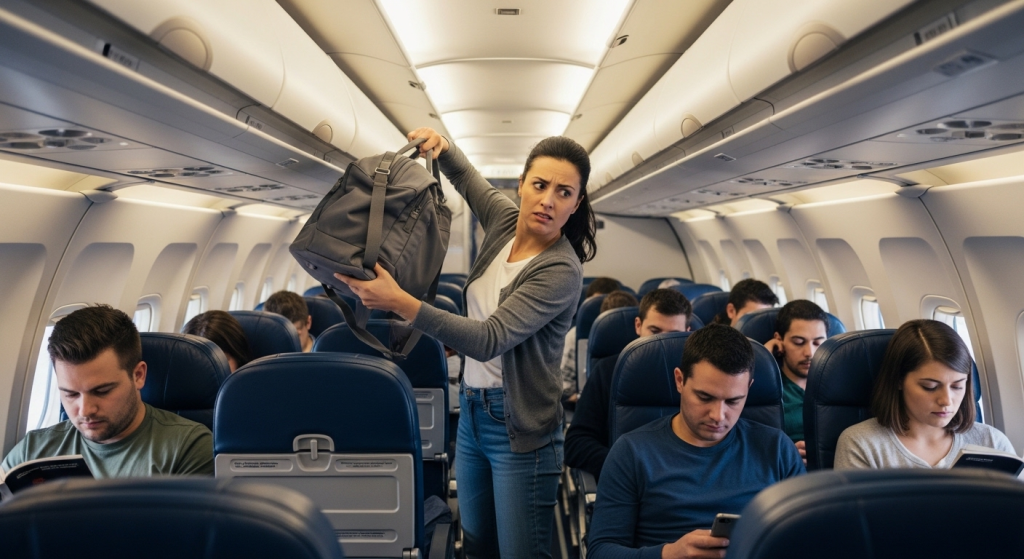
This is one of the most important things any modern traveler needs to understand, and most people don’t figure it out until they’re already standing in a full plane with nowhere to put their bag.
WILMA stands for Window-Middle-Aisle — and it’s the boarding procedure now used by Delta, United, American, and most major US carriers on the majority of domestic routes.
Here’s what it means for you: window seat passengers board first, grab their pick of overhead bin space (including the prime spots above aisle seats). Middle seat passengers board next and fill in the gaps. By the time aisle passengers board — traditionally the “smart” pick — every single bin is closed.
You now have two terrible choices: gate check your carry-on (damage rates for gate-checked bags run 8–12%, compared to just 3% for counter-checked bags) or do the walk of shame to the back of the plane hunting for a sliver of space ten rows from your seat.
Airlines profit from this chaos deliberately. The stress around your bag makes you more likely to pay for priority boarding or upgrade your fare class on the next trip.
The modern rule of the sky: If you need overhead bin space for a carry-on, book a window seat. Only book an aisle seat on flights where you’re planning to check your bag anyway.
The Widebody Wildcard: Center Section Seats on Wide-Aisle Planes
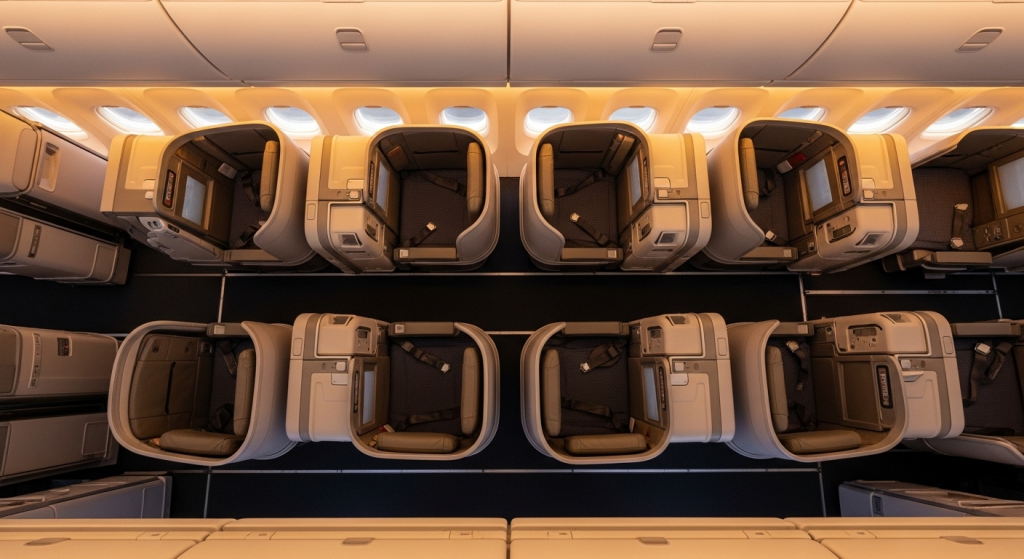
On widebody aircraft — Boeing 787 Dreamliner, Airbus A330, A350, Boeing 777 — the game changes significantly. These planes have two aisles and a center section of seats that most travelers completely ignore.
Here’s the secret: the two inner seats of a center four-seat block are often the best seats on the plane for solo travelers or couples.
Why? You get full aisle access without being on the main aisle. You can get up to stretch, grab something from the overhead bin, or use the bathroom without climbing over a sleeping stranger. Most passengers instinctively book window or side-aisle seats on widebody planes, leaving these center-aisle seats available.
The seat dimensions matter too — and vary wildly between aircraft. A Boeing 737 typically squeezes seats into just 17 inches of width. An Airbus A330 offers 18 inches. That single inch makes a real difference over a five-hour flight. Seat pitch (the distance between your seatback and the one in front) ranges from a knee-crushing 28 inches on budget carriers to a more liveable 32 inches on major international carriers.
Never trust the generic seat layout shown during booking. Always look up the specific aircraft type.
Aircraft Swaps: The Hidden Threat to Your Carefully Chosen Seat
Airlines frequently swap the aircraft scheduled for your flight — for maintenance issues, scheduling changes, or demand shifts — without any notice to passengers. That roomy window seat you carefully selected on a Boeing 787? It could quietly become a cramped spot on a narrowbody 737, with no compensation offered.
These equipment swaps are called exactly that in the industry, and they happen constantly.
How to protect yourself:
Use FlightAware to track the specific aircraft assigned to your flight by tail number. If there’s been a last-minute equipment swap, you’ll know before you even arrive at the airport and can make a case at the gate for a comparable seat to what you originally selected.
Screenshot your original seat map at the time of booking. If the aircraft changes, you have documentation to support your request.
The Real Seat Tools: What’s Replaced SeatGuru
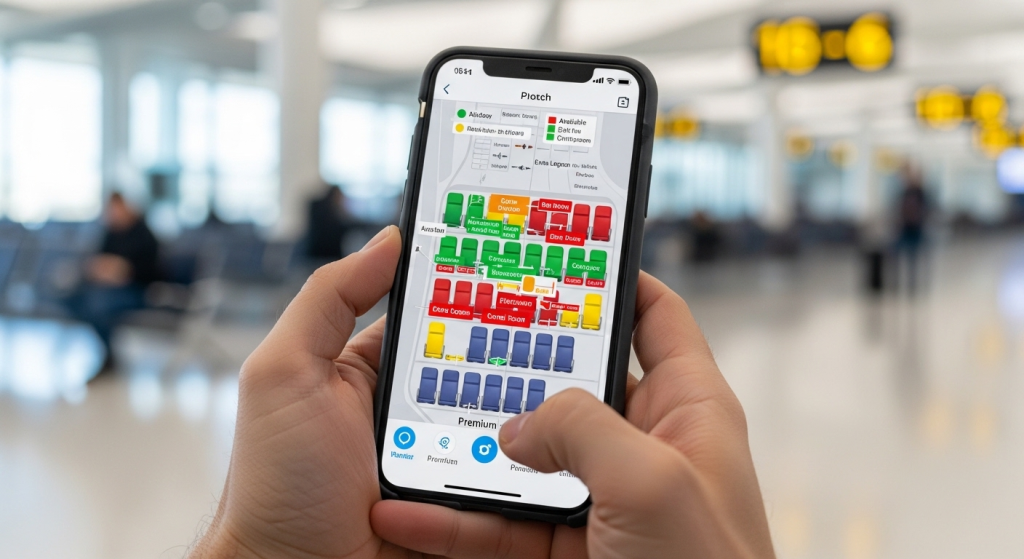
SeatGuru used to be the bible for seat research — but it hasn’t kept up. Airlines constantly retrofit cabins, change configurations, and update seat maps while SeatGuru shows data that can be years out of date. Relying on it now is like navigating a modern city with a 1990s road map.
Here’s what actually works in 2025:
Aerolopa — Incredibly detailed, up-to-date seat maps drawn to scale. You can see exactly how a seat lines up with a window or how close it really is to the bathroom. Far more accurate than SeatGuru for current configurations.
SeatMaps.com — User-submitted photos so you can see the actual view from your seat, not a render.
FlightAware — Track your specific aircraft by tail number. Know before you arrive whether you’re still on that spacious widebody or have been downgraded to a cramped narrowbody.
Your airline’s own app — United, Delta, and American now provide live seat availability, precise measurements, and details about power outlets and Wi-Fi that third-party sites regularly miss.
FlyerTalk forums — This is where serious travel nerds share brutally honest, photo-backed reviews of specific seats on specific aircraft. It’s real-time crowdsourced intelligence that no static website can match.
The three-step pre-booking workflow:
- Check the airline app for the scheduled aircraft type and live seat availability
- Verify that aircraft type on Aerolopa to identify the best seats
- Search FlyerTalk for recent reviews of that specific seat on that plane
This takes five extra minutes. It can mean the difference between a comfortable flight and a miserable one.
The 24-Hour Check-In Window: Your Biggest Opportunity

Most travelers check in sometime during the 24-hour window before their flight. The smart traveler is there the second it opens.
Here’s why: airlines release their best remaining seats at the 24-hour mark, and they disappear fast.
Two things happen at that moment:
Business travelers change plans. Meetings get rescheduled, deals close, flights get swapped. When they cancel or change, their prime front-economy seats go back into the available pool.
Elite upgrades free up seats. As frequent flyers get moved up to first class or business, they leave behind their exit row, economy plus, or preferred seats — seats that were marked unavailable when you originally booked.
Set an alarm for exactly 24 hours and one minute before your departure time. The moment check-in opens, pull up the seat map. You’ll often find a completely different landscape from what was available when you booked.
Gate agent tip: Don’t just walk up and say “Can I get a better seat?” They hear that 100 times a day. Instead, check the app first, identify a specific open seat, then approach the agent: “Hi, I can see seat 15A is currently available — would it be possible to move me there?” You’ve done the work for them. You’re specific. That dramatically increases your odds of a yes.
Also worth knowing: joining an airline’s frequent flyer program — even if you rarely fly with them — is free and often gives you priority access to better seats at the 24-hour check-in mark.
When Paying for a Seat Upgrade Actually Makes Sense
Here’s the math airlines don’t advertise: on flights longer than four hours, spending $25–$50 for a meaningfully better seat can save you days of recovery time from poor sleep and body stiffness. The economics actually work in your favor.
But timing matters. Upgrade prices often drop significantly within 24 hours of departure as airlines try to fill premium seats. Check the upgrade price when you first book, then again at the 24-hour mark. Discounts of 30–50% on seat upgrades quietly appear as airlines try to fill their preferred sections before the door closes.
Basic Economy: The Seat Assignment Lottery (And How to Beat It)
If you’ve booked basic economy, you already know the anxiety: seat assignment comes at the very last minute and is clearly calculated to make you uncomfortable enough to upgrade.
Here’s what’s actually happening behind the scenes: airlines use algorithms that automatically assign basic economy passengers to the least desirable seats — middle seats, back rows, next to the bathroom. They hold better seats back, betting you’ll get nervous and pay the upgrade fee to secure something decent.
The most cynical version of this targets families. The algorithm often intentionally splits up family members traveling on basic economy tickets, knowing parents will almost always pay extra to sit with their children. It’s a manufactured problem that the airline then charges you to solve.
How to fight back:
- Check in at exactly 24 hours before departure — a new batch of seats often becomes available that wasn’t visible before
- Active military, passengers with documented disabilities, and those traveling with a lap infant can often request priority seating even on basic economy
- Not all airlines play the same game: Southwest’s open seating eliminates this problem entirely; Spirit and Frontier are notoriously strict; Delta and United show more flexibility for their elite status members
Your Step-by-Step Seat Selection Playbook
Here’s everything condensed into an action plan you can use on every flight, starting today:
Step 1: Research before you book. Use Aerolopa to look up the specific aircraft type for your flight. Identify the best seats before you even enter your payment info.
Step 2: Target the right zone. On narrowbody planes, aim for rows 6–9 in an aisle seat. On widebody planes, consider the center section inner aisle seats. Single-center-aisle seats on widebody aircraft are your golden ticket.
Step 3: Know what you’re trading. If you have a carry-on, book a window seat to protect your overhead bin space under WILMA boarding. Only book an aisle seat if you’re checking your bag.
Step 4: Set your 24-hour alarm. Be ready to act the moment the check-in window opens. Have your confirmation number saved and the app already downloaded.
Step 5: Monitor for last-minute upgrades. Check upgrade prices at booking and again at 24 hours. Keep the app open and notifications on — people change plans up until boarding.
Step 6: Have a gate agent strategy. Research specific available seats before approaching, be specific in your request, and have a genuine (if brief) reason ready.
Final Word: Stop Playing by the Default Rules
Airlines are betting on you making quick, emotional, habit-based seat choices. They’ve built an entire revenue system around your predictable patterns — your fear of the middle seat, your assumption that front is better, your trust in the seat map they show you during booking.
Now you know better.
The difference between a miserable flight and a genuinely comfortable journey usually comes down to about five extra minutes of strategic research before you hit confirm. That’s it. Five minutes with the right tools, at the right timing window, targeting the right rows.
Safe travels, and may your bins always have space.
Found this guide useful? Share it with a fellow traveler who always ends up in the worst seat on the plane. Browse more flight hacks and travel tips at Passport Pro.
Tags: best seats on a plane, best airplane seats, economy seat advice, flight hacks, travel hacks, window vs aisle seat, where to sit on a plane, WILMA boarding, United Airlines WILMA, plane seat layout, best seat for long haul, flight seat guide, how to book plane seats, plane seating tips, worst seats on a plane